Top Tips for Choosing Fiber Cement Façade Materials?
When selecting fiber cement façade materials, expertise is crucial. According to John Smith, a leading architect in façade design, "The right material can transform a building's character." Fiber cement façades offer durability and aesthetic flexibility, making them a popular choice among builders and architects.
However, choosing the right fiber cement façade is more than just aesthetics. It requires understanding the material’s performance, maintenance needs, and environmental impact. Many overlook these factors, leading to costly mistakes. Engaging with specialists can provide insights that are often missed.
Consider your local climate and building codes, as they impact material selection. Furthermore, think about design trends and how they align with your vision. Balancing practicality and style is essential. Remember, the perfect façade should not only look good but also perform effectively over time.
Understanding Fiber Cement Façade Materials and Their Benefits
Fiber cement façade materials offer unique advantages for modern construction. These materials blend cement, cellulose fibers, and sand, creating a robust solution for exterior surfaces. They are known for their durability and resistance to harsh weather conditions. Unlike traditional materials, fiber cement does not swell or warp, maintaining its integrity over time.
One primary benefit of using fiber cement is its versatility. It can mimic the appearance of wood, brick, and stone, providing aesthetic flexibility. Additionally, these materials have excellent fire resistance, making them a safer choice for many buildings.
However, it is essential to consider installation practices. Incorrect installation can lead to issues like moisture retention. Proper sealing and maintenance are crucial for longevity.
While fiber cement is a reliable choice, it is not without challenges. The initial weight may concern some builders, and the material requires skilled labor for effective application. Understanding these factors ensures informed decisions. Balancing aesthetic needs with structural performance is vital in selecting any façade material.
Factors to Consider When Choosing Fiber Cement for Facades
When considering fiber cement façade materials, several crucial factors come into play. One key aspect is climate suitability. Fiber cement performs well in various weather conditions, but local climate can affect its longevity. Humid areas might demand special considerations for moisture management.
Another important factor is the aesthetic appeal. Fiber cement offers diverse styles and colors. Homeowners and builders should assess how the façade complements the overall architectural design. Samples can help visualize the final look. It's vital to think about texture and finish too; these elements can dramatically change the impression of the building.
Maintenance requirements also merit attention. While fiber cement is durable, it still needs periodic checks. Cracks or surface wear can occur over time. Ensuring there are clear guidelines for maintenance will enhance the life span of the façade. Durability is a strong point, yet no material is impervious to wear. Evaluating potential long-term issues is essential for making an informed choice.
Top Tips for Choosing Fiber Cement Façade Materials
Comparing Different Brands and Options of Fiber Cement Products
When considering fiber cement façade materials, understanding the variety of options and brands is essential. Different products offer unique features and benefits. For example, some may excel in durability while others focus on aesthetic appeal. Evaluating these factors will help you make an informed decision.
One tip to remember is to check weather resistance. Fiber cement can be prone to moisture issues if not manufactured correctly. This raises concerns about longevity and maintenance. Additionally, consider insulation properties. Some brands may offer higher energy efficiency than others, impacting your long-term costs.
While comparing different brands, take note of the texture and finish of the products. The surface treatment can affect both appearance and how easily the material can be cleaned. If the product is difficult to maintain, it could lead to bigger issues down the line. Finally, don’t ignore the weight of the material. Heavier options might require stronger support structures, which could complicate installation. Always weigh these factors carefully before making a commitment.
Installation Considerations for Fiber Cement Façade Systems
When considering the installation of fiber cement façade systems, attention to detail is crucial. The proper substrate is vital. A flat, clean surface ensures a perfect fit. Statistics indicate that improper surface preparation can reduce a system's longevity by up to 30%. Make sure to check for moisture levels. Excess moisture can lead to damage over time.
One of the most overlooked aspects is the expansion and contraction of the materials. Temperature fluctuations can cause fiber cement to warp if not installed correctly. Leaving adequate gaps for expansion is essential. The recommended gap typically ranges from 1/8 inch to 1/4 inch, depending on the climate. For high-temperature areas, consider larger gaps.
Consider utilizing proper fasteners and anchors. These are often underappreciated yet vital components. The strength of the fasteners can influence the façade's performance. Spend time researching the correct fasteners for your specific application. Failing to do so can result in premature façade failure. Always consult industry standards to ensure compliance.
Maintenance and Longevity of Fiber Cement Façade Materials
Fiber cement façade materials are becoming increasingly popular for their durability and aesthetic appeal. When it comes to maintenance, regular inspections are essential. Look for signs of wear or damage. Check for cracks or discoloration, which may indicate deeper issues. Immediate attention can prevent costly repairs later.
The longevity of fiber cement is impressive. With proper care, it can last for decades. However, environmental factors can impact its lifespan. Areas with extreme weather conditions may require more frequent maintenance. Cleaning the surface helps maintain its appearance. A soft wash with water and gentle detergent is usually sufficient. Avoid high-pressure washing, as it can cause damage.
Even with its resilience, no material is perfect. Some fibers can be susceptible to moisture if not sealed correctly. Regular sealing is crucial in maintaining the integrity of the façade. Be mindful of the local climate. This knowledge can guide you in choosing the right maintenance schedule. Consider consulting with a professional to address specific concerns about your façade. This ensures you're adequately prepared for any challenges that may arise.
Top Tips for Choosing Fiber Cement Façade Materials
| Dimension |
Details |
| Material Composition |
Cement, cellulose fiber, sand, and additives |
| Durability |
Resistant to weather, pests, and fire |
| Maintenance |
Low maintenance with occasional cleaning |
| Longevity |
Can last over 50 years when properly installed and maintained |
| Environmental Impact |
Sustainable materials with low environmental footprint |
| Installation |
Needs skilled labor for optimal results |
| Cost |
Varies, generally moderate to high investment |

 LEAO®Deco Ceiling
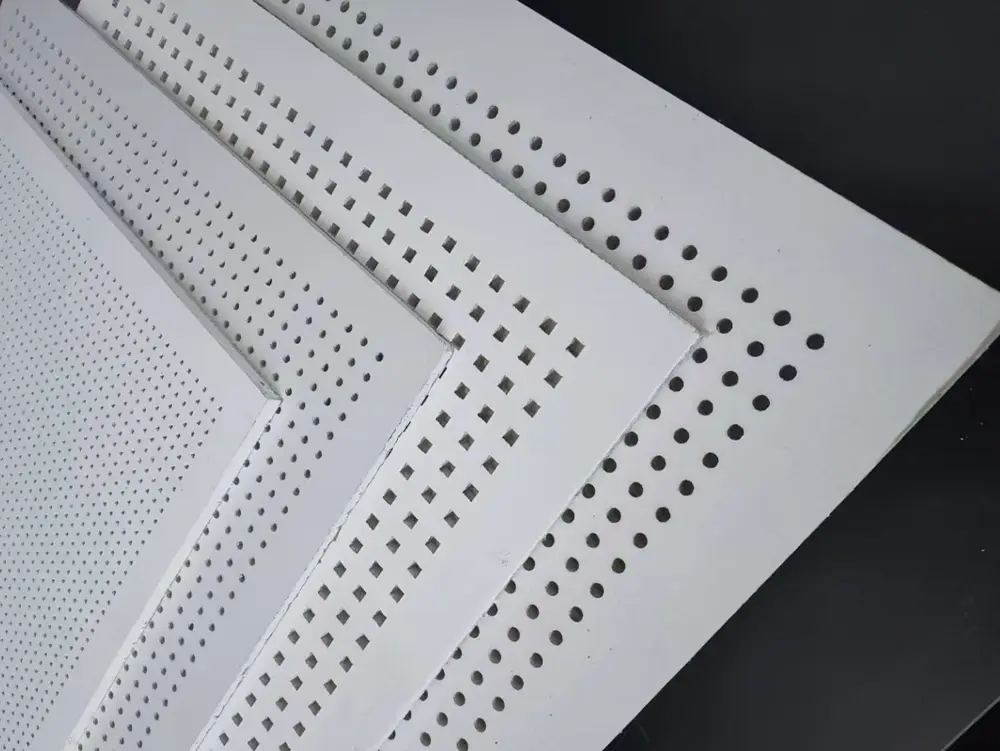 LEAO® Perforated Ceiling
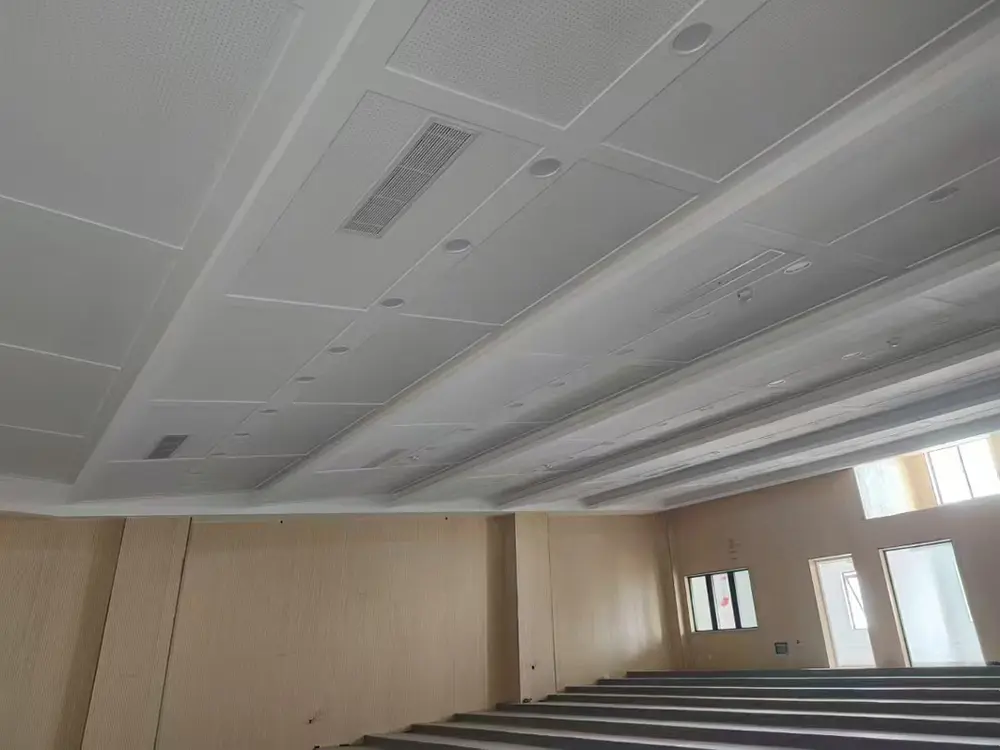 LEAO® Ceiling Board
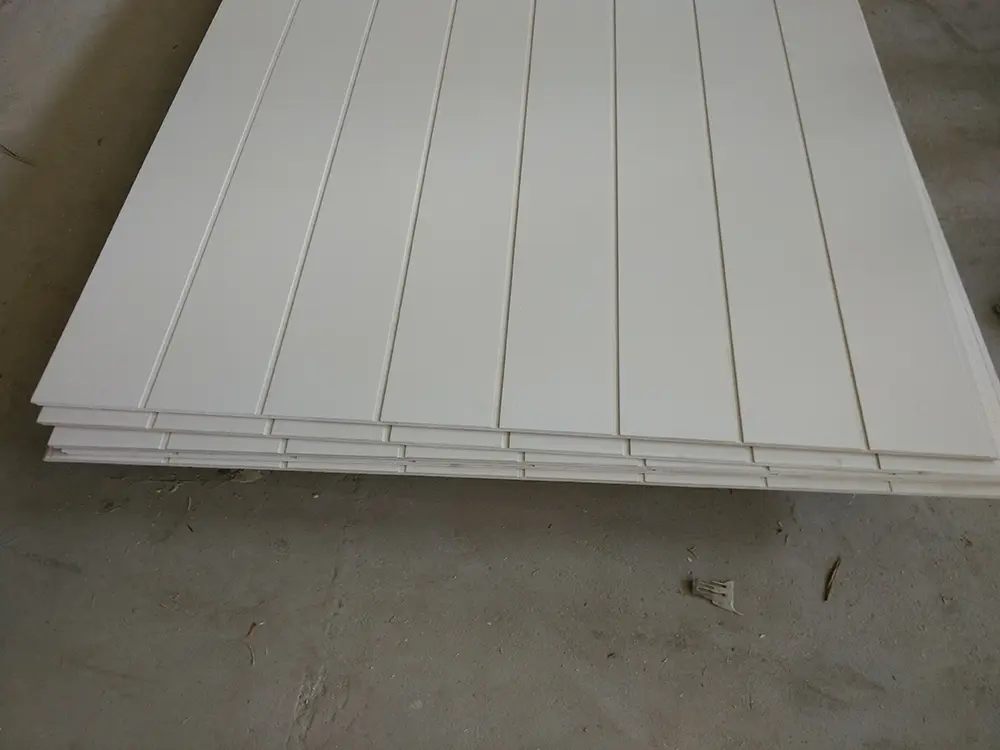 LEAO® Groove Interior Panel
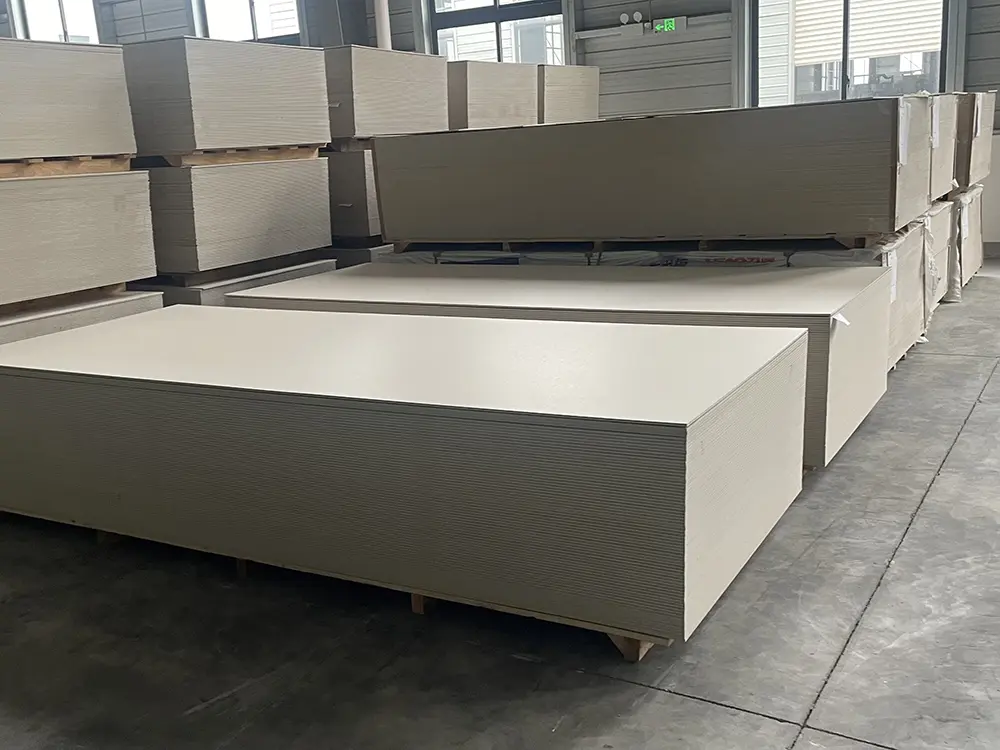 LEAO® Interior Board
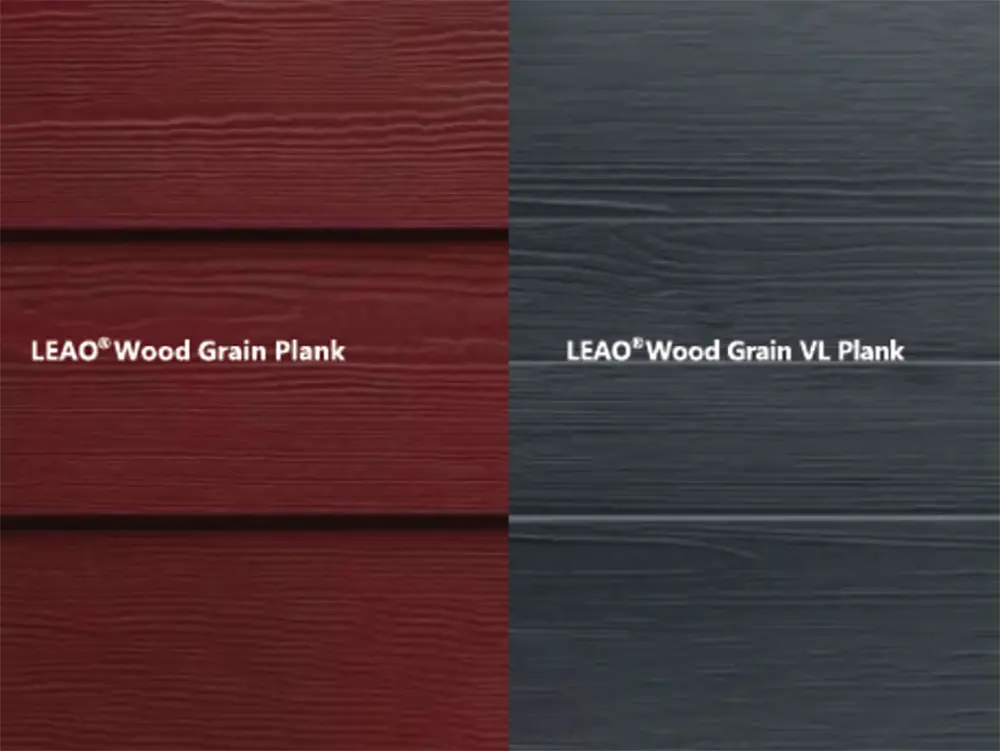 LEAO® Wood Grain Plank
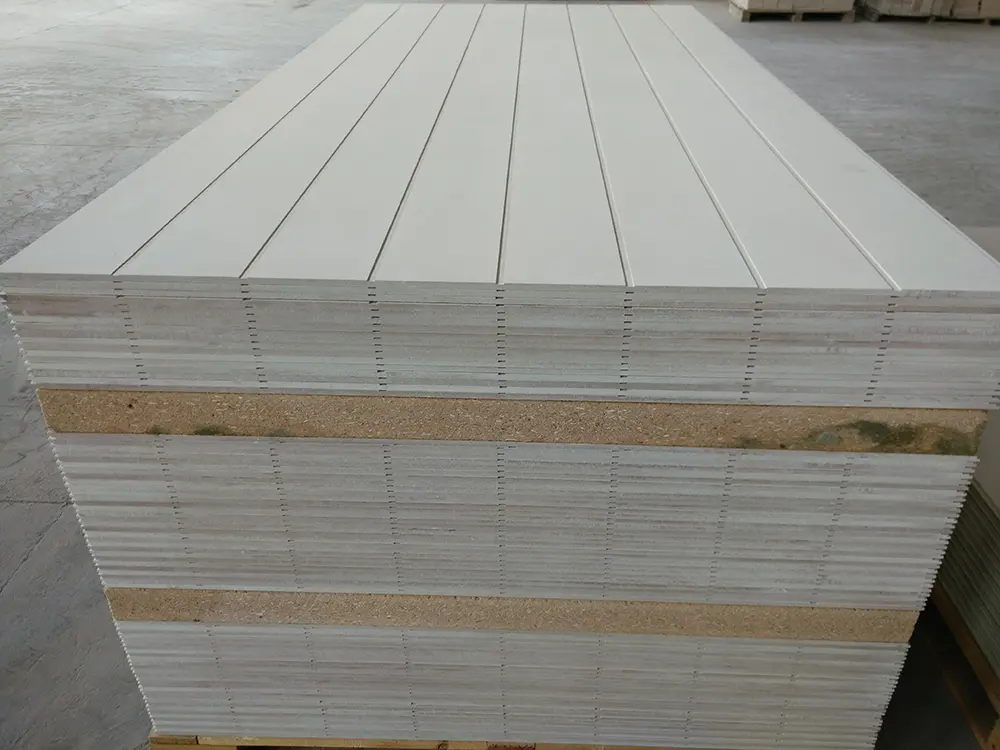 LEAO® Grooved Exterior Panel
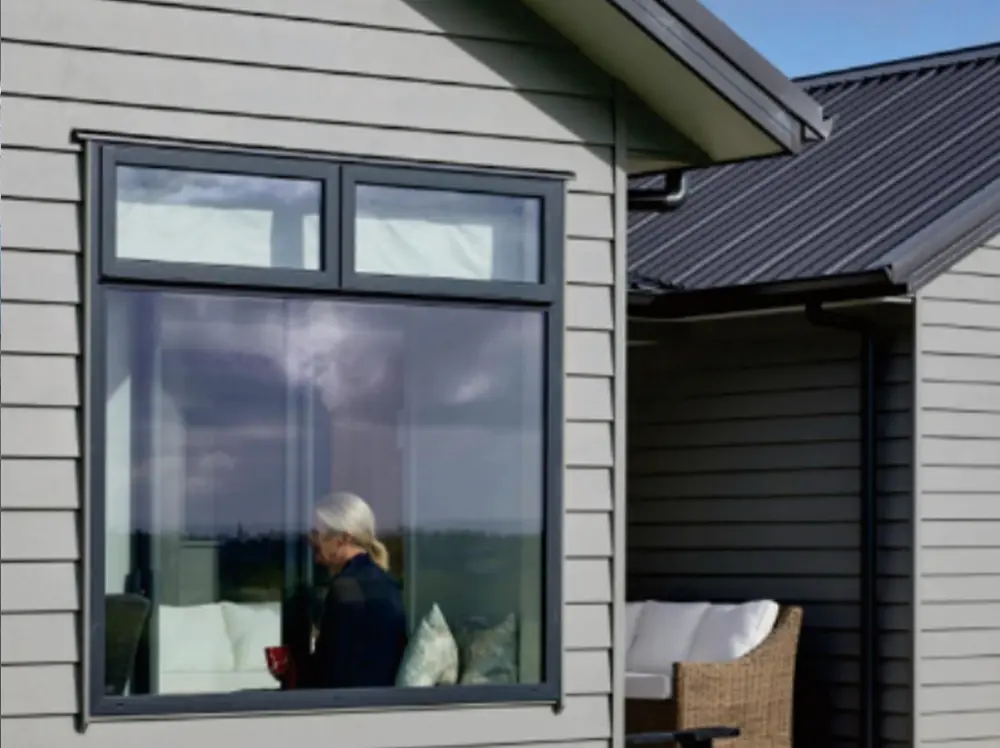 LEAO® Weatherboard
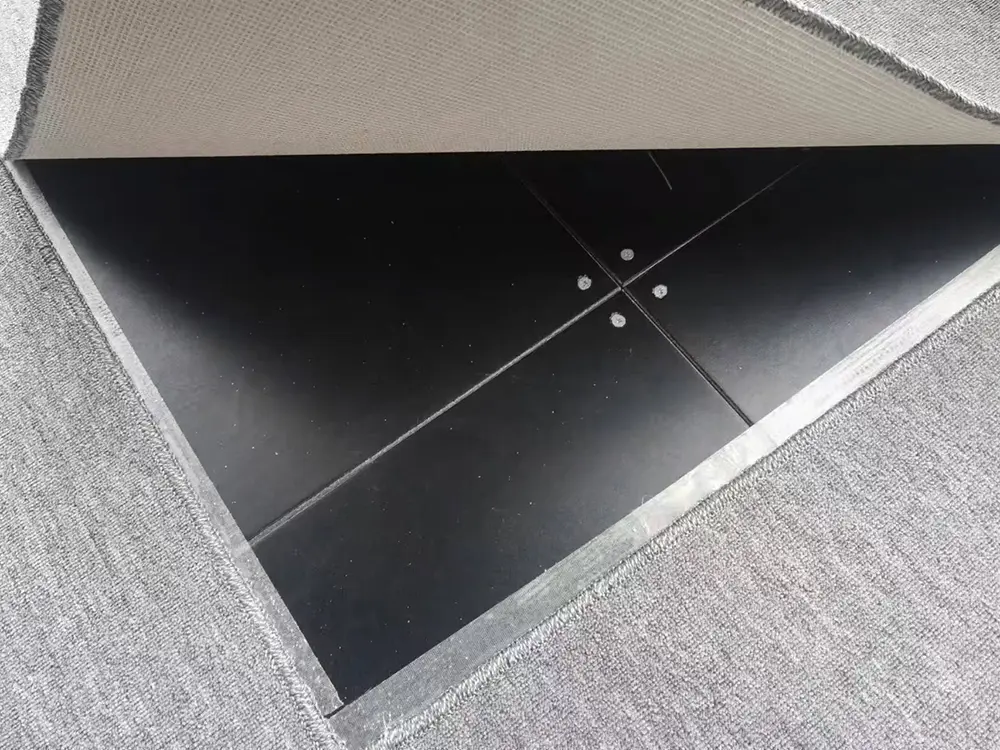 LEAO® Access Floors
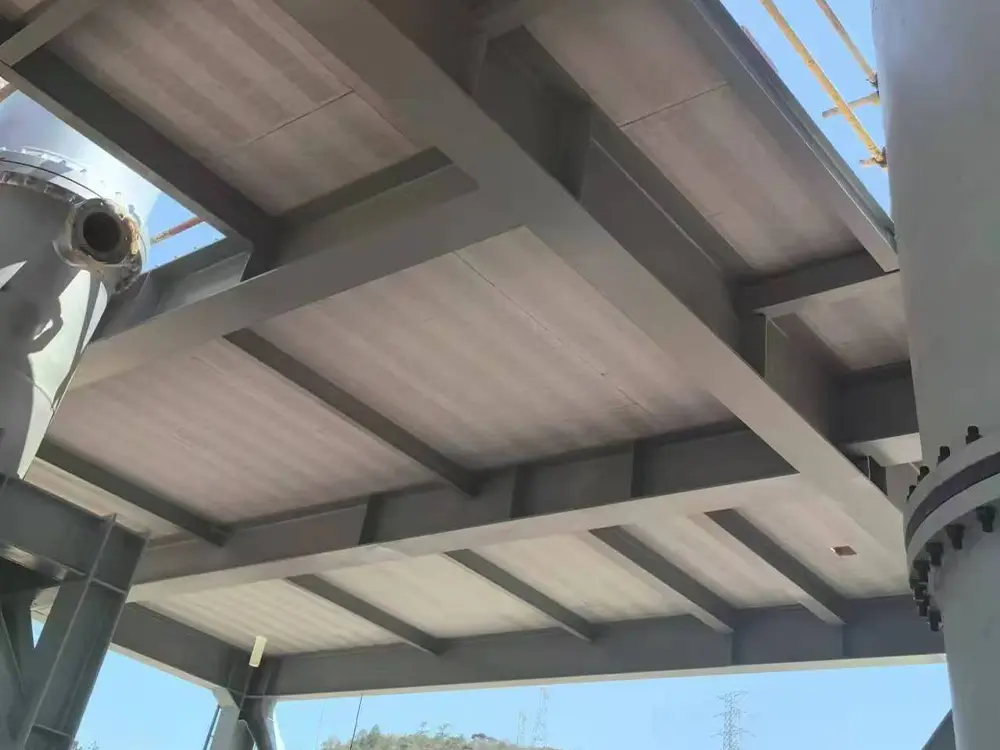 LEAO® Non-removable Formwork
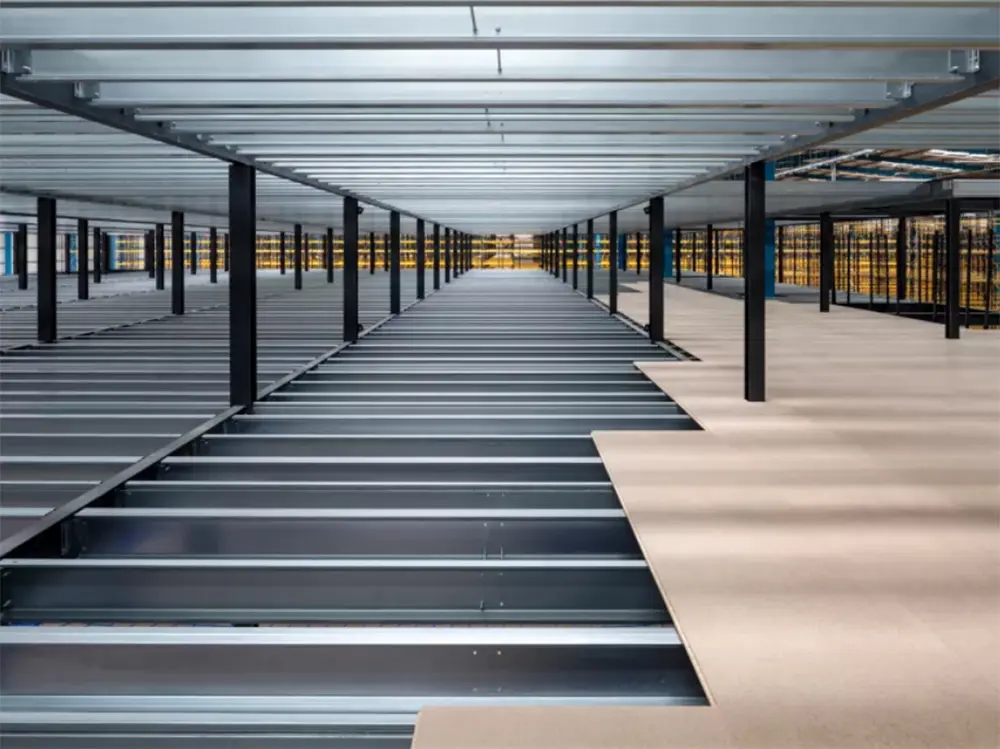 LEAO® Mezzanine Board
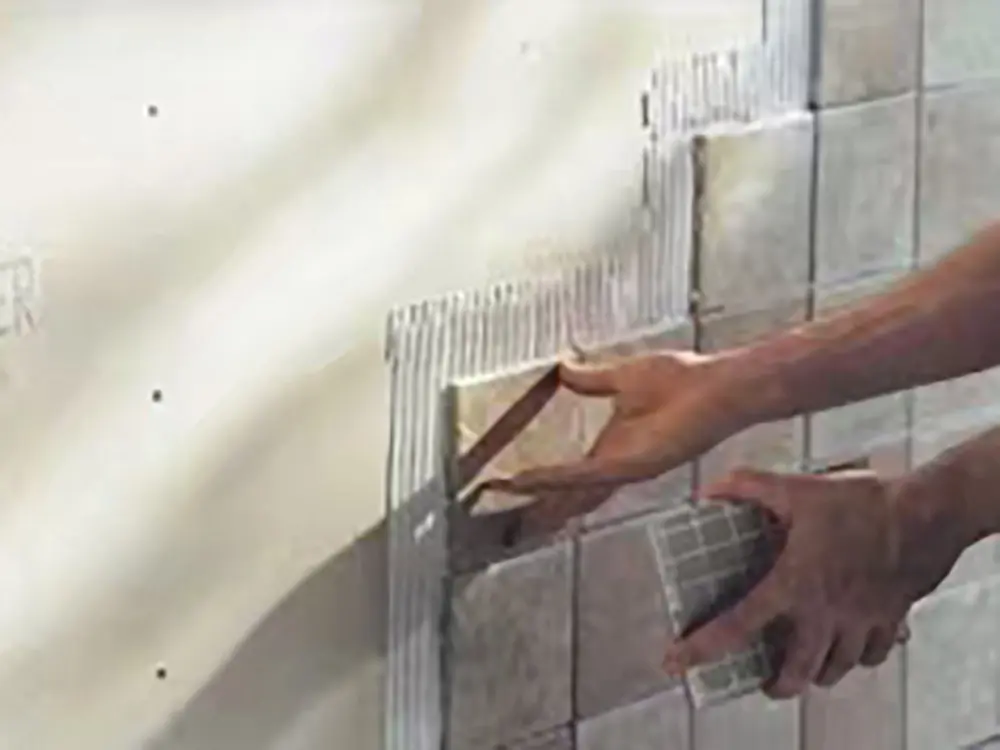 LEAO® Ceramic Tile Underlay
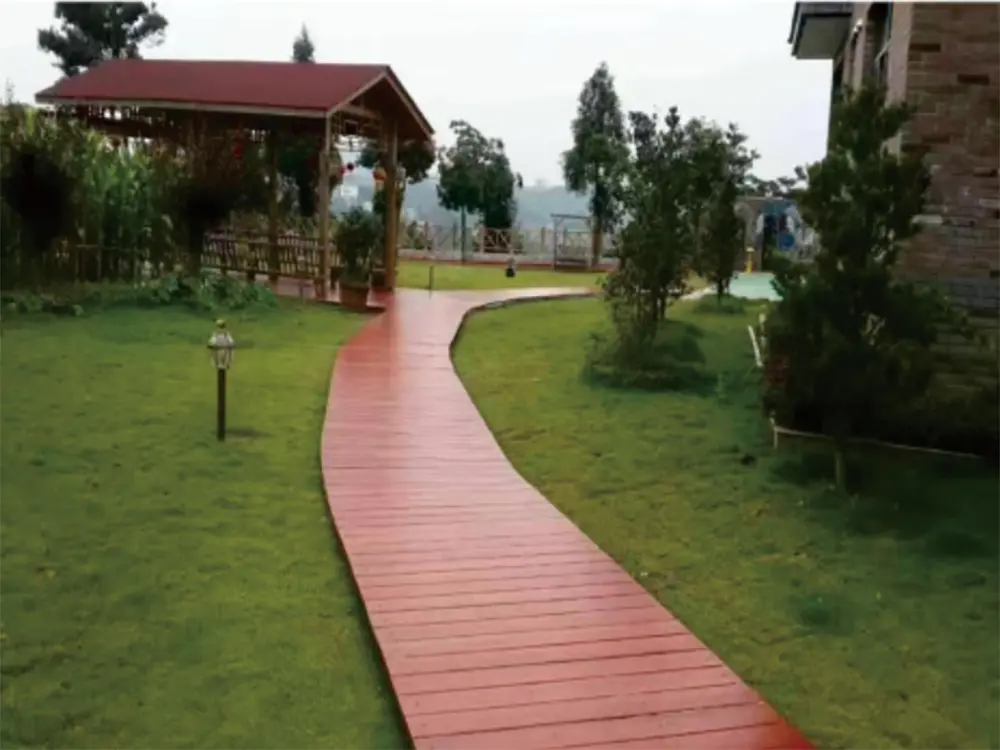 LEAO® Floor Plank
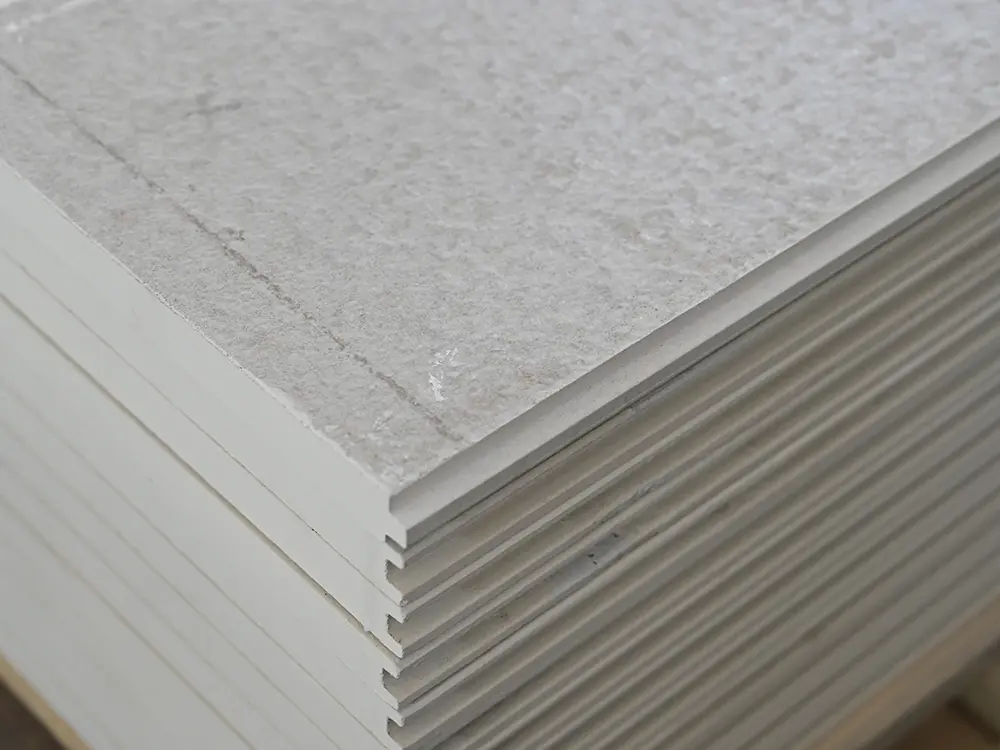 LEAO® Flooring
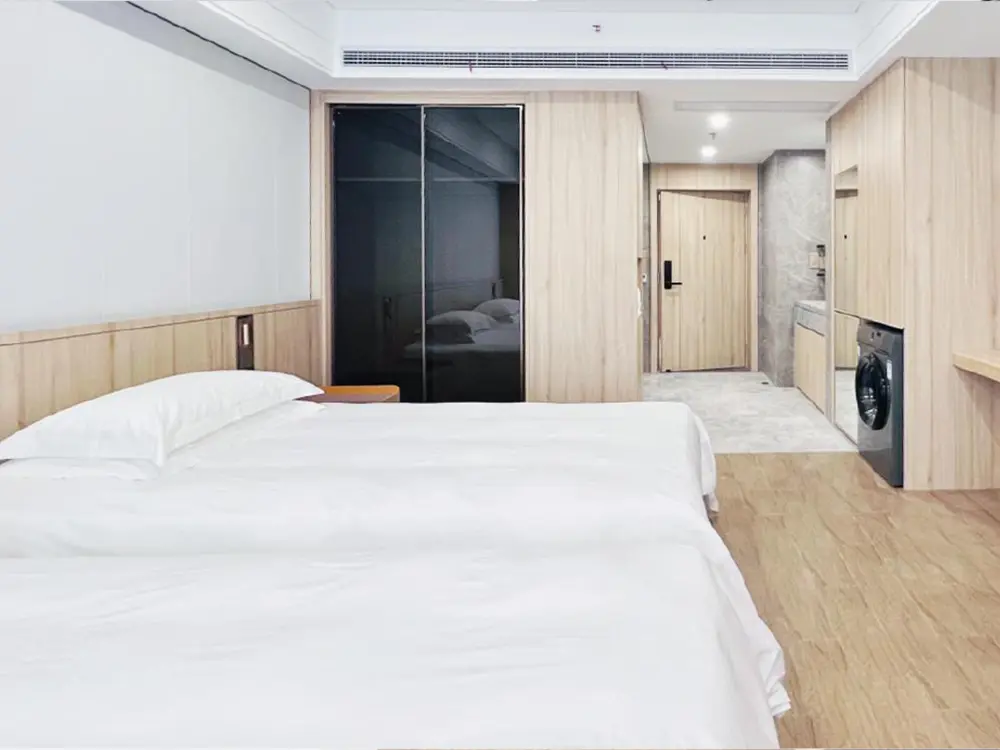 LEAO® Wood Style Decorative Panel
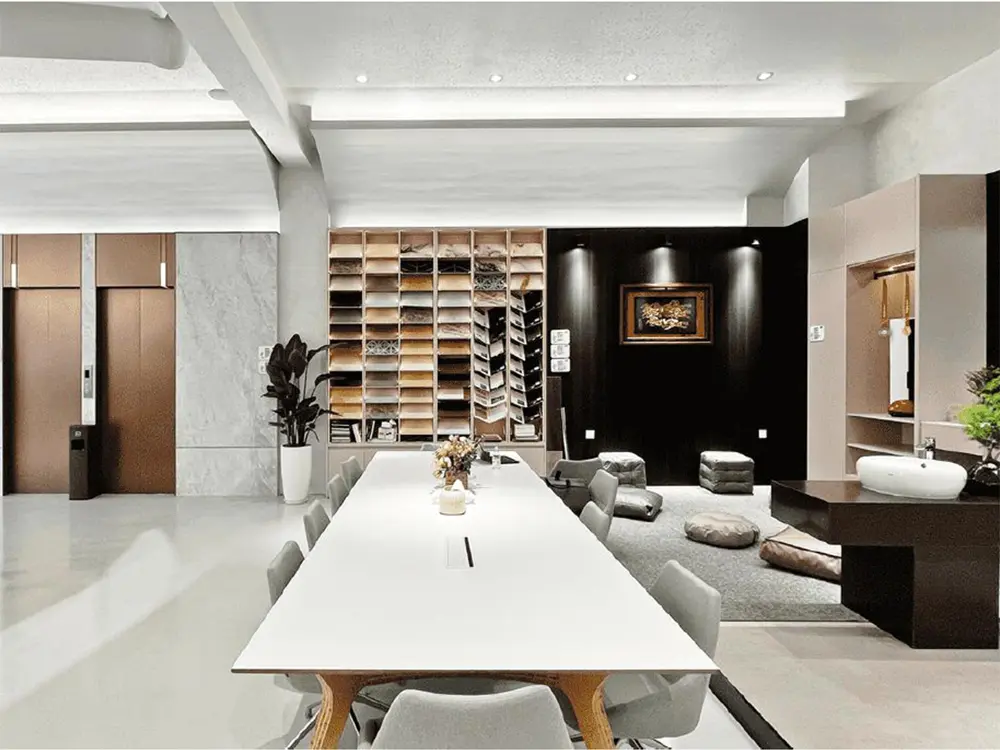 LEAO® Stone Style Decorative Panel
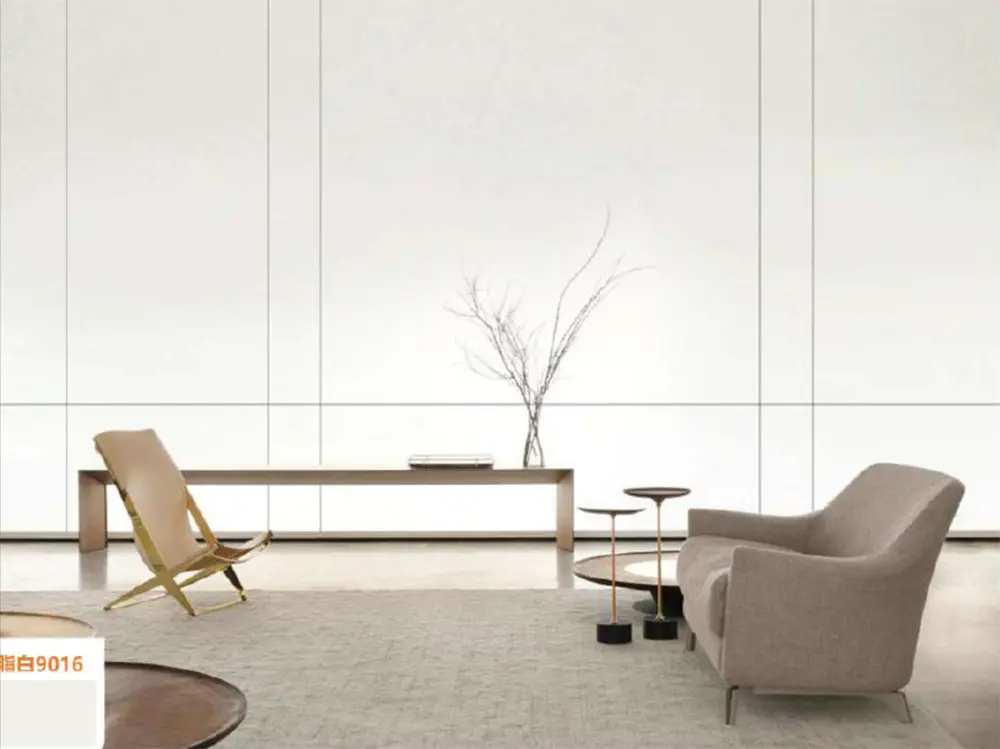 LEAO® Pure Style Decorative Panel