Top 10 Benefits of Using Fiber Cement Woodgrain Board for Your Home
In the realm of home construction and design, the choice of materials can significantly influence both aesthetics and durability. One such material that has gained acclaim in recent years is the Fiber Cement Woodgrain Board. Experts agree that its unique blend of properties makes it a favored option for homeowners looking to enhance their living spaces. For instance, John Anderson, a noted architect specializing in eco-friendly materials, states, “Fiber Cement Woodgrain Board offers the perfect balance of beauty and resilience, allowing homeowners to enjoy the natural look of wood without the associated maintenance challenges.”
As we delve into the top 10 benefits of using Fiber Cement Woodgrain Board for your home, it becomes clear that this innovative material not only replicates the elegant appearance of traditional wood but also boasts advantages that address common challenges faced in home design. From its exceptional durability and resistance to moisture and pests to its low-maintenance requirements, Fiber Cement Woodgrain Board stands out as a versatile solution for modern households. By understanding these benefits, homeowners can make informed decisions that reflect both their aesthetic desires and practical needs.
Understanding Fiber Cement Woodgrain Board and Its Composition
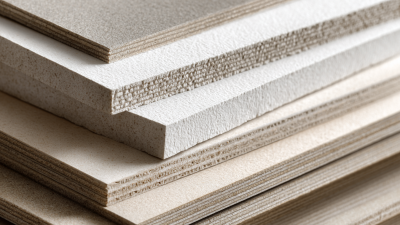
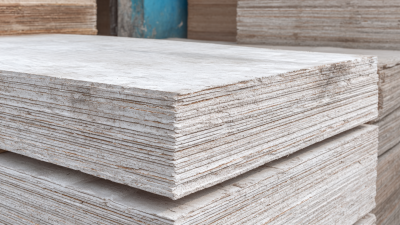
Fiber cement woodgrain board is increasingly favored in residential construction and renovation due to its unique composition and numerous benefits. This material consists of a blend of cement, cellulose fibers, and sand, which provides exceptional durability and resistance to the elements. According to a report by the National Association of Home Builders, fiber cement siding can last up to 50 years, significantly outpacing traditional wood options, which often succumb to rot, pests, and weather damage within a fraction of that time. The woodgrain finish mimics the aesthetic of timber without the associated maintenance costs, making it a smart choice for homeowners seeking both beauty and resilience.
When considering fiber cement woodgrain boards, it's important to note their fire resistance—a crucial factor in many regions prone to wildfires. Research indicates that fiber cement can withstand high temperatures better than conventional wood, providing an added layer of safety to your home. Additionally, these boards are less prone to shrinking or expanding in response to moisture, which means they maintain their integrity across varying climate conditions.
**Tips:** For homeowners looking to maximize the longevity of fiber cement boards, ensure that they are properly sealed and painted with high-quality, weather-resistant finishes. Regular inspections can catch early signs of wear, which is essential for preserving their appearance and functionality. Moreover, when installing, consider consulting certified professionals to achieve optimal results and warranties.
Durability: How Fiber Cement Woodgrain Board Outlasts Traditional Materials
Fiber cement woodgrain boards are gaining widespread recognition for their exceptional durability compared to traditional building materials. According to a research report by the International Society of Fiber Cement, fiber cement possesses a lifespan that can exceed 50 years, significantly outperforming typical wood siding, which may require replacement every 10-15 years due to issues like rot, warping, and insect damage. This long-lasting performance is largely attributed to its composition, which is resistant to moisture and does not promote the growth of mold or fungi, factors that often compromise traditional materials.
In addition to its longevity, fiber cement woodgrain boards also exhibit remarkable resistance to adverse weather conditions. A study published by Building Science Corporation found that fiber cement siding can withstand extreme temperatures, high winds, and heavy precipitation without significant deterioration. This resilience not only translates into lower maintenance costs over time but also contributes to energy efficiency in homes, as the stable structure helps maintain indoor temperatures. Homeowners can enjoy peace of mind knowing that fiber cement woodgrain boards provide a dependable aesthetic appeal without the constant upkeep required by conventional materials.
Top 10 Benefits of Using Fiber Cement Woodgrain Board for Your Home
Aesthetic Appeal: Enhancing Home Design with Woodgrain Texture
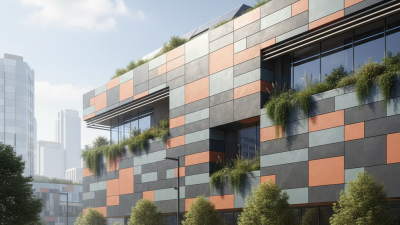
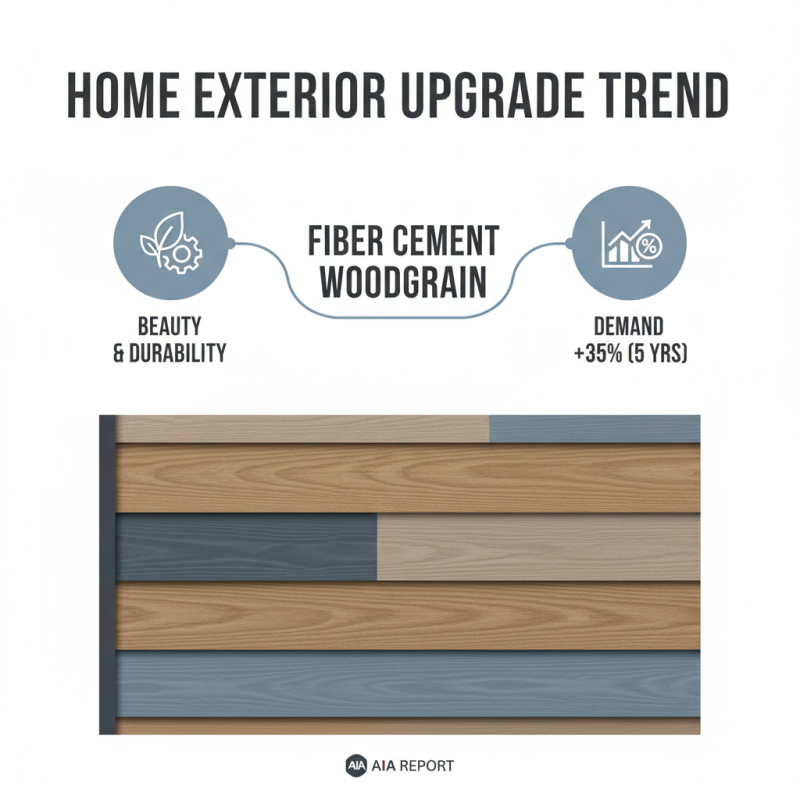
The aesthetic appeal of fiber cement woodgrain boards is undeniable, making them an increasingly popular choice for homeowners looking to upgrade their home design. These boards mimic the rich texture and appearance of traditional wood while providing enhanced durability and resistance to weather and pests. According to a report by the American Institute of Architects, the demand for engineered wood products, including fiber cement alternatives, has surged by 35% over the past five years, showcasing a clear trend towards materials that offer both beauty and practicality.
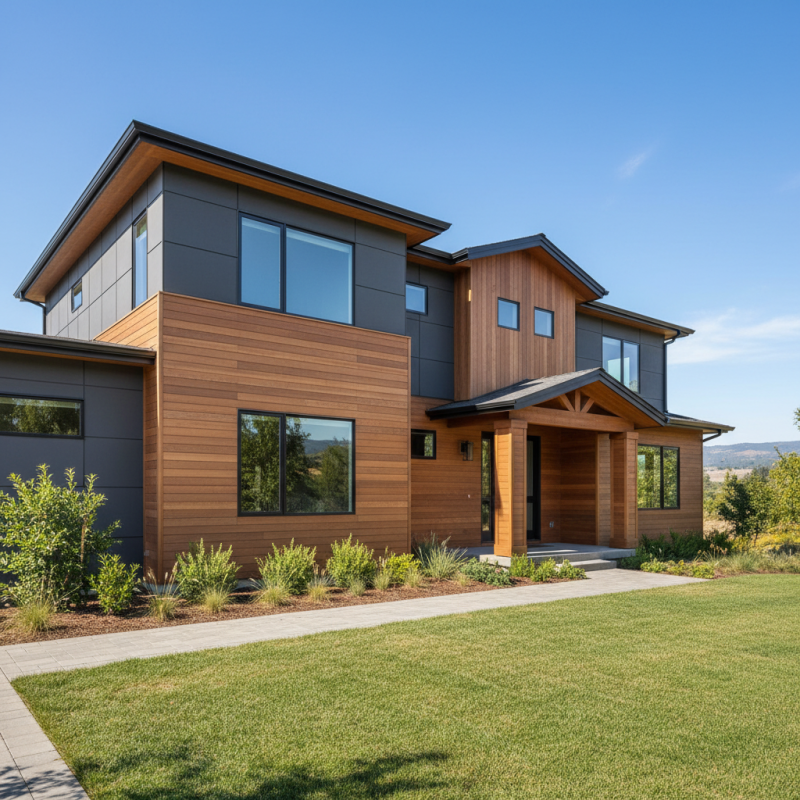
When incorporating woodgrain texture into your home design, consider the architectural style of your residence. For instance, contemporary homes can benefit from the clean lines and natural colors of woodgrain boards, which can complement sleek designs. Conversely, traditional homes can achieve a warm and inviting atmosphere with deeper wood tones. It’s essential to choose shades and patterns that blend harmoniously with other features in your home, a tactic that can maximize your property’s curb appeal.
**Tips:** To elevate the visual impact of fiber cement woodgrain boards, try pairing them with contrasting materials such as metal accents or stone. This juxtaposition can create a striking balance and enhance the overall aesthetic. Additionally, using these boards for both siding and accent walls can unify your design while adding depth and interest to your home’s exterior.
Low Maintenance Requirements of Fiber Cement Woodgrain Board
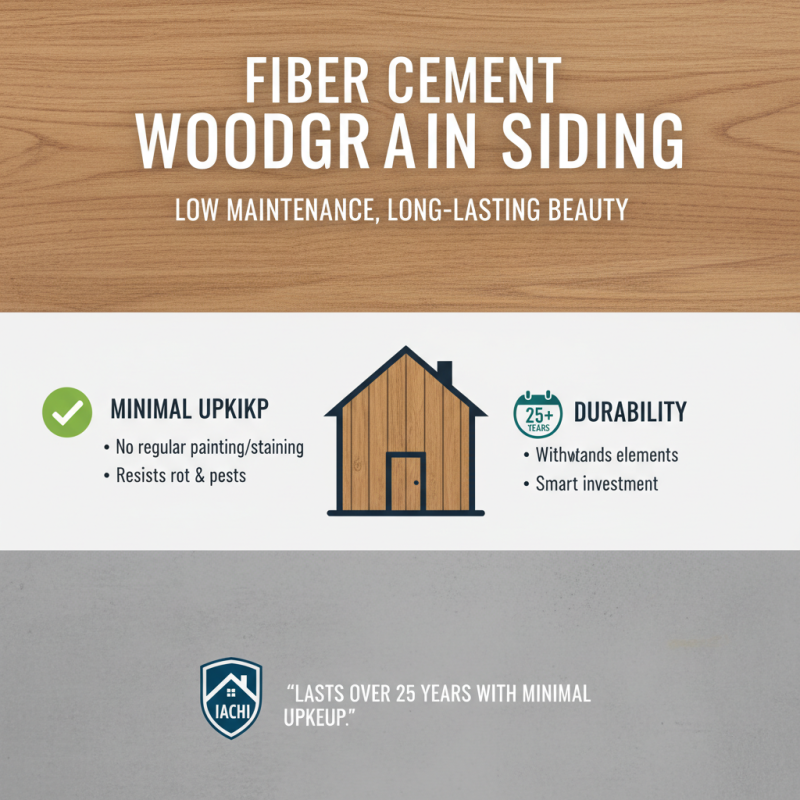
Fiber cement woodgrain board has gained popularity among homeowners and builders alike, largely due to its low maintenance requirements. According to the International Association of Certified Home Inspectors, fiber cement siding can last over 25 years with minimal upkeep, making it a smart investment for long-term home aesthetics and durability. Unlike traditional wood, which requires regular painting or staining to prevent rot and pests, fiber cement boards are designed to withstand the elements without significant deterioration, significantly reducing maintenance frequency and costs.
In terms of upkeep, the National Association of Home Builders reports that homeowners can expect to spend less on maintenance for fiber cement materials. This is attributed to their resistance to warping, cracking, and fading, which are common issues with wood products. A simple wash with soap and water annually is often all that is needed to keep fiber cement woodgrain boards looking fresh, saving time and money while enhancing the home's curb appeal. Overall, choosing fiber cement woodgrain board provides a hassle-free solution that balances beauty and resilience, ensuring your home remains attractive with little effort.
Environmental Benefits: Sustainable Aspects of Fiber Cement Products
Fiber cement woodgrain board is an excellent choice for homeowners looking to enhance their living spaces while prioritizing sustainability. These boards are primarily made from a combination of cement, sand, and cellulose fibers, which results in a product that is not only durable but also environmentally friendly. Unlike traditional wood siding, fiber cement is resistant to pests and does not require harmful treatments or chemicals, making it a greener alternative.
One significant environmental benefit of fiber cement products is their longevity. They can withstand harsh weather conditions and are less likely to warp or decay over time, which means fewer replacements and less waste in landfills. Moreover, the production process for fiber cement has a lower carbon footprint compared to that of many other building materials, as it utilizes recyclable and abundant raw materials.
Tips: When considering fiber cement woodgrain board for your home, look for options that emphasize recycled content in their manufacturing processes. Additionally, ensure proper installation to maximize their lifespan and minimize energy costs. By making informed choices, you not only enhance your home's aesthetics but also contribute to a more sustainable future.

 LEAO®Deco Ceiling
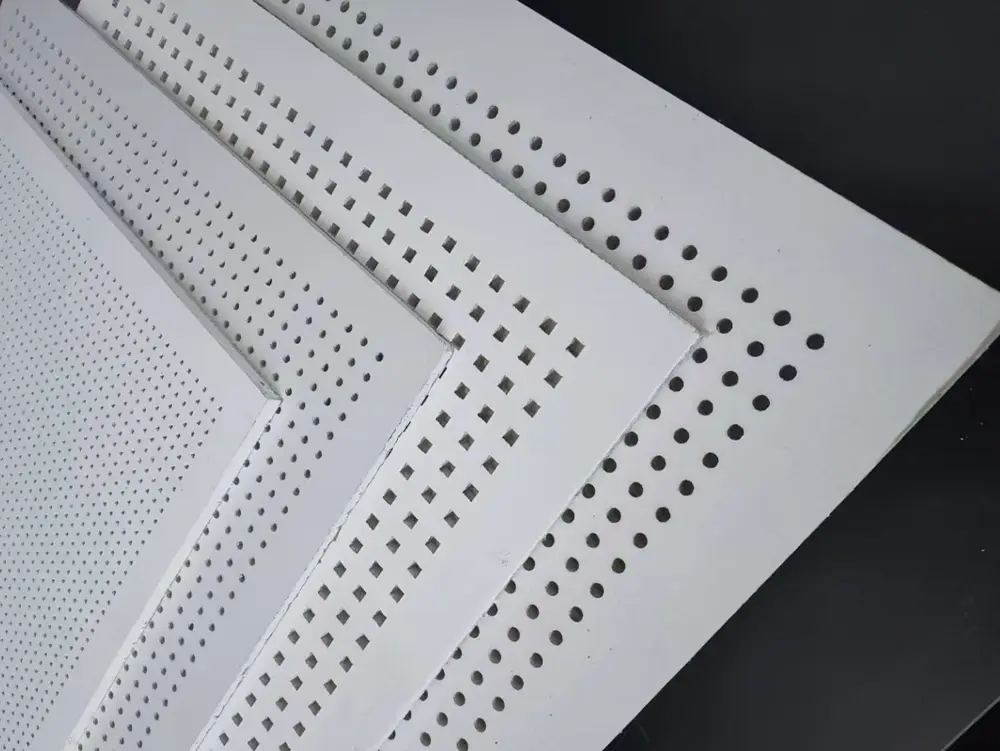 LEAO® Perforated Ceiling
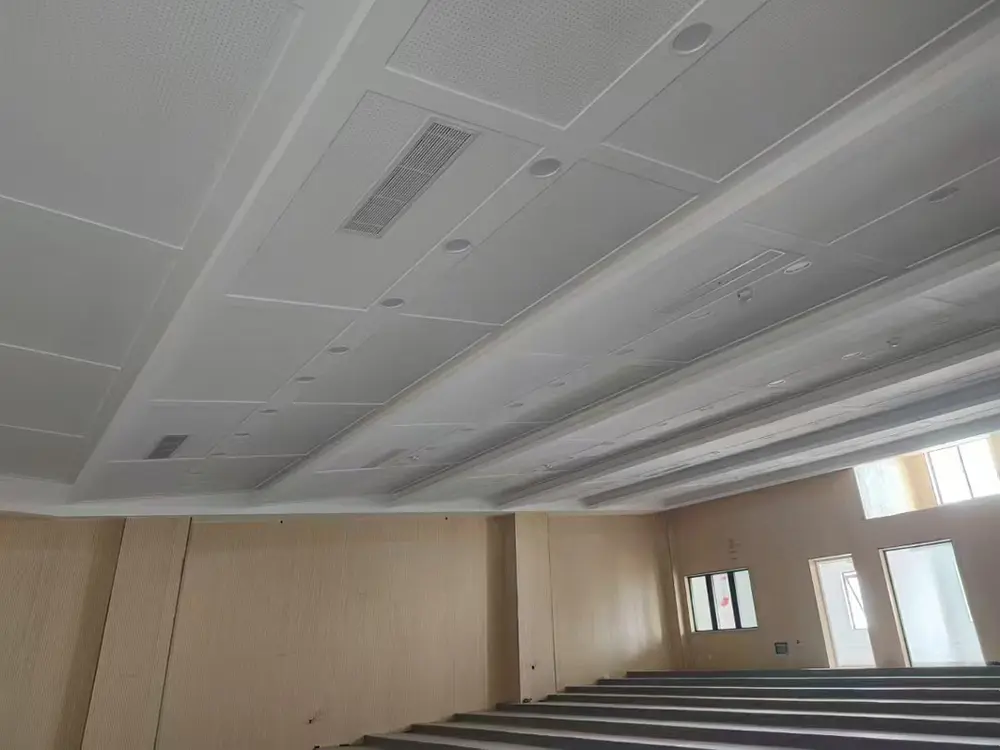 LEAO® Ceiling Board
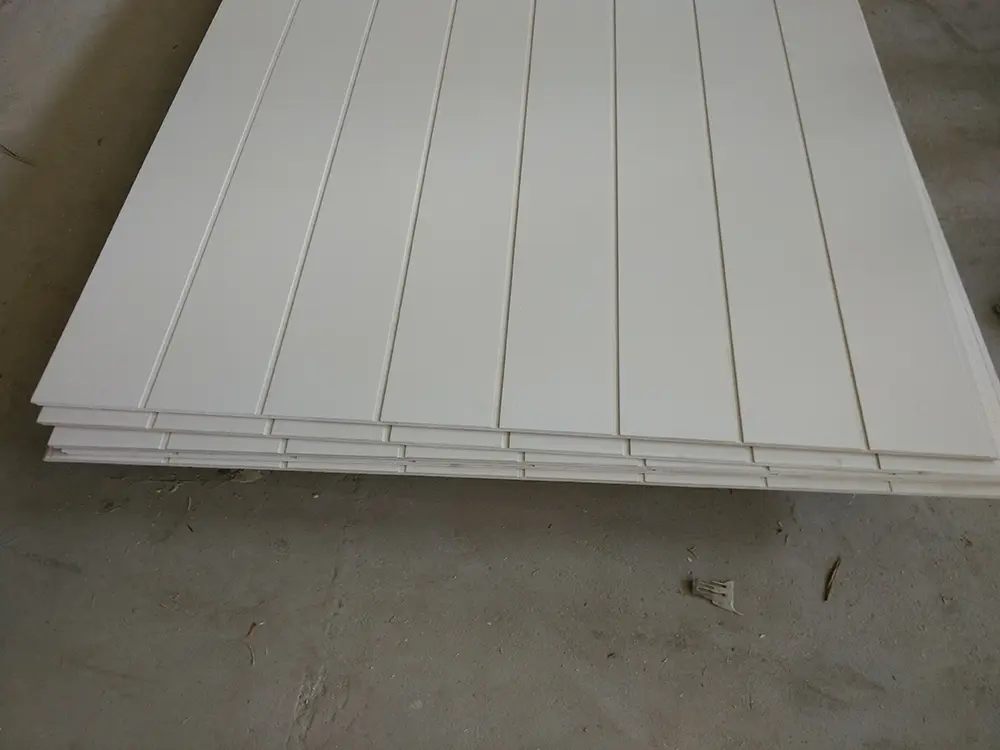 LEAO® Groove Interior Panel
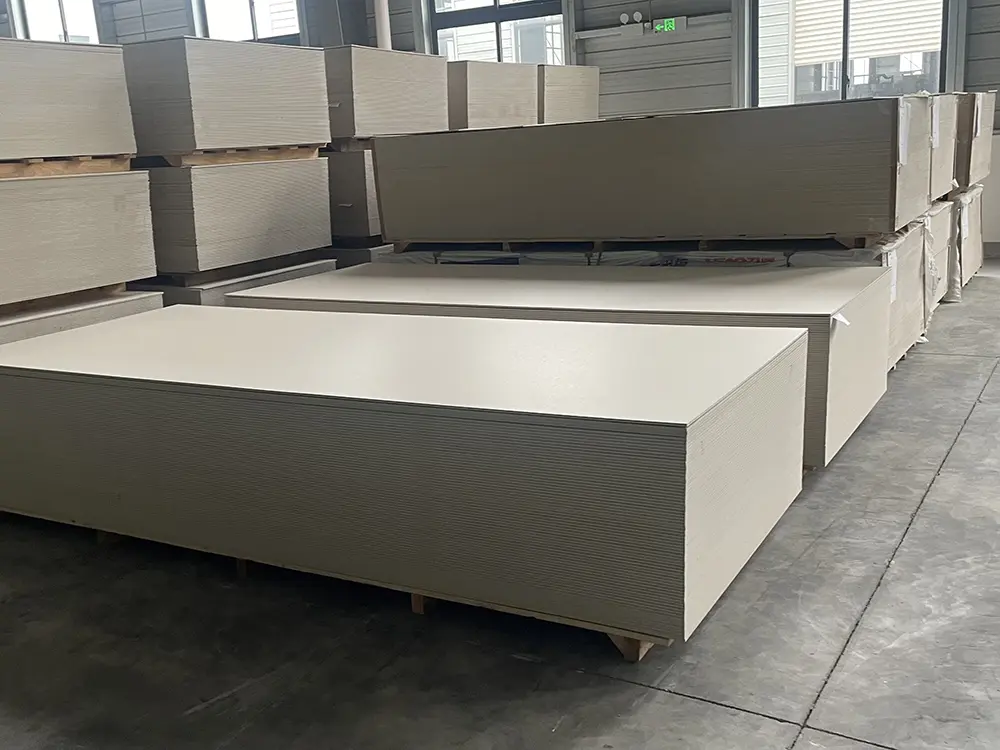 LEAO® Interior Board
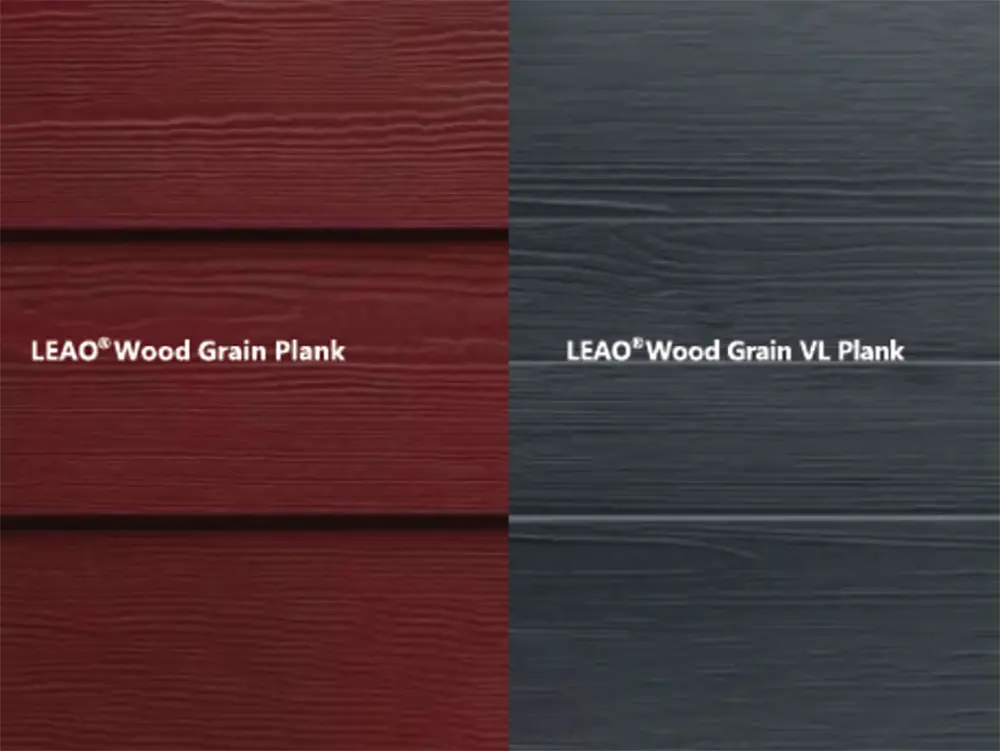 LEAO® Wood Grain Plank
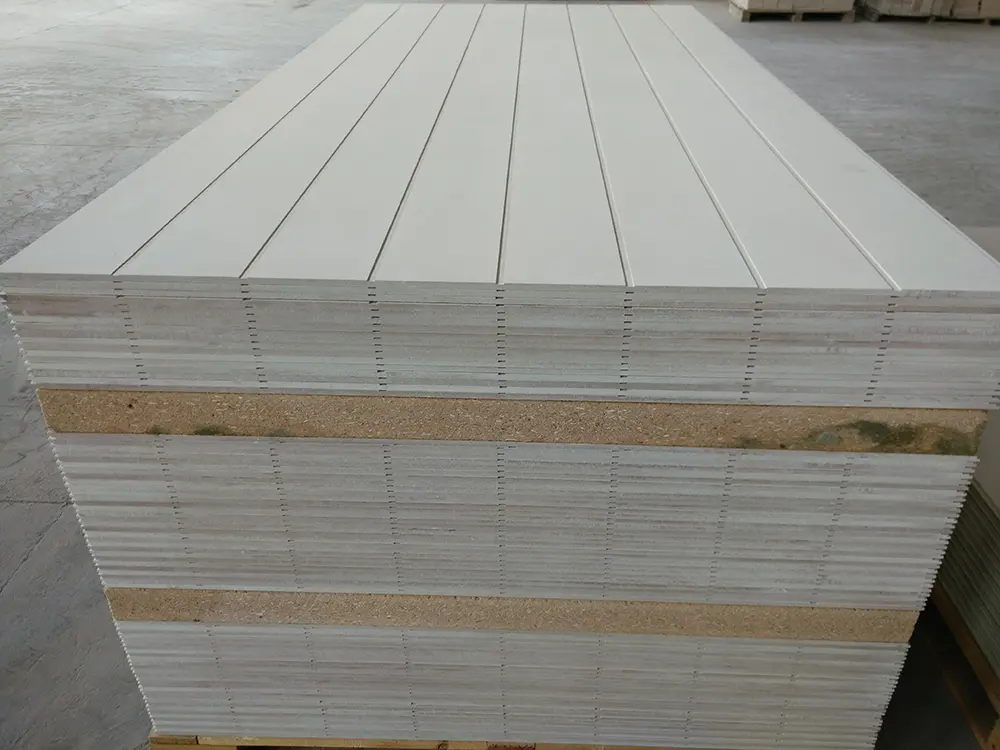 LEAO® Grooved Exterior Panel
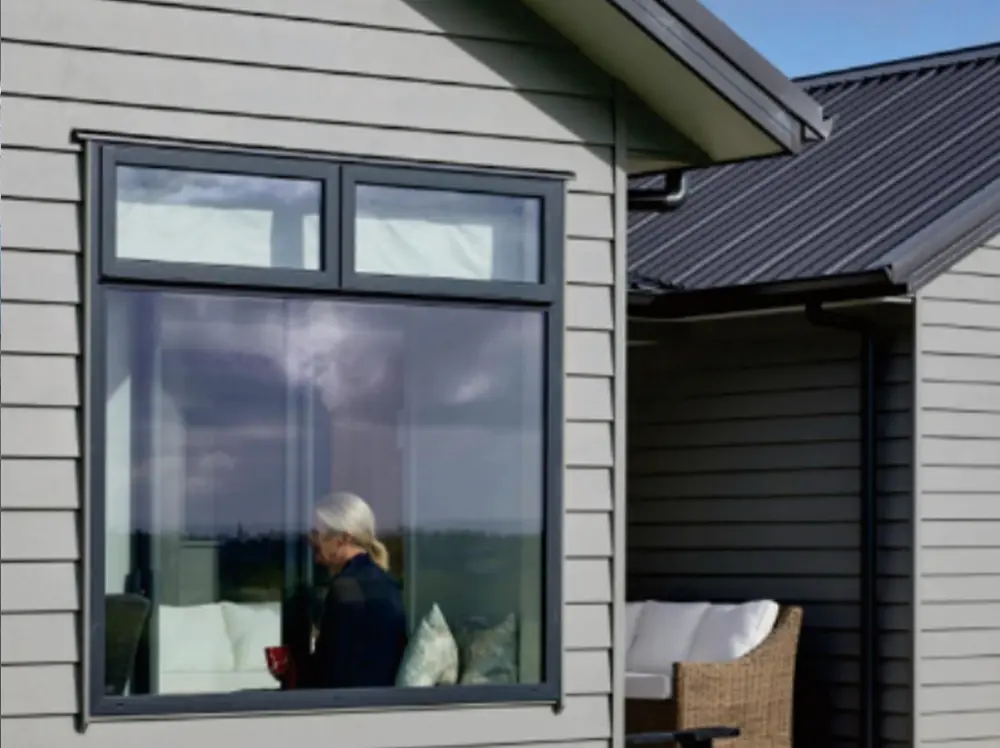 LEAO® Weatherboard
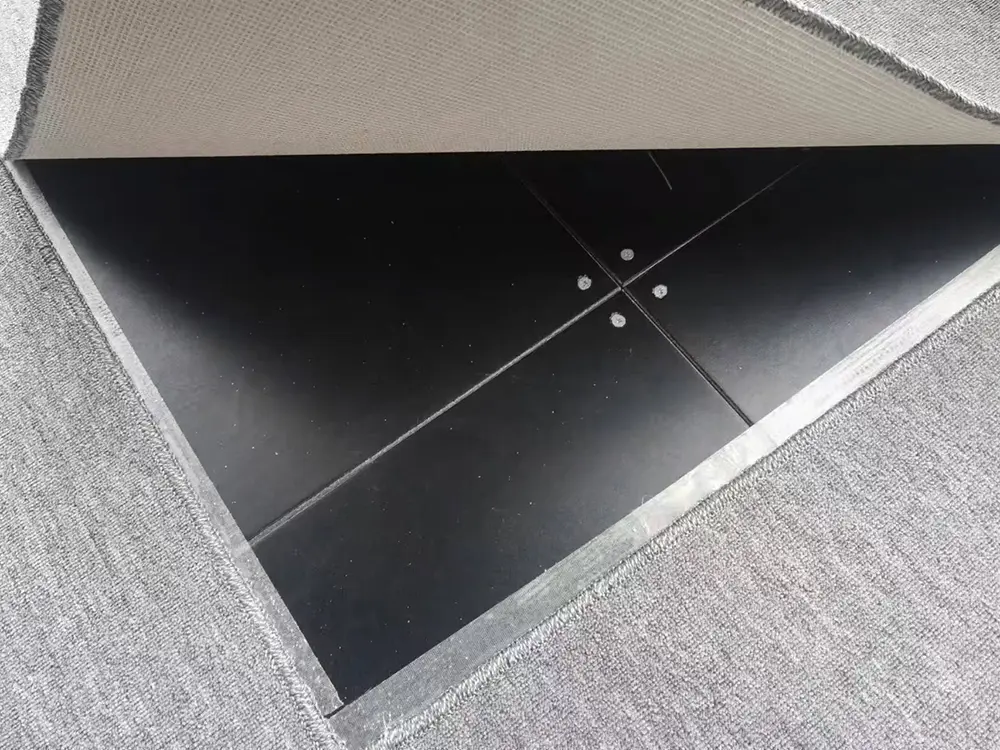 LEAO® Access Floors
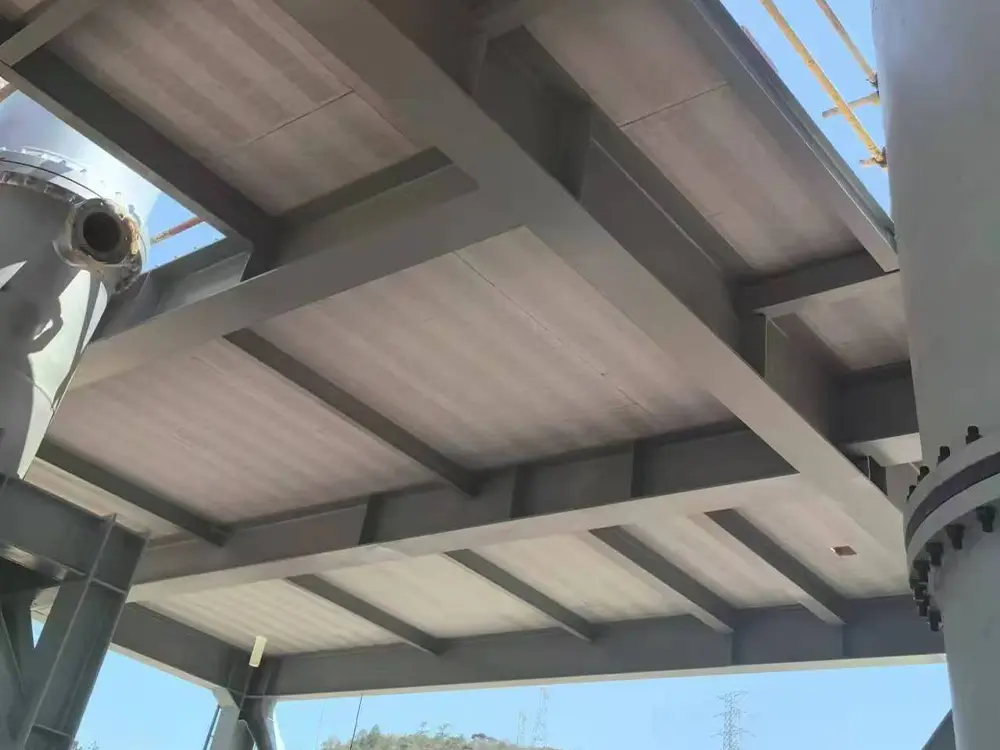 LEAO® Non-removable Formwork
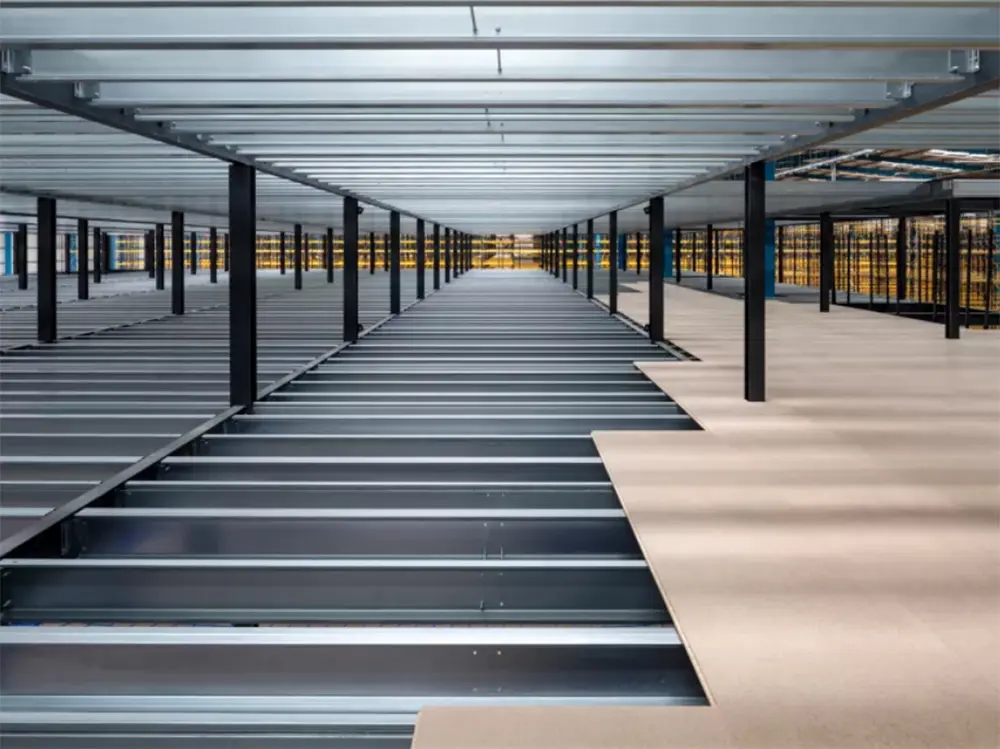 LEAO® Mezzanine Board
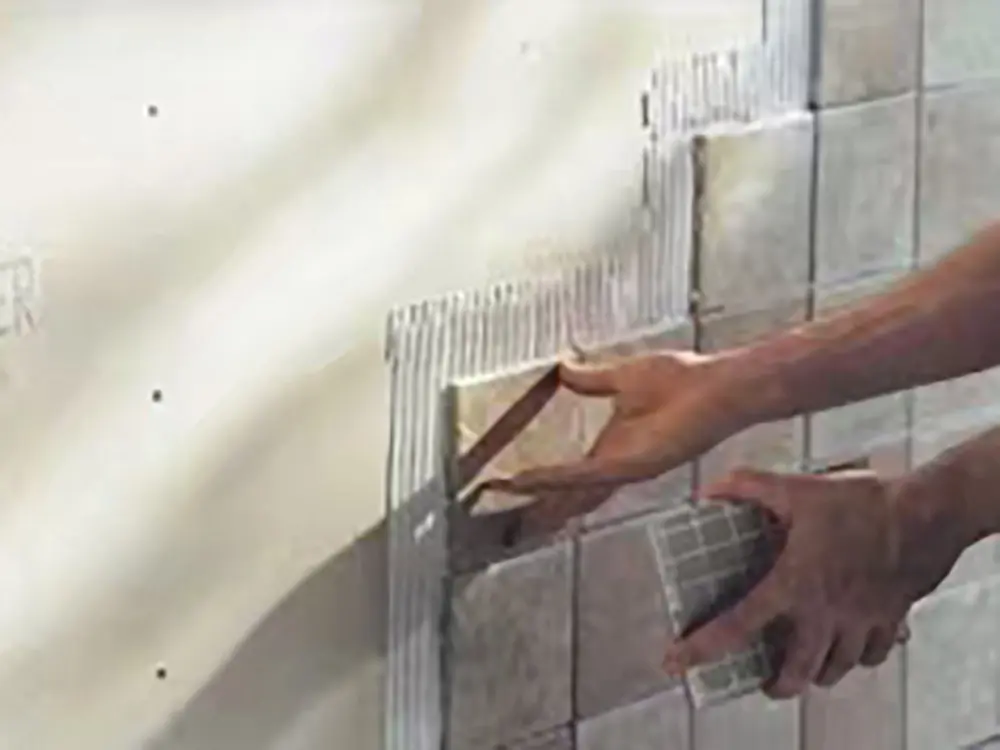 LEAO® Ceramic Tile Underlay
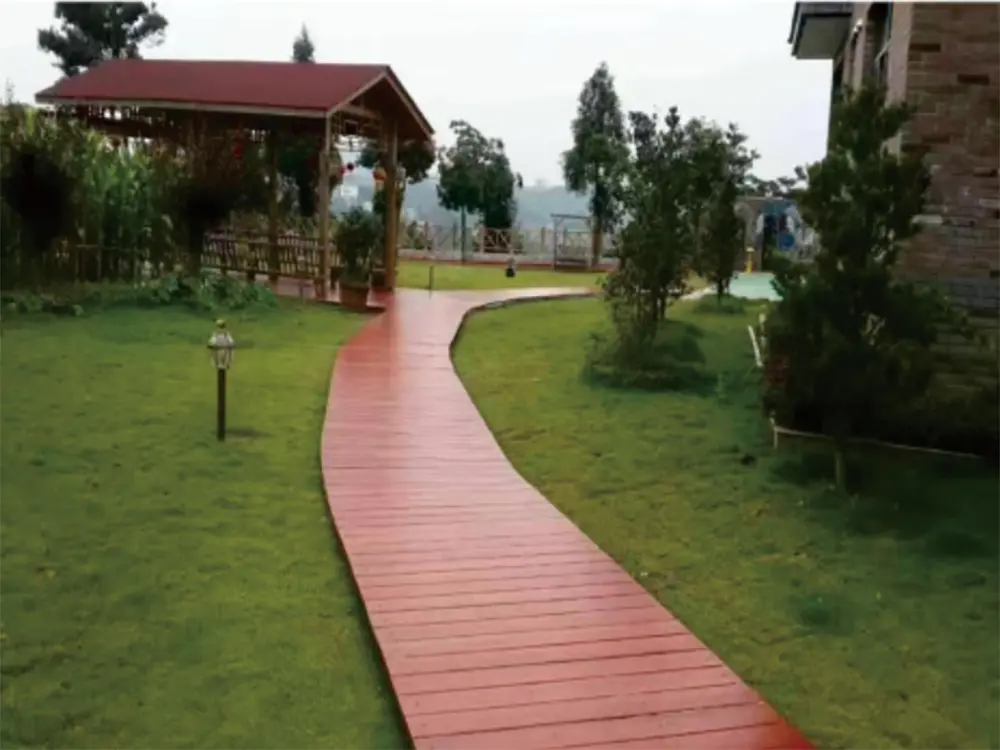 LEAO® Floor Plank
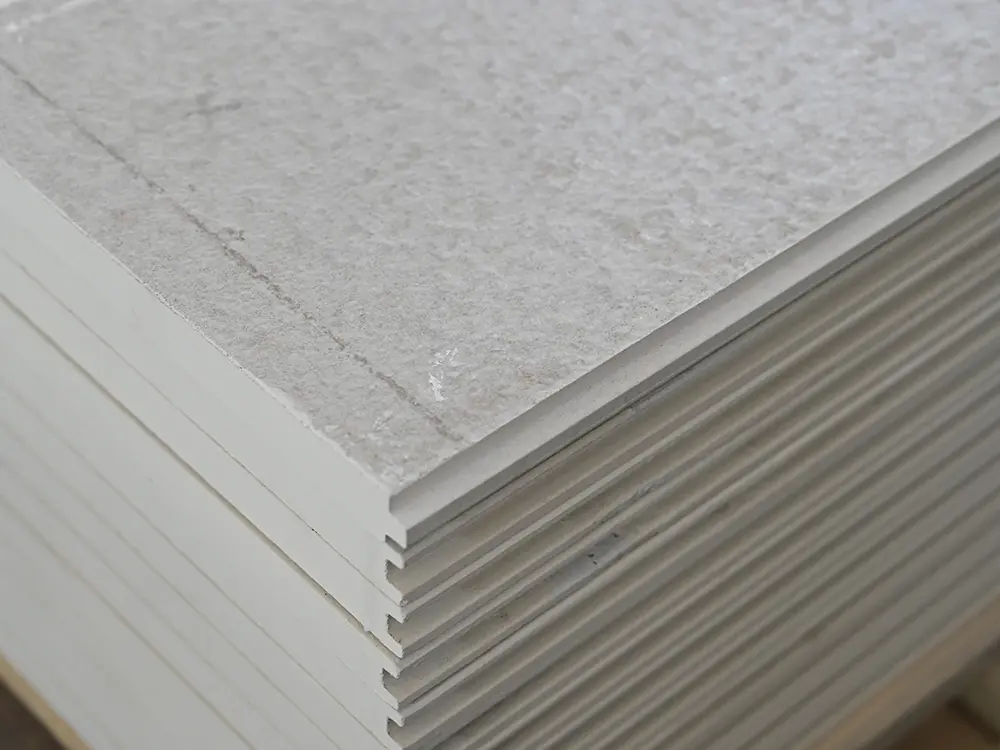 LEAO® Flooring
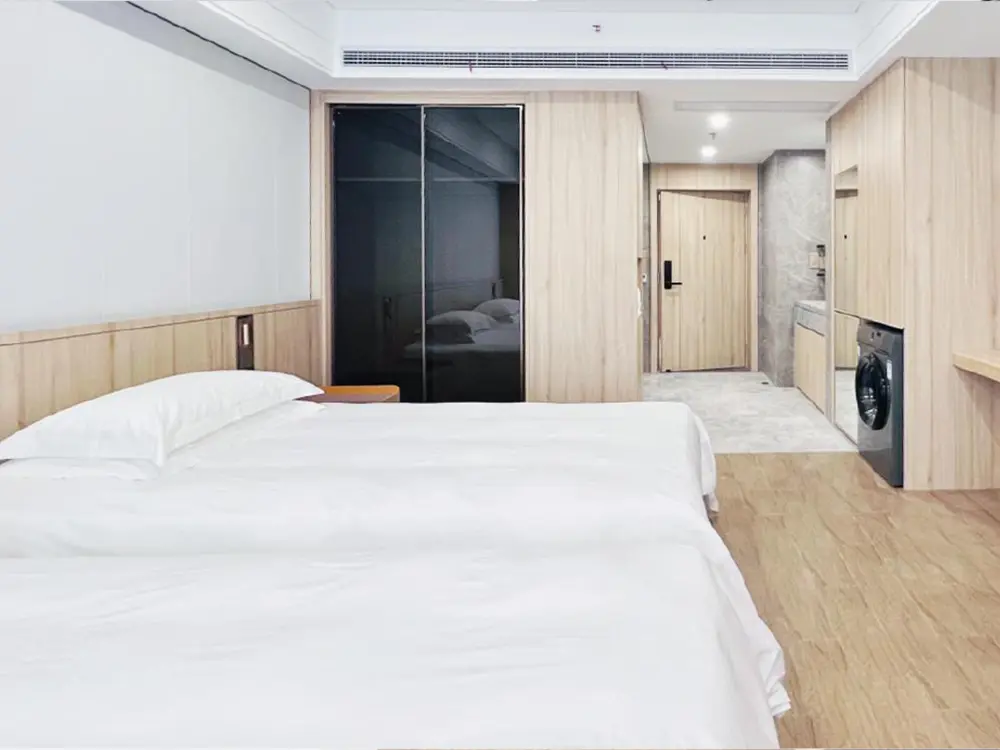 LEAO® Wood Style Decorative Panel
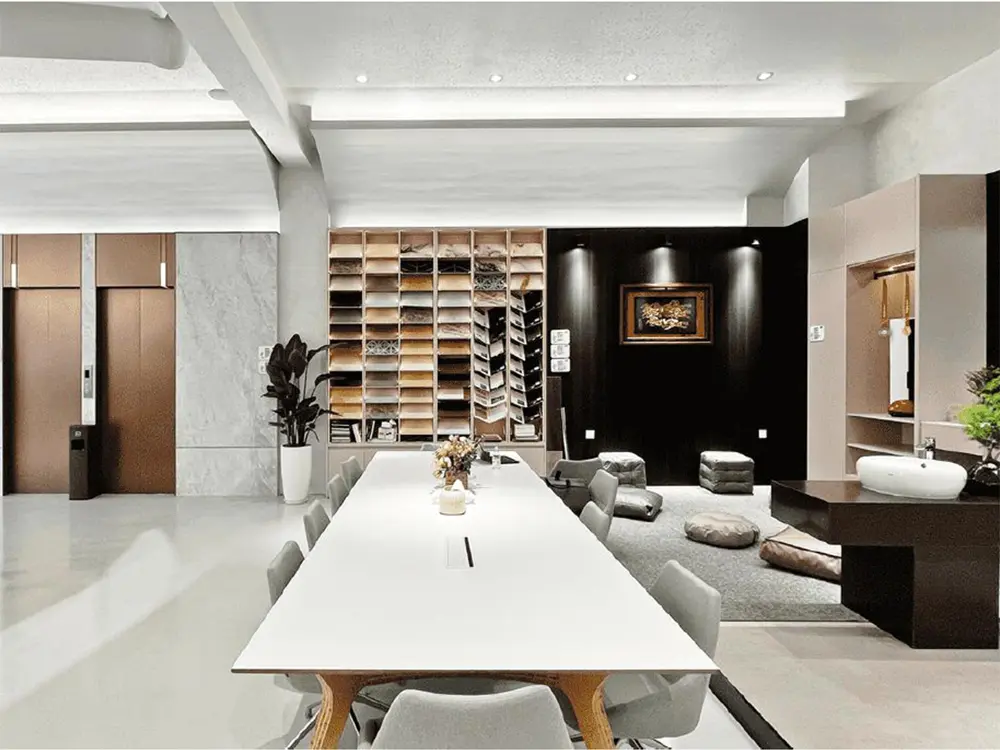 LEAO® Stone Style Decorative Panel
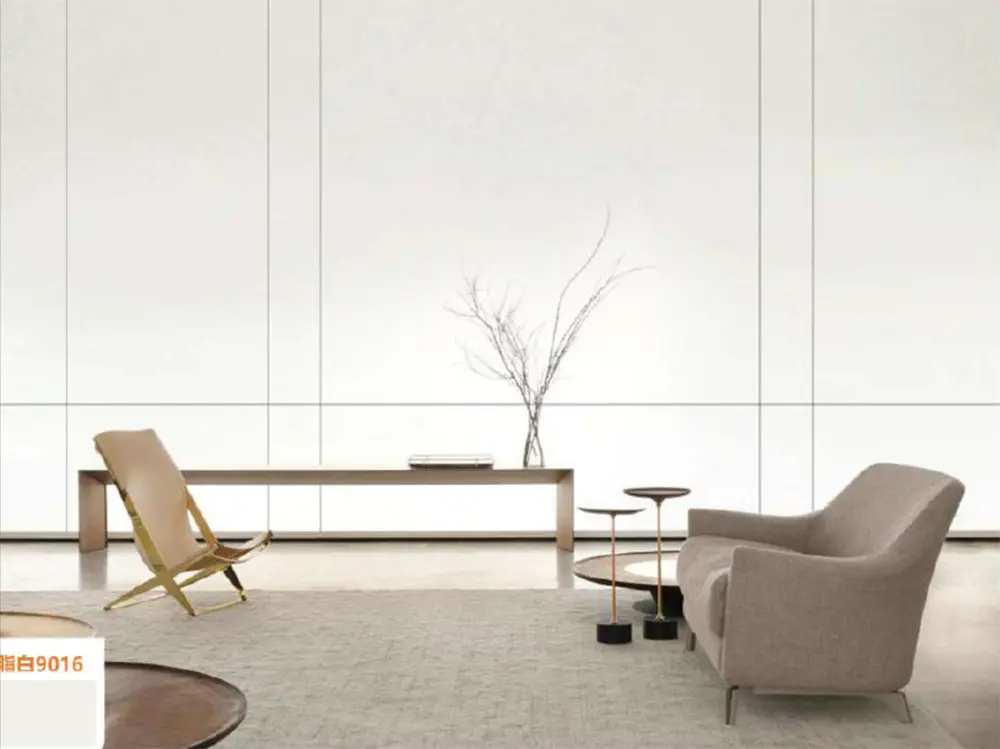 LEAO® Pure Style Decorative Panel