Inquiry
Form loading...

How to Use Calcium Silicate Board for Construction Projects?

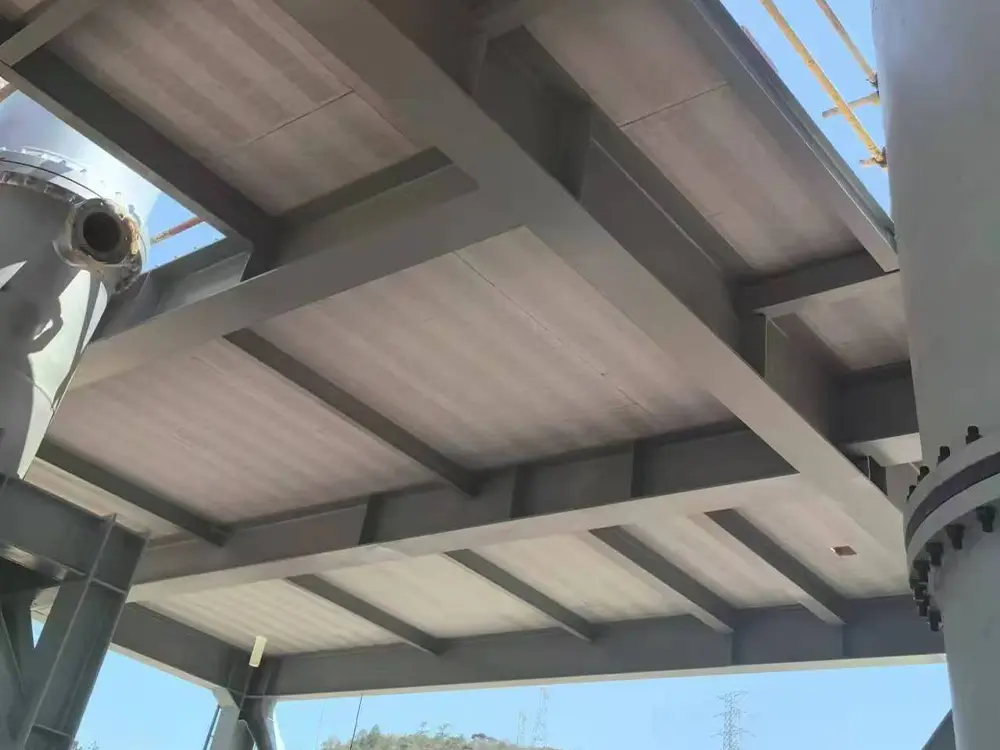
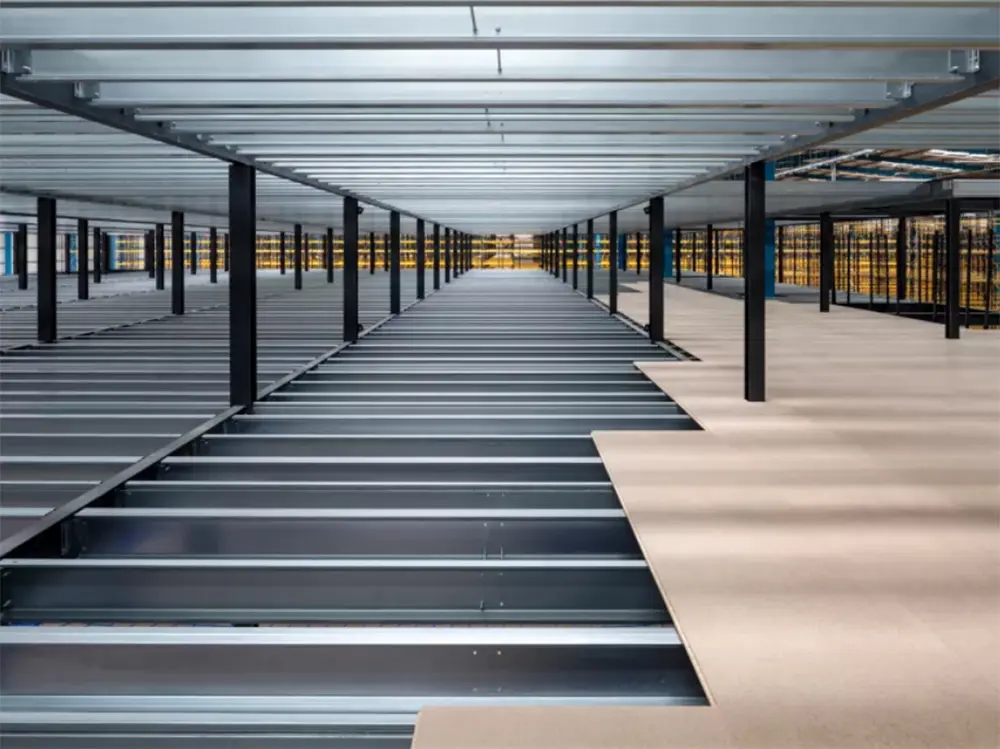
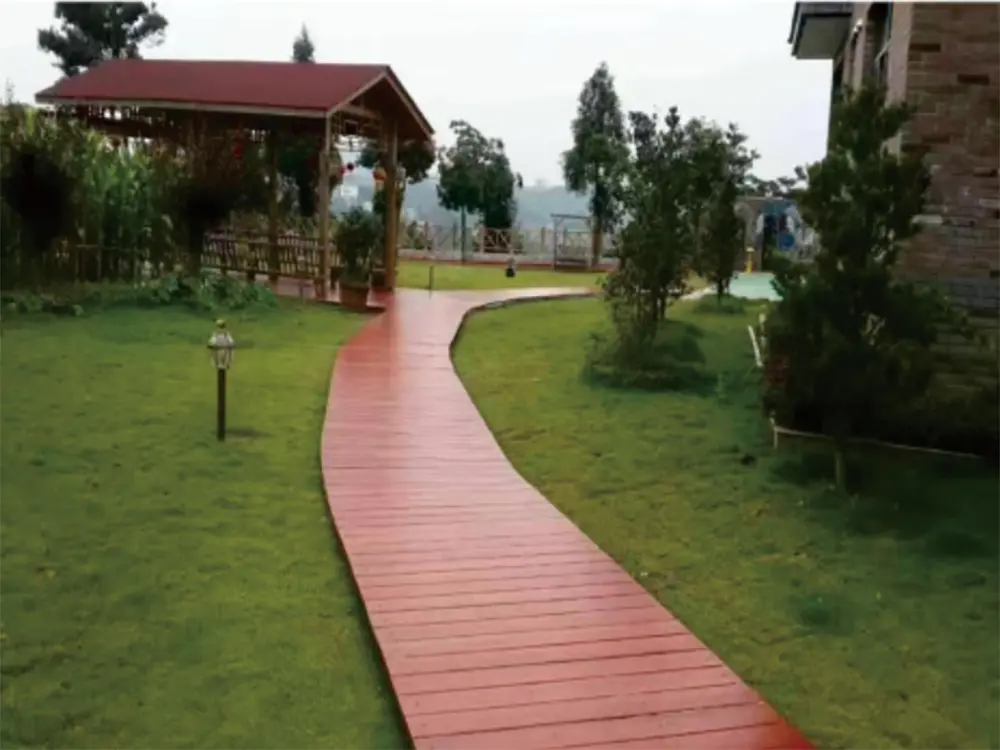
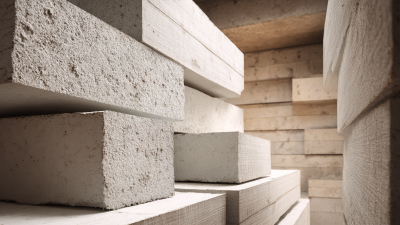
Calcium Silicate Board is becoming increasingly popular in construction projects. This versatile material offers numerous advantages. It is fire-resistant, moisture-proof, and durable. Builders appreciate its lightweight nature. This makes handling easier during installations.

Moreover, Calcium Silicate Board is eco-friendly. It can be recycled and does not emit harmful substances. However, it requires proper installation techniques. Misuse could lead to structural issues or inefficiencies. Understanding the specific applications is crucial.

As we explore the uses of Calcium Silicate Board, it's vital to consider the installation environment. Not every project is suitable for this material. Being aware of its limitations helps in making informed decisions. With careful planning, Calcium Silicate Board can enhance any construction project.

How to Use Calcium Silicate Board for Construction Projects?

Understanding Calcium Silicate Board and Its Properties

How to Use Calcium Silicate Board for Construction Projects?

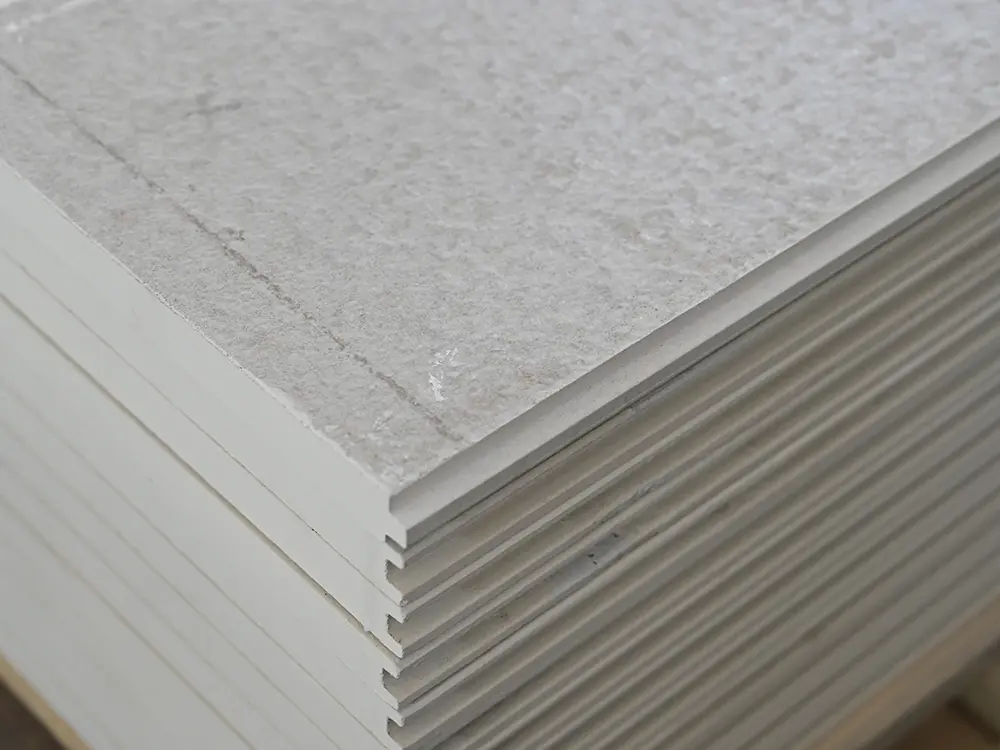
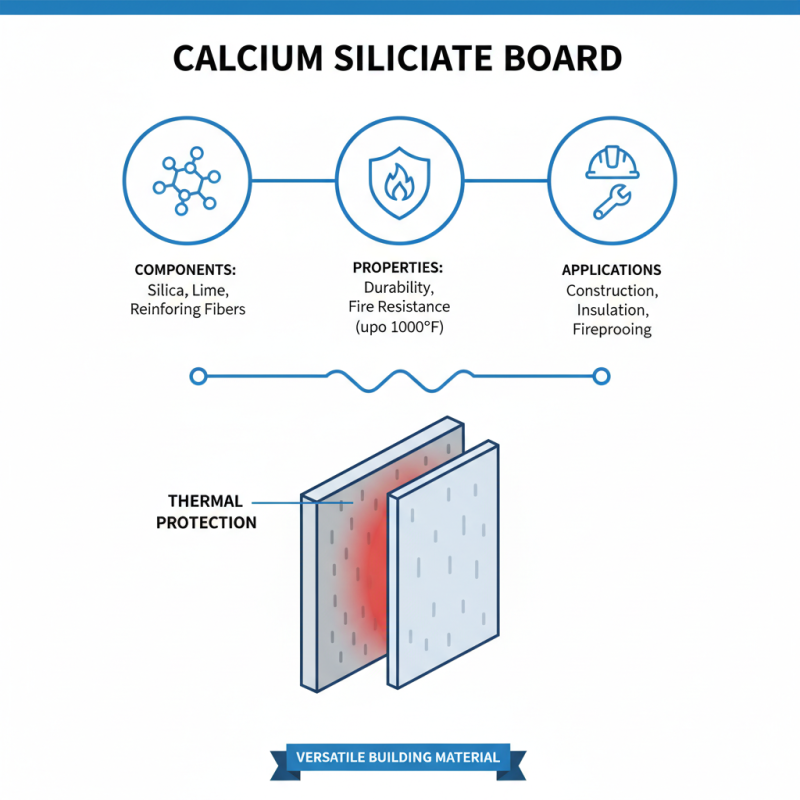
Calcium silicate board is a versatile building material known for its impressive properties. It typically consists of silica, lime, and reinforcing fibers. This combination contributes to its high durability and excellent fire resistance. According to industry research, calcium silicate boards can withstand temperatures up to 1,000°F, making them suitable for a variety of construction applications.

In addition to fire resistance, these boards are moisture-resistant. They absorb less than 10% of their weight in water. This property helps prevent mold growth and structural damage over time. Furthermore, calcium silicate boards have a low thermal conductivity. For construction projects, this means better insulation, leading to energy savings. However, the boards are somewhat heavier than other materials, which can pose challenges during installation.

While calcium silicate boards offer many advantages, they also require careful handling. Improper installation can compromise their performance. In some cases, the edges may chip easily, leading to a need for precision during cutting and application. Industry reports suggest that a significant number of issues arise due to this oversight, emphasizing the importance of trained professionals in handling such materials effectively.


Preparing the Site and Tools for Calcium Silicate Board Installation

Preparing the site and tools for calcium silicate board installation is crucial for success. Proper preparation ensures a smooth process and leads to quality results. Start by measuring the area accurately. Use a level to check for even surfaces. Uneven surfaces can cause misalignment later. Ensure the substrate is clean and dry. Dust or debris can disrupt adhesion.

Gather the necessary tools. You'll need a utility knife, straightedge, and measuring tape. A power sander may help with edges for a cleaner finish. Remember to wear appropriate safety gear, like goggles and gloves. Working safely should always be a priority.

Tip: Always mark your cuts before starting. This helps avoid mistakes. An estimated 30% of errors in installation come from poor planning. Reassess the area if something feels off. Adjustments may be necessary. While it’s important to follow guidelines, remain flexible for unique site conditions. Each project presents different challenges. A proactive approach can solve these issues early on, leading to a more efficient installation process.

Step-by-Step Guide to Installing Calcium Silicate Board

Calcium silicate board is an excellent choice for construction projects. It offers fire resistance, thermal insulation, and moisture control, making it versatile for various applications. According to industry data, calcium silicate boards can withstand temperatures up to 1000°C, which is crucial for fire safety in buildings. However, installation requires careful planning.

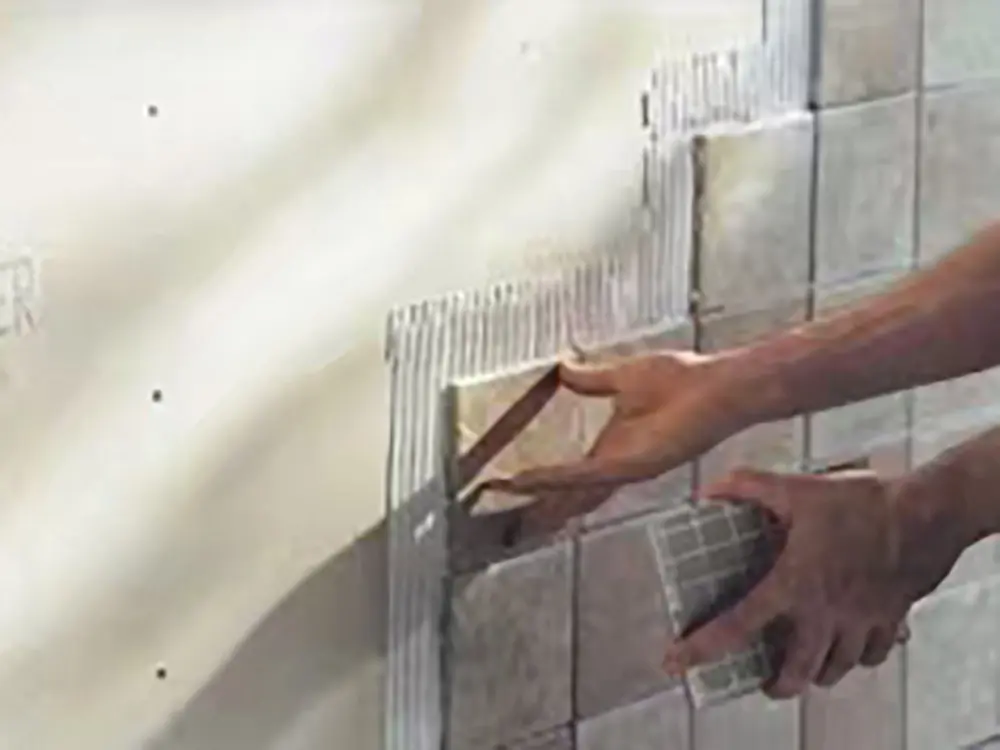
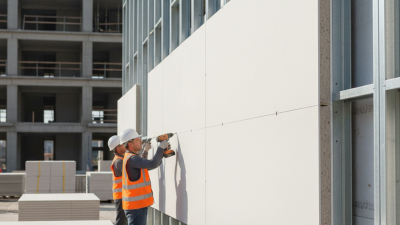
Begin by preparing the surface. Ensure that it’s clean and dry. Mark the areas where the boards will be installed. This step is critical. Mistakes in measuring can lead to costly reworks. Secure the boards using recommended fasteners. Industry standards suggest spacing fasteners every 12 inches. Over-tightening can damage the boards, while under-tightening may lead to instability.

Sealing joints is vital to enhance moisture resistance. Use a compatible sealant that maintains the board's properties. Keep in mind that even minor errors during sealing can affect overall performance. While calcium silicate board is durable, improper installation can lead to moisture infiltration. This could result in mold growth, which is a significant concern in construction. Pay attention to details during the installation process; every little step counts.

Finishing Techniques for Calcium Silicate Board Applications

How to Use Calcium Silicate Board for Construction Projects?

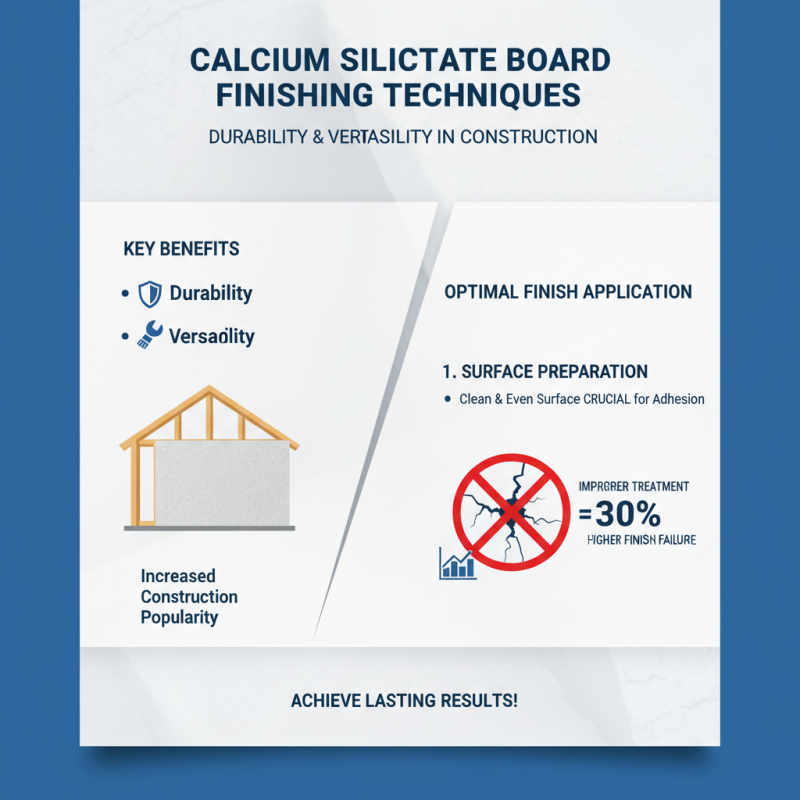
Calcium silicate board is becoming increasingly popular in construction for its durability and versatility. When applying finishing techniques, various factors need consideration for achieving the best results. One key aspect is the surface preparation. A clean and even surface is crucial for effective adhesion. Industry reports indicate that improper surface treatment can lead to a 30% increase in failure rates for finishes.

Tips for a successful finish include ensuring the board is dry and free from contaminants. Use a primer specifically designed for calcium silicate board. This step is often overlooked but is vital for ensuring longevity. Seal joints with appropriate tape and sealant to enhance moisture resistance. If you notice issues during your application, like peeling or bubbling, reassess your preparation stages.

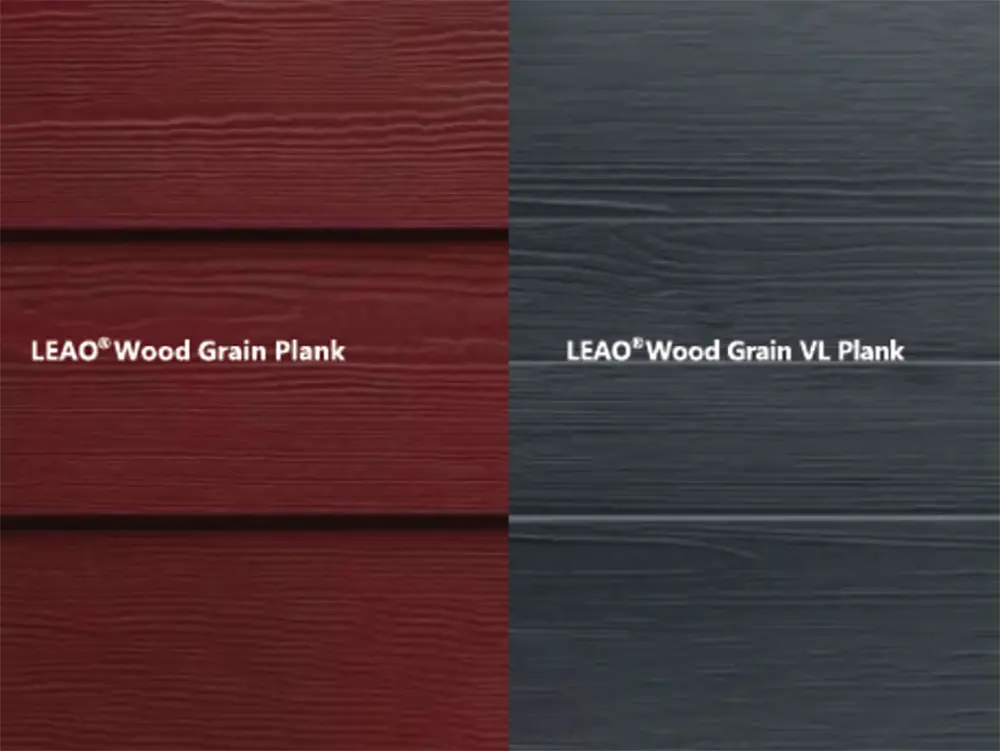
Texture applications can vary based on project requirements. Smooth finishes are suitable for aesthetic purposes. Alternatively, textured finishes can provide additional resilience. Reports indicate textured finishes can increase the lifespan of the board by up to 20%. It's essential to evaluate the design and environment before deciding on the finish. Always remember, quality control throughout the process will pay off in the long run.

Maintenance and Care for Longevity of Calcium Silicate Board Installations

Calcium silicate board is known for its durability and versatility. However, maintaining its longevity requires attention. Regular inspections are essential. Look for signs of moisture or damage. A study by the Building Research Establishment indicates that well-maintained boards last 20% longer than those neglected.

Cleaning calcium silicate boards is straightforward. Use a damp cloth to wipe dust and dirt. Avoid harsh chemicals that might degrade the material. Interestingly, a report from the International Council for Research and Innovation in Building and Construction highlights that improper cleaning can lead to surface deterioration. Additionally, keep boards away from direct water exposure. Water pooling can weaken the installation.

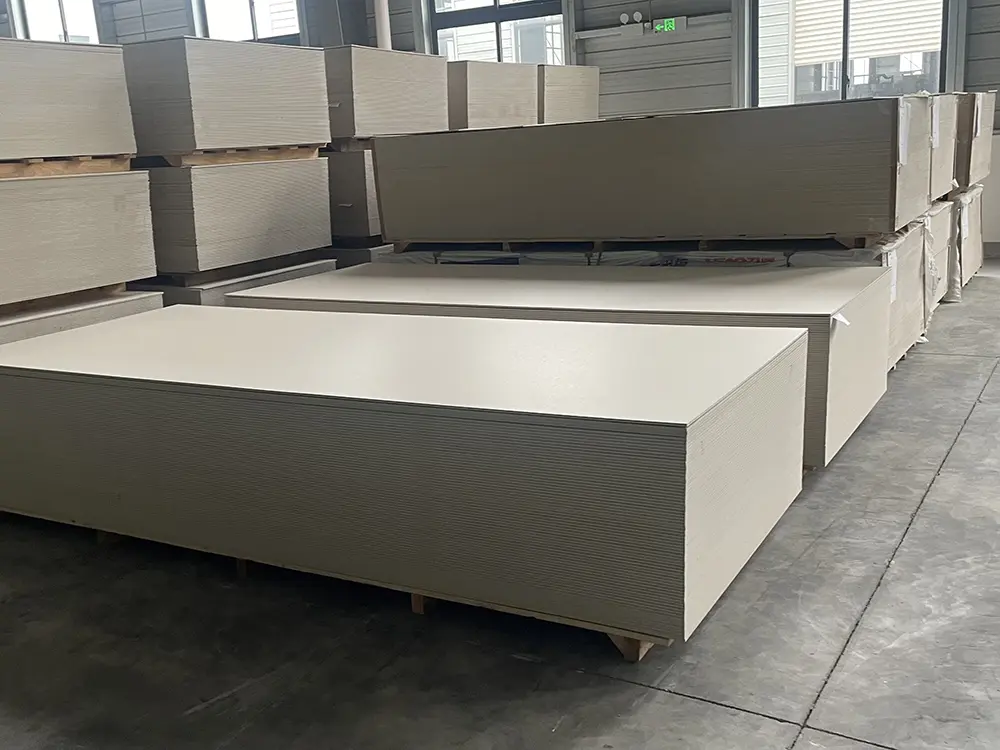
Storage is another critical aspect. Ensure boards are kept in a dry environment. Exposure to high humidity can affect their structural integrity. In fact, data from the American National Standards Institute suggests that proper storage can improve lifespan by up to 15%. Attention to routine maintenance can yield significant benefits, ensuring the boards perform optimally over time.