2026 How to Use Fiber Cement Backer Board for Your Home Projects?
Fiber Cement Backer Board has become a popular choice for home improvement projects. According to Mark Thompson, a renowned expert in construction materials, “Fiber Cement Backer Board is not just durable, it’s versatile.” This material is essential for creating moisture-resistant surfaces in kitchens and bathrooms.
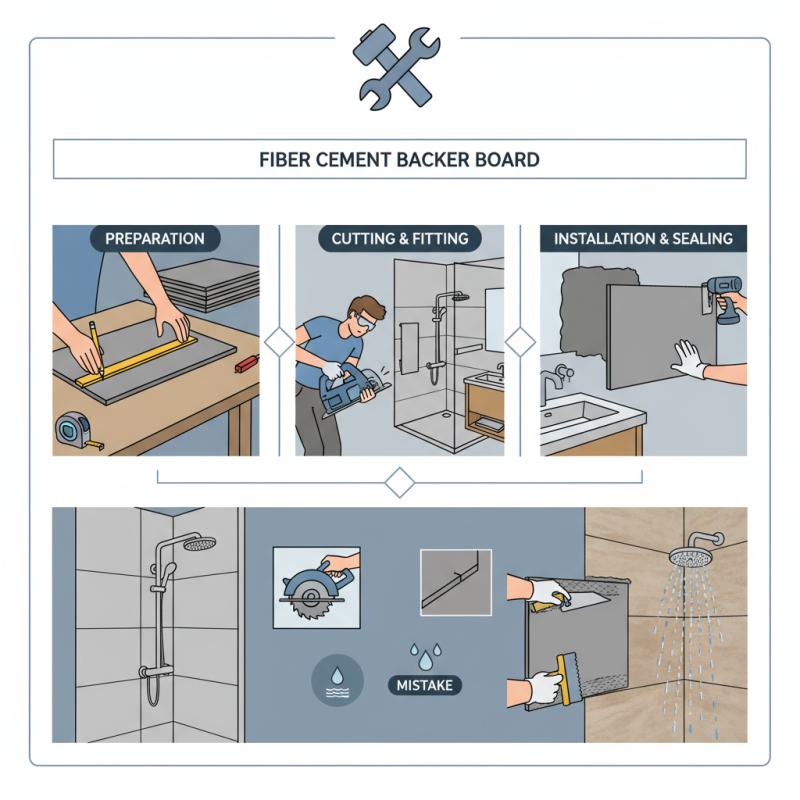
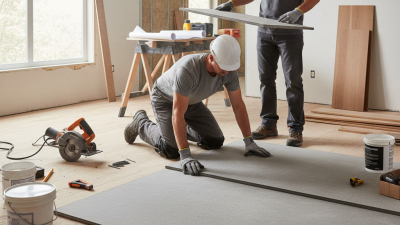
When using Fiber Cement Backer Board, preparation is key. Ensure that your work area is clean and free of debris. Measure your space carefully and cut the board to fit. Mistakes can happen, such as uneven cuts or improper sealing. These errors can lead to costly repairs down the line.
Be mindful of the installation process. Use the right tools and techniques to secure the board. Pay attention to the manufacturer’s guidelines to prevent issues. While Fiber Cement Backer Board offers many advantages, improper use can diminish its benefits. Remember, attention to detail is critical.
Understanding Fiber Cement Backer Board: Benefits and Applications
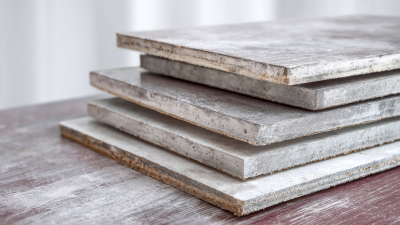
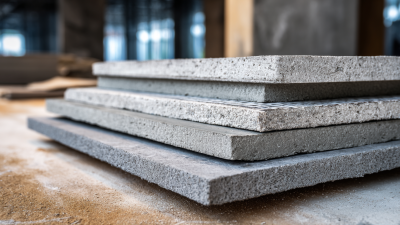
Fiber cement backer board is a versatile material for home projects. It is made from sand, cement, and cellulose fibers. This composition makes it durable and resistant to moisture. Homeowners often use it in wet areas like bathrooms and kitchens. The strength of fiber cement means it can support heavy tiles, protecting the walls underneath.
When installing, be aware of proper cutting techniques. A dull blade can create jagged edges. It is essential to wear a mask; dust can be harmful. Ensure the boards are secured tightly. Gaps can lead to water damage over time. A slight misalignment is common but can compromise your project.
Tips: Always measure twice before cutting. This can prevent mistakes. Consider using a primer for better adhesion. It can enhance the longevity of your installation. Don't rush the installation process. Take your time to ensure all pieces fit correctly for a polished finish.
2026 How to Use Fiber Cement Backer Board for Your Home Projects?
| Dimension |
Value |
Benefits |
Applications |
| Thickness |
1/4" to 1/2" |
Durable and moisture-resistant |
Backsplash, shower walls |
| Weight |
2.5 to 3.5 lbs per sq ft |
Fire-resistant |
Floor underlayment, exterior wall sheathing |
| Size |
3x5 ft or 4x8 ft sheets |
Easy to cut |
Siding, trim |
| Installation Method |
Screws and adhesive |
Low maintenance |
Bathroom, kitchen walls |
Selecting the Right Fiber Cement Backer Board for Your Project
Choosing the right fiber cement backer board is crucial for your home projects. Various types are available, each tailored for specific uses. Look for thickness, weight, and moisture resistance. Thicker boards are often more durable, but they can be heavy. This may require extra effort during installation.
When selecting a backer board, pay attention to your project type. For wet areas, moisture-resistant boards are optimal. They prevent mold and rot. If you're working on a wall, a lighter board is easier to manage. But lighter options might compromise durability.
Tips: Always measure the area where the board will be installed. Precision is key. Double-check your measurements to avoid costly mistakes. Also, consider the insulation needs of your project. Proper insulation may improve performance. It's worth planning this out in advance.
Step-by-Step Installation Process for Fiber Cement Backer Board
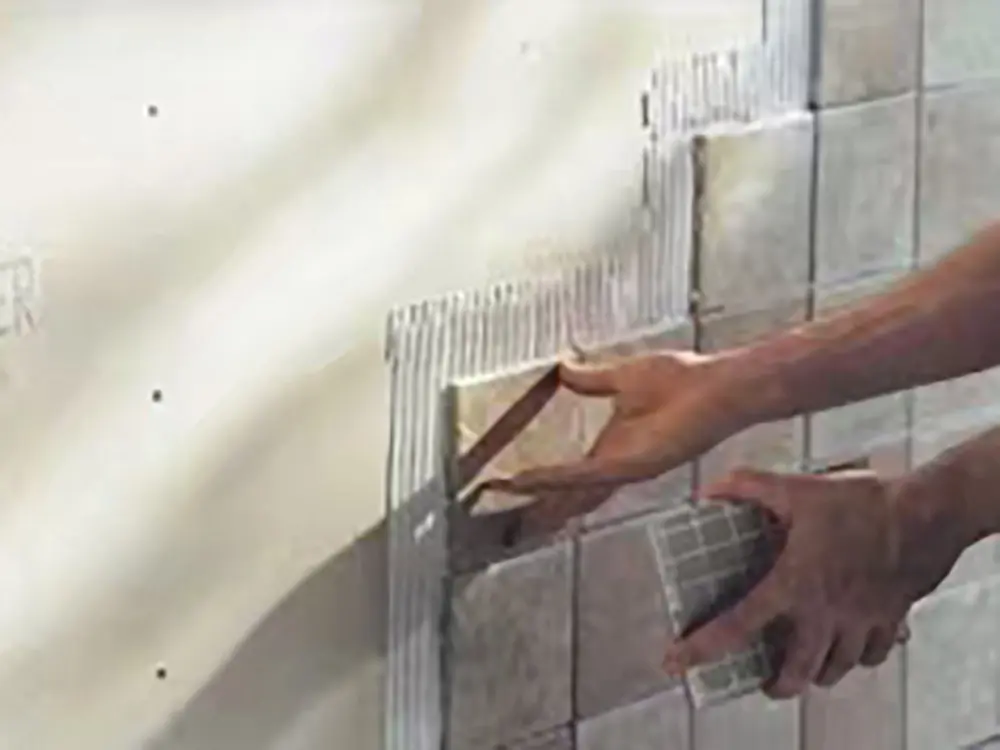
Installing fiber cement backer board can enhance your home projects. It's essential for areas exposed to moisture, like bathrooms and kitchens. The installation process is straightforward, yet attention to detail is key.
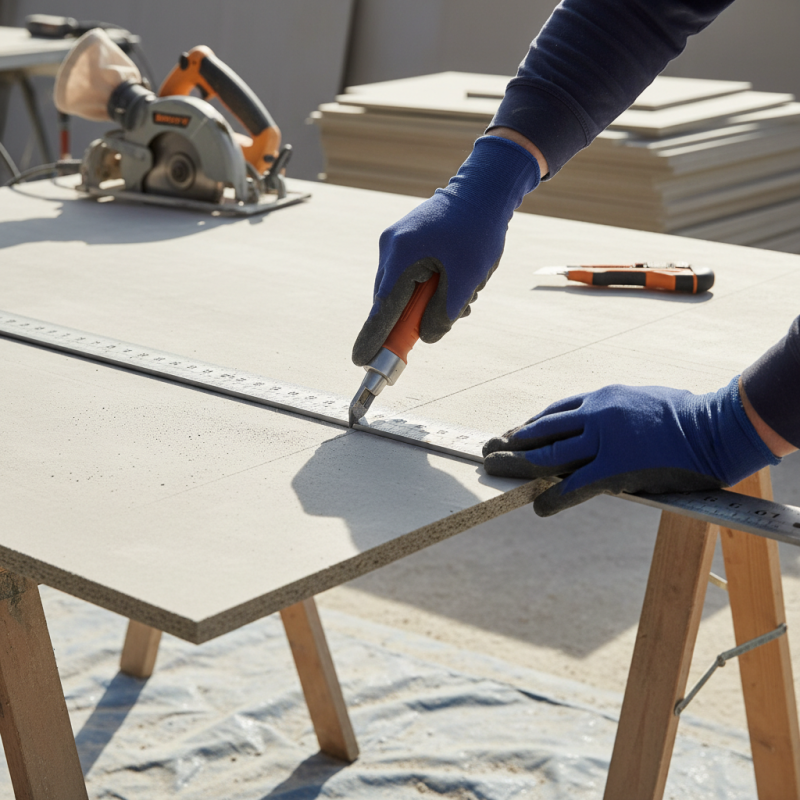
Start by measuring the space accurately. Cut the backer board with a utility knife for clean edges. Make sure to wear protective gear during this step. Secure the board to the studs with screws, ensuring they are flush with the surface. It's a common mistake to miss a stud or drive screws too deep. Double-check before moving forward.
**Tips:** Use thinset mortar to seal the joints. This prevents water infiltration and extends the life of your installation. Keep a damp sponge nearby. Wipe away any excess mortar as you go. It helps avoid a messy finish and makes clean-up easier.
Finally, always refer to local guidelines for installation standards. Not all projects require the same approach, and adjustments might be necessary along the way. Mistakes can happen, so be patient and flexible during installation.
Fiber Cement Backer Board Installation Steps
Common Mistakes to Avoid When Using Fiber Cement Backer Board
Using fiber cement backer board can enhance your home projects, but common mistakes can lead to issues. One typical error is improper cutting. Many use the wrong tools, which can create rough edges. This affects the fitting of the boards and the overall appearance. Always use a scoring knife or a saw designed for fiber cement. This ensures clean cuts, reducing the need for extra work later.
Another common mistake is not sealing the joints properly. Failure to use the right tape or adhesive can cause moisture issues. Water can seep in, leading to mold and decay. Make sure to apply a mesh tape over the joints and use the correct type of mortar. Take your time; rushing can lead to oversights.
Lastly, not following installation guidelines can be a problem. Some people ignore manufacturer instructions. This can result in weak installations. The board should be installed properly to achieve stability. Double-check all measurements and alignments. It's crucial to pause and reflect on the steps you’ve taken. Always strive for precision.
Maintenance Tips for Long-lasting Fiber Cement Backer Board Projects
Fiber cement backer board is a great choice for home projects. It’s durable and resistant to moisture. However, proper maintenance is key to ensuring its longevity. Regular inspection is essential. Look for any signs of wear or damage. Be proactive in addressing issues before they escalate.
Cleaning is simple yet vital. Use mild soap and a soft brush to remove dirt. Avoid harsh chemicals that can damage the material. After cleaning, ensure the board dries completely. Moisture can lead to mold growth, which is problematic. Sealing the board can help protect it from moisture intrusion over time.
Lastly, consider the installation area. If it’s a high-moisture area, inspect frequently. Problems can escalate quickly in such environments. Maintenance is an ongoing process. Stay attentive to the board's condition throughout its life. Even well-installed boards may need adjustments. Regular care is the best defense against deterioration.

 LEAO®Deco Ceiling
 LEAO® Perforated Ceiling
 LEAO® Ceiling Board
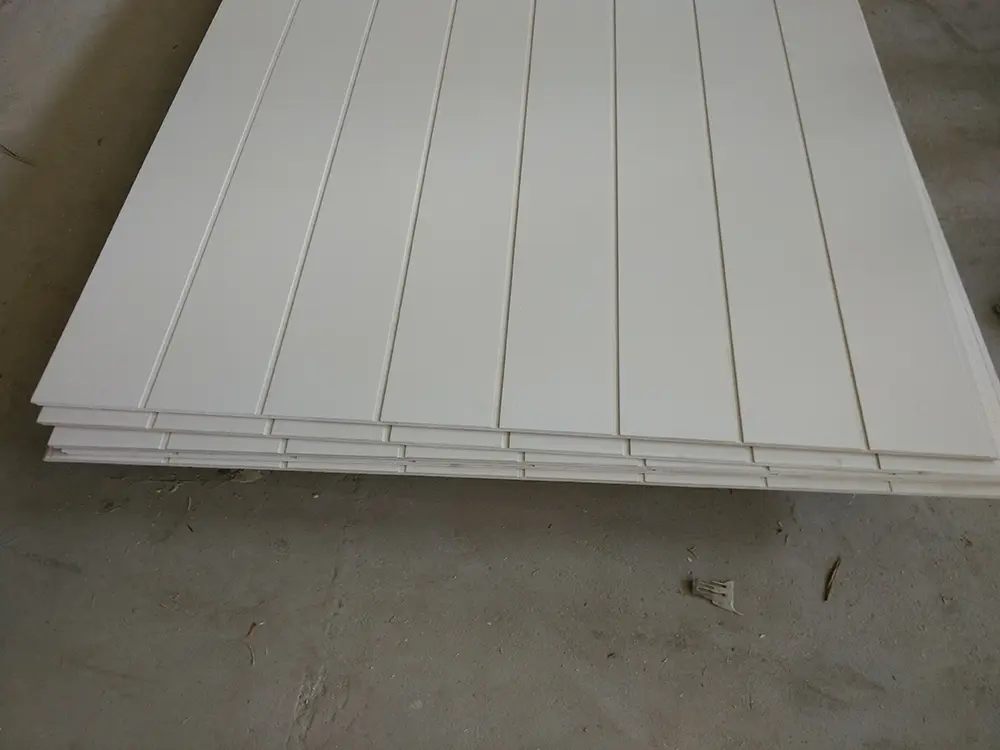 LEAO® Groove Interior Panel
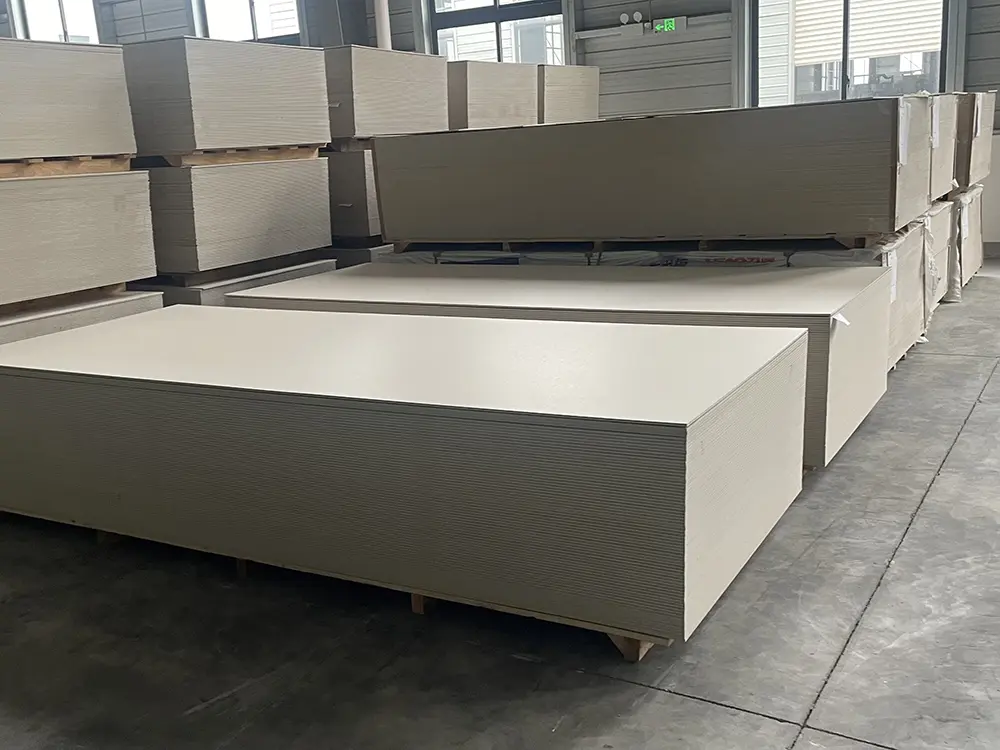 LEAO® Interior Board
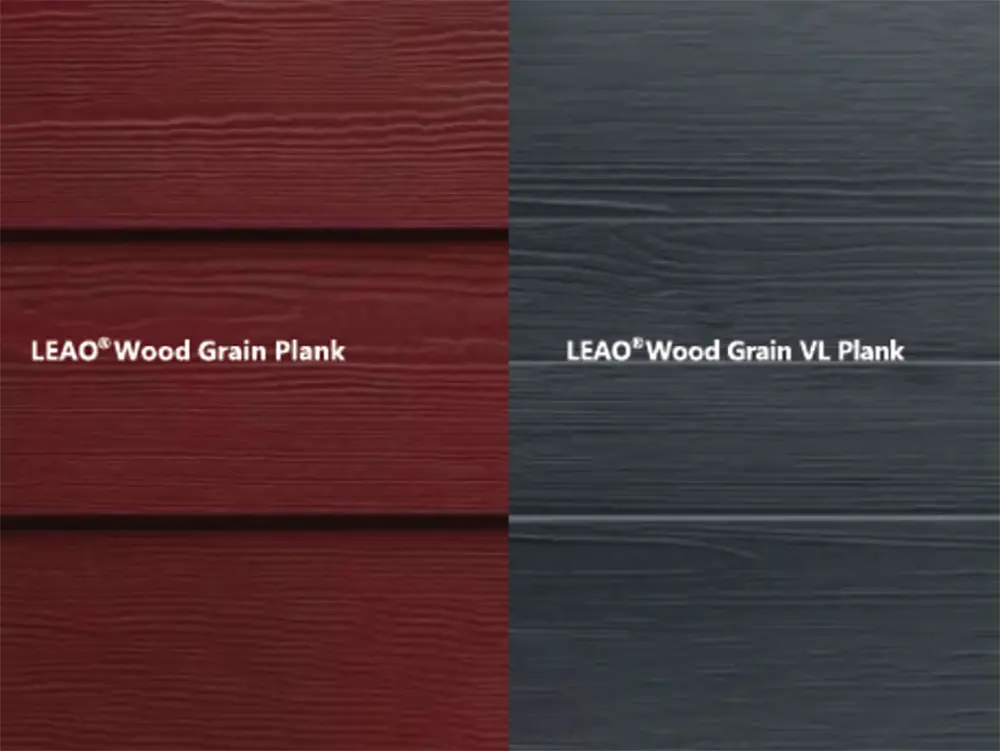 LEAO® Wood Grain Plank
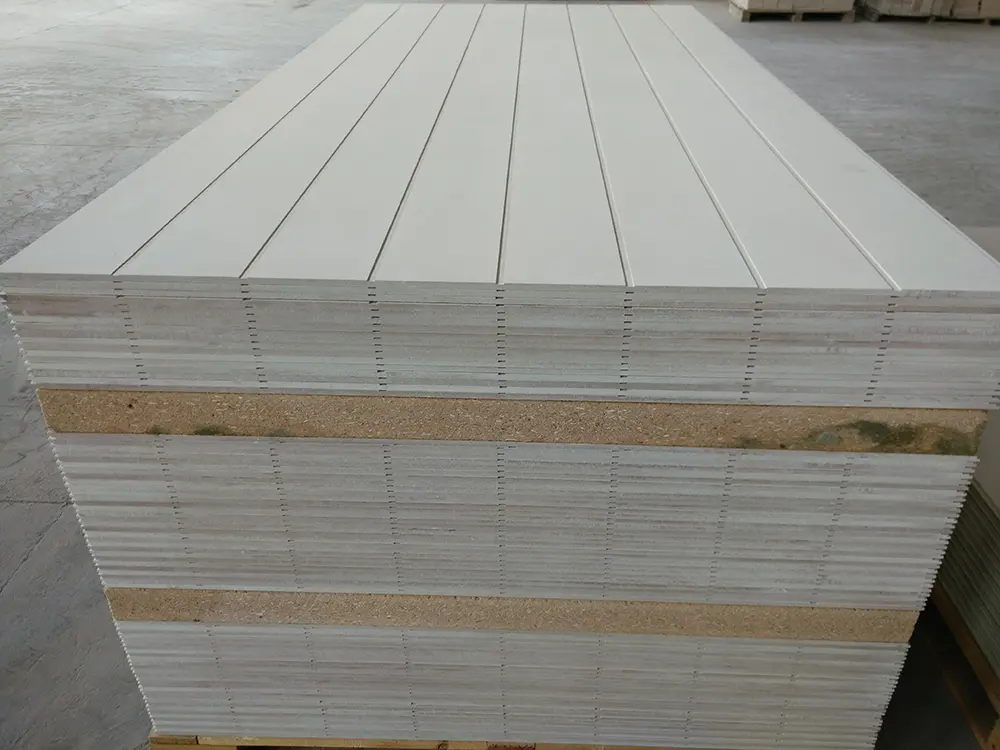 LEAO® Grooved Exterior Panel
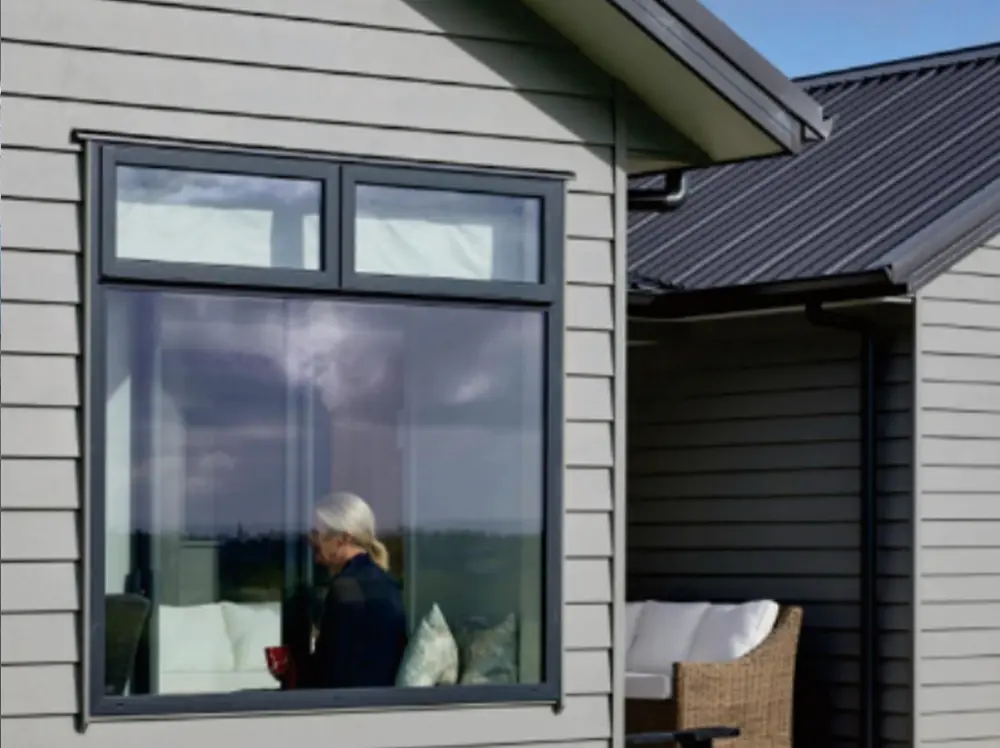 LEAO® Weatherboard
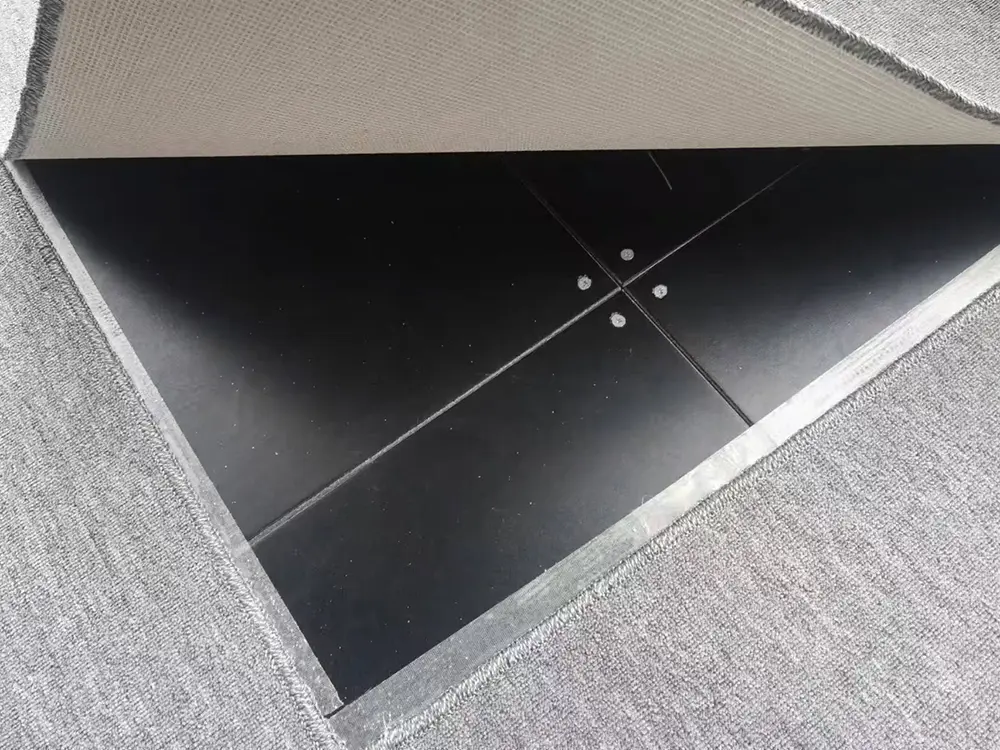 LEAO® Access Floors
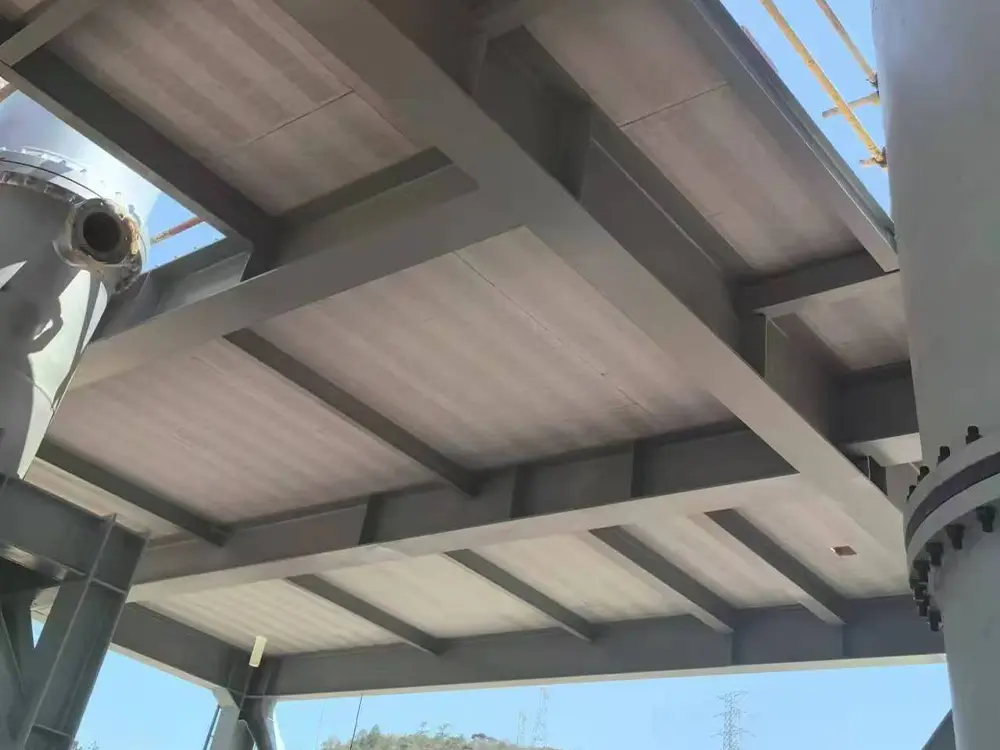 LEAO® Non-removable Formwork
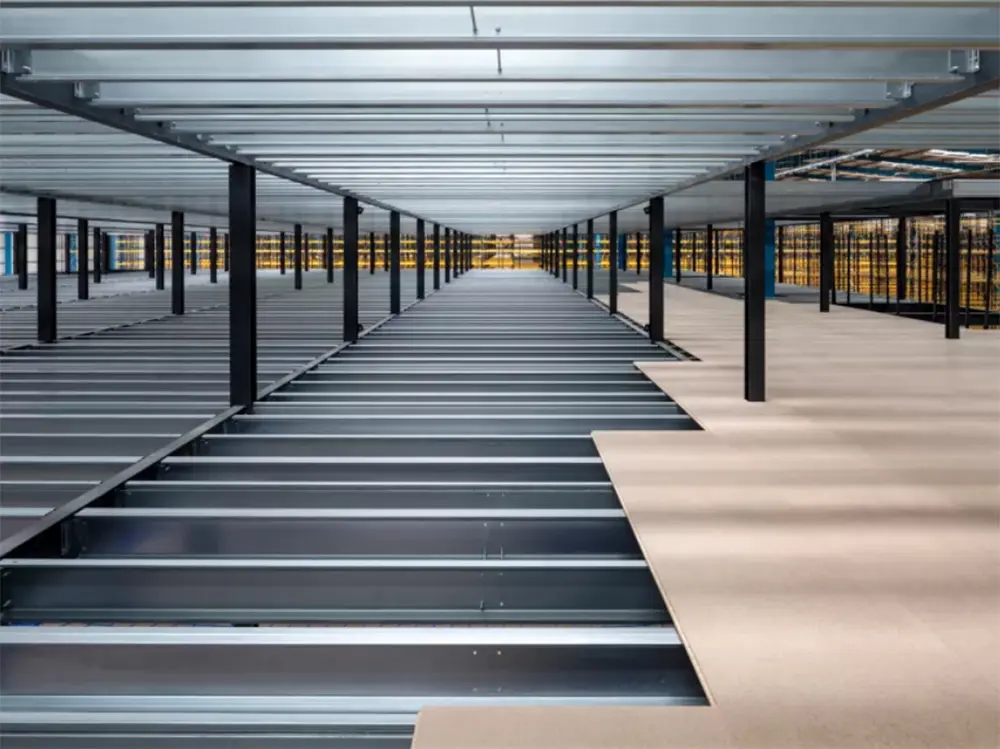 LEAO® Mezzanine Board
 LEAO® Ceramic Tile Underlay
 LEAO® Floor Plank
 LEAO® Flooring
 LEAO® Wood Style Decorative Panel
 LEAO® Stone Style Decorative Panel
 LEAO® Pure Style Decorative Panel