How to Use Fiber Cement Panels for Your Next Construction Project?
Fiber Cement Panels have gained significant attention in the construction industry. A recent report by the World Cement Association predicts a steady growth in the fiber cement panel market, driven by their durability and sustainability. Experts, like Dr. Emily Foster from the Institute of Building Materials, emphasize the panels' versatility. “Using Fiber Cement Panels can enhance both performance and aesthetics in any construction project,” she states.
These panels offer numerous benefits, including resistance to moisture and fire. They provide excellent insulation, which can lead to energy savings. However, some challenges exist. For instance, proper installation is crucial for achieving their full potential. A common pitfall is insufficient preparation of the underlying structure, leading to issues down the line.
Despite these challenges, the rise in demand for sustainable building materials shows no signs of slowing. As a result, integrating Fiber Cement Panels into new projects can be a smart investment. Industry adoption is essential. Teams must be educated on best practices. The future of construction could very well depend on effective use of Fiber Cement Panels.
Understanding Fiber Cement Panels: An Overview of Their Benefits
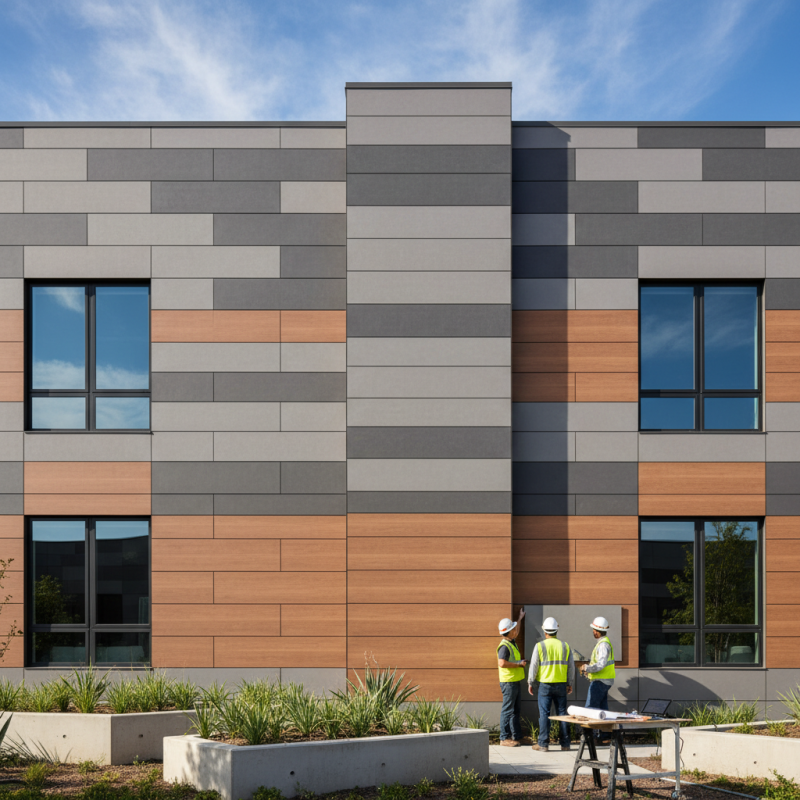
Fiber cement panels have gained popularity in the construction industry due to their durability and versatility. These panels, made from a composite of sand, cement, and cellulose fibers, offer exceptional resistance to weathering and pests. According to a research report by Freedonia Group, the fiber cement market is projected to grow significantly, reaching $7.5 billion by 2025. This indicates a strong trend toward using these materials in various construction projects.
One major benefit of fiber cement panels is their fire resistance. They can withstand high temperatures, making them a safe option for residential and commercial buildings. Additionally, they require less maintenance compared to traditional siding materials, aligning with the industry’s shift toward efficiency. However, some might find installation to be challenging. Proper training is crucial for contractors to achieve the best results.
Tip: Always use the right tools while working with fiber cement panels. A diamond blade saw is essential for clean cuts. Also, ensure you wear dust masks. This helps protect you from the fine particles generated during cutting.
It's important to reflect on the impact of fiber cement. While they are eco-friendlier compared to vinyl, the production process still has a carbon footprint. Balancing performance with environmental concerns is an ongoing challenge for the industry. Knowing these aspects can aid in making informed decisions for your next project.
Selecting the Right Fiber Cement Panels for Your Project Needs
Choosing the right fiber cement panels is crucial for any construction project. Start by understanding the specific needs of your project. Different types of fiber cement panels come with varying thicknesses, textures, and finishes. For example, a smooth finish may work better for modern designs, while a textured surface can add character to traditional structures.
Consider the environmental factors too. If the panels will be exposed to harsh weather, opting for panels with better moisture resistance is wise. Pay attention to installation guidelines as well. Some panels require specialized tools and techniques. Take into account the overall aesthetic you wish to achieve. A mismatch of style can lead to a less cohesive look.
It's important to reflect on the long-term maintenance of the panels. While fiber cement is durable, some may need periodic painting or sealing. Understand that this could affect your budget over time. Be prepared for these responsibilities to fully enjoy the benefits of fiber cement in your construction work.
Preparing Your Construction Site for Fiber Cement Panel Installation
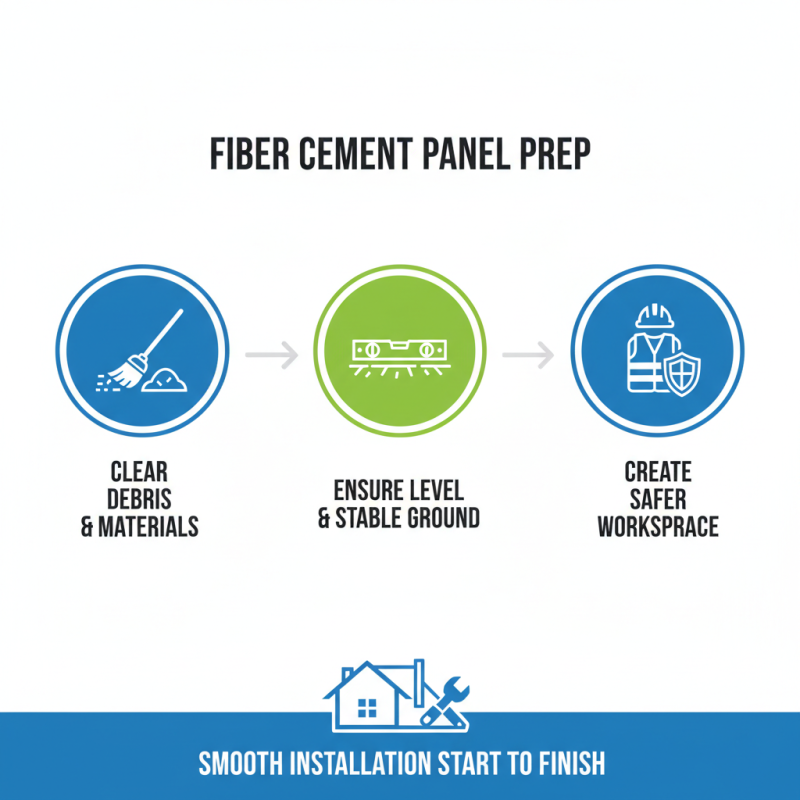
Preparing your construction site for fiber cement panel installation requires careful planning. Clear the area of debris and materials. This prevents accidents and creates a safer work environment. Ensure that the ground is level and stable. An uneven surface can lead to complications during installation.
Next, gather all necessary tools and supplies. You’ll need cutting tools, safety gear, and fasteners. Having everything on hand saves time. It is frustrating to pause work to search for a tool. Also, consider the weather conditions. Rain or high winds can impact your installation timeline.
Review the installation guidelines. It’s easy to overlook minor details, which can lead to mistakes. Take a moment to reflect if your initial preparations truly cover everything. Engage your team in discussions about potential challenges. Communication is key in a successful installation process.
Step-by-Step Installation Process for Fiber Cement Panels
Fiber cement panels are a popular choice for construction projects. Their durability and resistance to weather make them ideal for various applications. Installing these panels requires careful planning and execution to ensure a successful outcome.
To begin, gather your tools and materials. You'll need a saw, drill, and safety gear. Make sure to measure the area accurately. The panels should fit snugly without gaps. Once you have everything ready, start by cutting the panels to size. It’s crucial to wear protective eyewear when cutting. Be mindful of dust and debris.
Next, prepare the surface where the panels will be installed. Ensure it is clean and dry. Start from a corner or base and work your way up. Use a level to align the panels correctly. Fasten them securely, but don’t over-tighten the screws; this can cause cracking. Take your time with each step. Rushing can lead to mistakes. Regularly check for level and alignment as you progress. Following this process can lead to a sturdy, visually appealing end result.
Maintenance Best Practices to Extend the Life of Fiber Cement Panels
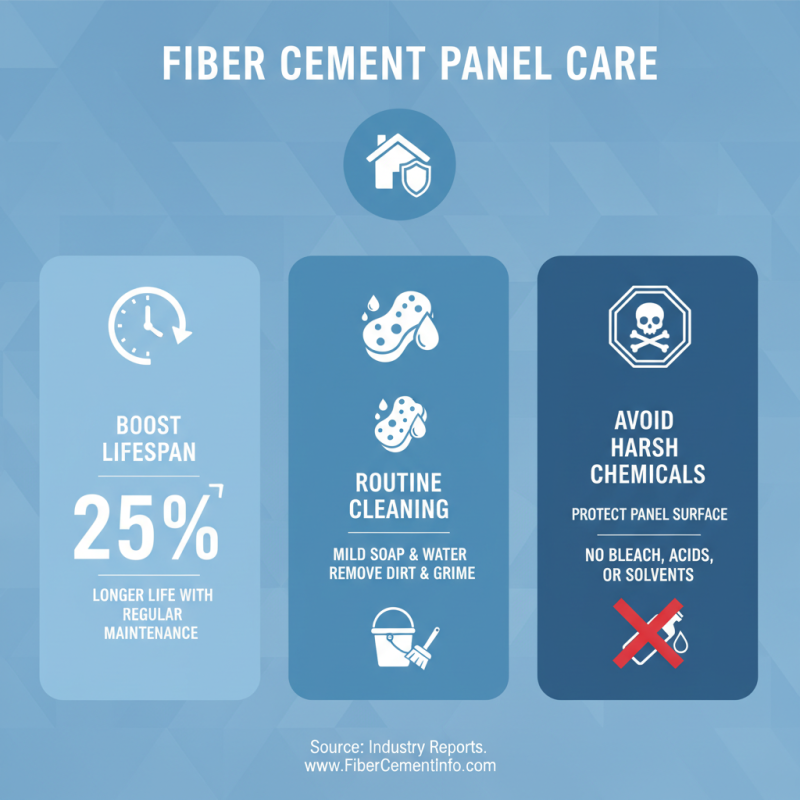
When it comes to maintaining fiber cement panels, proper care is essential. According to industry reports, regular maintenance can enhance their lifespan by up to 25%. Routine cleaning is crucial. Use mild soap and water to remove dirt and grime. Avoid harsh chemicals; they can harm the panels' surface.
Tip: Inspected panels for cracks or damage. Timely repairs can prevent bigger issues later. If you notice any signs of wear, address them immediately. Caulking can help seal joints and prevent moisture intrusion.
Also, consider the climate in your area. In humid regions, it is vital to check for mold and mildew. Use a soft brush to clean these areas gently. After cleaning, make sure the panels are completely dry.
Tip: Schedule maintenance checks bi-annually. This practice ensures longevity and better performance. Keeping an eye on your panels will save money over time.

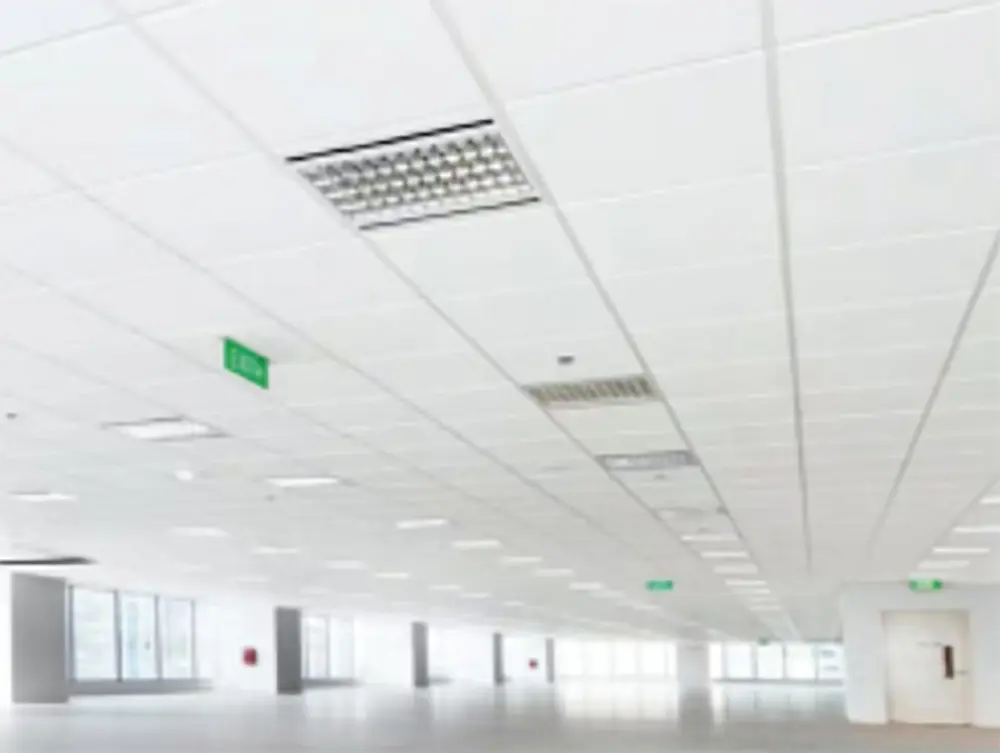 LEAO®Deco Ceiling
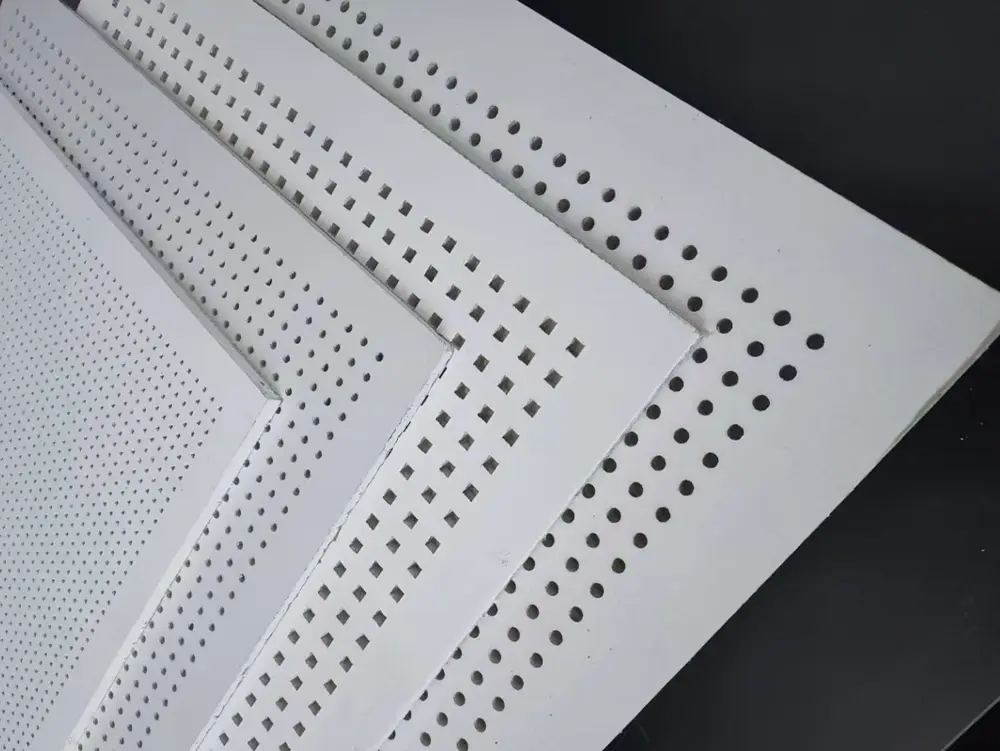 LEAO® Perforated Ceiling
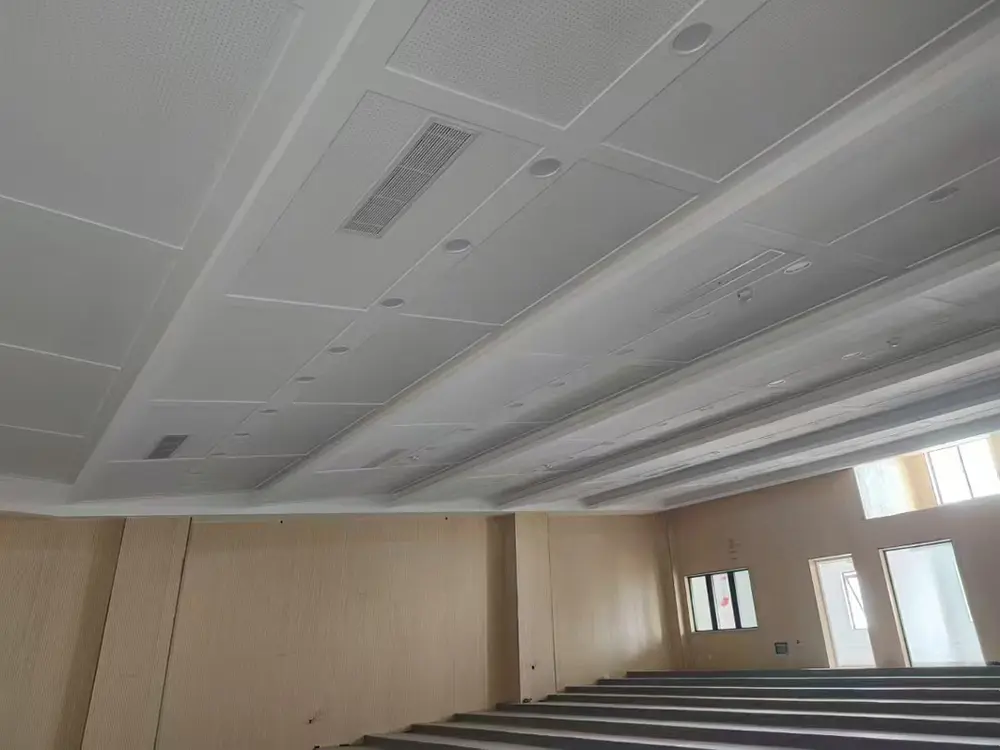 LEAO® Ceiling Board
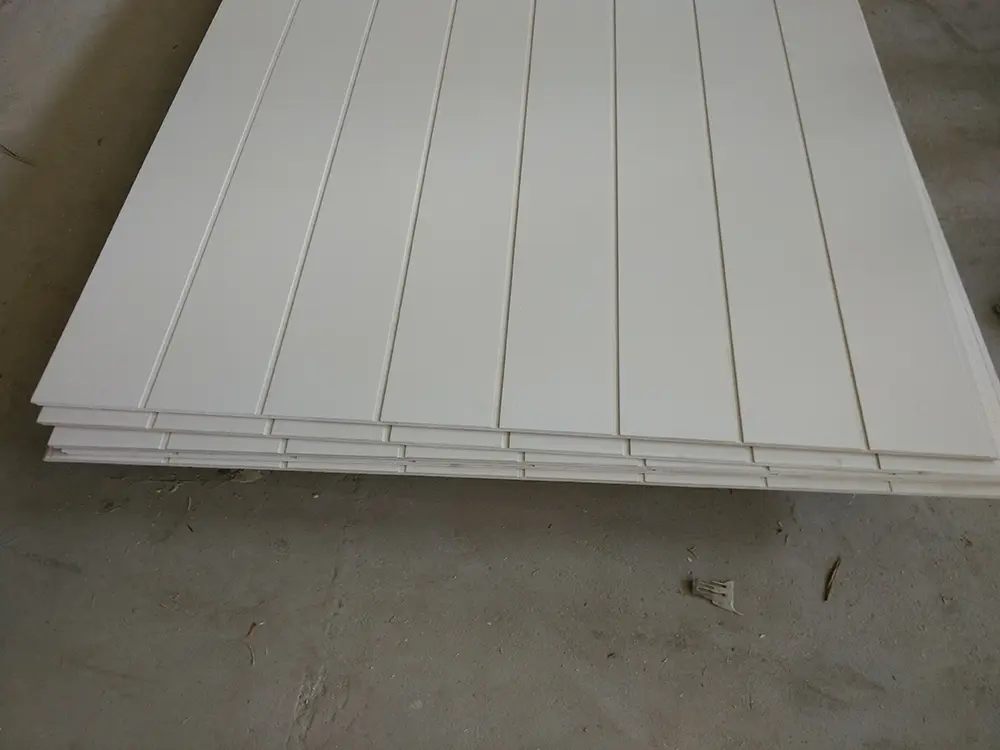 LEAO® Groove Interior Panel
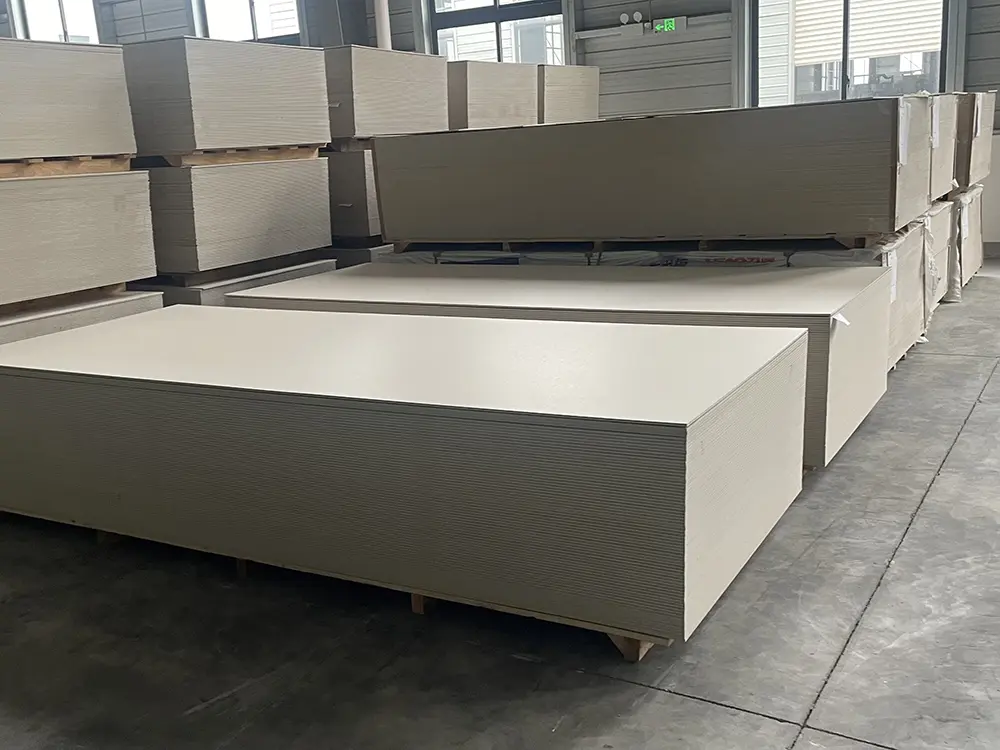 LEAO® Interior Board
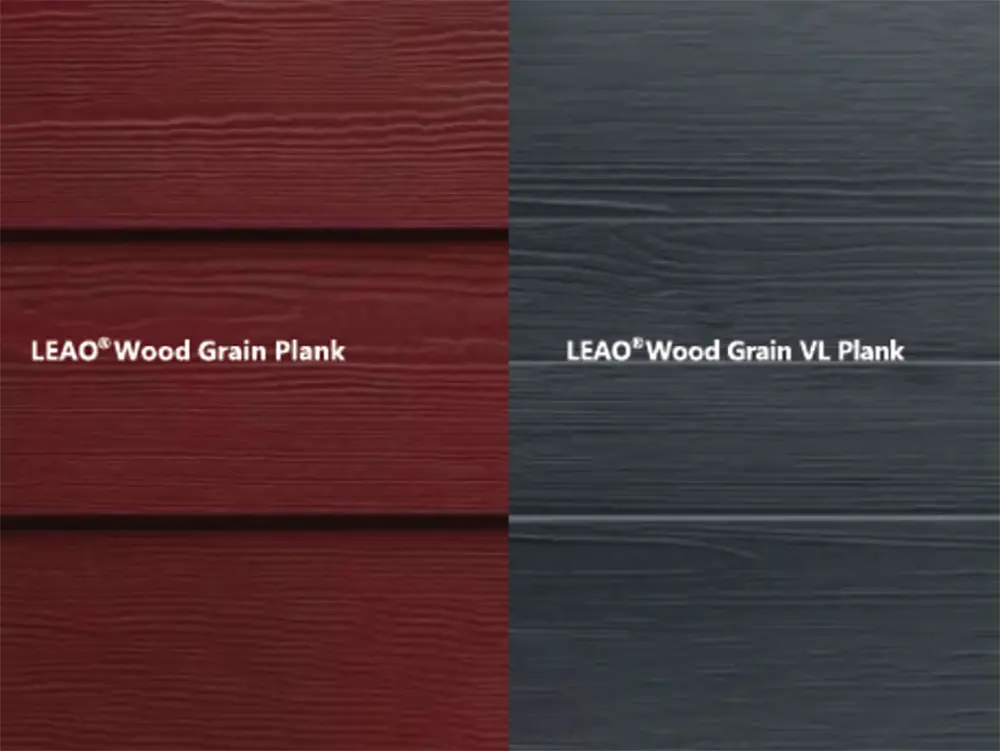 LEAO® Wood Grain Plank
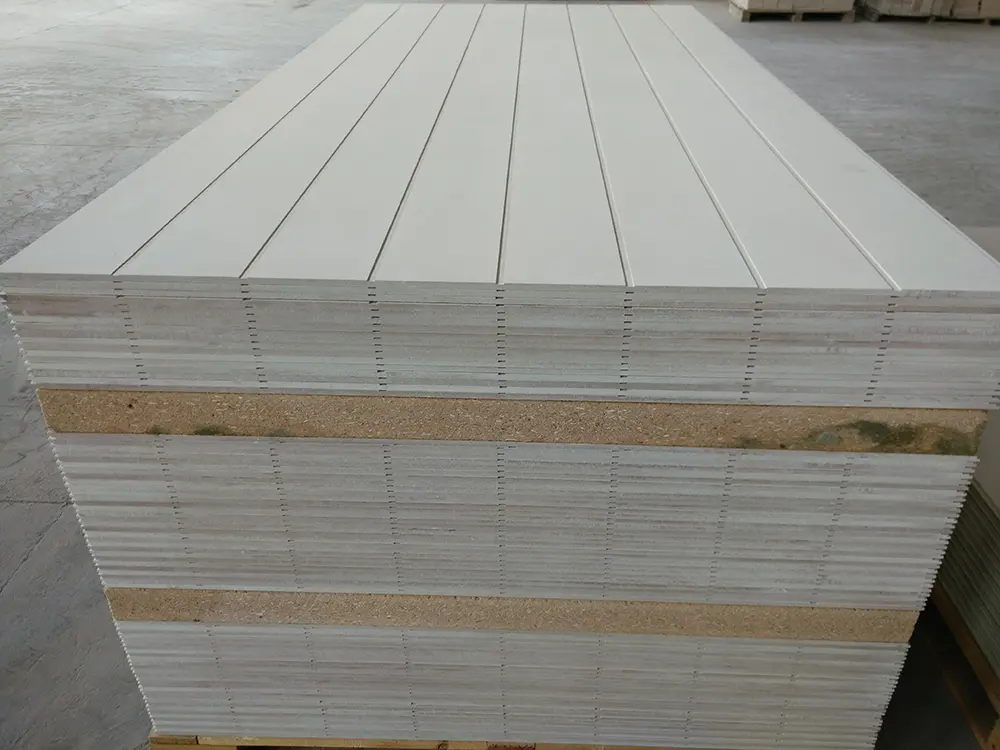 LEAO® Grooved Exterior Panel
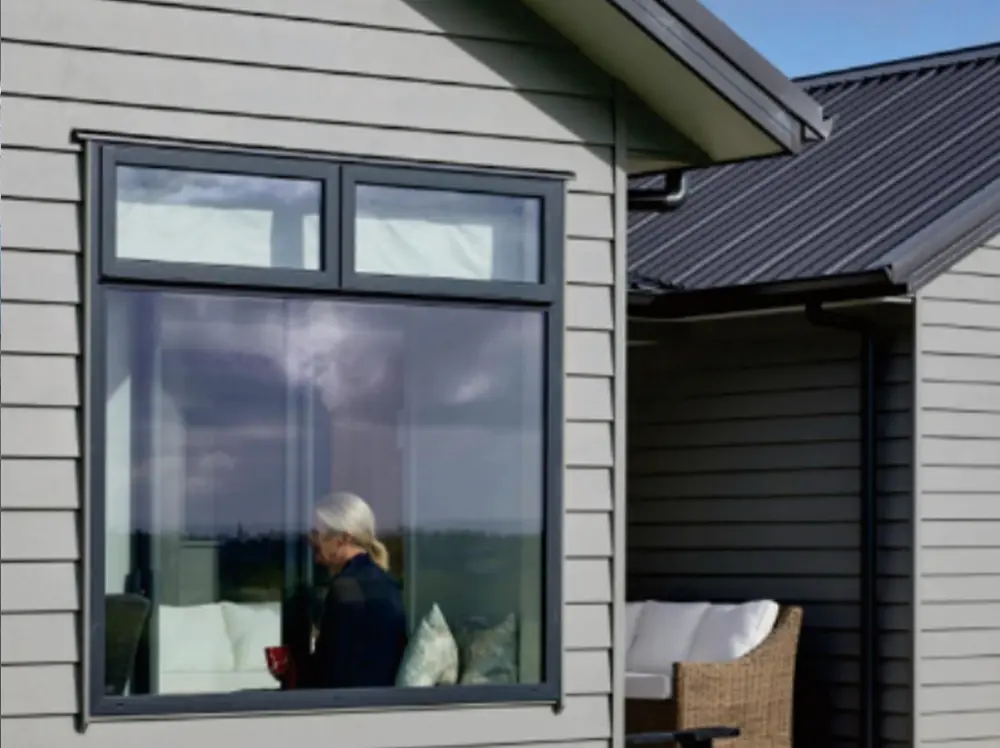 LEAO® Weatherboard
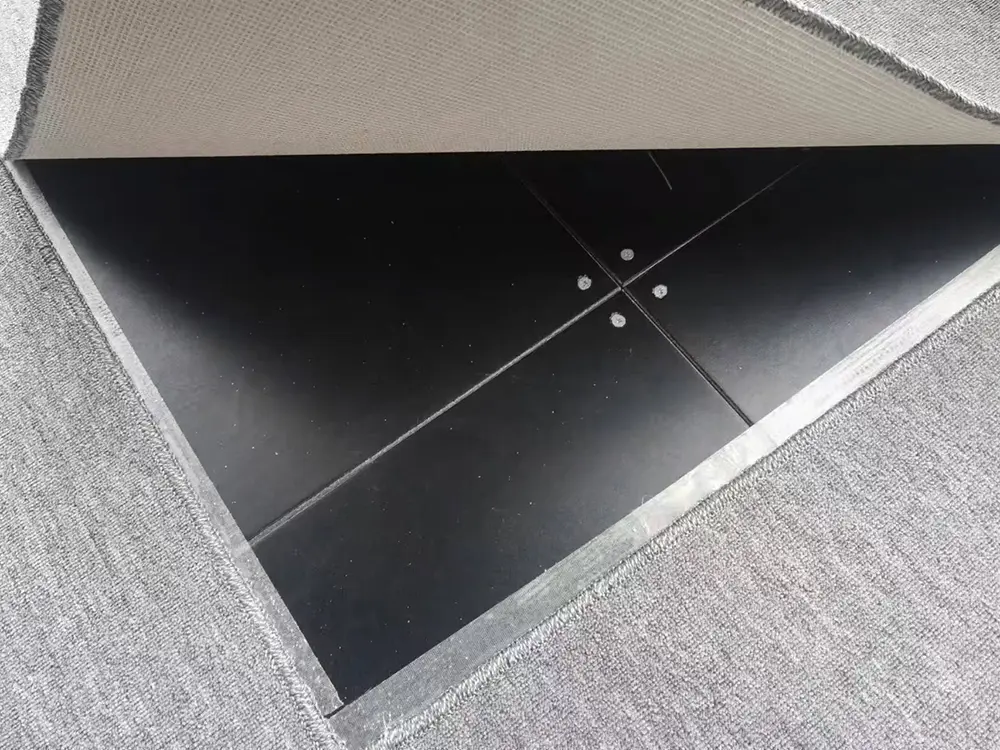 LEAO® Access Floors
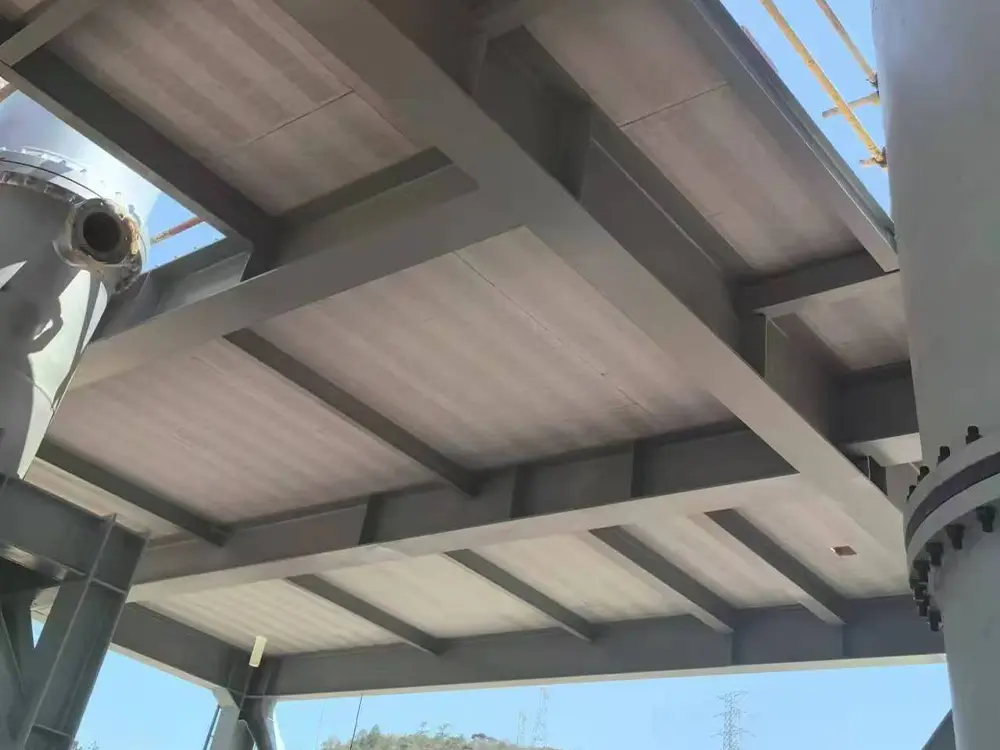 LEAO® Non-removable Formwork
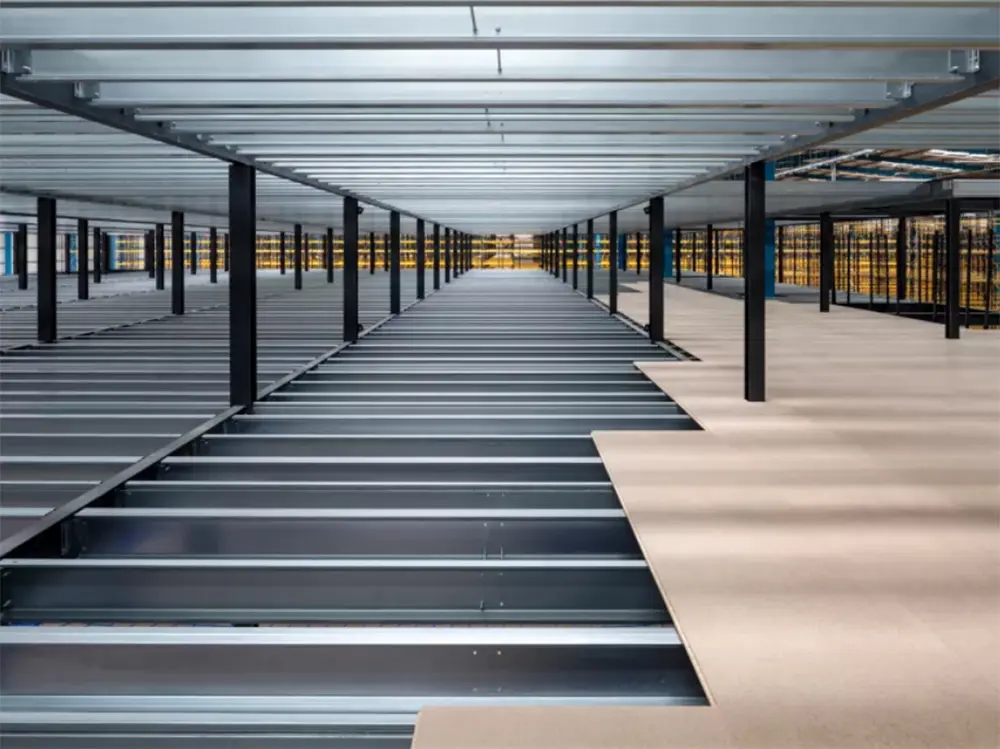 LEAO® Mezzanine Board
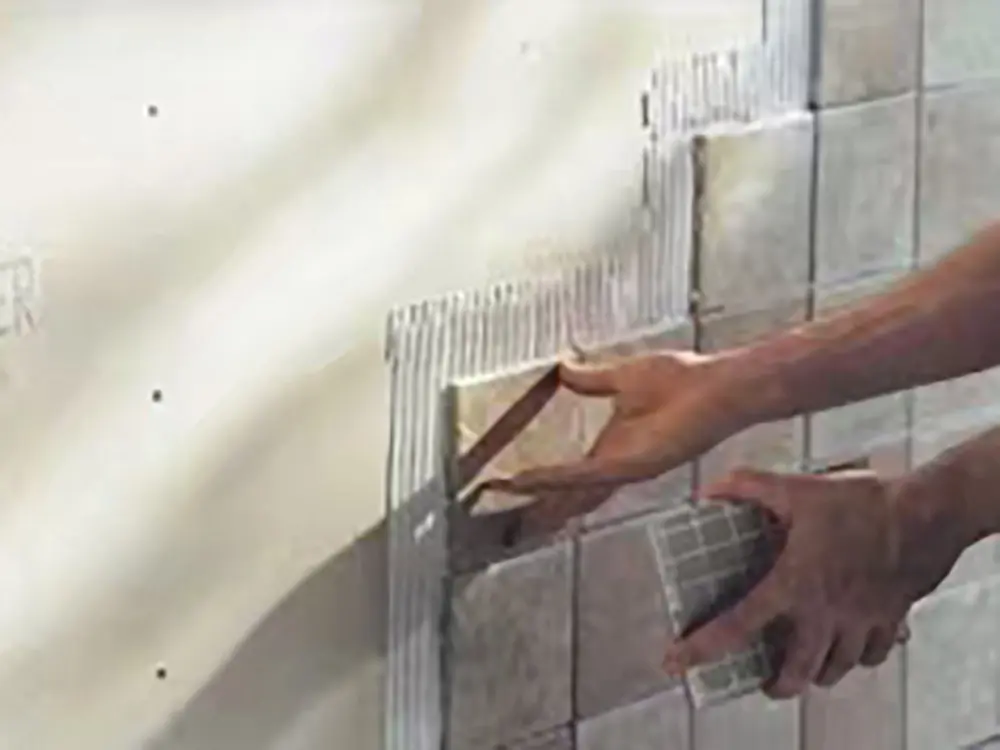 LEAO® Ceramic Tile Underlay
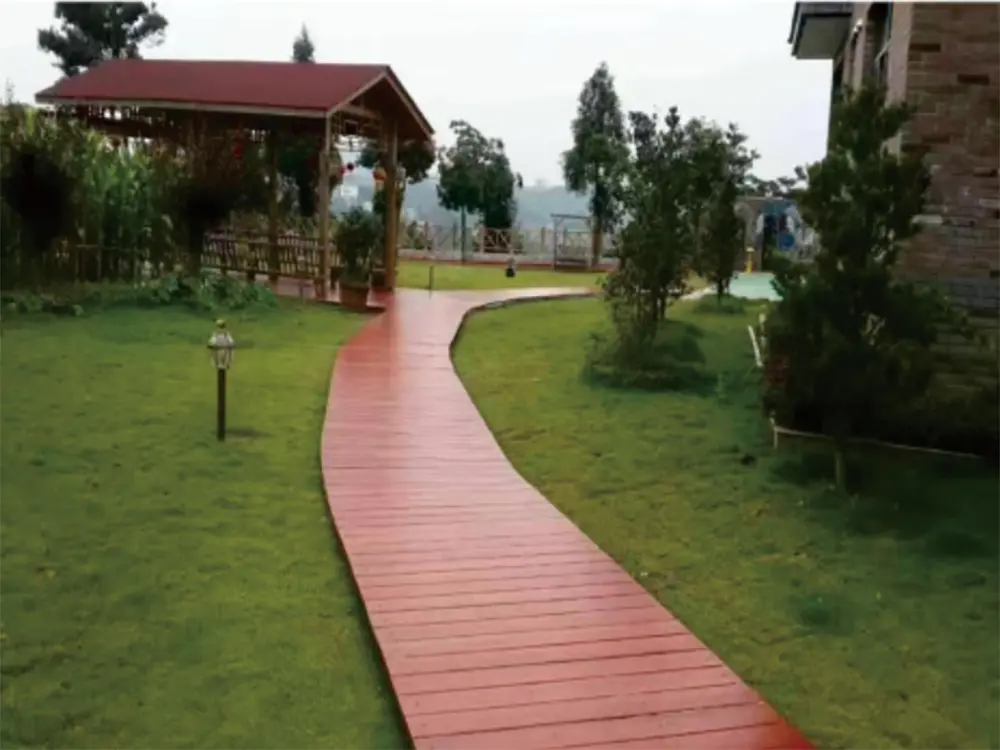 LEAO® Floor Plank
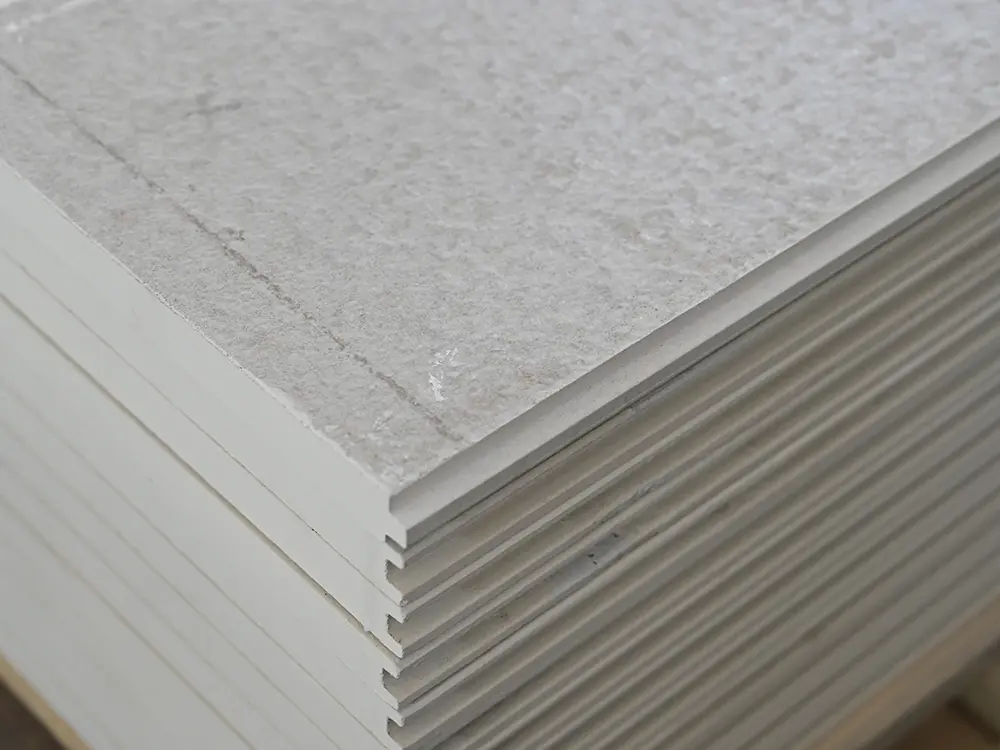 LEAO® Flooring
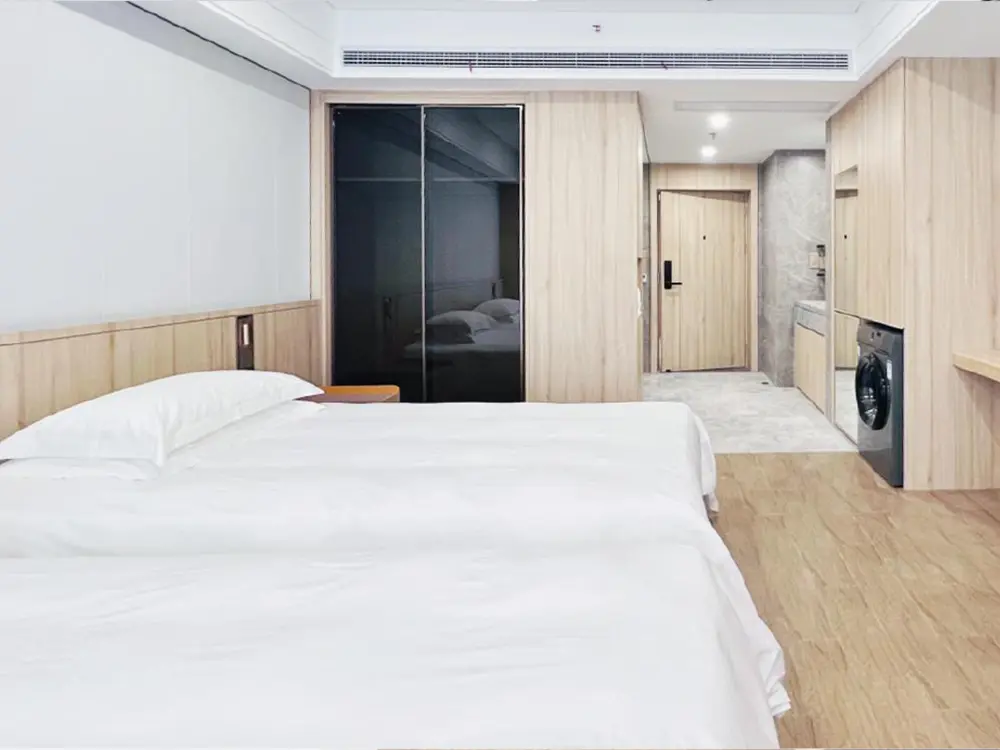 LEAO® Wood Style Decorative Panel
 LEAO® Stone Style Decorative Panel
 LEAO® Pure Style Decorative Panel