Inquiry
Form loading...

2026 Top Fiber Cement Woodgrain Board Types for Buyers

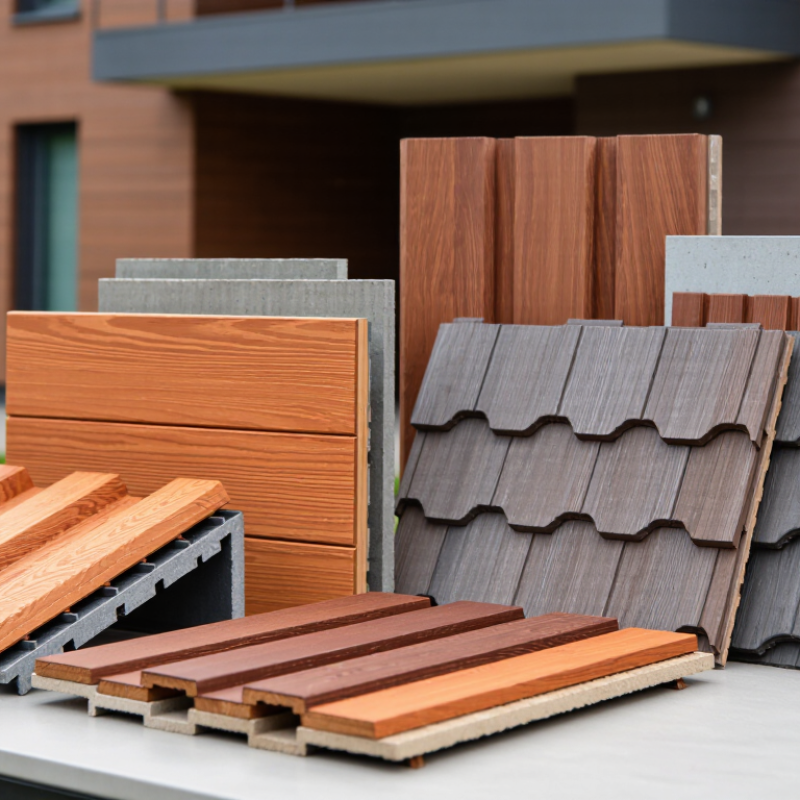
Choosing exterior cladding in 2026 requires more than comparing colors and catalog prices. Fiber Cement Woodgrain Board combines a timber-like surface with cement-based durability. Buyers can find lap, panel, shingle, and board-and-batten profiles. Each type affects installation speed, drainage, maintenance, and visual scale. A warm cedar texture may suit a coastal home, while deeper grooves can strengthen a modern façade. The right choice starts with the building, not the showroom.

Experienced contractors usually examine board thickness, edge treatment, coating quality, and fastening requirements. They also review moisture resistance, fire performance, impact strength, and expected color stability. Manufacturer datasheets should support these claims. Independent test reports add useful confidence. Warranties matter, but their exclusions matter more. Always check local building requirements and installation instructions before ordering. Small details can prevent expensive site changes.

This guide compares leading Fiber Cement Woodgrain Board types for residential and commercial buyers. It considers realistic factors, including climate exposure, wall height, cutting waste, corner accessories, and labor availability. A smooth sample can look excellent under showroom lighting. It may appear different after dust, rain, and strong sunlight. No product is perfect. Even premium boards can chip when handled carelessly or installed without proper spacing. That limitation deserves attention. Buyers should request physical samples, inspect the back surface, and confirm production consistency before approving a large order. The following sections connect surface design with practical performance, helping buyers make a more informed and defensible purchase.

2026 Top Fiber Cement Woodgrain Board Types for Buyers

What Is Fiber Cement Woodgrain Board?

What Is Fiber Cement Woodgrain Board?

Fiber cement woodgrain board is an exterior panel made from cement, cellulose fibers, silica, water, and performance additives. Manufacturers press or autoclave the mixture, then emboss a wood-like surface. The result resembles cedar or oak but does not rely on timber alone.

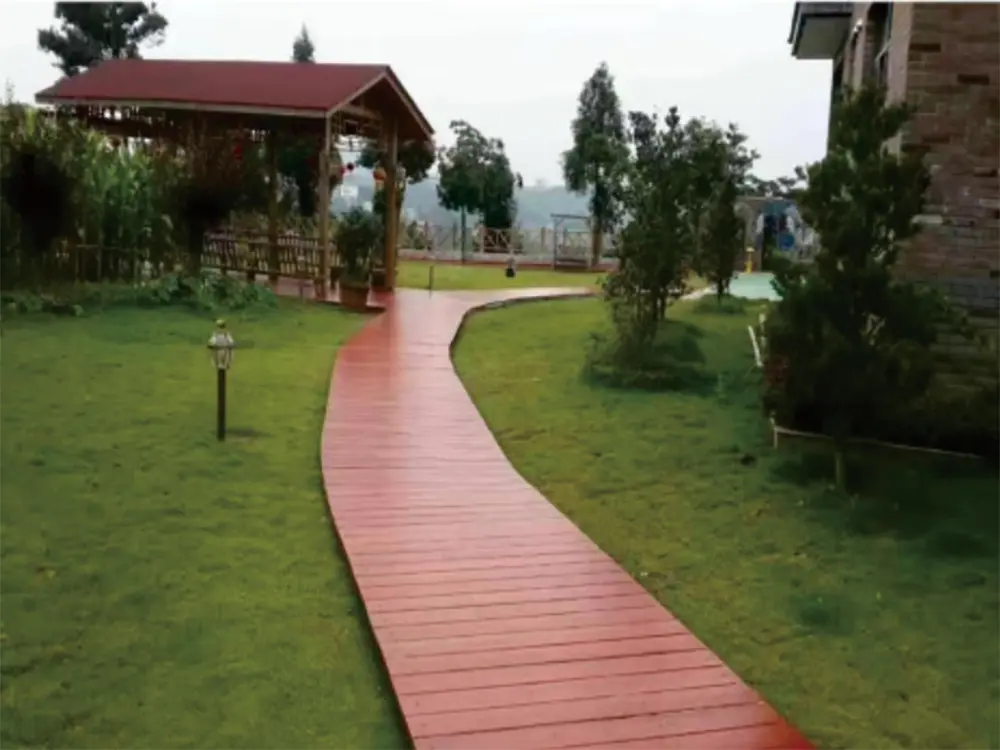
It is commonly used for siding, façades, soffits, and decorative wall sections. Unlike natural wood, it resists rot, termites, and moisture-related swelling when installed correctly. However, it is heavy and can chip at cut edges. That detail is often underestimated.

A 2024 Global Market Insights report estimated the global fiber cement market exceeded USD 16.5 billion in 2023. It also projected growth of about 4.5% annually through 2032. This demand reflects stricter durability expectations and ongoing renovation activity. Yet market growth does not guarantee every board performs equally. Thickness, density, coating quality, and installation details still matter.

Tips: Request technical data before buying. Check board thickness, fire classification, water absorption, warranty limits, and recommended fasteners. Hold a sample under daylight. Cheap embossing may look artificial from two meters away. Leave the required movement gaps, seal exposed cuts, and keep the lower edge clear of standing water. Some project specifications remain vague, which can create avoidable failures.

How Fiber Cement Woodgrain Boards Are Manufactured

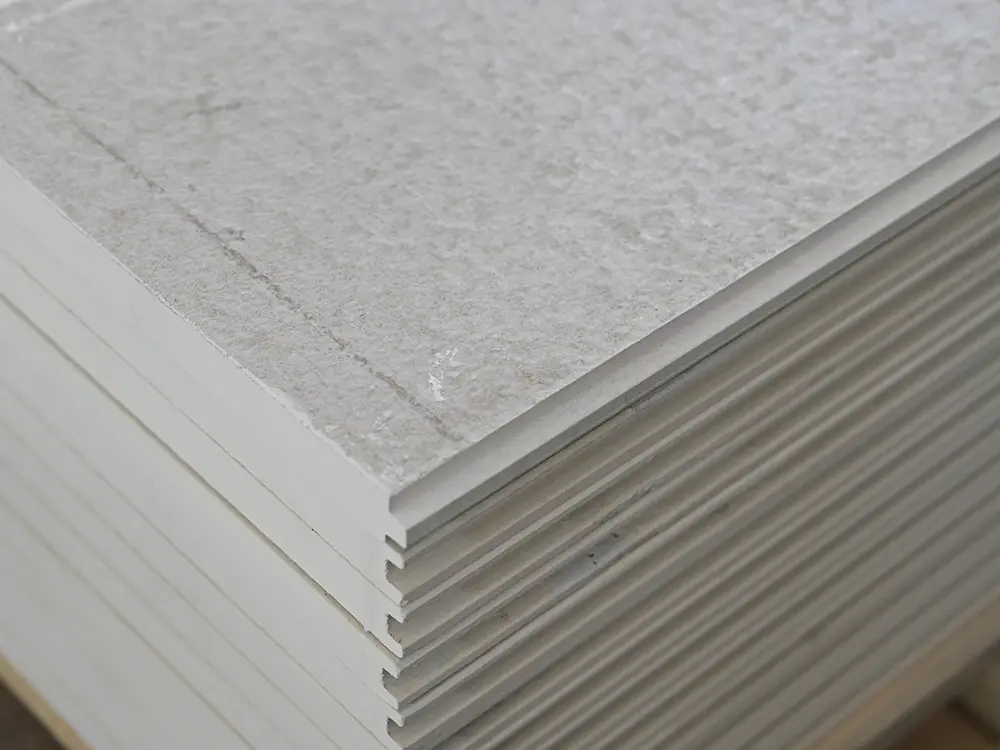
Fiber cement woodgrain boards begin with a controlled blend of Portland cement, refined cellulose fibers, silica, water, and performance additives. Each ingredient affects strength, flexibility, and surface detail. Small changes matter.

Manufacturers usually form the material through a layered sheet process. Thin cement-fiber layers build the board’s core before mechanical pressing removes excess water. A textured roller or mold then creates the woodgrain pattern. Deep grooves look realistic, but they can weaken thin sections if poorly controlled. The boards are trimmed, stacked, and cured under carefully regulated heat and moisture. Some facilities use pressure curing, while others rely on longer atmospheric curing. The method changes the final density and dimensional behavior.

Quality technicians inspect thickness, edge integrity, moisture content, and surface consistency. They also test samples for bending strength, water absorption, and freeze-thaw performance. In practical projects, I have found that a convincing grain pattern means little if the board edges chip during cutting. Installation waste can increase quickly. Manufacturing is not perfectly uniform, either. Natural-looking textures may show slight variation between production batches. That variation can be attractive, yet buyers should request samples before approving a large order. Proper curing remains critical. Rushed curing may leave internal stress that appears later as warping or small surface defects. Careful producers adjust pressure, drying time, and fiber distribution instead of treating every batch identically.

2026 Top Fiber Cement Woodgrain Board Types for Buyers - How Fiber Cement Woodgrain Boards Are Manufactured

A practical comparison of common fiber cement woodgrain board formats, manufacturing characteristics, and buyer considerations. Specifications are typical industry ranges and may vary by product standard, density, finish, and application.

Board Type Typical Surface Appearance Common Thickness Range Typical Composition Manufacturing Method Key Performance Characteristics Typical Applications Buyer Considerations
Woodgrain Siding Planks Embossed or textured grain designed to resemble painted timber boards; available with smooth, brushed, or saw-cut effects. Approximately 8–12 mm Portland cement or hydraulic binder, cellulose fibers, mineral fillers, water, and process additives. Raw materials are blended with water, formed into sheets or strips, pressed and cut, then cured and surface-finished. The woodgrain is created by embossing, texturing, or pressing before final curing or coating. Non-combustible or fire-resistant depending on the tested assembly; resistant to rot, insects, and moisture-related deterioration when correctly installed. Exterior walls, rainscreen cladding, residential façades, and low-rise commercial buildings. Check board overlap, required cavity ventilation, fixing spacing, edge sealing, and the compatibility of the coating system with the intended climate.
Woodgrain Panel Siding Large-format wood-look panels with vertical, horizontal, or random grain patterns. Approximately 8–16 mm Cementitious binder reinforced mainly with cellulose fibers and mineral components. Fibers and cementitious ingredients are mixed, deposited into layers, dewatered, compressed, cut to panel size, and cured. Grain texture may be pressed into the face during forming or applied as a molded surface. Good dimensional stability and impact resistance for a cement-based cladding product; can be factory-primed or factory-finished. Contemporary façades, gable ends, accent walls, and buildings requiring fewer visible horizontal joints. Large panels can require more handling equipment and careful substrate preparation. Review panel dimensions, joint detailing, and wind-load requirements.
Shingle-Style Woodgrain Boards Small-format or segmented texture that imitates cedar shingles, shakes, or overlapping timber pieces. Approximately 6–12 mm Fiber-reinforced cement matrix with mineral fillers and a molded or embossed face. The board is formed and cured as a sheet, then cut, profiled, or molded to create shingle-like modules and grain definition. Factory priming or coating may follow curing. Good resistance to biological attack and weather exposure when joints, flashings, and coatings are correctly maintained. Gable details, heritage-style façades, dormers, residential exteriors, and decorative feature areas. Installation is more labor-intensive than large panels. Confirm the specified exposure, starter details, corner treatment, and replacement-piece availability.
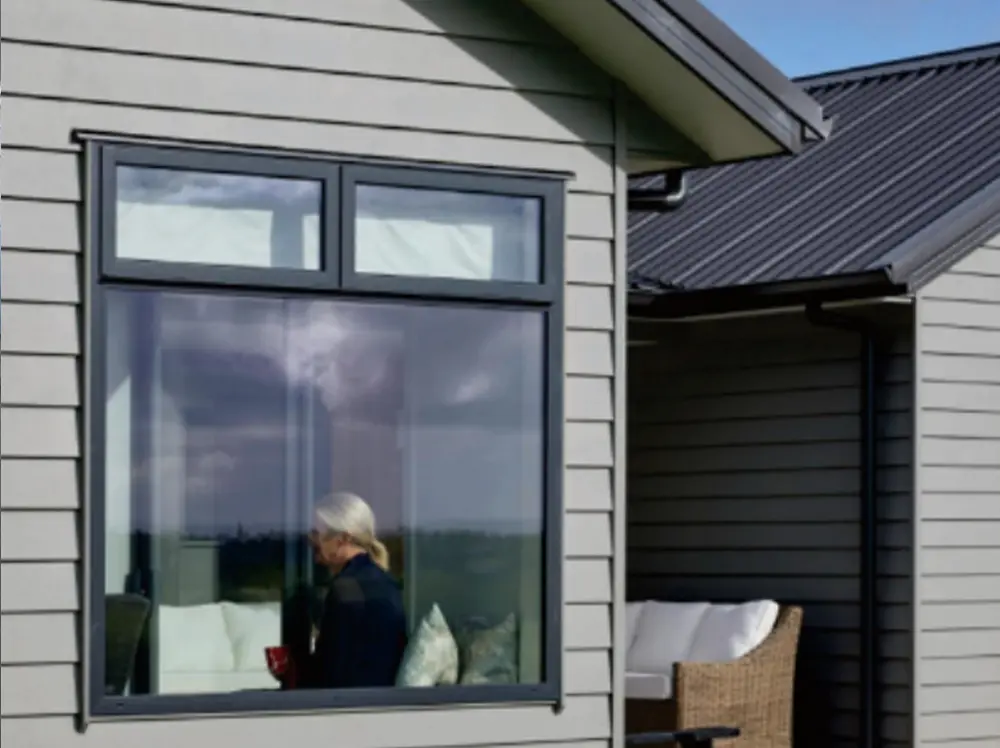
Lap-Profile Woodgrain Boards Horizontal overlapping profile with a raised lower edge and wood-like face texture. Approximately 8–12 mm Hydraulic cement, refined cellulose fibers, silica or mineral fillers, water, and performance additives. Continuous or semi-continuous forming creates the board profile; sheets are cut, cured under controlled conditions, trimmed, and coated or primed. Provides a traditional weatherboard appearance while avoiding many of the decay issues associated with untreated wood. Performance depends strongly on joint and flashing design. Detached homes, extensions, apartment façades, and ventilated residential cladding systems. Evaluate the effective cover width rather than only the overall board width. Confirm fastener type, minimum lap, and installation tolerances.
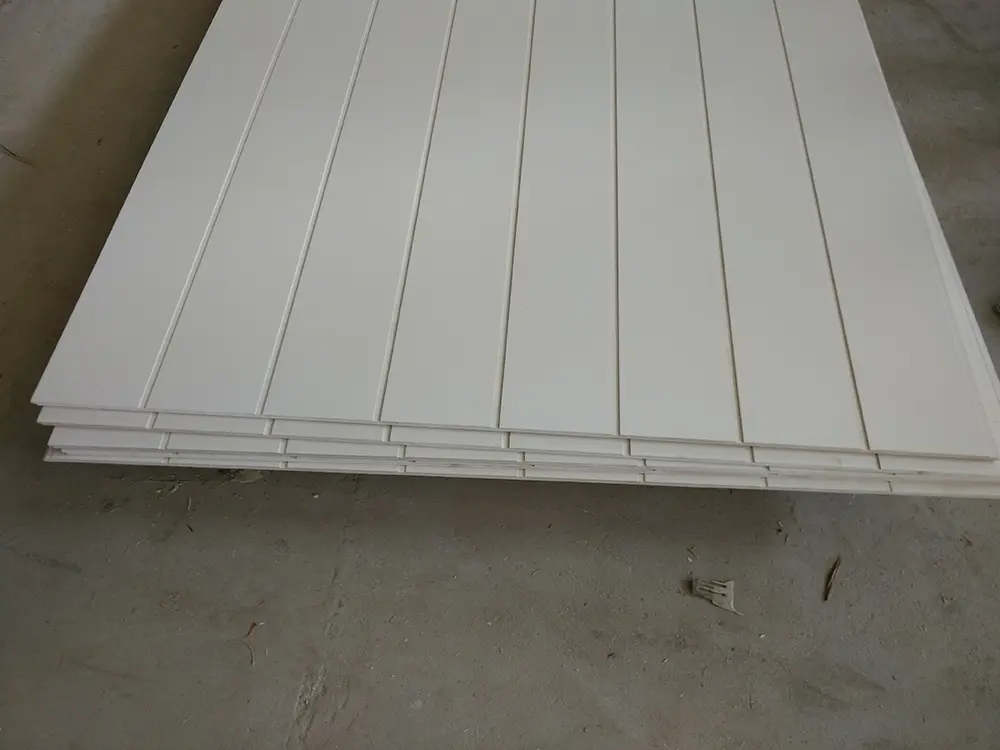
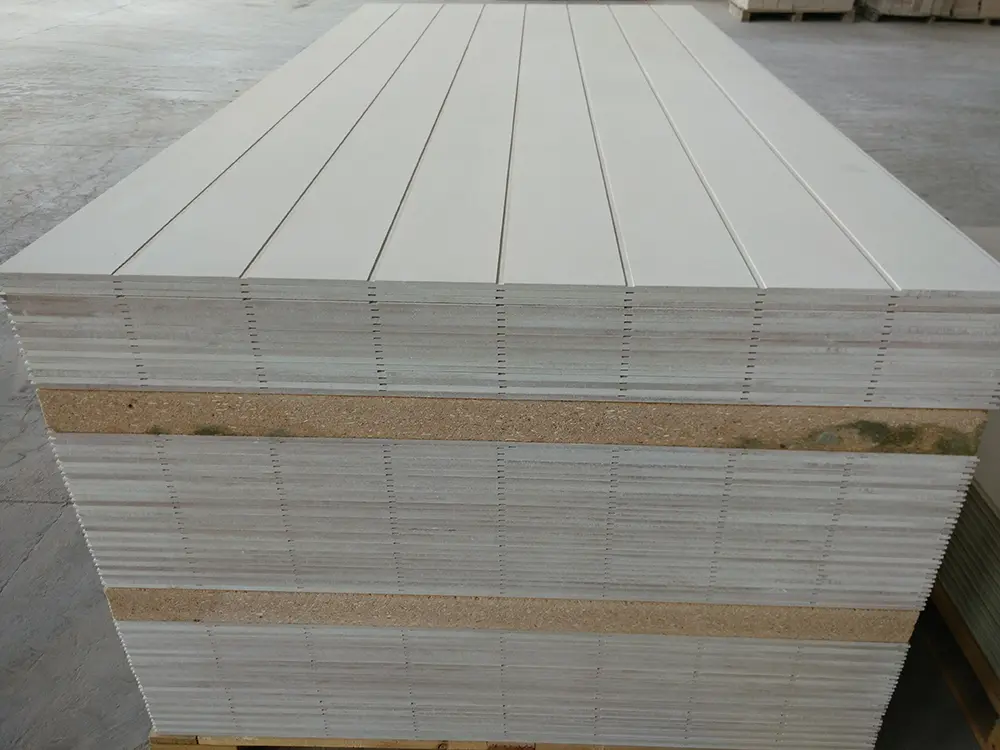
Grooved Woodgrain Boards Wood-look face with one or more longitudinal grooves that create a board-and-batten or lined-board visual effect. Approximately 8–12 mm Fiber-cement matrix reinforced with cellulose fibers and mineral fillers. After sheet forming and pressing, grooves are molded, machined, or embossed into the face. Boards are then cut, cured, edge-finished, and commonly primed. Stable, low-maintenance surface with good resistance to rot and insects; groove depth may affect water drainage and coating maintenance. Feature façades, soffits, porch walls, interior feature surfaces in suitable dry conditions, and commercial accent zones. Inspect groove uniformity, edge quality, cut-end treatment, and the manufacturer’s requirements for visible-fixing patterns.
Deep-Embossed Premium Boards Pronounced three-dimensional grain with knots, saw marks, or irregular timber texture. Approximately 10–16 mm Higher-density fiber-cement formulation with mineral fillers, cellulose reinforcement, and a molded or mechanically textured face. A denser sheet is formed and compressed, followed by deep embossing or mold texturing. Controlled curing reduces moisture variation before precision cutting and finishing. Enhanced visual depth and generally improved resistance to surface wear compared with lightly textured finishes; heavier boards may require stronger support and additional handling. High-visibility façades, hospitality projects, premium residential exteriors, and architectural feature walls. Compare mass per square metre, edge durability, coating warranty conditions, and the detailing required around openings and external corners.
Pre-Finished Woodgrain Boards Factory-applied opaque color, stained timber effect, or multi-coat wood-look finish over an embossed grain. Approximately 8–16 mm Standard fiber-cement board with factory primer, acrylic, polymer-modified, or other tested exterior coating systems. Boards are formed, textured, cured, dried, inspected, and coated in controlled factory conditions. Edges and cut ends are normally treated according to the installation instructions. More consistent color and film thickness than many site-applied finishes; long-term appearance depends on exposure, color selection, cleaning, and maintenance. Fast-track façades, residential developments, renovation projects, and applications requiring a controlled color palette. Check color batch control, repair-coating availability, minimum order quantities, UV and weathering data, and touch-up procedures for cut edges.
Uncoated or Factory-Primed Woodgrain Boards Embossed timber texture supplied for site painting or final decorative coating. Approximately 8–12 mm Fiber-cement substrate with either no decorative coating or a factory-applied compatible primer. Board formation, pressing, grain embossing, cutting, and curing are completed before shipment. The final paint system is applied on site or by a separate finishing facility. Allows broad color selection and future repainting; exposed surfaces require an appropriate exterior coating and correctly treated cut edges. Custom-color façades, renovation work, regional projects, and designs requiring site-selected finishes. Confirm primer compatibility, allowable time before painting, moisture condition at installation, number of finish coats, and maintenance intervals.
High-Density Woodgrain Boards Fine, sharply defined grain with a relatively firm and smooth backing surface. Approximately 10–18 mm Higher-density cementitious matrix reinforced with cellulose or other approved fibers and mineral fillers. More intensive pressing and controlled curing produce a denser board. Surface texturing is performed during pressing or with a subsequent profiling process. Higher stiffness and surface hardness than lighter formulations, but greater weight per square metre and more demanding cutting and handling requirements. Exposed façades, areas subject to increased impact risk, and projects requiring crisp architectural detailing. Verify structural support, fastener pull-out data, cutting-tool requirements, board weight, and the need for two-person or mechanical handling.
Manufacturing overview: Most fiber cement woodgrain boards are produced by blending cementitious binders, reinforcing fibers, mineral fillers, water, and additives; forming and dewatering the mixture; pressing or profiling the sheet; creating the woodgrain texture; cutting and edge-finishing; controlled curing; and finally applying primer or decorative coatings where specified.

Top Fiber Cement Woodgrain Board Types in 2026

Top Fiber Cement Woodgrain Board Types in 2026

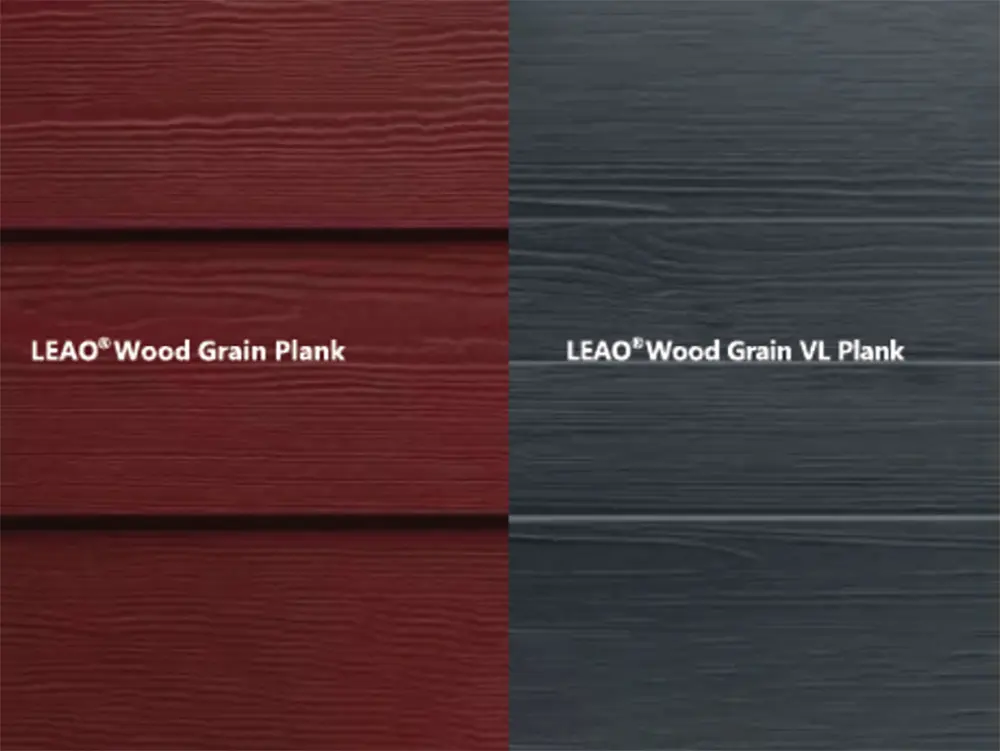
In 2026, buyers are choosing fiber cement woodgrain boards by texture, profile, and installation needs. Cedar-grain lap boards remain popular for coastal homes and modern exteriors. Their narrow shadow lines can create a familiar timber appearance without regular staining. Oak-inspired boards offer deeper grain patterns and a heavier visual effect. They suit entry walls, garden rooms, and feature elevations.

Rough-sawn woodgrain boards provide a more rugged surface. Their uneven texture can hide minor dust and installation marks. Reclaimed-timber designs add varied grain details, but color consistency may differ between production batches. Shiplap and board-and-batten profiles create stronger horizontal or vertical lines. Before buying, check board thickness, edge treatment, fastener guidance, and published resistance data.

Experienced installers usually inspect the wall structure before selecting a profile. A deep texture may look impressive in a showroom but collect more dirt in sheltered areas. That detail matters. Buyers should also compare coating warranties, moisture management instructions, and local fire requirements. One common oversight is judging samples indoors. Outdoor light can make brown tones appear colder, flatter, or more orange. A small test panel is wiser, although it adds time and a little cost. Some boards still need careful cutting because exposed edges can weaken the visual finish. Expect small imperfections. They often reveal the real installation quality.

Key Performance Features and Applications

2026 Top Fiber Cement Woodgrain Board Types for Buyers

Key Performance Features and Applications

Fiber cement woodgrain boards combine a timber-like surface with mineral-based durability. Common types include lap boards, vertical panels, shingle-style boards, and soffit panels. Each profile changes drainage, visual rhythm, and installation speed. Their cement-rich composition resists rot, insects, and everyday moisture better than untreated wood. Many tested products also offer strong fire performance, but ratings depend on the complete wall assembly.

Look closely at dimensional stability. Quality boards should tolerate seasonal heat and humidity with limited swelling or shrinking. Textured coatings can improve color retention under sunlight, though fading remains possible over many years. Impact resistance matters near entrances, garages, and busy walkways. On site, careful handling matters too. Edges can chip.

These boards suit residential façades, apartment exteriors, garden buildings, and ventilated rainscreen systems. Vertical panels can make narrow walls appear taller. Lap boards often support traditional housing designs. Soffit versions protect roof edges while allowing controlled airflow. In coastal or wet regions, buyers should check moisture detailing, fastener compatibility, and local fire documentation. Poorly sealed cut edges can absorb water. That weakness is easy to overlook.

Installation requires accurate spacing, suitable corrosion-resistant fasteners, and dust control during cutting. A drainage cavity may improve wall longevity, but it cannot correct poor flashing. Buyers should compare warranty terms, coating repair guidance, board thickness, and independently verified test results. No board is maintenance-free. The most practical choice balances appearance, climate exposure, installer skill, and long-term repair access.

How Buyers Can Compare and Select the Right Board

Selecting a 2026 fiber cement woodgrain board starts with the building, not the brochure. Compare embossed, brushed, and deep-relief surfaces under natural light. Deep relief often creates stronger shadows, but it can collect dust in sheltered façades. Smooth-grain finishes usually clean more easily. I would not trust a small sample alone; inspect a full panel for grain repetition, edge quality, and coating consistency.

Check technical evidence before comparing prices. ISO 8336 defines performance requirements for fiber-cement flat sheets, while ASTM C1186 covers flat fiber-cement sheets used in construction. Ask suppliers for test reports, dimensional tolerances, water absorption, freeze-thaw results, and fastener guidance. ASTM E84 data can help assess flame-spread performance, but it does not predict every real fire condition. Read the test scope carefully.

Installation details matter as much as board type. A 2024 construction-materials survey by the National Association of Home Builders identified labor availability and installation complexity as continuing cost concerns. Choose boards that local installers can cut, seal, and ventilate correctly. For coastal or humid locations, examine corrosion-resistant fixing systems and rear drainage paths. For high-wind areas, request project-specific wind-load calculations. A lower-priced board may need more site trimming, repainting, or waste. That cost is easy to miss. Compare delivered cost per usable square meter, expected maintenance, and documented warranty conditions—not just the retail price.