How to Choose the Best Fiber Cement Panel for Your Project?
Selecting the right Fiber Cement Panel for your project can be challenging. According to industry expert, James Whitaker, “Choosing the correct panel requires careful consideration of many factors.” His insights underline the complexity involved in making this decision.
Fiber Cement Panels are crucial for both structural integrity and aesthetic appeal. Many property owners prioritize durability and design when they choose their materials. However, overlooking critical aspects can lead to costly mistakes. Different projects demand different specifications.
Understanding the properties of Fiber Cement Panels is essential. Factors like weather resistance, fire safety, and maintenance can influence your choice. Each project has unique needs, so be sure to reflect on these requirements. Making an informed decision will lead to a successful outcome.
Understanding Fiber Cement Panels and Their Benefits
Fiber cement panels are a popular choice in construction. They are durable and versatile. These panels resist fire, moisture, and pests. They serve both aesthetic and functional purposes in residential and commercial projects. The material is often made from a mix of cement, sand, and cellulose fibers. This composition gives it strength and longevity.
Choosing the right fiber cement panel involves understanding these benefits. They are available in various styles and colors, offering design flexibility. This allows you to match them to your project's unique requirements. However, they can be heavy and require careful installation. It is essential to reflect on your project's specifics before selecting the panels. Consulting with experts helps ensure that you make informed decisions.
It's also helpful to consider the environmental impact of fiber cement panels. While they are long-lasting, the production process can be energy-intensive. It's worth examining suppliers’ practices. This ensures they align with sustainability goals. A thorough evaluation of these aspects can lead to better choices for your project.
Fiber Cement Panel Strength Comparison
This bar chart illustrates the flexural strength of different fiber cement panels, showcasing their performance potential. Panel B has the highest strength at 23 MPa, while Panel C has the lowest at 15 MPa. Selecting the right panel involves considering various strength characteristics along with other factors like aesthetic, durability, and installation requirements.
Evaluating Project Requirements and Conditions for Fiber Cement Panels
When evaluating project requirements for fiber cement panels, several factors come into play. Understand the environment where the panels will be installed. Consider factors such as moisture levels, temperature fluctuations, and UV exposure. These elements directly affect the longevity and performance of the panels. An outdoor installation in a humid climate may require more robust solutions compared to a drier area.
Next, assess the aesthetic needs of the project. Fiber cement panels come in various textures and colors. Choose a finish that complements the architectural style of the building. This decision impacts curb appeal and overall satisfaction with the project. Keep in mind that the installation process can vary depending on the chosen panel type. Some finishes may demand more specialized skills or tools, which could lead to unexpected costs.
Finally, reflect on the long-term maintenance requirements. Some panels may require routine painting or upkeep, while others may offer a low-maintenance solution. Evaluate whether your team has the capacity to manage this upkeep over the building's life cycle. Balancing aesthetics, environmental conditions, and maintenance can be challenging. Taking the time to consider these factors will ultimately lead to a better-informed decision.
Comparing Different Types and Brands of Fiber Cement Panels
When selecting fiber cement panels, it’s crucial to compare different types available. Various options cater to diverse aesthetics and functional requirements. Some panels offer a wood-like finish, while others emphasize a sleek, modern look. This variety allows designers to align their choice with the vision of the project.
Brand reputation plays a significant role in the selection process. Established manufacturers often provide extensive warranties and reliable customer service. However, newer brands might offer innovative designs or better pricing. It’s essential to weigh these factors carefully. You might find a stylish panel from a lesser-known brand; the key is to evaluate quality versus cost effectively.
Also, consider the environmental impact. Some fiber cement products are manufactured using sustainable practices. Correlating eco-friendly options with performance can enhance the project’s overall appeal. Pay attention to installation requirements. Poor installation may lead to future problems, even with high-quality panels. Always consult professionals to ensure your choice matches the specific demands of your project. Balancing aesthetics, reliability, and sustainability is crucial in making an informed decision.
Assessing Installation and Maintenance Considerations
When selecting fiber cement panels, installation and maintenance are key factors. Proper installation ensures longevity and performance. Many professionals recommend consulting guidelines from the American Concrete Institute, which provide best practices for fiber cement applications. It’s critical to follow these recommendations to mitigate potential issues.
Consider the local climate. Areas with high moisture may require additional waterproofing measures. A 2020 report by the Building Materials Research Institute highlighted that improper sealing can lead to water intrusion, causing significant damage over time. This emphasizes the importance of thoughtful installation processes.
Maintenance is another critical aspect. Regular inspections can prevent small issues from escalating. According to a study by the National Association of Home Builders, neglect can reduce a building's lifespan significantly. Aim for a yearly check of the panels for signs of wear or damage. This simple step can save both time and money in the long run and maintain the structural integrity of the project.
How to Choose the Best Fiber Cement Panel for Your Project? - Assessing Installation and Maintenance Considerations
| Dimension |
Description |
Installation Considerations |
Maintenance Requirements |
| Thickness |
Commonly ranges from 5/16" to 1". Provides durability and resistance. |
Ensure proper support framing to accommodate weight. |
Requires periodic inspections for cracks or damage. |
| Finish Type |
Available in textured, smooth, or painted finishes. |
Consider weather conditions when choosing a finish. |
Painting may be necessary every 5-10 years depending on exposure. |
| Fire Rating |
Non-combustible; offers safety in fire-prone areas. |
Check local codes for specific fire safety regulations. |
Low maintenance; clean to maintain fire resistance. |
| Water Resistance |
Highly resistant; minimizes water-related issues. |
Ensure proper sealing and caulking during installation. |
Inspect seams and joints regularly for leaks. |
Budgeting and Cost Analysis for Fiber Cement Panel Projects
When budgeting for fiber cement panel projects, it’s vital to account for all potential costs. Typically, fiber cement panels range from $0.75 to $5.50 per square foot. This variation depends on factors like thickness, finish, and the complexity of design. Labor costs can add another $1.50 to $3.00 per square foot. Ignoring these details can lead to overspending or project delays.
A recent report from the Fiber Cement Manufacturers Association highlights that projects can exceed initial budgets by up to 20% if unforeseen expenses arise. Inadequate planning around installation and material waste contributes to this issue. It’s essential to include contingency funds when calculating total project costs. This practice ensures financial flexibility for unexpected challenges.
Furthermore, engaging with professional contractors can yield insights into hidden costs. They often provide accurate estimates based on previous work. Due diligence in sourcing materials can also affect overall budget. Selecting higher-quality options may seem costly but can lead to savings over time due to reduced maintenance needs. Therefore, taking the time to analyze costs upfront is vital for successful project execution.

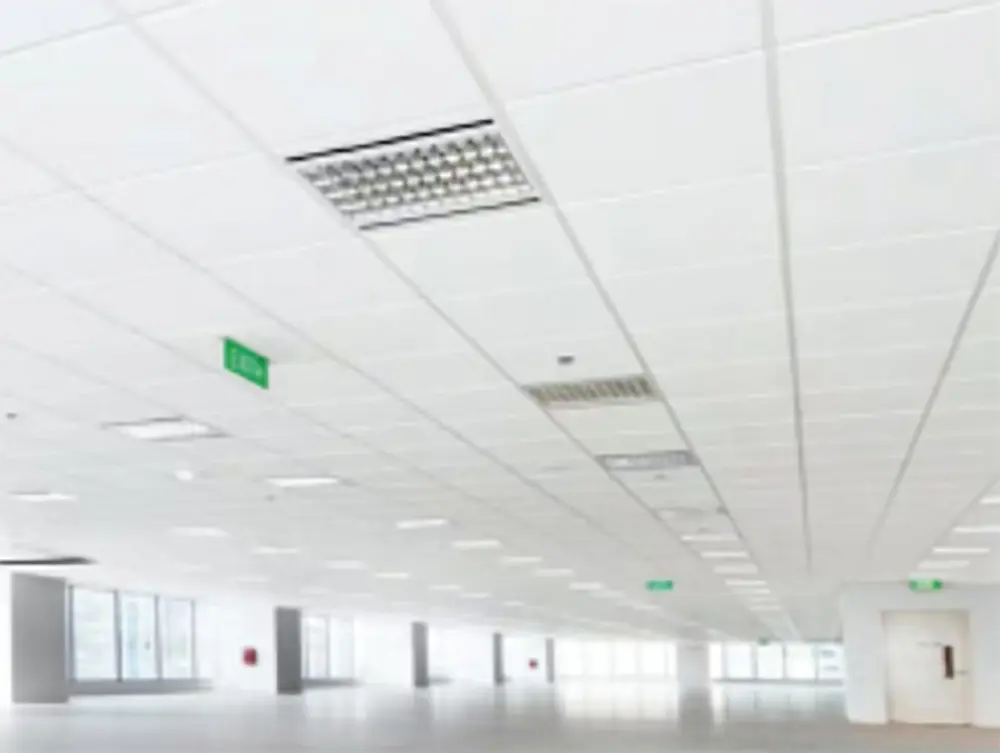 LEAO®Deco Ceiling
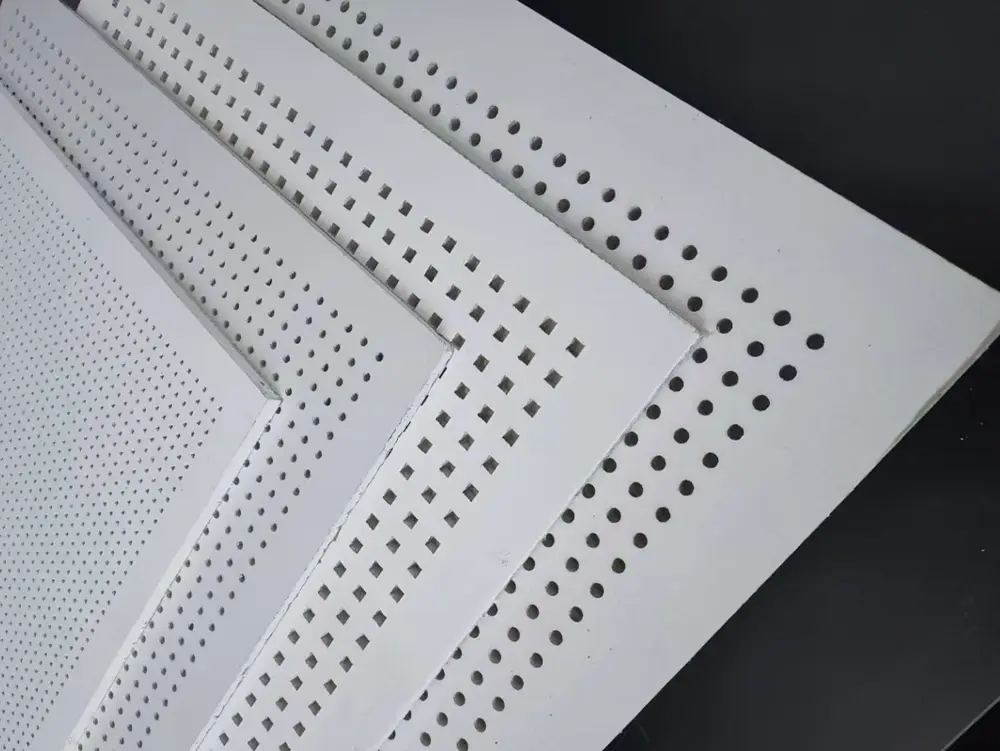 LEAO® Perforated Ceiling
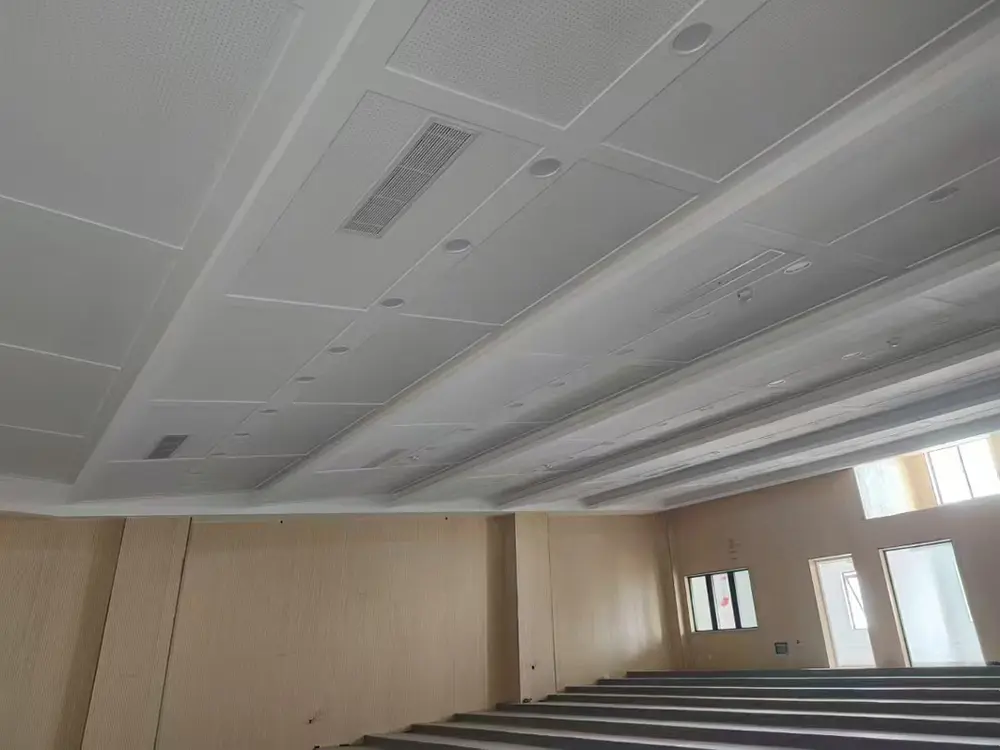 LEAO® Ceiling Board
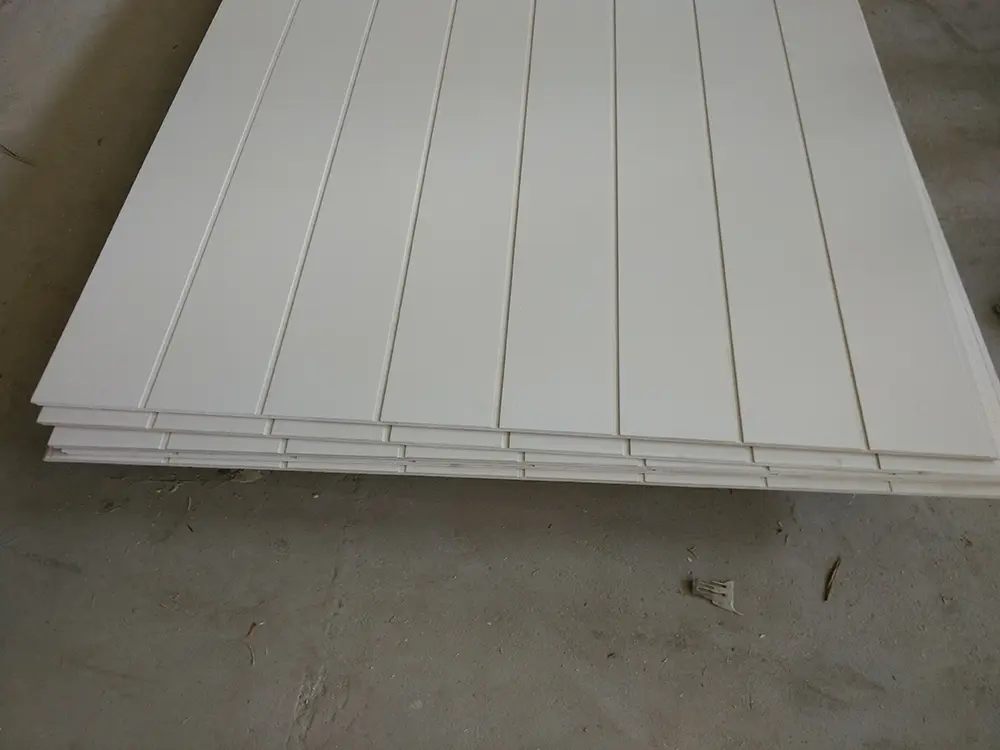 LEAO® Groove Interior Panel
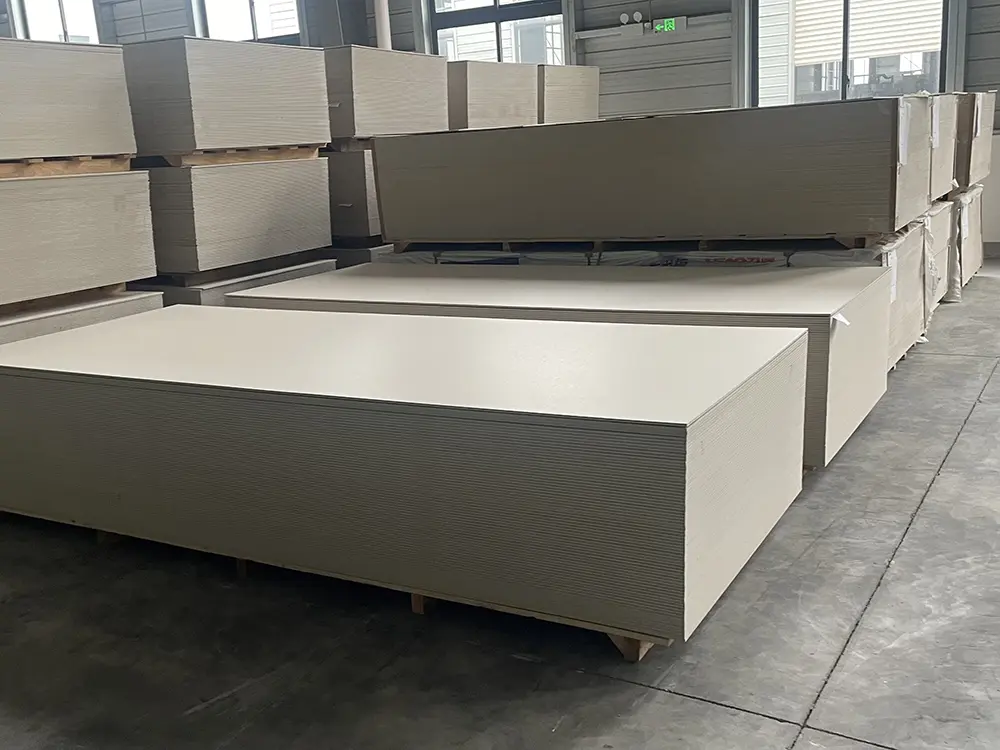 LEAO® Interior Board
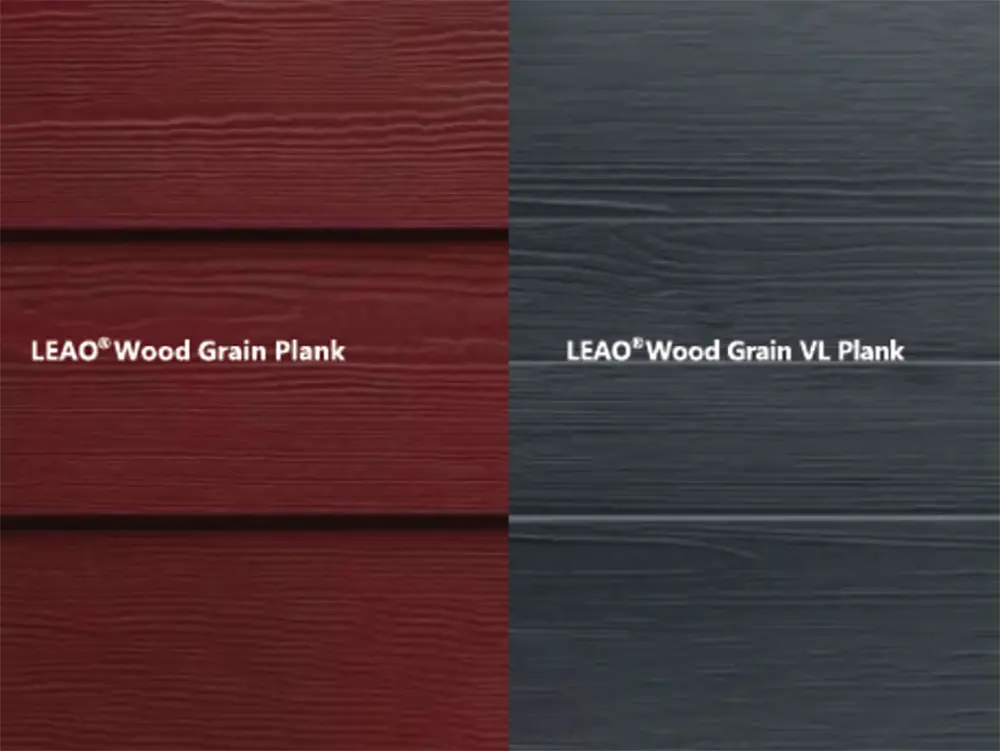 LEAO® Wood Grain Plank
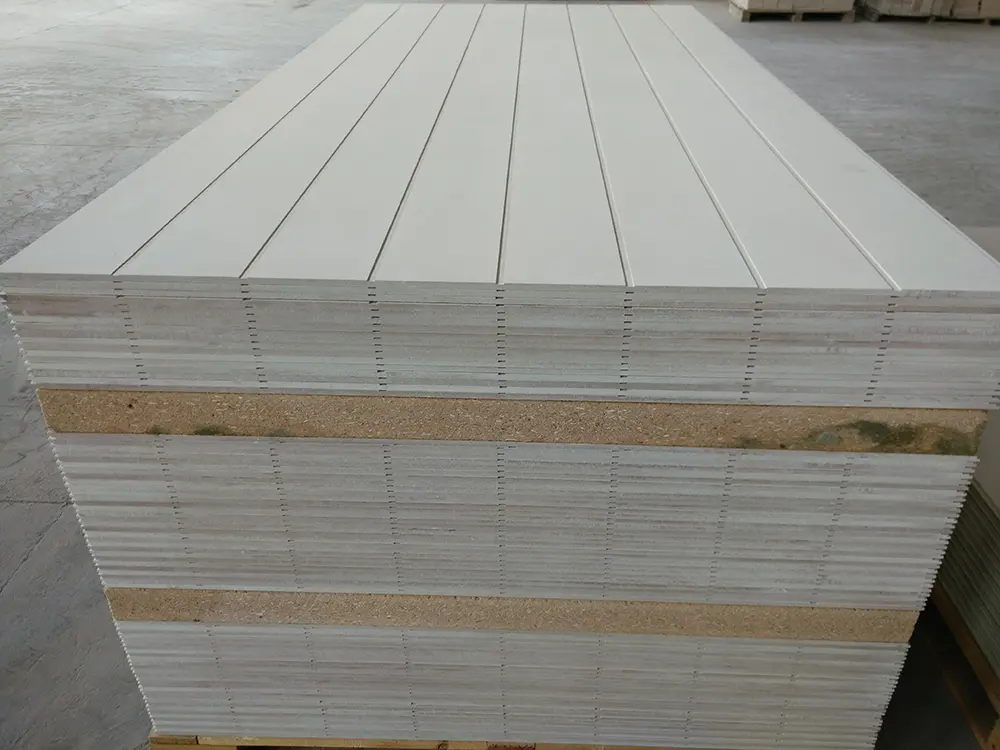 LEAO® Grooved Exterior Panel
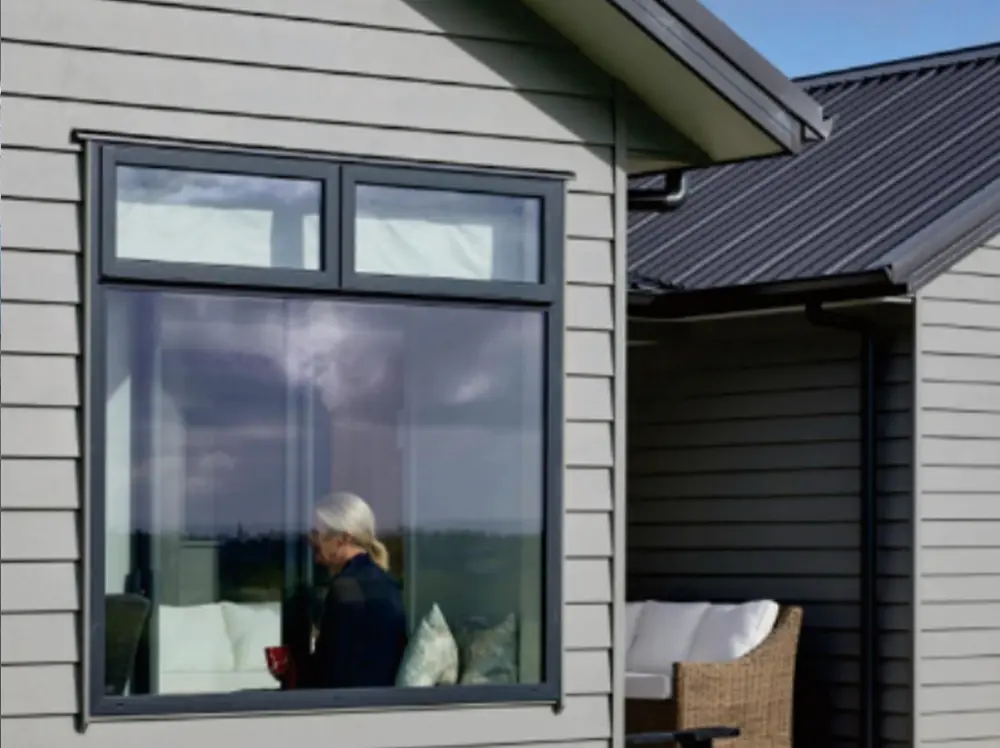 LEAO® Weatherboard
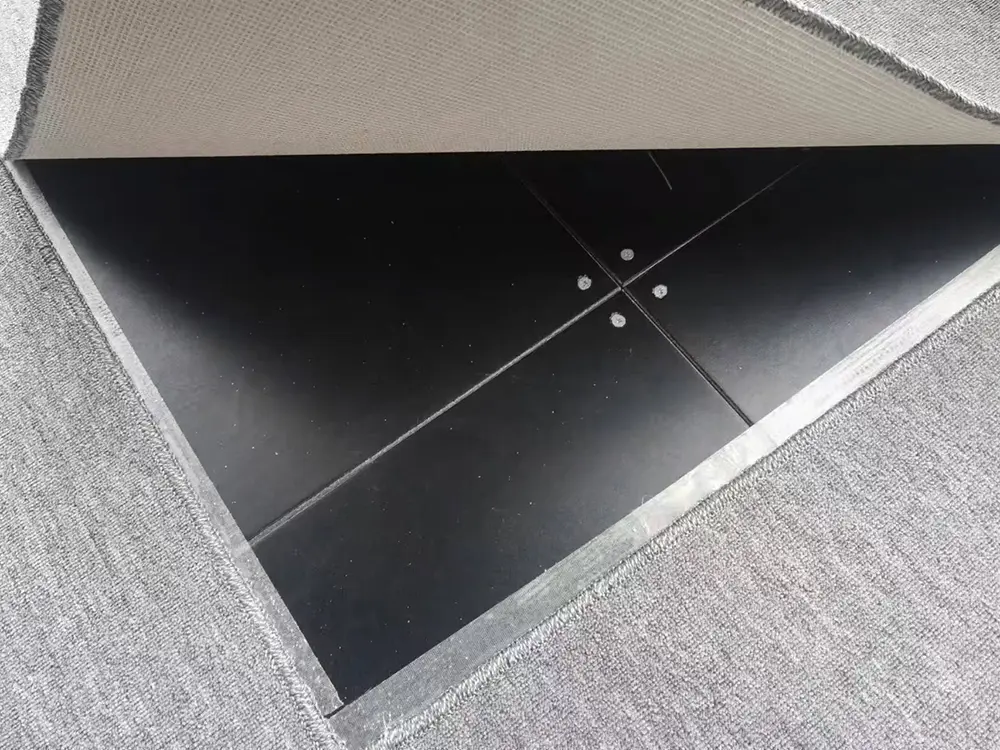 LEAO® Access Floors
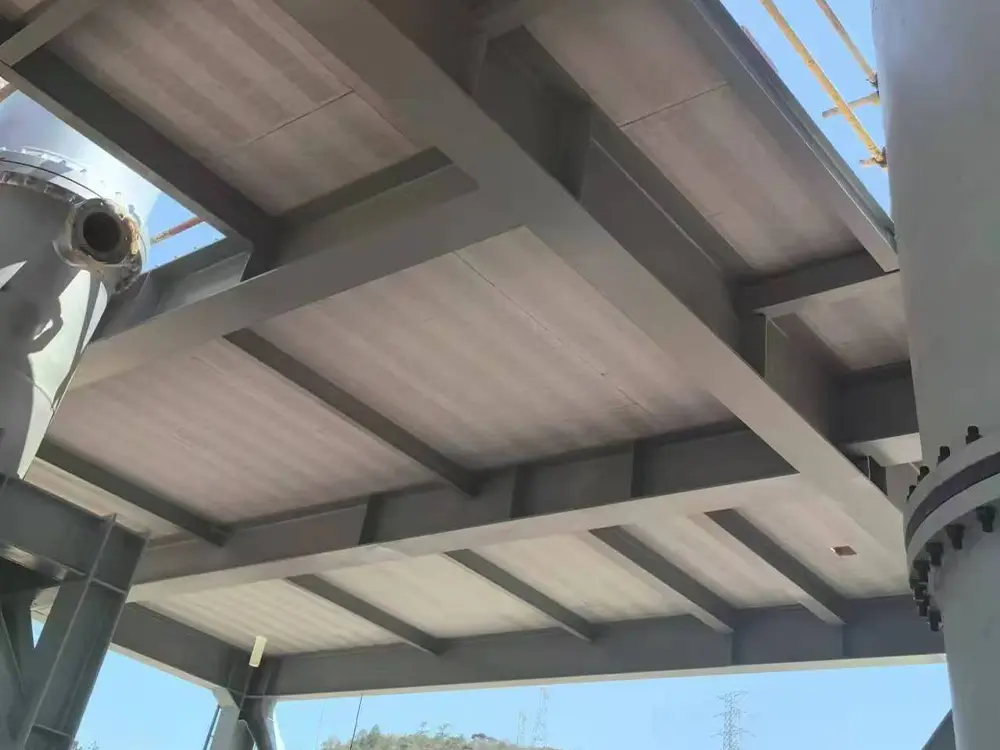 LEAO® Non-removable Formwork
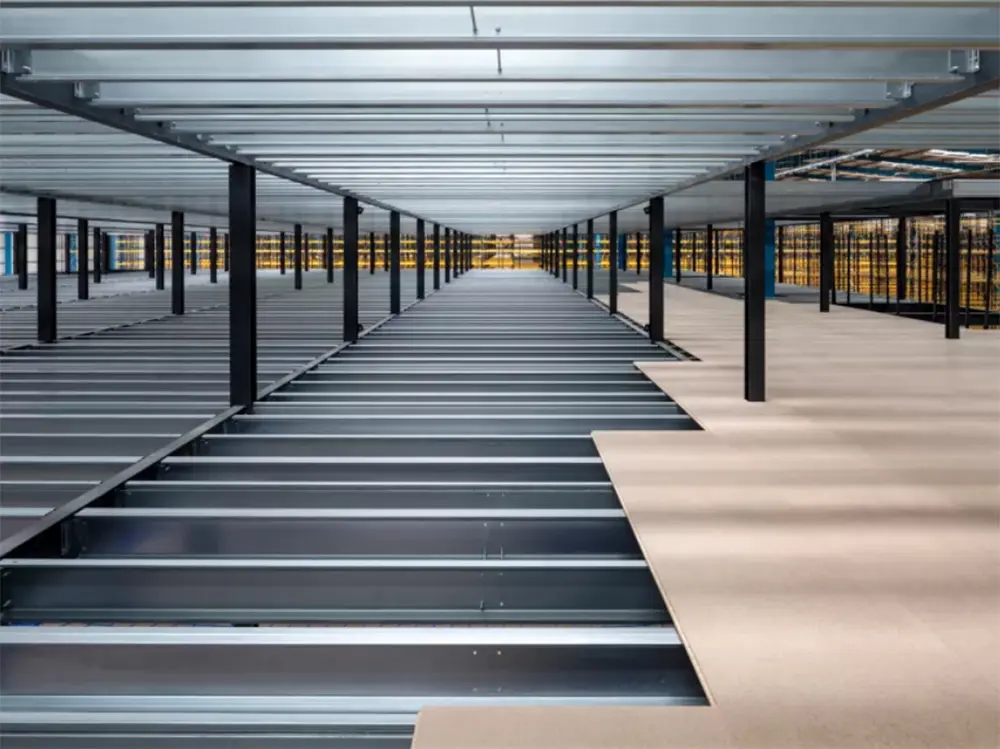 LEAO® Mezzanine Board
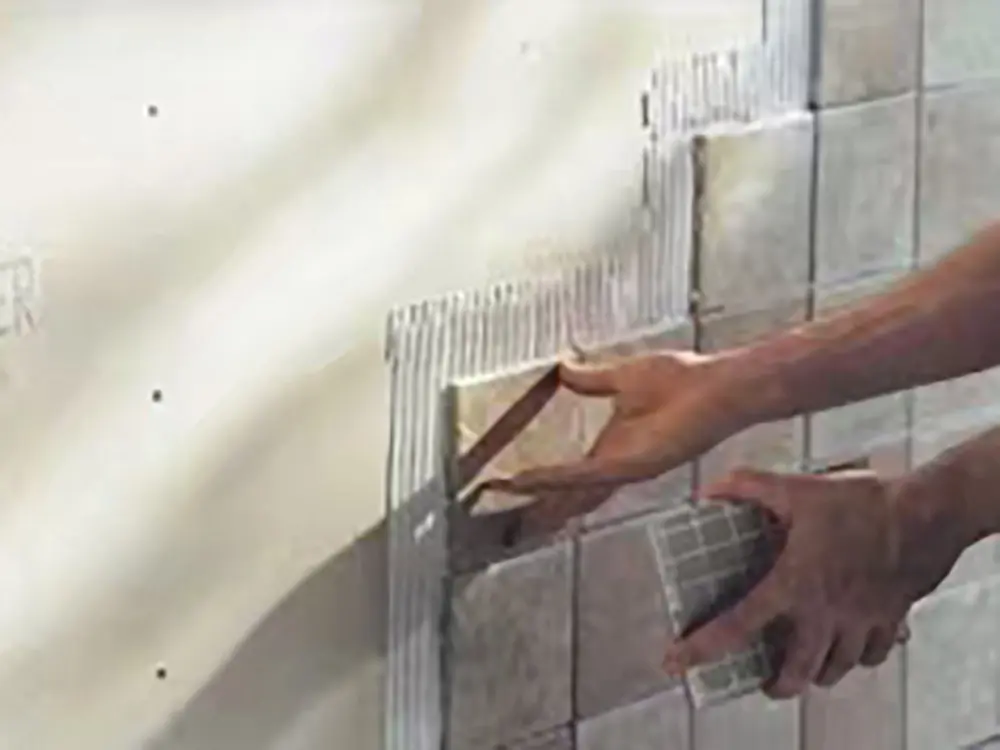 LEAO® Ceramic Tile Underlay
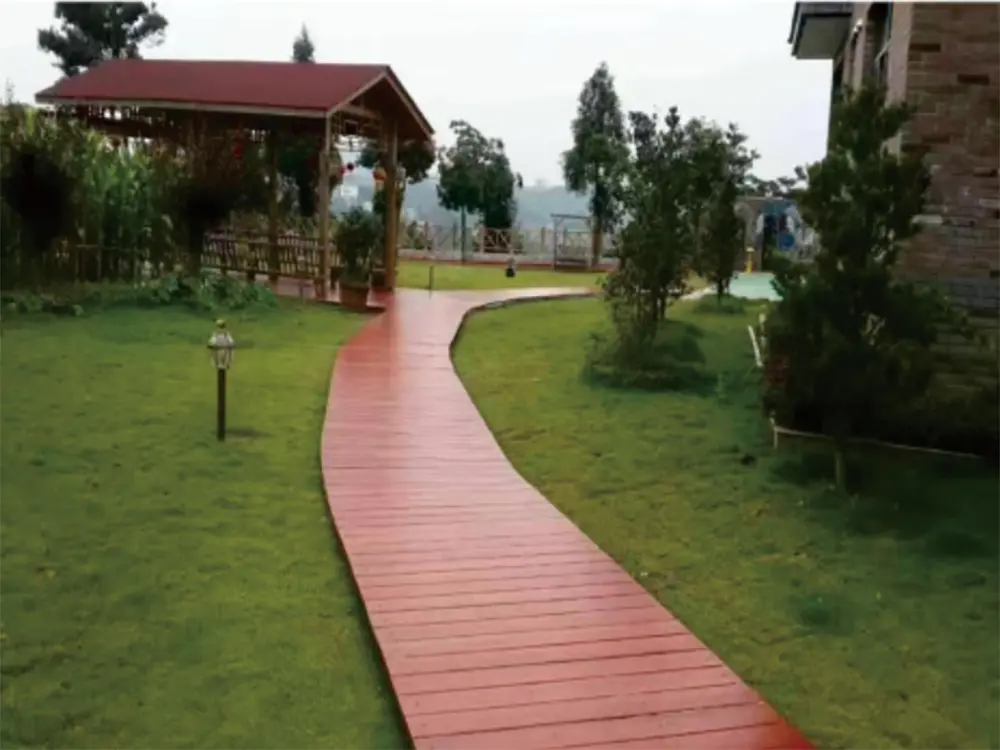 LEAO® Floor Plank
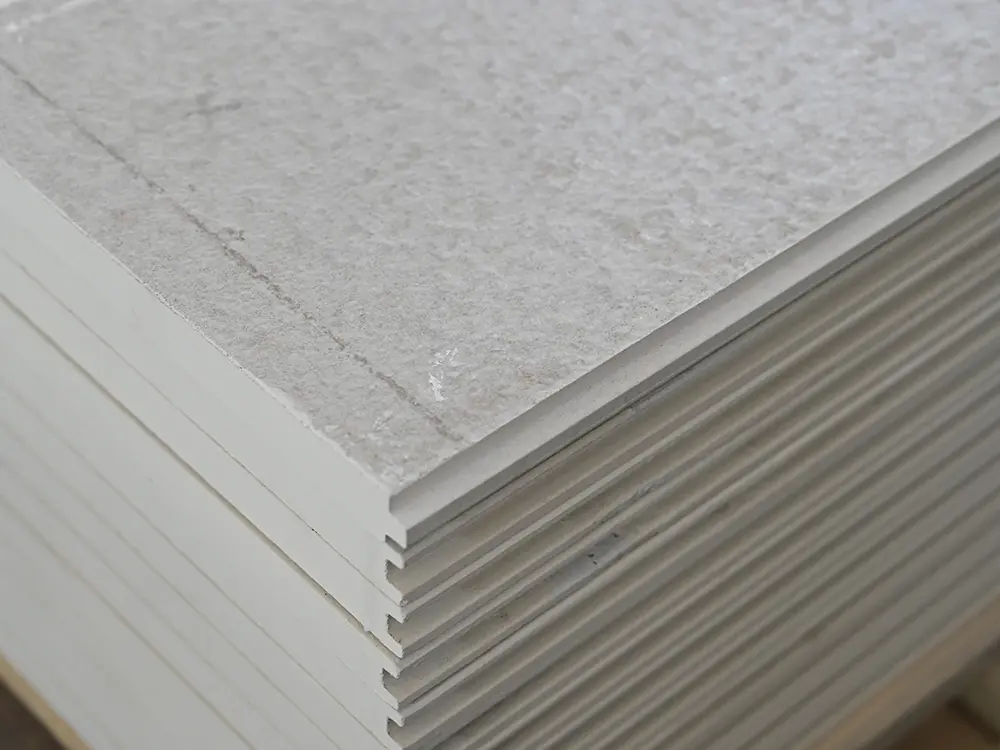 LEAO® Flooring
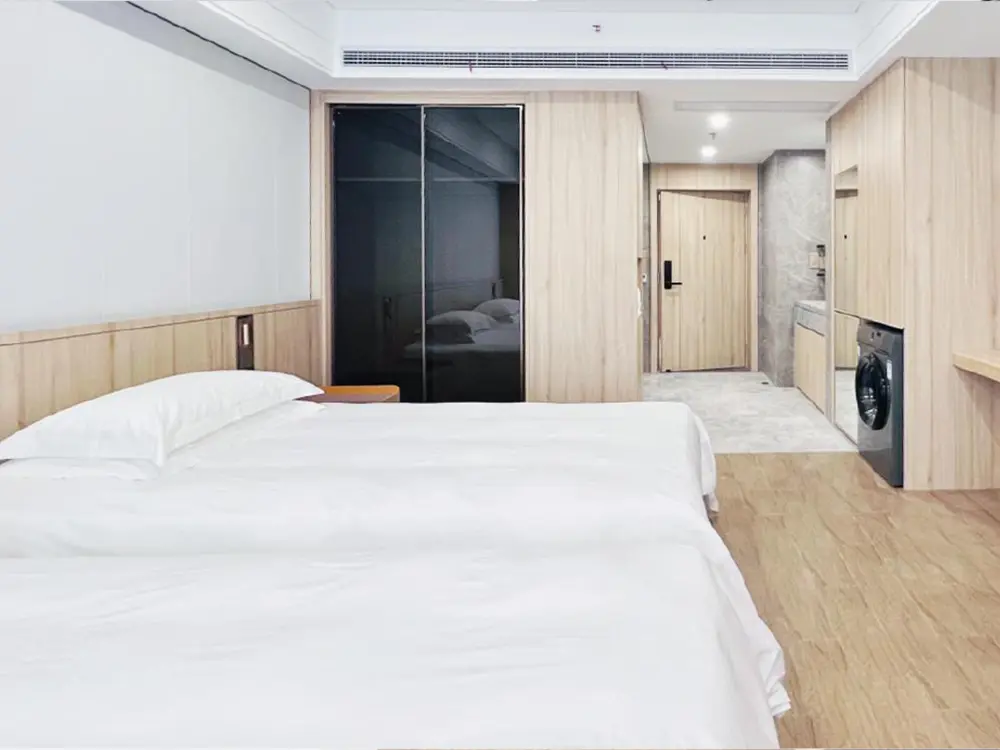 LEAO® Wood Style Decorative Panel
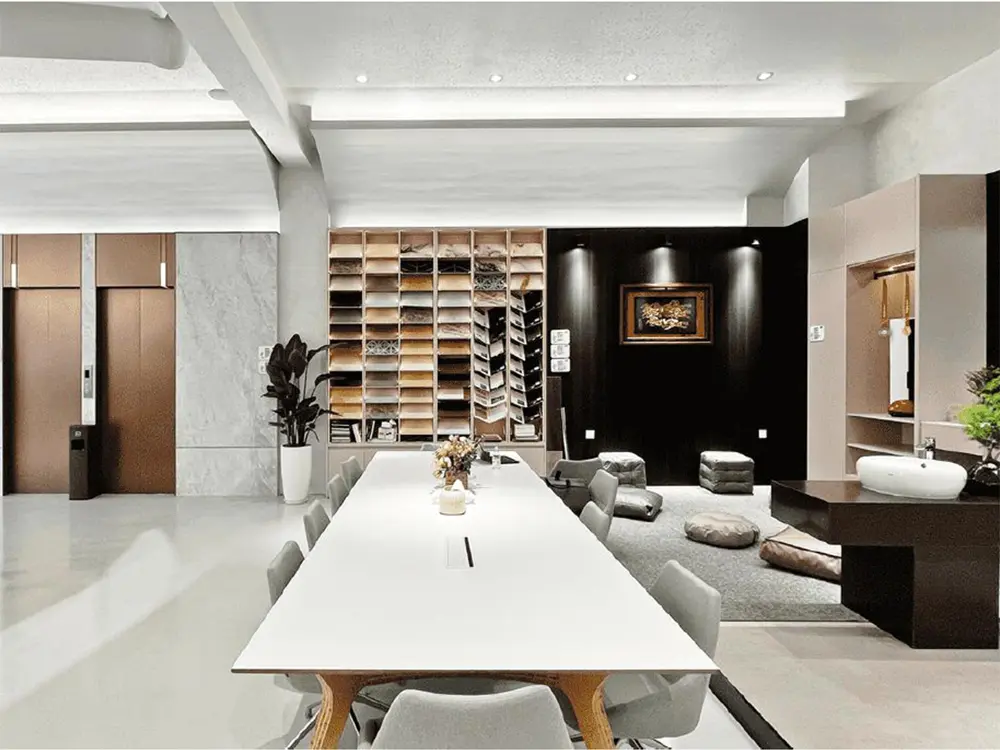 LEAO® Stone Style Decorative Panel
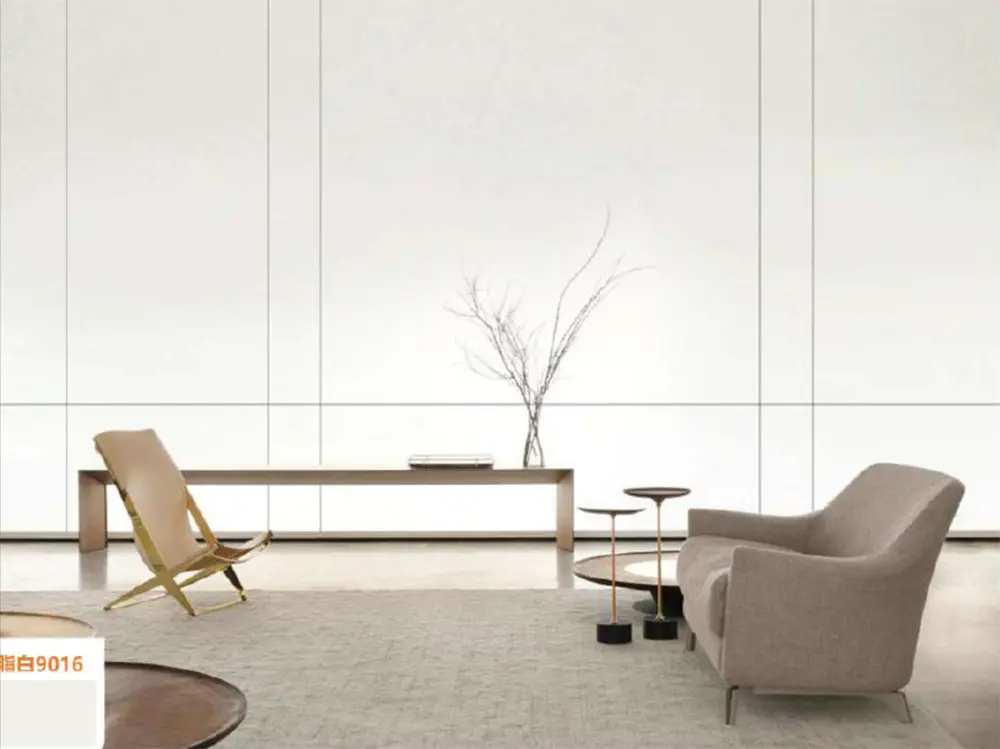 LEAO® Pure Style Decorative Panel