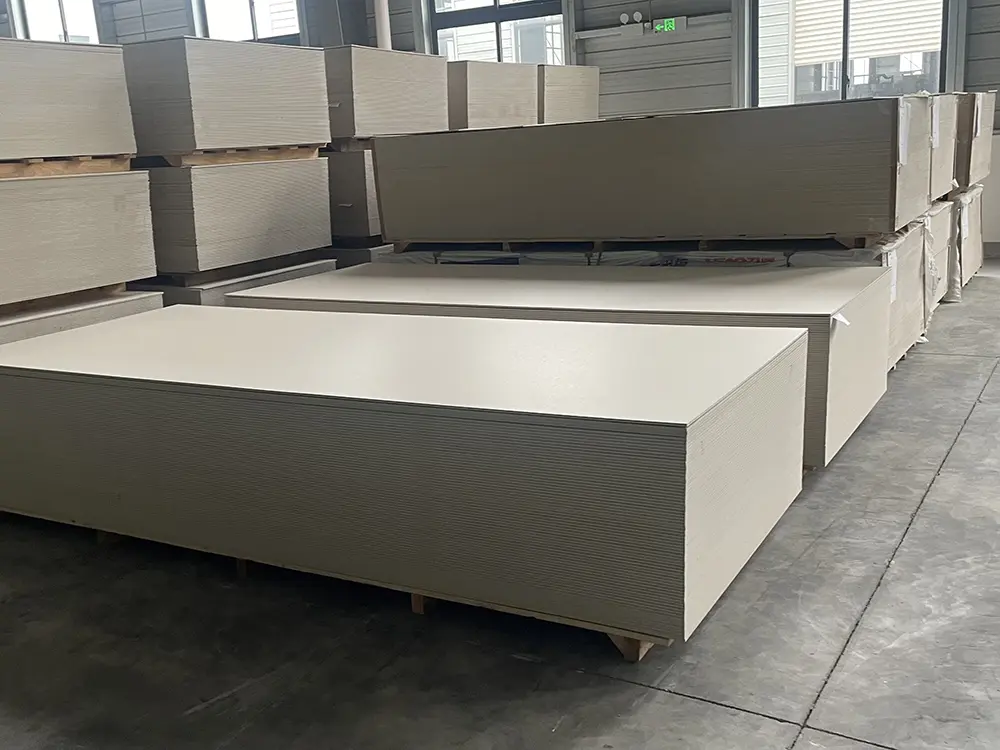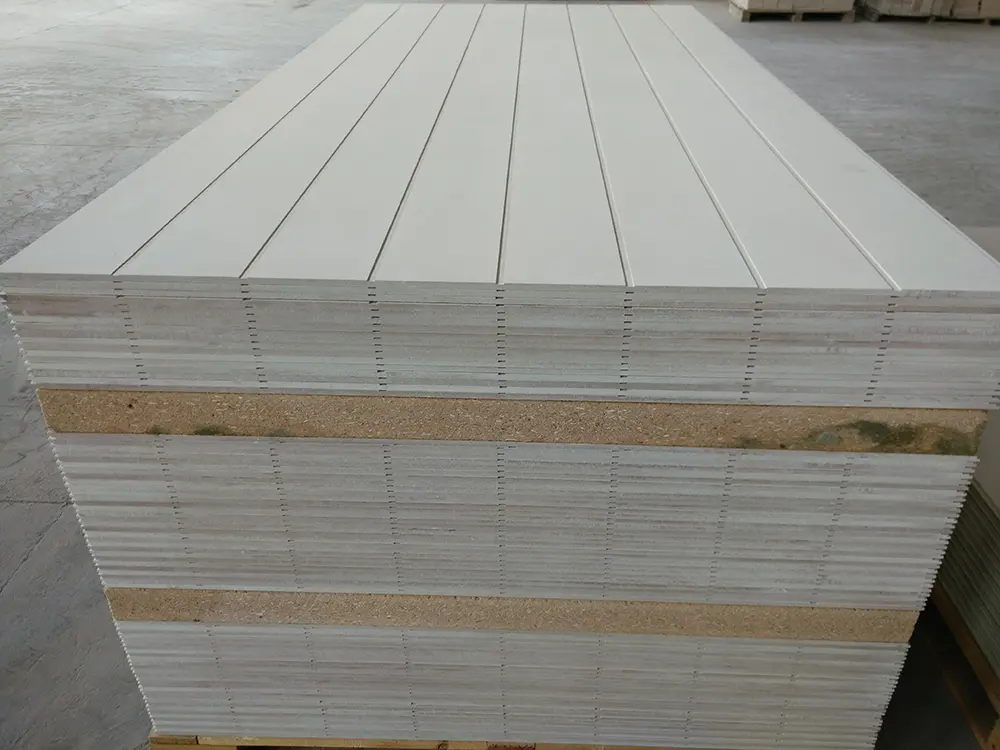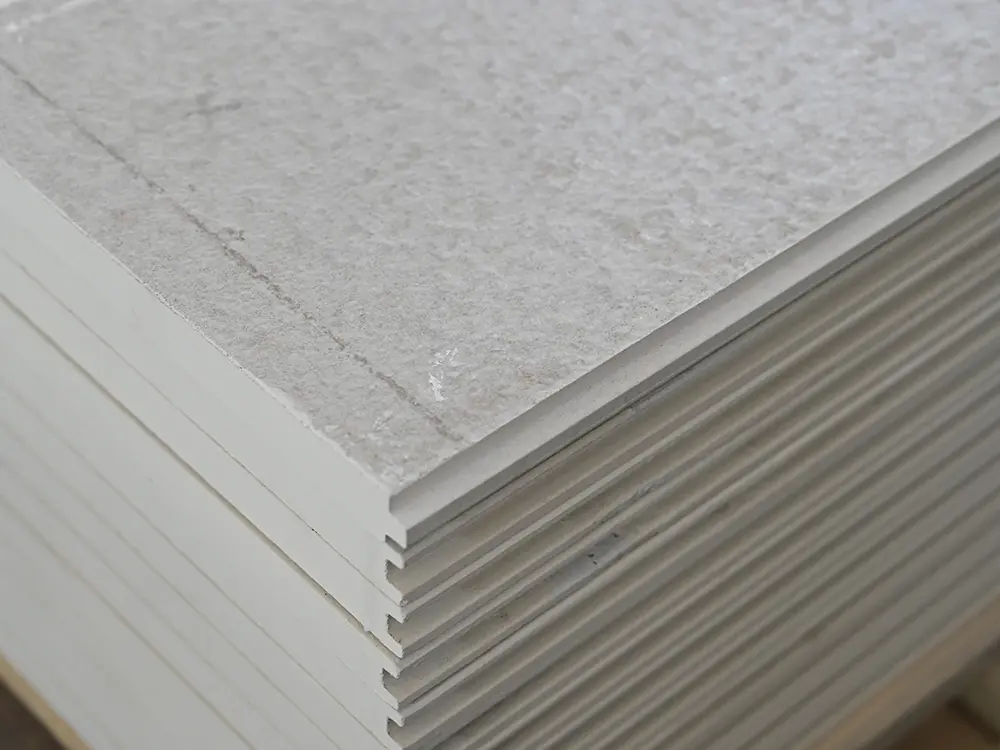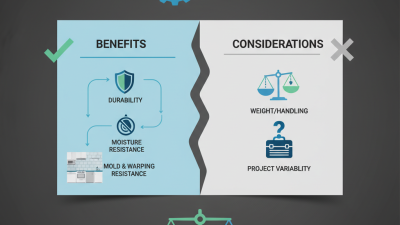
In recent years, the construction industry has seen a significant shift towards innovative materials. One such material gaining traction is the Uv Coated Fiber Cement Board. This product stands out for its durability and aesthetic appeal. Builders are increasingly drawn to its specific advantages in modern construction.
The Uv Coated Fiber Cement Board is not just about looks; it also offers resistance to moisture and fire. Many architects find its versatility appealing. This board can be used for both interior and exterior applications. The options available in colors and finishes allow for creative designs. However, some may question its long-term performance in extreme weather conditions.
As we approach 2026, trends will likely evolve. With sustainability in mind, eco-friendly manufacturing processes for Uv Coated Fiber Cement Board could emerge. It’s crucial to consider the balance between innovation and practicality in building materials. While the advantages are evident, ongoing research will be essential to address any potential drawbacks.
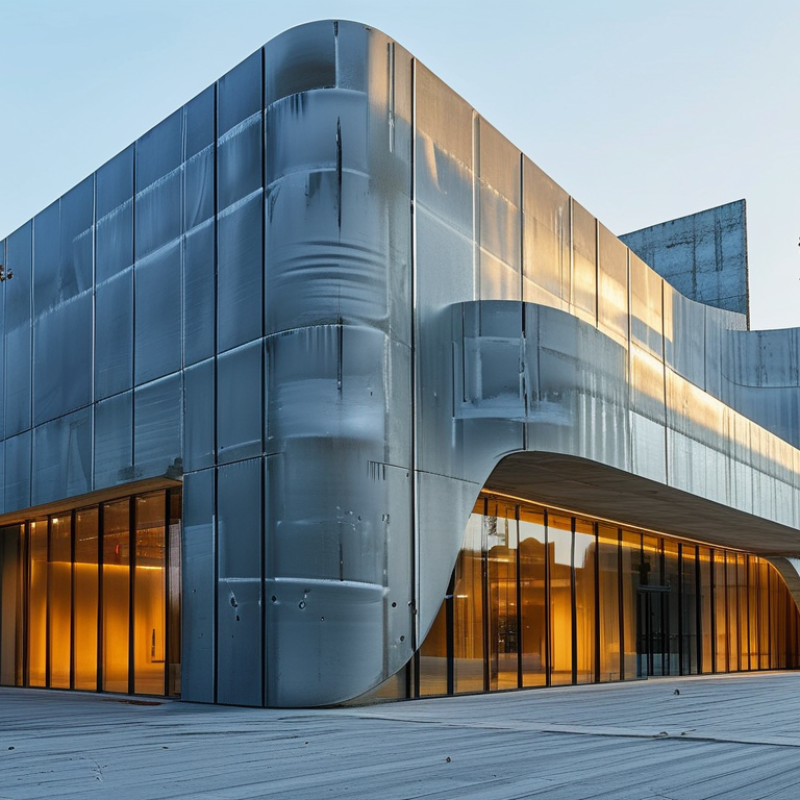
The rise of UV coating technology in fiber cement boards is transforming modern construction. This innovative technique enhances the durability and aesthetic appeal of these boards, offering greater resistance to weathering and fading. According to a report by Research and Markets, the UV coated fiber cement board market is anticipated to grow at a rate of 7% annually over the next five years. This growth reflects a strong preference for durable materials in construction.
UV coating creates a protective layer that prevents moisture absorption and protects against UV radiation. This technology enhances the lifespan of fiber cement boards significantly. With the construction industry focusing on sustainability, UV coated boards present an eco-friendly option, utilizing fewer resources for maintenance. However, some challenges remain regarding the initial costs associated with UV coating.
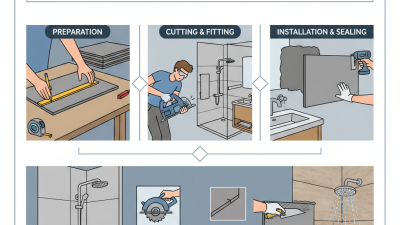
Tip: When choosing UV coated fiber cement boards, consider the application method. Proper installation ensures optimal performance.
Several industry experts suggest that the future of construction will hinge on advanced materials like UV coated fiber cement boards. To remain competitive, builders must adapt to these innovations. However, some contractors may find the transition challenging due to a lack of experience with new materials. It is essential to invest in training and resources for effective implementation. Adaptation is key for success.
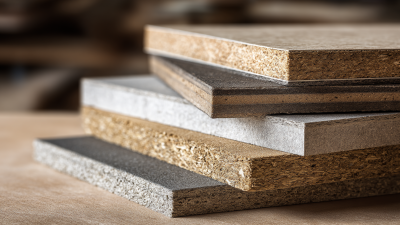
UV coated fiber cement boards are gaining attention in modern construction. They offer a range of key advantages that resonate with both builders and homeowners. The UV coating enhances durability, protecting against weather elements. This makes them suitable for various climates and enhances the longevity of the structures.
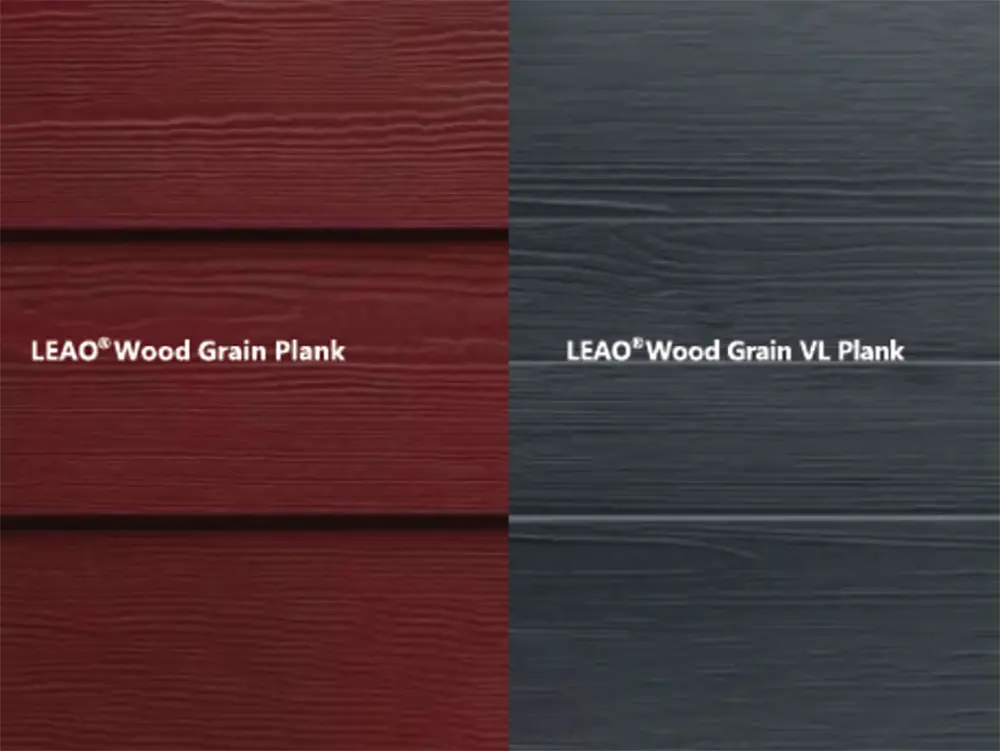
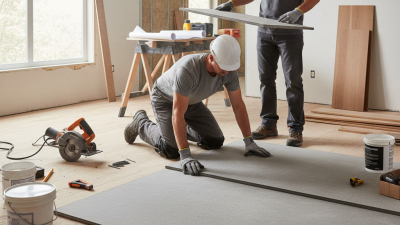
Another significant benefit is their aesthetic appeal. UV coated fiber cement boards come in a variety of colors and finishes. This versatility allows architects to create visually stunning designs. However, it’s essential to note that the installation process requires skilled labor to ensure effectiveness.
Additionally, maintenance is simplified with UV coatings. They resist staining and fading, reducing the frequency of touch-ups. Builders appreciate this feature, as it contributes to overall project efficiency. Yet, some might question the initial investment in these boards compared to traditional materials. Evaluating long-term benefits versus upfront costs is crucial. Balancing aesthetics, durability, and economic considerations is often a reflective journey for modern construction professionals.
| Trend | Key Advantages | Applications | Sustainability Impact |
|---|---|---|---|
| Increased Weather Resistance | Enhanced durability against moisture and UV rays. | Exterior cladding, roofing, and architectural features. | Reduces maintenance needs, extending the life cycle of structures. |
| Aesthetic Versatility | Available in a wide range of colors and finishes. | Residential homes, commercial buildings, and industrial applications. | Facilitates creative designs with eco-friendly materials. |
| Fire Resistance | Non-combustible properties enhance safety. | Multi-family dwellings, schools, and hospitals. | Contributes to safer building practices and lower insurance costs. |
| Easy Installation | Lightweight and user-friendly installation process. | Residential construction, renovations, and custom builds. | Reduces labor time and resource consumption on site. |
| Energy Efficiency | Improves thermal insulation and lowers energy costs. | Commercial buildings and green structures. | Supports energy conservation efforts and meets green building standards. |
In recent years, sustainability has become a driving force in construction. UV coated fiber cement boards are increasingly chosen for their eco-friendly properties. These boards offer durability and low maintenance, making them an attractive option for builders concerned about environmental impact. They are produced with less energy and generate fewer emissions than traditional materials.
The adaptability of UV coated fiber cement boards enhances their appeal. They can be used in a variety of climates and settings, contributing to energy efficiency. Moreover, manufacturers are increasingly opting for recycled materials, which supports a circular economy. While these products are beneficial, the industry still faces challenges. Not every manufacturer prioritizes eco-friendly sourcing, leading to variable quality across products.
Construction professionals must look beyond appearance and durability. They need to prioritize transparent sourcing and sustainable production processes. By focusing on ethical practices, the entire industry can shift toward more sustainable construction solutions. Ultimately, the responsibility lies with both manufacturers and consumers to drive this change. This alignment will help realize the full potential of UV coated fiber cement boards in modern construction.
This chart represents the impact scores of various sustainability trends affecting UV coated fiber cement boards in modern construction, based on a scale of 1 to 10. The trends include sustainability, durability, cost efficiency, aesthetic flexibility, and fire resistance, indicating their growing importance in the industry.
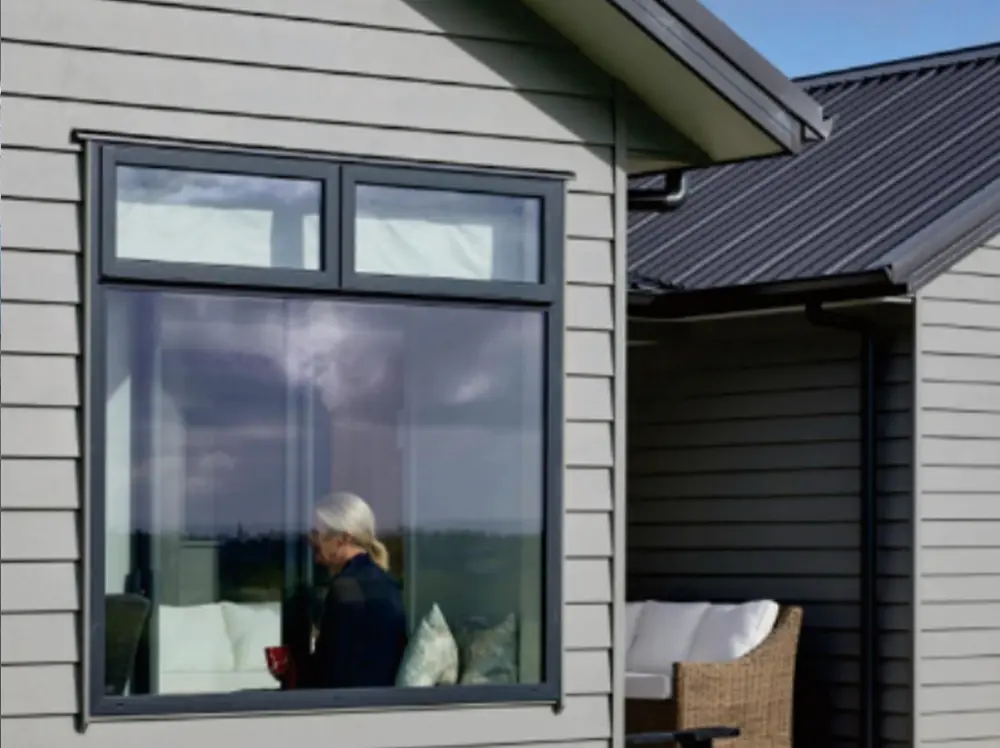
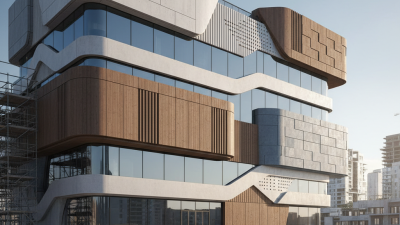
The trend of UV coated fiber cement boards is shaping modern construction. Their design versatility is a key innovation. Reports show that the exterior cladding market is expected to grow by 6.5% annually, with fiber cement boards leading this growth. These boards offer robust durability and aesthetic appeal.
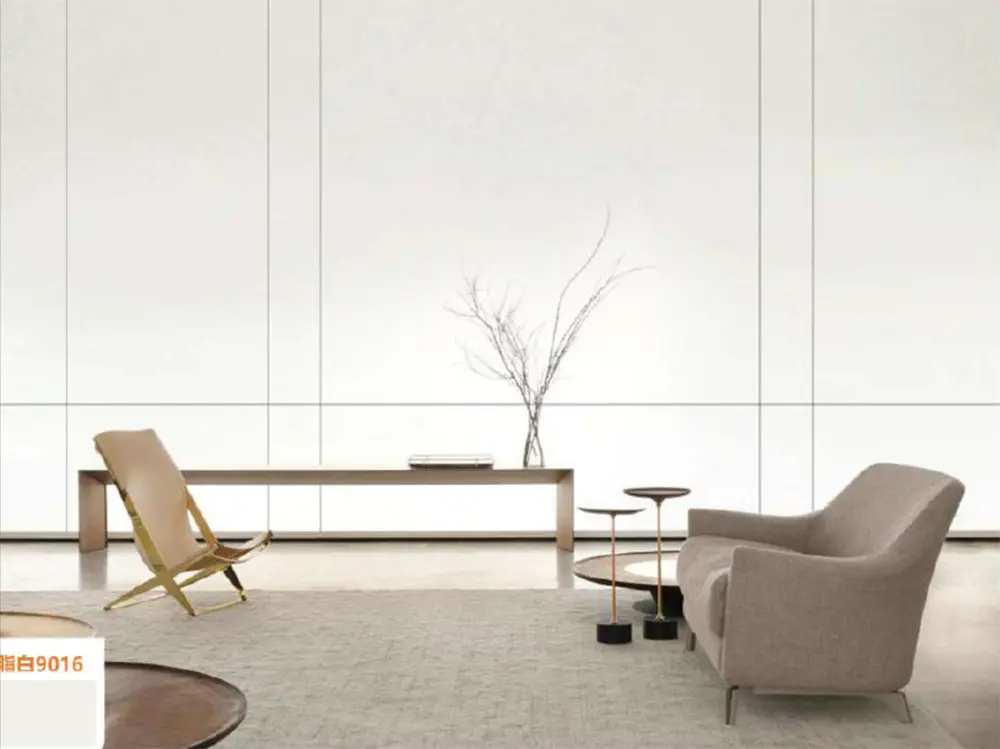
Aesthetic innovations are crucial in attracting architects and builders. Contemporary designs utilize textures and colors that mimic natural materials. For instance, the new UV coatings allow for a broader range of hues. This opens up creative possibilities in residential and commercial projects. However, achieving uniform color during application can be challenging. Some coatings may require multiple layers, which complicates the process.
The durability of UV coatings extends the lifespan of fiber cement boards. Data indicates that UV protection can increase material longevity by 30%. Yet, not all coatings perform equally under harsh conditions. This inconsistency is worth scrutinizing. Ensuring that products undergo rigorous testing is vital for overall reliability. As innovation continues, the marriage of design and function remains a pivotal focus.
The market for UV coated fiber cement boards is poised for significant growth by 2026. These boards offer excellent durability and aesthetic appeal, making them ideal for modern construction projects. As sustainability becomes paramount, the demand for eco-friendly materials is likely to rise. Companies that prioritize innovation in UV coating techniques will likely capture a larger market share.
Tips: When sourcing UV coated fiber cement boards, check for certifications. Quality assurance can prevent costly mistakes. Additionally, consider the long-term maintenance aspects. Investing in high-quality boards can pay off in the future.
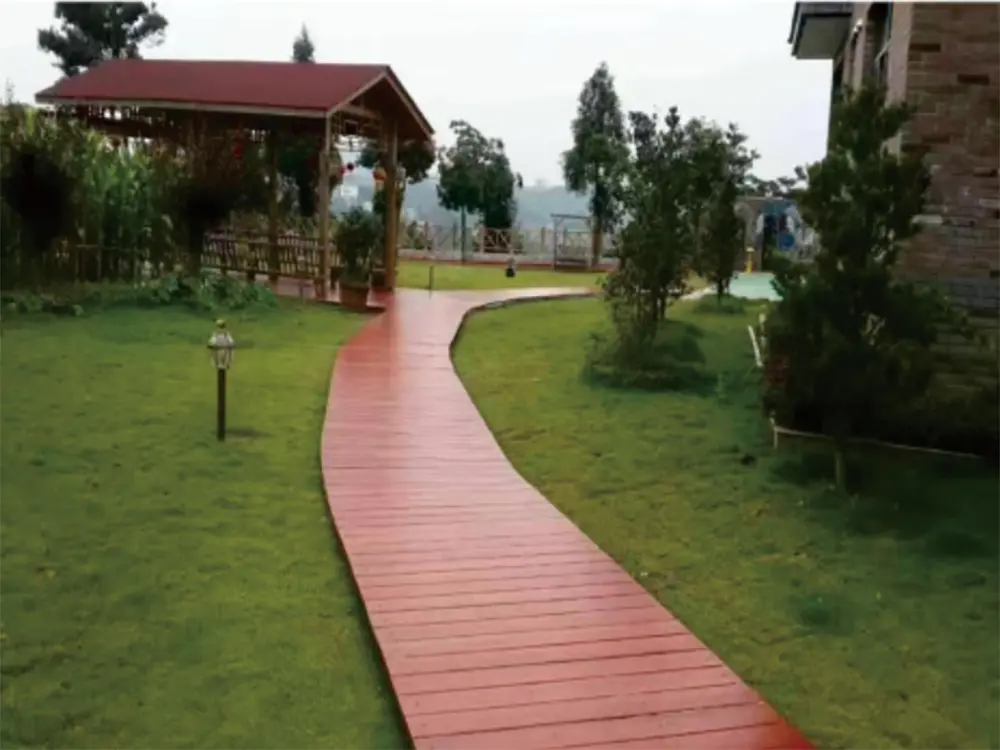
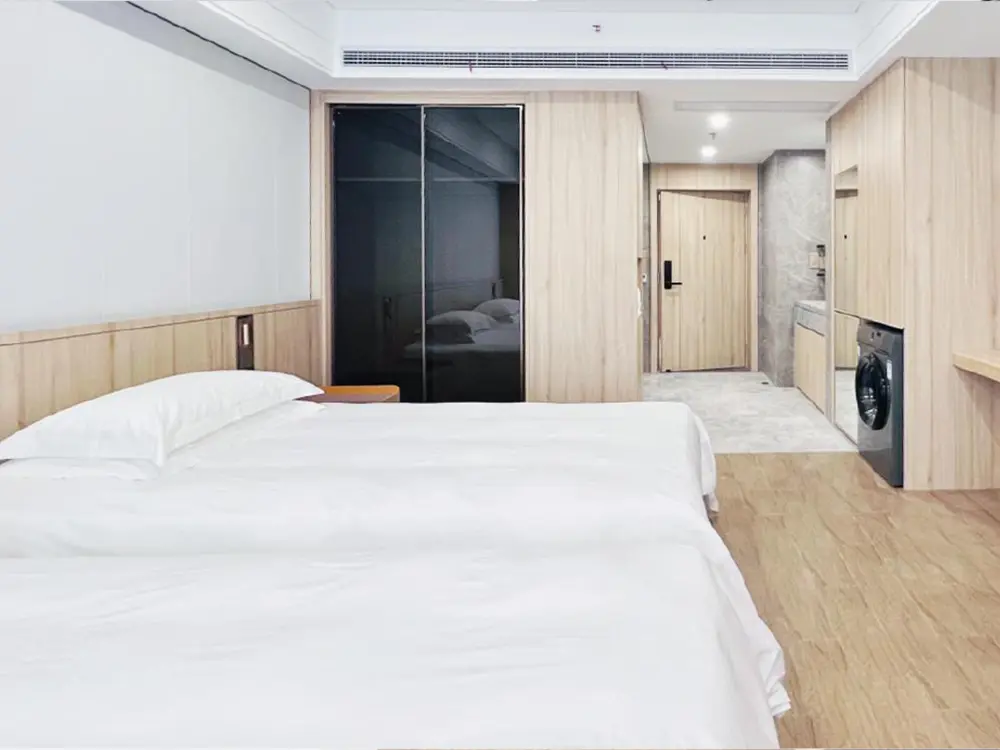
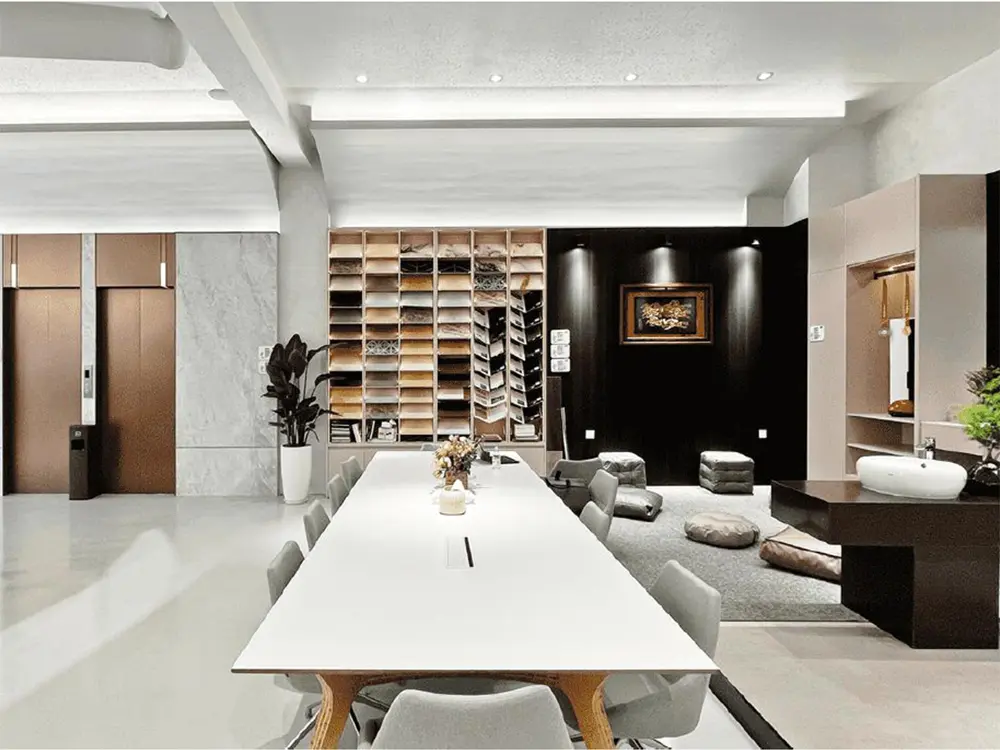
As urbanization accelerates, the applications of UV coated fiber cement boards will continue to diversify. These materials are not just limited to facades; they can also be used in interiors and landscaping. Challenges such as adapting to climate conditions should not be overlooked. A careful assessment of local environments can guide your choices effectively.
Tips: Engage with architects and builders. Their insights can provide valuable guidance on the best applications. Collaboration might lead to innovative solutions tailored to specific needs.