Best Fiber Cement Woodgrain Board for Your Next Project?
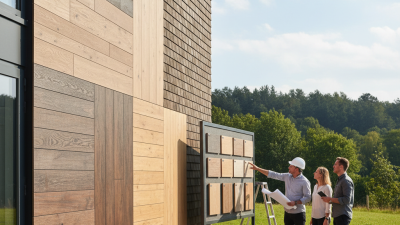
When selecting materials for construction and renovation, durability and aesthetics matter. One option that stands out is the Fiber Cement Woodgrain Board. This innovative product mimics the beauty of traditional wood while offering superior strength and weather resistance. Many builders have embraced this material for its versatility and long-lasting performance.
Fiber Cement Woodgrain Board can enhance the curb appeal of any project. It provides a natural wood look without the maintenance concerns associated with real wood. However, choosing the right type is essential. Not all boards offer the same quality or finish.
Consider factors like texture, color options, and durability when making your selection. Some may find the price point to be a challenge. Balancing cost and quality is key. Ultimately, the right Fiber Cement Woodgrain Board can contribute significantly to the success of your next project.
Best Fiber Cement Woodgrain Board: An Overview of the Material Benefits
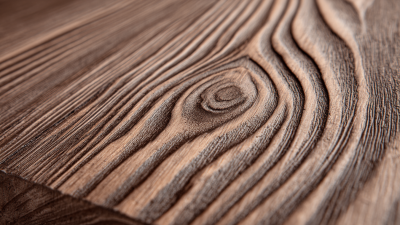
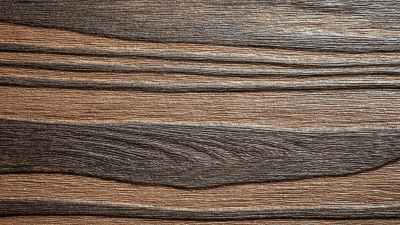
Fiber cement woodgrain boards have gained popularity in construction and design. These boards combine the aesthetic appeal of wood with the durability of cement. They are suitable for various applications, including siding, decorative accents, and outdoor structures. The woodgrain finish mimics natural wood grains, offering a warm and inviting look without the maintenance hassle of real wood.
One of the significant benefits of fiber cement boards is their resistance to weather conditions. These boards can withstand rain, humidity, and even pests. However, quality often varies among products, and not all boards perform equally over time. Checking for certifications can assure you of reliable performance. Additionally, while these materials are low-maintenance, they require proper installation to maximize their lifespan and effectiveness.
Aesthetic versatility is another advantage. You can paint or stain these boards to match your design vision. However, some finishes may not adhere well, requiring careful testing. While fiber cement is durable, understanding its installation intricacies is vital for achieving the best results. This material is not entirely perfect; it can be heavy and thus challenging to handle during installation. Reflecting on these factors will ensure you make an informed decision for your next project.
Key Features of Fiber Cement Woodgrain Boards for Construction Projects
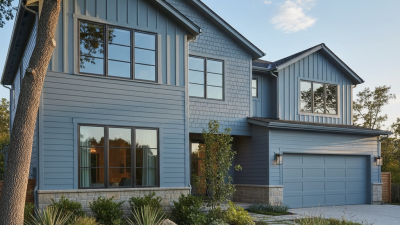
Fiber cement woodgrain boards have become popular in construction projects. They offer a blend of durability and aesthetic appeal. These boards mimic the appearance of natural wood while providing resistance to moisture, fire, and pests. This makes them ideal for exterior applications like siding and fencing.
One key feature of fiber cement boards is their low maintenance. Unlike traditional wood, they do not warp, crack, or peel. This resilience ensures longevity, making them a cost-effective solution in the long run. Additionally, their exceptional insulation properties contribute to energy efficiency in buildings. Some designs also include a variety of textures and finishes, allowing for creative expression in architectural projects.
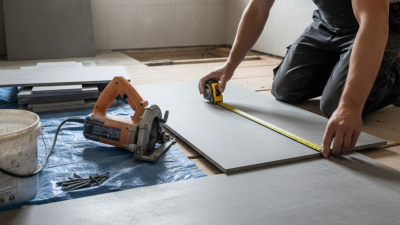
However, while choosing fiber cement boards, it's essential to consider installation methods. Some products require specialized tools or training. Miscalculations during installation may lead to complications later. Assessing your team’s skills is vital to ensure quality results. Not all boards are created equal; researching manufacturers and reviews can provide valuable insight.
Comparative Analysis: Fiber Cement vs. Traditional Wood Products
Fiber cement products have gained traction as a viable alternative to traditional wood in various building projects. The composite material consists of cement, sand, and cellulose fibers, providing enhanced durability and resistance to moisture. According to a recent industry report, fiber cement can last up to 50 years, significantly outperforming traditional wood, which may only last 10 to 30 years depending on exposure to elements.
However, it's essential to weigh the pros and cons. While fiber cement boards are impervious to rot and insects, they can be more challenging to install. The weight of fiber cement boards demands careful handling. Installation may require specialized tools that add to initial costs. Also, some contractors argue that wood products retain a natural warmth that fiber cement may lack.
In terms of environmental impact, fiber cement can be more sustainable. Reports suggest that producing fiber cement generates fewer greenhouse gases compared to harvesting and processing wood. Yet, the sourcing of raw materials for fiber cement must also be examined. It's crucial to ensure that these materials are obtained responsibly to truly minimize environmental footprints. Thus, while fiber cement offers many benefits, ongoing assessment of both options is necessary for responsible decision-making.
Top Brands and Products: Industry Leaders in Fiber Cement Woodgrain
When considering the best fiber cement woodgrain boards for construction projects, it's essential to turn to leading brands. Data shows that fiber cement siding has gained popularity, with a 15% increase in market share over the past five years. This growth speaks to its durability and aesthetic appeal. Many contractors appreciate its ability to mimic the look of natural wood without the maintenance concerns.
Experts suggest that choosing the right product impacts long-term performance. Research indicates that fiber cement boards resist both moisture and pests. A study highlighted that over 70% of homeowners prefer fiber cement for coastal homes due to its resilience in harsh conditions. However, there are variations in product quality. Some may experience issues with fading colors or installation challenges. It's worth diving into user reviews for real-world insights.
Various manufacturers have established themselves in the market. Data on customer satisfaction shows that those who invest in fiber cement woodgrain boards see improved value over time. A prominent report revealed that fiber cement could add around 7% to the resale value of a home. Those making choices based solely on price might overlook crucial factors like longevity and warranty offers.
Best Fiber Cement Woodgrain Board Comparison
Sustainability and Longevity: The Environmental Impact of Fiber Cement Boards
Fiber cement boards are gaining attention for their sustainability and longevity in construction projects. According to industry reports, these materials can last over 50 years with minimal maintenance. This durability reduces the need for replacements, which can significantly decrease waste in landfills. Choosing fiber cement products contributes to a sustainable building environment.
The environmental impact of fiber cement boards is notable. They are made from renewable resources, with a composition that typically includes cellulose fibers, cement, and sand. Research indicates they emit fewer VOCs than traditional materials. However, the production process is energy-intensive, raising questions about the overall carbon footprint. This complexity highlights the need for careful consideration in material selection.
Furthermore, while fiber cement boards can withstand harsh weather and resist pests, they are not completely impervious. Moisture infiltration can lead to issues if not properly installed. This potential vulnerability underscores the importance of skilled installation and regular maintenance. Homeowners and builders must reflect on these aspects when choosing fiber cement for their projects.
Best Fiber Cement Woodgrain Board for Your Next Project? - Sustainability and Longevity: The Environmental Impact of Fiber Cement Boards
| Dimension |
Value |
Environmental Impact |
Longevity (Years) |
| Thickness |
12mm |
Low carbon footprint during production |
50+ |
| Width |
1840mm |
Recyclable material |
50+ |
| Length |
3600mm |
Minimal environmental pollution |
50+ |
| Weight |
22 kg/m² |
Composed of natural ingredients |
50+ |
| Fire Resistance |
Class A |
Safe for use in various environments |
50+ |

 LEAO®Deco Ceiling
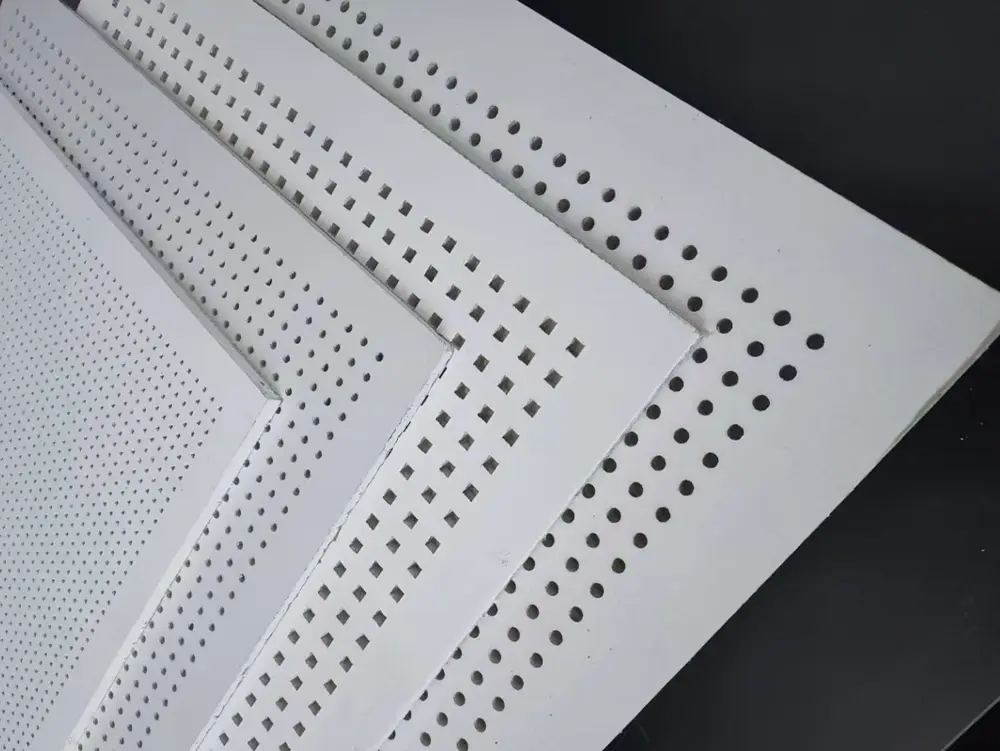 LEAO® Perforated Ceiling
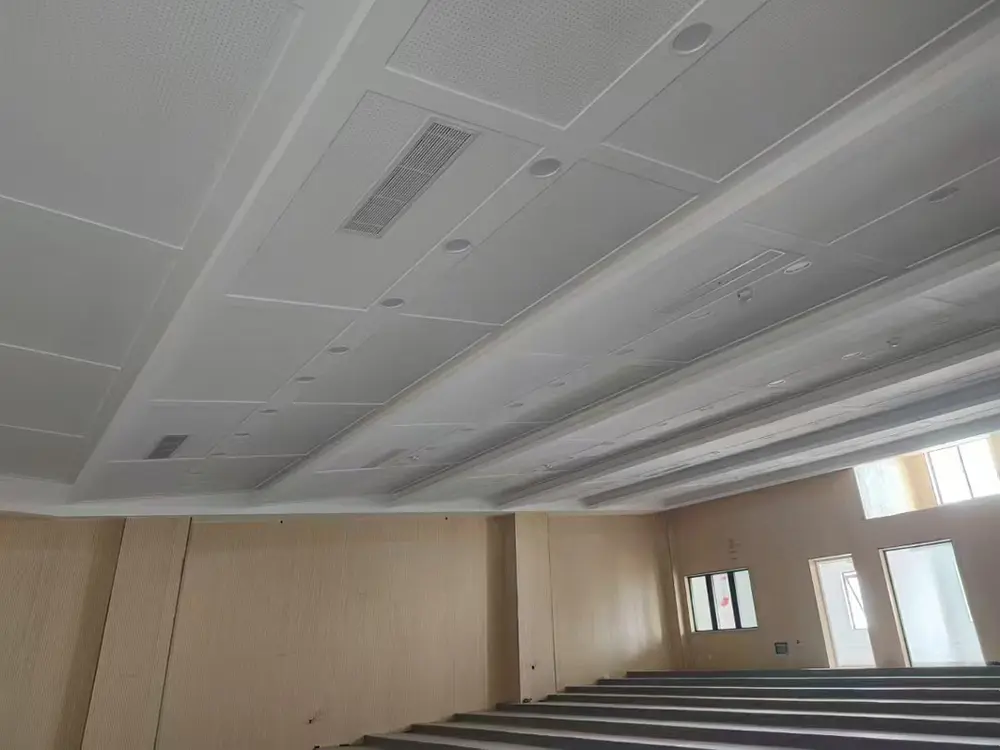 LEAO® Ceiling Board
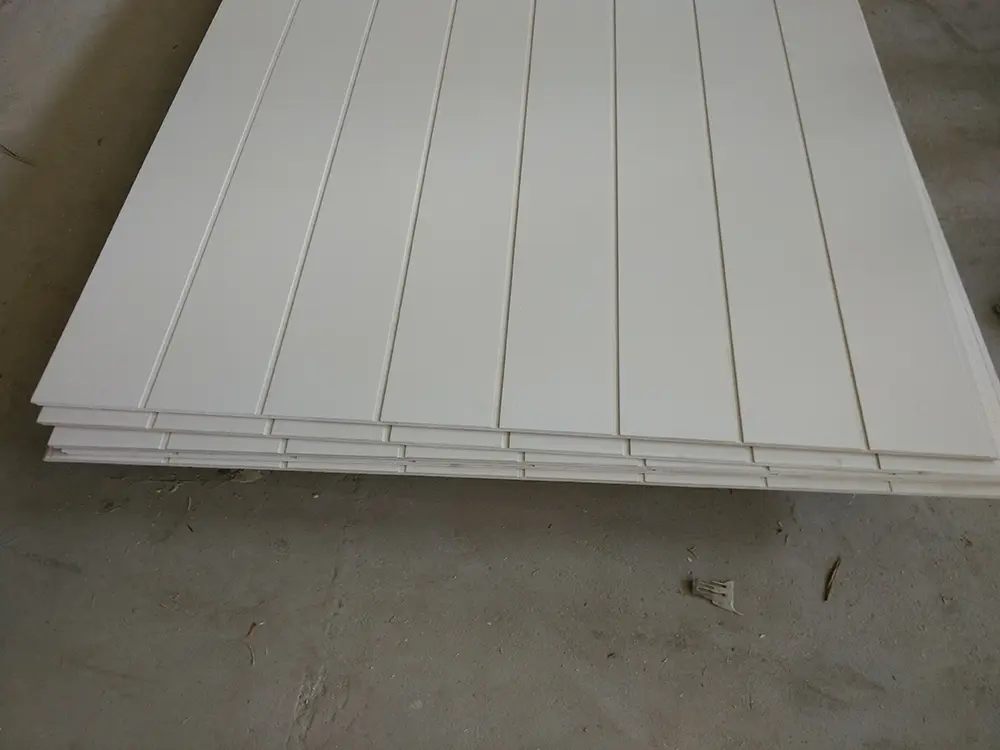 LEAO® Groove Interior Panel
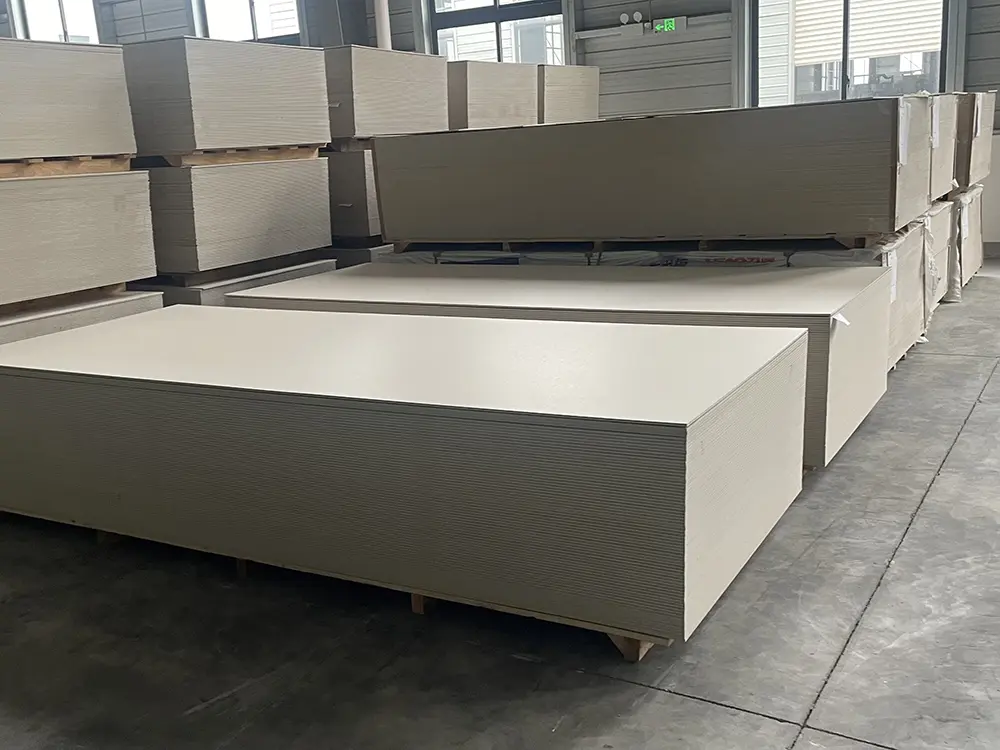 LEAO® Interior Board
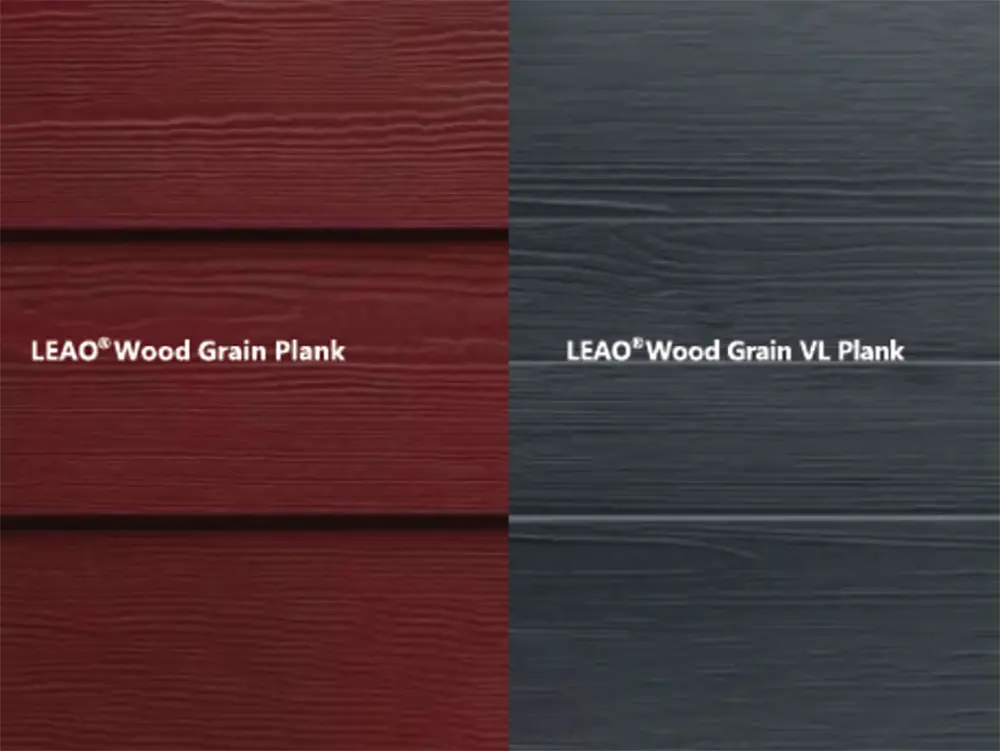 LEAO® Wood Grain Plank
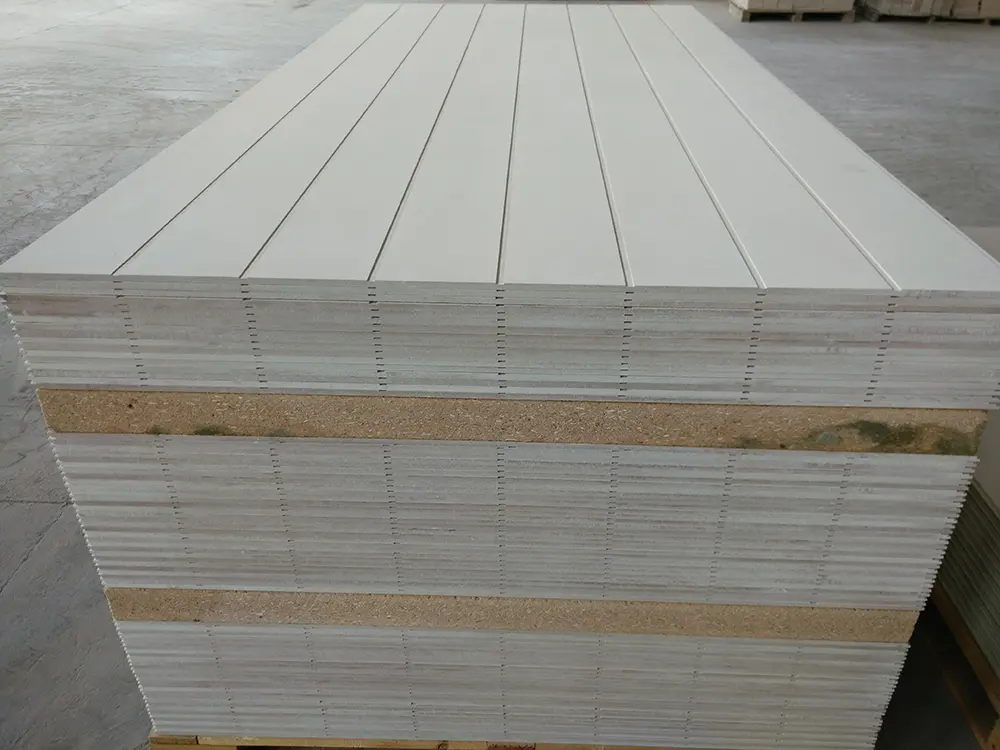 LEAO® Grooved Exterior Panel
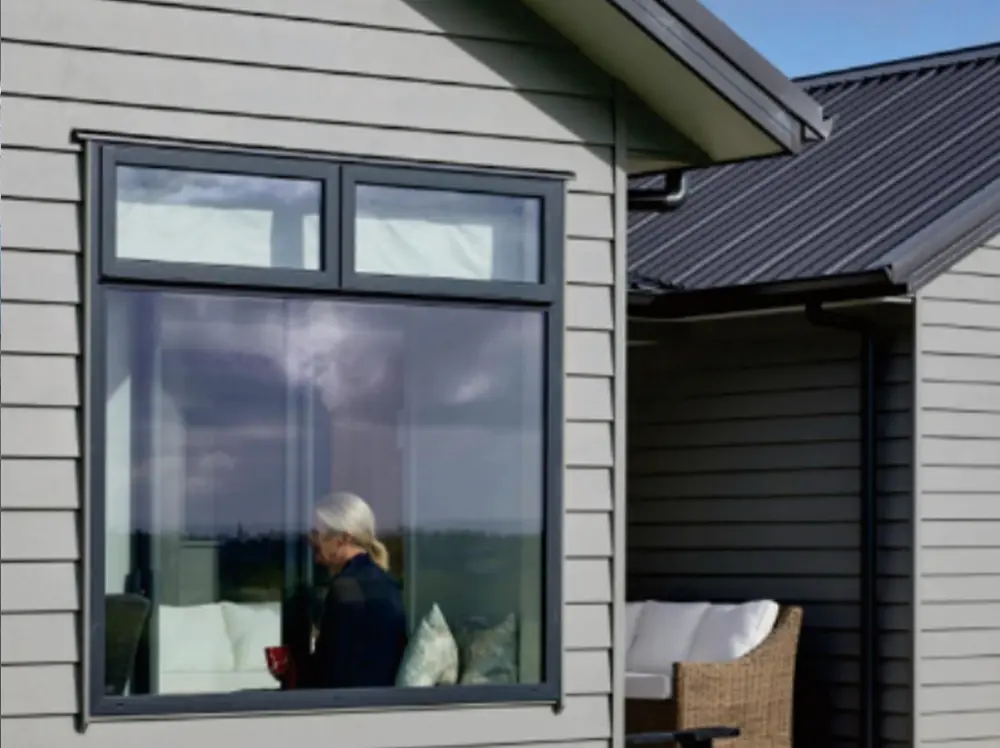 LEAO® Weatherboard
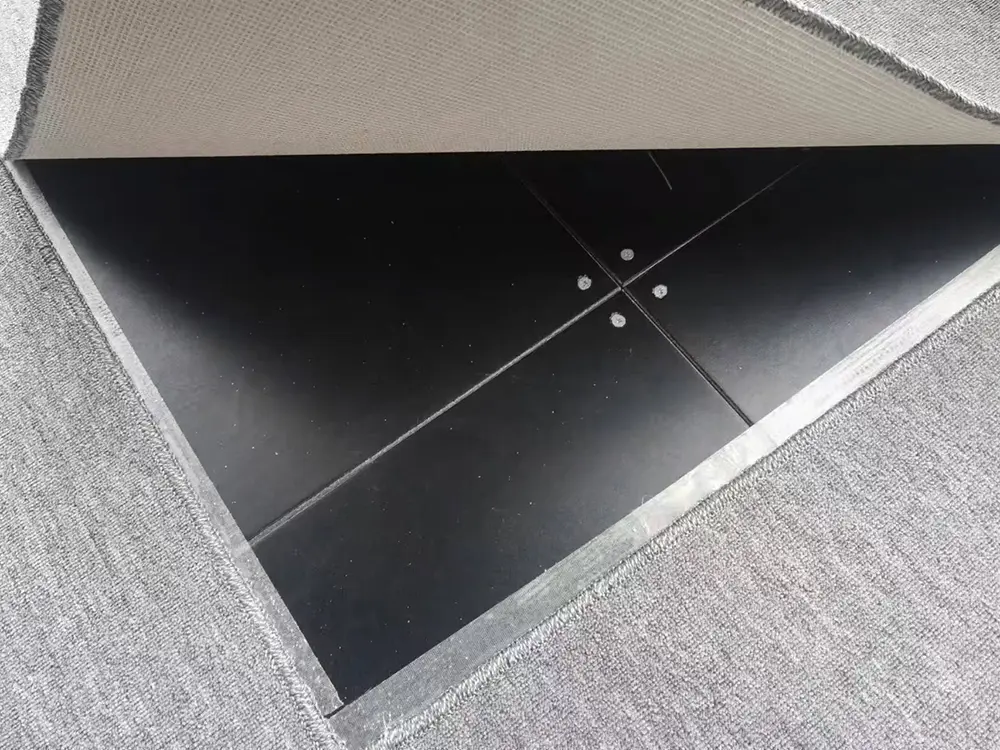 LEAO® Access Floors
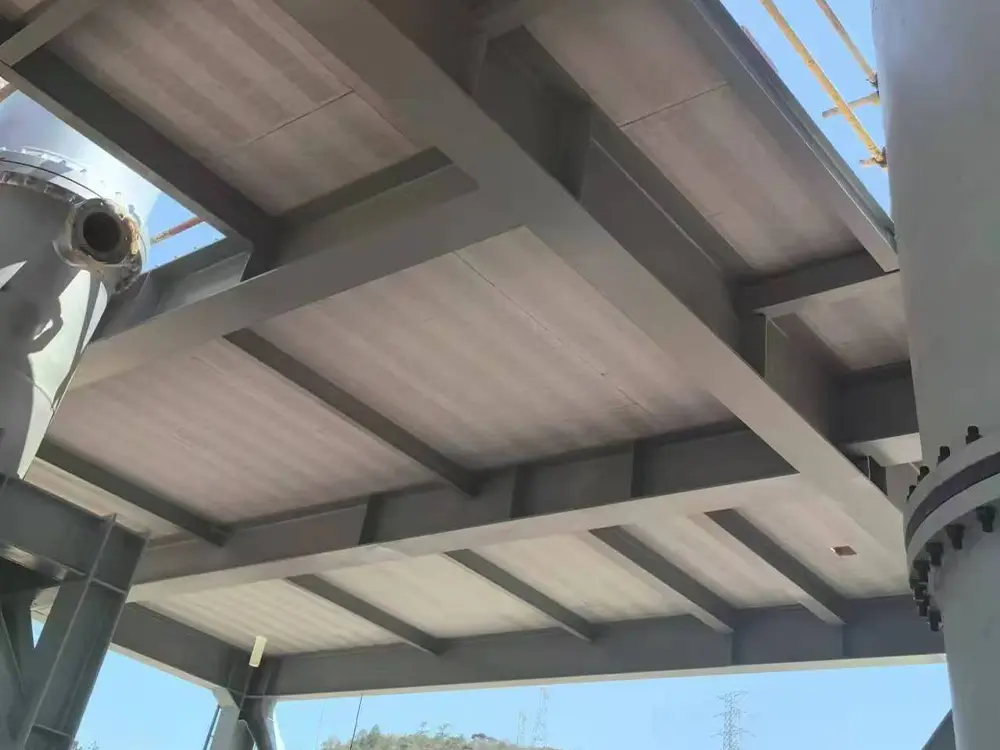 LEAO® Non-removable Formwork
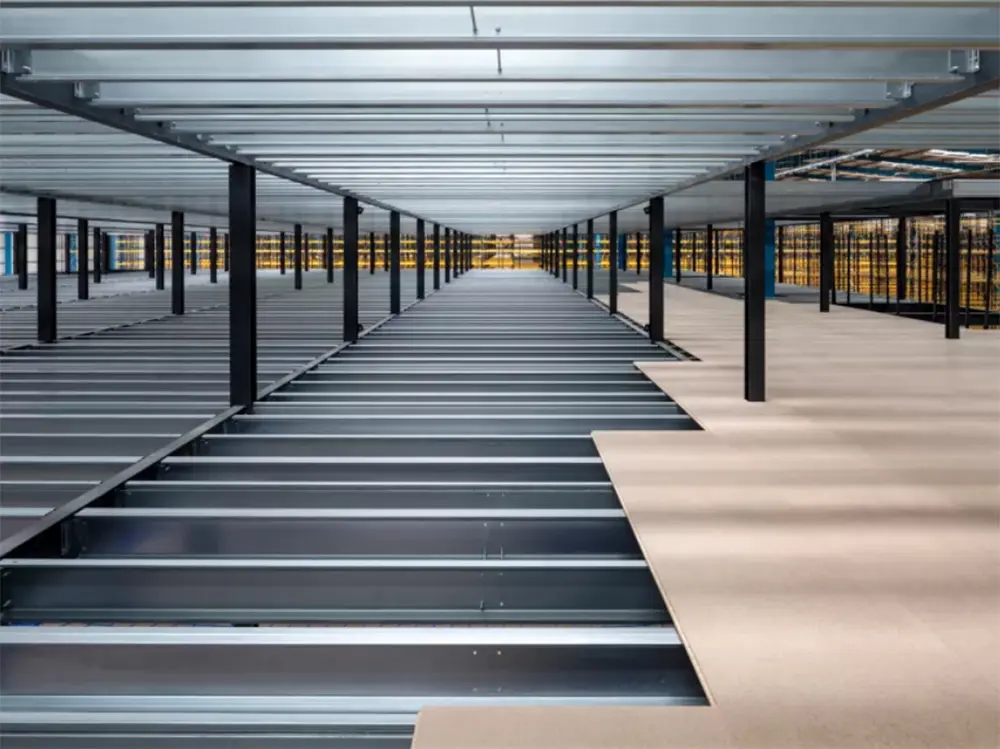 LEAO® Mezzanine Board
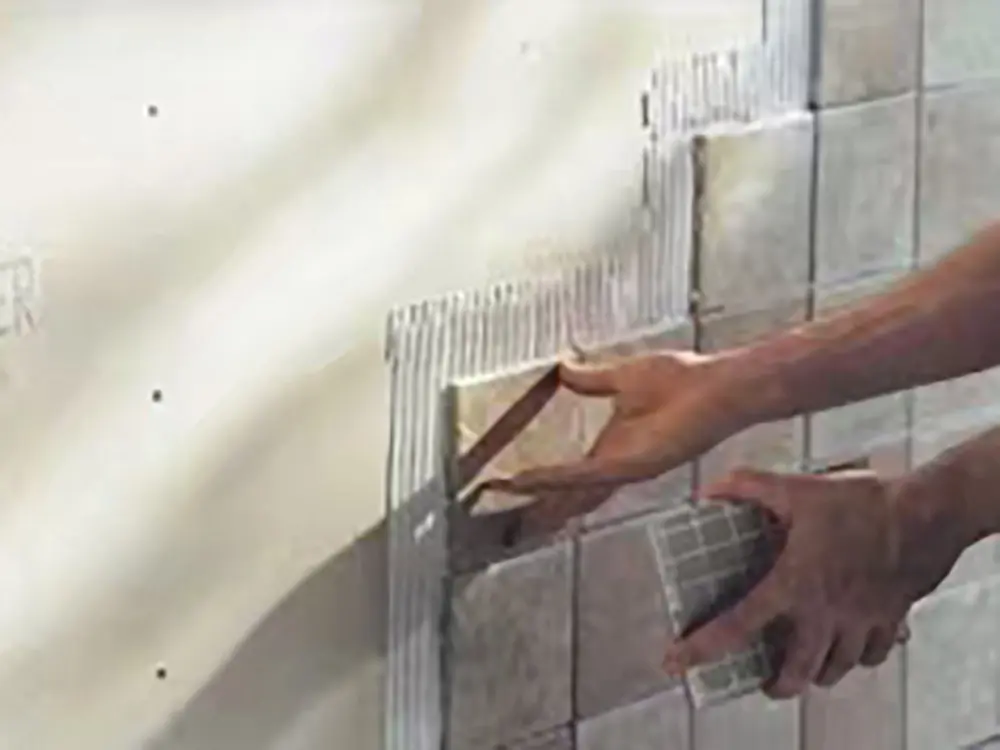 LEAO® Ceramic Tile Underlay
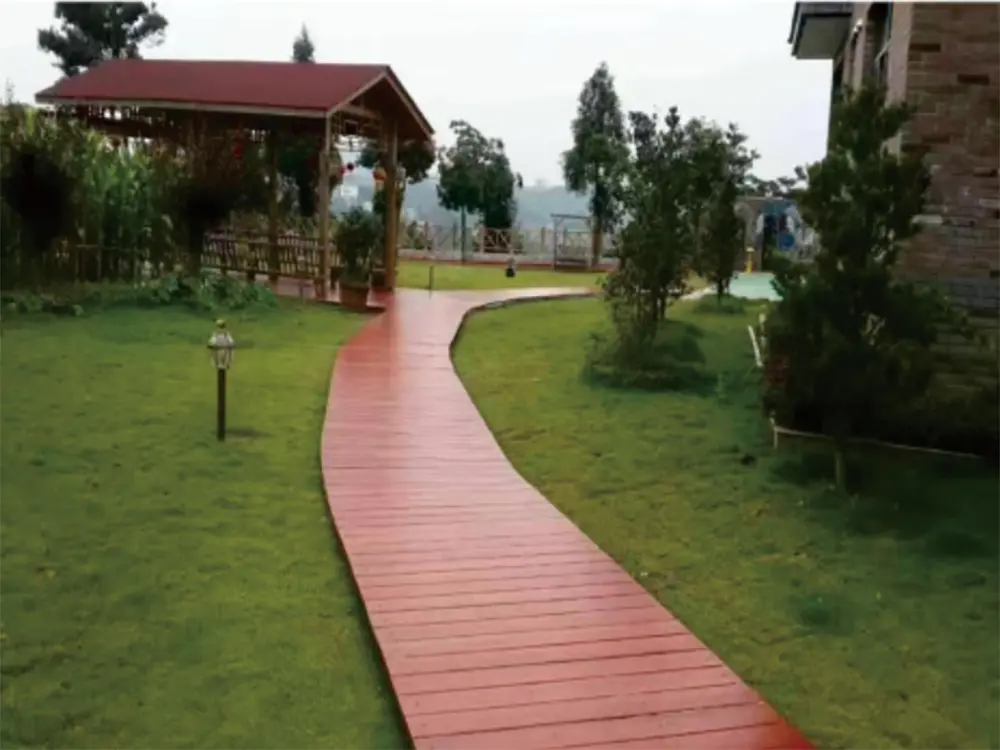 LEAO® Floor Plank
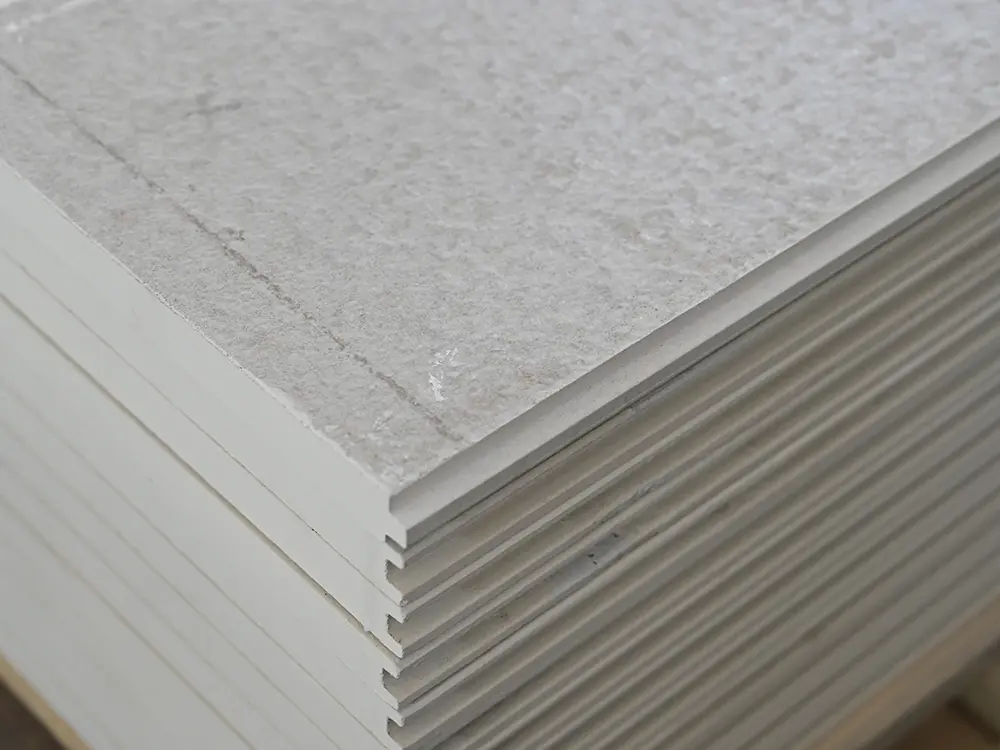 LEAO® Flooring
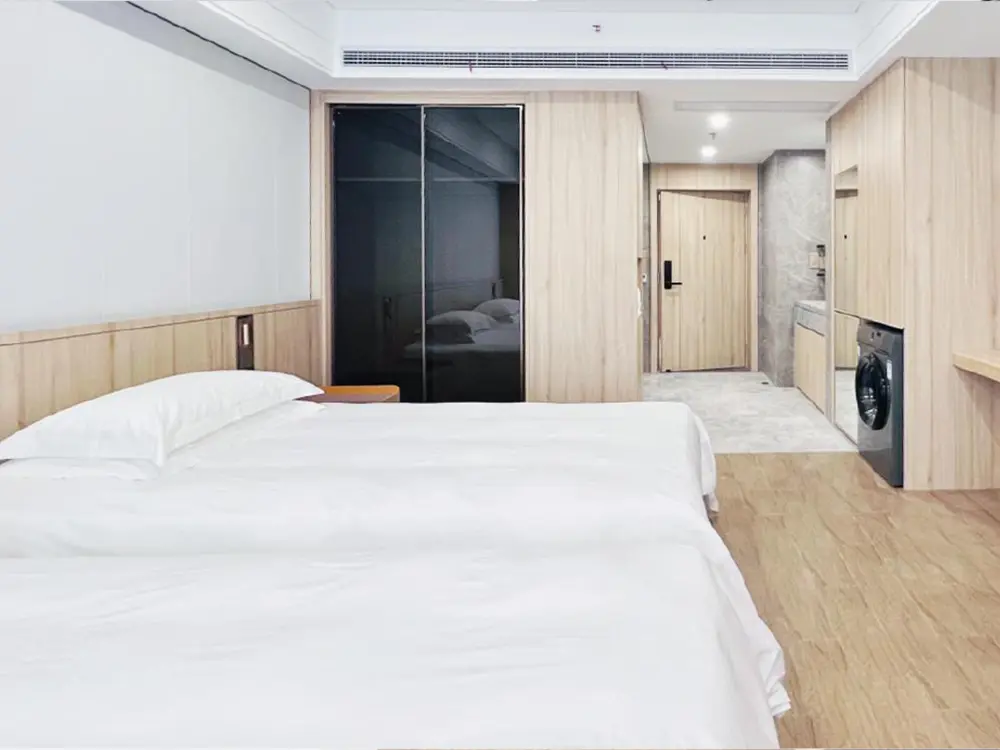 LEAO® Wood Style Decorative Panel
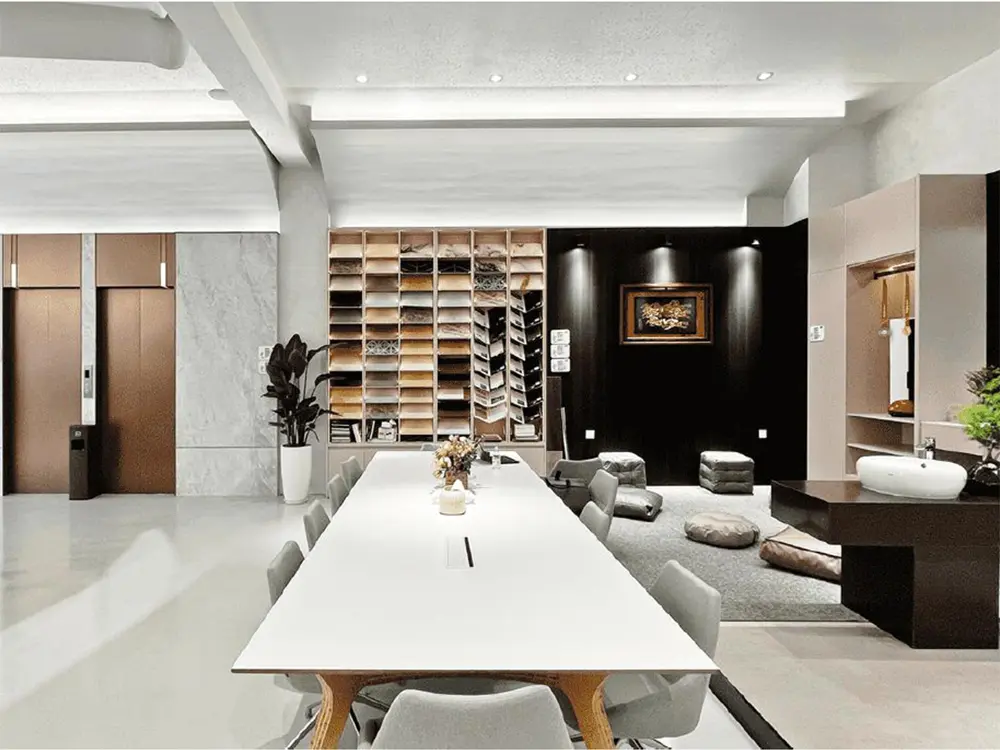 LEAO® Stone Style Decorative Panel
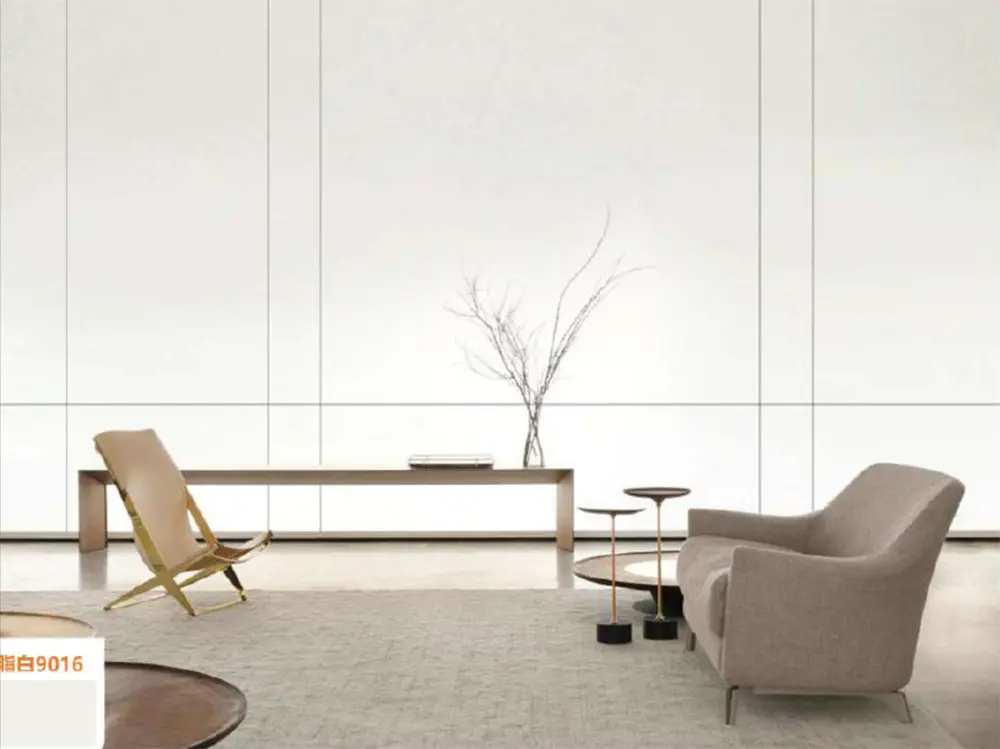 LEAO® Pure Style Decorative Panel