Best Calcium Silicate Board Uses and Benefits for Your Projects?
Calcium Silicate Board has gained immense popularity in construction and renovation projects. According to a recent market report by Allied Market Research, the global calcium silicate board market is projected to reach USD 3.98 billion by 2026, growing at a CAGR of 8.4%. This material boasts excellent fire resistance, thermal insulation, and durability, making it a top choice for builders and architects.
Renowned industry expert Dr. Jane Thompson states, "Calcium Silicate Boards provide unmatched versatility and performance in diverse applications." These boards are commonly used for ceiling tiles, wall panels, and pipe insulation. Their ability to withstand moisture also makes them ideal for humid environments.
Though their benefits are evident, the installation process can be challenging. Proper techniques must be followed to maximize their effectiveness. Some users report issues with sagging if not installed correctly. Thus, while Calcium Silicate Board is a valuable asset, one must approach its application with care and consideration for best results.

Understanding Calcium Silicate Board: Composition and Properties
Calcium silicate board is gaining popularity in construction. Its unique composition combines silica, calcium, and reinforcing fibers. This blend results in a lightweight yet durable product. Reports show that calcium silicate boards provide excellent thermal insulation and fire resistance. They can withstand temperatures of up to 1000 degrees Celsius without compromising structural integrity. This makes them ideal for applications in high-temperature settings like industrial plants.
Understanding the properties of calcium silicate board is essential. It offers moisture resistance, which is vital in areas with high humidity or exposure to water. Additionally, its non-combustible nature meets stringent fire safety standards. A study by the International Association of Fire Safety Science highlights that these boards significantly reduce the spread of fire, protecting both lives and property. However, the installation requires careful handling to prevent cracking.
Consider using calcium silicate boards in your next project. They are versatile for wall partitioning and ceiling applications. Ensure proper sealing around joints to maintain their effectiveness. Frequent maintenance checks can catch potential issues early, preserving their durability. Always research local building codes before installation to ensure compliance.
Key Applications of Calcium Silicate Board in Construction Projects
Calcium silicate boards have gained popularity in construction due to their numerous applications. These boards are lightweight, durable, and fire-resistant. According to a report by Research and Markets, the global calcium silicate board market is projected to grow by 5% annually from 2021 to 2028. This growth reflects their increasing adoption in various sectors, primarily in commercial and residential buildings.
In construction, calcium silicate boards serve as effective substitutes for traditional wall materials. They are commonly used for interior wall partitions, ceilings, and façade applications. Their excellent thermal insulation properties contribute to energy efficiency, resulting in lower heating and cooling costs. A report from Freedonia Group indicates that demand for energy-efficient building materials is driving the use of calcium silicate boards. However, ensuring proper installation remains a challenge for many contractors, potentially impacting their effectiveness.
Moisture resistance is another essential benefit of calcium silicate boards. They prevent mold growth, which is crucial for maintaining indoor air quality. According to data from the U.S. Environmental Protection Agency, poor indoor air quality is linked to various health issues. While calcium silicate boards offer significant benefits, improper handling during installation can lead to damage and decreased performance. This highlights the need for trained professionals to ensure optimal results in construction projects.
Advantages of Using Calcium Silicate Board for Fire Resistance
Calcium silicate board is renowned for its fire-resistant properties. In various construction applications, it serves as a critical safety component. Reports indicate that materials classified as A1 non-combustible can withstand high temperatures. This classification applies to calcium silicate boards, making them a preferred choice in fire-sensitive areas.
In a study by the National Institute of Standards and Technology (NIST), fire-resistant materials reduced fire spread by up to 40%. This significant reduction can be vital in protecting lives and property. Calcium silicate boards contribute to this reduction while providing excellent insulation. Their thermal efficiency can lower energy consumption in buildings.
Despite its advantages, the installation process can be complex. Proper handling and expertise are essential for optimal performance. Misaligned boards or inadequate sealing can compromise fire resistance. This highlights the necessity of skilled labor during installation. Ensuring compliance with fire safety codes remains crucial in leveraging the benefits of calcium silicate boards effectively. The balance between performance and craftsmanship is critical, enhancing both safety and durability in construction projects.
Calcium Silicate Board: A Sustainable Choice for Environmental Concerns
Calcium silicate board stands out as a sustainable option in construction. It addresses environmental concerns while providing exceptional performance. This material is made from natural minerals, which makes it an eco-friendly choice. It is free from harmful chemicals, ensuring safer indoor air quality. As a result, projects incorporating calcium silicate board can contribute positively to environmental sustainability.
The versatility of calcium silicate board is noteworthy. It is commonly used in partitions, ceilings, and façades. Its resistance to moisture and fire makes it suitable for various climates. However, the installation process may not be straightforward. Misalignment can lead to visible gaps, affecting the overall aesthetic. Careful measurement and planning are required to achieve optimal results.
Incorporating calcium silicate board often leads to energy efficiency. The thermal insulation properties help reduce heating and cooling costs. Yet, relying solely on this material may not cover all energy needs. It is essential to integrate it with other sustainable practices for maximum benefit. Balancing performance and environmental impact calls for ongoing evaluation and adjustment.
Installation Techniques and Best Practices for Calcium Silicate Board
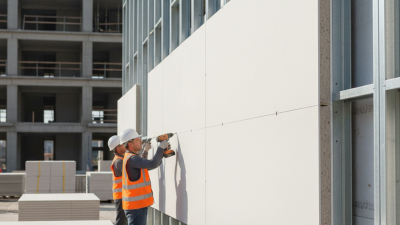
Calcium silicate boards are gaining popularity in construction and renovation projects due to their fire resistance and moisture control. Installing these boards requires careful attention to detail. Start by preparing the surface, ensuring it is clean and dry. Proper measurements are crucial. Boards must be cut accurately, preferably with a specialized saw to minimize dust and maintain integrity. Installing the boards in a staggered pattern enhances overall structural strength.
After positioning the boards, fastening them securely is key. Use corrosion-resistant screws or nails, placed about every 12 inches along the edges. The joints should be sealed with appropriate tape or compound to prevent moisture infiltration. The application of joint treatment adds a layer of durability. Studies show that adhering to these installation guidelines can increase the lifespan of the boards by up to 30%.
For optimal results, consider the following insights. Proper acclimatization of the boards to the environment can prevent warping. After installation, applying a suitable finishing coat enhances aesthetics and protects against wear. Remember that different environments may require adjustments in installation methods and materials. Emphasizing proper practices can yield significant benefits that extend beyond simple durability.

 LEAO®Deco Ceiling
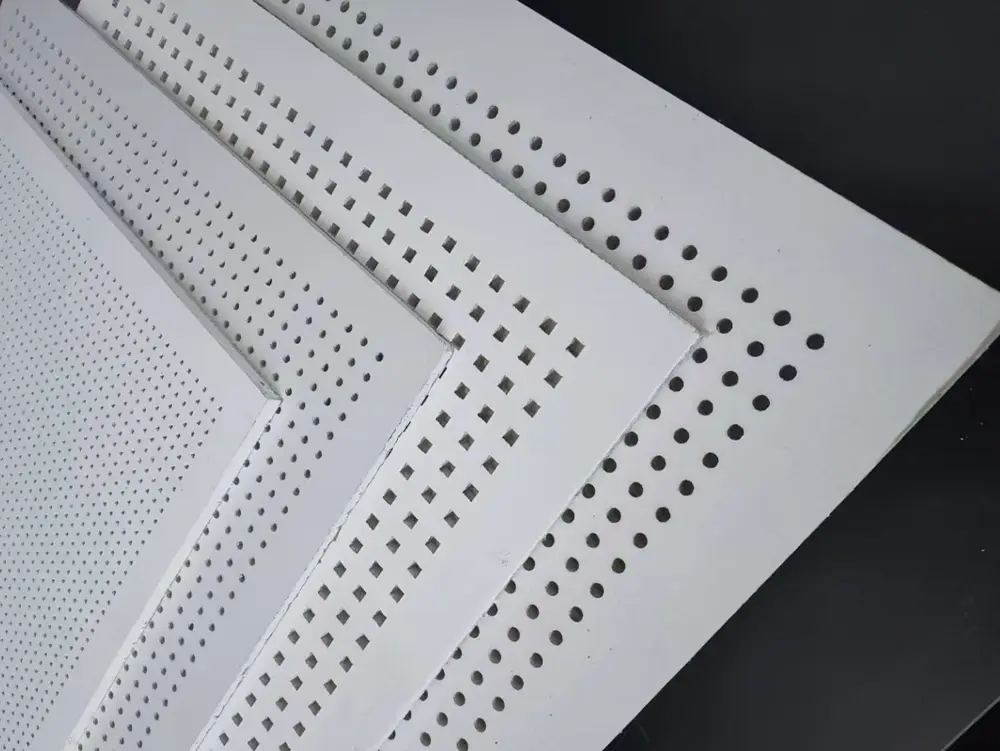 LEAO® Perforated Ceiling
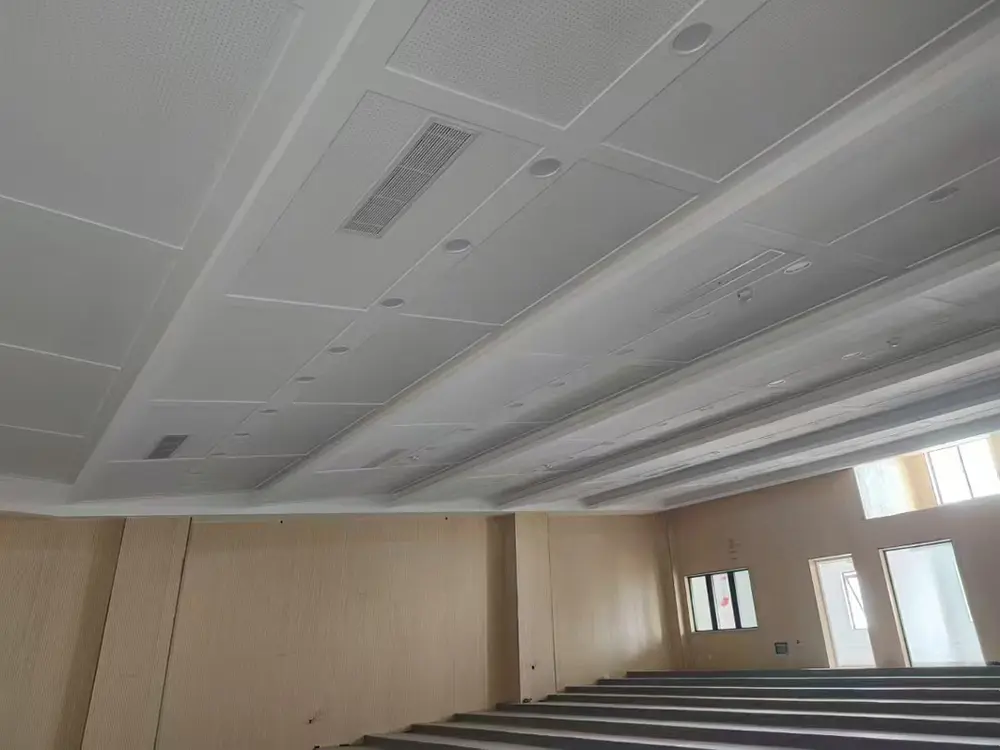 LEAO® Ceiling Board
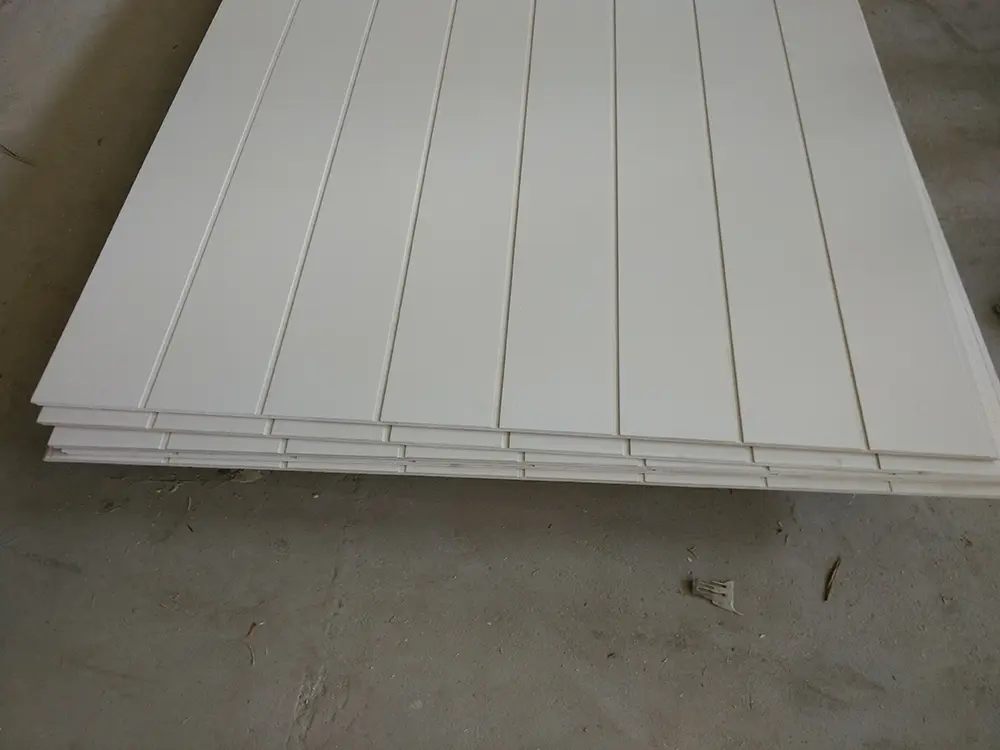 LEAO® Groove Interior Panel
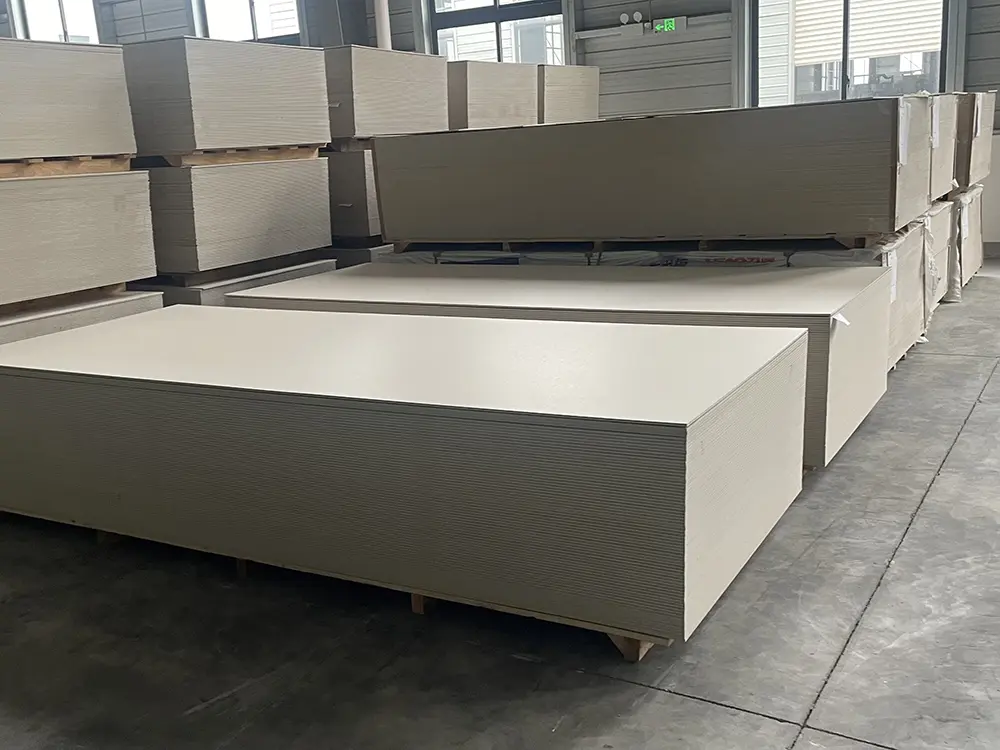 LEAO® Interior Board
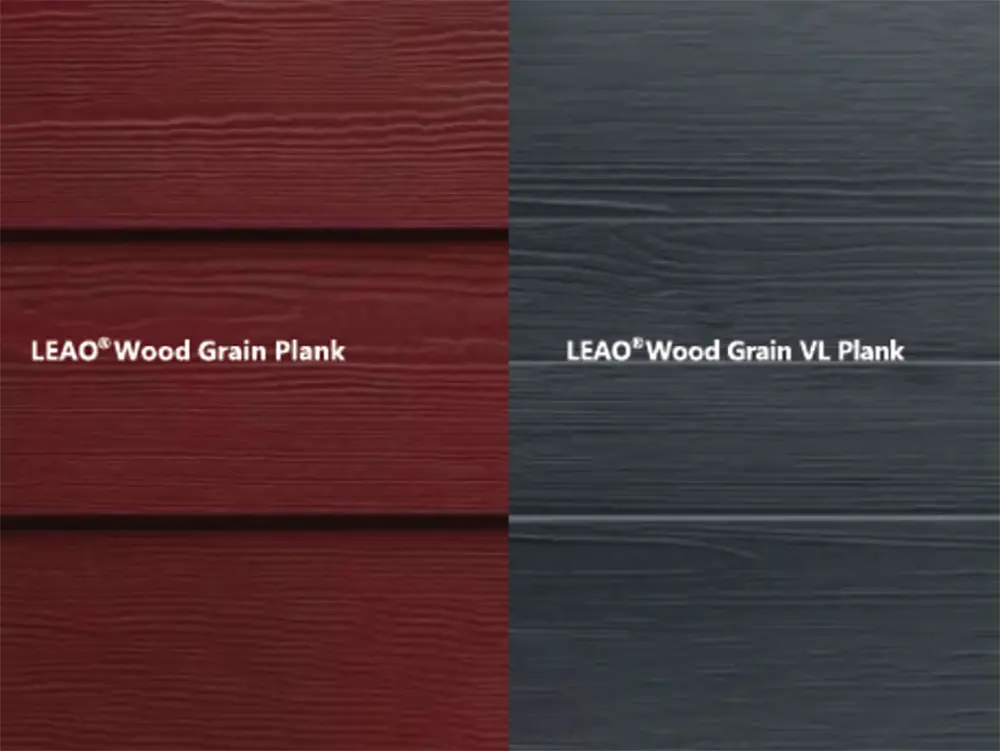 LEAO® Wood Grain Plank
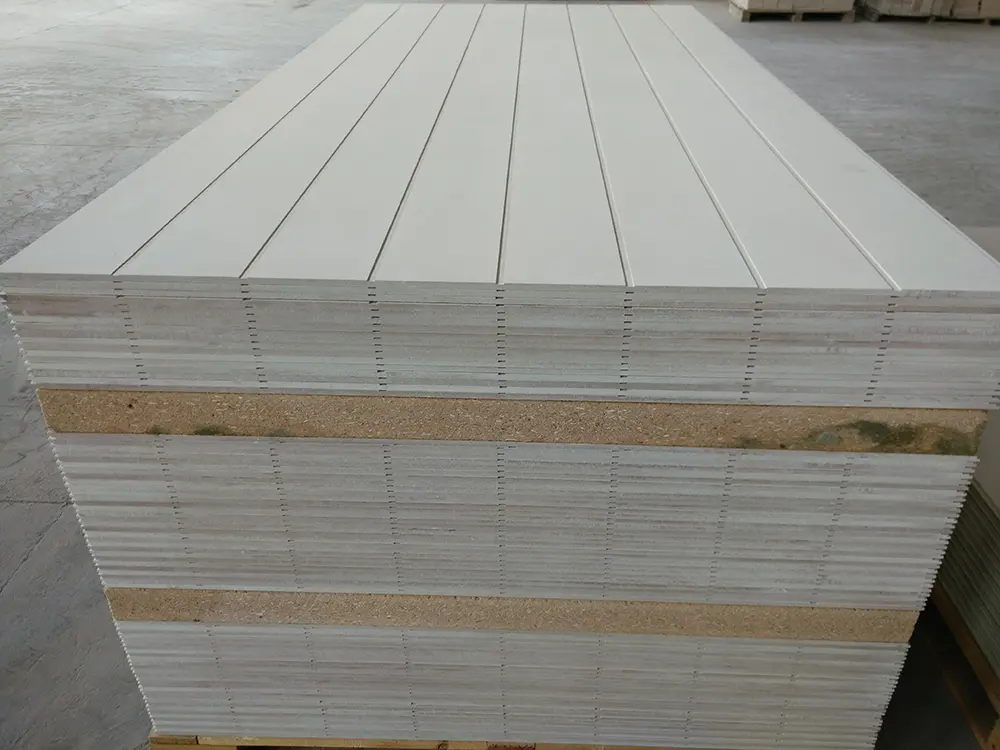 LEAO® Grooved Exterior Panel
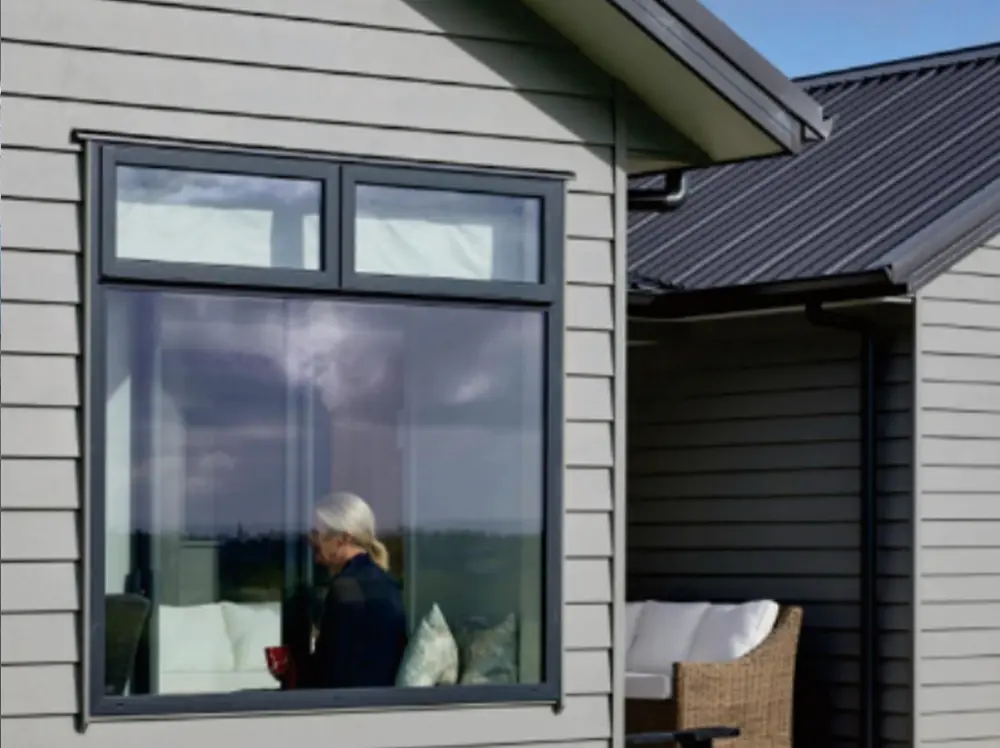 LEAO® Weatherboard
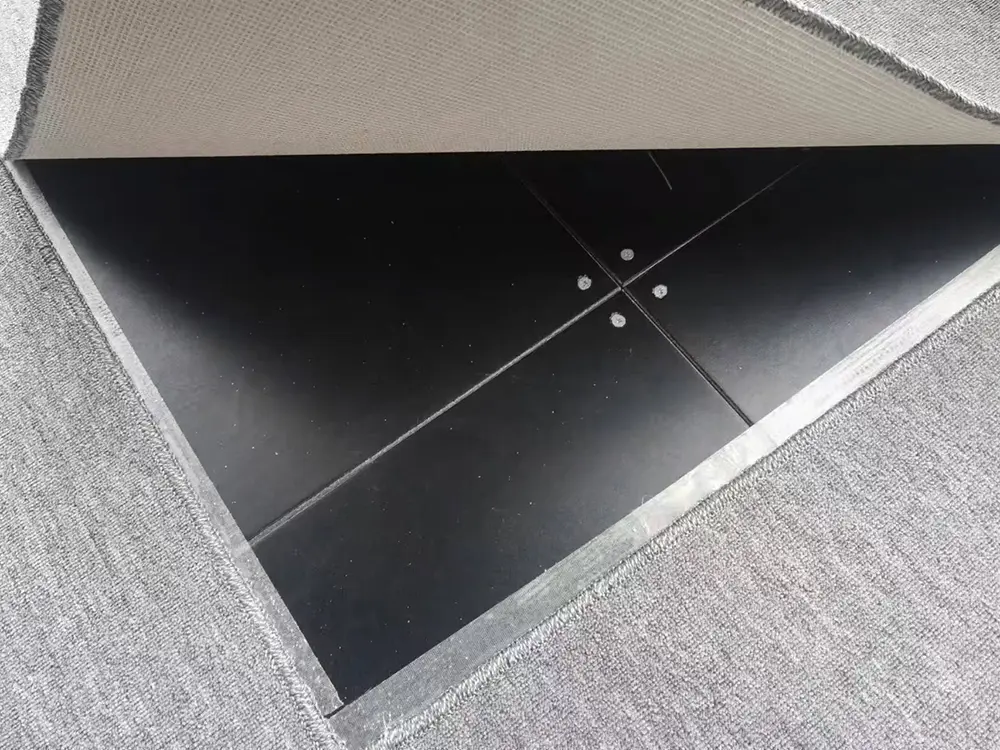 LEAO® Access Floors
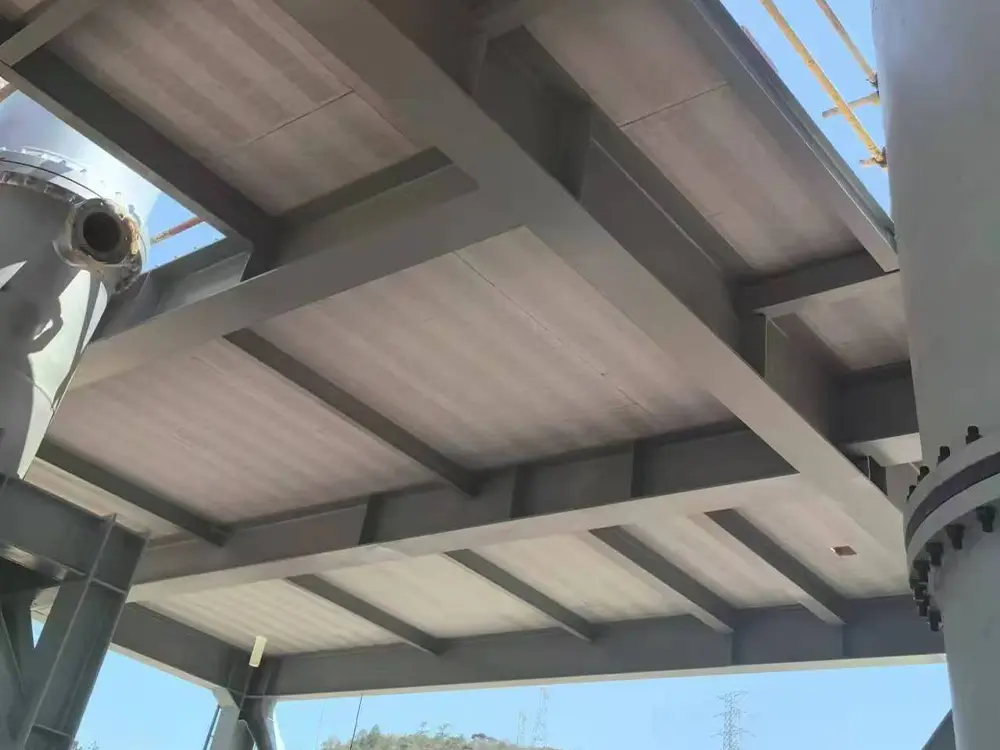 LEAO® Non-removable Formwork
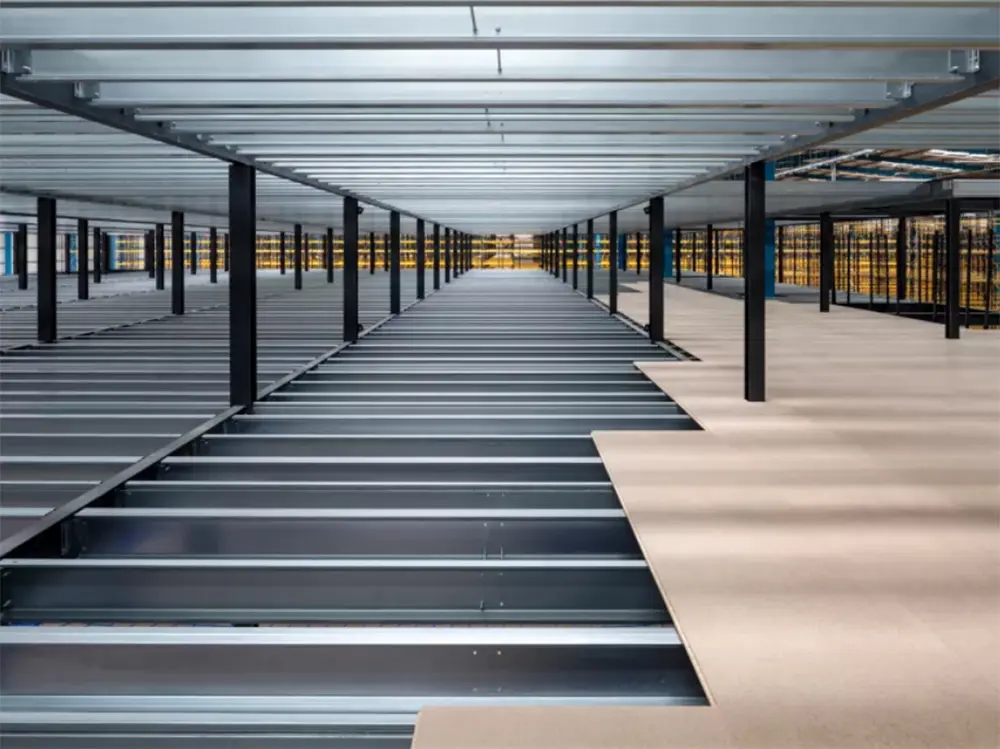 LEAO® Mezzanine Board
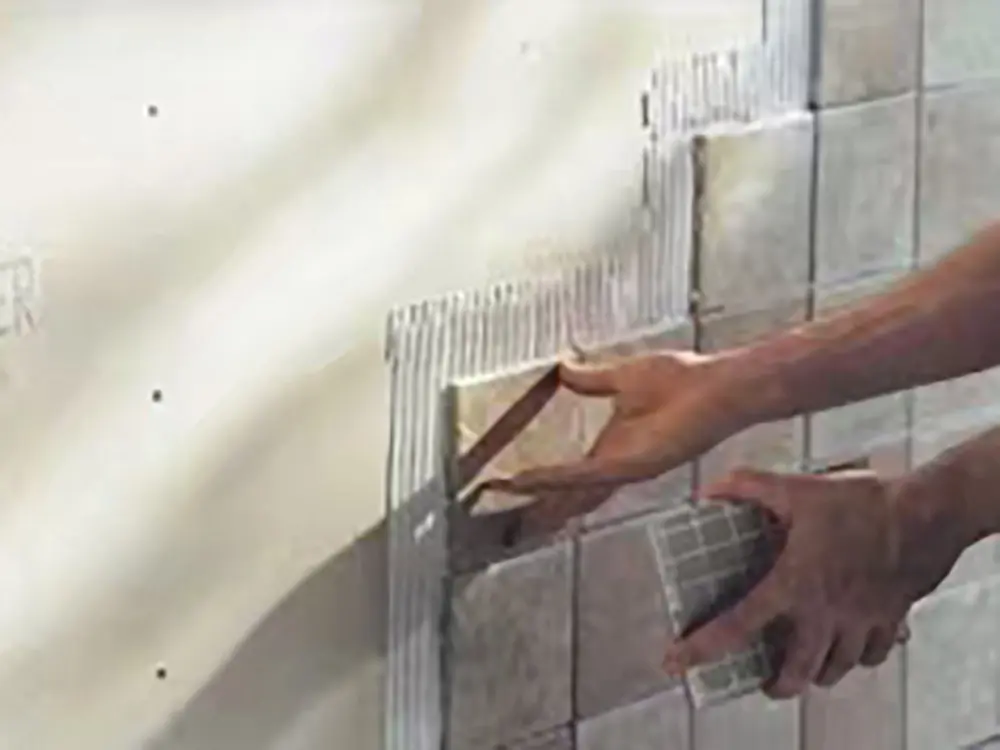 LEAO® Ceramic Tile Underlay
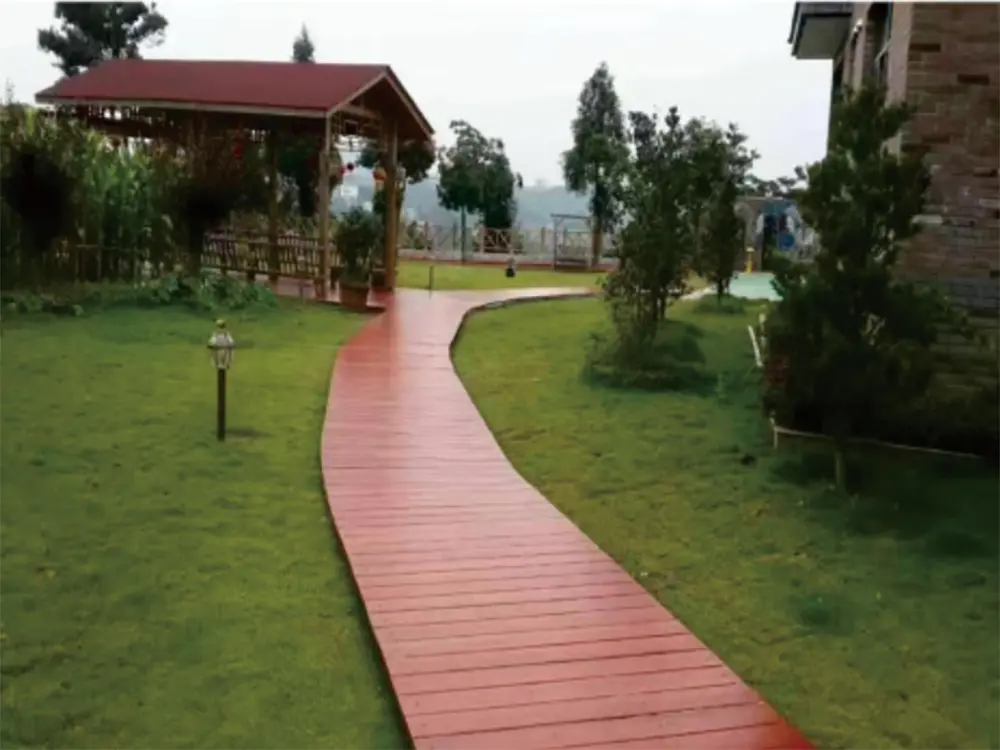 LEAO® Floor Plank
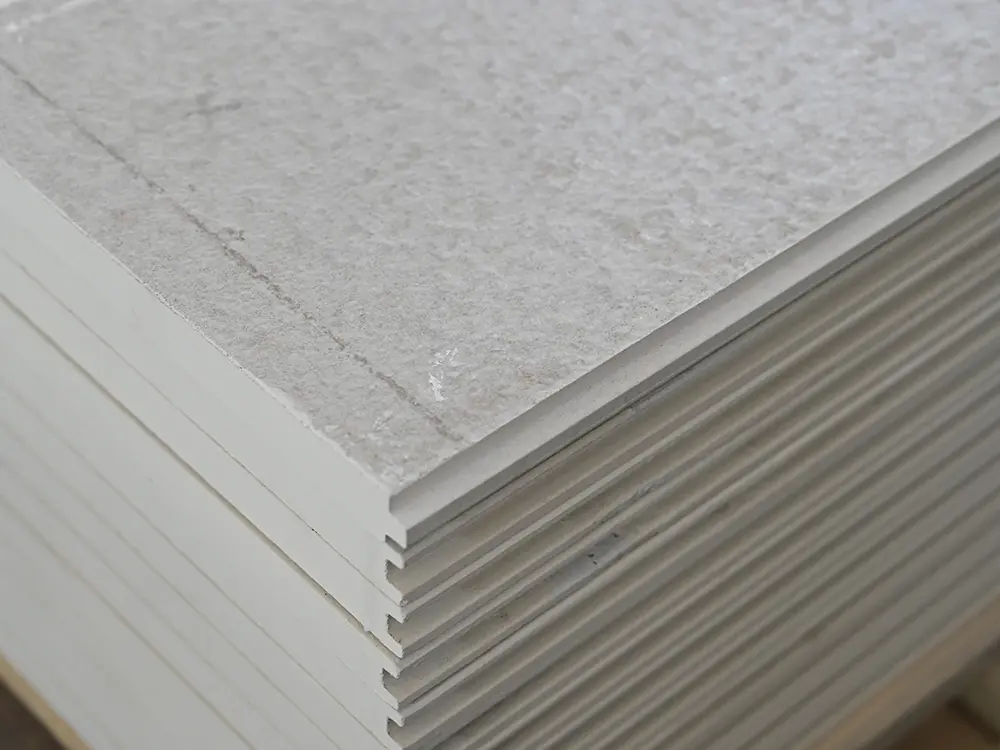 LEAO® Flooring
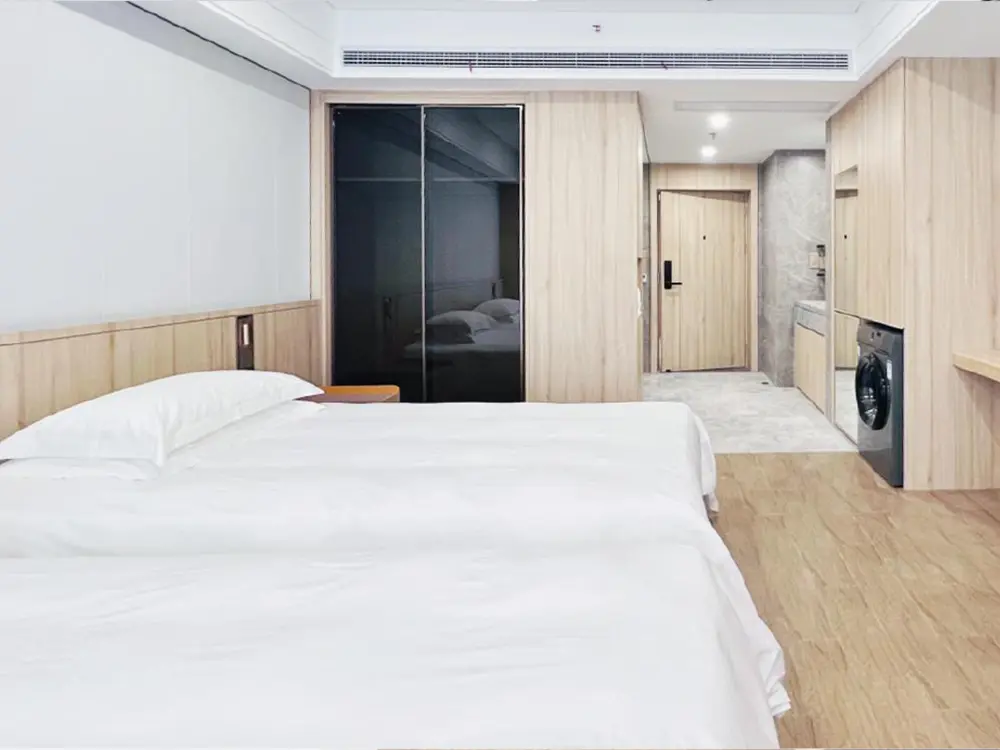 LEAO® Wood Style Decorative Panel
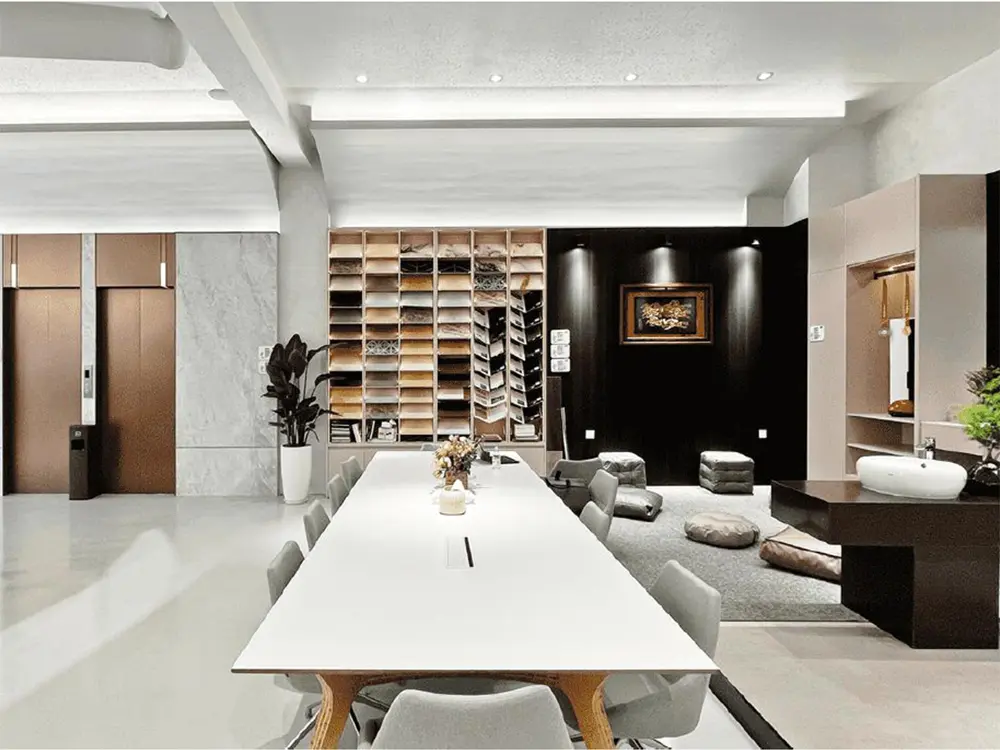 LEAO® Stone Style Decorative Panel
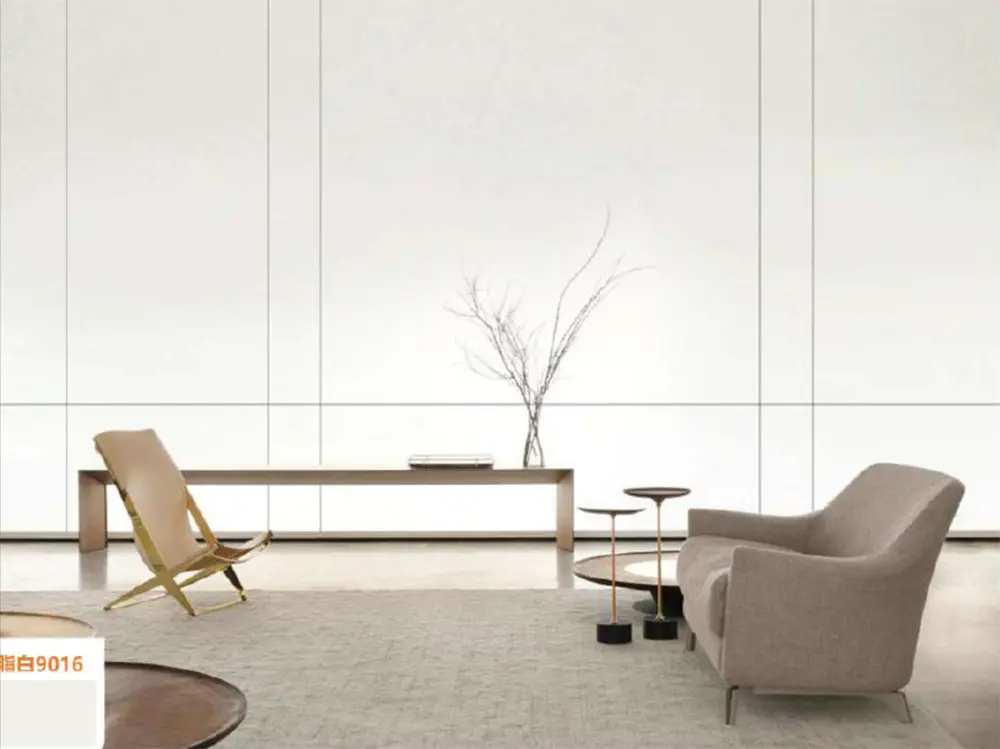 LEAO® Pure Style Decorative Panel