China Top Fiber Cement Formwork Board for Global Buyers?
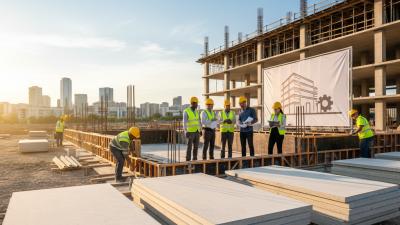
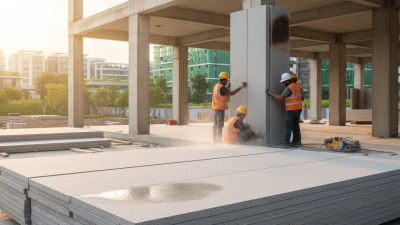
The construction industry is evolving towards more durable and sustainable materials. One such innovation is the Fiber Cement Formwork Board. This product is gaining traction among global buyers due to its unique combination of strength and versatility. Made from a blend of cement and cellulose fibers, it offers robust performance in various applications.
Quality is essential for buyers seeking Fiber Cement Formwork Boards. They must consider factors like durability, resistance to moisture, and ease of installation. Not all boards on the market meet these criteria. This reality underscores the importance of sourcing from reputable manufacturers, especially in regions known for quality production.
Looking ahead, the demand for Fiber Cement Formwork Boards is expected to rise. However, buyers need to remain cautious. Not every supplier guarantees excellence. Continuous improvement in material technology and supplier transparency will be critical for informed decisions.
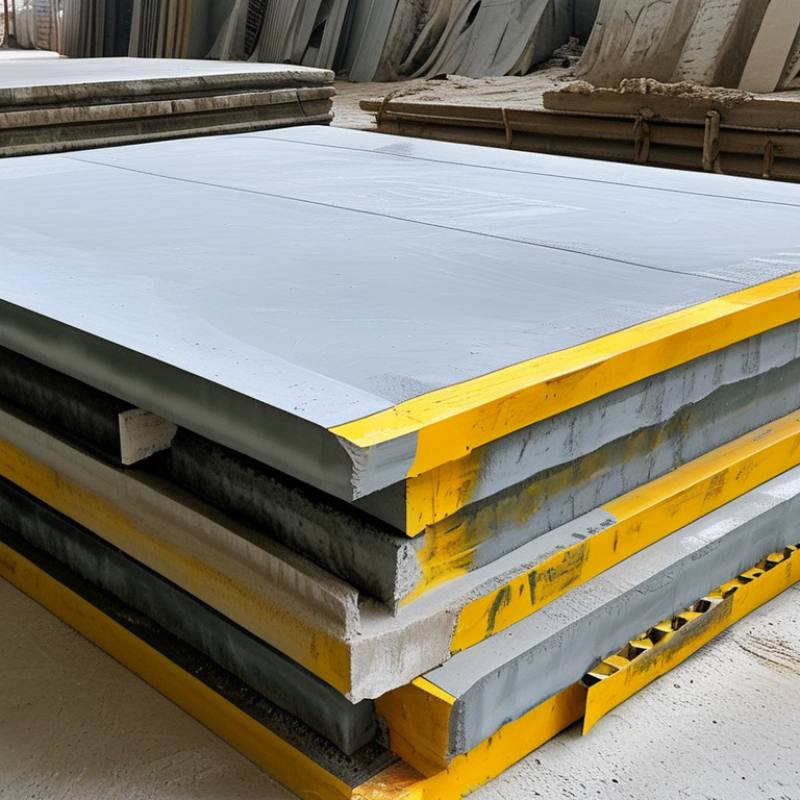
Overview of Fiber Cement Formwork Boards in China
China has emerged as a significant player in the fiber cement formwork board market. Recent statistics indicate that the country's production capacity for fiber cement boards has grown by 15% annually. This rise aligns with increasing demand in construction and infrastructure projects both domestically and internationally. The boards are favored for their durability, moisture resistance, and ease of installation.
However, challenges remain. Quality inconsistencies can be an issue, particularly among lesser-known manufacturers. A report from the China Building Materials Federation suggests that about 30% of local producers do not meet the industry's stringent standards. Buyers must conduct thorough research to avoid subpar products.
Environmental concerns also loom large. While fiber cement boards are generally seen as eco-friendly, the production process can emit harmful substances without proper controls.
In emerging markets, the awareness of fiber cement's benefits is still low. Despite the impressive growth rates, only about 20% of potential users have switched from traditional materials. This gap indicates room for improvement in education and promotion. Manufacturers could benefit from partnerships that highlight quality and environmental responsibility, creating a more trustworthy environment for global buyers.
Key Features and Advantages of Fiber Cement Formwork
Fiber cement formwork boards have become essential in modern construction. These boards boast unique features that set them apart from traditional materials. They are composed of cement, cellulose fibers, and mineral additives. This composition makes them durable and moisture-resistant. Reports indicate that the global fiber cement market is expected to grow by 5.5% annually, reflecting their rising popularity.
One key advantage is their lightweight nature. This property reduces transportation costs and makes installation easier. Studies show that these boards can withstand extreme weather and are fire-resistant. Moreover, they have a low thermal conductivity, contributing to energy efficiency in buildings. However, some challenges remain. The manufacturing process can result in a significant carbon footprint, raising questions about sustainability.
It is also worth noting that fiber cement formwork boards require proper maintenance. While they are designed for longevity, neglect can lead to deterioration. As these materials become more widely used, further advancements in technology may help mitigate such limitations. The construction industry is evolving, and exploring new materials is vital for future development.
China Top Fiber Cement Formwork Board for Global Buyers - Key Features and Advantages
| Feature |
Description |
Advantages |
| Durability |
Resistant to moisture, fire, and pests. |
Long-lasting and low maintenance. |
| Lightweight |
Easier to handle than traditional materials. |
Reduces transportation costs and labor. |
| Eco-friendly |
Made from sustainable raw materials. |
Contributes to green building certifications. |
| Versatility |
Can be used for various construction applications. |
Suitable for residential and commercial projects. |
| Cost-effective |
Competitive pricing compared to other materials. |
Reduces overall project costs. |
Market Demand for Fiber Cement Formwork Boards Globally
The global demand for fiber cement formwork boards has been steadily increasing. These boards are popular for their durability and versatility in construction. Many builders appreciate their resistance to weather and pests. This makes them suitable for various climates and settings. They can be used in residential and commercial projects alike.
Additionally, the lightweight nature of these boards simplifies handling. This can lead to reduced labor costs. However, some challenges remain in the manufacturing process. Quality control is crucial to meet international standards. Inconsistent production methods can result in varying quality. This is an area that requires reflection and improvement.
Moreover, sustainability is a key concern among buyers. Many are looking for eco-friendly options. Fiber cement can be made using recycled materials, which is a plus. Yet, not all suppliers prioritize environmental practices. That inconsistency could affect market growth. Buyers must thoroughly assess suppliers for reliability before committing.
Leading Manufacturers of Fiber Cement Formwork in China
China has emerged as a leading player in the production of fiber cement formwork boards. These boards are valued for their strength and durability. Manufacturers in China have refined their processes over time. This has led to an efficient, cost-effective production line that meets international standards.
The importance of quality cannot be overstated. Despite advancements, some manufacturers struggle with consistency. However, many have excelled, showcasing their products in global markets. They provide tailored solutions for various construction needs. Buyers often seek reliable partners who understand the nuances of the market.
While competition is fierce, innovation drives the industry forward. Many manufacturers invest in research and development. They focus on improving product performance and sustainability. As a result, there are exciting developments in fiber cement technology. This shows the dynamic nature of the market. However, some may need to reflect on their practices to enhance overall quality and reliability.
Sustainability and Environmental Impact of Fiber Cement Products
Fiber cement products are gaining attention for their sustainability. They utilize natural materials, which minimizes the environmental footprint. The production process is energy-efficient. This results in lower carbon emissions compared to traditional cement alternatives. Using fiber cement helps in reducing waste in construction. It is crucial as the global demand for sustainable materials grows.
However, there are concerns about the lifecycle impact of fiber cement. The extraction of raw materials can disrupt local ecosystems. While fiber cement is durable, its long-term effects need further study. The recycling process of these materials is not yet fully optimized. It raises questions about future waste management practices. To truly be sustainable, improvements are necessary.
Engaging with experts in sustainable construction can lead to better practices. Collaboration among manufacturers, builders, and environmentalists is essential. It allows for sharing knowledge and innovations. Addressing challenges within the industry is crucial for its evolution. As the market for fiber cement expands, it should focus on genuine sustainability goals.
Environmental Impact of Fiber Cement Products

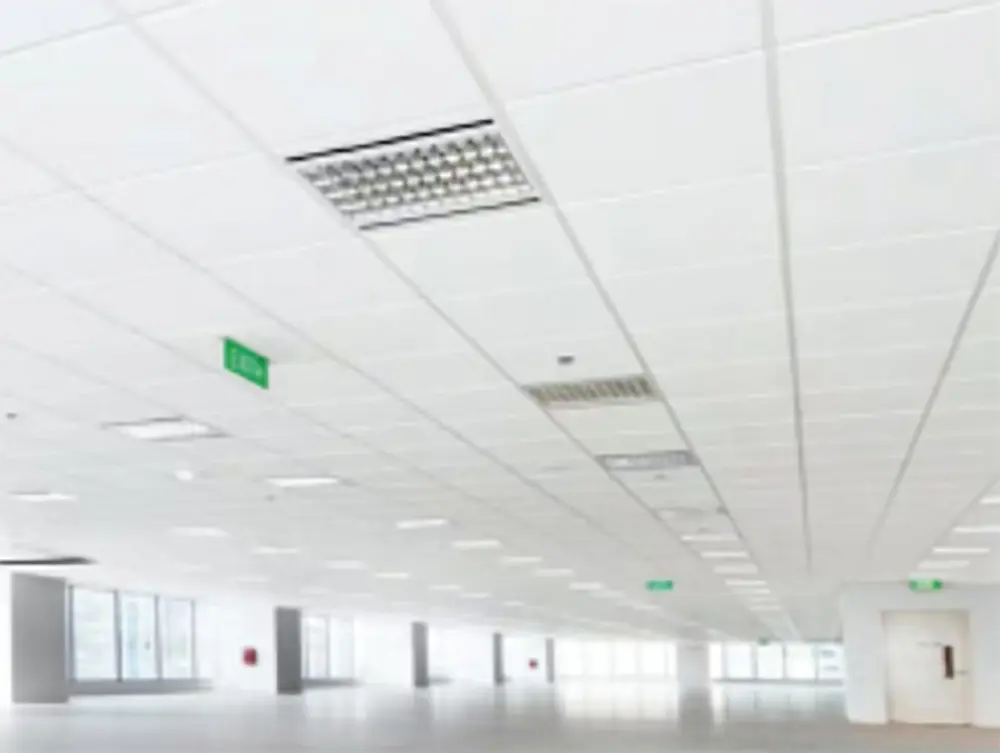 LEAO®Deco Ceiling
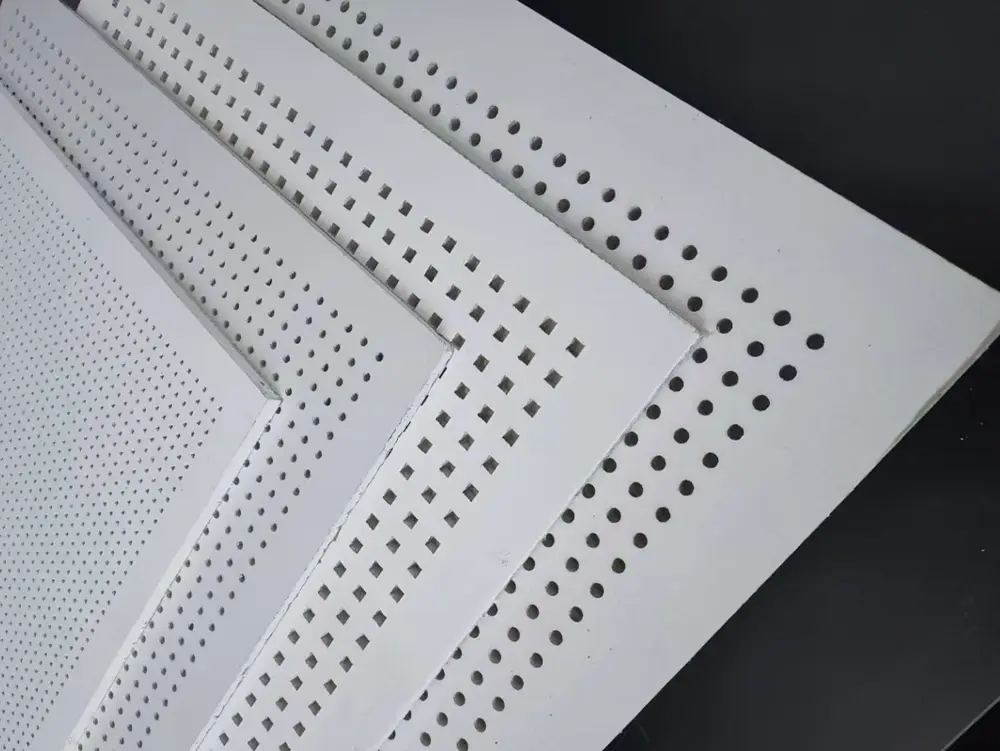 LEAO® Perforated Ceiling
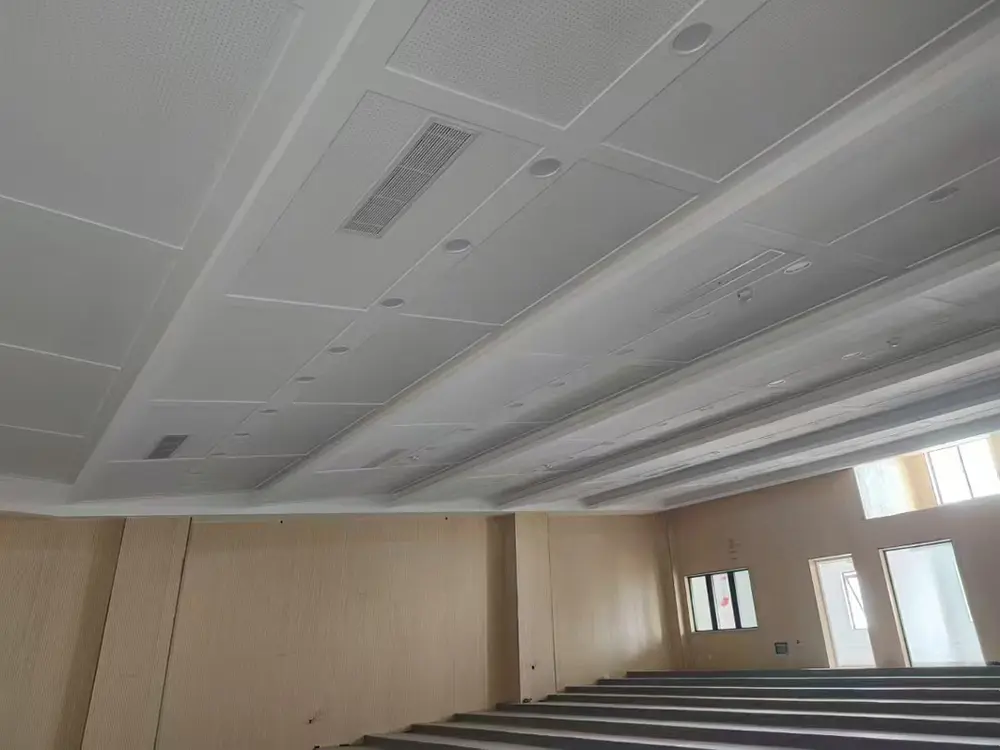 LEAO® Ceiling Board
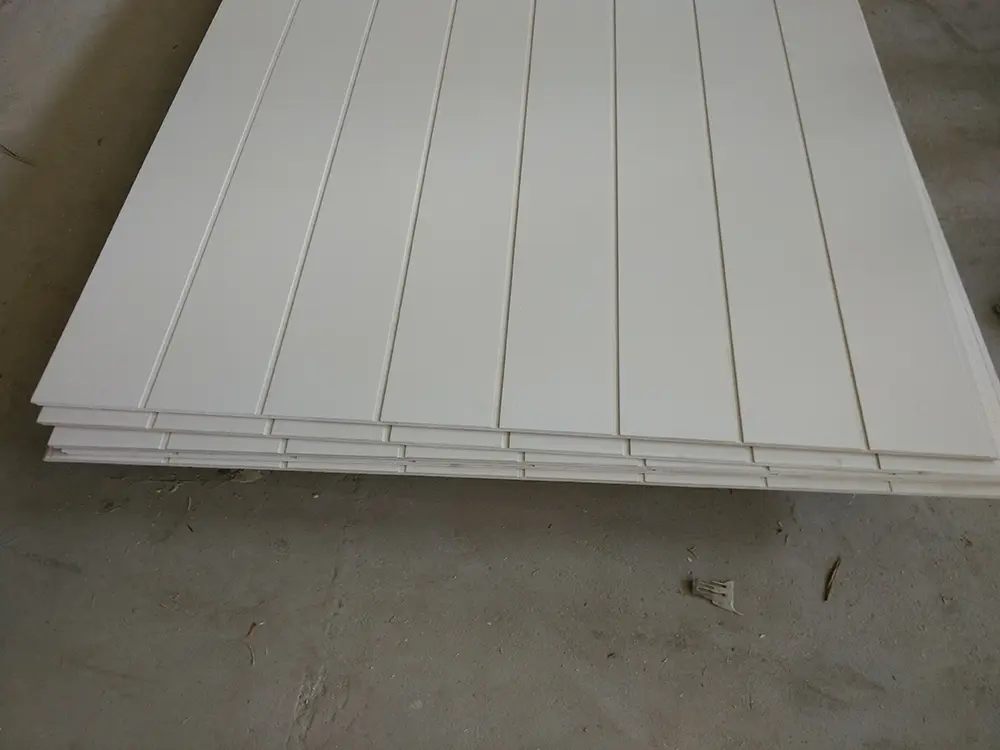 LEAO® Groove Interior Panel
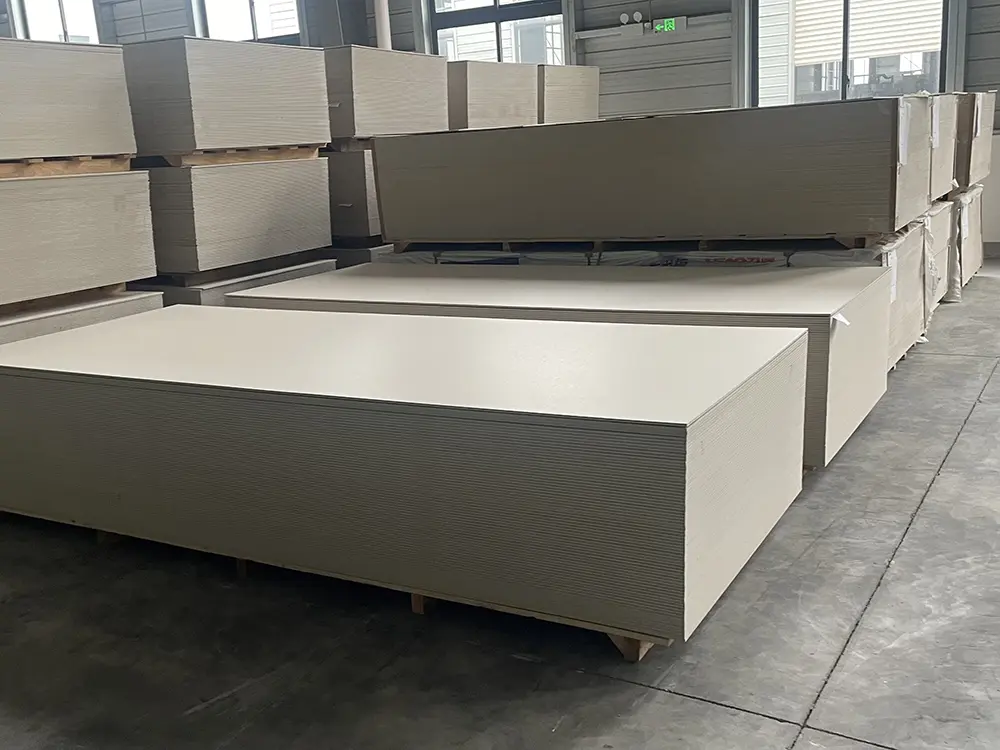 LEAO® Interior Board
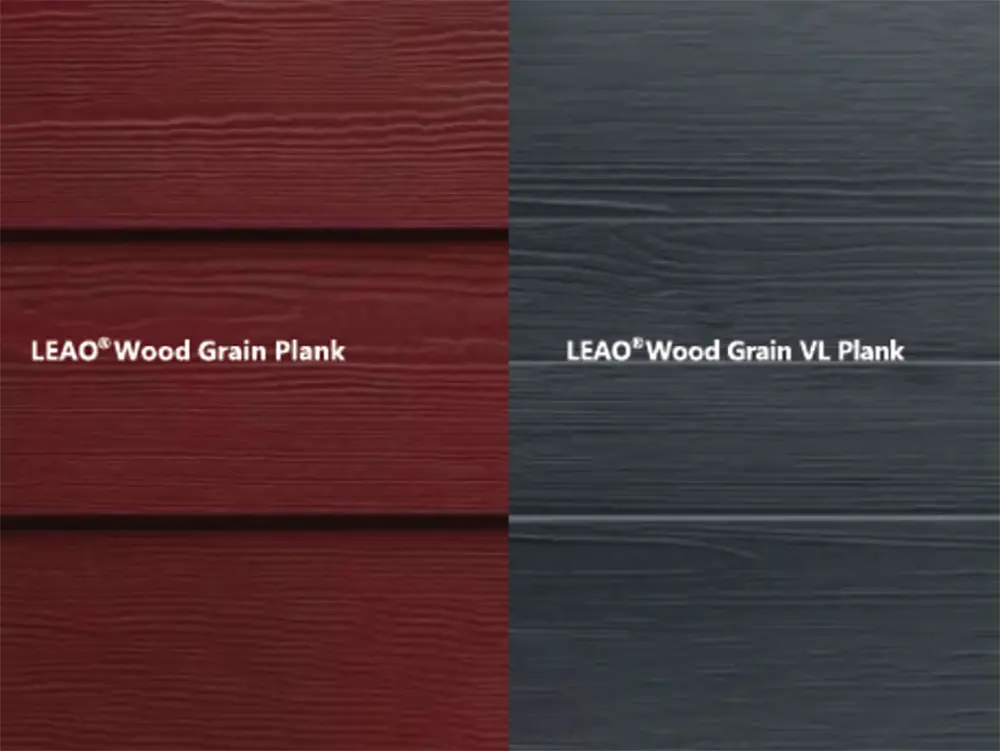 LEAO® Wood Grain Plank
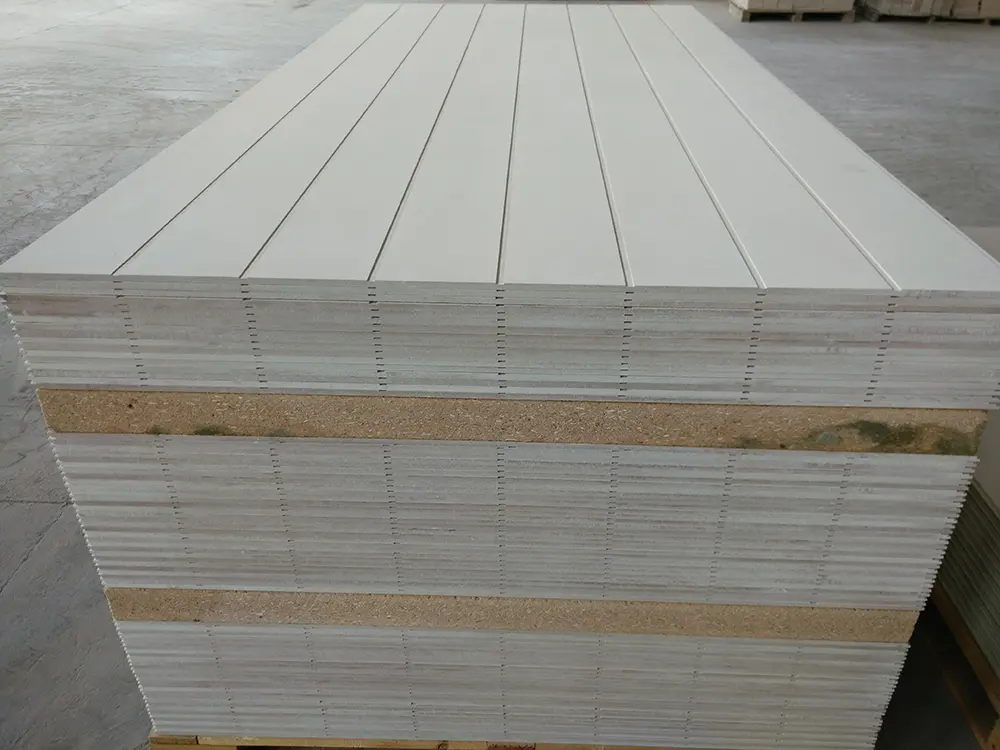 LEAO® Grooved Exterior Panel
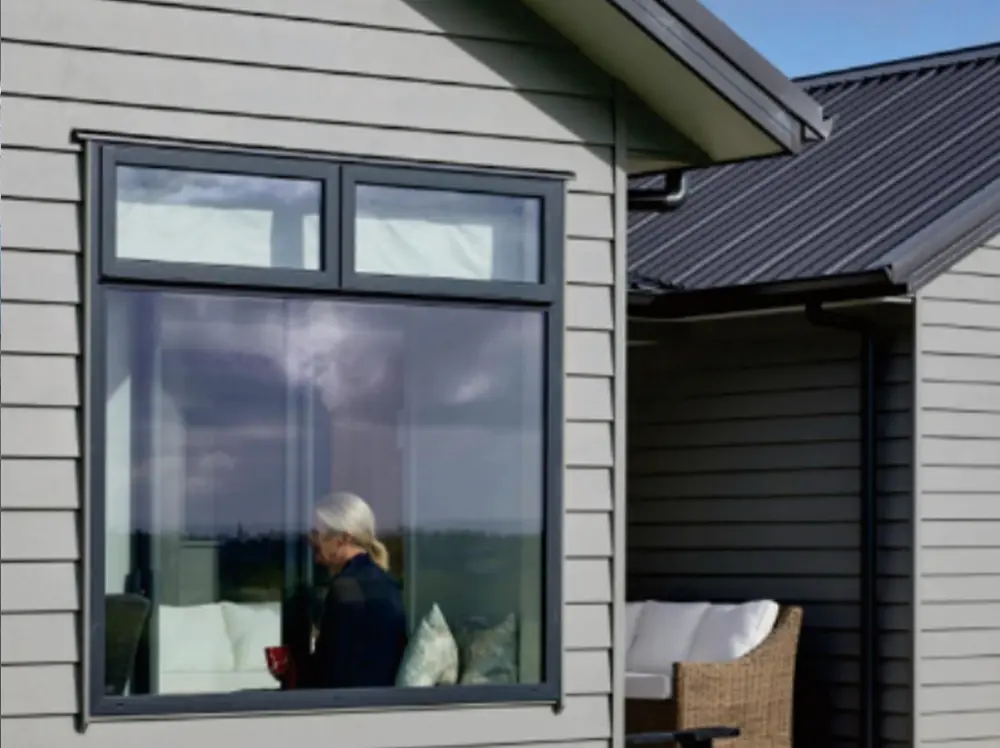 LEAO® Weatherboard
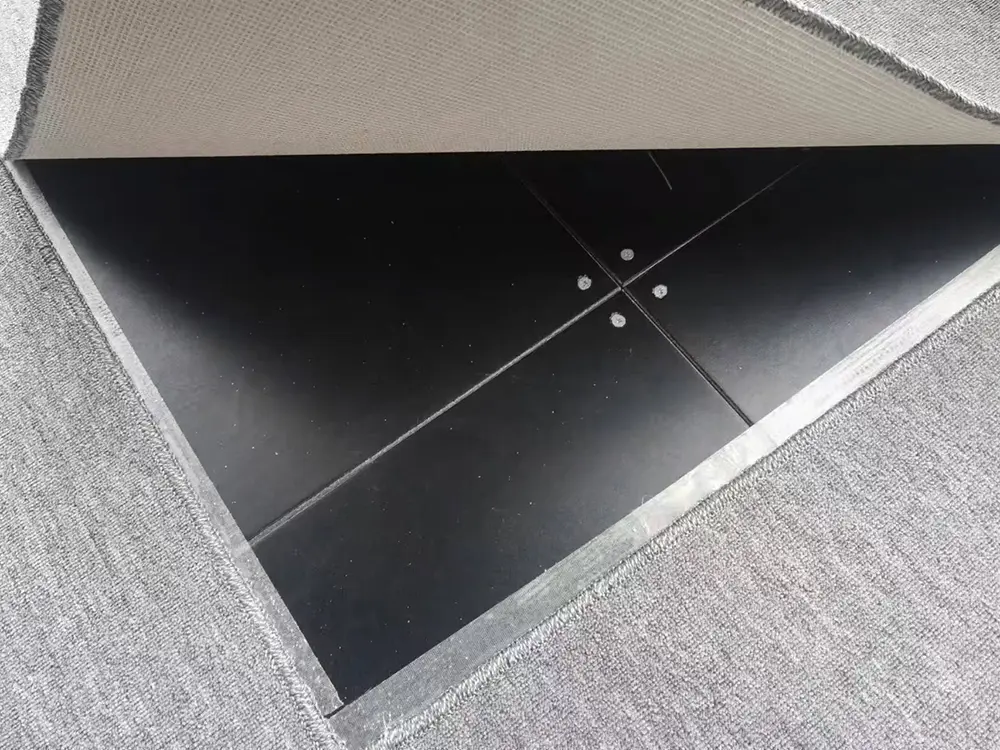 LEAO® Access Floors
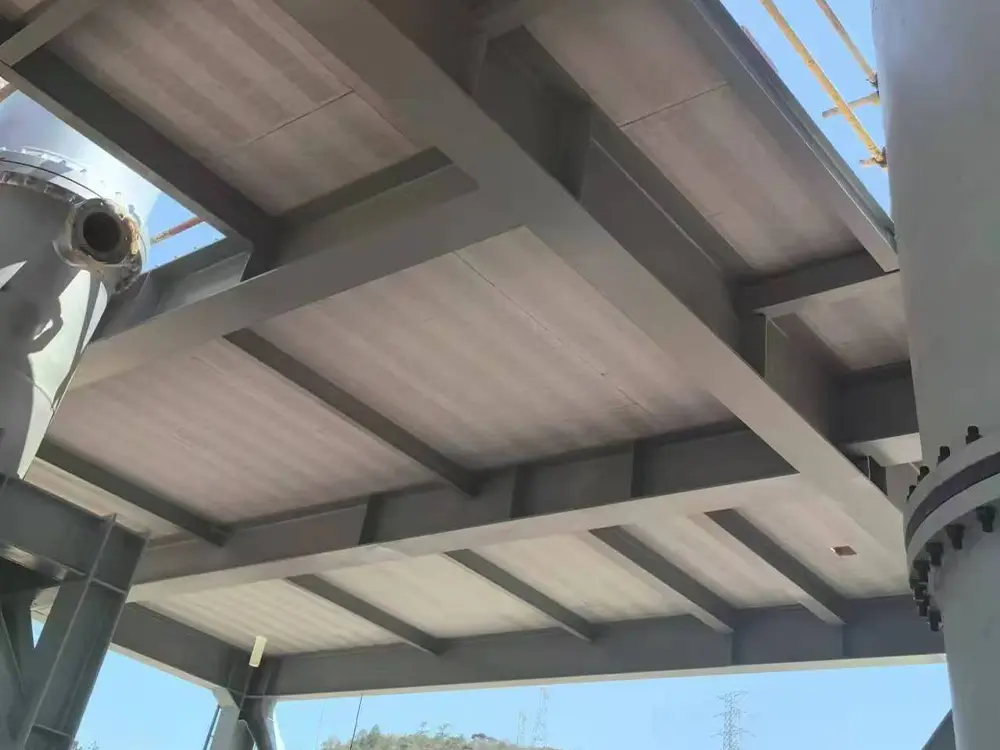 LEAO® Non-removable Formwork
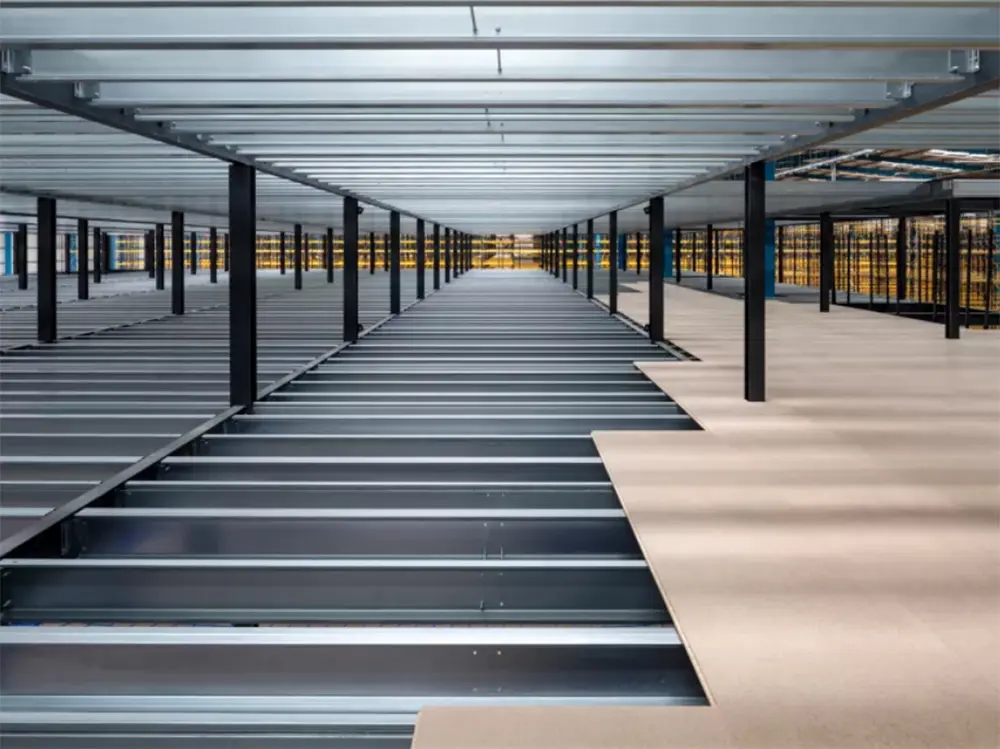 LEAO® Mezzanine Board
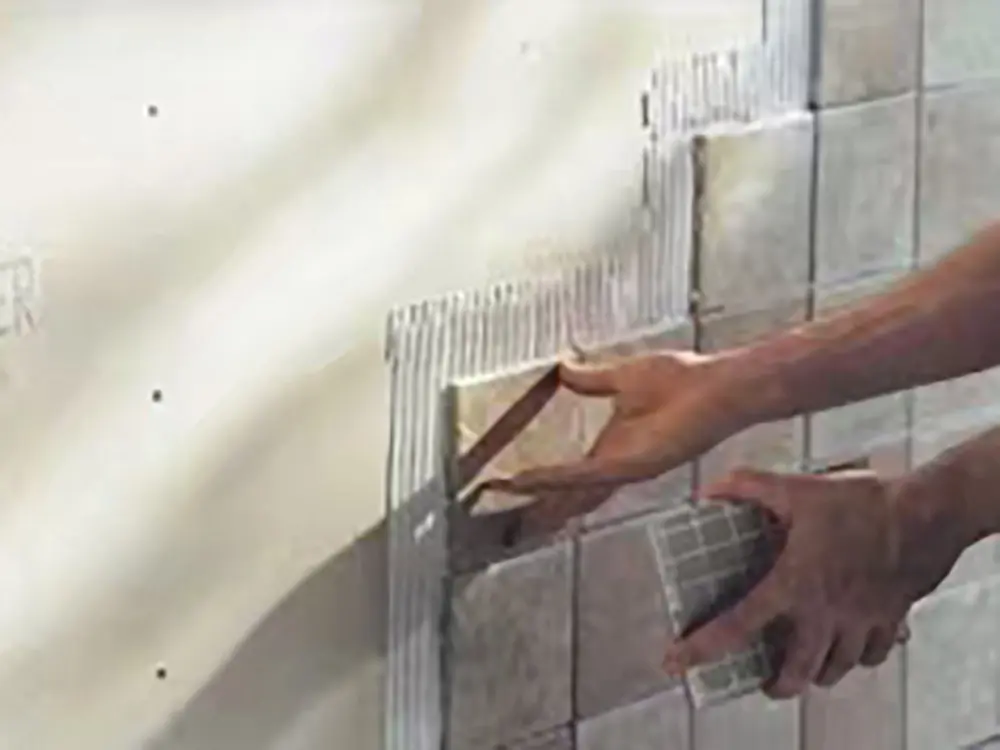 LEAO® Ceramic Tile Underlay
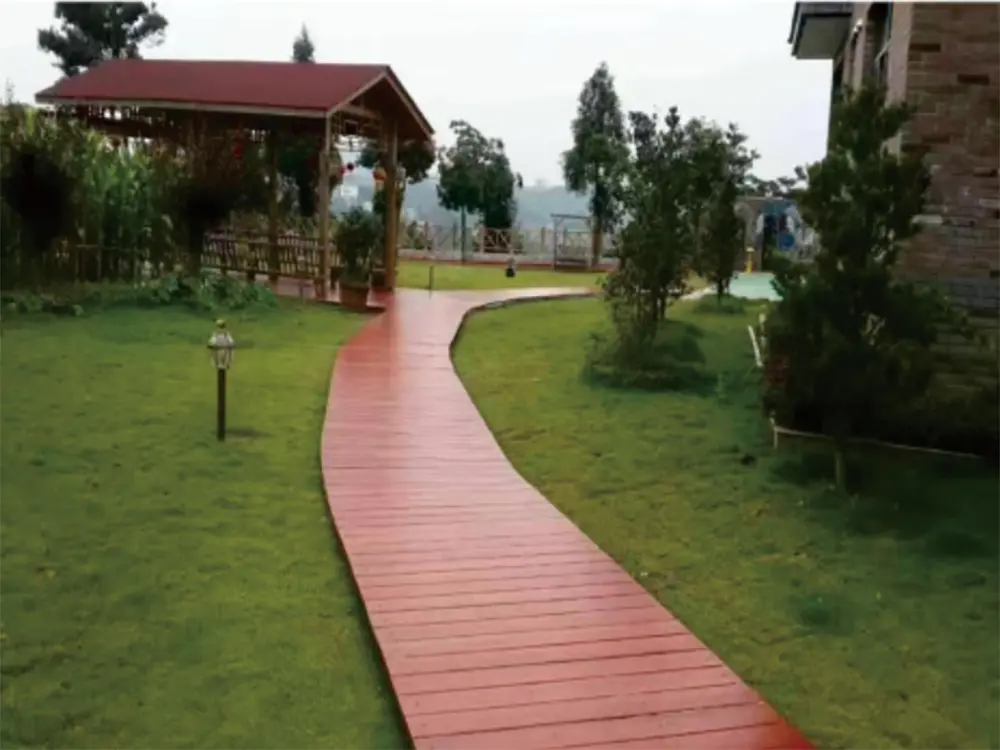 LEAO® Floor Plank
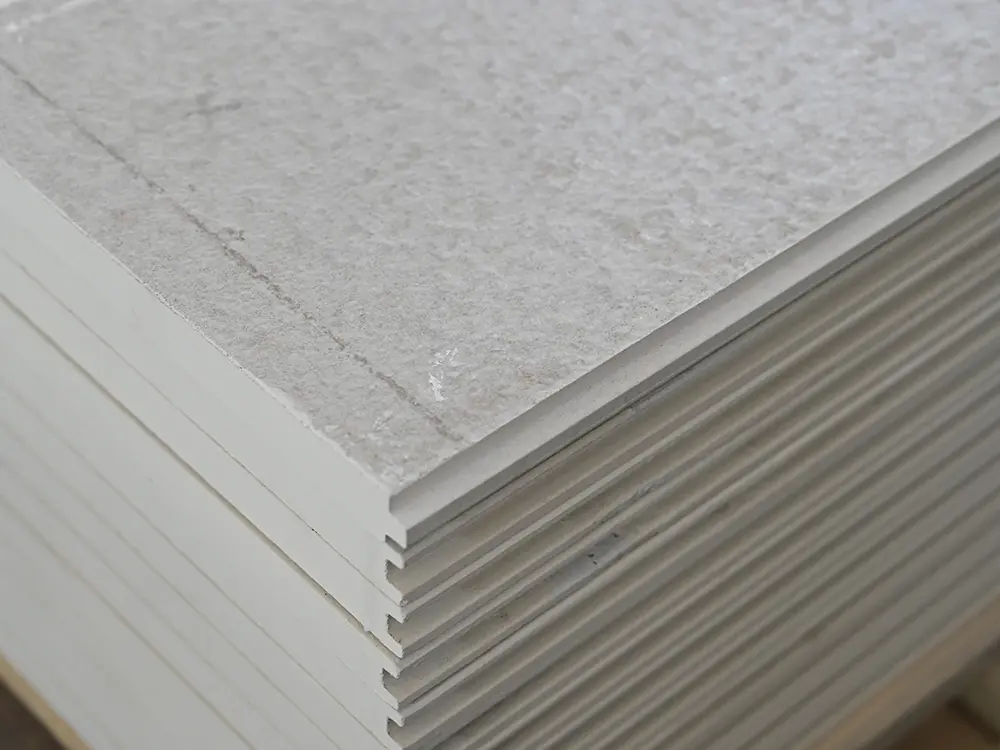 LEAO® Flooring
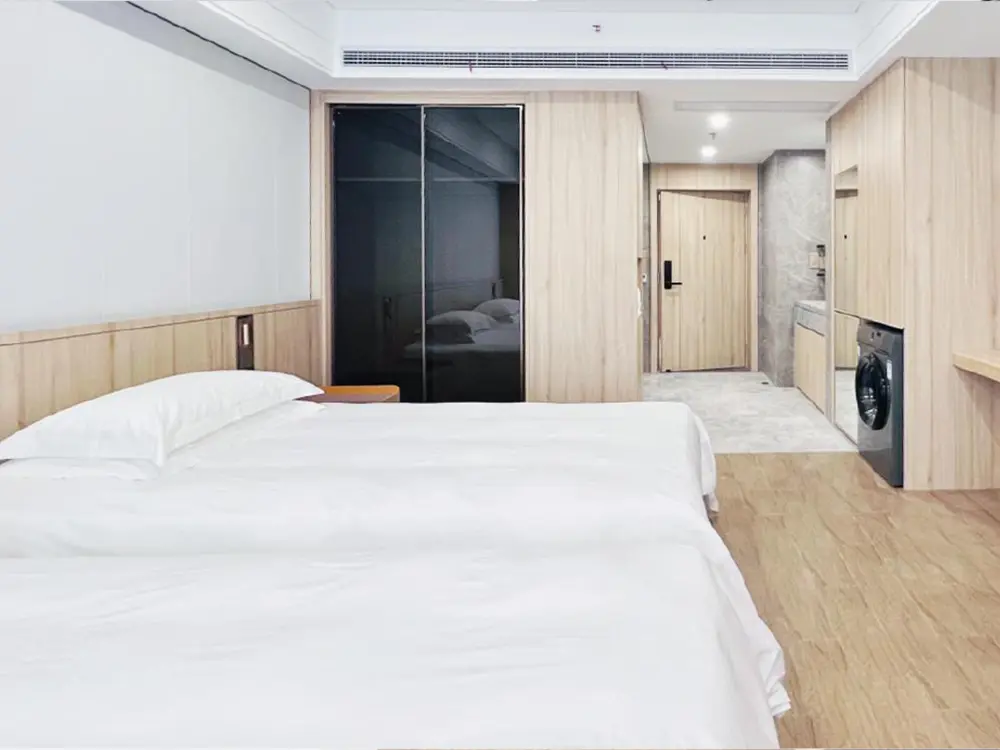 LEAO® Wood Style Decorative Panel
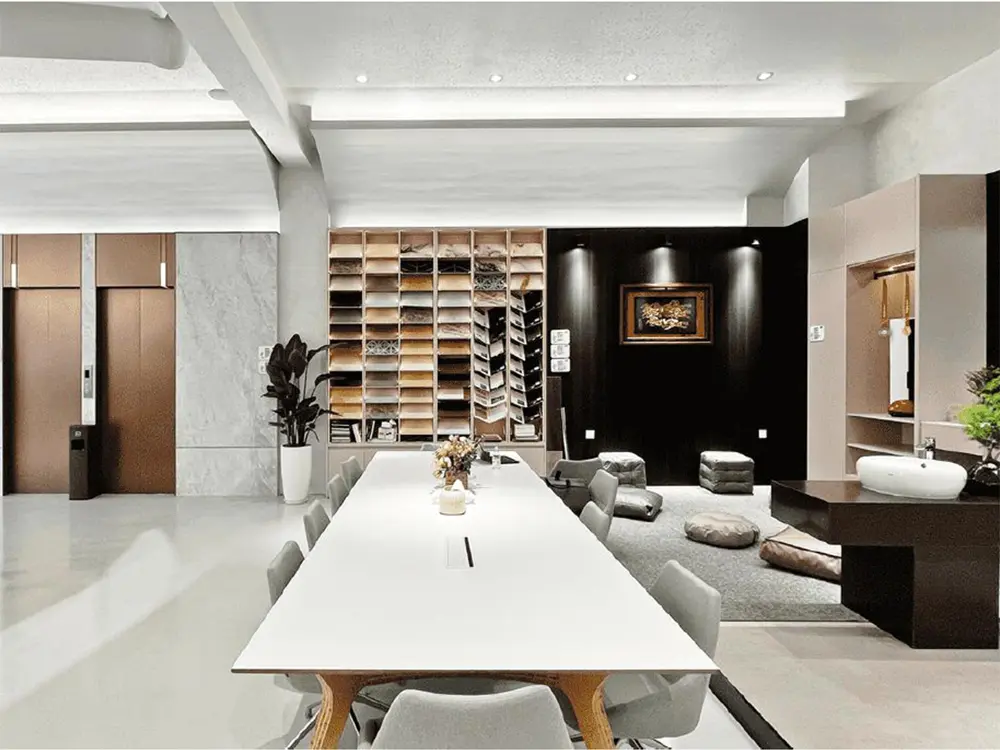 LEAO® Stone Style Decorative Panel
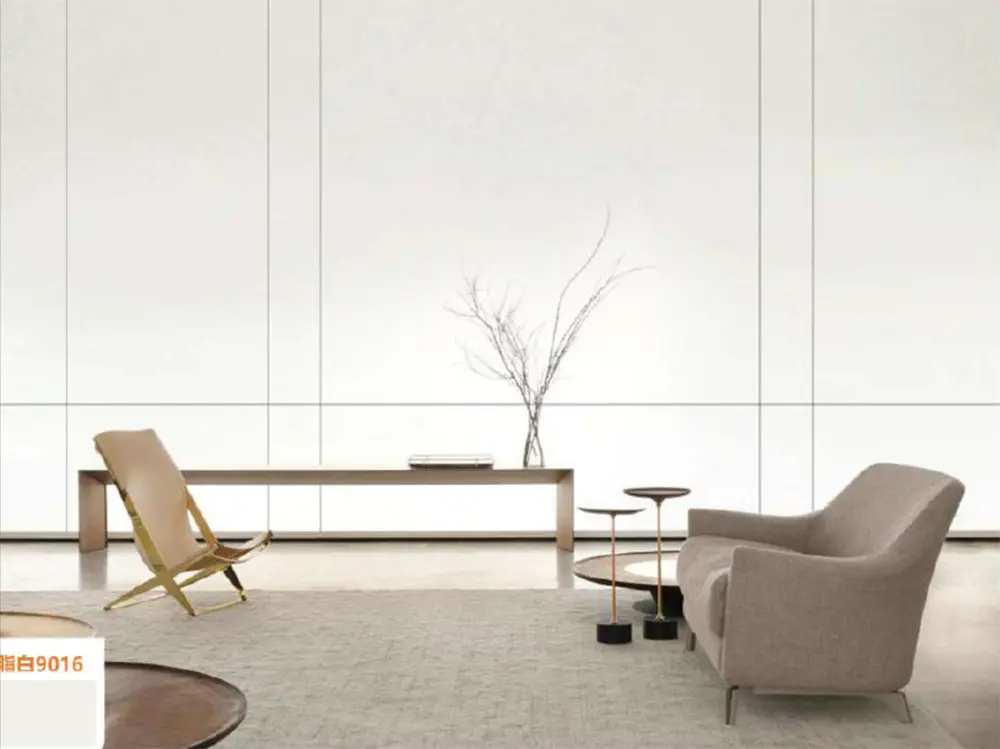 LEAO® Pure Style Decorative Panel