Why Choose Fiber Cement Backer Board for Your Next Home Project?
When planning your next home project, consider the advantages of Fiber Cement Backer Board. This material has gained popularity among builders and homeowners alike. According to a report from the Portland Cement Association, Fiber Cement Backer Board often outperforms traditional materials in moisture resistance and durability. These features are crucial for maintaining the integrity of your home, especially in areas exposed to water.
More than 90% of builders recommend Fiber Cement Backer Board for bathrooms and kitchens. However, not all boards are created equal. Some options may lack the necessary structural stability or moisture resistance. Choosing reputable brands with proven track records ensures better long-term performance.
It’s essential to evaluate your specific project needs. Often, the initial cost might seem higher than traditional options. Yet, the resilience and lifespan of Fiber Cement Backer Board can lead to significant savings on repairs and replacements. Opting for the right product is not just a decision; it’s an investment in your home’s future.
Benefits of Fiber Cement Backer Board in Home Renovations
Fiber cement backer board is an excellent choice for home renovations. It is durable and resistant to moisture, making it ideal for wet areas like bathrooms and kitchens. This material does not warp or decay, ensuring your renovations last longer. The ability to withstand harsh conditions provides a sense of peace for homeowners seeking longevity in their projects.
Additionally, fiber cement backer board offers superior fire resistance. This feature is crucial for safety-conscious homeowners. Installing this board can help protect your home from potential fire hazards. Its installation is straightforward, but proper technique is essential. Many DIYers may underestimate the importance of following guidelines, which could lead to issues later.
Cost-effectiveness is another aspect worth considering. While the initial investment might be higher than traditional materials, the long-term savings on repairs and replacements are significant. However, some homeowners may overlook the installation process, leading to complications. Attention to detail during installation can prevent mistakes that might require expensive fixes down the line. Choosing fiber cement backer board not only enhances your home’s durability but also reflects thoughtful planning in your renovation efforts.
Why Choose Fiber Cement Backer Board for Your Next Home Project? - Benefits of Fiber Cement Backer Board in Home Renovations
| Feature |
Description |
Benefits |
| Durability |
Resistant to moisture, insects, and extreme weather conditions. |
Longer lifespan compared to traditional wood backer boards. |
| Fire Resistance |
Non-combustible material with a rating that meets local fire codes. |
Enhanced safety for homes in fire-prone areas. |
| Ease of Installation |
Can be cut with standard tools and is lightweight. |
Saves time and labor costs during installation. |
| Versatility |
Suitable for a variety of applications including kitchens and bathrooms. |
Can be used with various finishing materials like tile and paint. |
| Cost-Effectiveness |
Higher upfront cost but lower maintenance and replacement expenses. |
Long-term savings due to durability and lower repair frequency. |
Cost-Effectiveness: Comparing Fiber Cement with Other Materials
When considering building materials, the cost-effectiveness of fiber cement backer board stands out. According to the National Association of Home Builders, fiber cement boards can last over 50 years with little maintenance. This durability often translates to a lower total cost than materials that require frequent replacements. For instance, homeowners can save approximately 20% on repair costs over a decade compared to plywood or gypsum boards.
Additionally, fiber cement is resistant to moisture, fire, and pests. This resilience ensures a long lifespan, reducing the need for replacement. A report by IBISWorld states that construction industries increasingly favor materials that provide value over time. Fiber cement boards, initially priced higher than traditional options, prove cheaper when maintenance and replacement are considered. Yet, the higher upfront cost may deter some homeowners, creating an ongoing debate in construction circles.
In some cases, professionals note that while fiber cement offers superior benefits, the installation requires skilled labor, which could add costs. Some homeowners may overlook this factor, focusing solely on material prices. It’s essential to consider both immediate expenses and long-term benefits for a comprehensive view.
Moisture Resistance: Why It’s Ideal for Wet Areas
Choosing materials for wet areas in your home is crucial. Fiber cement backer board offers exceptional moisture resistance, making it perfect for bathrooms and kitchens. Unlike traditional materials, it won't warp, swell, or degrade when exposed to water. This resilience helps maintain the structural integrity of your home.
Its unique composition prevents mold growth, a common issue in damp spaces. Homeowners often overlook the importance of mold prevention. Using fiber cement backer board helps create a safer environment. Proper installation is key, and following guidelines is essential to ensure its benefits.
While this material is durable, it's important to note that improper handling can lead to issues. Dust from cutting the board can be harmful. Wearing a mask and using proper tools can mitigate these risks. Overall, fiber cement backer board is a smart choice for wet areas, combining durability with safety. It simplifies maintenance while providing peace of mind for homeowners.
Sustainability and Environmental Impact of Fiber Cement Board
Fiber cement backer board stands out for its sustainability. Made from natural resources, it minimizes environmental impact. The use of cement, sand, and cellulose fibers creates a durable product that lasts. This board is resistant to mold and moisture damage, making it suitable for various climates. It can reduce the need for frequent replacements.
While fiber cement board has many benefits, it's essential to consider its production process. Manufacturing involves energy-intensive processes, which may contribute to carbon emissions. However, the longevity of the board often balances this impact. Choosing local suppliers can lessen transportation emissions. Additionally, proper disposal can further mitigate environmental concerns. Some projects require reflection on these points.
When embarking on a renovation or construction, evaluating materials is crucial. Fiber cement board provides significant advantages in sustainability. However, responsible sourcing and disposal practices are equally important. Making informed choices ensures that your project aligns with your environmental values.
Installation Tips and Best Practices for Fiber Cement Backer Board
Fiber cement backer board is an excellent choice for home improvement projects. When installing, preparation is key. Make sure the area is clean and dry. Use appropriate tools, such as a utility knife for cutting, and be ready for the dust. Proper ventilation in your workspace protects your health.
Consider the layout before securing the boards. Align them carefully to minimize seams. Leave a small gap around the edges for expansion. Fasteners should go in at the designated points to ensure stability. Pay attention to the manufacturer’s guidelines for attachment and spacing. These details can impact your project’s longevity.
Think about moisture management as well. Waterproofing the joints is crucial, especially in wet areas. Use thin-set mortar or a specialized adhesive for a solid bond. Remember, mistakes can happen, and adjustments may be needed. Don’t rush; take the time to do it right. Balancing speed and accuracy is important. Plan ahead, and your project will hold up beautifully over time.
Advantages of Fiber Cement Backer Board

 LEAO®Deco Ceiling
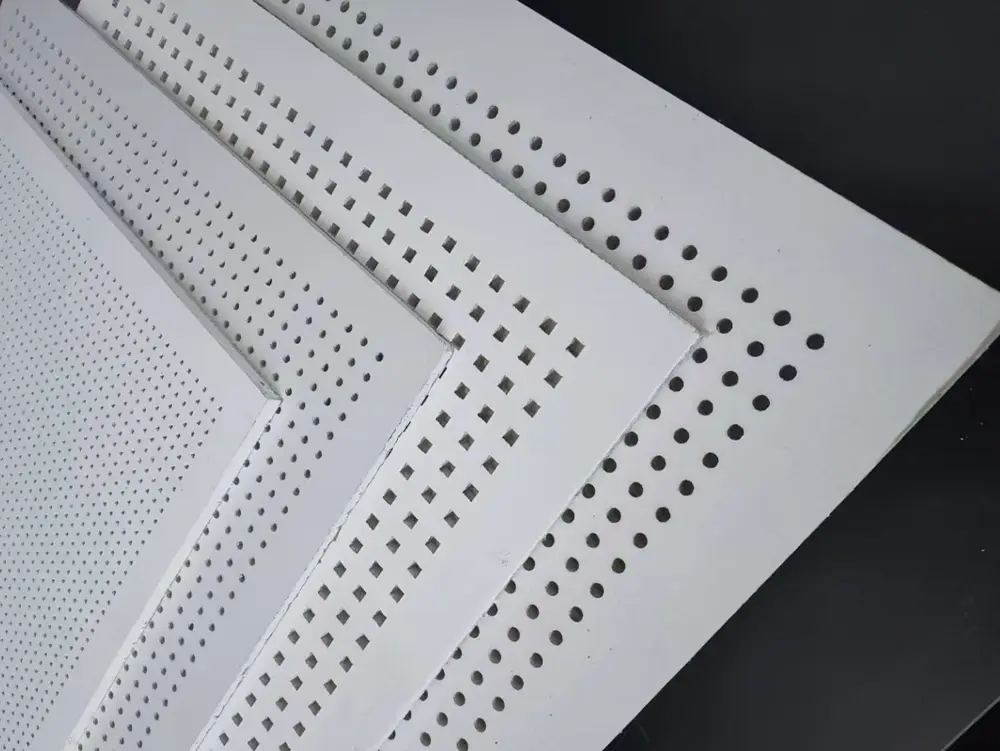 LEAO® Perforated Ceiling
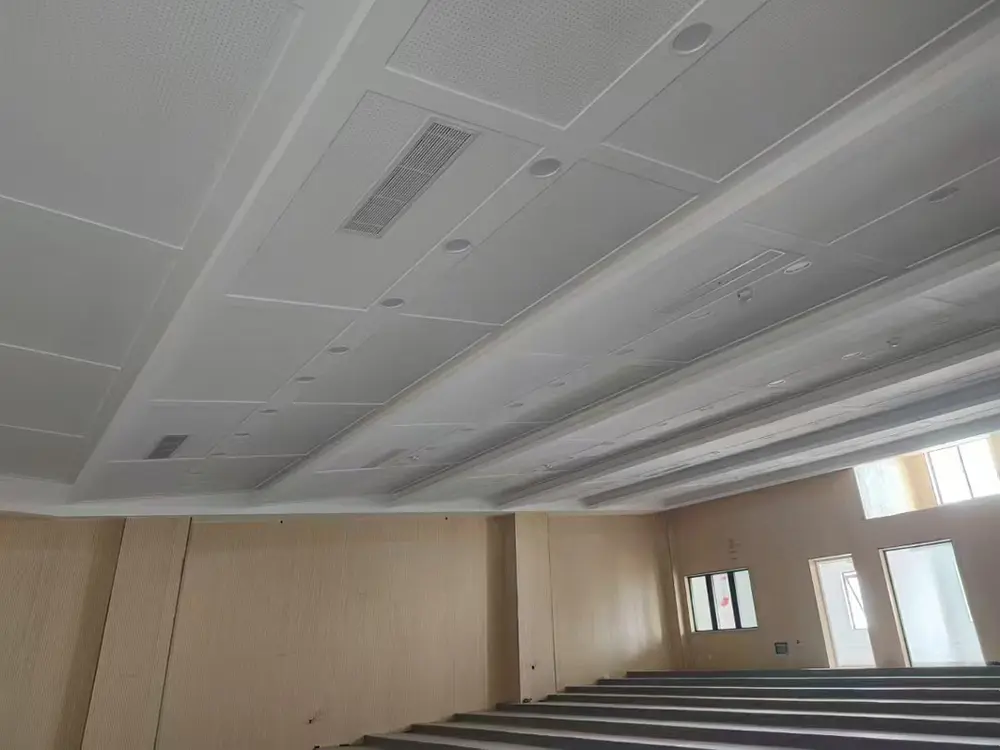 LEAO® Ceiling Board
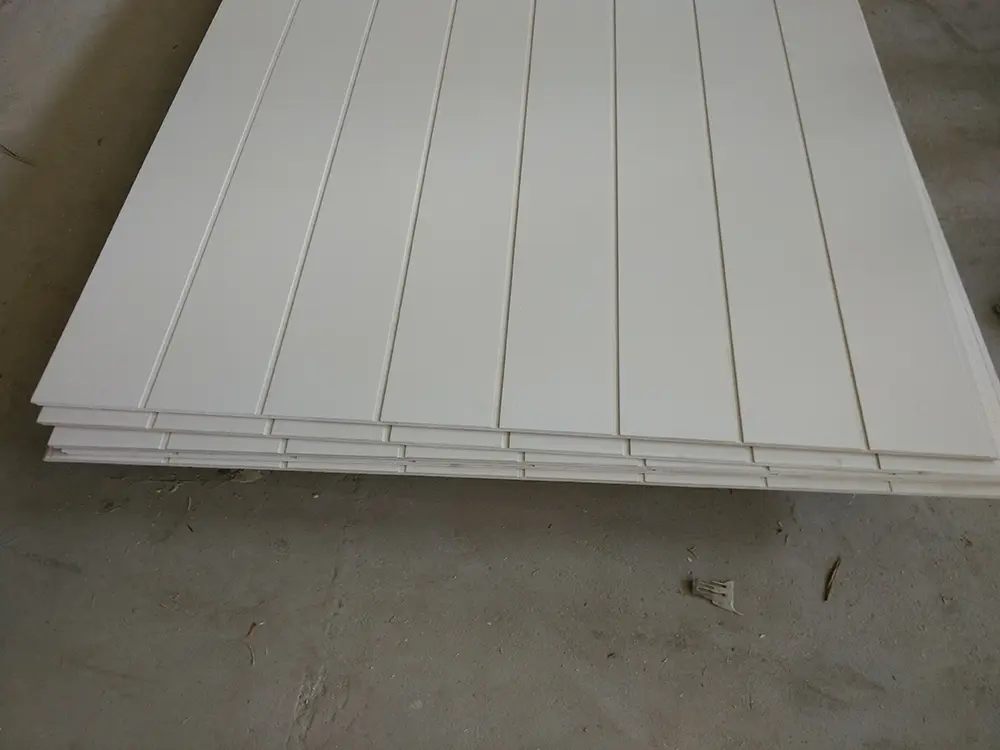 LEAO® Groove Interior Panel
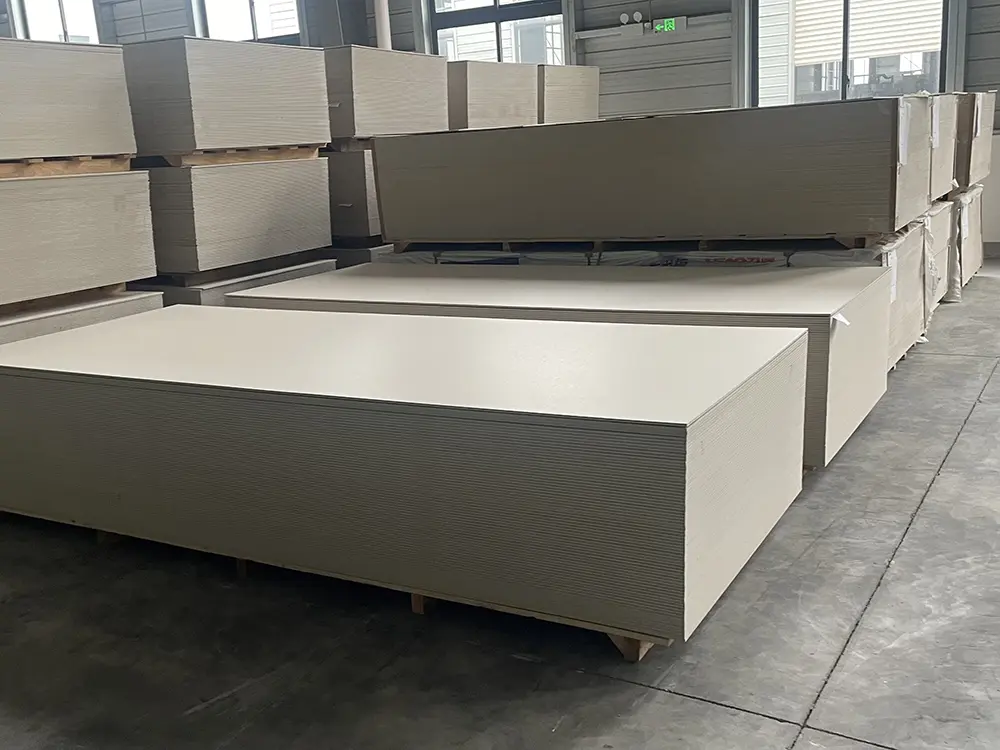 LEAO® Interior Board
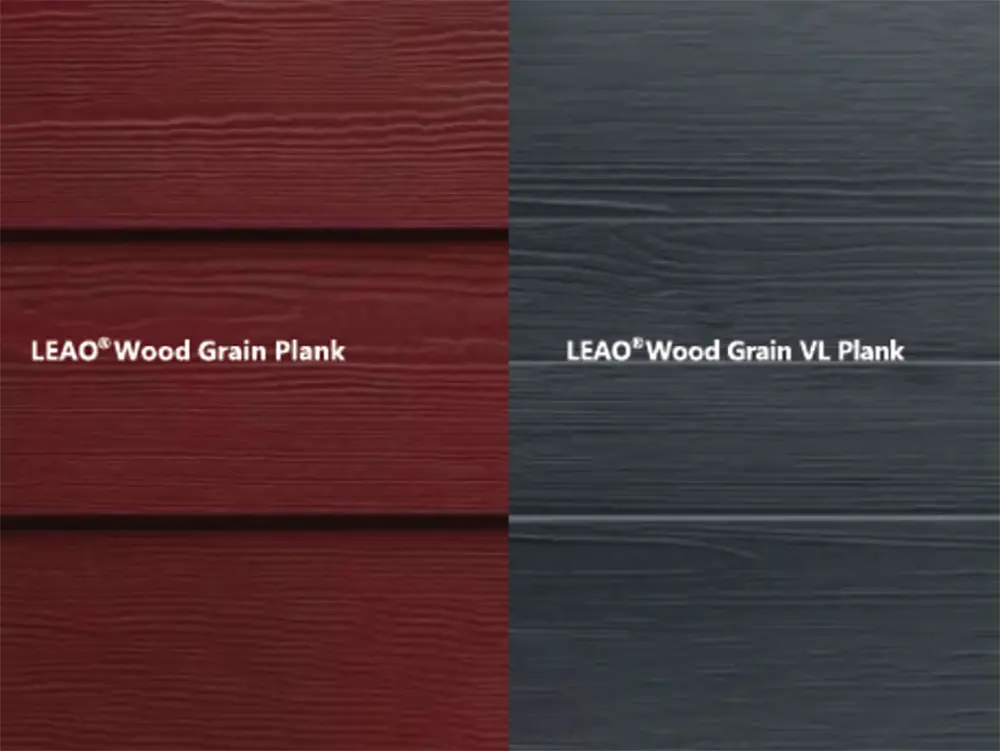 LEAO® Wood Grain Plank
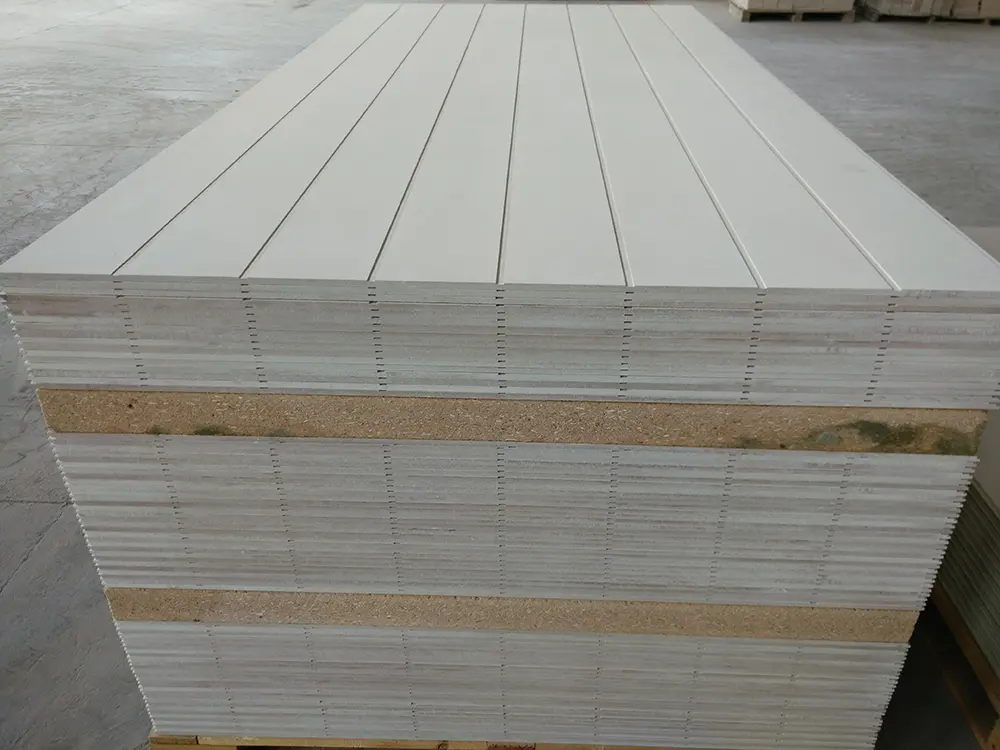 LEAO® Grooved Exterior Panel
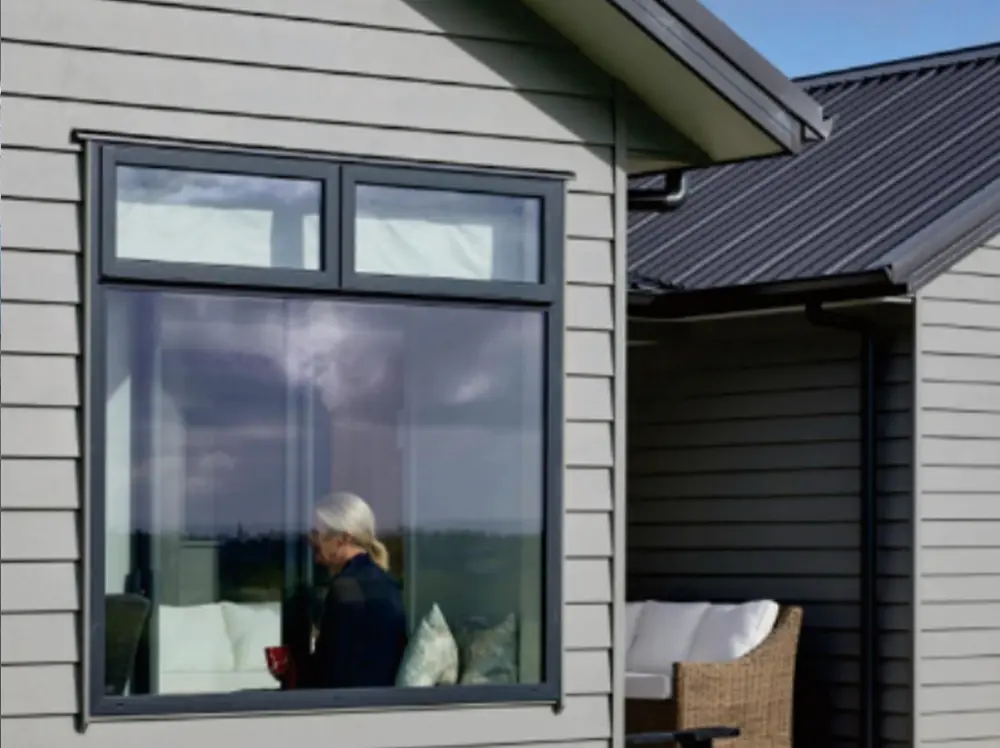 LEAO® Weatherboard
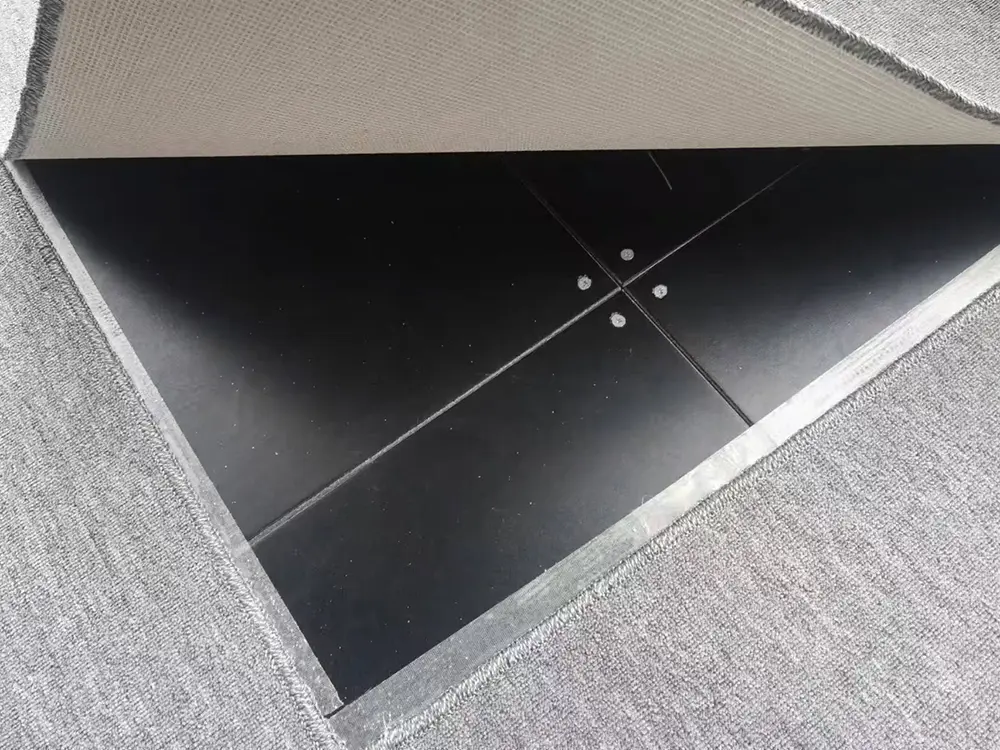 LEAO® Access Floors
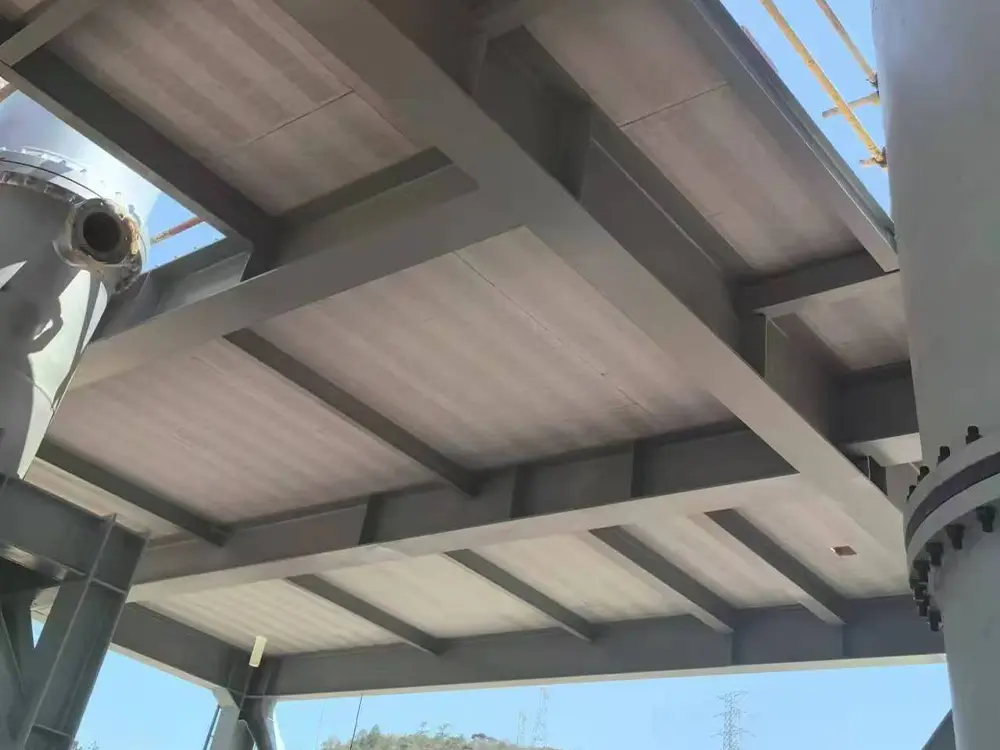 LEAO® Non-removable Formwork
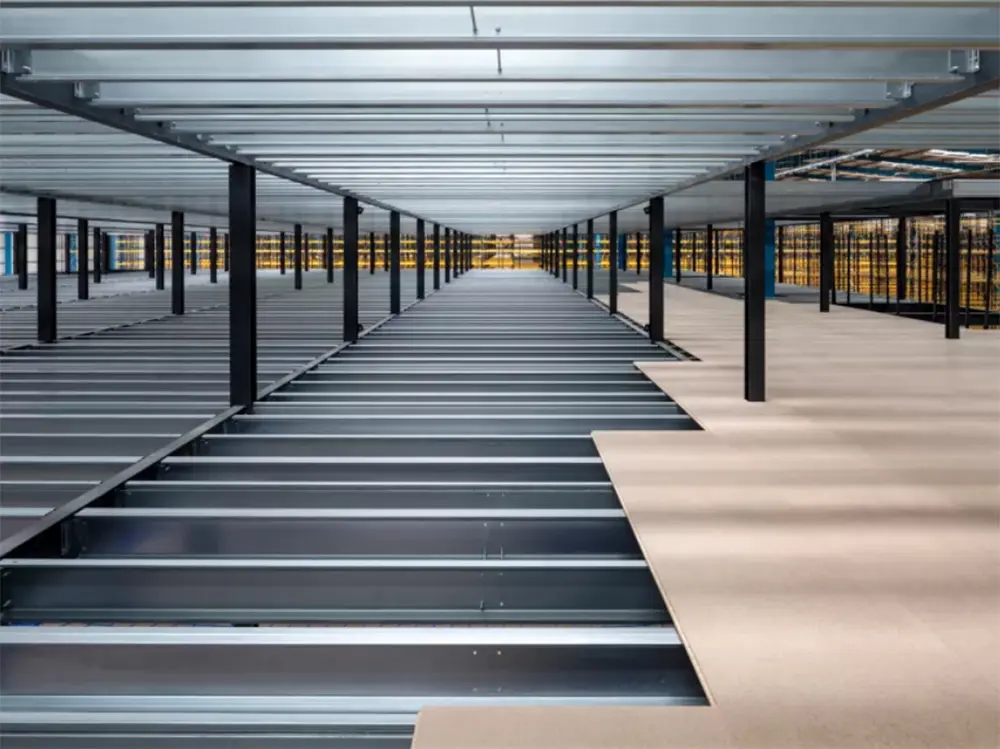 LEAO® Mezzanine Board
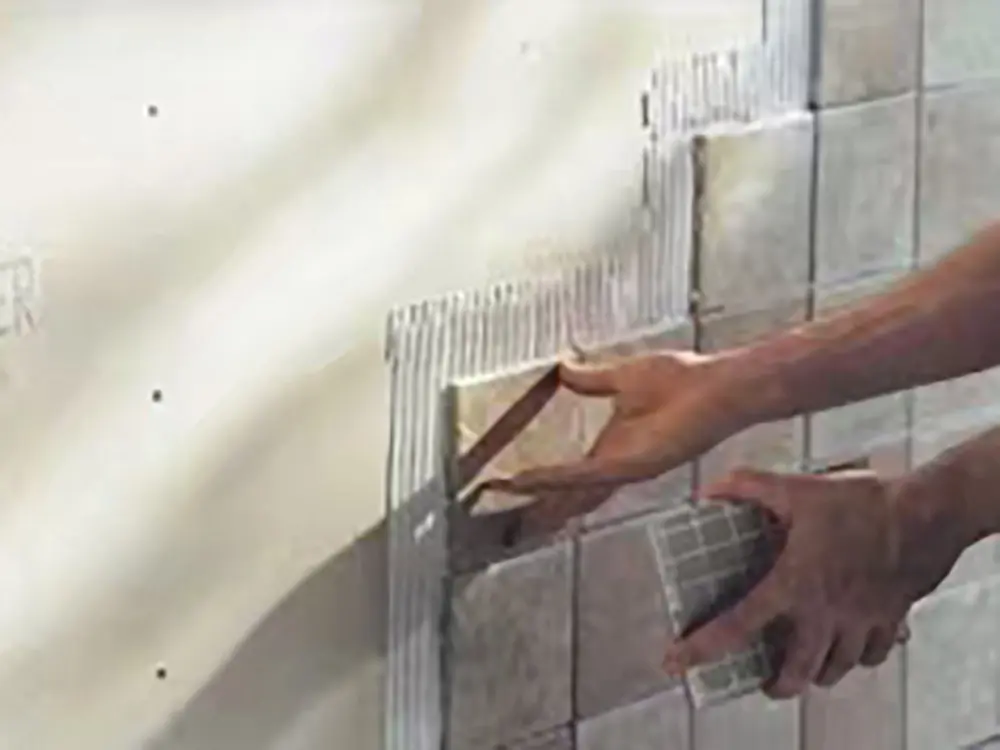 LEAO® Ceramic Tile Underlay
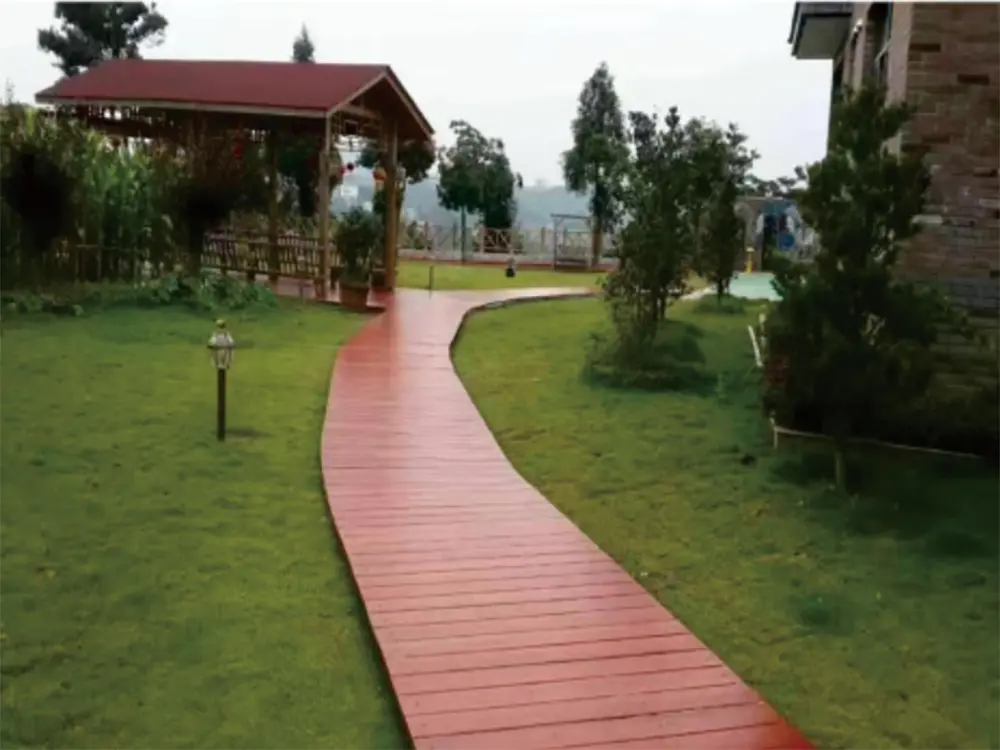 LEAO® Floor Plank
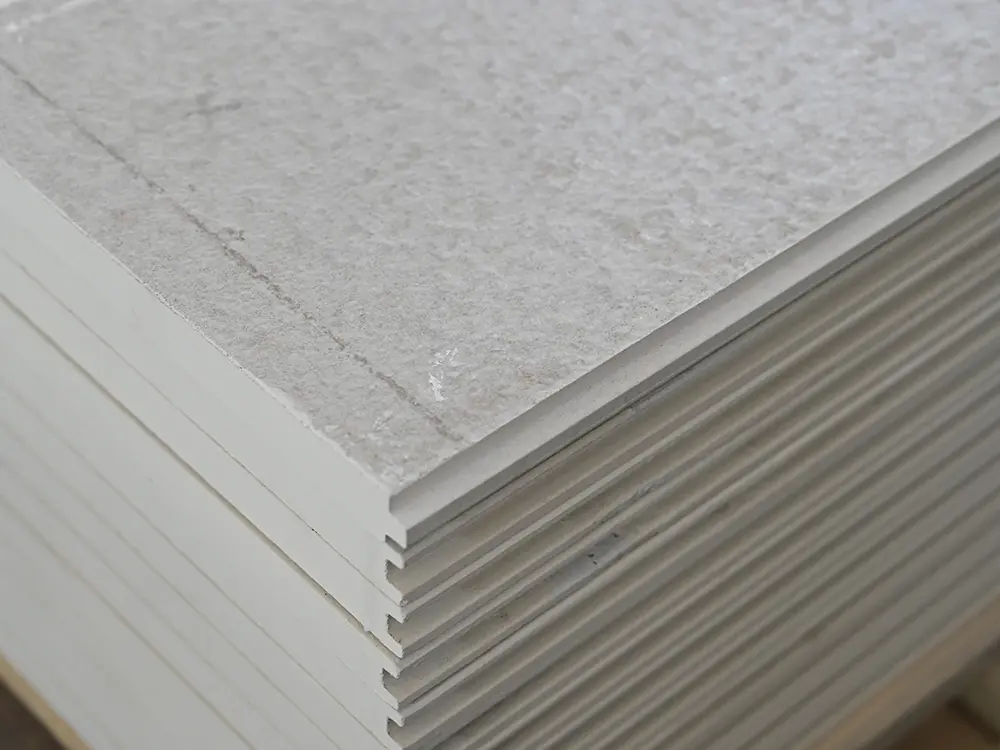 LEAO® Flooring
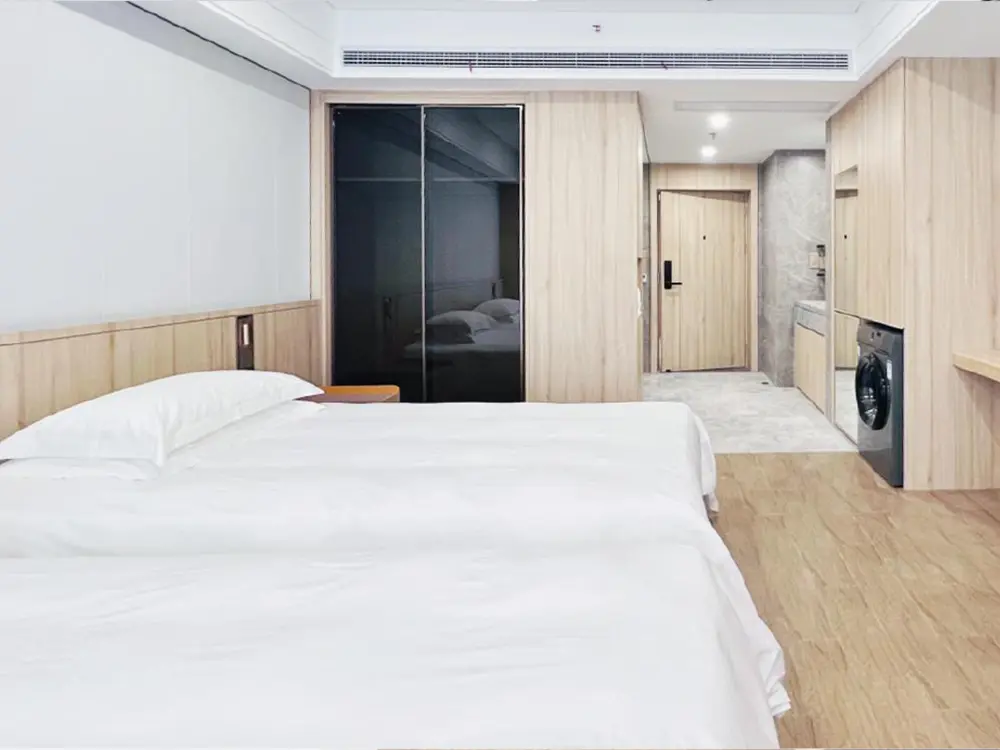 LEAO® Wood Style Decorative Panel
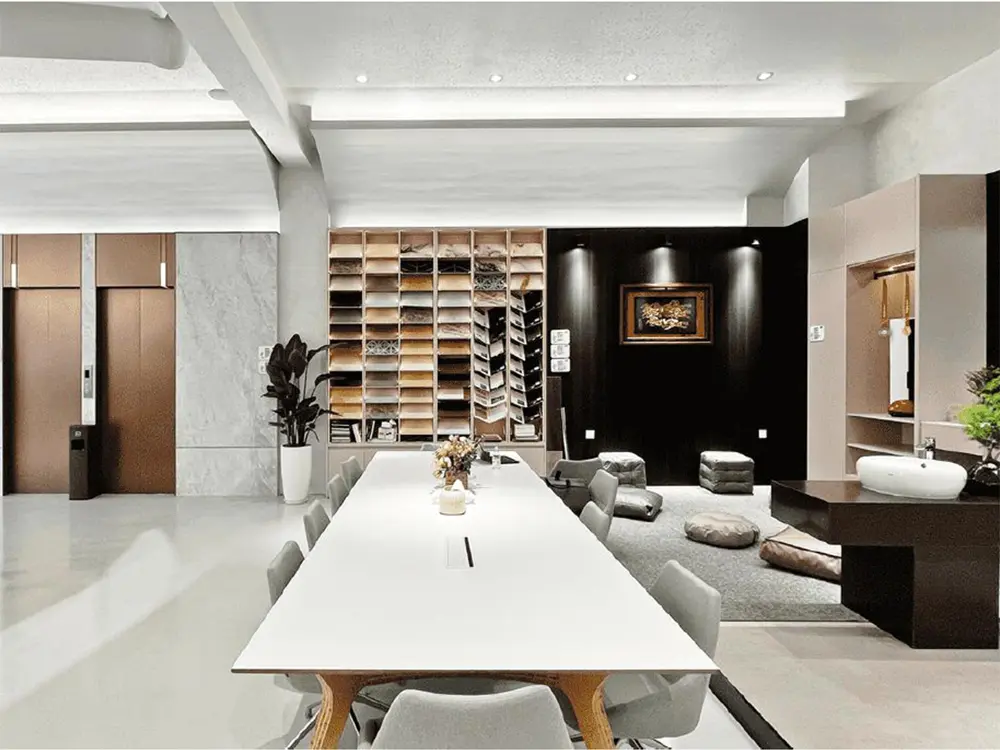 LEAO® Stone Style Decorative Panel
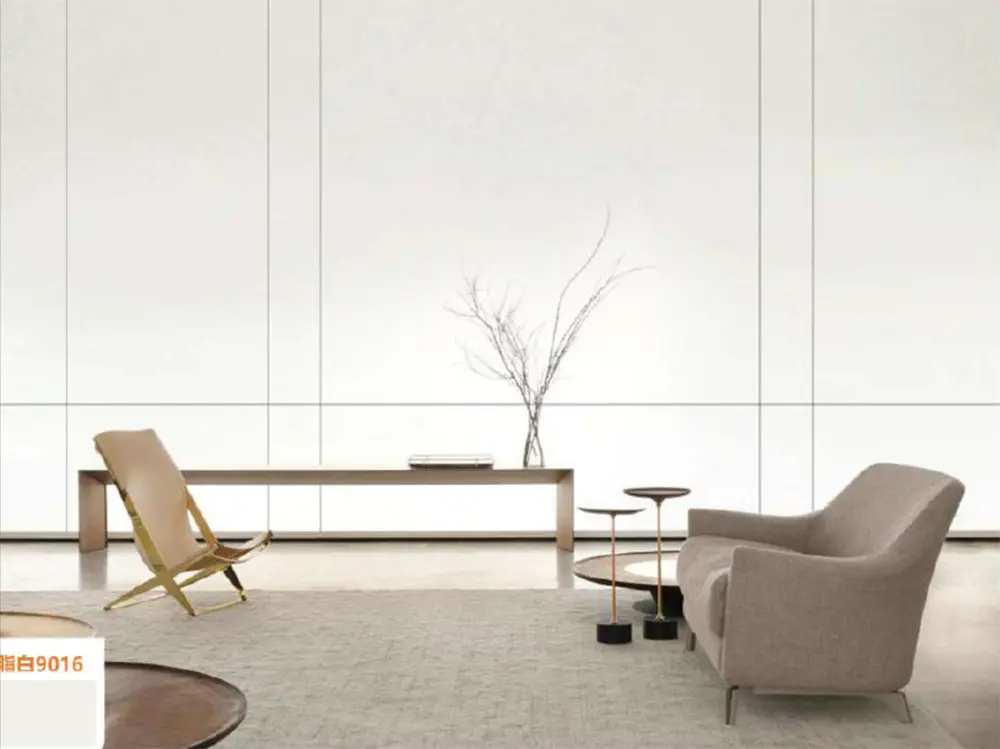 LEAO® Pure Style Decorative Panel