How to Choose the Best Fiber Cement Trim Board for Your Project?
Choosing the right Fiber Cement Trim Board is crucial for any construction project. Expert architect Linda Thompson states, "The trim is a vital component that enhances both aesthetic and functionality." With various options available, it can seem overwhelming. Selecting a board that fits both style and durability is essential.
Fiber Cement Trim Boards are known for their long-lasting performance and resistance to harsh elements. They can emulate the look of traditional wood while offering superior resilience. However, not all Fiber Cement Trim Boards are created equal. Some may lack the quality needed for lasting beauty.
Understanding the unique characteristics of each product is important. Factors like thickness, finish, and manufacturer reputation play a significant role. It is a process that requires careful consideration. Making the wrong choice can lead to costly mistakes in the long run.
Understanding Fiber Cement Trim Board and Its Advantages
Fiber cement trim board is becoming increasingly popular for home projects. This durable material offers distinct advantages that can enhance the aesthetic appeal of your property. It is made from a mixture of cement, sand, and cellulose fibers, making it resistant to rotting, warping, and termites. This makes it ideal for areas with fluctuating weather conditions. Fiber cement also holds paint well, ensuring a long-lasting finish.
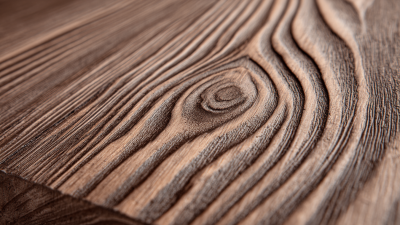
When selecting fiber cement trim, consider the finish and texture. Choices may range from smooth to wood-like grains. The right choice can complement your home’s architecture beautifully. Always check for certifications that guarantee safety and performance. This establishes reliability in your decision-making.
**Tips:**
Look for pre-primed boards for easier painting. Ensure they are suitable for exterior use. Also, consider the thickness; thicker boards tend to be more resilient.
Also, think about installation. While fiber cement is durable, it can be heavy. You might need assistance during installation. Always read the manufacturer’s instructions carefully. This will help prevent mistakes.
Factors to Consider When Selecting Fiber Cement Trim Board
When selecting a fiber cement trim board for your project, several factors come into play. First, consider the thickness and dimensions of the board. A thicker board can provide better durability and resistance to warping, which is crucial in varying weather conditions. Make sure to choose the right height and length to fit your installation requirements.
Next, evaluate the finish of the board. Some boards come primed and ready for paint, while others feature textured surfaces that mimic wood grain. A textured surface can add visual appeal and charm to your project. Also, look for boards that have a warranty. This can be a reliable indicator of the product’s quality and the manufacturer's confidence in their materials.
Lastly, think about the installation process. Some boards are easier to work with than others. Think about whether you’ll need specialized tools or techniques. This could affect your project timeline and labor costs. Planning for these details can help prevent potential issues later on. Choosing the right trim board involves more than just aesthetics; it requires careful consideration of practical factors.
Comparing Different Brands and Manufacturers of Fiber Cement Trim
When selecting fiber cement trim boards, comparing different brands and manufacturers is crucial. Each company offers unique features, benefits, and potential drawbacks. For example, some brands may emphasize environmental benefits, using sustainable materials in their products. This can align well with eco-conscious homeowners looking for greener building options. However, not all brands disclose the origins of their materials, making it difficult to assess their true impact.
According to industry reports, installation and maintenance are key factors influencing the choice of fiber cement trim. Studies indicate that about 30% of homeowners face challenges with fading or cracking over time. This suggests the importance of durability in the selection process. Not all trims hold up equally, so examining product reviews and warranty information becomes vital. Some manufacturers provide lengthy warranties, reflecting confidence in their products' longevity. Yet, a long warranty does not guarantee satisfactory performance for every user.
Cost is another variable in the decision-making process. Fiber cement trim boards can range significantly in price. A report shows that high-end options might cost nearly 40% more than budget alternatives. However, the initial savings may come with increased maintenance costs later. It's essential to assess the overall value, rather than just the upfront price. Some less expensive boards can lead to more repairs down the line, which could negate any savings. Evaluating all these factors helps guide a well-informed choice.
Installation Tips for Fiber Cement Trim Board
When installing fiber cement trim boards, proper preparation is crucial. Ensure the surface is clean and dry. This step prevents future moisture issues. Verify that all measurements align with your project needs. Use a level for accuracy during installation. If you're unsure about the dimensions, it's wise to recheck before cutting.
Utilize corrosion-resistant fasteners. They support the trim boards without compromising durability. Pay attention to the gaps between boards. Adequate spacing allows for expansion and contraction. Weather can cause issues if boards are too close. Use a caulking gun for better water resistance along seams and edges. This will help maintain the trim over time.
Sometimes, you may find the material difficult to work with. The boards can be heavy and cumbersome, so consider having an extra pair of hands. Practice cutting techniques beforehand. It’s easy to misjudge angles when in a hurry. Be patient with yourself as you learn. Each project improves your skill set. Keep these tips in mind to achieve a successful installation.
How to Choose the Best Fiber Cement Trim Board for Your Project? - Installation Tips for Fiber Cement Trim Board
| Dimension |
Thickness |
Weight per Board |
Color Options |
Installation Method |
| 4" x 8" |
0.5" |
30 lbs |
White, Gray, Beige |
Nailed or Screwed |
| 6" x 10" |
0.75" |
45 lbs |
Black, Charcoal, White |
Nailed or Screwed |
| 8" x 12" |
1" |
60 lbs |
Earth Tone, Olive Green |
Nailed or Screwed |
| 10" x 14" |
0.5" |
75 lbs |
Sand, Brick Red |
Nailed or Screwed |
Maintenance and Care for Fiber Cement Trim Board
Fiber cement trim boards are a durable choice for your exterior projects, but they require proper care to maintain their appeal. Regular inspections are essential. Look for signs of wear, such as cracks or damage from moisture. These issues can compromise the boards' longevity. When you spot any damage, address it immediately to prevent further problems.
Cleaning is another crucial aspect of maintenance. Use a gentle detergent and a soft brush to clean the boards. Harsh chemicals can cause discoloration or erosion. It’s also wise to rinse with water after cleaning to remove any residue. Pay attention to the caulking around the trim. Replacing cracked or deteriorated caulk prevents moisture intrusion, which can lead to significant issues over time.
Consider the painting schedule as well. Fiber cement boards often require repainting every 5 to 10 years, depending on the weather conditions in your area. Choose high-quality, exterior-rated paint to ensure a long-lasting finish. Even with careful maintenance, wear can occur. It’s essential to evaluate the boards regularly and reflect on your care practices. Small upkeep efforts lead to big rewards in preserving the integrity of your fiber cement trim.

 LEAO®Deco Ceiling
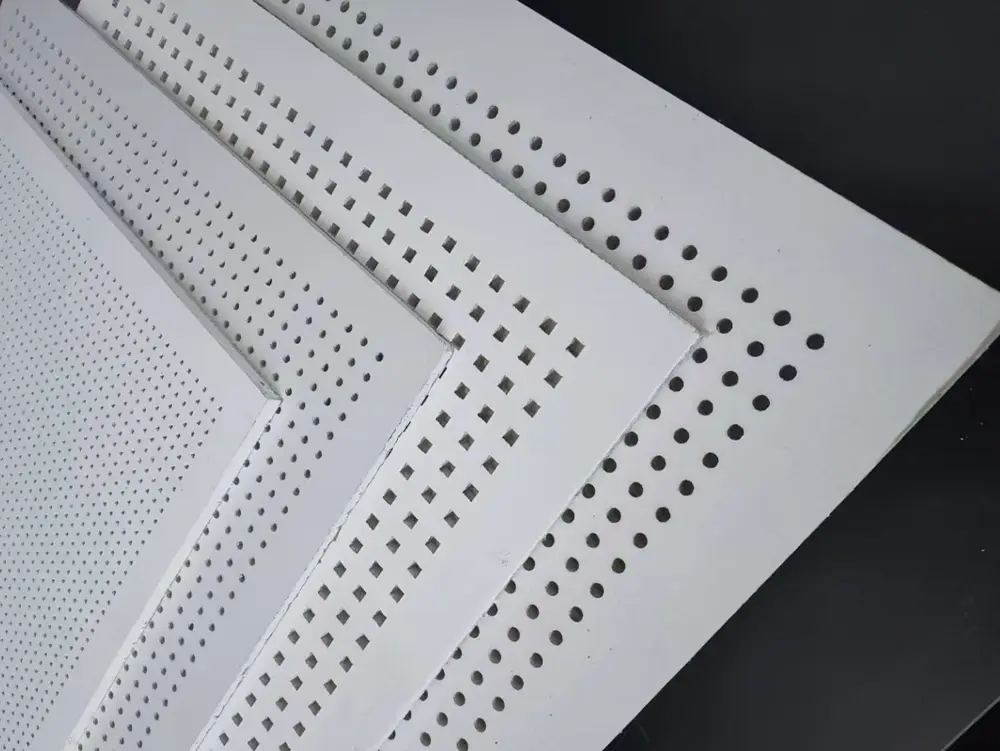 LEAO® Perforated Ceiling
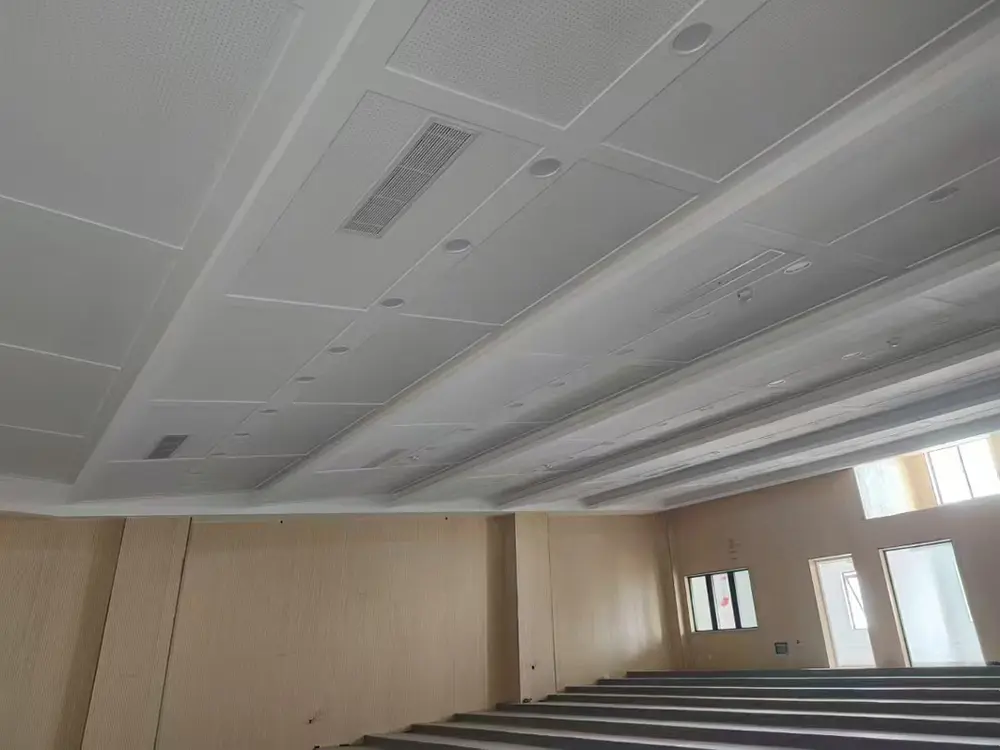 LEAO® Ceiling Board
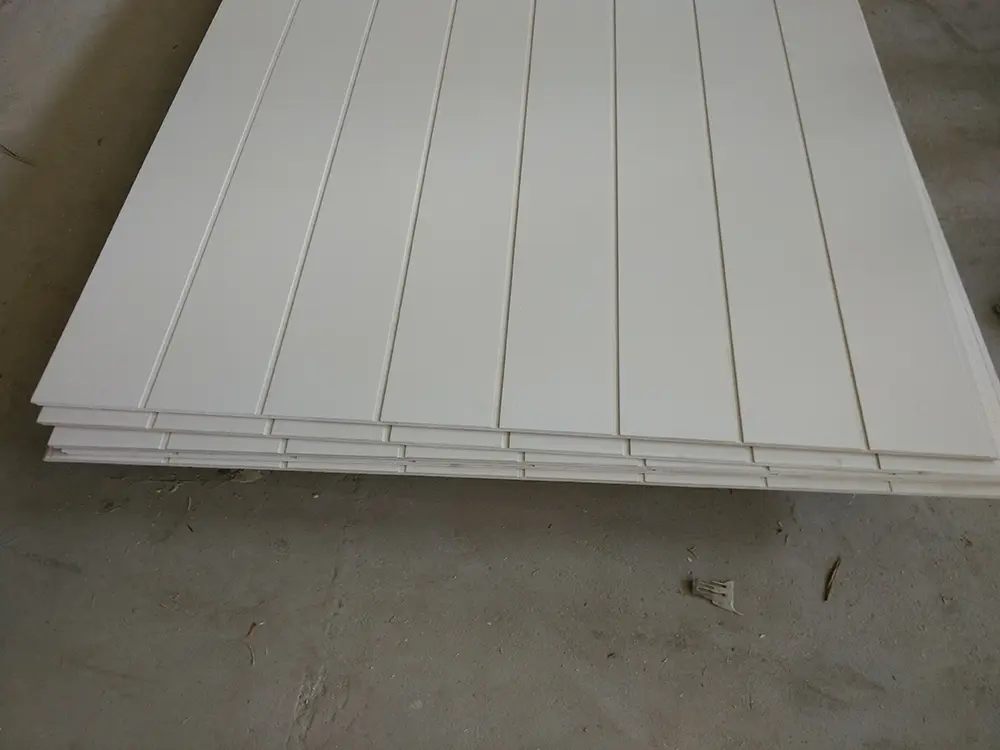 LEAO® Groove Interior Panel
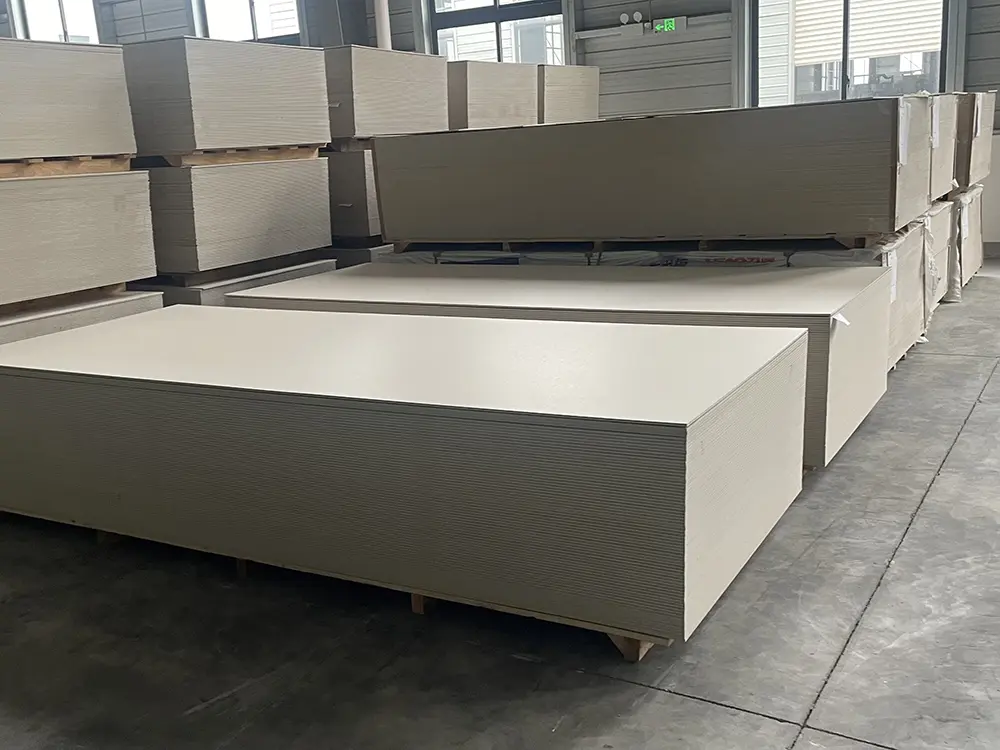 LEAO® Interior Board
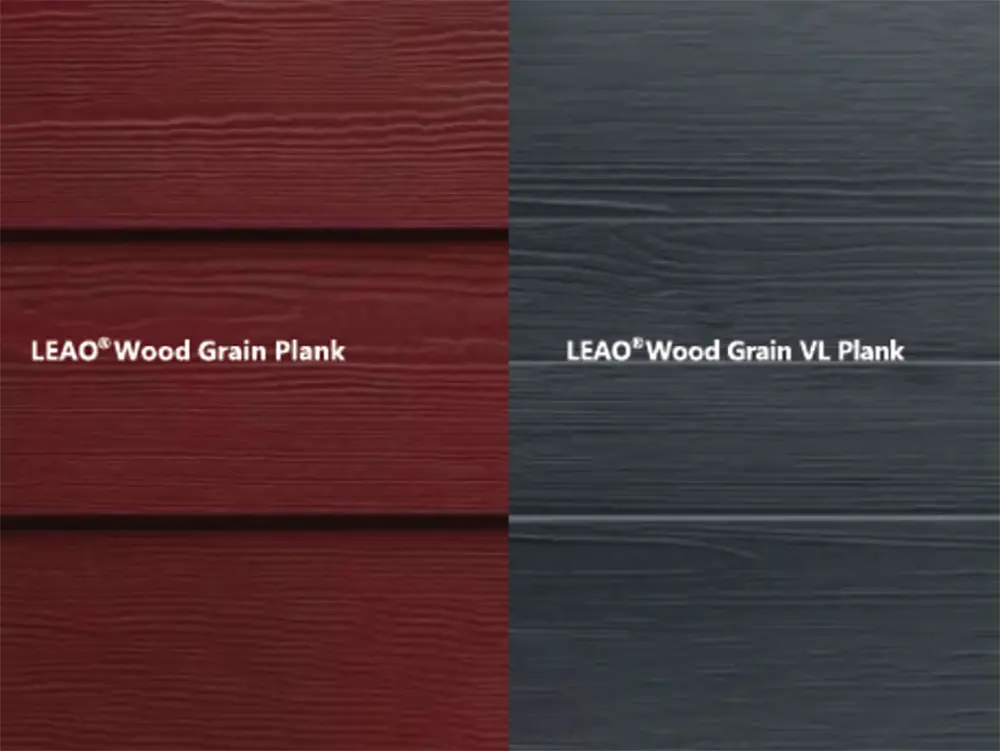 LEAO® Wood Grain Plank
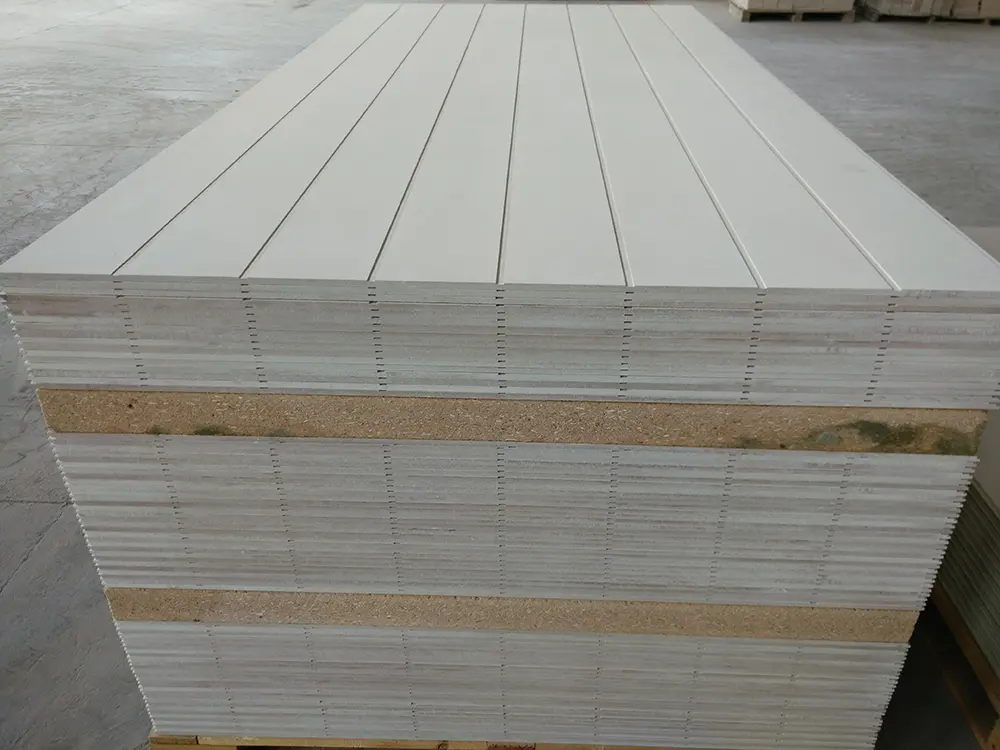 LEAO® Grooved Exterior Panel
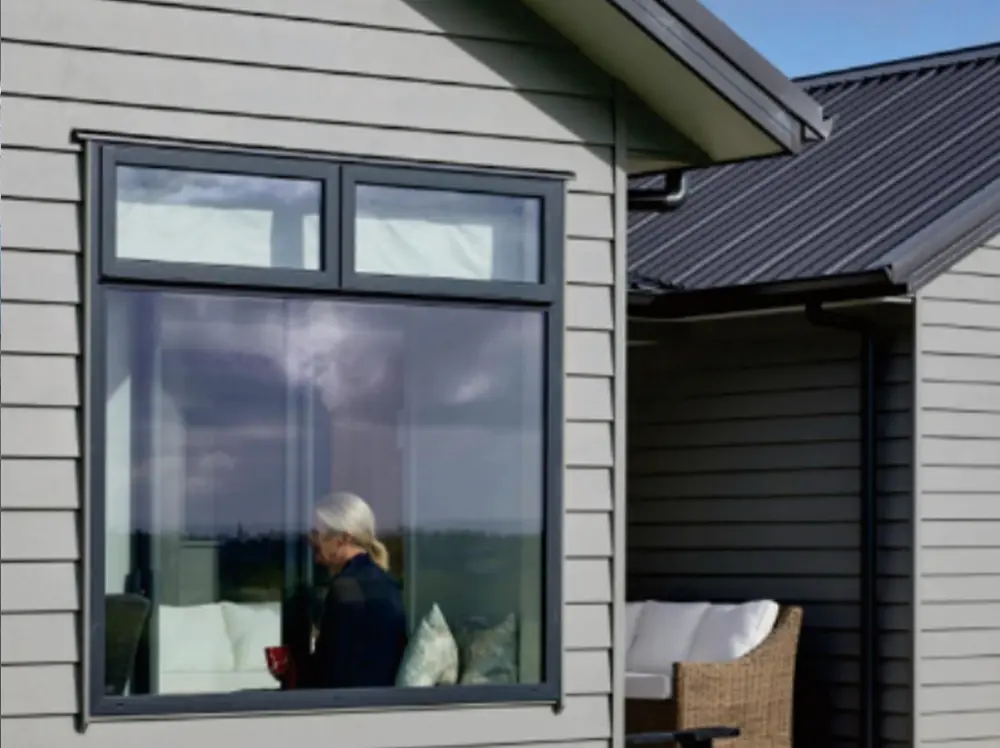 LEAO® Weatherboard
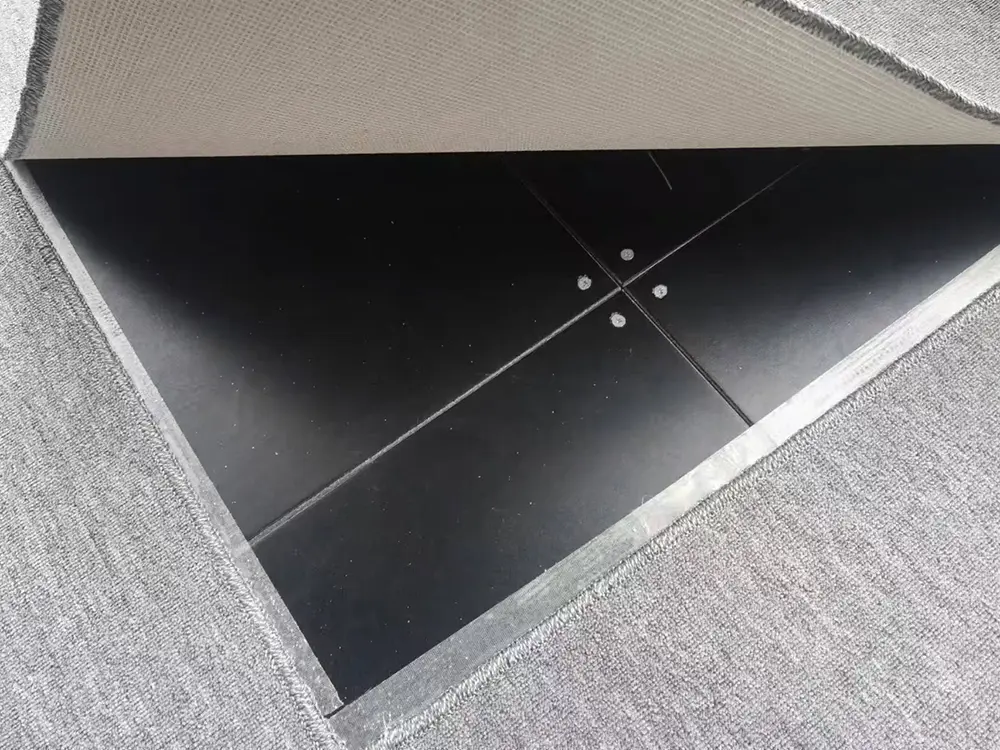 LEAO® Access Floors
 LEAO® Non-removable Formwork
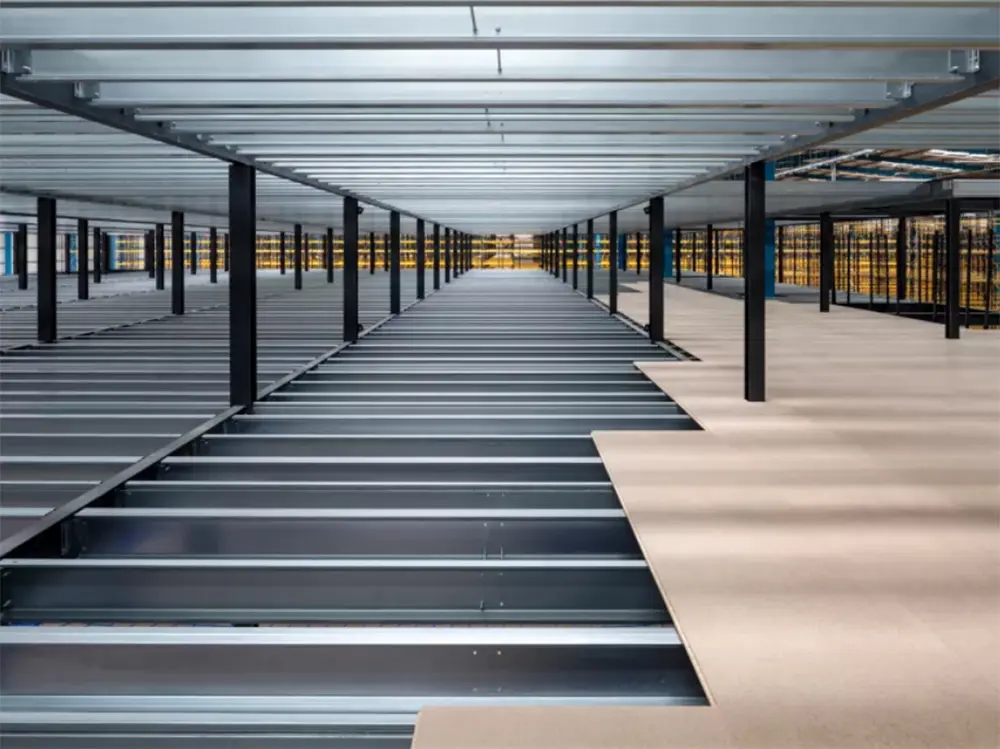 LEAO® Mezzanine Board
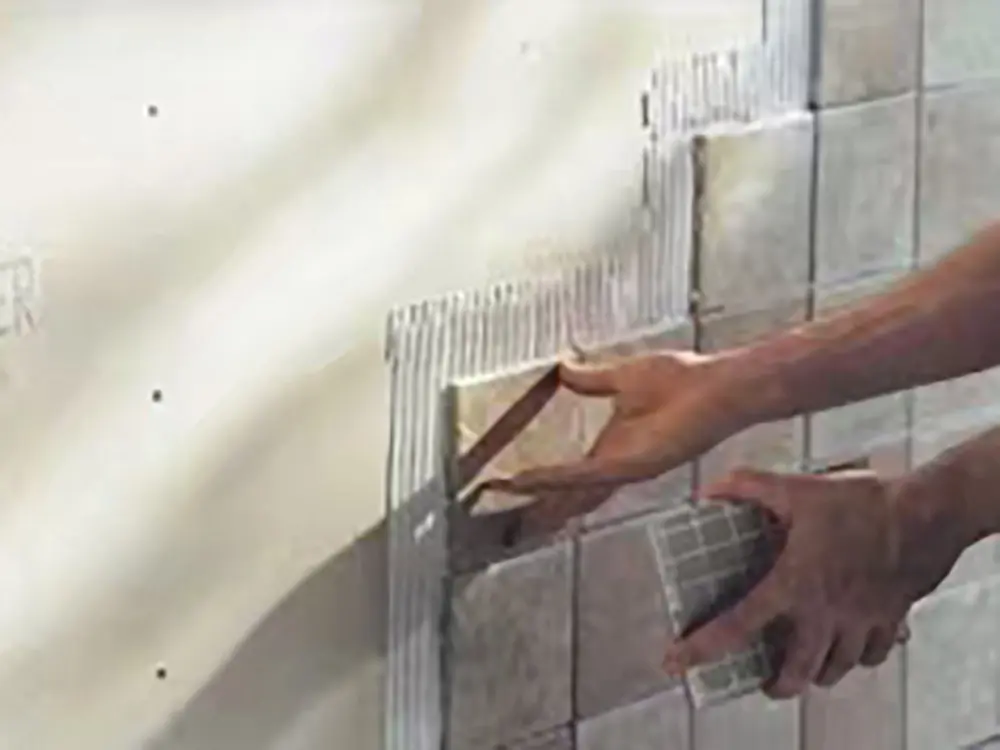 LEAO® Ceramic Tile Underlay
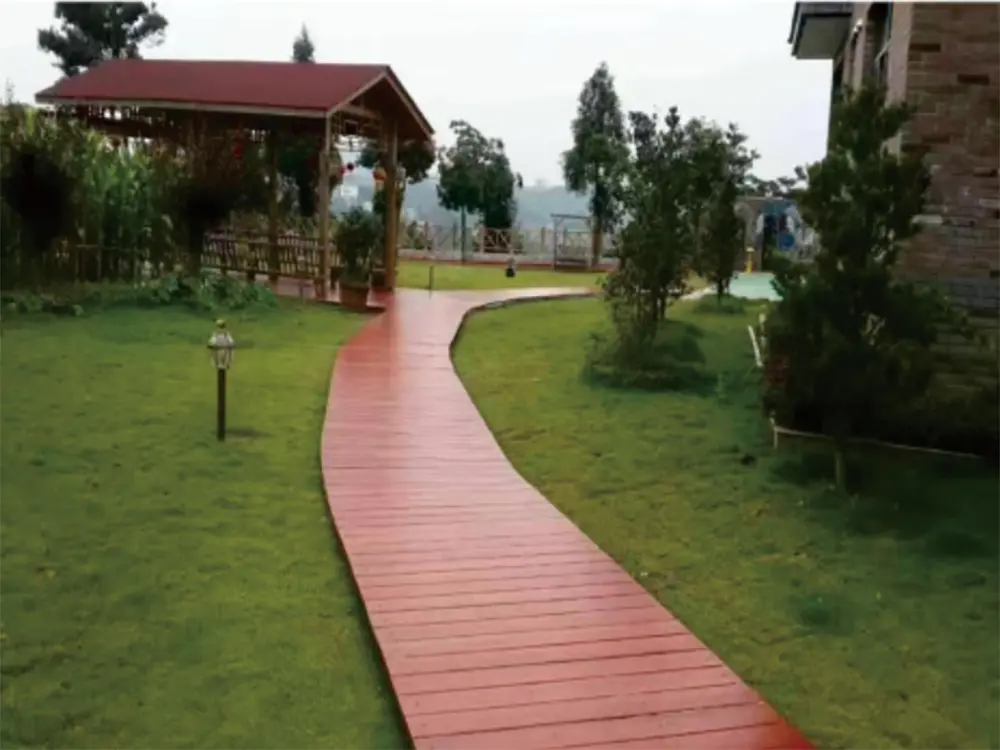 LEAO® Floor Plank
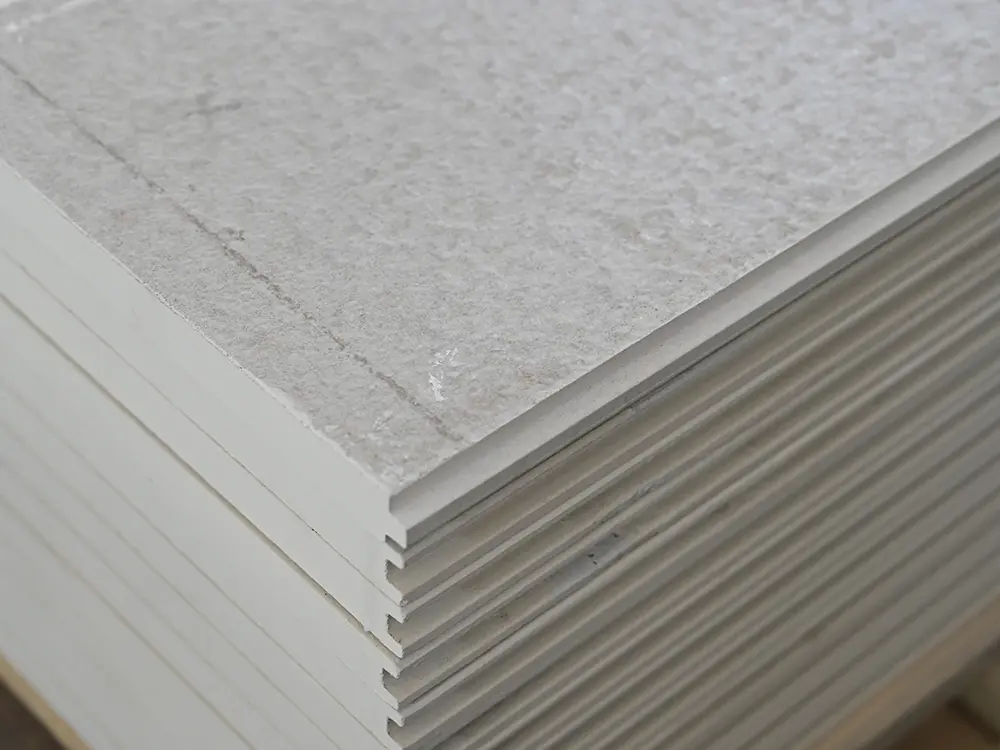 LEAO® Flooring
 LEAO® Wood Style Decorative Panel
 LEAO® Stone Style Decorative Panel
 LEAO® Pure Style Decorative Panel