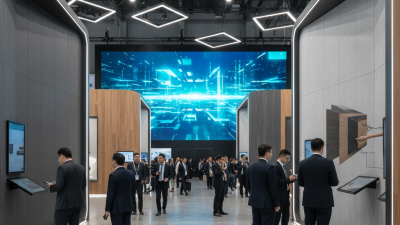
What is a Digital Print Board and How Does It Work?
The term "Digital Print Board" has gained significant traction in the printing industry. According to a recent market analysis report by Smithers Pira, the digital printing market is expected to grow to $262 billion by 2024. This surge is largely due to innovations in digital print technology, with the digital print board being a pivotal component.
John Stevens, a leading expert in digital printing, emphasizes, "Digital Print Boards are redefining the possibilities in creative printing." This reflects the industry's recognition of the impact that these boards have on design versatility and production efficiency. With advancements, businesses are moving toward customized solutions that digital print boards provide.
Advancements in this technology also present challenges. As digital print boards evolve, companies must invest in training and resources. Effective utilization requires a deep understanding of both machine capabilities and manufacturing processes. Engaging with this technology invites reflection on how businesses can balance innovation with their operational challenges.
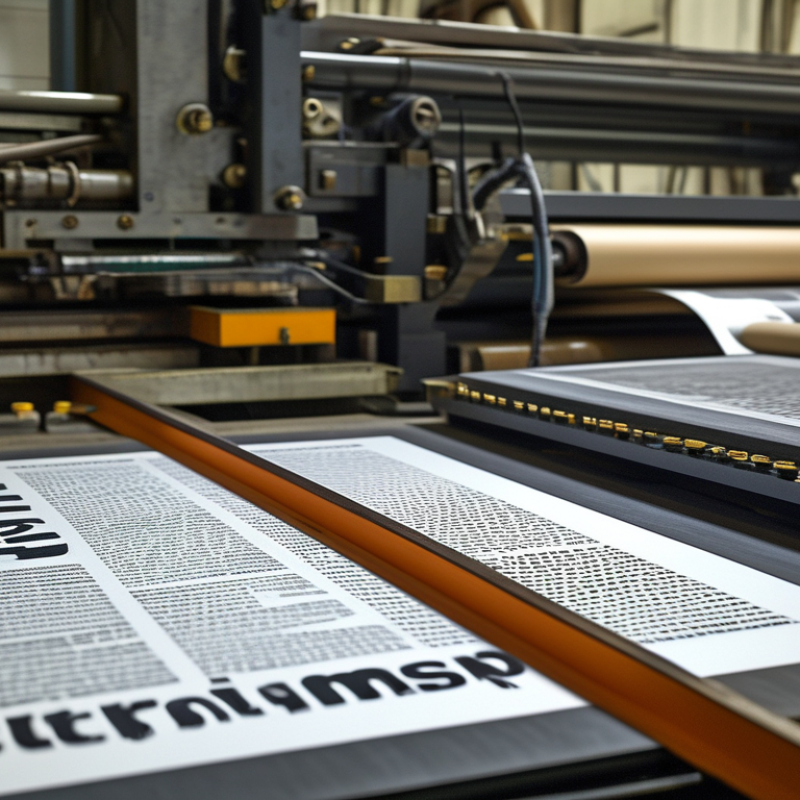
What is a Digital Print Board? Definition and Overview
A digital print board is a sophisticated piece of technology that revolutionizes the printing industry. It integrates advanced digital printing techniques with a user-friendly interface. This equipment enables the direct transfer of digital designs onto various materials, enhancing the quality and speed of production. It caters to diverse applications, including signage, textiles, and packaging.
Using a digital print board involves several key components. First, a high-resolution digital file is created. This file is then processed by the computer connected to the print board. The board utilizes inkjet technology or laser printing methods to produce vibrant prints. Colors are applied layer by layer, ensuring accuracy and detail. However, achieving perfect prints can be challenging, and adjustments are often needed.
Digital print boards require maintenance, and operators must be trained to use them efficiently. Mistakes in calibration can lead to print flaws. Regular updates and checks can mitigate these issues. Despite potential obstacles, the efficiency and versatility of digital print boards make them essential tools in modern printing operations.
Key Components of Digital Print Boards: Hardware and Software
Digital print boards are essential in modern printing. These boards combine hardware and software to deliver high-quality print results. The hardware consists of components like print heads, feeders, and sensors. Each part plays a significant role. For instance, print heads determine the resolution and accuracy of the prints. Quality print heads can achieve resolutions up to 1440 dpi and higher, essential for detailed designs (Smith, 2022).
Software, the other key component, integrates with hardware to manage print jobs. It ensures proper color management and alignment. According to industry reports, user-friendly interfaces improve workflow efficiency by 40%. A well-optimized digital print board can streamline operations and enhance productivity. However, training on software tools is crucial for maximum benefit.
Tip: Always update software regularly. This prevents bugs and enhances functionality. Outdated software can lead to printing errors, affecting quality.
Another tip: Regularly calibrate printing hardware. Calibration maintains consistency, especially in color accuracy. A miscalibrated print head can result in color discrepancies that harm your reputation. Regular checks ensure that your prints meet industry standards and client expectations. Balancing hardware and software optimally is key to achieving superior digital printing results.
How Digital Print Boards Operate: The Printing Process Explained
Digital print boards have transformed the way graphics are produced. They use advanced technology to create images directly on various surfaces. The process begins with a digital file. This file contains the designs that need to be printed. The printer then applies specific colors and patterns with precision.
During printing, digital print boards utilize an inkjet or laser technique. Ink is sprayed onto a substrate or surface layer. Each drop is measured to ensure accuracy. This method allows for detailed and vibrant images. However, achieving color consistency can sometimes be challenging. Not every print may match the original design perfectly. This requires operators to regularly calibrate the equipment.
After printing, finishing processes take over. This might include protective coatings or cutting. While these steps enhance durability, they can introduce variables that impact the final product's quality. Operators must remain vigilant, checking each stage to minimize errors. With experience, they learn to spot potential issues before they escalate. Digital print boards are a powerful tool, but continuous improvement is needed to elevate the results further.
Applications of Digital Print Boards in Various Industries
Digital print boards are revolutionizing various industries. Their applications range from advertising to education. In retail, these boards effectively display promotions. Bright colors and clear images attract customers’ attention. They are easy to update, allowing businesses to quickly adapt their messages.
In the education sector, digital print boards enhance learning experiences. Teachers can display interactive lessons. This method is engaging, making information more accessible. However, not all institutions adopt this technology. Some may struggle with implementation or training. This gap can hinder the potential benefits.
Healthcare also benefits from digital print boards. Hospitals use them for patient information and notifications. They improve communication in a busy environment. Yet, reliance on technology can present challenges. Technical issues may disrupt information flow. As industries embrace these boards, they must consider both advantages and drawbacks.
Trends and Innovations in Digital Printing Technology for 2023
Digital printing technology is rapidly evolving, with new trends shaping its future in 2023. One notable advancement is the rise of eco-friendly printing materials. According to recent industry reports, the market for sustainable printing is expected to grow by 15% annually. This reflects a broader push towards reducing the environmental impact of printing processes. Businesses are increasingly seeking printers that use less energy and offer biodegradable options.
Another significant innovation is in automation and artificial intelligence integration. Automated systems streamline printing processes, reducing waste and improving accuracy. These systems can analyze data in real-time to adjust settings, ensuring optimal results. As per a 2023 study, companies that embrace automation can reduce their production costs by up to 30%. The focus on AI also enhances design capabilities, allowing for more complex, customized print jobs.
Tip: When exploring digital printing solutions, prioritize companies with a commitment to sustainability. It can enhance your brand’s reputation.
Flexibility in ink technologies is also a key trend. The development of UV and latex inks allows for printing on various surfaces. This adaptability broadens the production possibilities for businesses. However, it's essential to consider the quality of these new inks. Some may not offer the same performance standards as traditional materials.
Tip: Conduct thorough testing of new inks before full-scale implementation to ensure quality meets your needs.

 LEAO®Deco Ceiling
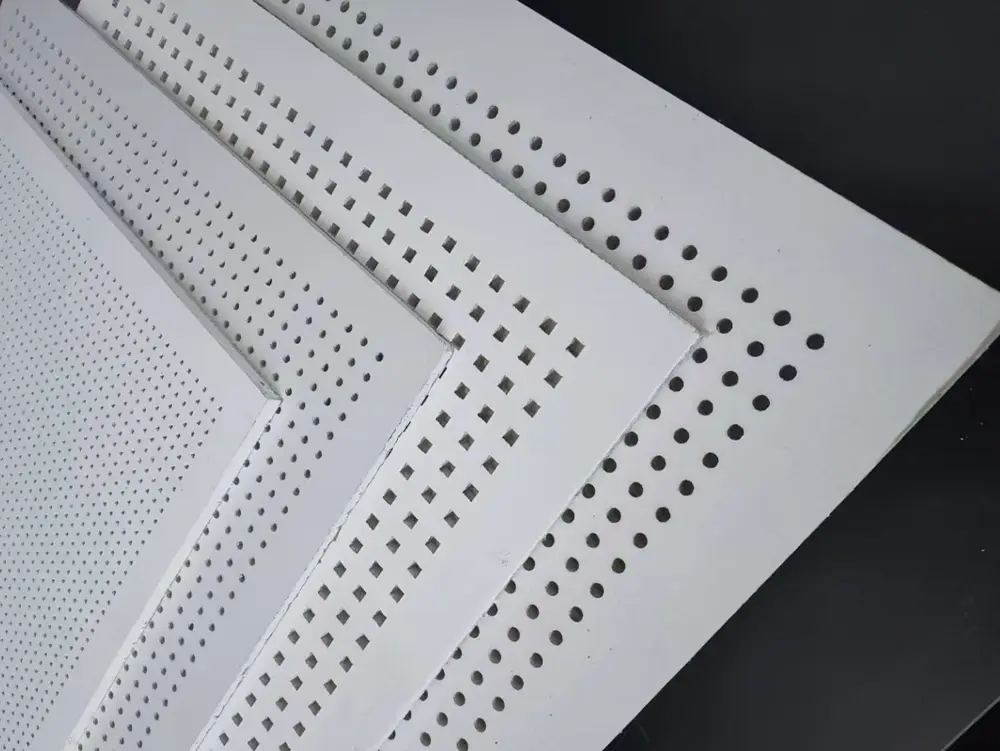 LEAO® Perforated Ceiling
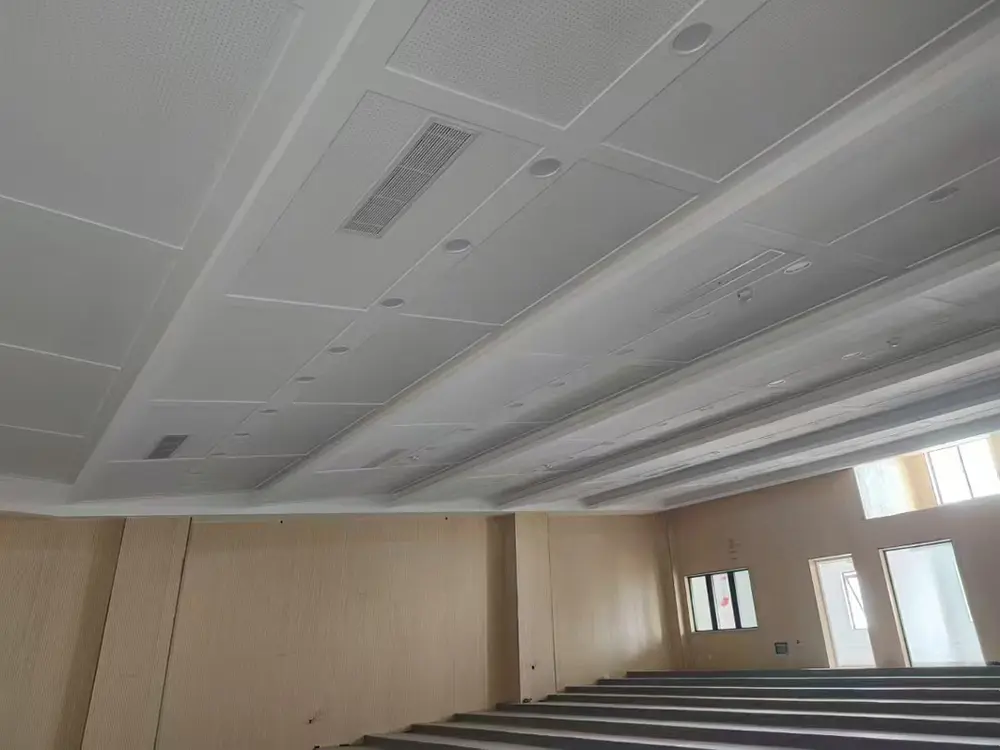 LEAO® Ceiling Board
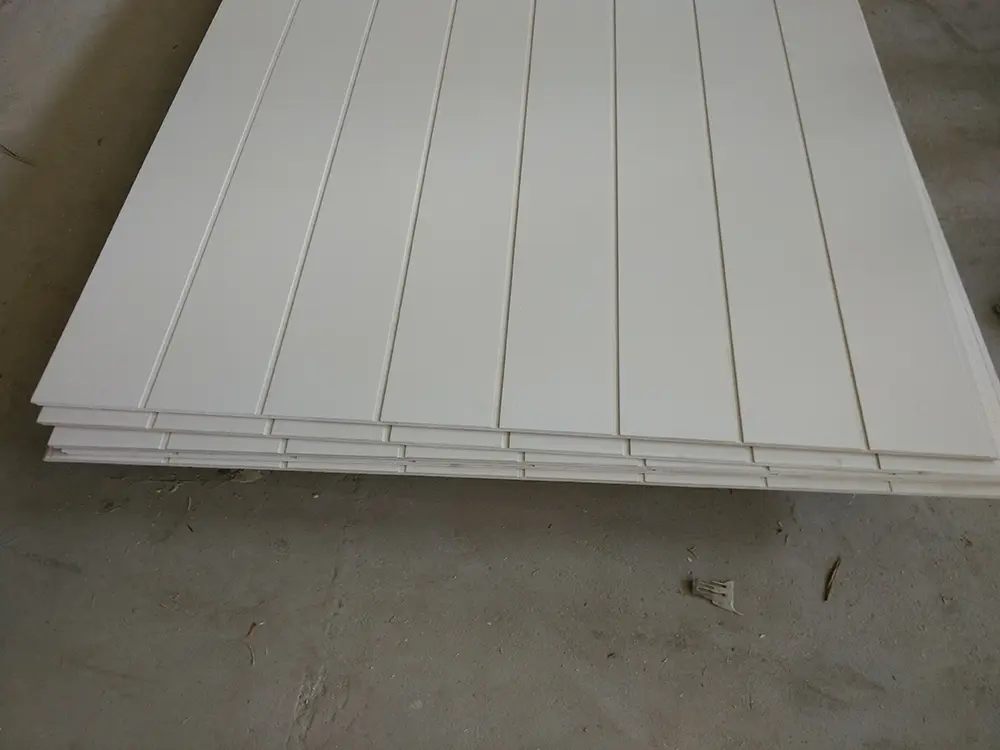 LEAO® Groove Interior Panel
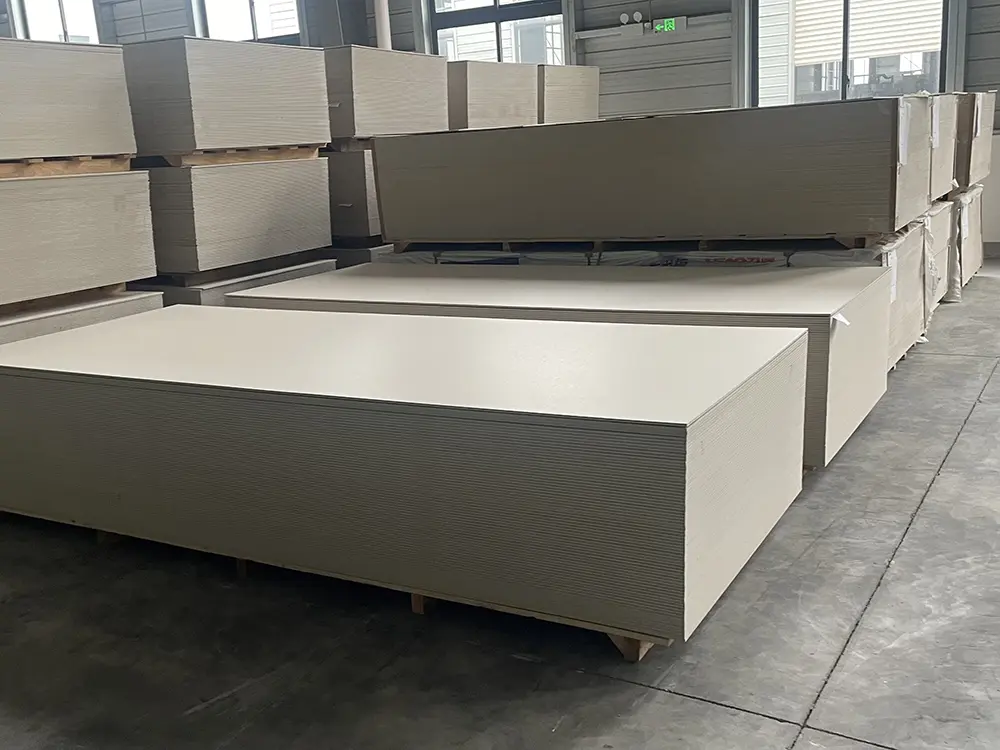 LEAO® Interior Board
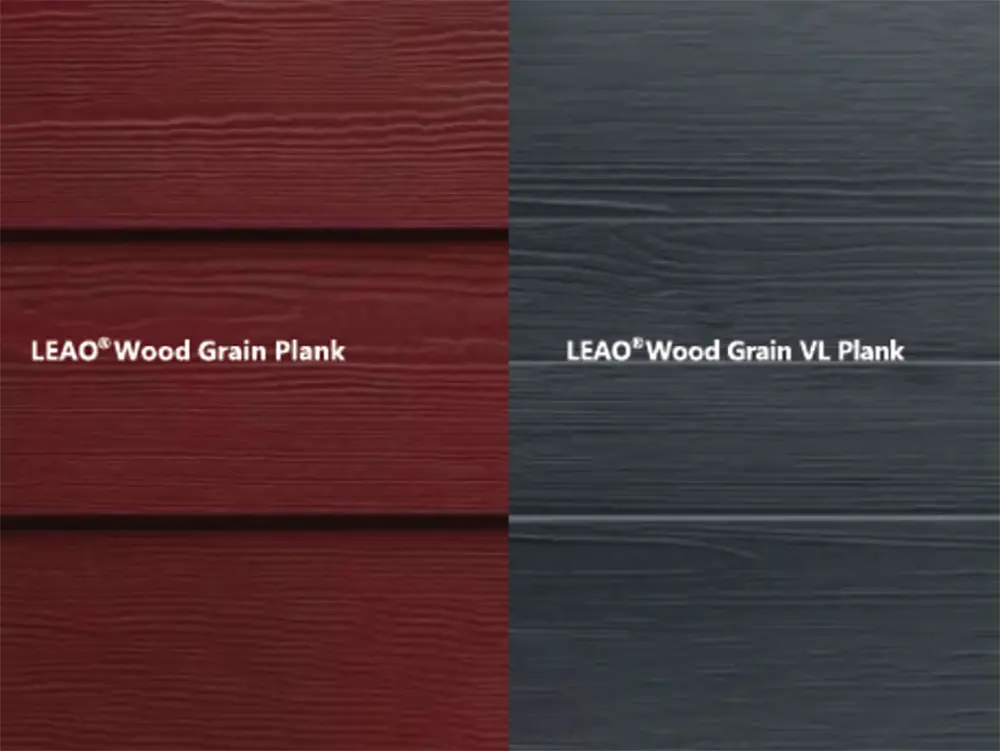 LEAO® Wood Grain Plank
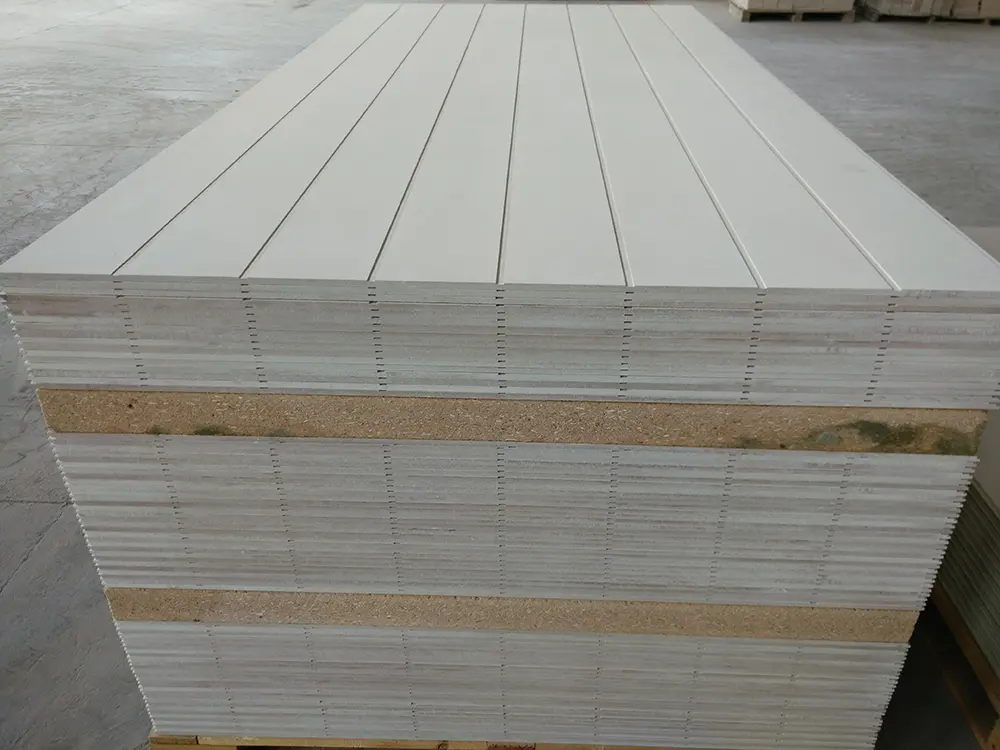 LEAO® Grooved Exterior Panel
 LEAO® Weatherboard
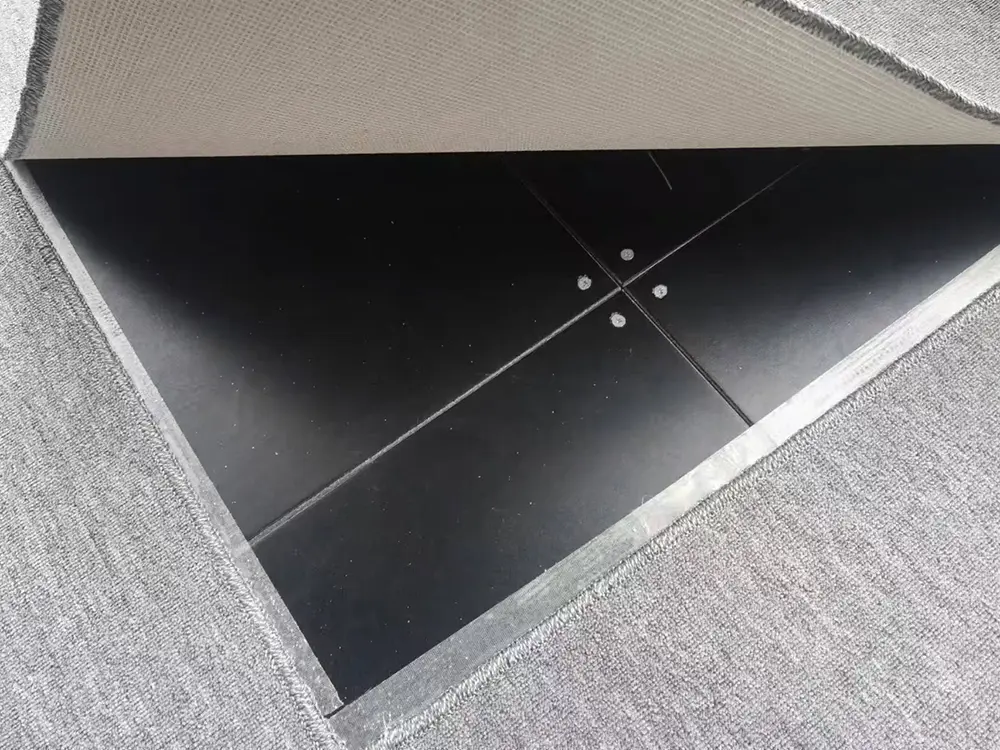 LEAO® Access Floors
 LEAO® Non-removable Formwork
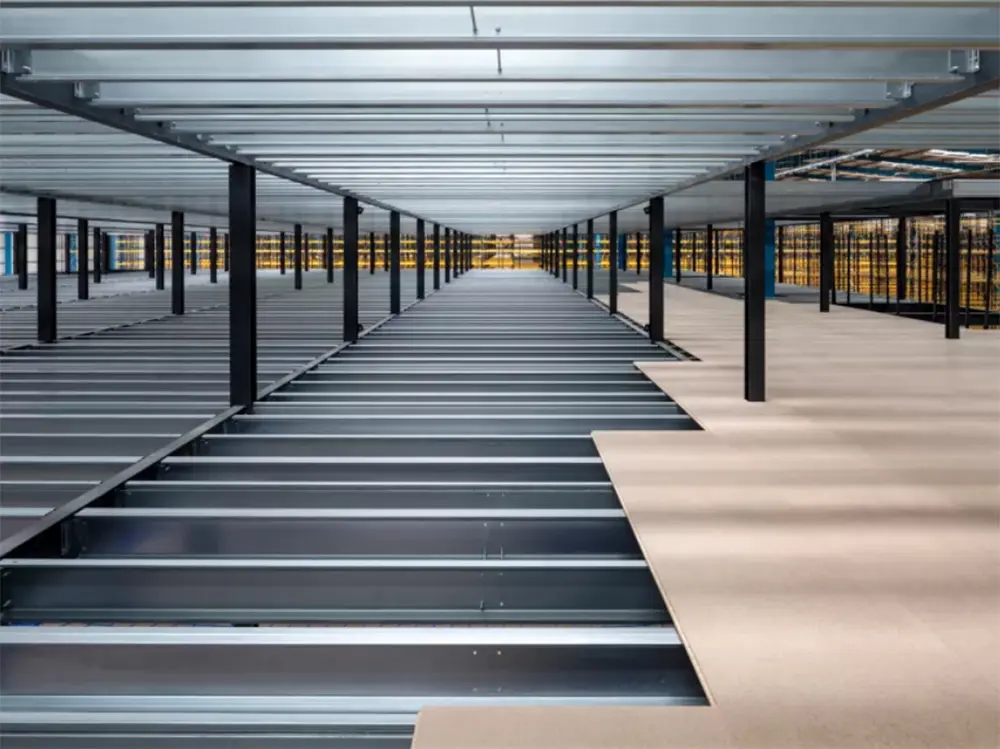 LEAO® Mezzanine Board
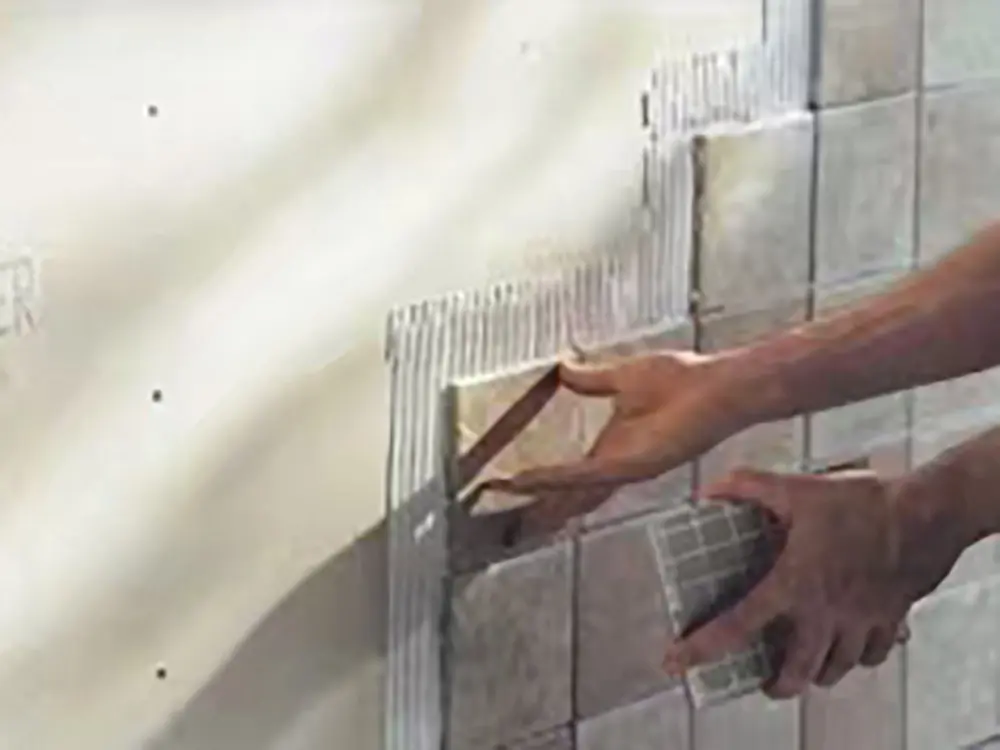 LEAO® Ceramic Tile Underlay
 LEAO® Floor Plank
 LEAO® Flooring
 LEAO® Wood Style Decorative Panel
 LEAO® Stone Style Decorative Panel
 LEAO® Pure Style Decorative Panel