What is Fiber Cement Floor Underlay and Its Benefits?
Fiber Cement Floor Underlay offers a robust solution for modern flooring needs. It combines cement with cellulose fibers, creating a durable product. This underlay is not only strong but also resistant to moisture, preventing mold and damage. It serves as an excellent base for various floor types, including tile and hardwood.
Many homeowners are unaware of the advantages of using Fiber Cement Floor Underlay. This material can enhance sound insulation and improve thermal performance. The added durability ensures longevity, especially in high-traffic areas. Yet, some may find it heavier and more challenging to install compared to traditional underlays.
The decision to use Fiber Cement Floor Underlay should be weighed carefully. While its benefits are clear, installation requires skill and planning. A well-considered choice can contribute to a more comfortable and resilient living space. Those who invest in this underlay can enjoy its benefits for years to come.
What is Fiber Cement Floor Underlay?
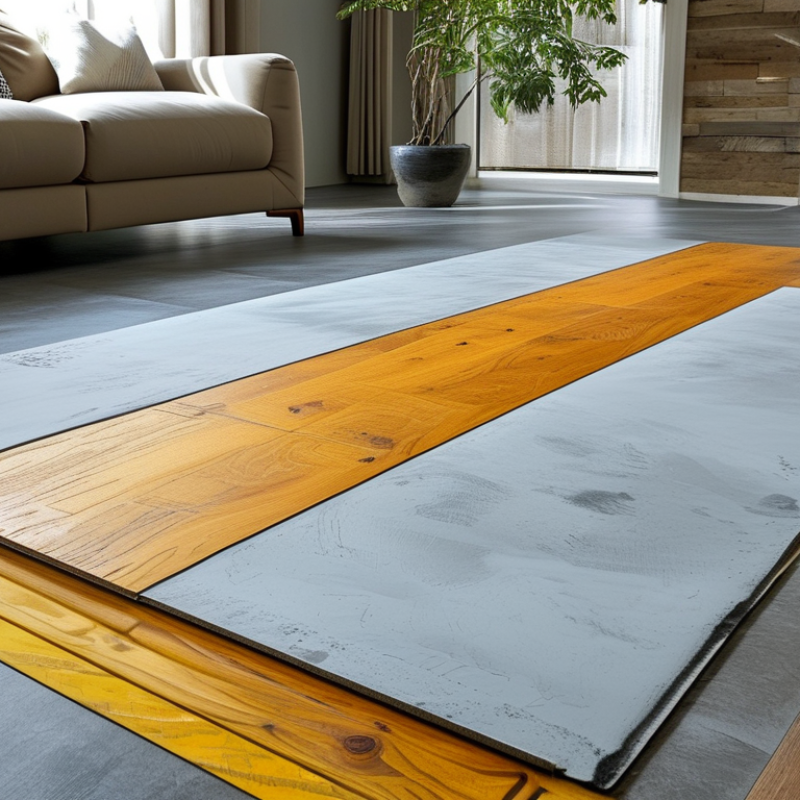
Fiber cement floor underlay is an engineered product made from wood fibers, cement, and other additives. It serves as a base layer between the floor finish and the subfloor. This underlay is highly durable and moisture-resistant. According to industry reports, it is gaining popularity due to its versatility and efficiency in various building projects.
One significant benefit is its acoustic properties. Fiber cement underlay can reduce sound transmission between floors by up to 20 decibels. This feature is especially valuable in multi-story buildings. Furthermore, its resistance to mold and termites makes it a secure choice for areas exposed to moisture. Research indicates that using fiber cement can enhance the lifespan of flooring systems considerably.
Despite its advantages, there are considerations. The weight of fiber cement can be a challenge during installation. Not all installers are experienced with this material, leading to potential installation issues. The initial costs can also be higher compared to traditional materials. It's essential for builders to weigh these factors carefully. Understanding the pros and cons can lead to informed decisions in flooring projects.
Benefits of Fiber Cement Floor Underlay
Key Components of Fiber Cement Underlay Material
Fiber cement underlay is gaining popularity in the construction industry. Its composition typically includes cement, cellulose fibers, sand, and fillers. This mix provides strength and durability, making it an excellent choice for flooring applications. According to a report by Freedonia Group, the demand for fiber cement products is projected to grow by 4.7% annually through 2025.
One key component, cellulose fibers, enhance the material's flexibility and toughness. This characteristic helps in reducing cracking over time. The sand component adds weight and stability, ensuring the flooring remains level. However, fiber cement underlay can be heavy and may require special handling during installation.
Another essential aspect is its moisture resistance. This feature prevents mold growth, a common issue in damp environments. In fact, a study by the American Society of Home Inspectors shows that improper moisture management is a leading cause of flooring failure. While fiber cement offers many advantages, potential users should be aware of its installation complexities. Overall, it represents a robust solution for modern flooring needs.
What is Fiber Cement Floor Underlay and Its Benefits? - Key Components of Fiber Cement Underlay Material
| Key Component |
Description |
Benefits |
| Durability |
Made from cement and cellulose fibers, providing strength and longevity. |
Resistant to moisture, termites, and rot, reducing need for frequent replacements. |
| Sound Insulation |
Effective in sound absorption due to its dense composition. |
Reduces noise transmission between floors, enhancing comfort. |
| Thermal Performance |
Stabilizes indoor temperature by providing thermal resistance. |
Helps in energy efficiency, maintaining desired indoor climate. |
| Fire Resistance |
Non-combustible material that withstands high temperatures. |
Enhances safety by reducing fire risks and spreading. |
| Eco-Friendly |
Composed of sustainable materials reducing environmental impact. |
Promotes green building practices and sustainability. |
Advantages of Using Fiber Cement for Flooring
Fiber cement is becoming popular in flooring projects. It offers various advantages that enhance durability and performance. For instance, fiber cement is highly resistant to moisture. This feature makes it ideal for areas prone to spills and humidity, reducing the risk of mold and mildew growth.
Moreover, fiber cement is fire-resistant, ensuring safety in residential spaces. This characteristic adds an extra layer of protection, especially in kitchens or near heating sources. It also withstands damage from common household impacts, such as dropped items or heavy furniture.
Installation is another area where fiber cement shines. It can be easily cut to fit any space, allowing for a customized flooring solution. However, some may find it heavier than other materials. This weight can complicate installation for DIY enthusiasts. Overall, fiber cement provides exceptional stability and longevity in flooring applications. Its benefits undoubtedly make it a worthy consideration for any renovation project.
Installation Process of Fiber Cement Floor Underlay
Installing fiber cement floor underlay requires careful preparation and precision. Begin by ensuring that the subfloor is clean and dry. This step is crucial for achieving optimal results. Using a level, check the surface for any irregularities. Research indicates that approximately 30% of flooring problems stem from improper subfloor conditions (FMI Research, 2022). Address any issues before proceeding. This can include sanding down high spots or filling low spots with appropriate materials.
Once the preparation is complete, measure and cut the fiber cement boards to fit your space. A high-quality utility knife works well for clean cuts. It's essential to maintain a tight fit between the boards to prevent moisture infiltration. According to industry standards, a 1/8 inch gap is advisable between edges and walls for expansion. Secure the boards using screws, ensuring they penetrate the subfloor adequately. Fasteners should be strategically placed to avoid vulnerability; typically, one should be placed every 8 inches along the edges and every 12 inches in the field.
Lastly, remember to conduct a moisture test on the subfloor prior to installation. Fiber cement can resist moisture but not eliminate it. Thus, understanding your subfloor's moisture levels ensures a long-lasting installation. The recommended moisture content for concrete is less than 5% before laying the underlay (National Wood Flooring Association, 2021). This preparation mitigates potential future problems, such as warping or mold growth.
Comparative Analysis with Other Underlay Materials
Fiber cement floor underlay is a modern solution for flooring projects. It consists of a mixture of cellulose fibers, sand, and cement, offering superior durability. Compared to traditional underlay materials like foam and plywood, fiber cement stands out for its moisture resistance. This feature makes it suitable for areas prone to dampness, such as bathrooms and basements.
When assessing other materials, foam underlay often provides sound insulation but lacks strength. Plywood can offer sturdiness but may warp in humid conditions. Fiber cement, on the other hand, combines benefits from both. It is robust and does not compromise on performance. However, its weight can be a drawback when handling or installing.
While fiber cement underlay is effective, it is essential to consider installation complexities. This material may require specific tools for cutting and fitting. Thus, careful planning is needed. Despite these challenges, its long-term performance can outweigh initial inconveniences. It truly makes a difference in enhancing the lifespan and quality of flooring systems.

 LEAO®Deco Ceiling
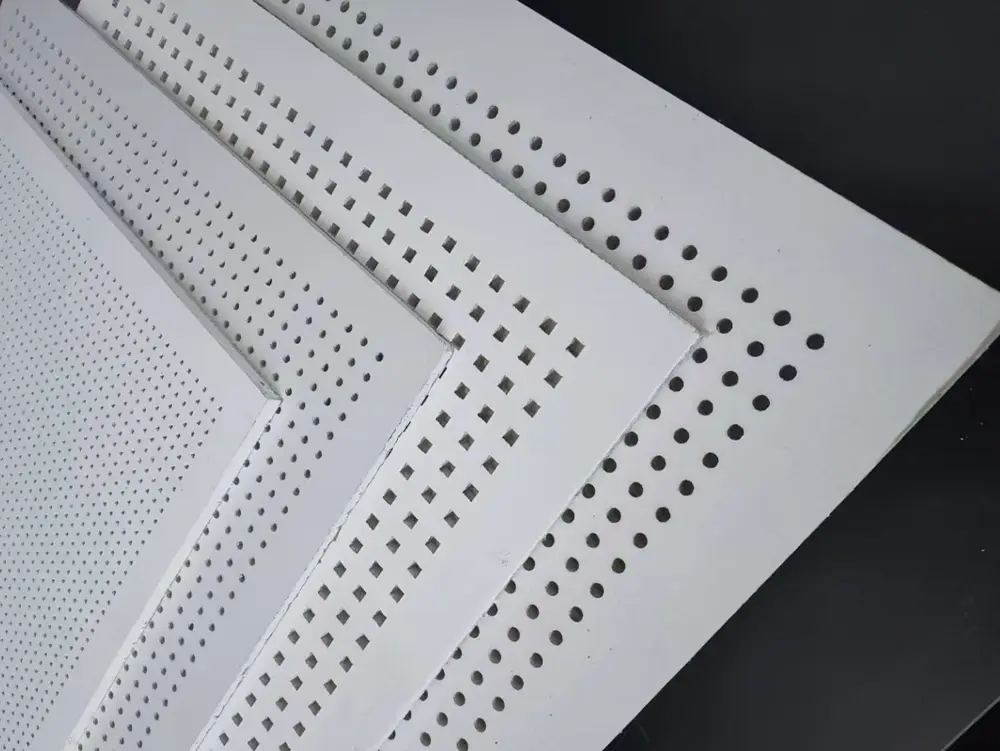 LEAO® Perforated Ceiling
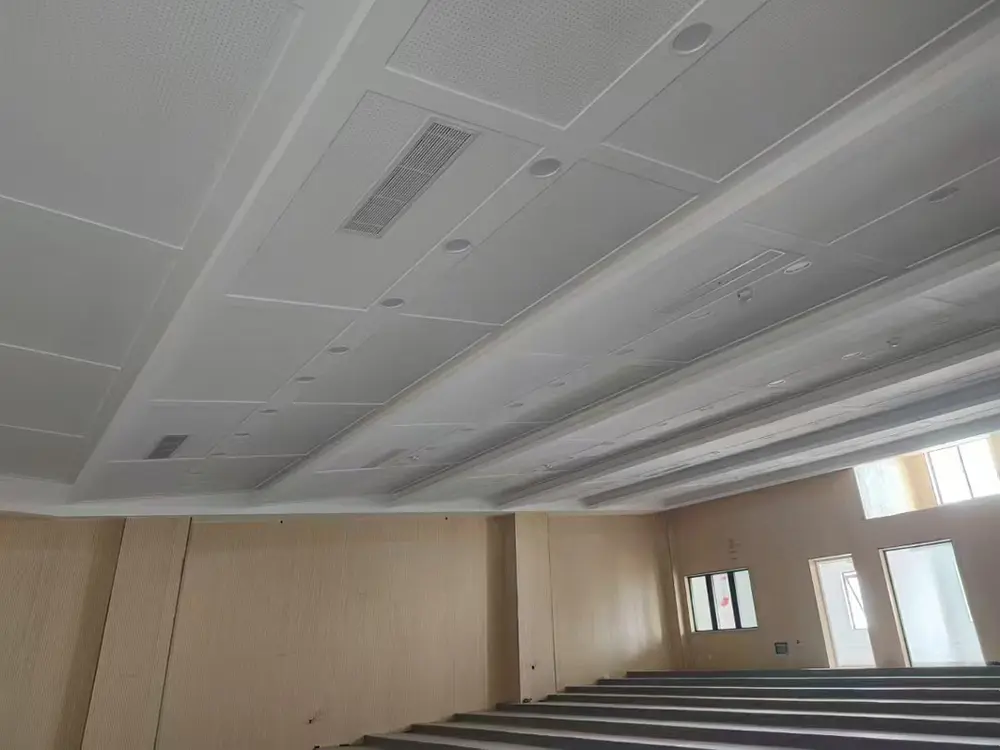 LEAO® Ceiling Board
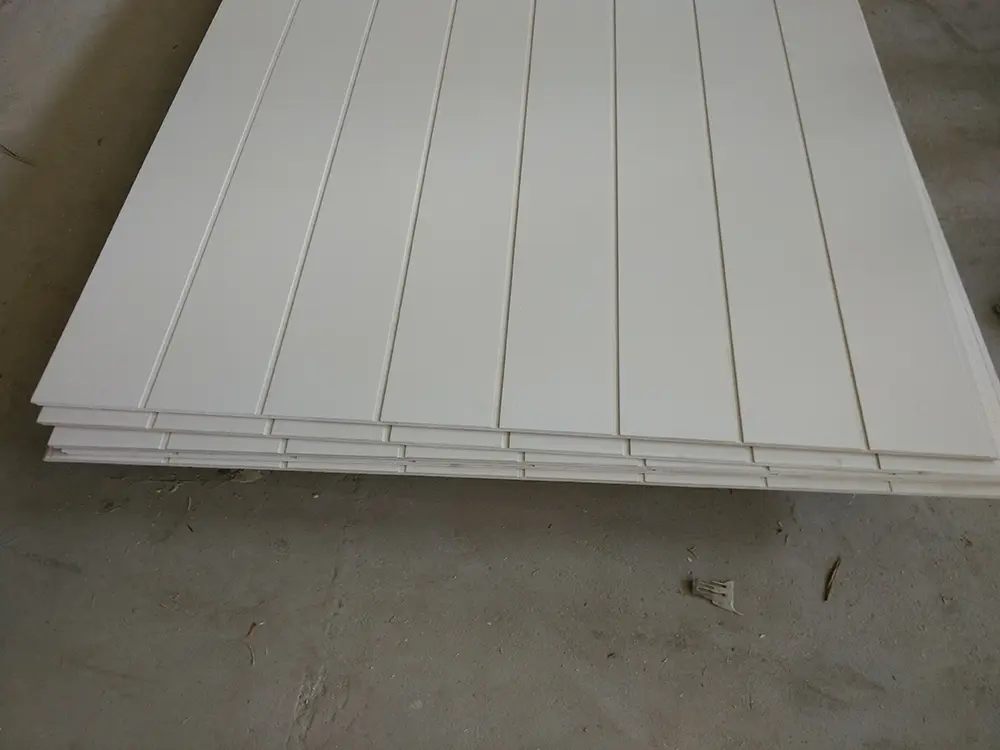 LEAO® Groove Interior Panel
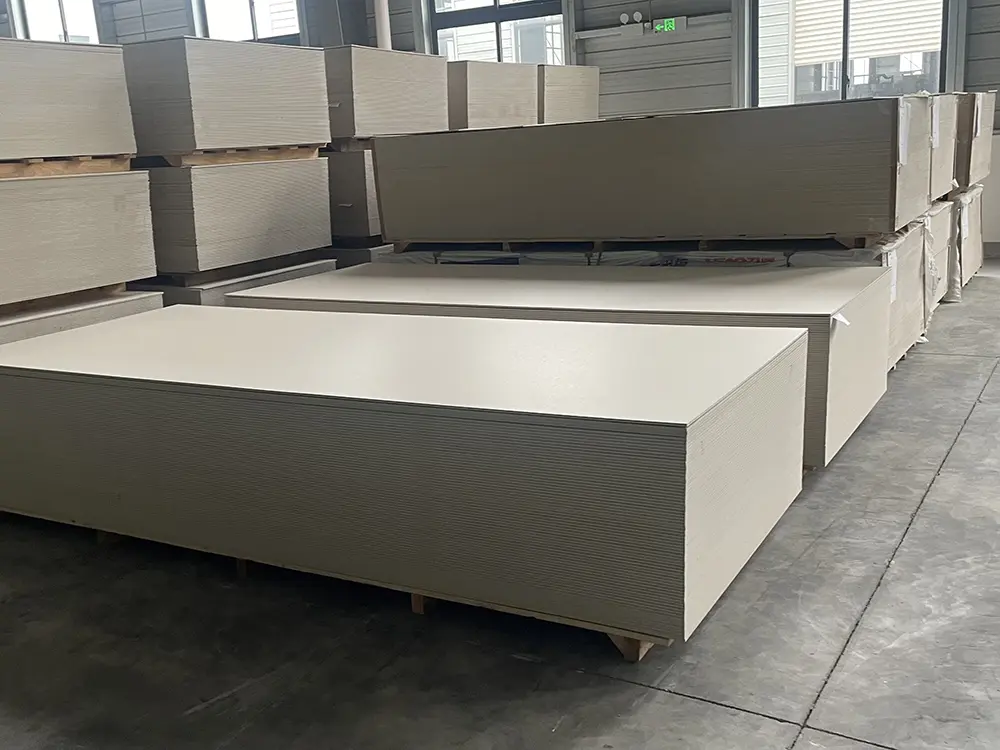 LEAO® Interior Board
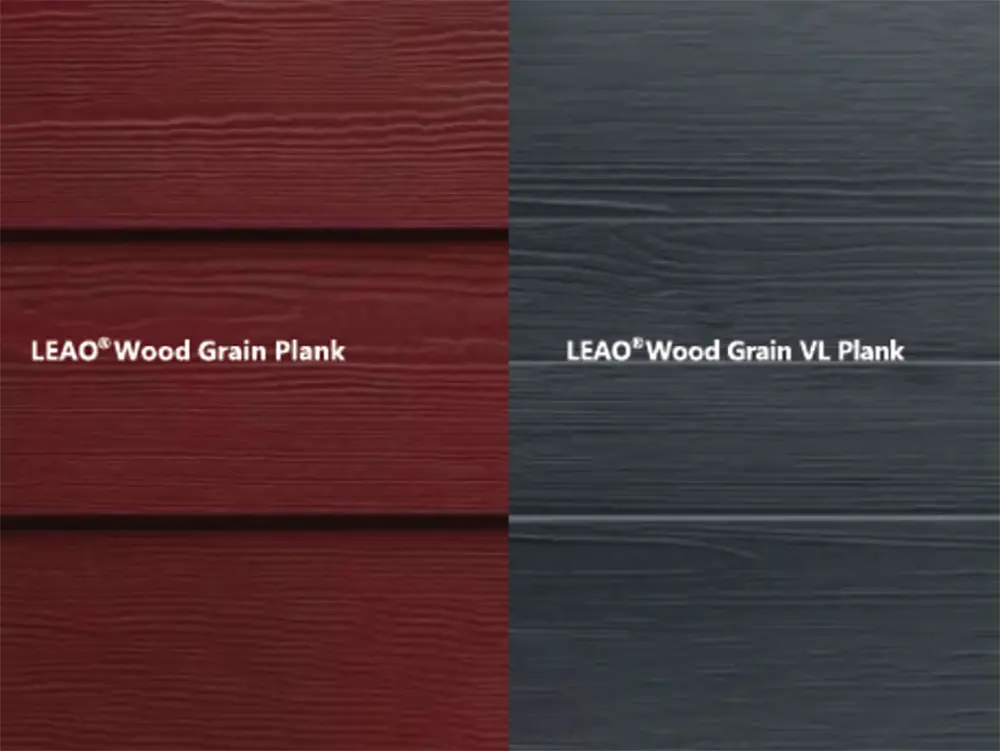 LEAO® Wood Grain Plank
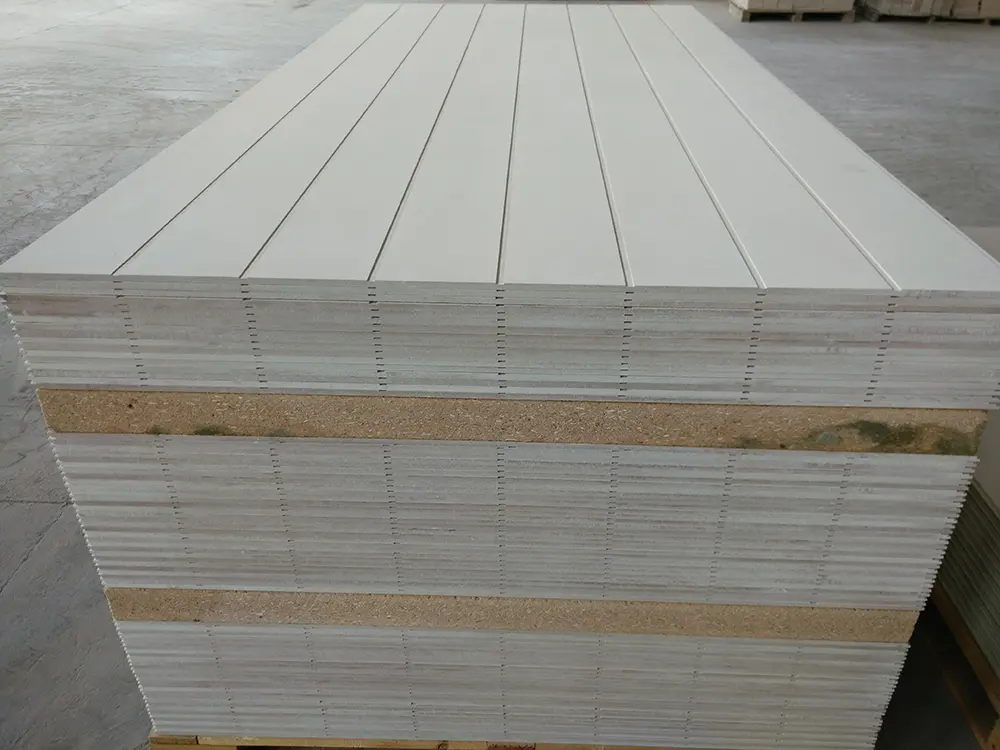 LEAO® Grooved Exterior Panel
 LEAO® Weatherboard
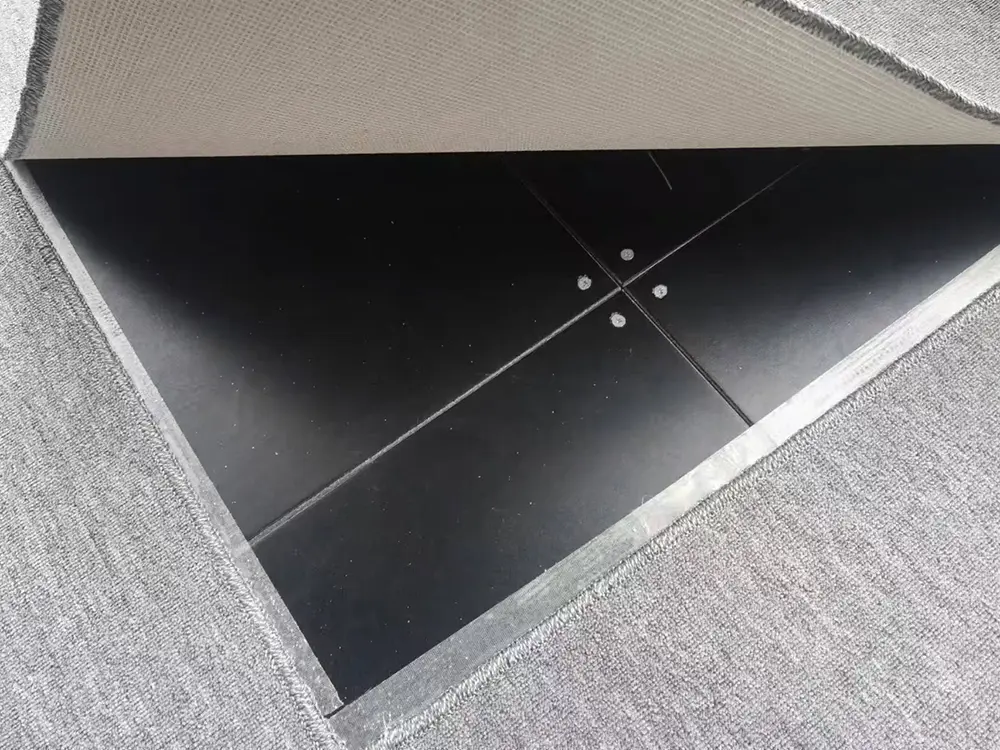 LEAO® Access Floors
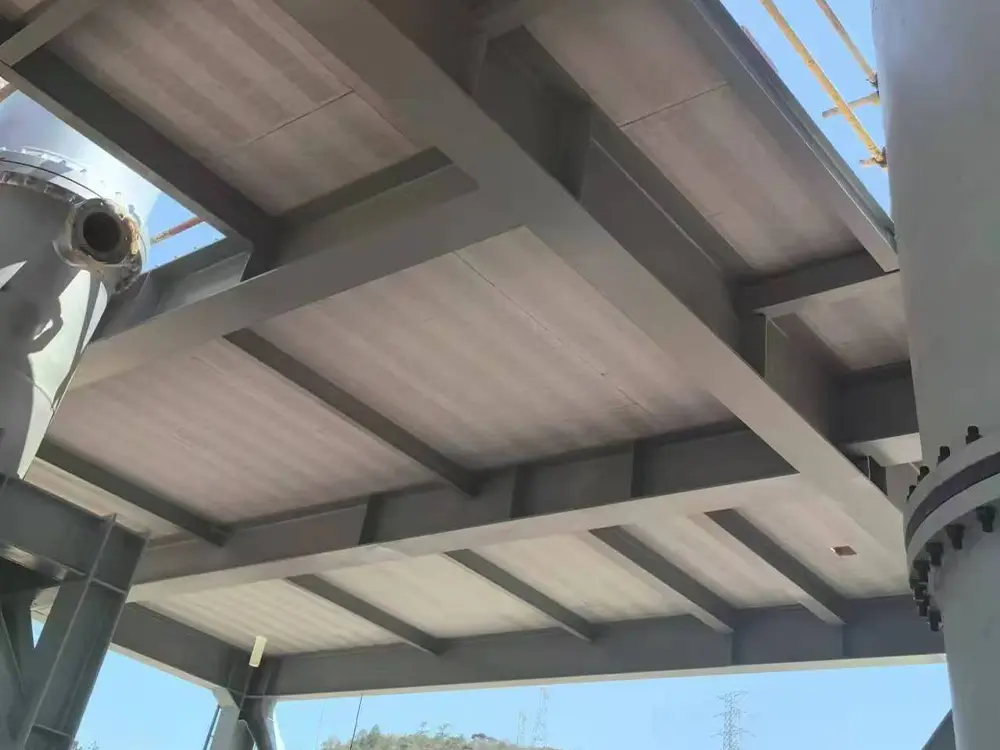 LEAO® Non-removable Formwork
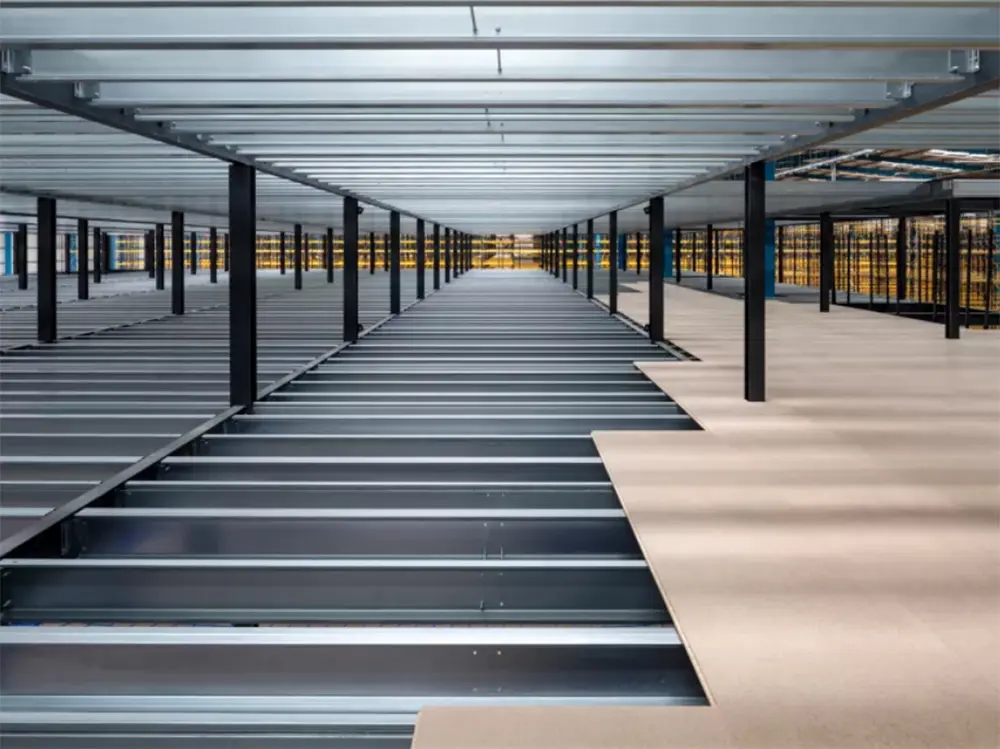 LEAO® Mezzanine Board
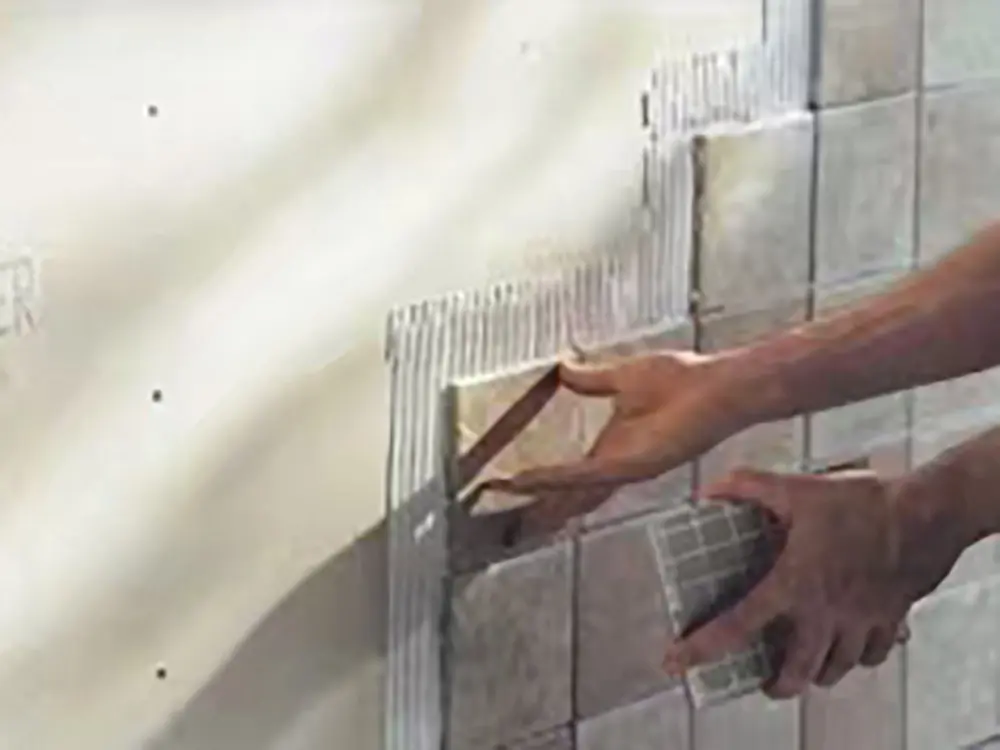 LEAO® Ceramic Tile Underlay
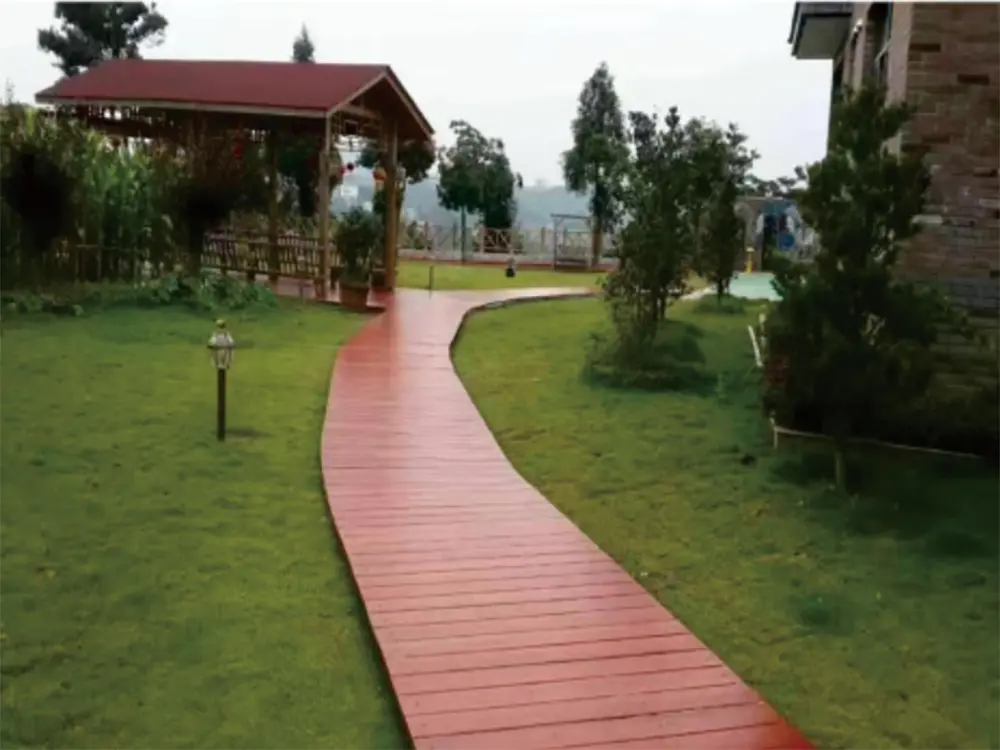 LEAO® Floor Plank
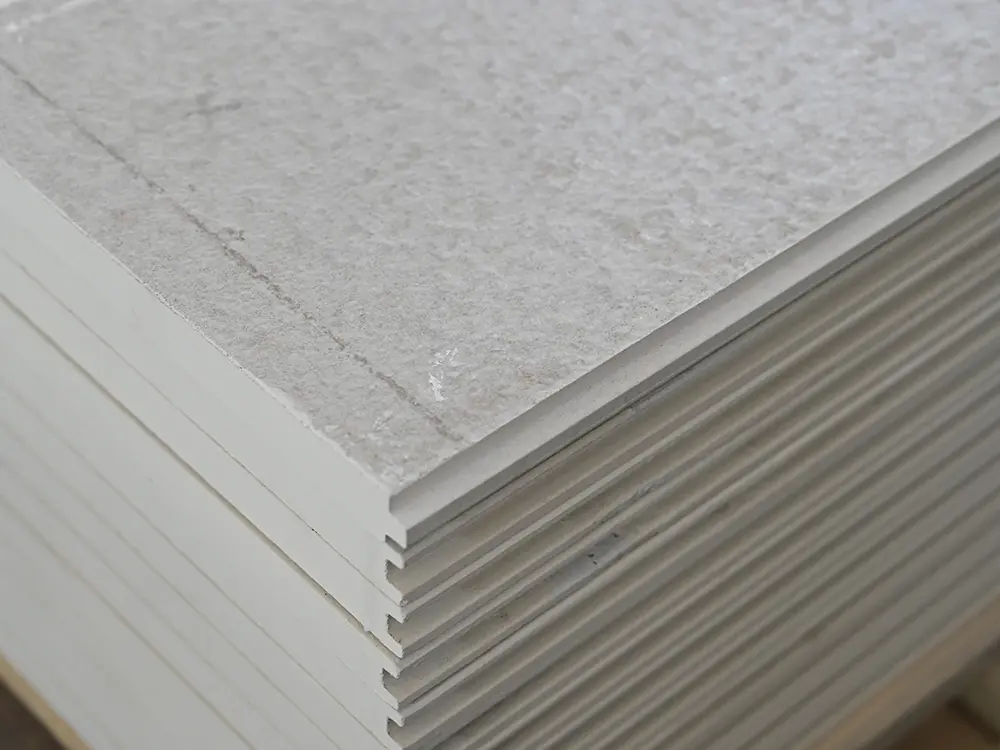 LEAO® Flooring
 LEAO® Wood Style Decorative Panel
 LEAO® Stone Style Decorative Panel
 LEAO® Pure Style Decorative Panel