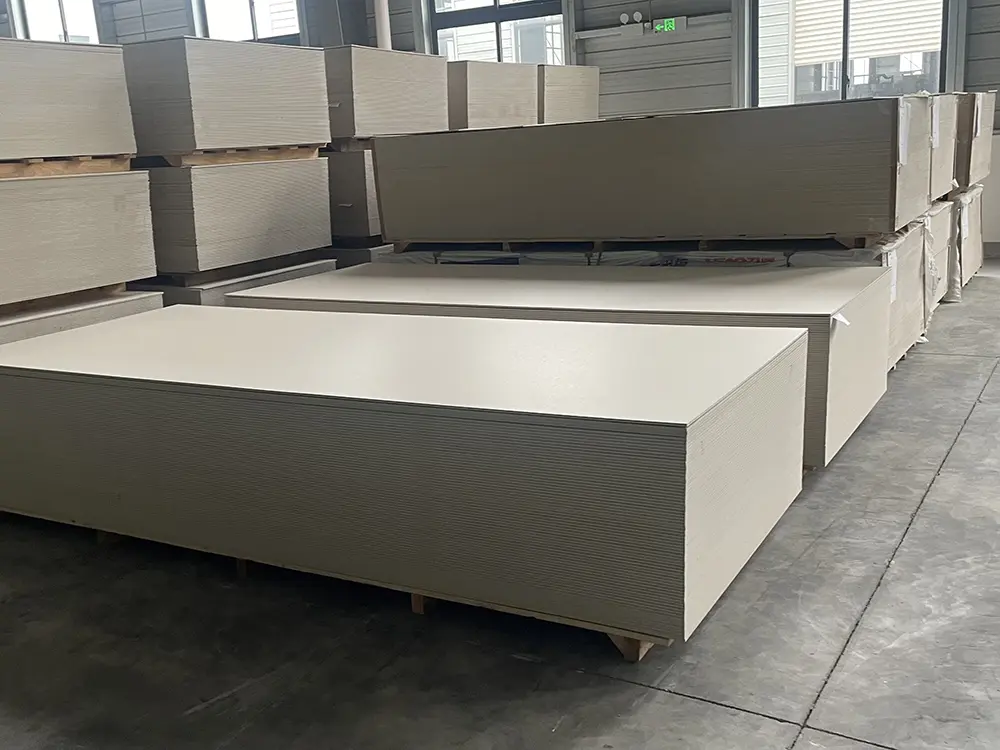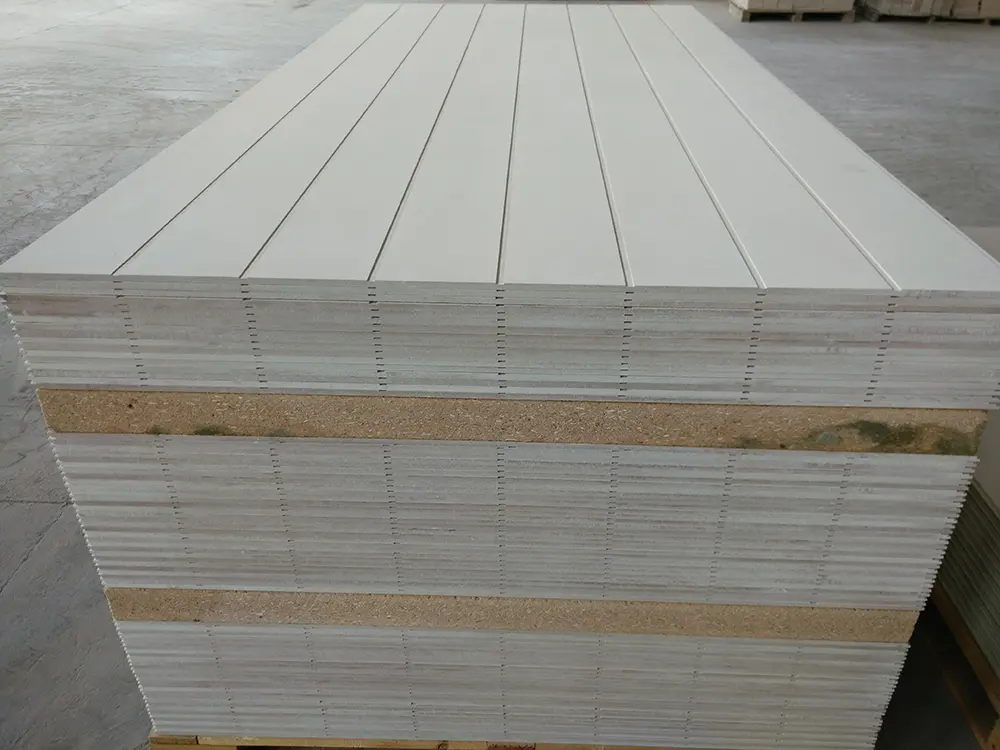
Fiber Cement Trim Board has gained popularity in recent years. This material offers both durability and aesthetic appeal. Homeowners and builders often seek reliable options for trim that can withstand various weather conditions.
The key benefit of Fiber Cement Trim Board is its resistance to rot and pests. Unlike traditional wood, it does not warp or crack easily. This makes it ideal for areas with high moisture. Moreover, it requires minimal maintenance over time. Homeowners appreciate that it retains its color and texture longer than many alternatives.
However, some may question its initial cost. Fiber Cement Trim Board can be pricier than wood. Yet, when considering longevity and performance, it often proves to be a smart investment. As always, weigh the pros and cons before making a decision. It's worth reflecting on what truly fits your home's needs.
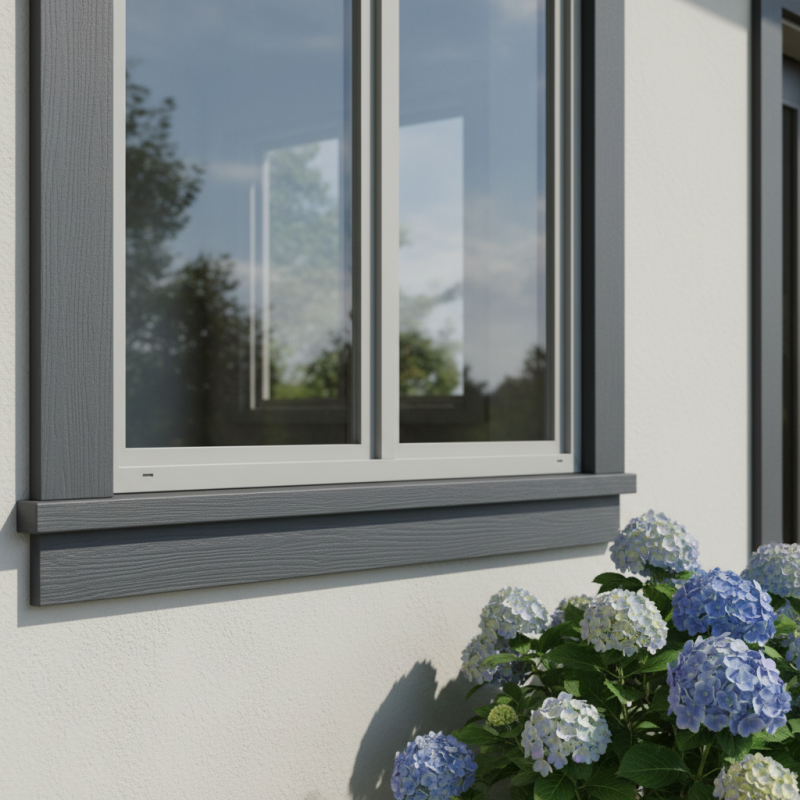
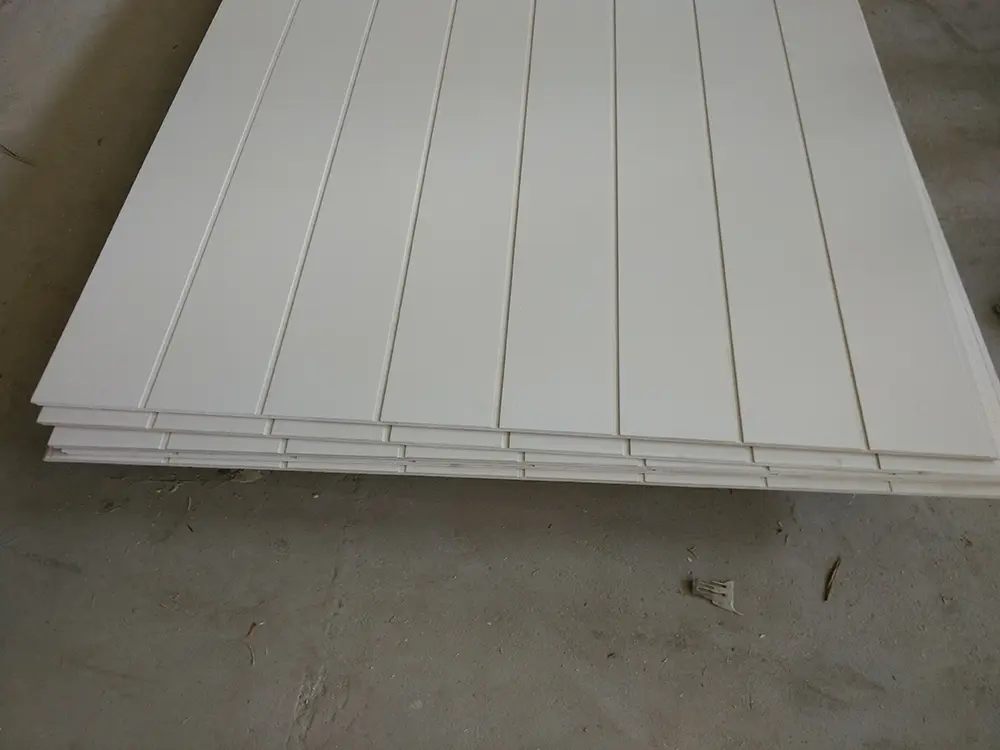
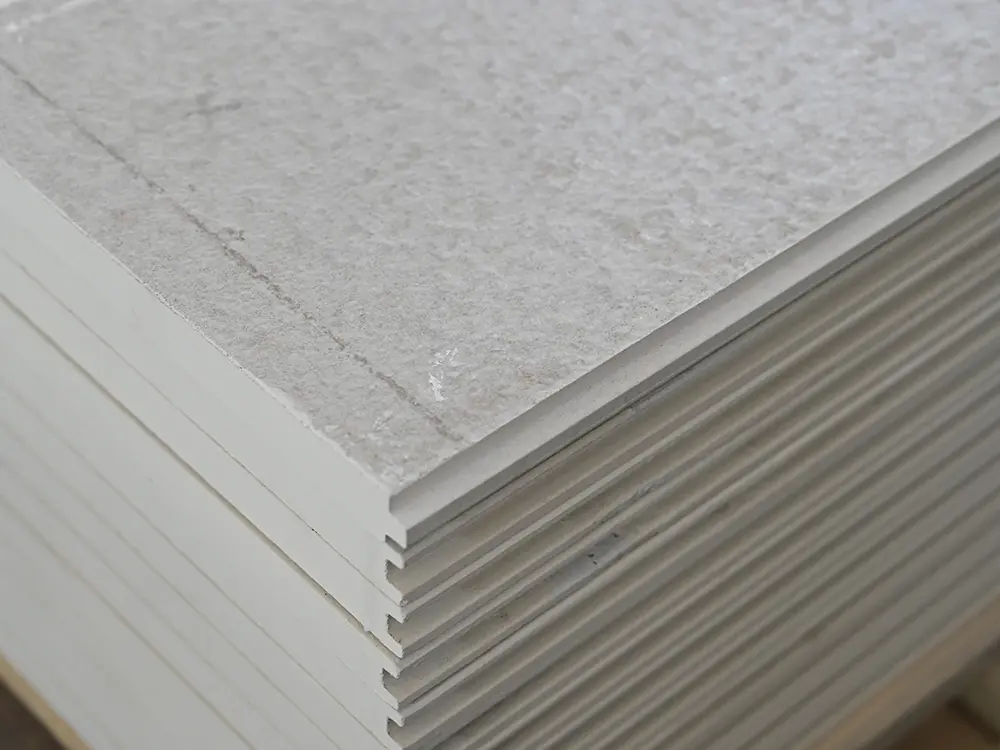
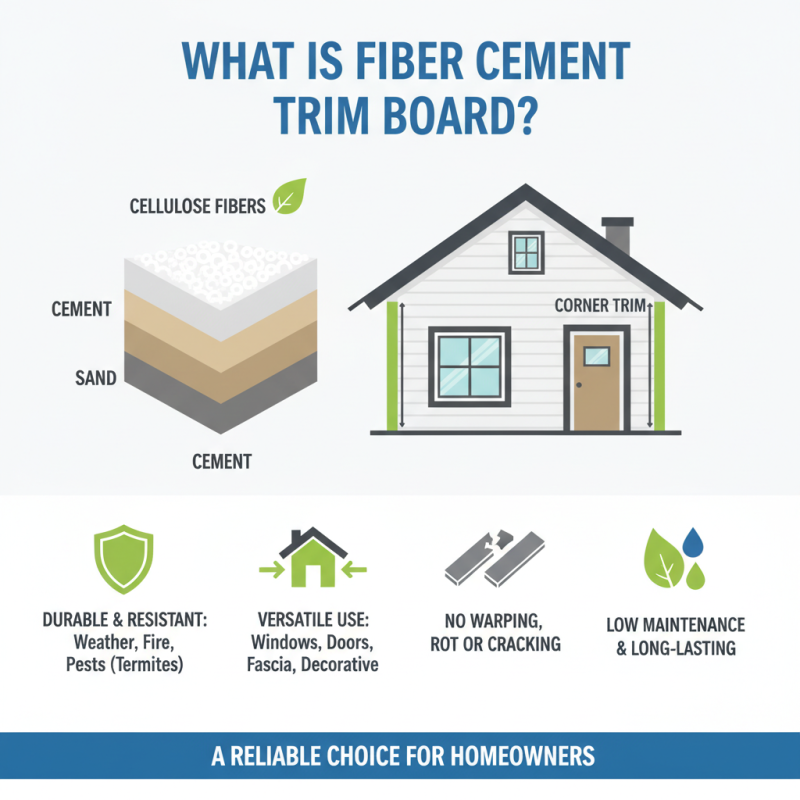
Fiber cement trim board is a versatile building material made from a blend of cement, sand, and cellulose fibers. This combination provides durability and resistance against various environmental conditions. It's often used in construction for window and door framing, fascia boards, and decorative features. Unlike traditional wood trim, fiber cement does not warp or rot. It also withstands pests, such as termites, making it a reliable choice for homeowners.
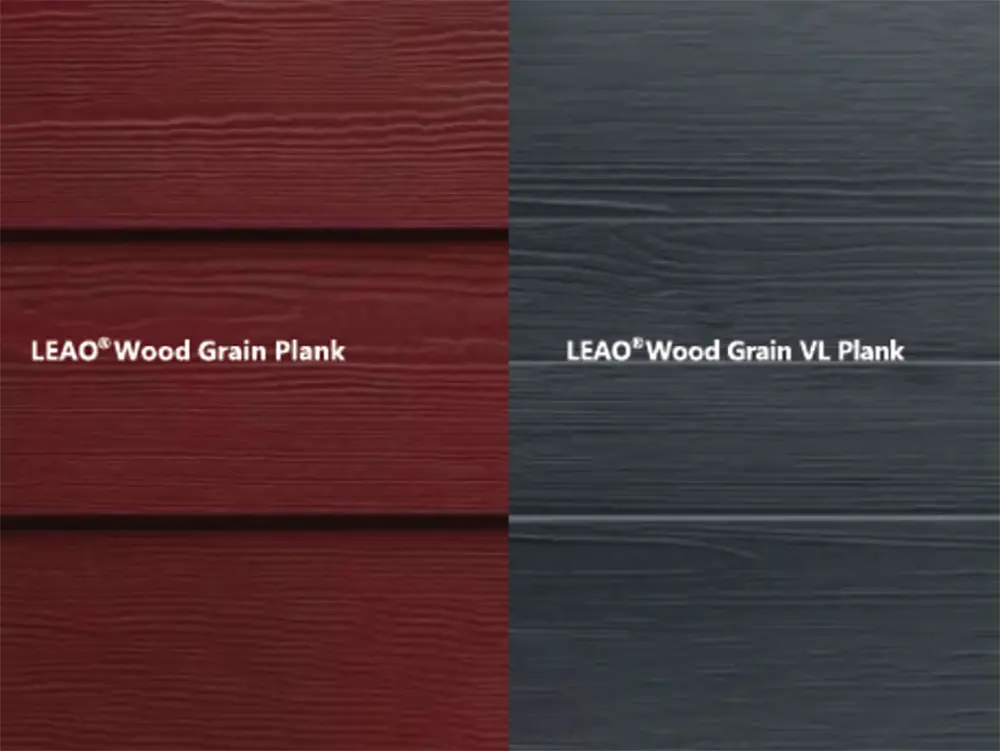
The texture of fiber cement looks and feels similar to wood. It can be painted or stained to match any style. This flexibility allows for creative design choices while maintaining a long lifespan. Installation is straightforward, but proper techniques are essential to ensure longevity. Some may find it heavier than wood, which can be a challenge. However, many builders appreciate the minimal maintenance required over time.
While fiber cement trim board has many advantages, it is essential to consider the potential drawbacks. The initial cost might be higher than wood, requiring careful planning. Additionally, its weight can complicate handling and installation. Homeowners should weigh these factors against their needs. Proper research and advice from professionals can guide the decision-making process.
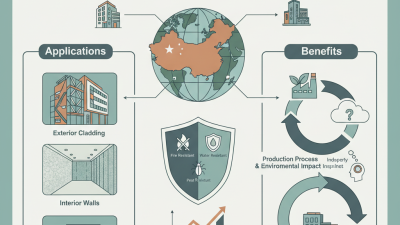
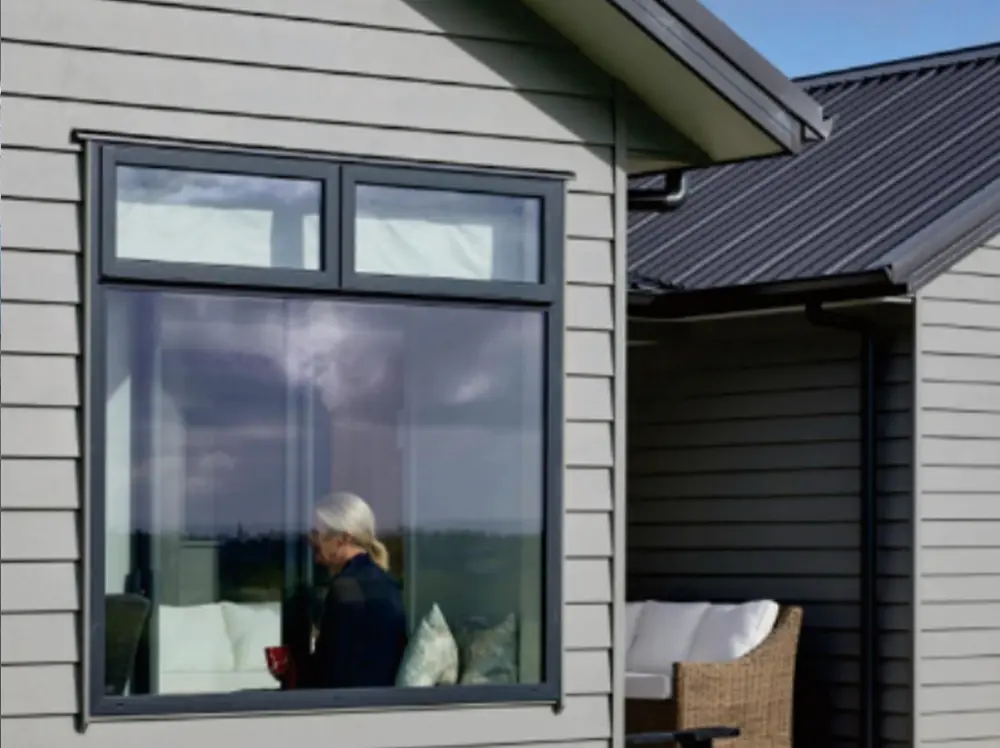
Fiber cement trim board is an increasingly popular choice in modern construction and renovation projects. This material is known for its durability and versatility. It is resistant to insects, rot, and moisture, making it ideal for various climates. Homeowners appreciate its ability to mimic the look of traditional wood trim while offering enhanced longevity.
One key characteristic of fiber cement trim board is its low maintenance requirement. Unlike wood, it doesn't need frequent painting or sealing. It can withstand harsh weather conditions without warping. However, installation can be challenging. Professionals need proper tools to cut and install it correctly. It’s vital to ensure that the edges are sealed to prevent moisture entry, which can lead to deterioration over time.
Another aspect worth noting is the material's environmental impact. Many manufacturers use sustainable practices in production. However, it is essential to review each product's lifecycle and certifications. Some may not meet expectations. A careful selection process can help ensure that you choose a product with a reduced environmental footprint.
Fiber cement trim board has become a popular choice for homeowners and builders alike, thanks to its durability and versatility. One of the key benefits of fiber cement trim is its resistance to moisture and rot. According to the Portland Cement Association, fiber cement materials can last up to 50 years with proper maintenance. This longevity makes them a smart long-term investment.
Another advantage is the low maintenance requirement. Unlike wood, fiber cement does not warp or require frequent repainting. The National Association of Home Builders reports that homes featuring fiber cement trim often have reduced upkeep costs by around 30%. This translates into less hassle and more savings over time. However, it's important to be aware that proper installation is critical. An improper installation can lead to issues like water entry that undermine fiber cement's beneficial properties.
Additionally, fiber cement trim is known for its aesthetic appeal. It can mimic the look of wood while providing the durability of cement. The 2021 Remodeling Impact Report highlights that buyers are willing to pay a premium for homes with fiber cement accents. Still, potential buyers should consider the material's upfront costs, as they can be higher compared to traditional wood trim. Balancing the initial price with long-term benefits is essential for making informed decisions.
| Feature | Description | Benefits |
|---|---|---|
| Durability | Resistant to storms, pests, and rot. | Long lifespan with minimal maintenance required. |
| Aesthetic Appeal | Available in various styles and colors. | Enhances the overall look of the property. |
| Fire Resistance | Non-combustible materials. | Provides an added layer of safety for homes. |
| Eco-Friendly | Made from sustainable resources. | Reduces environmental impact compared to some other materials. |
| Easy Installation | Lightweight and can be cut easily. | Saves time and reduces labor costs during installation. |
Fiber cement trim board stands out as a durable and versatile option for exterior and interior applications. Compared to traditional wood trim, fiber cement doesn't warp, crack, or suffer from insect damage. This resilience makes it an appealing choice for homeowners and builders. With its cement composition, it can withstand harsh weather conditions without deteriorating.
When comparing fiber cement trim to vinyl or aluminum, it becomes clear that fiber cement offers a more natural appearance. Vinyl can look synthetic and may fade over time. Aluminum may dent and lose its finish. Fiber cement, in contrast, maintains its integrity and color much longer. Its ability to mimic the look of wood adds aesthetic value, while requiring less maintenance. However, the initial installation can be more labor-intensive, leading some to reconsider their choices.
Installation is critical, as improper handling can affect its durability. Fibercement’s weight means it requires careful handling and precise cutting. It can be more challenging to work with than lighter alternatives. Understanding these aspects is key for making an informed decision. Each material has its pros and cons. Fiber cement trim board requires thoughtful consideration, but its long-term benefits often outweigh the initial drawbacks.
Fiber cement trim boards are becoming a popular choice for homeowners and builders alike. They are durable and resilient, providing a long-lasting solution for exterior and interior structures. However, installation and maintenance need careful consideration to ensure their performance.
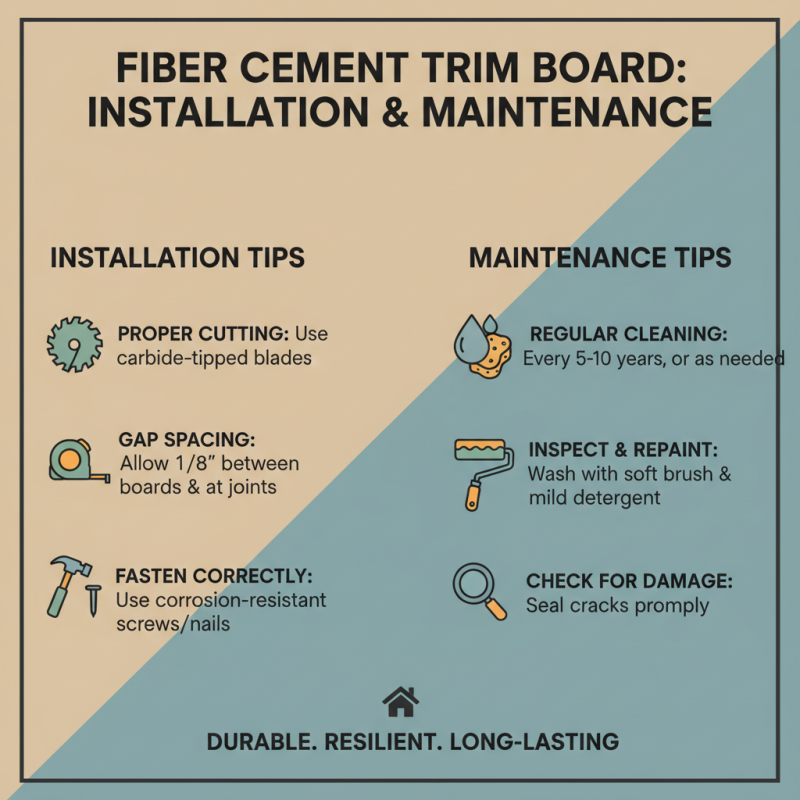
Proper installation starts with a clean, level surface. It's crucial to leave gaps between boards for moisture drainage. According to the Installation Guidance from the Fiber Cement Association, a minimum gap of 1/4 inch is recommended. This prevents water accumulation that could lead to damage. Fastening should adhere to guidelines for spacing and depth; improper techniques can lead to future issues.
Maintaining fiber cement trim boards is quite straightforward. Regular inspections are suggested to check for any signs of wear or damage. Cleaning should be done at least twice a year using a soft brush or pressure washer. Interestingly, a study by the American Institute of Architects indicates that properly maintained fiber cement can last over 50 years. Yet, some homeowners may neglect to examine their trim periodically, risking the longevity of their investment. Addressing small repairs promptly can prevent more significant issues down the line.