What Is Fiber Cement Woodgrain Board and How Is It Used?
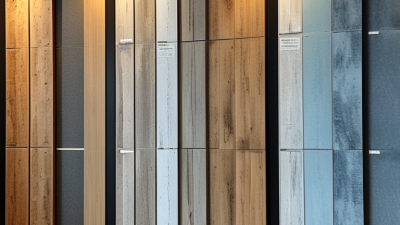
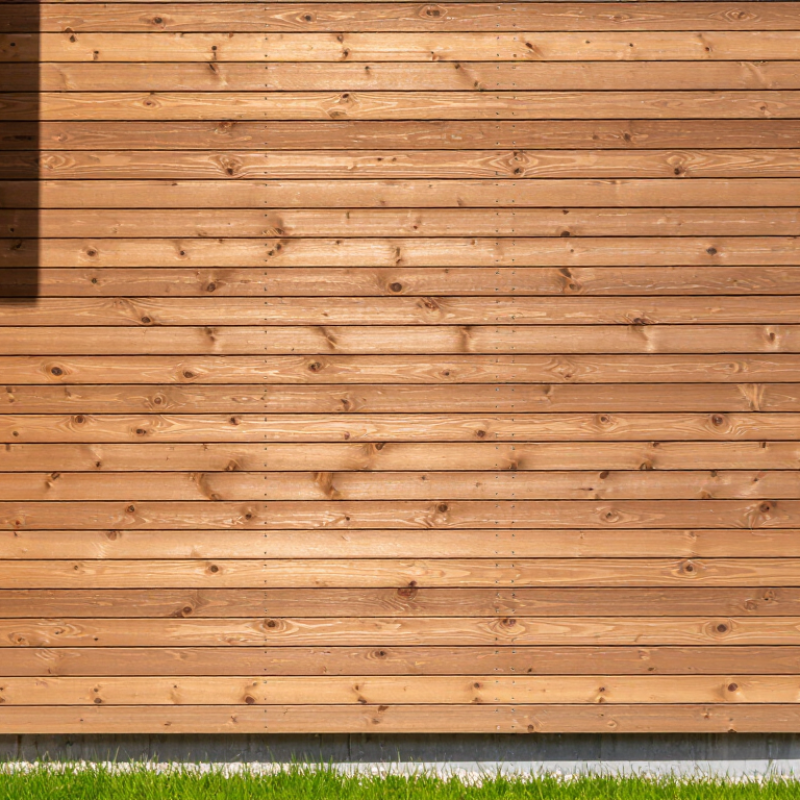
Fiber Cement Woodgrain Board is a cement-based exterior panel designed to resemble natural timber. It usually combines cement, cellulose fibers, mineral fillers, and water-resistant additives. During production, manufacturers press or emboss a grain pattern onto the surface. The result offers visible knots, linear texture, and a more consistent finish than many wood products.
It is not timber.
Unlike untreated wood, this board resists rot, insects, and moisture-related movement when correctly installed. However, its performance depends on product quality, edge protection, ventilation, and accurate fixing. Experienced contractors usually cut it with suitable dust control equipment and follow the manufacturer’s spacing requirements. Poorly sealed edges can still absorb water. That detail matters.
Fiber Cement Woodgrain Board is commonly used for house cladding, garden rooms, garages, commercial façades, and feature walls. Its textured surface can create a warm appearance beside brick, metal, glass, or concrete. Pre-finished boards reduce painting work, while uncoated versions allow owners to select compatible exterior coatings. Color choice is important, because darker finishes may increase surface temperatures in strong sunlight.
Installation should include a drained cavity, appropriate membranes, corrosion-resistant fasteners, and carefully planned joints. Local building codes may also require specific fire, wind, and moisture details. Product data sheets remain essential, even when two boards appear almost identical. The material is durable, but it is not maintenance-free. Inspecting joints, coatings, and fixings can prevent small defects from becoming expensive repairs. Real projects may reveal limitations, especially around heavy impacts, complex curves, or rushed detailing. Understanding those weaknesses leads to better design decisions and longer service life.
Definition and Core Composition of Fiber Cement Woodgrain Board
Fiber cement woodgrain board is a building panel designed to resemble natural timber. Its core usually combines Portland cement, cellulose fibers, mineral fillers, water, and small performance additives. The cellulose fibers help distribute stress, while cement provides hardness and dimensional stability. Pigments may be mixed into the material or applied to the surface.
The woodgrain pattern is formed through pressing, molding, or surface embossing. It can show knots, shallow grooves, and irregular grain lines. Unlike solid wood, the board does not contain natural timber fibers. This difference reduces problems linked to rot, insects, and seasonal swelling, although installation quality still matters. The panels are commonly used for exterior cladding, soffits, fencing, and selected interior feature walls. In practical work, installers must protect cut edges and follow the specified fixing pattern. A damaged edge can absorb moisture more easily. That detail is easy to overlook.
Tips:
Store boards flat and dry before installation. Use suitable cutting tools and wear eye and respiratory protection. Seal exposed cuts when required by the installation guide. Keep joints aligned, but do not force tight connections. Slight texture differences are normal and may make the finished wall look more natural. However, “low maintenance” does not mean maintenance-free; inspect coatings, joints, and drainage paths regularly. Surface color can also change over time, especially on sun-facing elevations.
Key Properties and Performance Characteristics
Fiber cement woodgrain board combines a textured timber appearance with the dense structure of cement-based material. Its surface can show realistic grain lines, knots, and shadowed grooves. Unlike natural wood, it does not readily support rot or insect damage. It also resists moisture better than many untreated timber products. The board is not waterproof. Water can still enter through unsealed edges, joints, or damaged coatings.
Its performance depends heavily on installation quality. On inspected exterior projects, correctly spaced framing helped reduce movement and cracking. Ventilated cavities also allowed trapped moisture to escape. Fiber cement has strong fire resistance, but its exact rating depends on thickness, assembly design, and tested construction details. It also offers useful dimensional stability during ordinary temperature changes. Poorly positioned fasteners can still cause edge damage.
The material is relatively heavy. Cutting requires suitable tools, dust control, and careful handling. A clean supporting surface matters. Slight color variation or small texture differences may appear between production batches, so full-scale samples are more reliable than small swatches. Long-term appearance depends on exposure, coating quality, and local weather. Coastal air, repeated freezing, or constant shade may change maintenance needs. I would not describe the board as maintenance-free. That claim deserves caution. Regular checks around joints, corners, and penetrations can reveal problems before moisture reaches the wall structure.
What Is Fiber Cement Woodgrain Board and How Is It Used?
Fiber cement woodgrain board is a cement-based panel reinforced with cellulose fibers and manufactured with a textured surface that resembles natural wood. The chart presents representative midpoint values from commonly published technical ranges; actual performance depends on the product formulation, thickness, finish, installation, and test method.
Manufacturing Process and Surface Woodgrain Treatments
Fiber cement woodgrain board begins with cellulose fibers, cement, refined silica, and water. Manufacturers form these ingredients into thin layers, often using the Hatschek process. Hydraulic pressure removes excess water and increases density. Boards then cure in controlled heat and humidity, sometimes inside an autoclave.
Woodgrain appearance is created before or after curing. Embossed rollers press grain patterns into the wet surface. Some producers use molded textures for deeper knots and irregular lines.
Others sand the face, apply a primer, and add acrylic or mineral coatings. These treatments improve color stability and water resistance. Edge sealing remains important because cut edges can absorb moisture.
According to ASTM C1186, fiber-cement sheets are classified for exterior and interior applications, but installation conditions still matter.
The environmental context deserves attention. The U.S. Geological Survey reported about 91 million metric tons of U.S. cement production in 2023. The International Energy Agency estimates cement production creates roughly 7% of global energy-related carbon dioxide emissions.
Therefore, material efficiency and service life should guide specification, not texture alone. My practical concern is visual repetition. Woodgrain can look too uniform when panels are installed from one production batch.
Tips: Check the product’s technical data sheet, coating system, fastener spacing, and moisture details. Inspect the grain under angled light. A beautiful surface may hide weak edge preparation. Allow ventilation behind cladding, and seal every field-cut edge carefully.
Common Building and Interior Design Applications
Fiber cement woodgrain board combines cement, cellulose fibers, and mineral fillers in a pressed sheet.
Its molded surface imitates timber grain without relying on natural wood movement. The board resists rot, insects, and changing weather better than many untreated timber products. It still needs thoughtful detailing. It is not a perfect timber substitute.
In building exteriors, contractors use it for wall cladding, gable ends, soffits, and sheltered façades. Horizontal boards can create a traditional residential appearance, while vertical boards suit modern elevations. A drained cavity, suitable flashing, and correctly spaced fixings help manage rainwater.
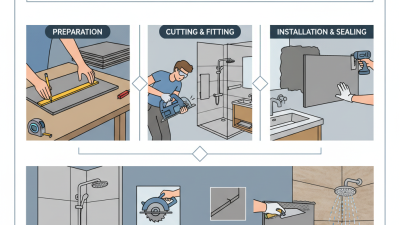
Installers should check the substrate and allow movement at joints. Cutting creates fine dust, so proper extraction and respiratory protection matter. Small mistakes show quickly around windows.
Interior designers use woodgrain boards on feature walls, ceilings, reception areas, and durable partitions.
They can add warmth to corridors without the maintenance demanded by solid timber. In kitchens, utility rooms, and high-traffic commercial spaces, sealed edges and compatible coatings improve service life. However, surface texture can collect dust, especially on ceilings. Fire performance also depends on the complete wall or ceiling system, not the panel alone.
From practical site experience, designers sometimes specify the material for appearance first and ventilation second. That choice deserves reconsideration. Performance begins behind the visible grain.
Installation Methods, Maintenance, and Service Life
Fiber cement woodgrain board needs a dry, stable installation base. The U.S. Department of Energy’s Building America guidance identifies drainage and ventilation as essential moisture-control strategies. Install a weather-resistive barrier, flash openings, and maintain a ventilated cavity where the wall design requires one. Use corrosion-resistant fasteners and leave movement joints at corners, penetrations, and long runs. Cut edges need careful sealing. Small omissions become expensive later.
Keep boards clear of soil and standing water. Check joints, coatings, fasteners, and lower edges at least once a year, especially after storms. Remove dirt with a soft brush and low-pressure water. Avoid aggressive pressure washing, which can damage coatings and force water behind laps. Repainting intervals vary with exposure, color, and coating quality. Field experience suggests that shaded walls often age differently from sunny elevations. That difference is easy to miss.
The European Commission’s Level(s) framework commonly uses a 50-year reference study period for building assessments. This is not a guaranteed product lifespan. Fiber cement woodgrain board can perform for decades when detailing, ventilation, and maintenance remain consistent. Poor flashing can shorten service life dramatically. The weak point is usually the assembly, not the board. I would not promise an exact lifespan without reviewing climate, wall design, and installation records. A modest annual inspection may prevent a major replacement.

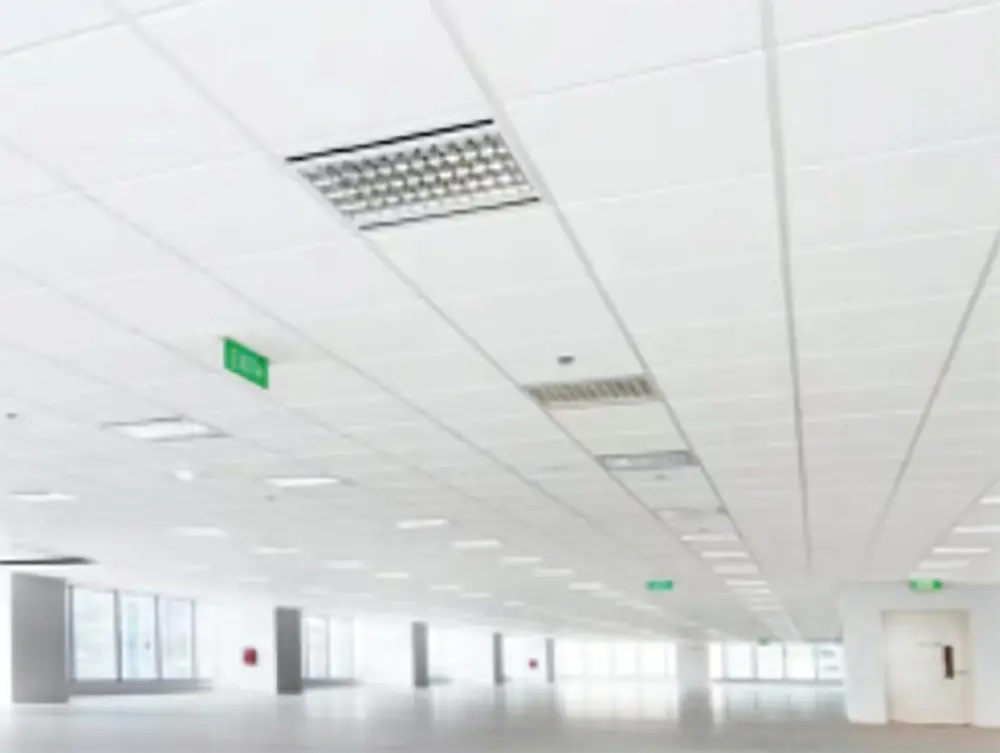 LEAO®Deco Ceiling
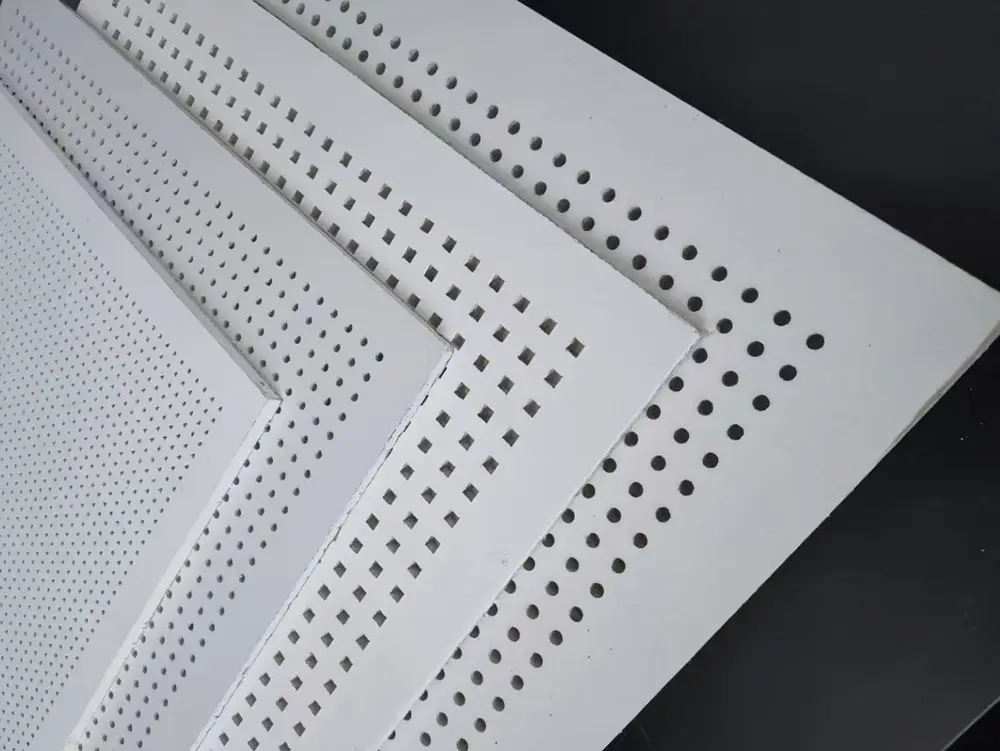 LEAO® Perforated Ceiling
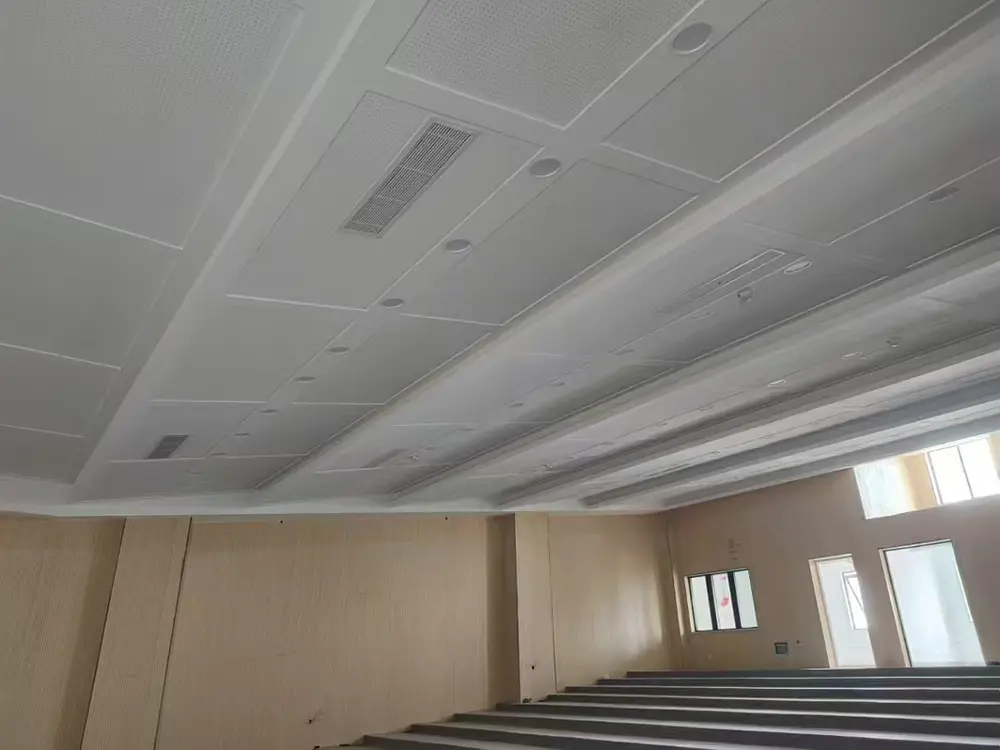 LEAO® Ceiling Board
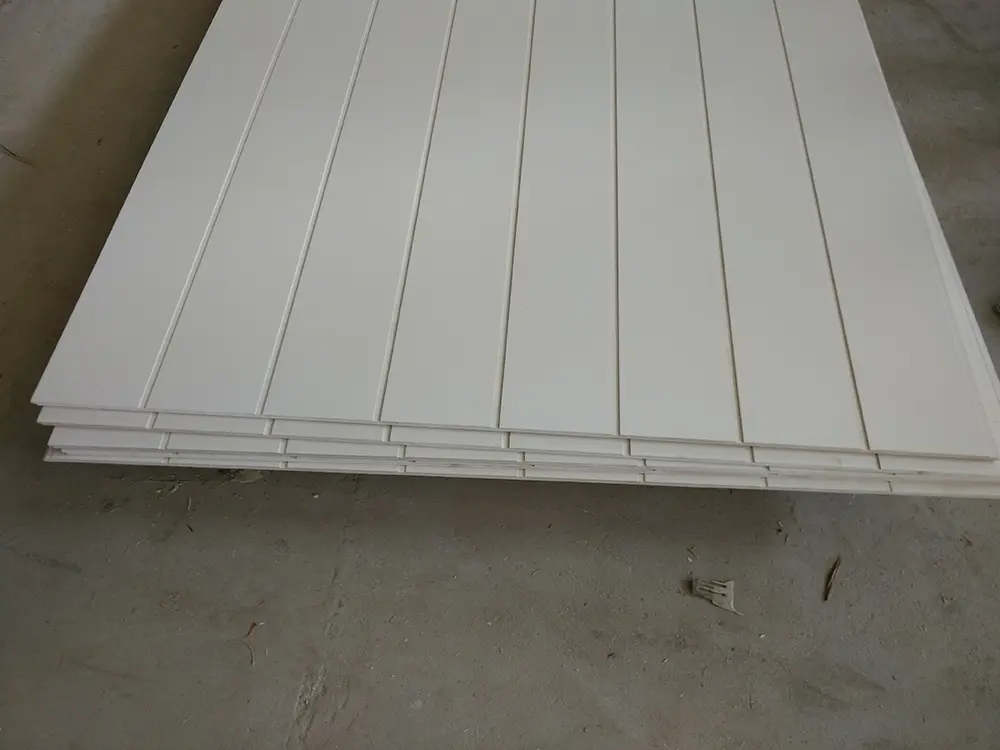 LEAO® Groove Interior Panel
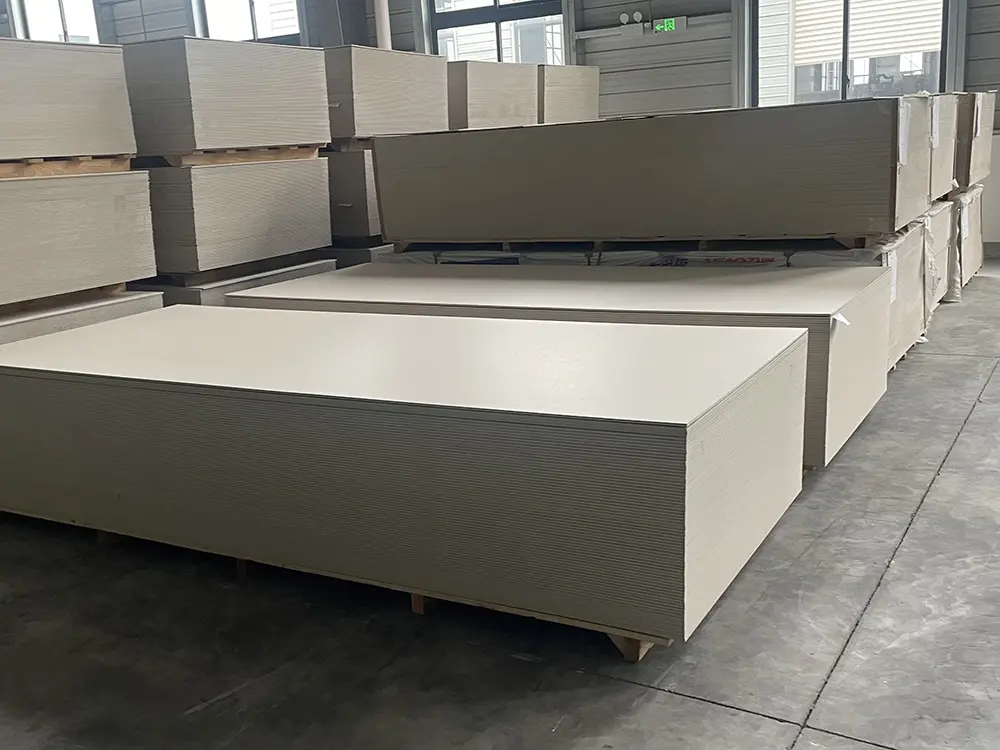 LEAO® Interior Board
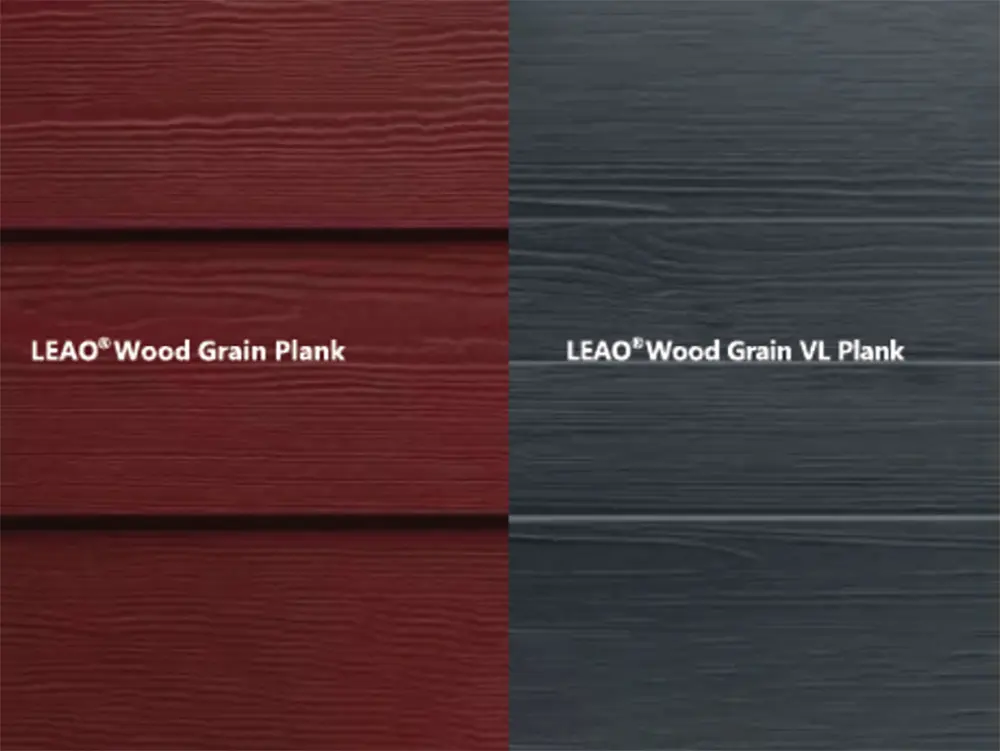 LEAO® Wood Grain Plank
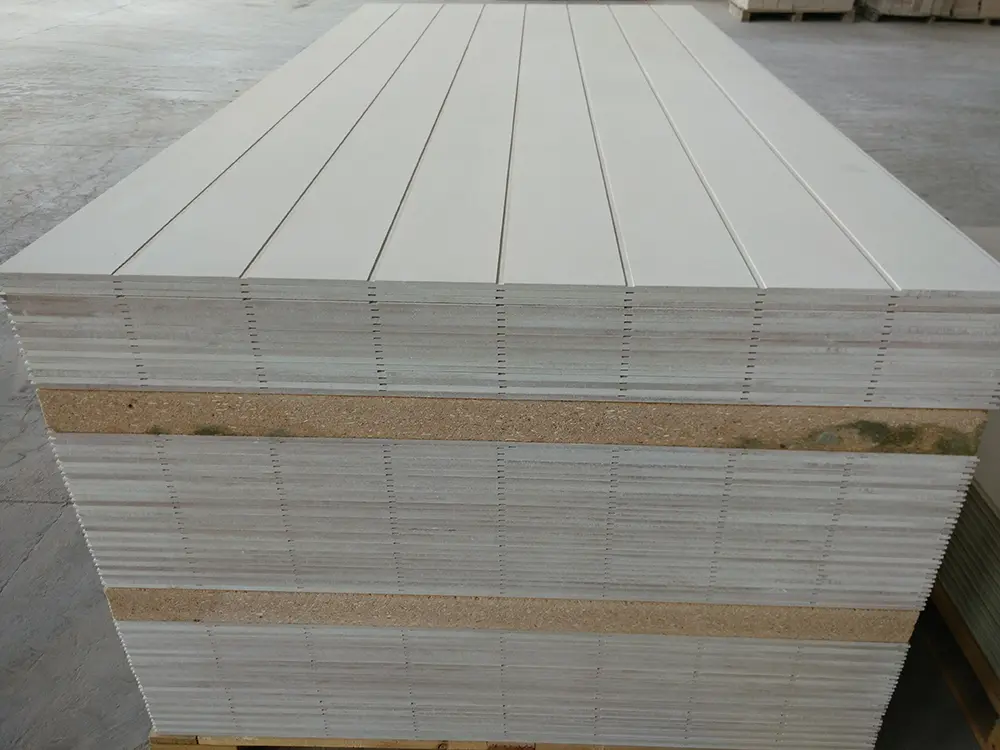 LEAO® Grooved Exterior Panel
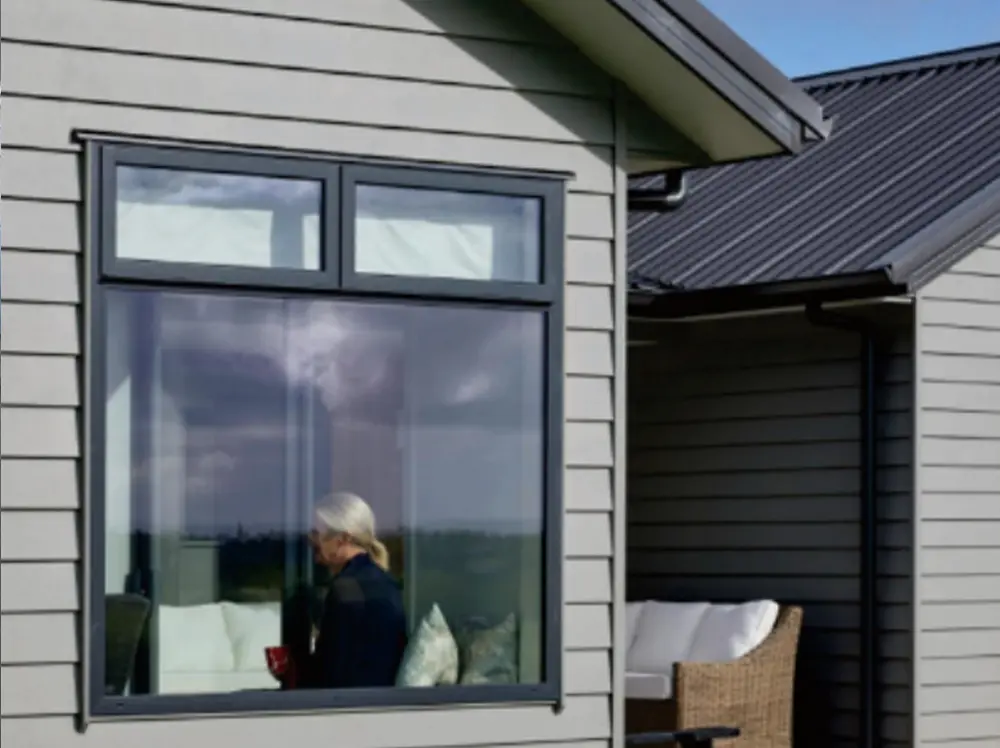 LEAO® Weatherboard
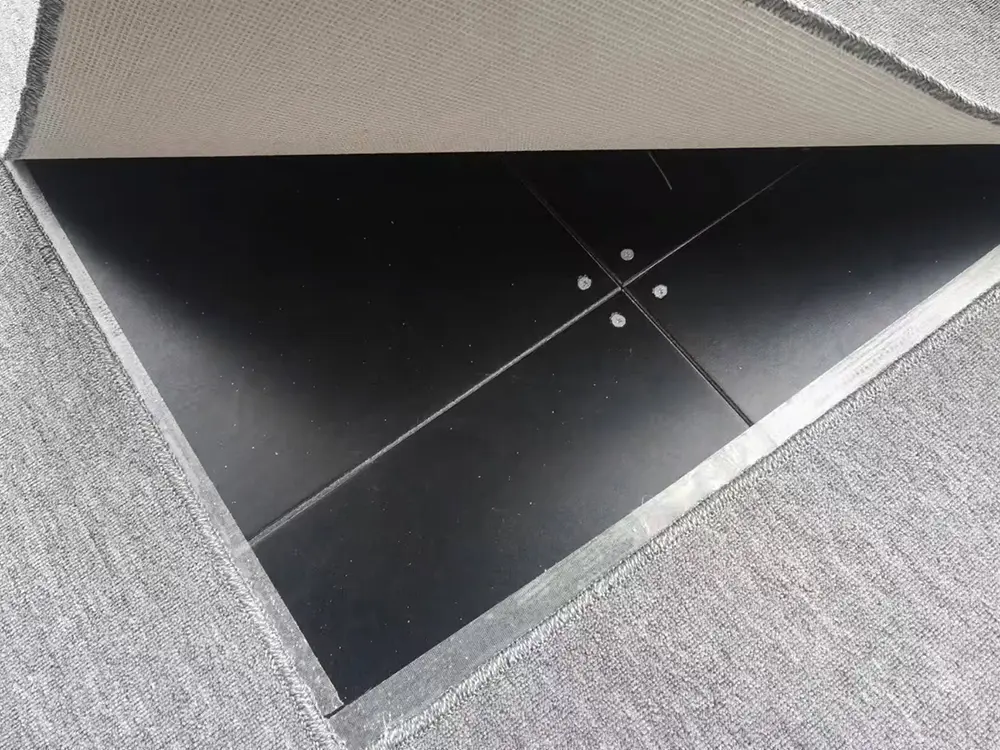 LEAO® Access Floors
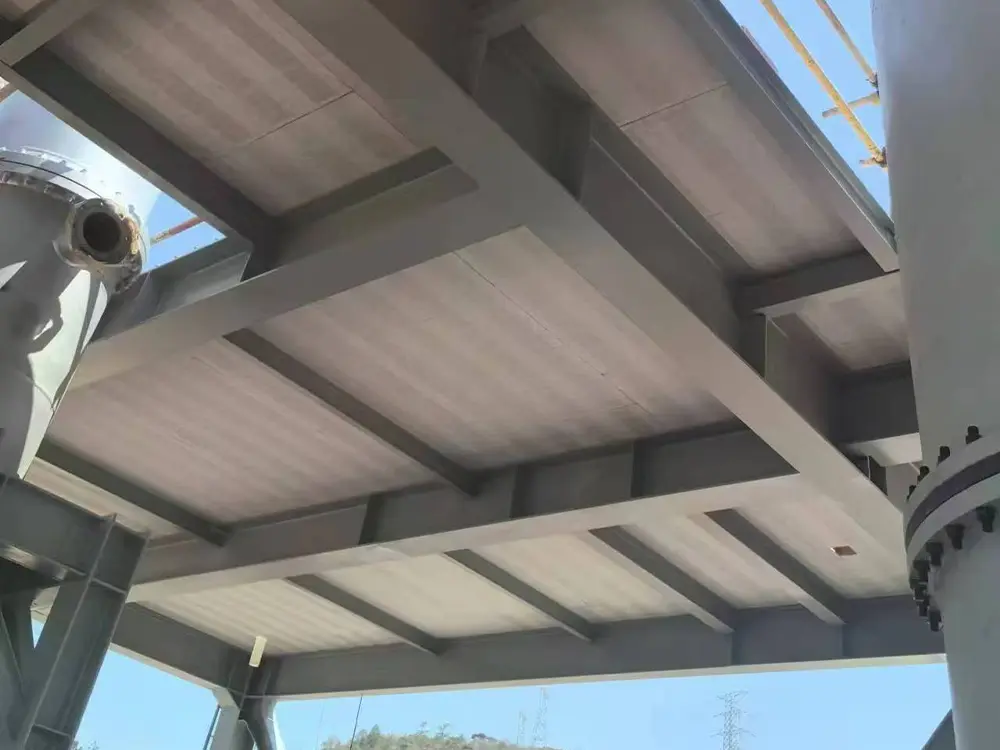 LEAO® Non-removable Formwork
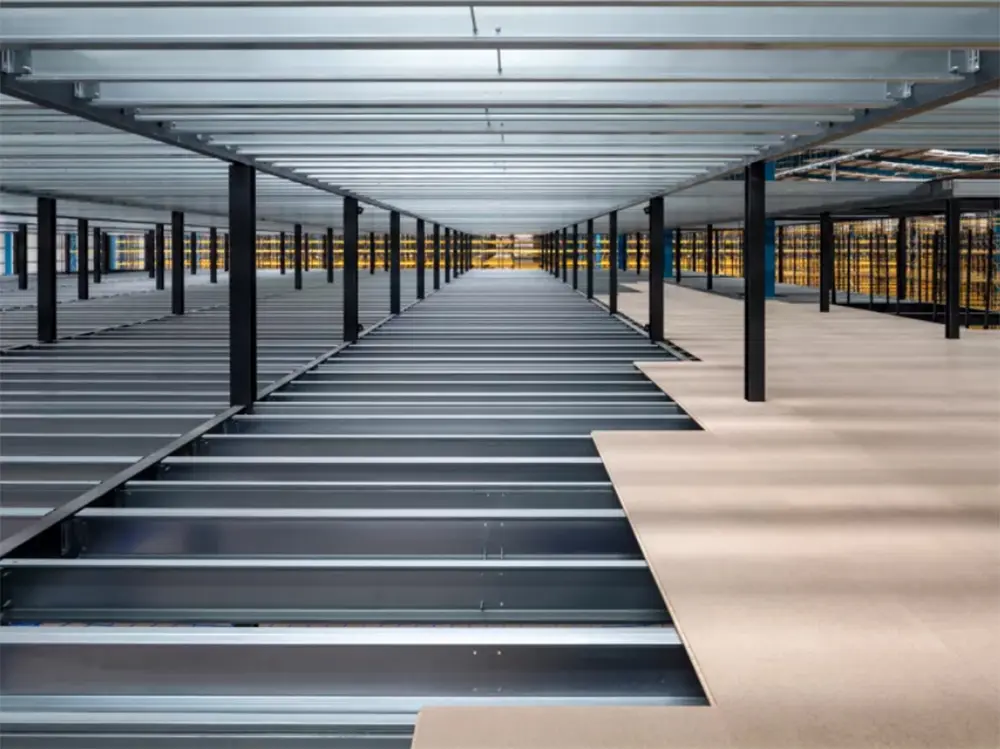 LEAO® Mezzanine Board
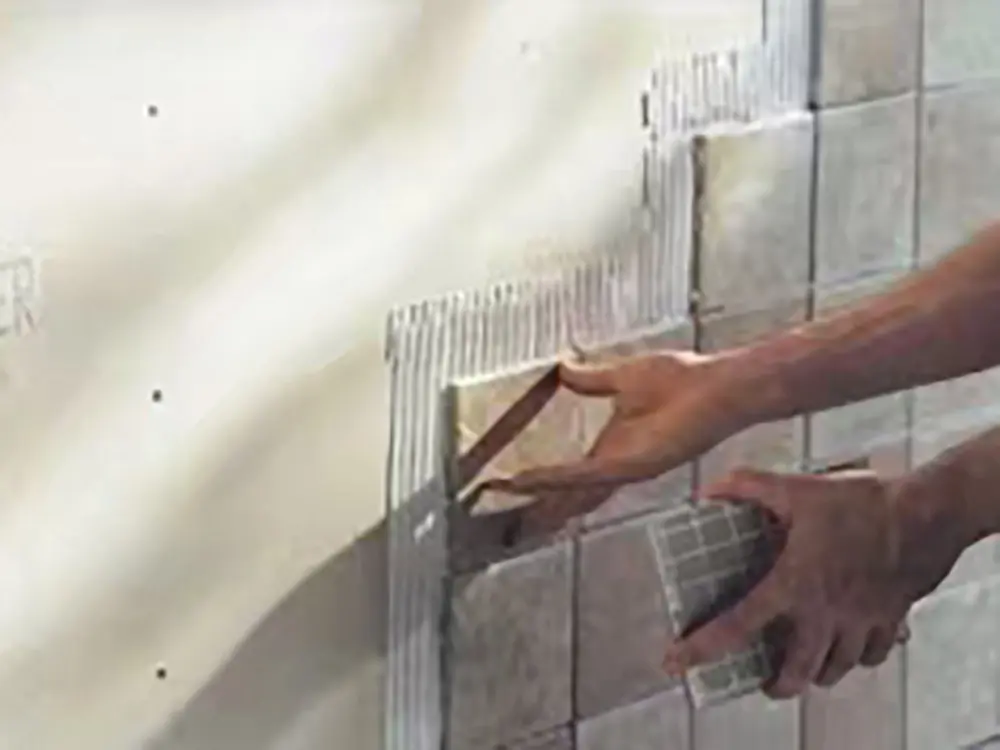 LEAO® Ceramic Tile Underlay
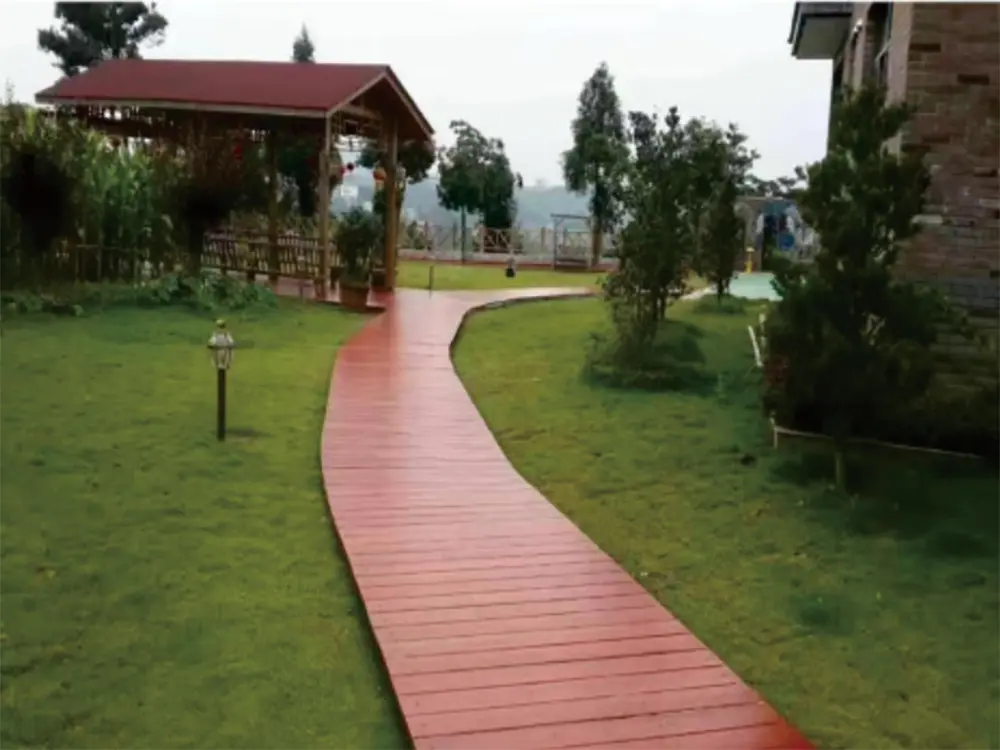 LEAO® Floor Plank
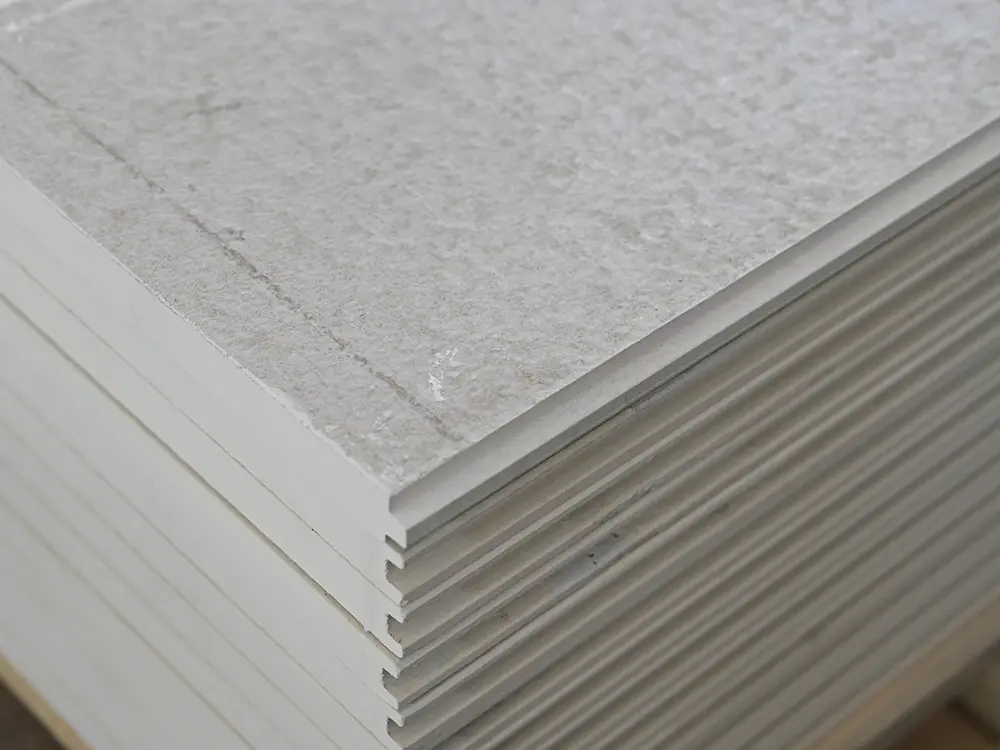 LEAO® Flooring
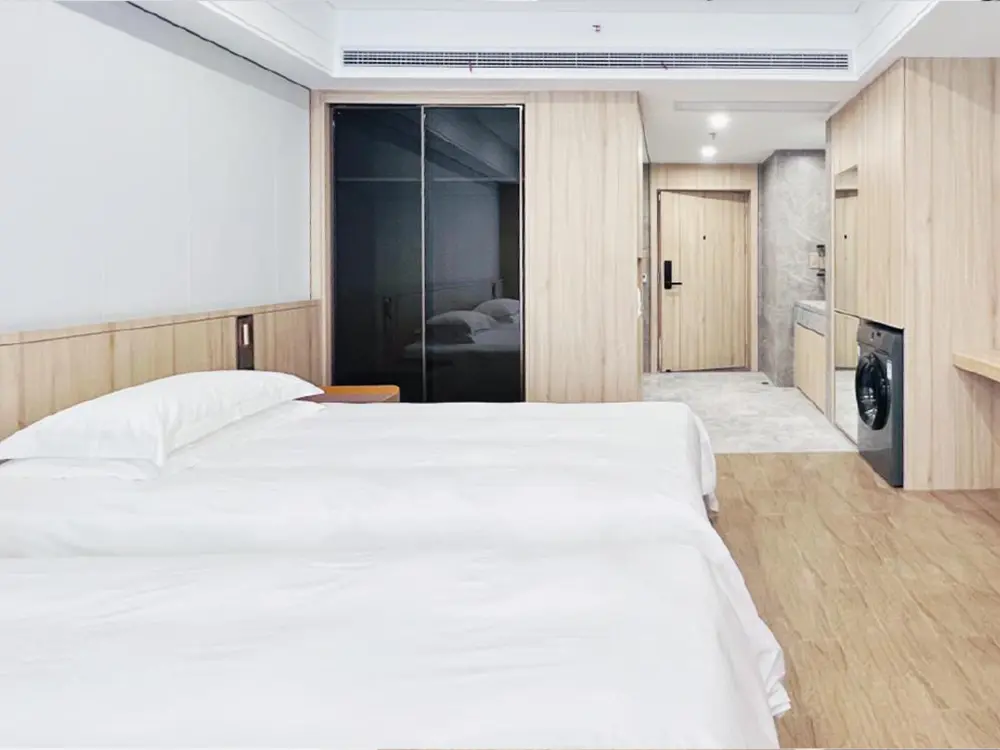 LEAO® Wood Style Decorative Panel
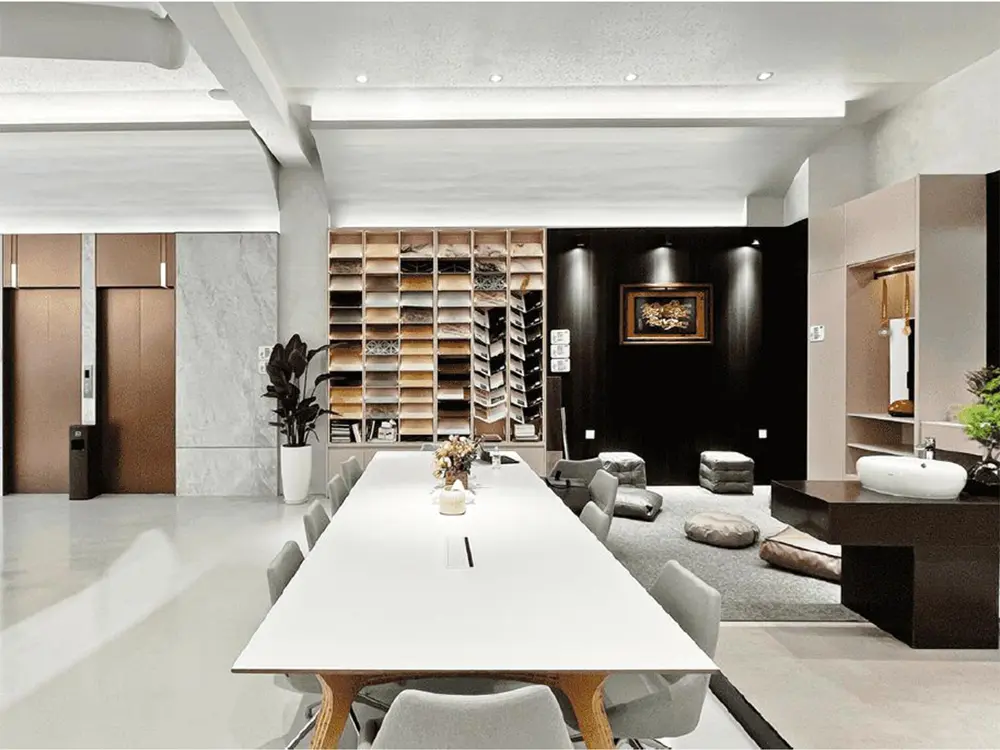 LEAO® Stone Style Decorative Panel
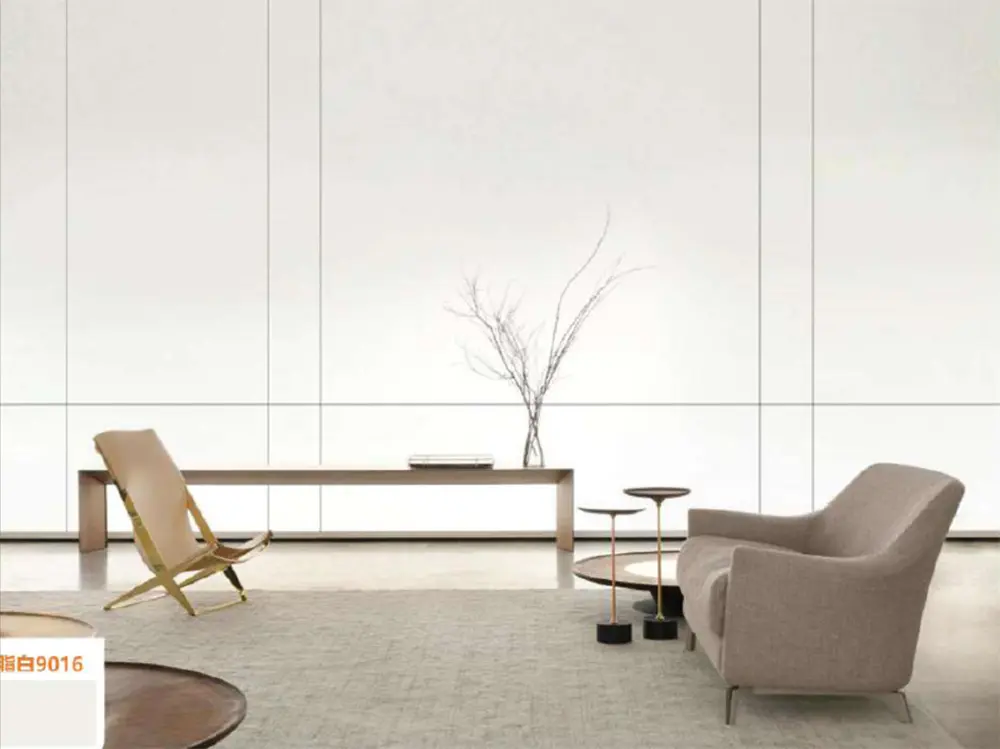 LEAO® Pure Style Decorative Panel