Inquiry
Form loading...

7 Tips for Choosing Fiber Cement Woodgrain Board

Choosing exterior cladding is rarely as simple as selecting the most attractive grain. A suitable Fiber Cement Woodgrain Board must balance appearance, durability, installation demands, and long-term maintenance. A warm cedar-like texture may look convincing in a showroom, yet perform differently beside coastal wind, heavy rain, or strong sunlight. Real projects vary.

This guide presents seven practical tips for making a more informed choice. It considers board thickness, surface texture, moisture resistance, fire performance, coating quality, and installation compatibility. The details matter. A board that feels solid in hand may still require careful edge sealing and correct ventilation. Small mistakes during cutting can expose vulnerable areas. That is why product data sheets and installation instructions deserve close attention.

Experience also suggests looking beyond photographs and marketing language. Compare documented test results, warranty conditions, fixing methods, and recommended maintenance schedules. Check whether the board suits the building’s structure and local climate. A qualified contractor can identify issues that product samples cannot show. However, professional advice is not infallible. Site conditions are often underestimated, especially around window openings, corners, and low-level splash zones. Careful inspection remains essential.

The best choice is not always the thickest or most expensive option. It is the board that fits the project’s practical needs and aesthetic goals. These tips provide a reliable starting point, while encouraging thoughtful questions before purchase, installation, and final approval.

7 Tips for Choosing Fiber Cement Woodgrain Board

Understanding Fiber Cement Woodgrain Board Composition and Performance

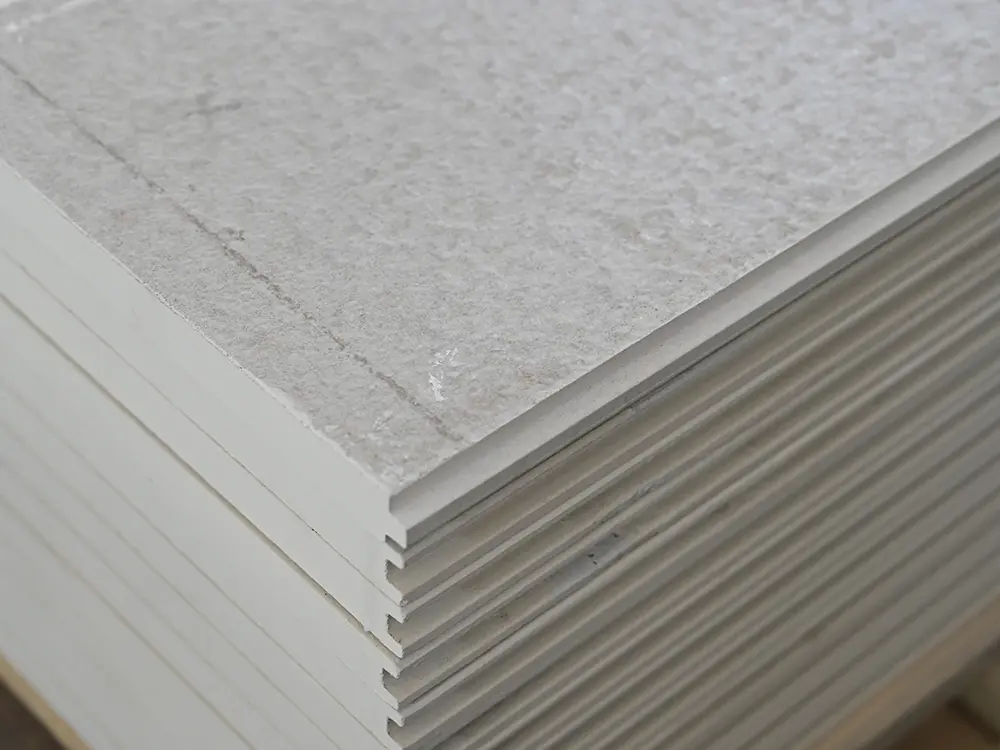
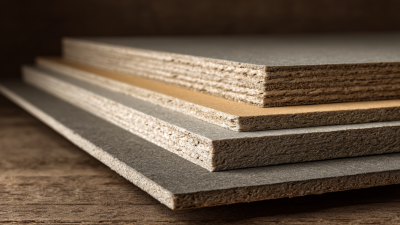
Fiber cement woodgrain board is made from cement, cellulose fibers, mineral fillers, and water. These materials are pressed and cured under controlled conditions. The process creates a dense panel with a textured surface. The woodgrain pattern may be molded or embossed during production. Composition affects weight, stiffness, moisture response, and cutting behavior.

From site inspections, I have found that stable boards still depend on correct installation. Fiber cement resists rot and insects, but it is not automatically waterproof. Open joints, poor flashing, or standing water can cause trouble. Check the product’s fire, moisture, impact, and weathering data against local project needs. Some surface coatings fade earlier than expected. That detail deserves attention.

Tips: Check the core. It should look dense and consistent after cutting. Confirm the board’s thickness and weight. Review test data, not only appearance. Inspect the grain depth for uniformity. Choose sealed edges for exposed applications. Allow movement at joints. Follow the specified fasteners and spacing. I once underestimated edge protection on a coastal project. The panels performed well, but careless handling caused visible chips. That mistake changed my inspection checklist. Ask how the board behaves after repeated wetting and drying. Request installation guidance and sample pieces before ordering. Small samples reveal texture, color variation, and cutting dust. Performance is measured over years, not only on delivery day.

7 Tips for Choosing Fiber Cement Woodgrain Board — Understanding Composition and Performance

Fiber cement woodgrain boards are typically made mainly from cement, combined with mineral silica or fillers, cellulose fibers, and a small amount of process additives. This representative dry formulation helps explain why the material offers dimensional stability, impact resistance, moisture tolerance, and non-combustible performance. Actual composition varies by product, thickness, manufacturing process, and applicable standard, so buyers should verify technical data sheets before choosing a board.

Assessing Woodgrain Realism, Texture, and Surface Finish

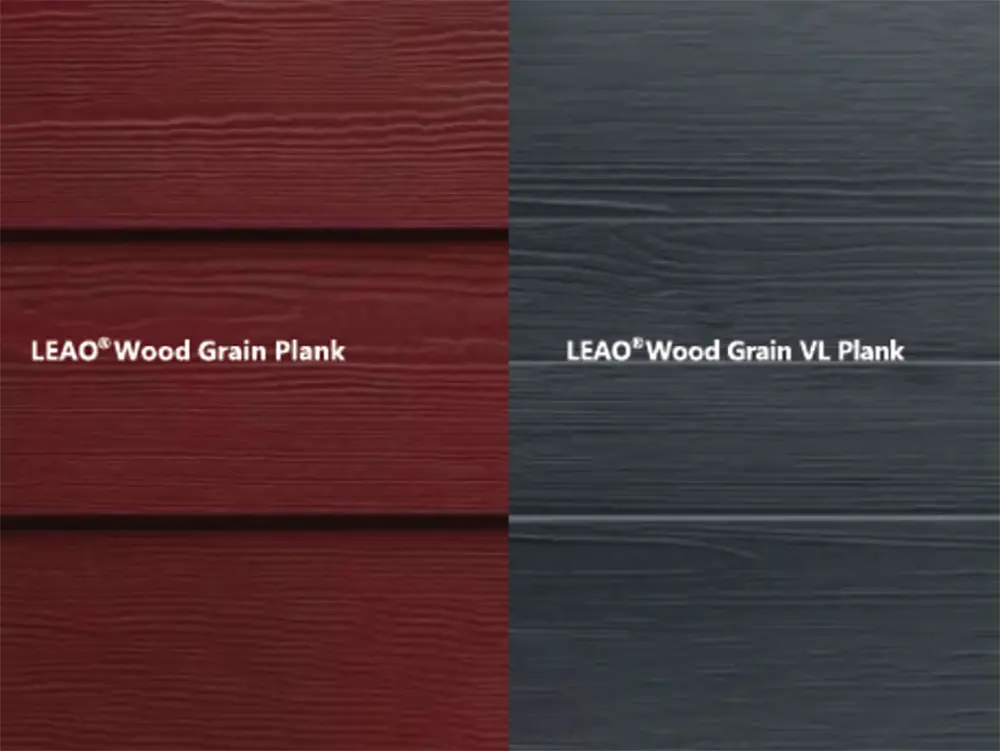
When choosing a fiber cement woodgrain board, examine realism at arm’s length and from across the room. A credible grain should vary in width, direction, and depth. Repeated lines can make a wall look digitally stamped. Look closely. Touch it. The surface should feel like shallow timber texture, not sharp grooves cut into a hard sheet.

Surface finish matters as much as the pattern. A low-gloss coating usually reflects less sunlight and hides minor installation marks better than a polished finish. Check several boards under daylight, not only showroom lighting. The 2024 Fiber Cement Market Analysis by Grand View Research projects continued market growth through 2030, increasing the need to distinguish durable, well-finished products from attractive samples. However, market growth does not prove quality. My own inspection priority is simple: consistent coating, clean edges, and no powdery residue after rubbing the surface.

Ask for weathering and water-absorption test results. ASTM C1186 provides performance classifications for fiber cement flat sheets, but it does not guarantee convincing woodgrain appearance. That judgment still requires careful viewing. Hold a sample vertically, inspect the end cut, and compare color changes after moisture exposure. Some boards look realistic when new, yet the finish can feel too uniform after installation. That is an easy detail to overlook.

Comparing Board Dimensions, Profiles, and Installation Requirements

Tip: Measure the wall before selecting fiber cement woodgrain board. Common panels may be 8, 10, or 12 feet long, while actual coverage changes with overlaps. A 5% to 10% waste allowance is practical for detailed façades.

Tip: Compare thickness, not only width. Thicker boards usually feel more stable, but they can require longer fasteners and stronger framing. ASTM C1186 classifies fiber-cement flat sheets by performance, not appearance. Check the tested grade.

Tip: Match the profile to drainage needs. Shiplap, board-and-batten, and lap profiles create different shadow lines and joint details. A rain-screen cavity is often safer than relying on caulk alone.

Tip: Confirm the exposure dimension. A 6-inch board may show only about 5 inches after lapping. Small errors accumulate around windows. I have seen attractive layouts become uneven near rooflines.

Tip: Review installation requirements before ordering. The manufacturer’s guide should state fastener type, spacing, edge clearances, cutting methods, and joint treatment. Local building codes still control the final assembly.

Tip: Protect the weather barrier. The U.S. Department of Energy reports that air leakage can account for 30% or more of household heating and cooling energy use. Poorly sealed penetrations waste performance.

Tip: Allow for movement and site conditions. Wet climates, coastal exposure, and freeze-thaw cycles change detailing decisions. The 2023 International Energy Conservation Code also emphasizes continuous air-control strategies. My early drawings sometimes ignored service openings. That was a mistake. A full-size mock-up can expose awkward joints before installation.

Evaluating Weather Resistance, Maintenance Needs, and Expected Lifespan

Fiber cement woodgrain board can handle demanding weather, but selection still requires careful judgment. Check the product’s compliance with ASTM C1186, which covers flat fiber-cement sheets and performance requirements. For exposed walls, review water-penetration results, such as ASTM E331 testing, rather than trusting a textured surface alone. Coastal air, freeze-thaw cycles, and strong ultraviolet exposure can reveal weak edges quickly. Keep cut ends sealed, use corrosion-resistant fasteners, and maintain clearances above soil and paving.

Maintenance is usually modest, not zero. Inspect joints, fasteners, and paint every five to ten years, especially beneath windows and roof drainage points. Clean with a soft brush and low-pressure water. Avoid aggressive power washing; it can drive moisture behind the board. The U.S. Department of Energy’s Building America guidance repeatedly identifies drainage planes, flashing, and sealed penetrations as key moisture controls. The board cannot compensate for poor installation.

Expected lifespan depends on climate, detailing, and repainting. The National Association of Home Builders’ Life Expectancy of Home Components report lists fiber-cement siding at approximately 100 years, but that figure is an estimate, not a promise for every woodgrain board. Ask for third-party test records, coating specifications, and installation instructions. One practical warning: a realistic warranty is more useful than an impressive lifespan claim. I would also inspect a local installation after several winters; laboratory evidence can miss small, persistent flaws.

Checking Safety Standards, Manufacturer Support, and Total Project Cost

Choosing Fiber Cement Woodgrain Board: Safety, Support, and Total Cost

A convincing woodgrain texture should never distract from basic safety. Ask for current test reports covering fire performance, moisture resistance, impact strength, and harmful emissions. Standards vary by region, so confirm whether the documents match your local building requirements. Check product thickness, edge treatment, and fixing instructions, too. A beautiful sample can hide weak edges.

Manufacturer support matters after delivery. Request installation drawings, maintenance guidance, replacement procedures, and a clear warranty. Confirm who handles technical questions when panels arrive damaged or dimensions differ. Reliable suppliers explain tolerances instead of promising perfection. Check stock levels, production times, packaging, and accessory compatibility before signing an order. Small delays can stop an entire facade crew.

Calculate the complete project cost, not only the board price. Include framing, fasteners, cutting tools, primer, coating, labor, scaffolding, transport, waste, and future repainting. Larger boards may reduce joints but increase handling risks. Smaller pieces may cost less yet create more labor. A ten percent waste allowance is common for detailed layouts, but it may be insufficient around windows and corners. Get at least two written quotations with identical specifications. Then compare lifespan and maintenance, not just the lowest figure. I have seen inexpensive materials become costly after repeated repairs. That experience is easy to underestimate.

7 Tips for Choosing Fiber Cement Woodgrain Board - Checking Safety Standards, Manufacturer Support, and Total Project Cost

Tip Decision Area What to Check Practical Benchmark or Requirement Evidence to Request Potential Cost Effect
1 Verify product safety standards Confirm that the board is tested or certified under the standards required in the project location. Review fire performance, structural properties, and product composition. For U.S. projects, look for applicable references such as ASTM C1186 for flat fiber-cement sheets. Fire ratings must be based on the complete tested wall or roof assembly, not the board alone. Current technical data sheet, test reports, safety data sheet, and local code evaluation documents. Usually low direct cost; non-compliant materials can cause redesign, replacement, or inspection delays.
2 Match the board to the exposure Assess rain, humidity, freeze-thaw cycles, coastal salt exposure, UV radiation, and the intended use as siding, soffit, cladding, or an interior feature. Fiber cement is moisture-resistant but is not automatically waterproof. Use the specified weather-resistive barrier, flashings, drainage cavity, edge sealing, and clearances. Installation manual, exposure limitations, warranty conditions, and details for corners, joints, openings, and penetrations. Correct detailing may add labor but reduces moisture damage and premature repainting.
3 Compare thickness, profile, and dimensions Compare thickness, board weight, nominal dimensions, effective coverage, edge profile, woodgrain depth, and dimensional tolerances. Common sheet thicknesses are approximately 6–12 mm, but suitability depends on span, fastening pattern, wind load, and the tested assembly. Use effective coverage rather than nominal board size for quantity calculations. Product drawings, weight per square metre, tolerances, recommended spans, and fastening schedule. Heavier or thicker boards may increase framing, lifting, cutting, and labor requirements.
4 Evaluate installation and worker safety Review cutting methods, dust control, board handling, required tools, fastener compatibility, and whether trained installers are available. Cutting fiber-cement products can generate respirable dust. Follow the product safety data sheet and use wet cutting or suitable dust extraction, respiratory protection, eye protection, and hearing protection as required. Safety data sheet, cutting instructions, recommended PPE, installation training materials, and tool guidance. Specialized tools, slower cutting, PPE, dust extraction, and training can raise installation costs.
5 Check finish, color, and maintenance needs Determine whether the woodgrain surface is factory-finished, primed for site coating, or unfinished. Check color consistency, touch-up procedures, and repainting requirements. Use only coatings and sealants approved for the specific substrate. Confirm batch consistency and inspect samples in natural light before ordering the full quantity. Coating specification, care guide, sample panel, touch-up method, and expected recoating interval. Factory finishes may cost more initially but can reduce site painting labor and access equipment.
6 Assess manufacturer support and warranty Check technical response times, local availability, replacement policy, warranty exclusions, installation requirements, and support for details not shown in standard documents. A useful warranty should clearly state coverage period, substrate and coating conditions, geographic limitations, claim documentation, and whether improper installation voids coverage. Written warranty, installation guide, detail drawings, technical contact information, and evidence of local stock or lead time. Reliable support can reduce delays, rework, and unresolved installation issues.
7 Calculate the total project cost Include boards, waste, trims, membranes, flashings, fasteners, sealants, coatings, delivery, handling, labor, equipment, maintenance, and disposal. Prepare at least two quotes using the same measured area and installation scope. Add a project-specific waste allowance—often around 5–15%, depending on layout, openings, and cutting complexity. Itemized quotations, measured takeoff, labor assumptions, delivery terms, lead time, and maintenance schedule. The lowest board price may not produce the lowest installed or life-cycle cost.
Planning note: Standards, code requirements, installation methods, warranty terms, labor rates, and material prices vary by location and project type. Verify the current local requirements and obtain project-specific quotations before purchasing.