Top Tips for Choosing Fiber Cement Exterior Panels for Your Project?
In recent years, the popularity of Fiber Cement Exterior Panels has surged within the building materials industry. A report by the Freedonia Group highlights that the fiber cement market is set to grow by 4.3% annually, driven by increasing demand for durable and sustainable building solutions. Industry expert Dr. Emily Williams states, "Choosing the right exterior panel is crucial for both aesthetics and longevity." This underscores the importance of making informed selections in your projects.
When selecting Fiber Cement Exterior Panels, various factors must be considered. These include material quality, design versatility, and climate resilience. Fiber cement is not only fire-resistant but also stands up against harsh weather conditions. However, potential buyers should be cautious; not all fiber cement products are created equal. Some may lack essential certifications, compromising reliability.
Experience matters in this field. Seek out panels backed by reputable manufacturers. Pay attention to warranties and customer reviews. As Dr. Williams emphasizes, "The long-term success of your project depends heavily on initial decisions." Balancing aesthetic appeal with functionality can be challenging, yet crucial for effective project outcomes.
Understanding Fiber Cement Exterior Panels: Composition and Benefits
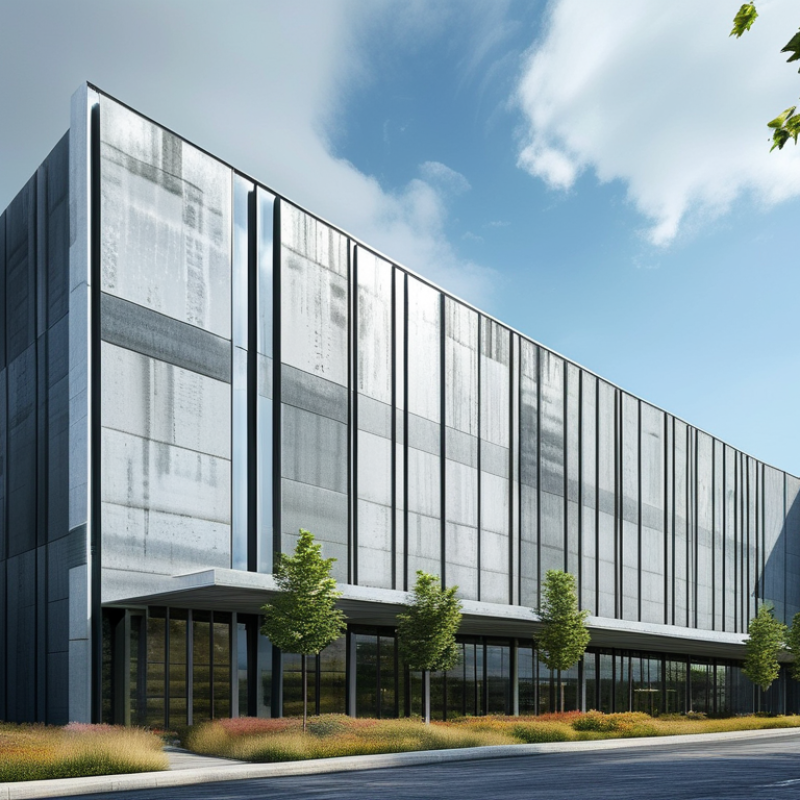
Fiber cement exterior panels are gaining popularity in construction due to their unique composition and numerous benefits. These panels are primarily made from a blend of sand, cement, cellulose fibers, and other additives. This mixture creates a lightweight but durable product. According to a report from the American Institute of Architects, fiber cement panels can last over 50 years with minimal maintenance.
One of the main advantages of fiber cement panels is their resistance to harsh weather conditions. They withstand extreme temperatures, moisture, and even pests, making them ideal for various climates. The durability is complemented by their versatility in design. Fiber cement can mimic the appearance of wood, stone, or brick. This adaptability allows architects to maintain aesthetic flexibility while ensuring structural integrity.
While fiber cement panels offer many benefits, they also come with challenges. Installation can be labor-intensive, requiring skilled labor for proper handling and fitting. Additionally, their initial cost may be higher compared to traditional materials. Contractors should weigh these factors carefully against long-term savings. Understanding fiber cement's composition helps in making informed decisions, optimizing project outcomes.
Top Tips for Choosing Fiber Cement Exterior Panels for Your Project
| Attribute |
Details |
| Material Composition |
Cement, cellulose fibers, sand, and additives |
| Durability |
Resistant to moisture, rot, and pests |
| Maintenance |
Requires minimal upkeep with periodic cleaning |
| Fire Resistance |
Non-combustible material, enhances safety |
| Environmental Impact |
Made from sustainable materials, recyclable |
| Aesthetic Options |
Available in various colors, textures, and designs |
| Cost Effectiveness |
Competitive pricing with long-term value due to longevity |
Durability and Maintenance: Evaluating Fiber Cement Longevity
When considering fiber cement exterior panels for your project, durability is a key factor. Fiber cement is known for its resilience against harsh weather conditions. It can withstand extreme temperatures and resist rot, unlike wood. This longevity reduces the frequency of replacements over time.
Maintenance is another aspect to weigh. Fiber cement typically requires less upkeep than other materials. A simple wash with soap and water can keep it looking fresh. However, some users may overlook regular inspections. Cracks or chips can occur, and addressing them promptly can prevent bigger issues.
When choosing your panels, focus on local climate conditions. Some finishes might perform better in humid areas. Keep in mind that installation quality impacts longevity. Hiring experienced professionals can make a considerable difference. Always check installation techniques and product specifications. The right choices today can lead to a resilient exterior that lasts for years.
Aesthetics and Design Flexibility: Styles Available for Fiber Cement Panels
When considering fiber cement exterior panels, aesthetics play a vital role. These panels come in various styles, allowing for unlimited design flexibility. You can find options that mimic natural wood, stone, or smooth finishes. The choice of style impacts the overall appearance of your project. Many homeowners prefer a rustic look while others lean towards a modern aesthetic.
Colors also matter. Fiber cement panels are available in a variety of colors, enhancing the visual appeal. From earthy tones to vibrant shades, the palette is expansive. This diversity ensures that you can find something to complement your architectural vision.
However, design choices aren't always perfect. It's important to consider how the selected style will align with your environment. Some textures may look appealing but could clash with a home’s surroundings. Additionally, the installation process can be tricky due to the weight of the panels. Thoughtful planning and expert advice can help navigate these challenges and lead to a successful project.
Top Tips for Choosing Fiber Cement Exterior Panels: Aesthetics and Design Flexibility
Cost Analysis: Budgeting for Fiber Cement Panel Installation
Budgeting for fiber cement panel installation involves several key considerations. The initial cost of materials typically ranges from $1.50 to $3.00 per square foot. However, the final cost can fluctuate based on your location and supplier. Installation costs can add an additional $2 to $4 per square foot, depending on labor rates. Research local pricing to get accurate estimates.
Beyond materials and labor, consider additional expenses. This includes permits, tools, and potential repairs to the underlying structure. It's essential to set aside a contingency fund, ideally 10% of your budget. Unforeseen issues often arise, especially if your project involves older buildings. Choosing slightly more expensive panels may lead to savings down the line, particularly regarding maintenance and longevity.
While fiber cement panels are durable, they may require skilled installation to prevent issues. Improper installation can lead to costly repairs, creating frustration. Striking a balance between quality and cost is vital. Planning carefully can simplify the process and enhance the overall durability of your project.
Environmental Impact: Sustainability of Fiber Cement Products in Construction
When considering the sustainability of fiber cement products, it's essential to explore their environmental impact. Reports indicate that over 80% of a fiber cement panel's life cycle greenhouse gas emissions occur during manufacturing. This statistic underscores the importance of production methods. Sustainable practices, like using recycled materials, can significantly reduce these emissions.
Furthermore, fiber cement panels are known for their durability. According to industry studies, these materials can last more than 50 years with minimal maintenance. This longevity means fewer replacements and less waste in landfills. Additionally, fiber cement is often designed to withstand extreme weather conditions, which minimizes the need for frequent repairs and replacements.
However, challenges do exist. The extraction of raw materials can contribute to ecosystem disruption. The question remains: can manufacturers balance resource extraction with environmental preservation? It's crucial to ensure that sourcing practices are responsible. Hence, builders and architects must critically evaluate fiber cement's entire life cycle, considering both its benefits and the potential drawbacks for a holistic approach to sustainability.

 LEAO®Deco Ceiling
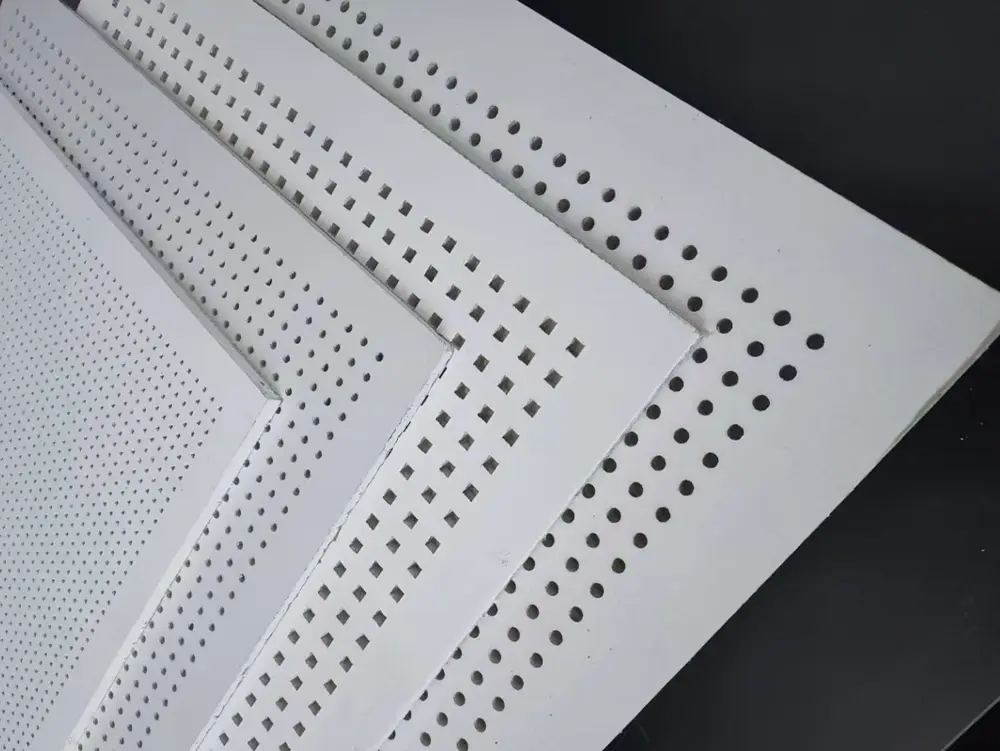 LEAO® Perforated Ceiling
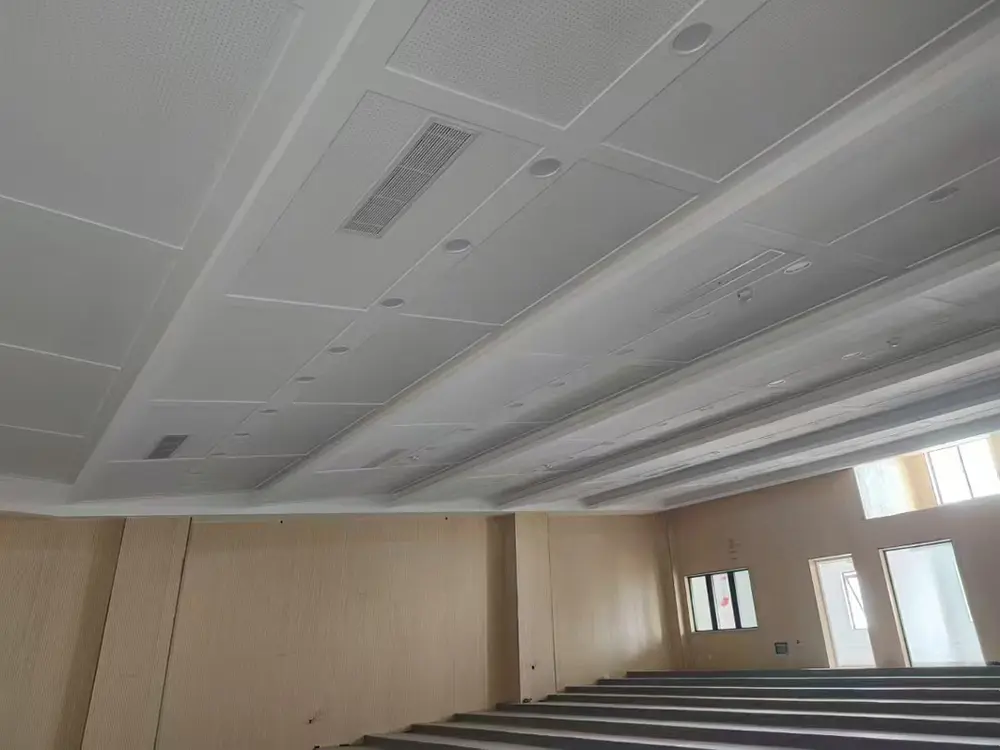 LEAO® Ceiling Board
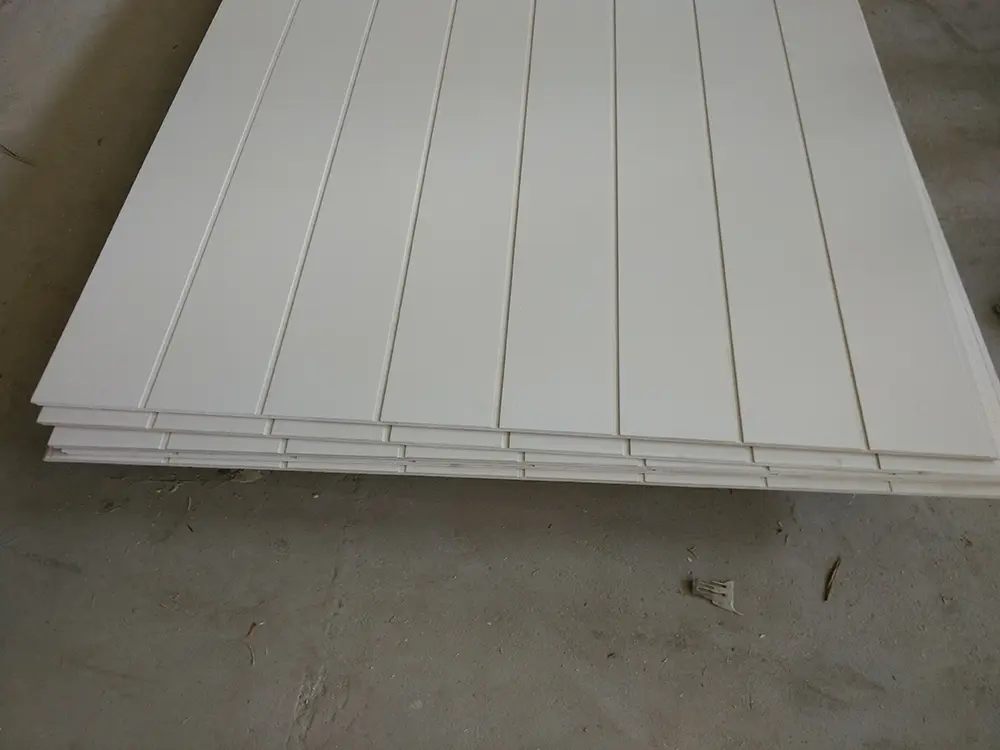 LEAO® Groove Interior Panel
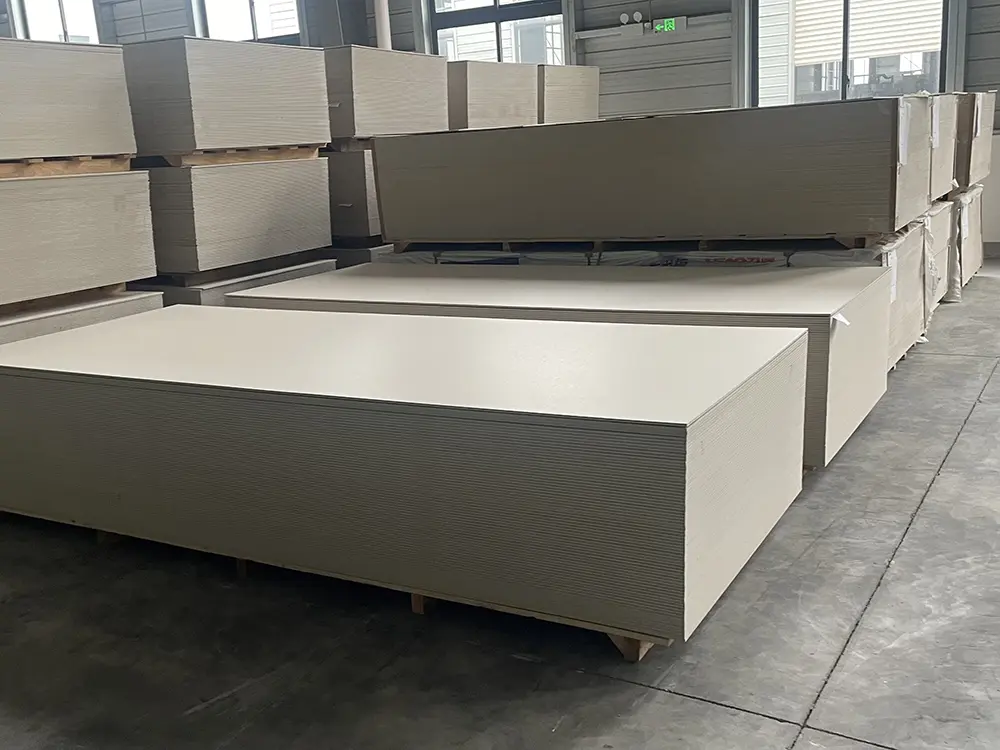 LEAO® Interior Board
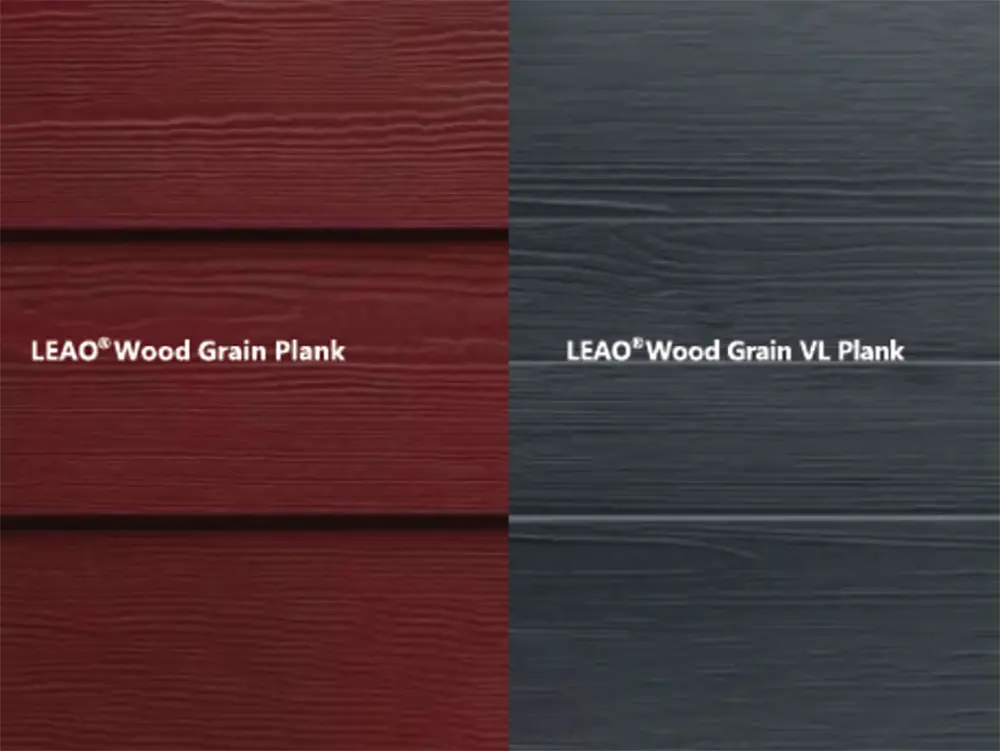 LEAO® Wood Grain Plank
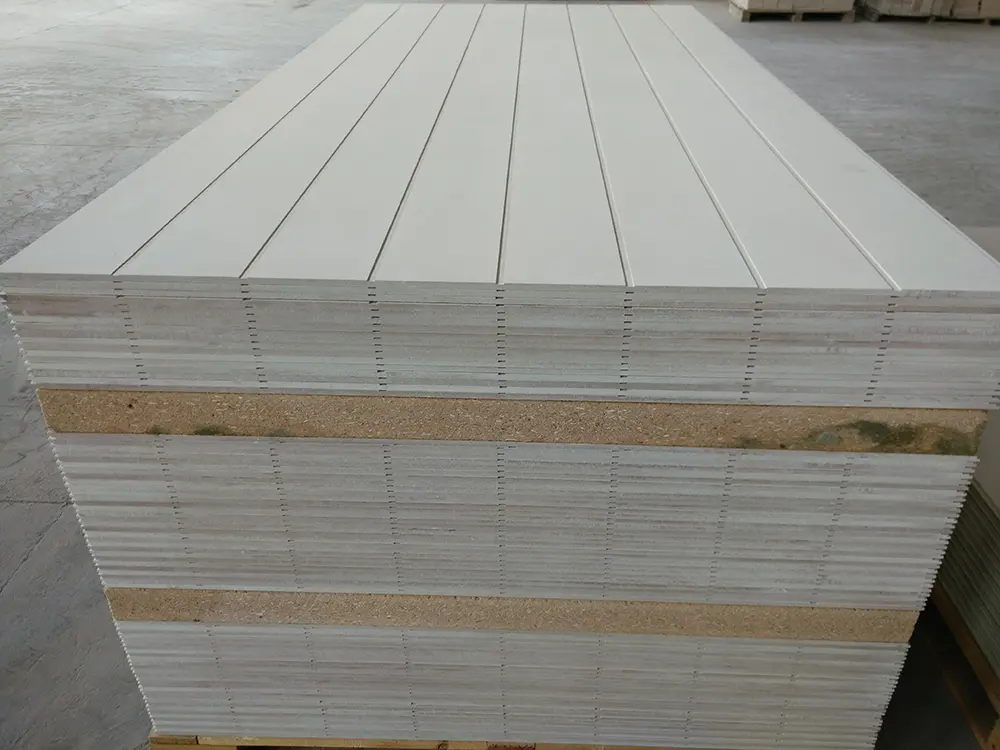 LEAO® Grooved Exterior Panel
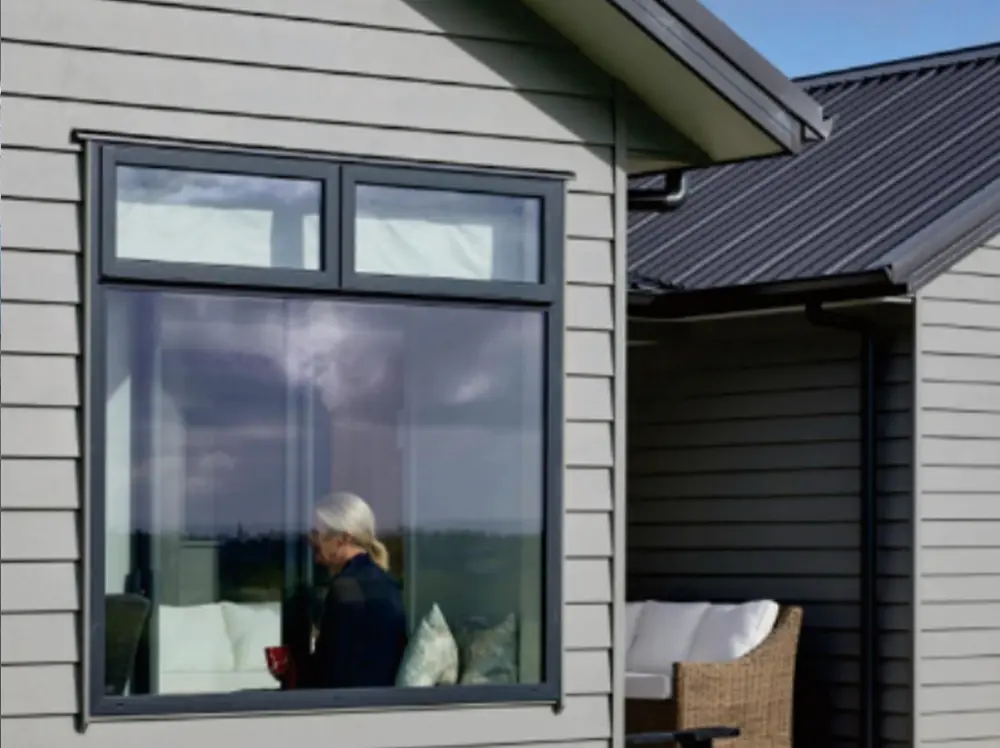 LEAO® Weatherboard
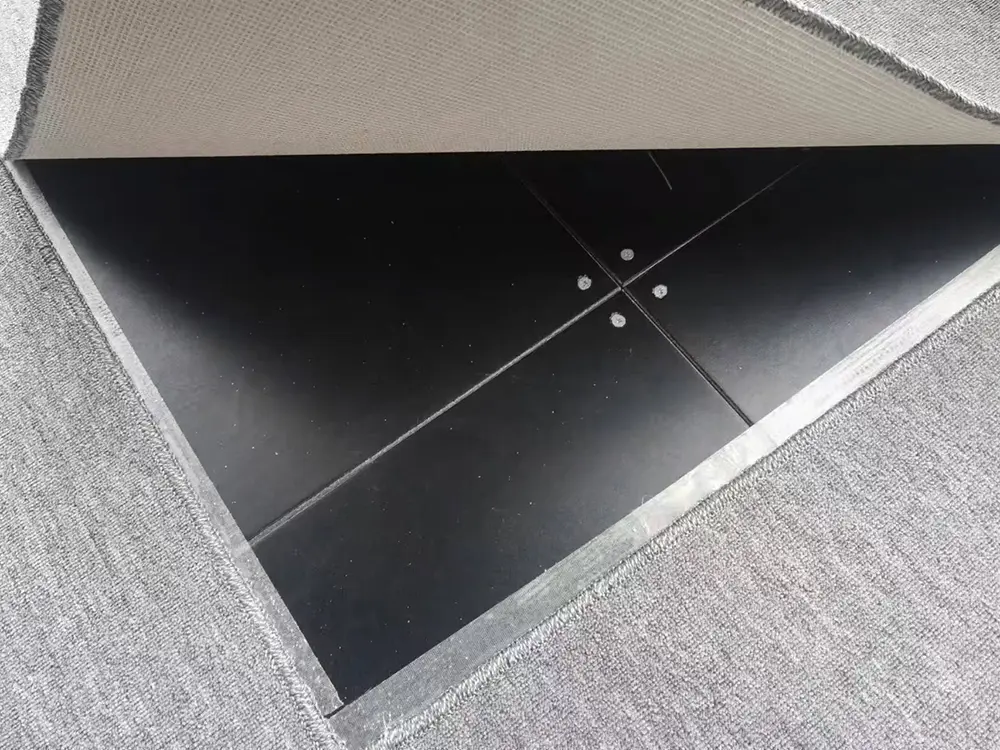 LEAO® Access Floors
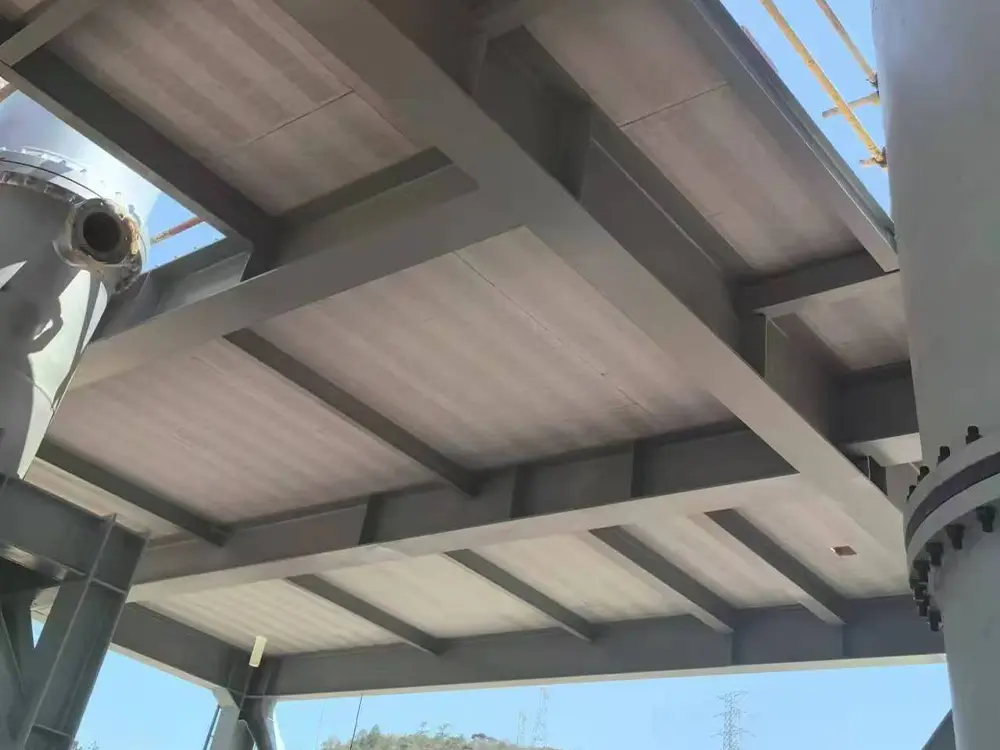 LEAO® Non-removable Formwork
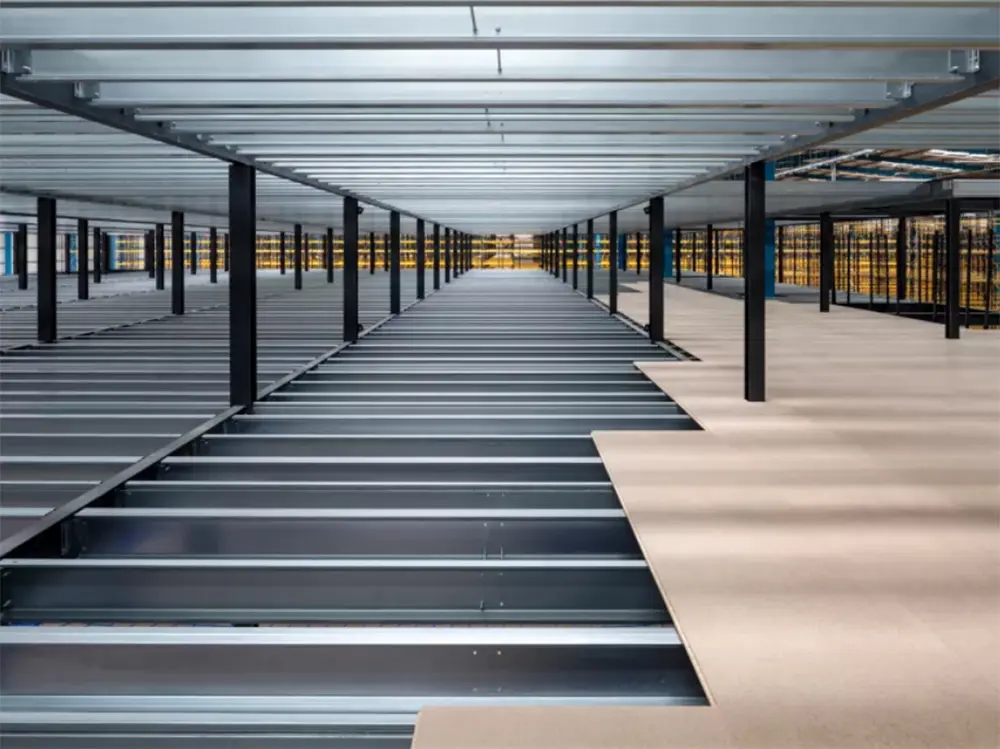 LEAO® Mezzanine Board
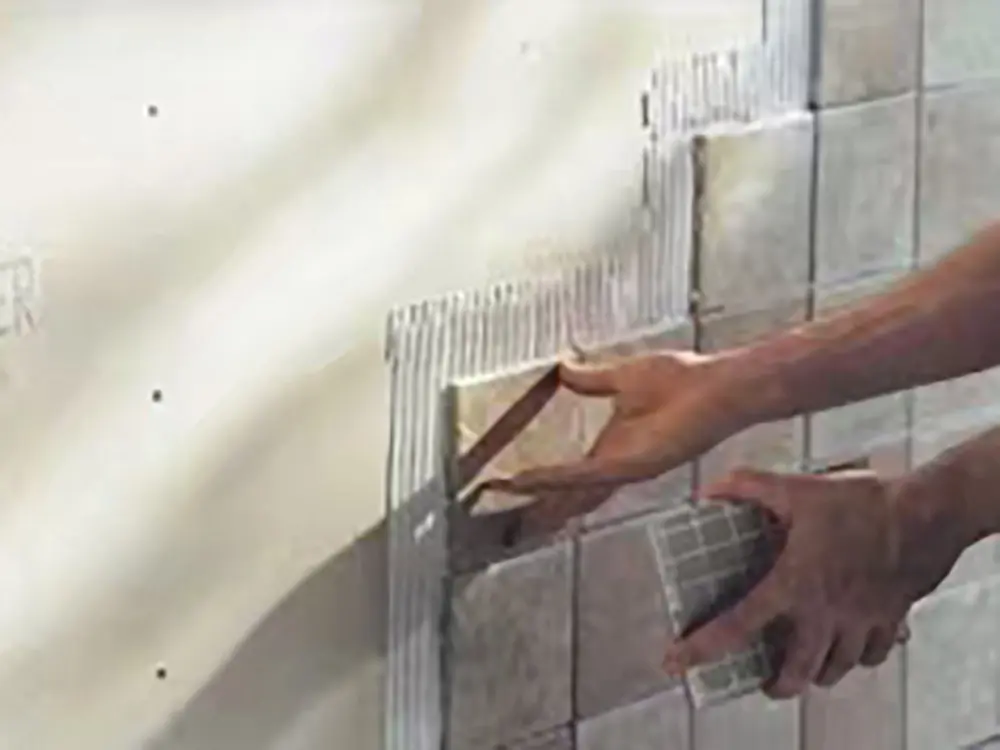 LEAO® Ceramic Tile Underlay
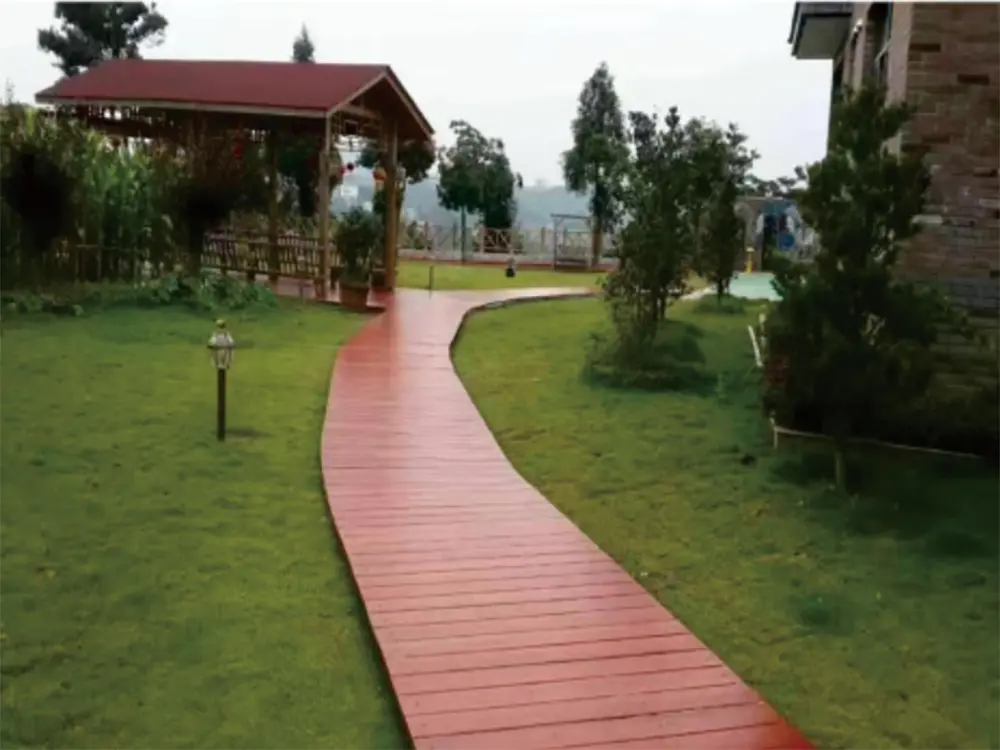 LEAO® Floor Plank
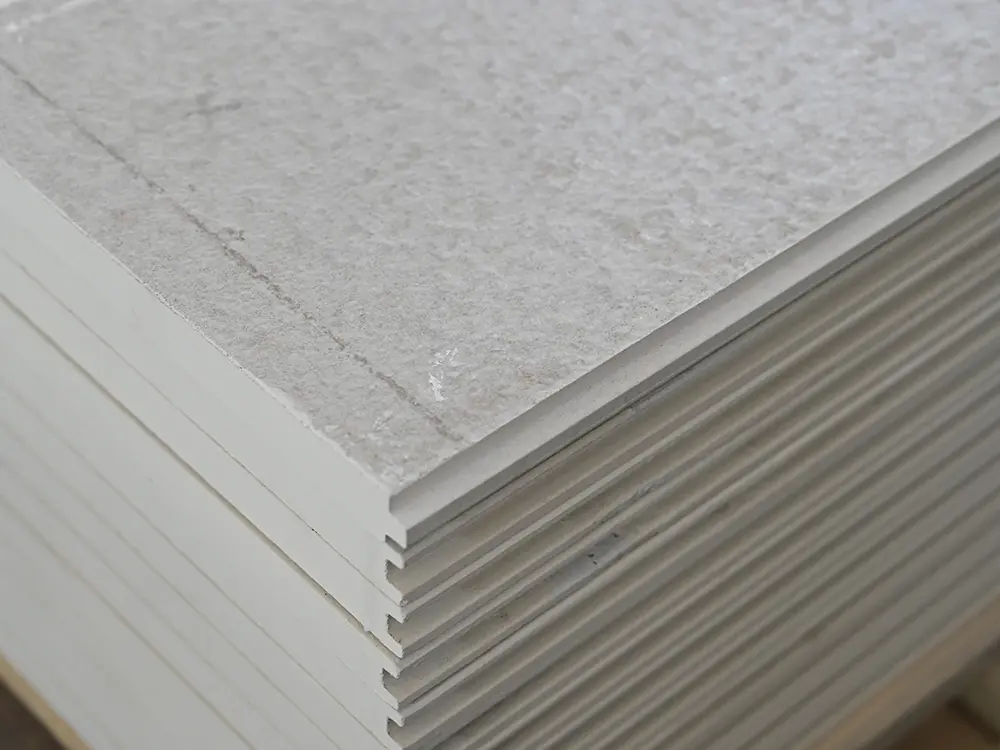 LEAO® Flooring
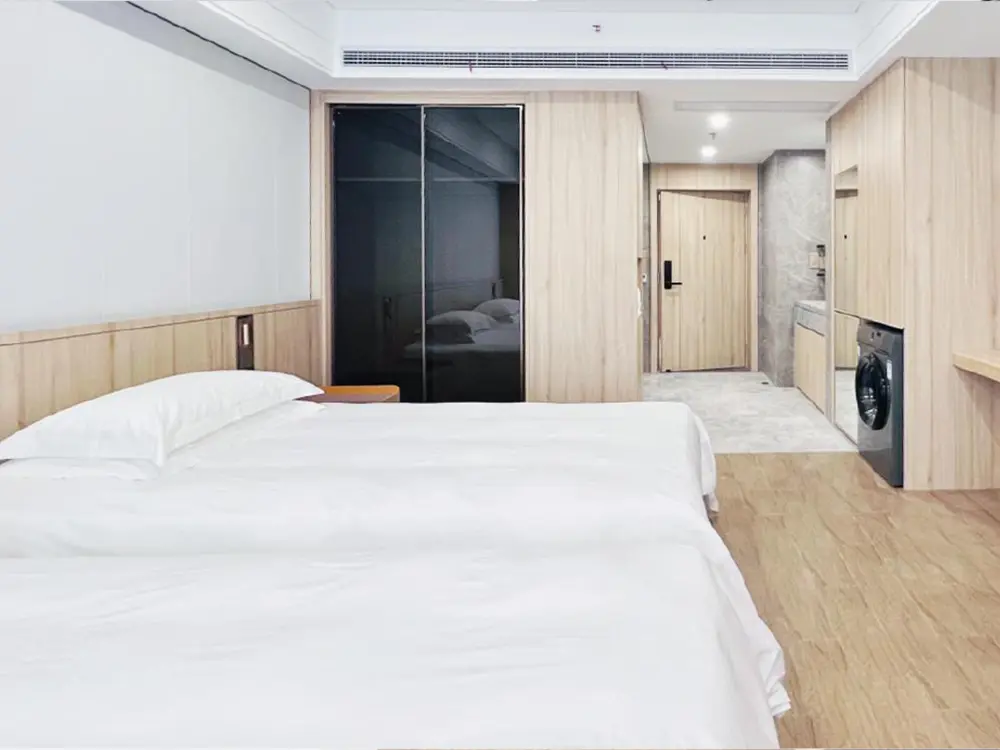 LEAO® Wood Style Decorative Panel
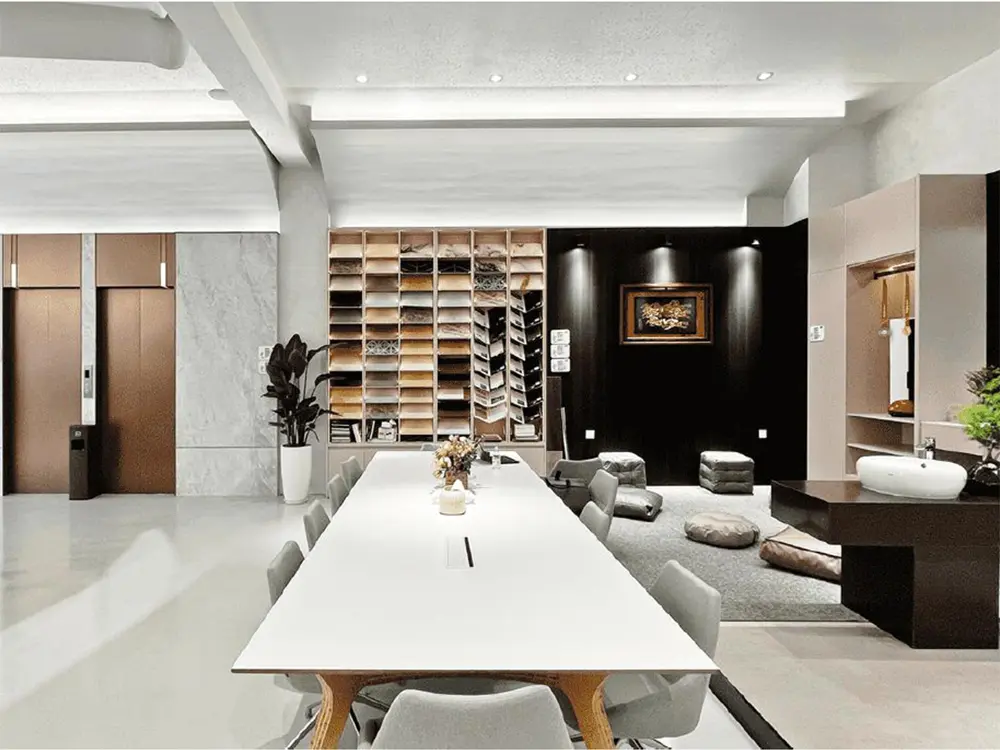 LEAO® Stone Style Decorative Panel
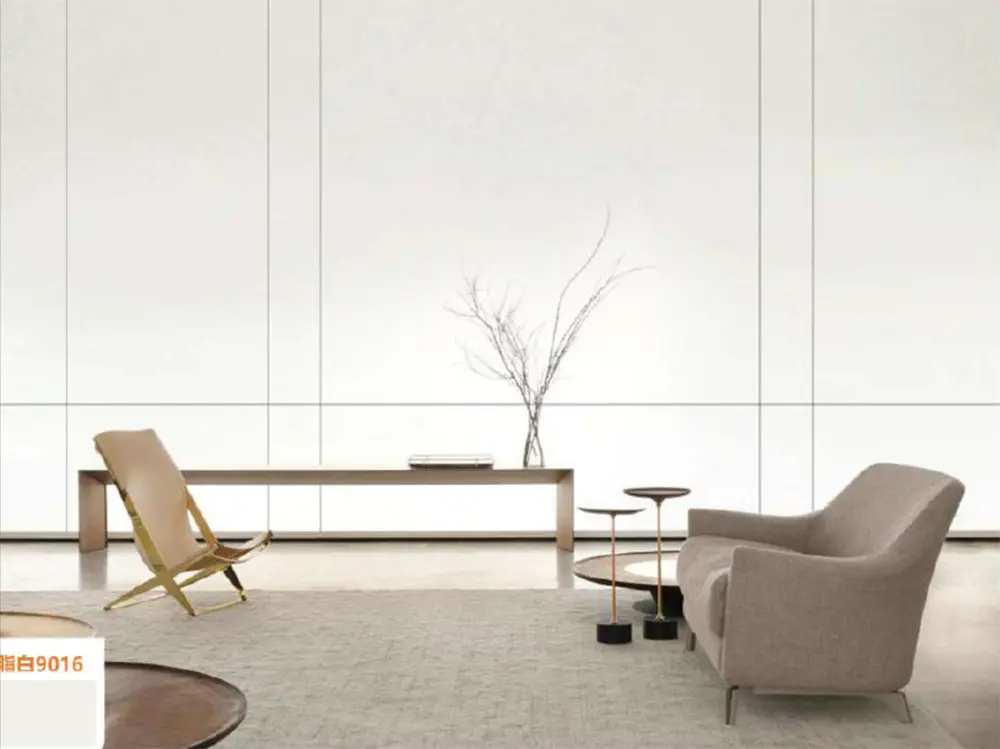 LEAO® Pure Style Decorative Panel