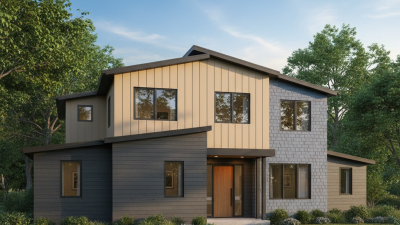
Top 10 Fiber Cement Exterior Panel Manufacturers Worldwide
Choosing the world’s leading Fiber Cement Exterior Panel manufacturers requires more than comparing glossy brochures. Performance begins with raw materials, curing control, and consistent panel density. It continues through weather testing, fire classification, moisture management, and dependable installation guidance.
Building-science expert John Straube often emphasizes, “The perfect wall has all the control layers on the outside.” This principle matters when evaluating fiber cement systems. A durable panel should help manage rain, vapor, wind, and ultraviolet exposure without creating hidden weaknesses. The best manufacturers usually provide tested assemblies, detailed technical documents, regional support, and clear maintenance instructions. Those details may look ordinary. They often decide whether a façade remains stable after years of hard weather.
This Top 10 list considers global manufacturing reach, product innovation, documented performance, sustainability efforts, and installer confidence. It also examines textures, board formats, color stability, and compatibility with ventilated façades. A coastal project needs different evidence than a cold, dry mountain home. One ranking cannot capture every climate or building tradition. That limitation deserves attention.
Some manufacturers lead through scale. Others succeed through specialist design, recycled content, or responsive technical service. None is perfect. Even a respected brand can show gaps in distribution, local code support, or installation training. Readers should verify current certifications, warranties, and availability before specifying any Fiber Cement Exterior Panel. Real-world performance depends on the complete wall assembly, not the panel alone.
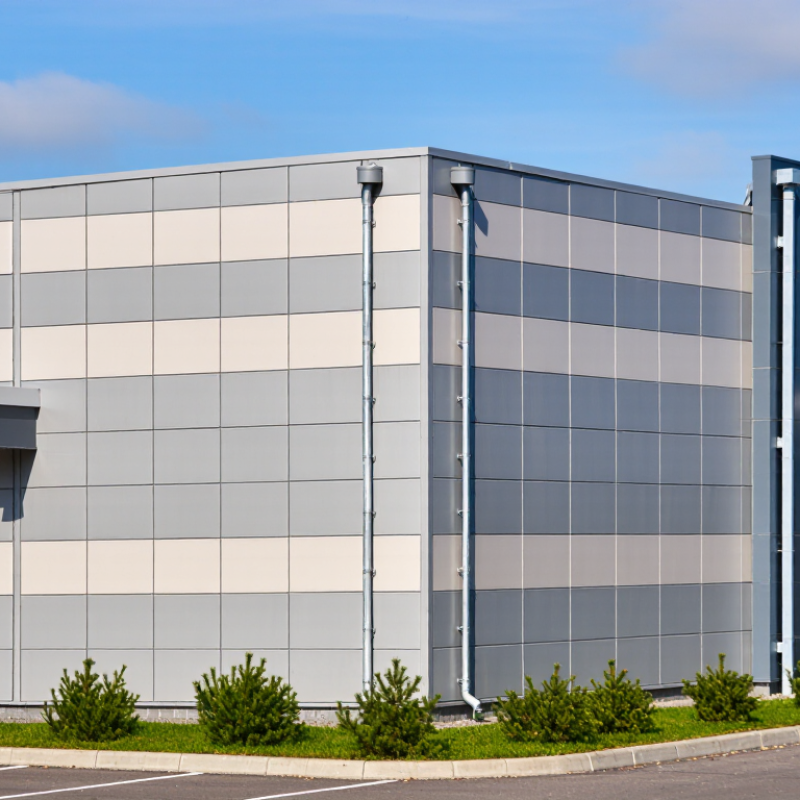
Fiber Cement Exterior Panels: Composition, Features, and Main Uses
Top 10 Fiber Cement Exterior Panel Manufacturers Worldwide
Fiber cement exterior panels combine Portland cement, mineral fillers, silica, water, and cellulose fibers. The fibers improve toughness and help control cracking during curing. Modern panels are often autoclaved, creating a dense and dimensionally stable surface.
Grand View Research estimates the global fiber cement market at about USD 17.3 billion in 2023. Its report also projects continued growth through 2030, supported by renovation and new housing demand.
These panels resist rot, termites, and non-combustible exposure better than many organic claddings. However, fire performance depends on the complete wall assembly, not the panel alone.
Main uses include rainscreen facades, ventilated walls, lap siding, soffits, and commercial renovation. Their realistic weakness is weight. Framing and fasteners must be designed carefully.
Tips:
Check the product’s tested installation system, panel thickness, fastener spacing, and drainage cavity. Ask for an EPD when embodied carbon matters. The panel may last for decades, but poor joints can still invite moisture. That detail is often underestimated. Market forecasts also deserve caution because regional standards, labor costs, and installation quality can change actual results. Experienced contractors should review cutting methods, edge sealing, and movement gaps before work begins.
Criteria for Ranking Global Fiber Cement Panel Manufacturers
Top 10 Fiber Cement Exterior Panel Manufacturers Worldwide
Criteria for Ranking Global Fiber Cement Panel Manufacturers
Ranking global fiber cement panel manufacturers requires more than comparing production volume. Grand View Research estimated the global fiber cement market at about USD 17.8 billion in 2023, with steady growth expected through 2030. However, market size estimates differ by scope and methodology. This is worth acknowledging. A credible ranking therefore combines audited capacity, regional distribution, project experience, and verified product performance.
Material quality remains central. Panels should demonstrate consistent density, dimensional stability, moisture resistance, and fire performance. Testing under ASTM, EN, or equivalent standards provides comparable evidence. We also examine factory quality systems, including ISO 9001 certification, batch traceability, and documented warranty procedures. Small details matter. A warped panel can delay an entire façade installation.
Sustainability is another ranking factor, but claims require careful review. Environmental product declarations based on ISO 14025 and EN 15804 offer more reliable lifecycle information than vague “green” statements. We assess recycled content, manufacturing emissions, water use, and end-of-life options. Logistics also influence performance. Shorter delivery routes, stable inventory, and technical support reduce installation risk. Yet no ranking is perfect; public data can be incomplete, and some manufacturers disclose more than others. The final assessment should therefore balance measurable evidence with independent expert judgment.
Regional Distribution and Market Reach of Leading Manufacturers
Top 10 Fiber Cement Exterior Panel Manufacturers Worldwide
Regional distribution strongly influences the reach of the top ten fiber cement panel manufacturers.
MarketsandMarkets valued the global fiber cement market at approximately USD 14.5 billion in 2023. It forecasts about 4.8% annual growth through 2028. Asia-Pacific holds the largest regional position, supported by urban housing, commercial construction, and climate-resistant building demand. Production clusters near ports and cement suppliers can shorten delivery times. Shorter routes matter.
North America remains attractive because renovation projects create steady panel demand. Europe shows stricter energy and environmental expectations, which favor durable, low-maintenance façades. Grand View Research projects continued global growth through 2030, with regional performance shaped by construction investment and material standards. However, market reach is uneven. Import duties, certification rules, and installer availability can limit expansion, even when demand appears strong.
Manufacturers with facilities across several regions often achieve faster project support and more stable inventory. Their reach depends on distributors, technical training, and local color preferences. A warehouse alone is not enough. Report estimates differ because some studies measure panels, while others include broader fiber cement products. This weakens direct comparisons between the top ten. Future rankings should examine local sales, production capacity, and completed projects, not only global revenue.
Product Comparison: Designs, Performance, Certifications, and Sustainability
Top 10 Fiber Cement Exterior Panel Manufacturers Worldwide
Comparing ten leading fiber cement manufacturers requires more than checking catalog images. Leading product ranges include smooth sheets, wood-grain boards, ribbed panels, and ventilated rainscreen systems. Design quality depends on edge detailing, coating durability, and color stability. A beautiful panel can still fail when joints collect water.
Performance data should be read beside test methods. ASTM C1186 evaluates fiber-cement flat sheets, while EN 12467 addresses similar products in European markets. Useful specifications include flexural strength, freeze-thaw resistance, water absorption, impact resistance, and fire behavior. ASTM E136 testing can support noncombustibility claims. However, laboratory results do not fully represent coastal wind, repeated wetting, or poor installation. That gap matters.
Sustainability comparisons need verified evidence. The International Energy Agency reports that cement production creates about 7% of global carbon dioxide emissions. Therefore, lower-clinker formulations, recycled process water, lightweight designs, and regional manufacturing deserve close attention. Environmental Product Declarations, following ISO 14025 and EN 15804, provide more credible lifecycle comparisons than broad “green” claims. The World Green Building Council also emphasizes whole-life carbon, not just operational energy. EPDs remain imperfect. They may use different service-life assumptions and transport boundaries. Buyers should examine declared units, repairability, warranty terms, and disposal routes. The strongest products combine stable finishes, certified fire performance, documented lifecycle data, and installation guidance that contractors can actually follow.
Top 10 Fiber Cement Exterior Panel Manufacturers Worldwide
Product Comparison: Designs, Performance, Certifications, and Sustainability
This industry benchmark summarizes commonly published performance ranges for fiber cement exterior panels without identifying individual companies or brands. The chart uses a normalized index so that technical properties with different measurement units can be compared visually.
Reference ranges: panel thickness 6–12 mm; density 1,200–1,700 kg/m³; flexural strength 7–24 MPa; commonly stated service-life expectations 30–50 years. Certification frameworks commonly used in this sector include EN 12467, ASTM C1186, EN 13501-1, ISO 14001, ISO 14025, and EN 15804.

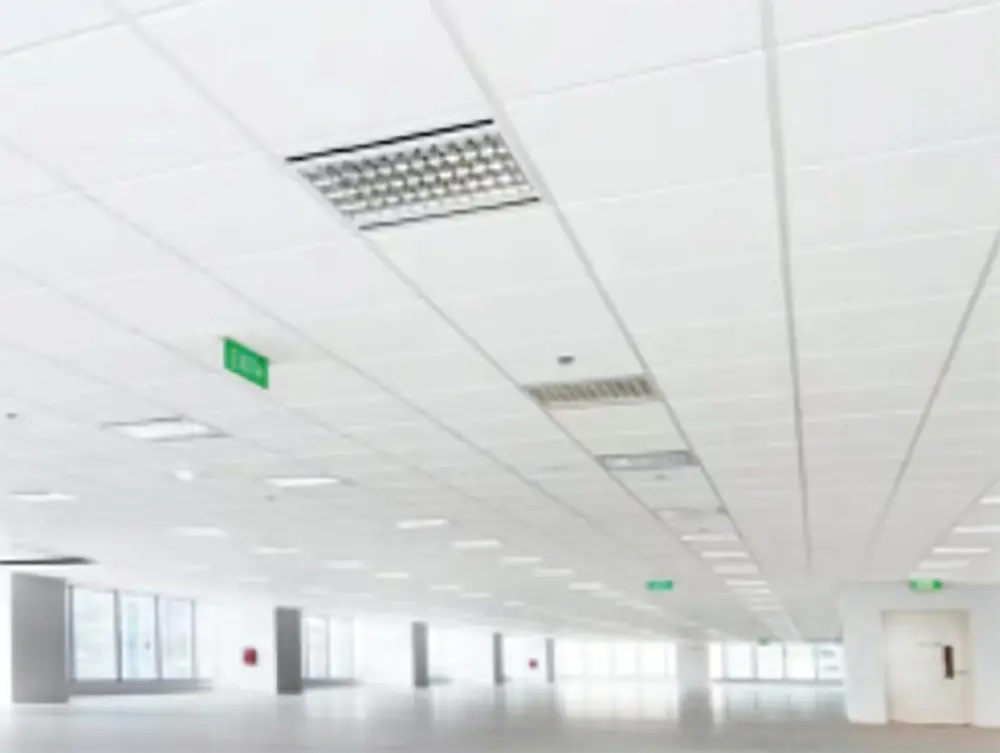 LEAO®Deco Ceiling
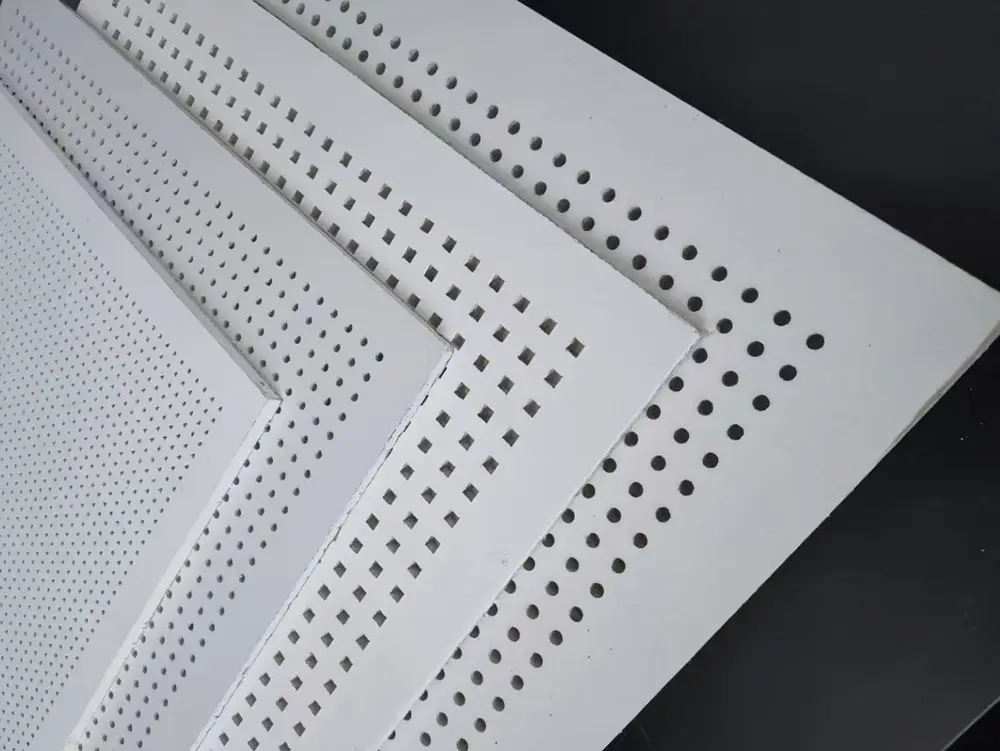 LEAO® Perforated Ceiling
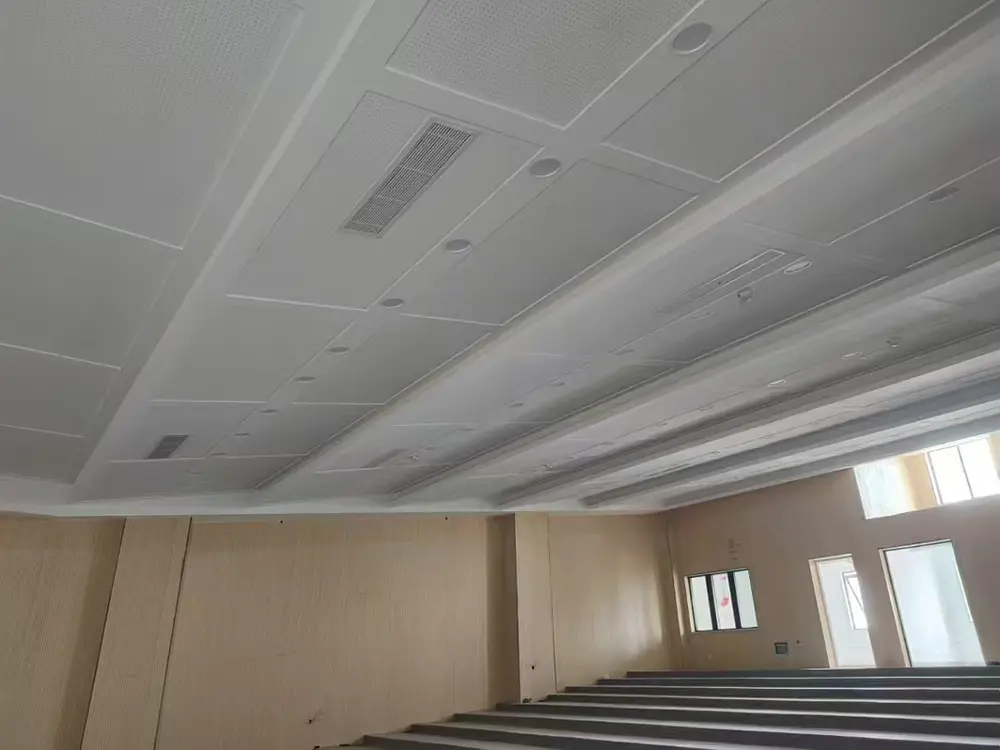 LEAO® Ceiling Board
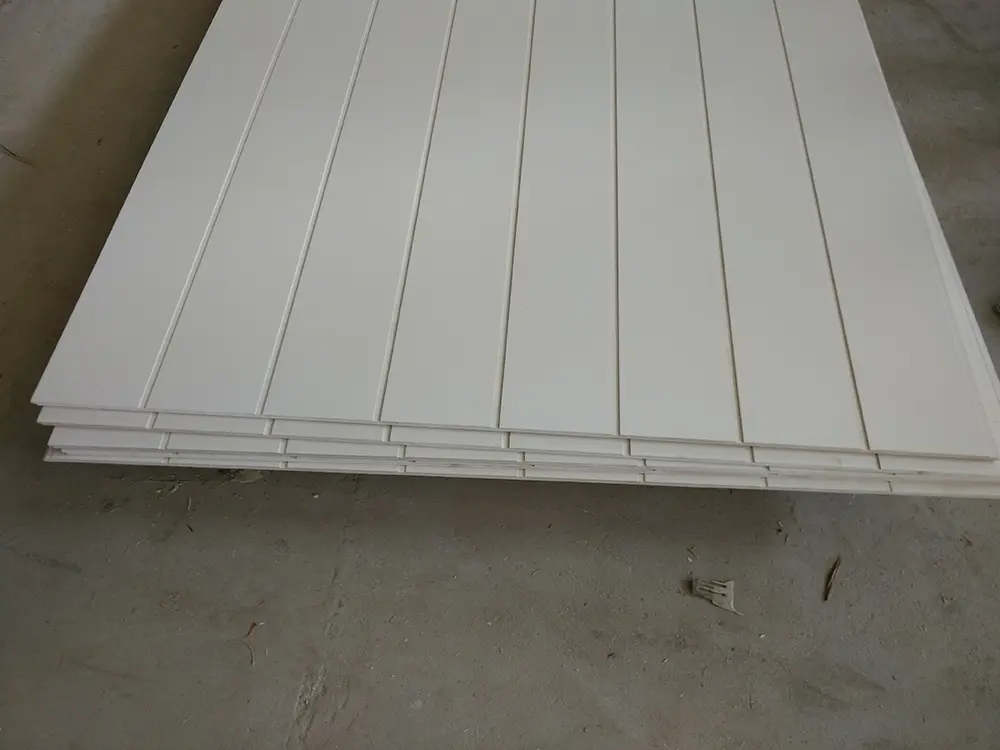 LEAO® Groove Interior Panel
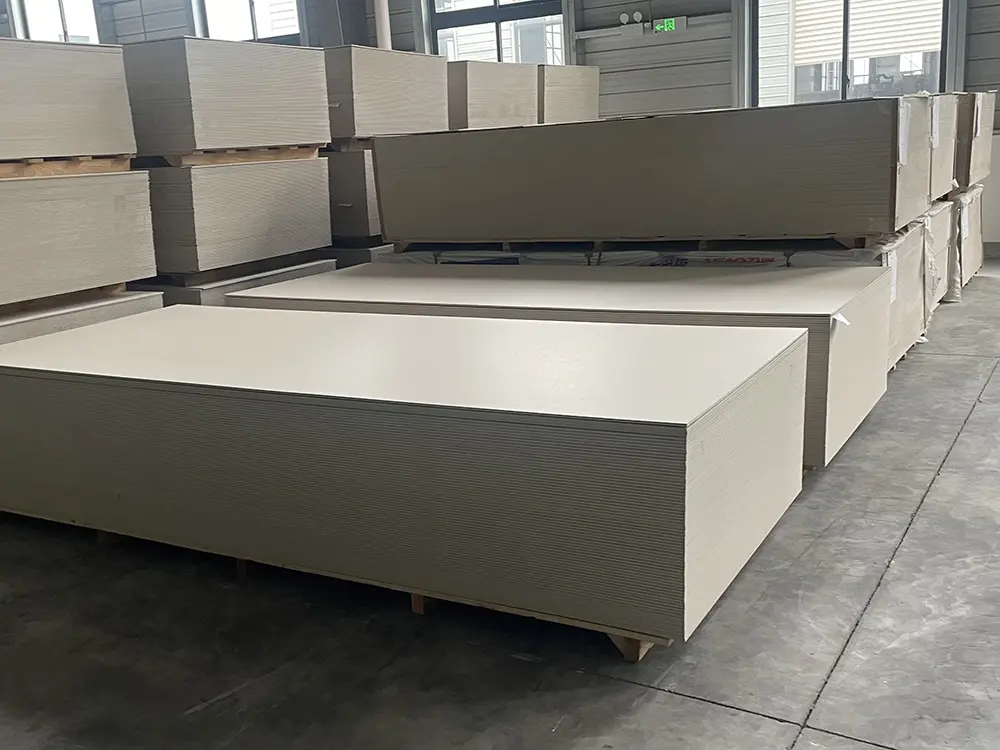 LEAO® Interior Board
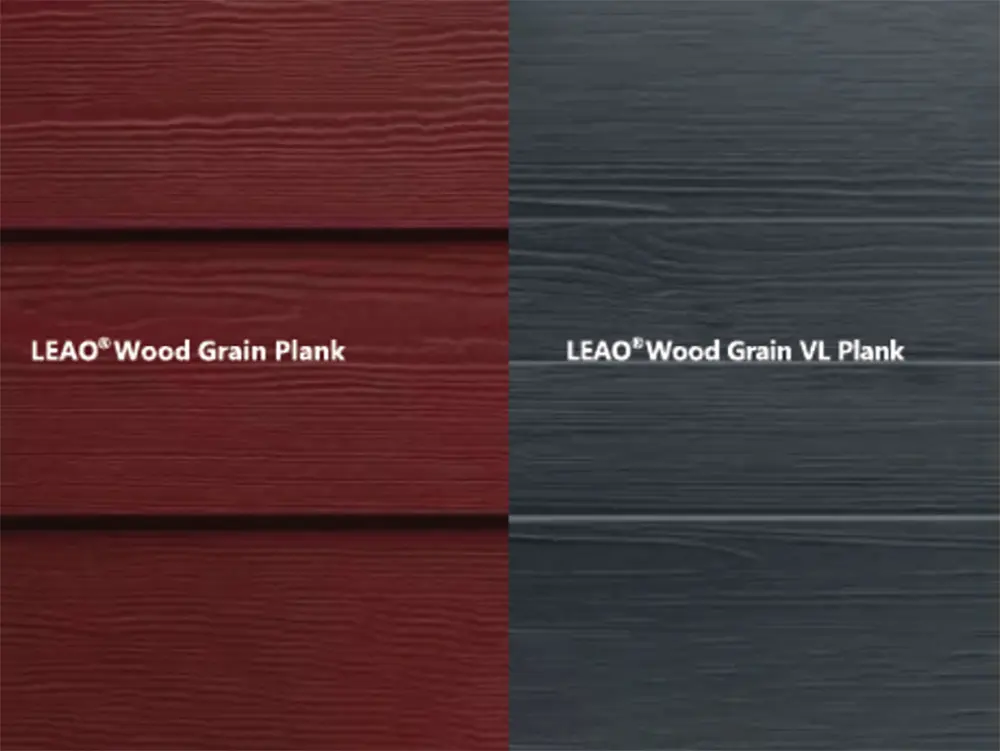 LEAO® Wood Grain Plank
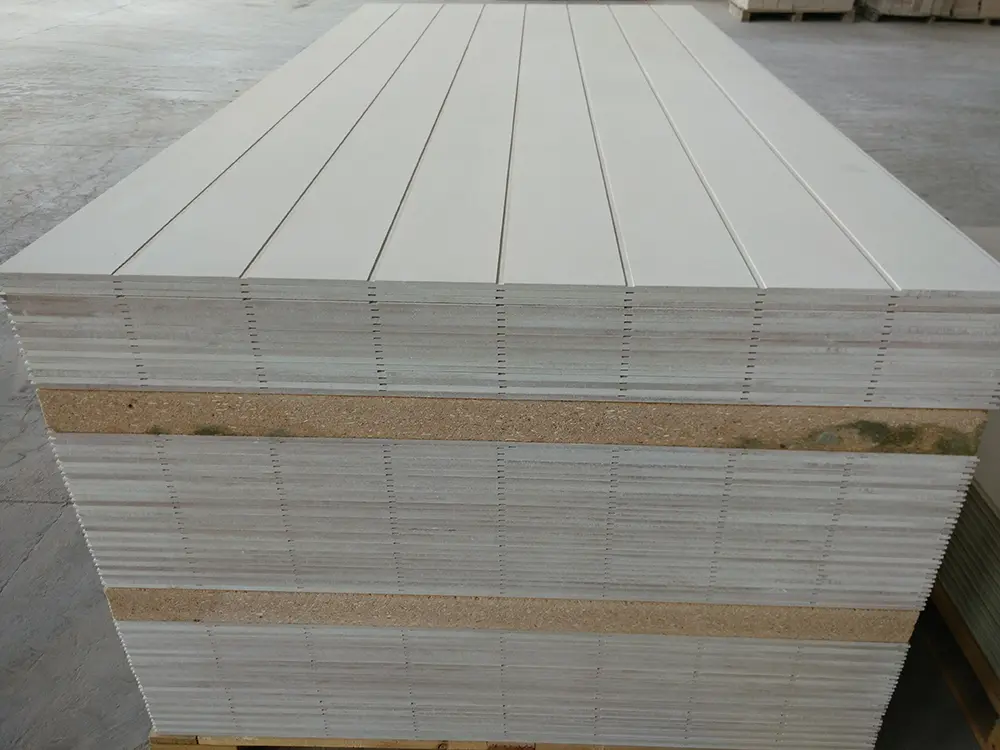 LEAO® Grooved Exterior Panel
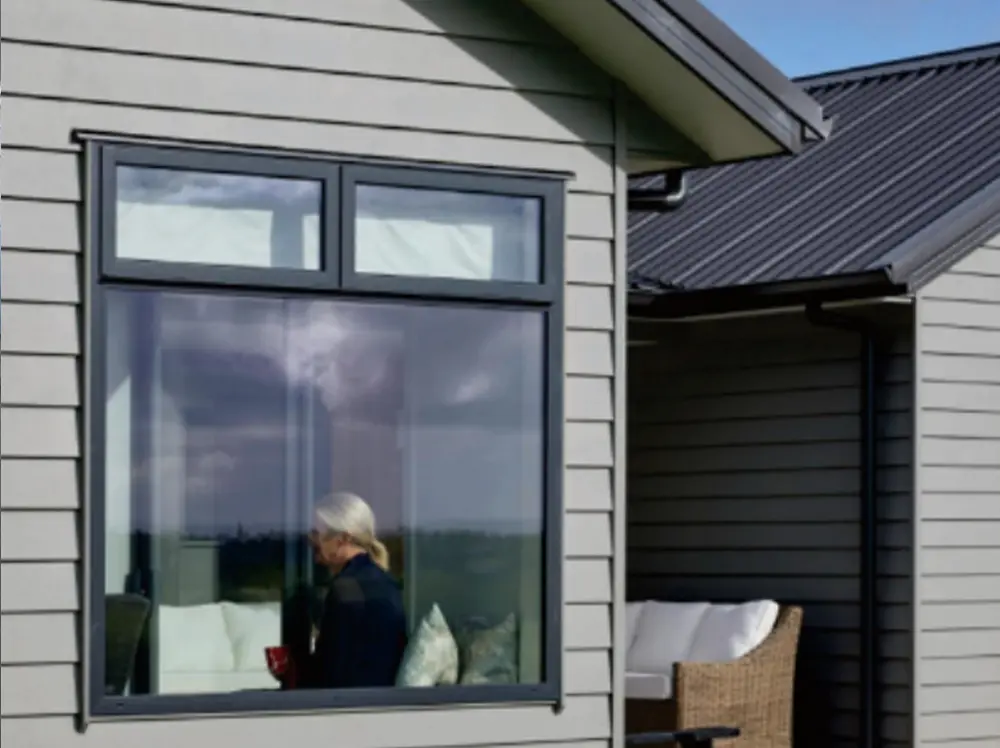 LEAO® Weatherboard
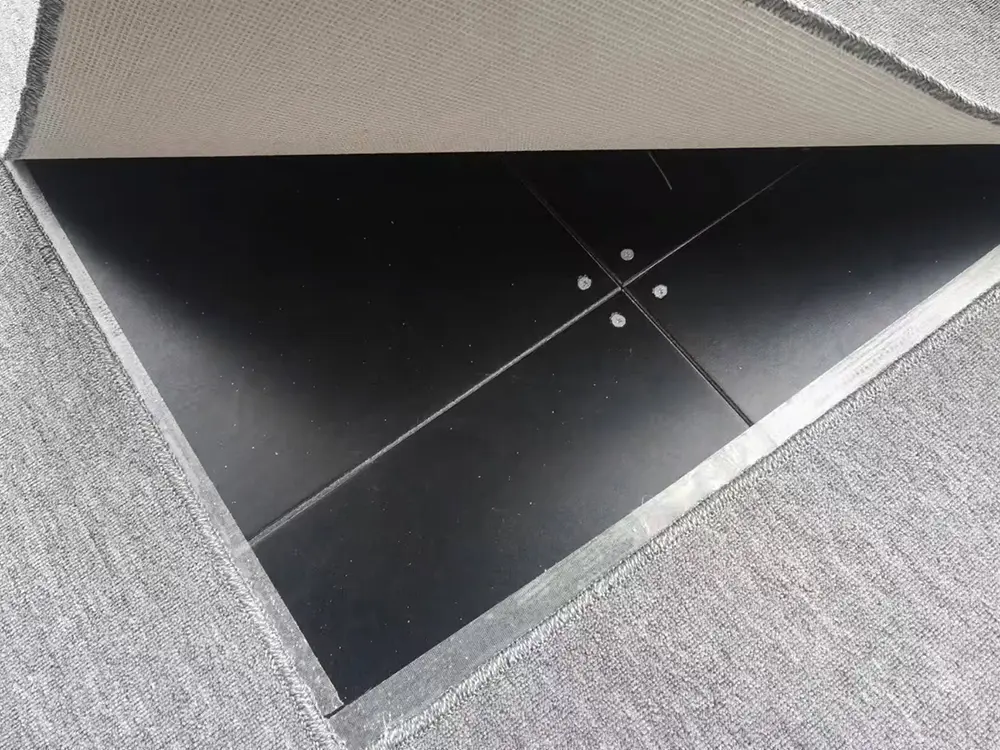 LEAO® Access Floors
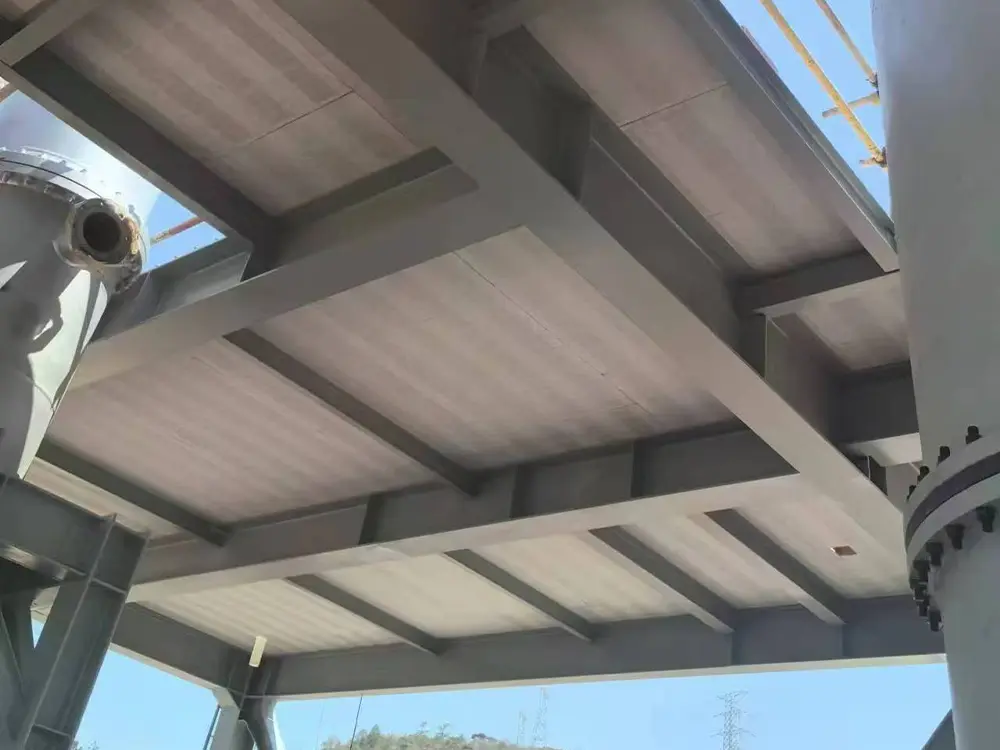 LEAO® Non-removable Formwork
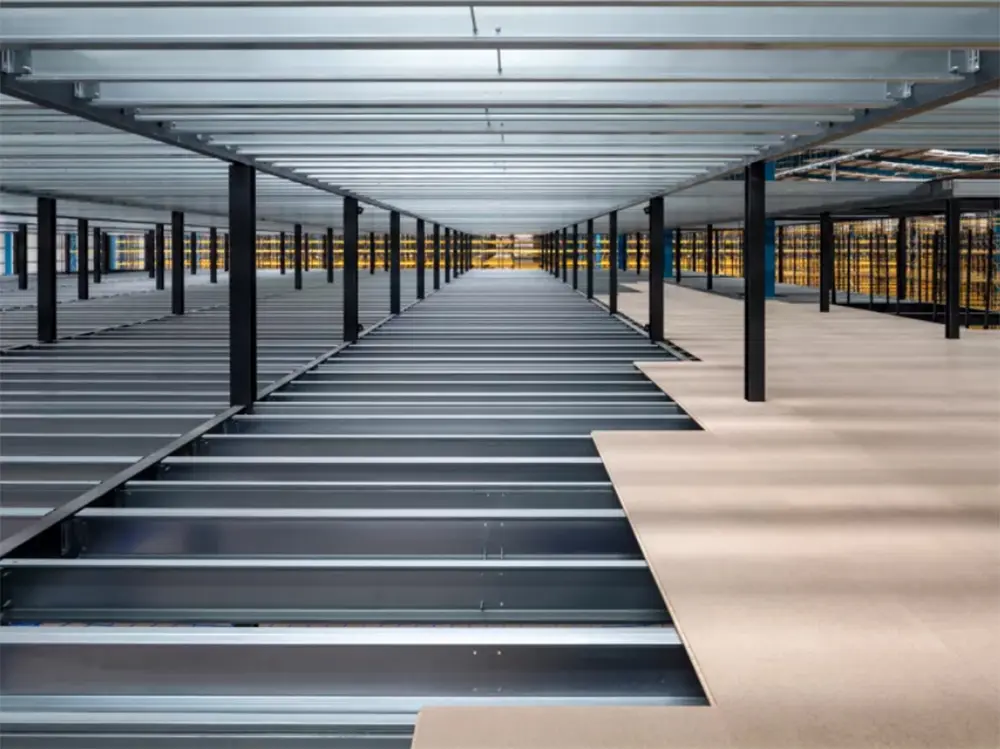 LEAO® Mezzanine Board
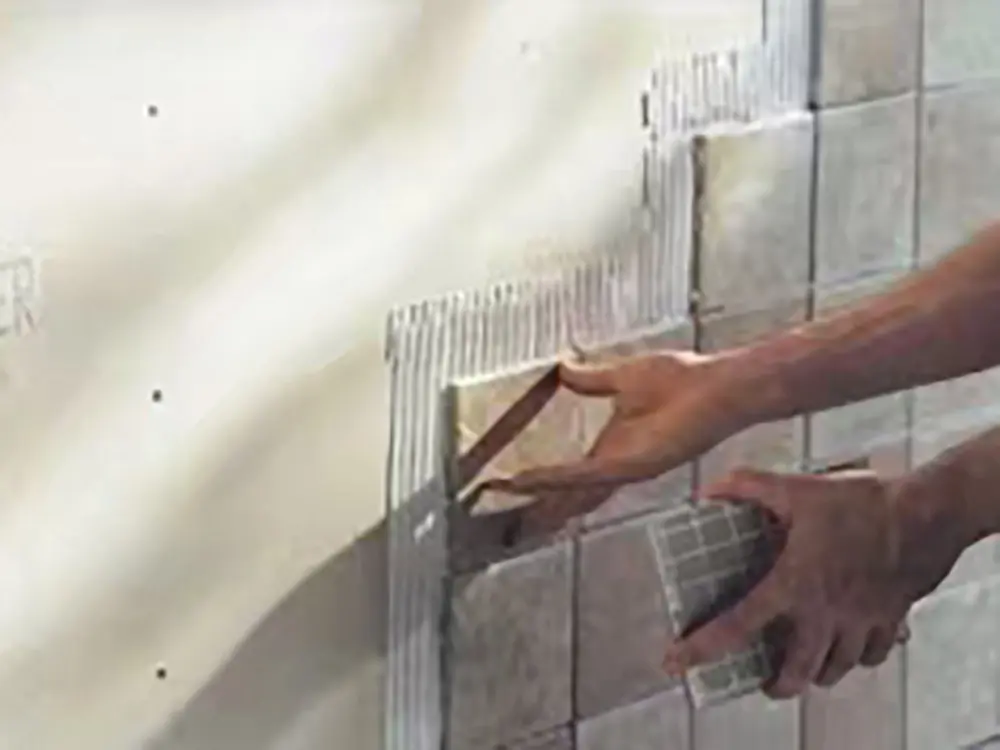 LEAO® Ceramic Tile Underlay
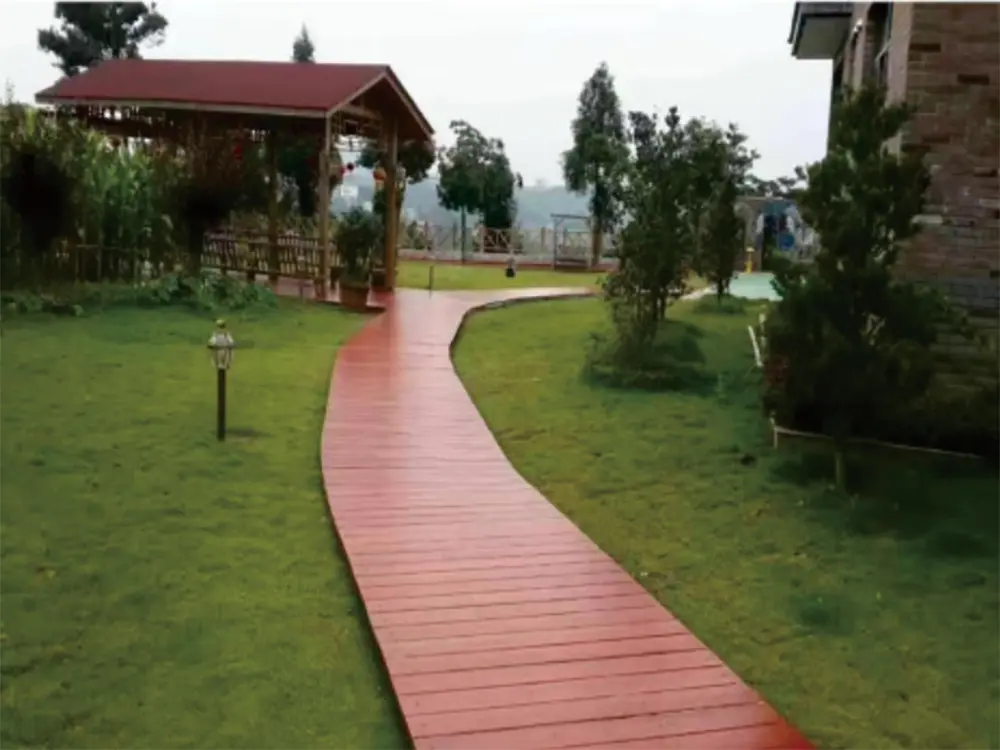 LEAO® Floor Plank
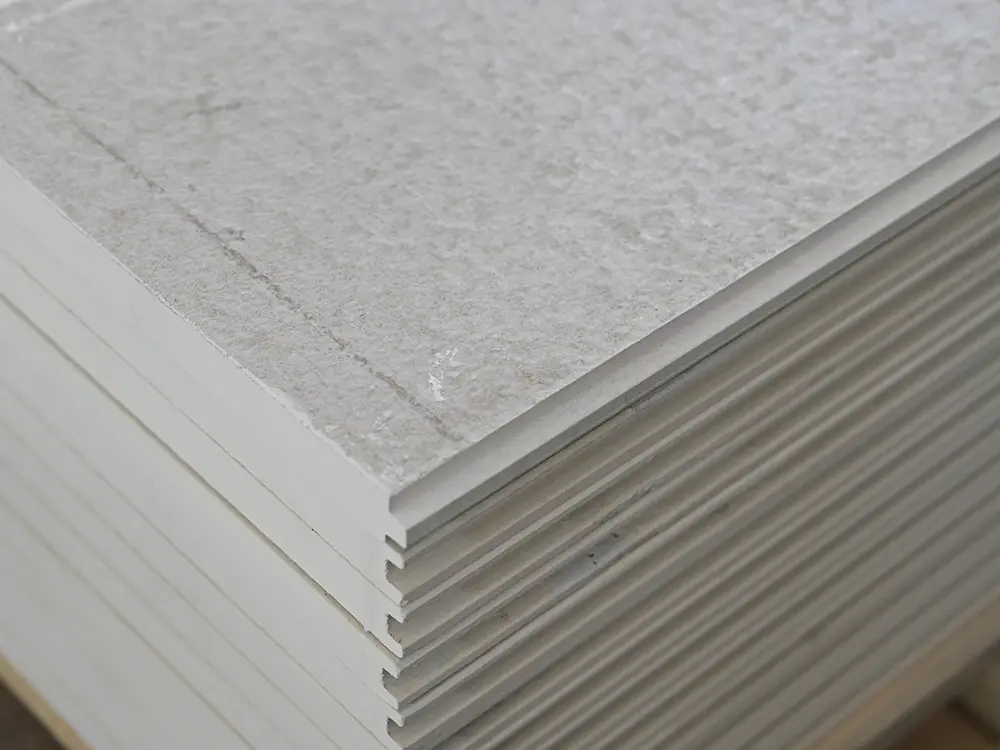 LEAO® Flooring
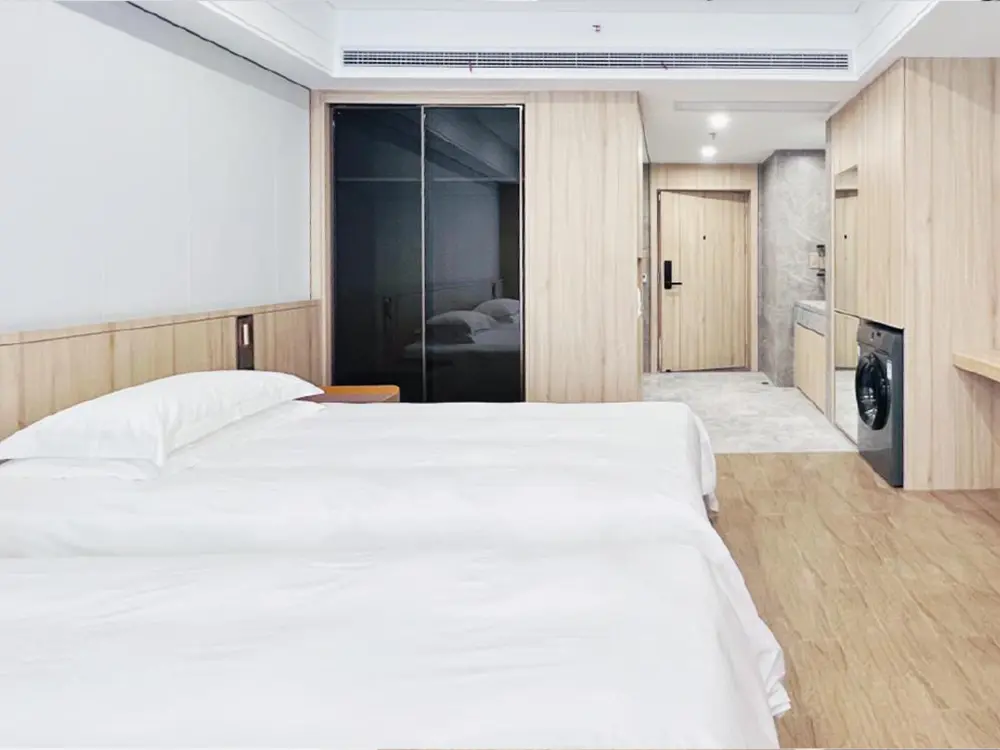 LEAO® Wood Style Decorative Panel
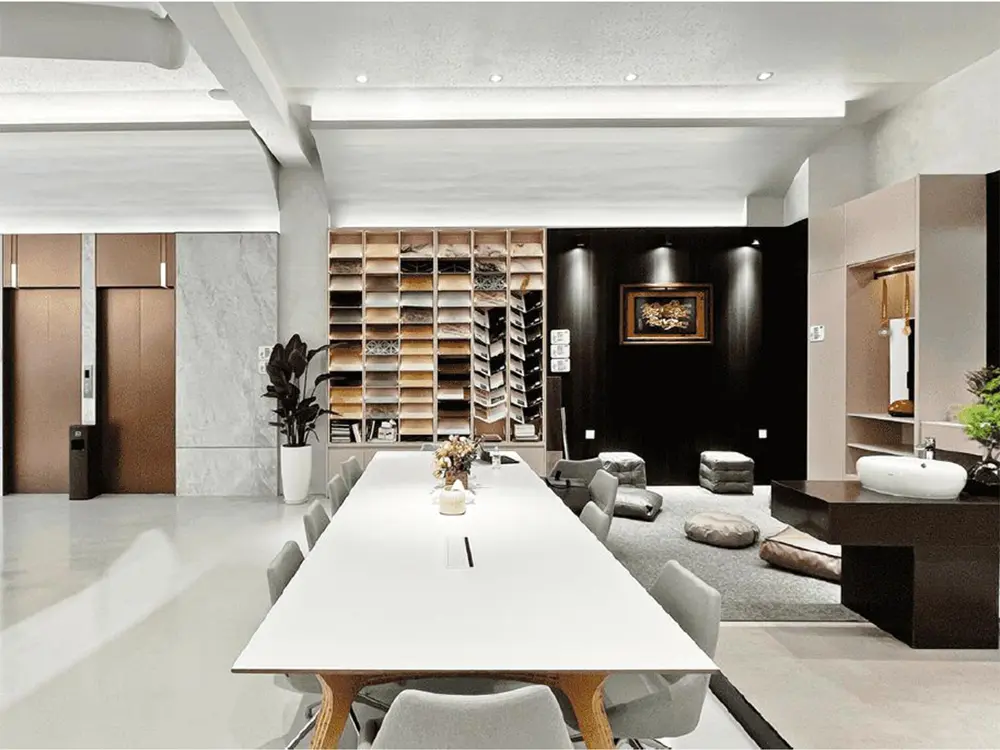 LEAO® Stone Style Decorative Panel
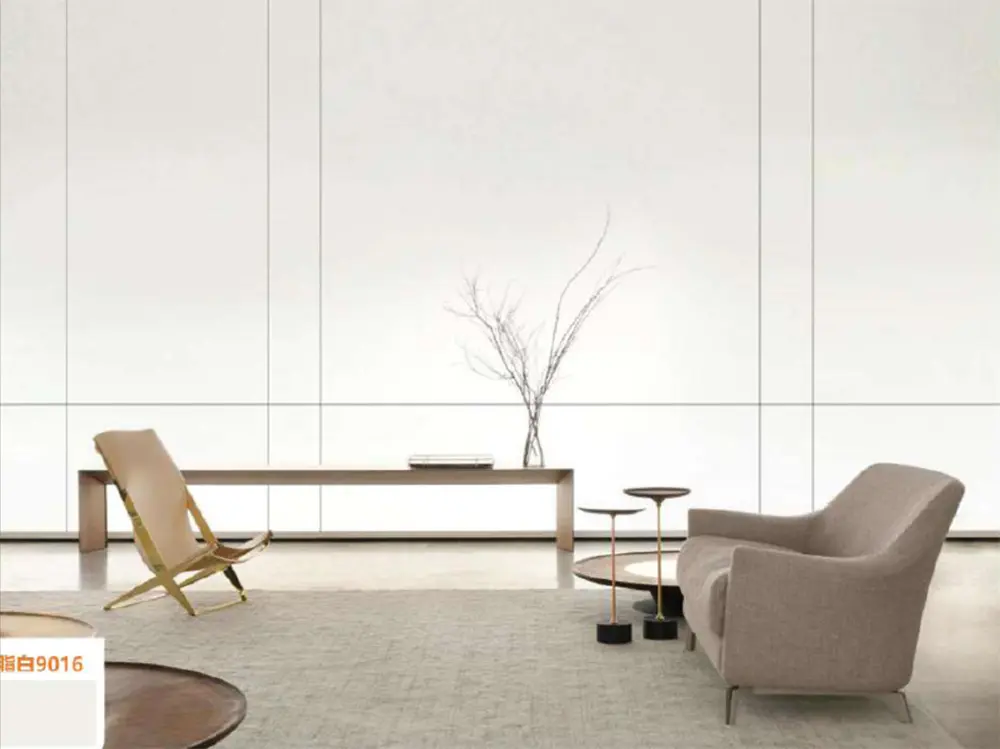 LEAO® Pure Style Decorative Panel