Inquiry
Form loading...

Top 10 Benefits of Fiber Cement Exterior Panels for Buyers?

Fiber Cement Exterior Panels have gained popularity among homeowners and builders alike. These panels offer a robust solution for exterior cladding, combining durability and aesthetics. Many buyers overlook the potential of these materials due to misconceptions about their cost or maintenance.

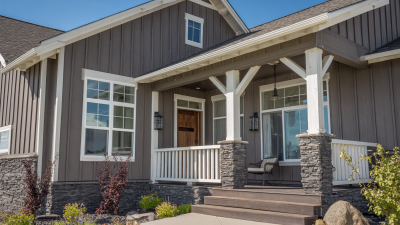
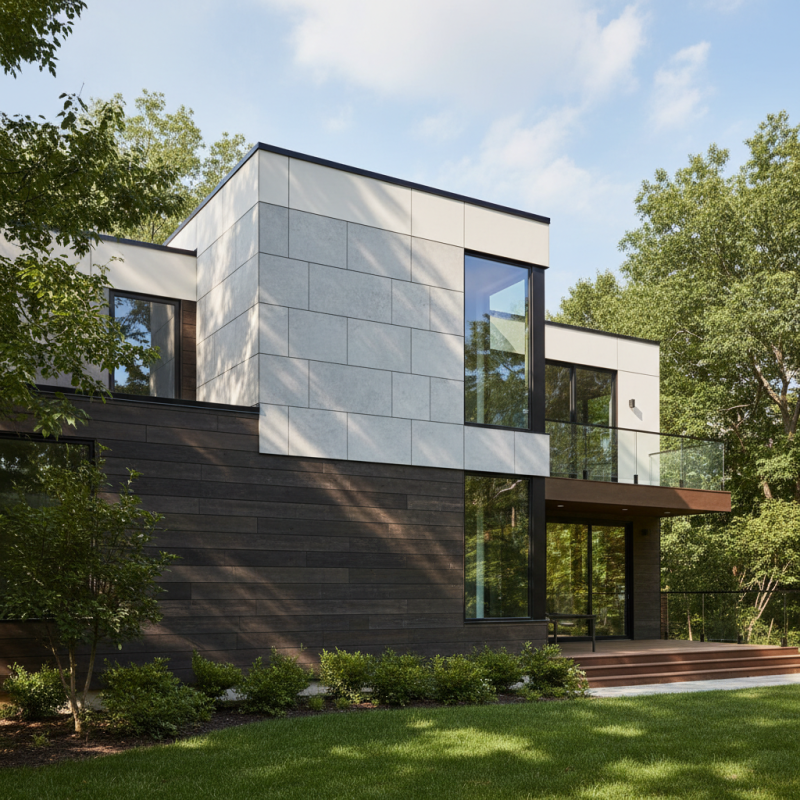
The versatility of Fiber Cement Exterior Panels allows for various design options. They can mimic the look of wood, stucco, or stone without the associated drawbacks. Homeowners appreciate the low maintenance requirements and longevity that these panels provide. However, some may hesitate, fearing the installation process.

It's essential to understand that while initial costs may seem higher, the long-term benefits are significant. Investing in Fiber Cement Exterior Panels can lead to lower repair costs and greater energy efficiency. Knowledgeable buyers will recognize the value of this modern material for both residential and commercial projects. Exploring these benefits can empower homeowners to make informed decisions.
Top 10 Benefits of Fiber Cement Exterior Panels for Buyers?

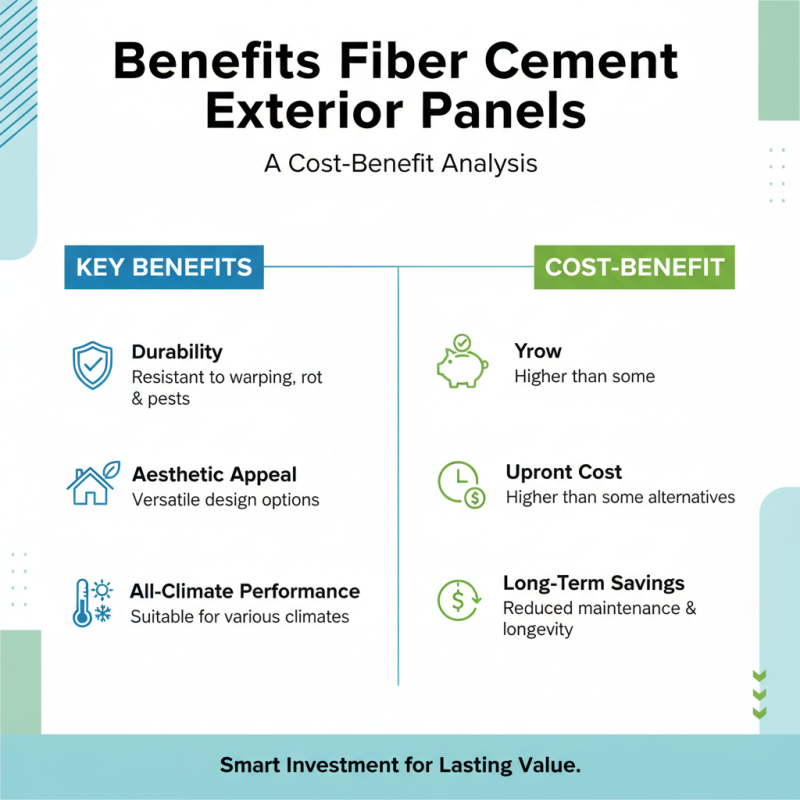
Benefits of Fiber Cement Exterior Panels: A Cost-Benefit Analysis

Top 10 Benefits of Fiber Cement Exterior Panels for Buyers?

Fiber cement exterior panels offer a remarkable balance of durability and aesthetic appeal. They are resistant to warping, rotting, and pest infestations. This makes them ideal for various climates. The upfront cost may seem high, but their longevity can lead to significant savings over time.

When considering fiber cement panels, it's crucial to evaluate installation costs. Hiring skilled professionals ensures proper fit and finish. However, DIY projects might save money initially but can lead to mistakes. Factor in potential repairs down the line.

Tips for buyers: always seek multiple quotes to gauge labor costs. This helps in making an informed decision. Ensure the contractor has experience with fiber cement. Experience translates to better quality and detail. Choosing a reputable supplier for panels is vital as it can influence the product's performance.
Enhanced Durability: Longevity and Maintenance Costs of Fiber Cement

Fiber cement exterior panels offer significant advantages when it comes to durability. They resist moisture, rot, and pests, making them ideal for various climates. These panels can last for decades with minimal maintenance. Unlike wood or vinyl, fiber cement does not warp under heat or humidity. Homeowners can enjoy their aesthetic appeal without the constant worry of deterioration.

Maintenance costs are lower, too. After installation, these panels require only occasional washing to keep them looking fresh. They do not need frequent painting or sealing like traditional siding materials. However, installation can be somewhat complex and may need professional help. This added cost should be weighed against the long-term savings on maintenance.

While fiber cement panels are tough, improper installation can lead to issues over time. Homeowners need to be cautious and ensure that experienced contractors handle the job. The longevity is impressive, but it relies heavily on correct application. Each detail in the installation matters for performance and aesthetics.

Energy Efficiency: How Fiber Cement Panels Contribute to Lower Bills

Fiber cement panels offer unique advantages for energy efficiency. These materials are designed to insulate well, reducing heat loss in winter and keeping interiors cool in summer. This translates into lower heating and cooling costs. By investing in fiber cement, homeowners can see noticeable savings on their energy bills. For those conscious of their carbon footprint, these panels can provide an eco-friendlier option compared to traditional materials.


Tip: Consider integrating fiber cement panels during a home renovation. Assess your local climate to choose the right insulation level. This ensures optimal energy performance year-round.


The durability of fiber cement also contributes to its efficiency. Unlike wood, it resists moisture and pests, reducing maintenance costs over time. Homeowners frequently overlook this long-term financial benefit. Regular upkeep can add up. Efficient materials can lessen this financial burden.


Tip: Review energy-efficient practices in conjunction with new exterior materials. Simple updates can amplify the performance of fiber cement panels. Explore all options to maximize savings on energy bills.

Aesthetic Versatility: Design Options and Trends in Fiber Cement

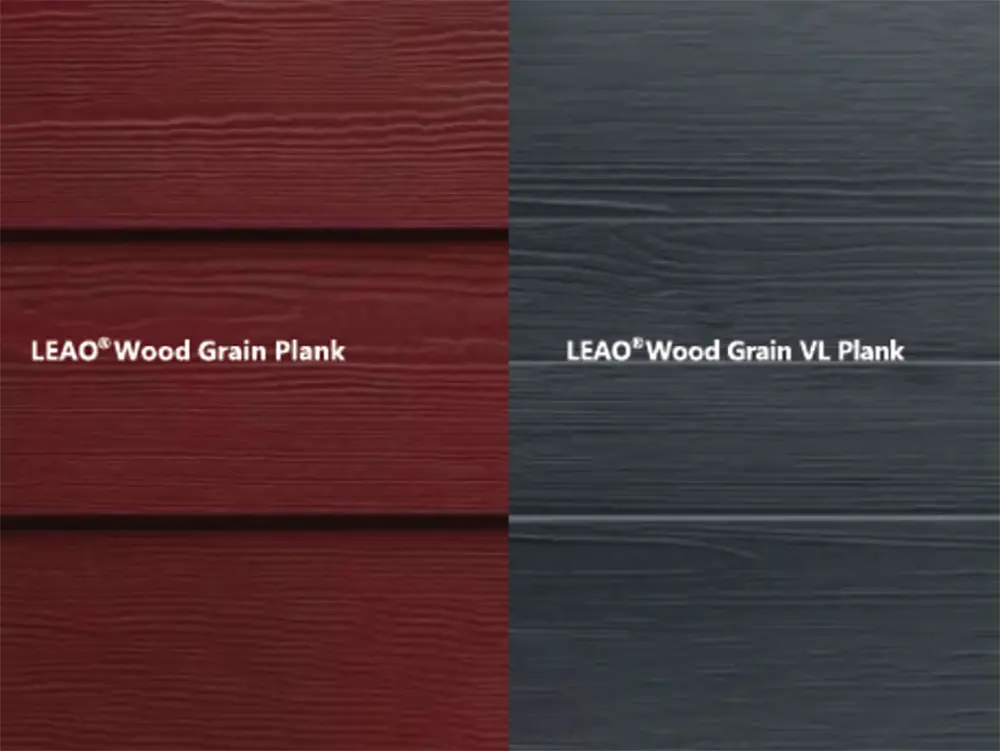
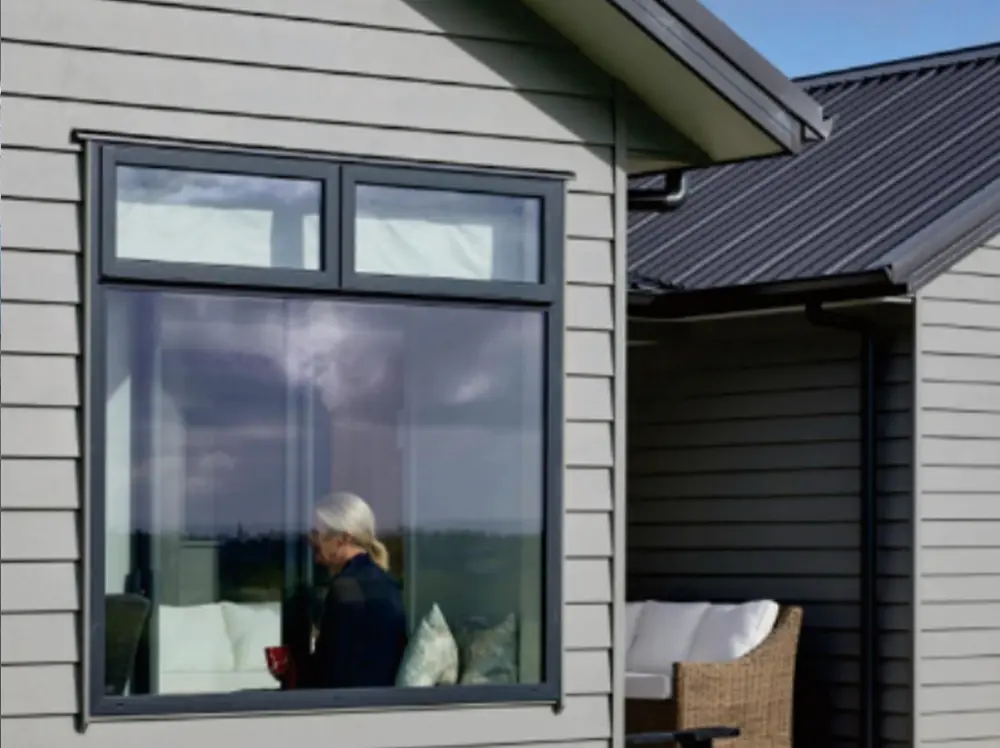
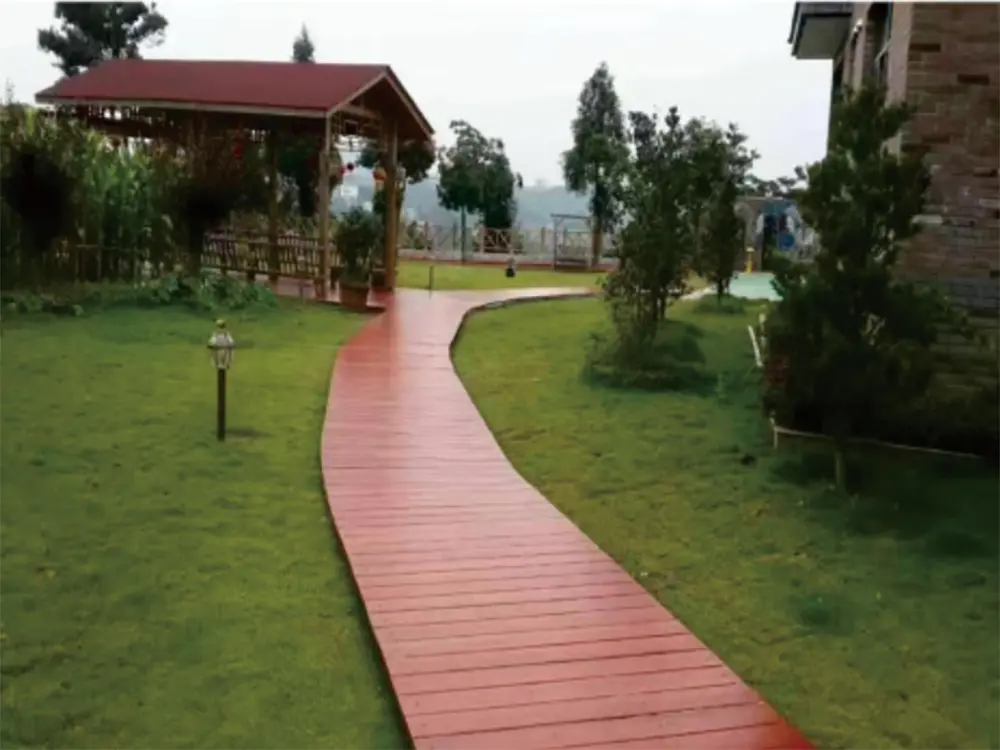
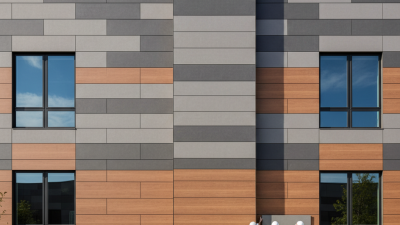
Fiber cement exterior panels have gained popularity due to their aesthetic versatility. They come in a wide range of designs, colors, and finishes. This adaptability allows homeowners to achieve various architectural styles, from modern to classic. With the right choices, fiber cement can enhance curb appeal and overall home value.


Incorporating fiber cement panels can contribute significantly to energy efficiency. These materials often reflect heat, keeping homes cooler. Consider how light and shadow interact with your panel choices. Choosing darker shades may absorb more heat, while lighter colors can reflect sunlight.


When selecting fiber cement panels, think about the texture. Smooth finishes can give a sleek, contemporary look. Textured options can evoke charm and warmth. It's essential to balance aesthetics with function. Each panel's durability and maintenance requirements should also influence your choices. Remember, style should not compromise practicality. Prioritize both beauty and usability in your decisions.

Environmental Impact: Sustainability and Eco-Friendliness of Fiber Cement

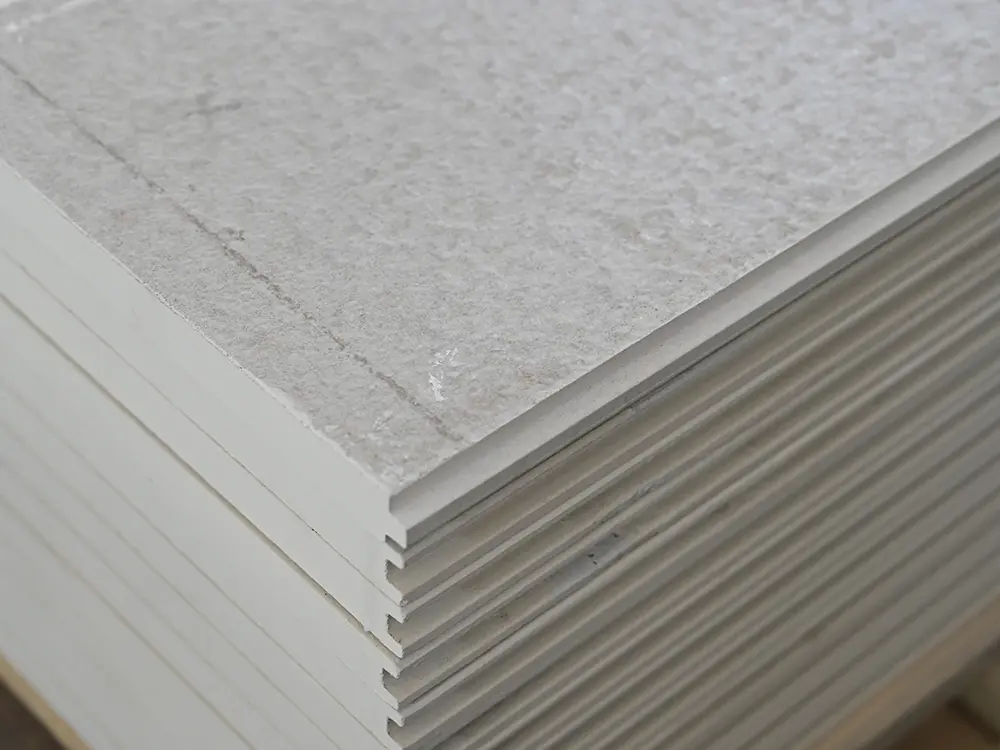
Fiber cement exterior panels are gaining traction in the construction industry due to their eco-friendly nature. These panels are made from a blend of cement, cellulose fibers, and sand. This combination results in a highly durable product that has a lower environmental impact compared to traditional materials. According to a report from the Cement Sustainability Initiative, fiber cement panels reduce the need for frequent replacements, minimizing resource consumption over time.

The sustainability of fiber cement goes beyond durability. Its production typically emits fewer greenhouse gases compared to other building materials. A study by the National Association of Home Builders found that fiber cement reduces energy consumption during its lifecycle. The panels are also resistant to moisture and pests, which decreases the likelihood of chemical treatments. While the initial cost may be higher, the long-term benefits of reduced maintenance and longer lifespan make it a wise investment.

However, the manufacturing process is not without flaws. It requires significant energy input, which can offset some sustainability benefits. Additionally, sourcing raw materials can raise ecological concerns. There is also the question of recyclability at the end of its lifecycle. Addressing these challenges is essential for improving the overall impact of fiber cement panels.

Top 10 Benefits of Fiber Cement Exterior Panels for Buyers

Benefit Description Environmental Impact
Durability Resistant to fire, heat, moisture, and pests. Reduced need for replacements, lowering waste.
Low Maintenance Requires minimal upkeep compared to traditional materials. Less use of chemicals for maintenance.
Energy Efficiency Provides good insulation, lowering energy costs. Lowers greenhouse gas emissions due to reduced energy use.
Aesthetic Versatility Available in various textures and colors. Supports diverse architectural design, reducing the need for multiple materials.
Sustainability Made from renewable resources and recycled materials. Reduces landfill waste; promotes responsible sourcing.
Fire Resistance Non-combustible material provides increased safety. Contributes to safer neighborhoods and communities.
Long Lifespan Can last 50+ years with proper care. Less frequent replacements lead to reduced resource consumption.
Resale Value Attractive, durable materials can increase home value. Promotes market demand for sustainable housing.
Moisture Resistant Effectively repels moisture, preventing mold and mildew. Improves indoor air quality; reduces health risks.
Cost-Effectiveness Initial investment balanced by durability and low maintenance. Promotes resource efficiency over the lifecycle.