Top 10 Benefits of Fiber Cement Floor Underlay for Your Home?
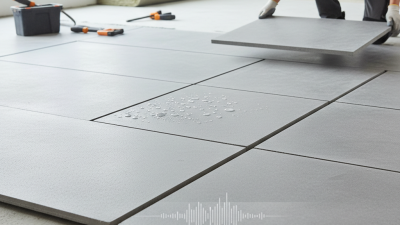
Fiber Cement Floor Underlay is rapidly gaining traction in modern home construction and renovation. According to the National Association of Home Builders, using fiber cement materials can enhance durability and reduce long-term costs. This innovation is highly praised for its moisture resistance and sound-dampening properties, which are essential for a comfortable living environment.
Homeowners are often surprised by how much fiber cement underlay can improve flooring performance. Reports indicate that homes featuring this underlay experience lower energy costs and increased resale value. A study by the American Concrete Institute shows that fiber cement is less prone to warping and cracking, making it a wise investment for long-term use.
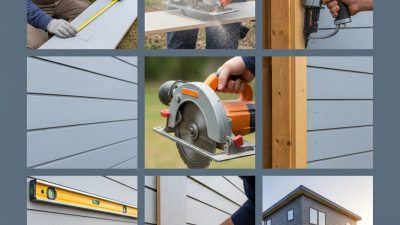
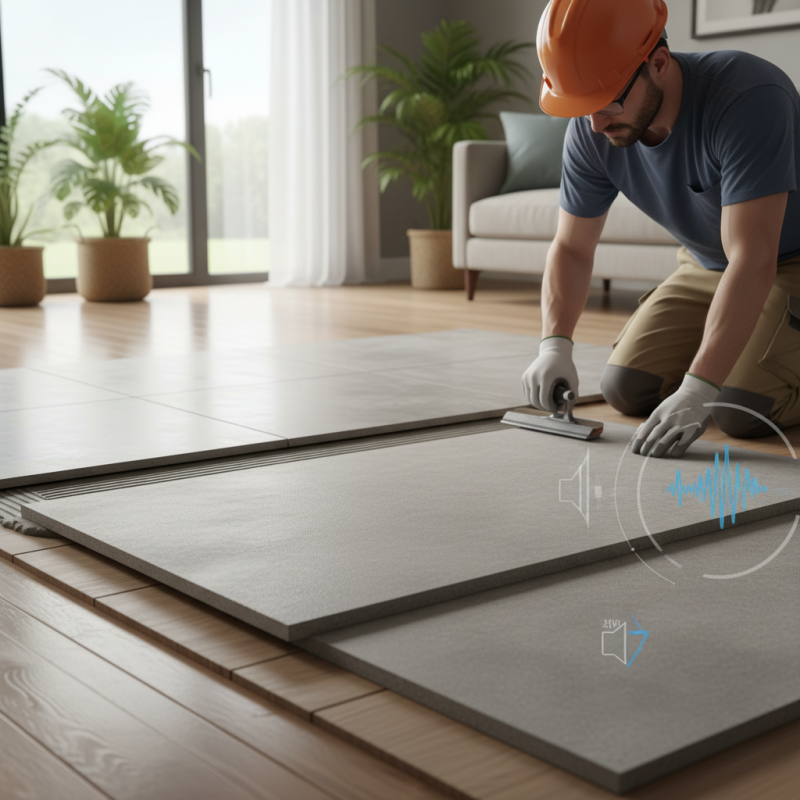
However, while the benefits are substantial, some users have expressed concerns about installation complexity. It is essential to consider professional guidance to ensure maximum efficacy. Proper installation of Fiber Cement Floor Underlay can lead to remarkable enhancements, but overlooking details can result in diminished benefits. Balancing awareness of potential pitfalls with the advantages is crucial for homeowners looking to upgrade their spaces.
Benefits of Enhanced Durability with Fiber Cement Floor Underlay
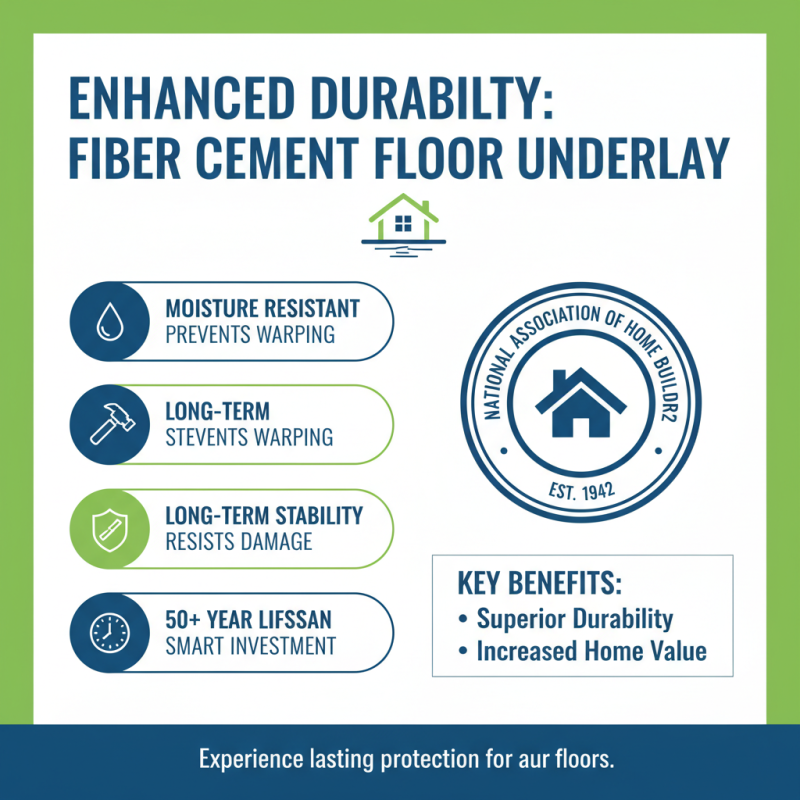
Fiber cement floor underlay offers significant advantages, particularly in durability. This material withstands moisture, preventing warping or damage. According to the National Association of Home Builders, homes with fiber cement products can have a lifespan exceeding 50 years. This makes it a smart investment for long-term stability.
In terms of resistance, fiber cement performs exceptionally well against termites and rot. The National Pest Management Association reports that termite damage accounts for over $5 billion annually. Using fiber cement underlay can mitigate such risks effectively. Its resilience to environmental factors also means less frequent repairs, ultimately saving homeowners time and money.
While the benefits are compelling, it’s essential to acknowledge that installation can be labor-intensive. Proper training or professional help is necessary to achieve optimal results. Homeowners should weigh the upfront costs against the long-term advantages. The initial investment may seem high, but the durability and reduced maintenance costs justify it.
Improved Sound Insulation Properties of Fiber Cement Underlayment
Fiber cement floor underlay provides significant advantages, especially in sound insulation. Research indicates that fiber cement can reduce sound transmission by up to 30%. This acoustic performance makes it a popular choice for multi-family housing or areas where noise control is essential.
The dense composition of fiber cement contributes to its effective sound-dampening qualities. Studies show that impact noise can be decreased significantly, enhancing the comfort of your living space. For instance, the Journal of Building Acoustics highlighted that sound reduction properties of fiber cement directly improve indoor environments. Homeowners can enjoy a quieter atmosphere with reduced echoes and disturbances from foot traffic or neighbors.
Moreover, while fiber cement offers effective sound insulation, it is essential to consider installation methods. A poorly installed underlay can compromise its sound-dampening capabilities. Professionals recommend careful adherence to installation guidelines to maximize performance. User experiences vary, and some report mixed results, prompting ongoing discussions about installation techniques in the industry. This highlights the need for proper education on the product.
Resistance to Moisture and Mold in Fiber Cement Floor Underlay
Fiber cement floor underlay offers exceptional resistance to moisture and mold. This is crucial for homeowners seeking durability. In areas prone to humidity, mold can become a significant concern. Fiber cement's non-porous surface hinders moisture absorption. This means less risk of mold infestation, promoting a healthier living environment.
Installing fiber cement underlay can help in areas like bathrooms and basements. Choosing this material can protect your home from water damage. Even in kitchens, where spills are common, it stands strong. Homeowners should consider the thickness of the underlay. A thicker layer provides better moisture resistance.
Tips for installation include ensuring the surface is clean before laying down the underlay. Use proper adhesive to secure it. This helps prevent gaps that can trap moisture. Regularly inspect the underlay for signs of wear or damage. Early detection can save you from potential issues later. Consider the overall ventilation in your spaces too; proper airflow reduces the chances of mold growth.
Top 10 Benefits of Fiber Cement Floor Underlay for Your Home
| Benefit |
Description |
Impact on Home |
| Moisture Resistance |
Fiber cement underlay is impervious to moisture, preventing damage to flooring. |
Helps to maintain structural integrity of the home. |
| Mold Resistance |
Fiber cement materials are resistant to mold and mildew. |
Improves indoor air quality and reduces health risks. |
| Durability |
Highly durable, withstanding heavy foot traffic and impacts. |
Lowers the need for frequent repairs and replacements. |
| Sound Absorption |
Offers excellent sound-absorbing properties for quiet living. |
Creates a more peaceful environment in the home. |
| Fire Resistance |
Non-combustible material that resists fire damage. |
Enhances safety and peace of mind for homeowners. |
| Energy Efficiency |
Provides insulation, helping to maintain temperature. |
Reduces energy bills and environmental impact. |
| Low Maintenance |
Requires minimal upkeep and cleaning. |
Saves time and effort for homeowners. |
| Versatility |
Suitable for various flooring types and installations. |
Allows design flexibility in home decor. |
| Cost-Effective |
Offers long-lasting value compared to traditional materials. |
Reduces overall renovation costs in the long term. |
Eco-Friendly Characteristics of Fiber Cement for Sustainable Living
Fiber cement underlay is gaining popularity for various reasons. One of the most significant advantages is its eco-friendly nature. The materials used in fiber cement production are sourced from sustainable resources. This reduces the carbon footprint associated with flooring solutions. The longevity of fiber cement also plays a critical role. It lasts longer than traditional options, minimizing waste in landfills.
Moreover, fiber cement is resistant to moisture and pests. This durability means less frequent replacements. It can withstand harsh environments, making it suitable for various climates. Many people may not realize how much energy is saved over time. A fiber cement underlay can improve energy efficiency in your home. You might see lower utility bills, which is a win for both the environment and your wallet.
Despite these benefits, some challenges exist. Installation requires professional expertise for optimal results. Improper installation could negate its eco-friendly advantages. It's essential to ensure proper fitting to avoid issues later. Understanding the full lifecycle of fiber cement products also matters. This adds depth to the discussion about sustainability in home building.
Top 10 Benefits of Fiber Cement Floor Underlay for Your Home
This chart illustrates the top benefits of using fiber cement floor underlay, highlighting its eco-friendly characteristics and advantages for sustainable living.
Cost-Effectiveness of Using Fiber Cement Underlay in Flooring Projects
Fiber cement floor underlay is gaining traction in flooring projects for its cost-effectiveness. According to the Home Improvement Research Institute, fiber cement materials can reduce costs by up to 20% compared to traditional underlays. This is due to their durability and lower maintenance needs. Homeowners find that investing in fiber cement not only saves money upfront but also minimizes long-term expenses.
In addition to cost savings, fiber cement underlay offers superior moisture resistance. This feature contributes to reduced repair costs, especially in areas prone to humidity. The National Association of Home Builders notes that moisture-related issues can lead to costly repairs. By opting for fiber cement, homeowners can avoid significant expenses down the line.
While fiber cement is not the cheapest option initially, its reliability and performance often justify the investment. Some consumers express concerns about installation complexities, which can raise initial costs. This aspect may require professional assistance, negating some savings for DIY enthusiasts. However, the long-term benefits frequently outweigh these initial hurdles. Understanding all factors is crucial for a well-informed decision.

 LEAO®Deco Ceiling
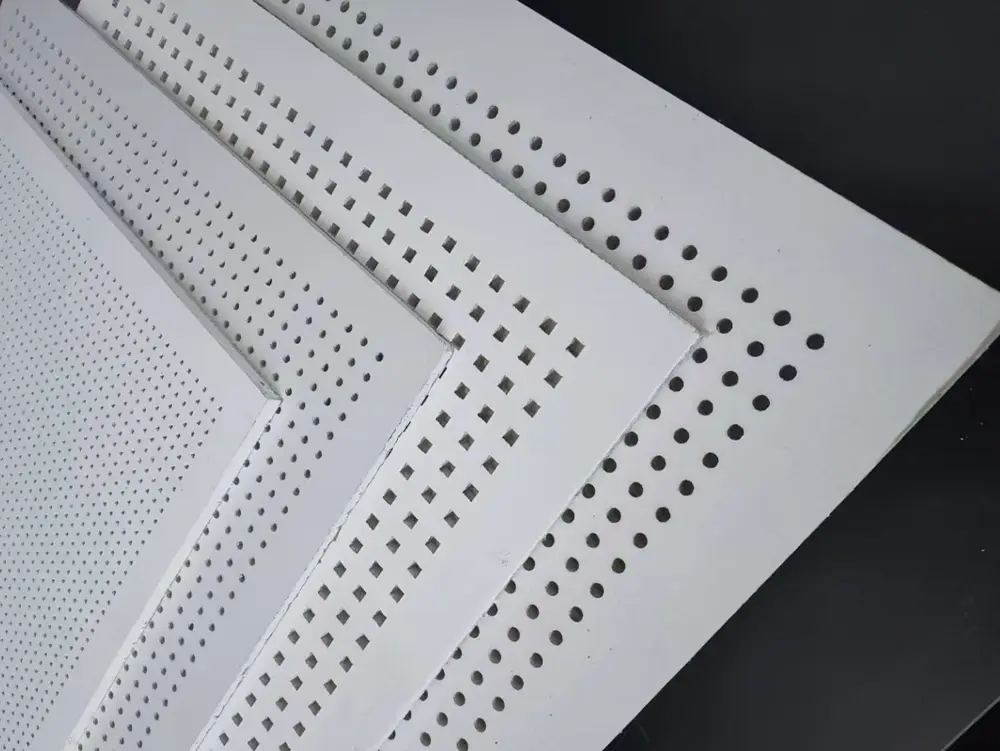 LEAO® Perforated Ceiling
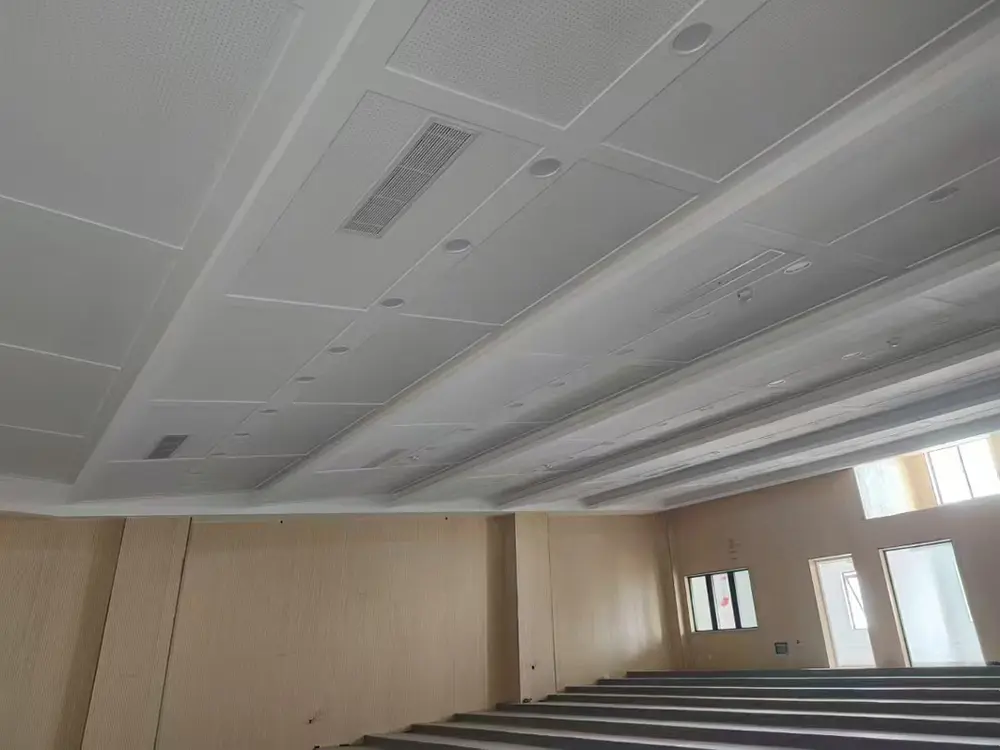 LEAO® Ceiling Board
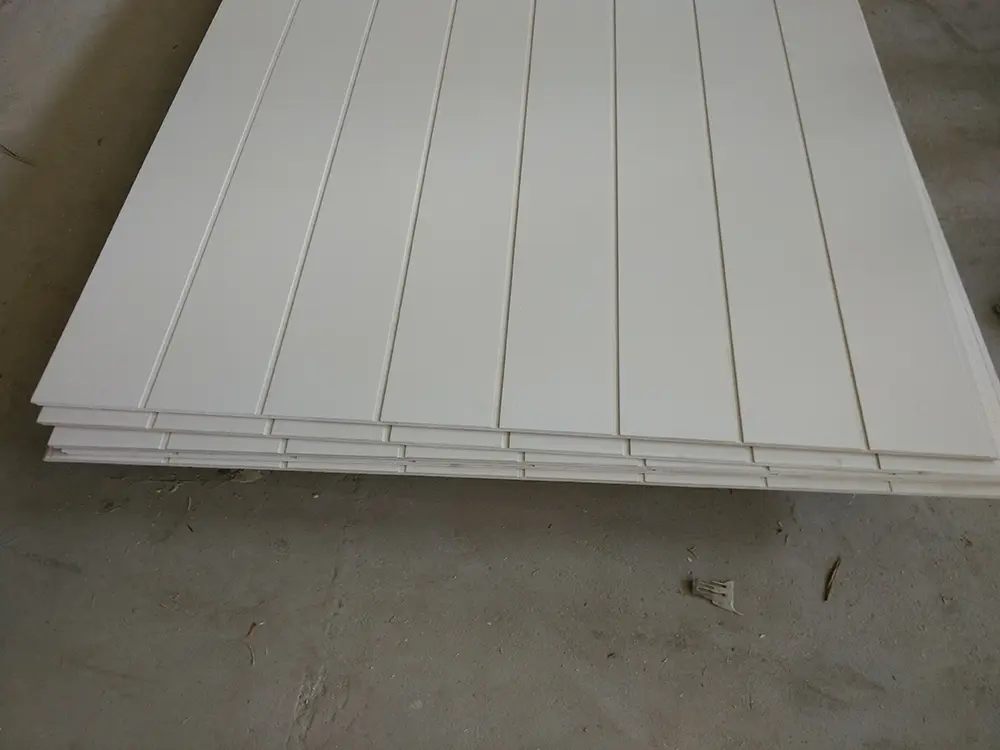 LEAO® Groove Interior Panel
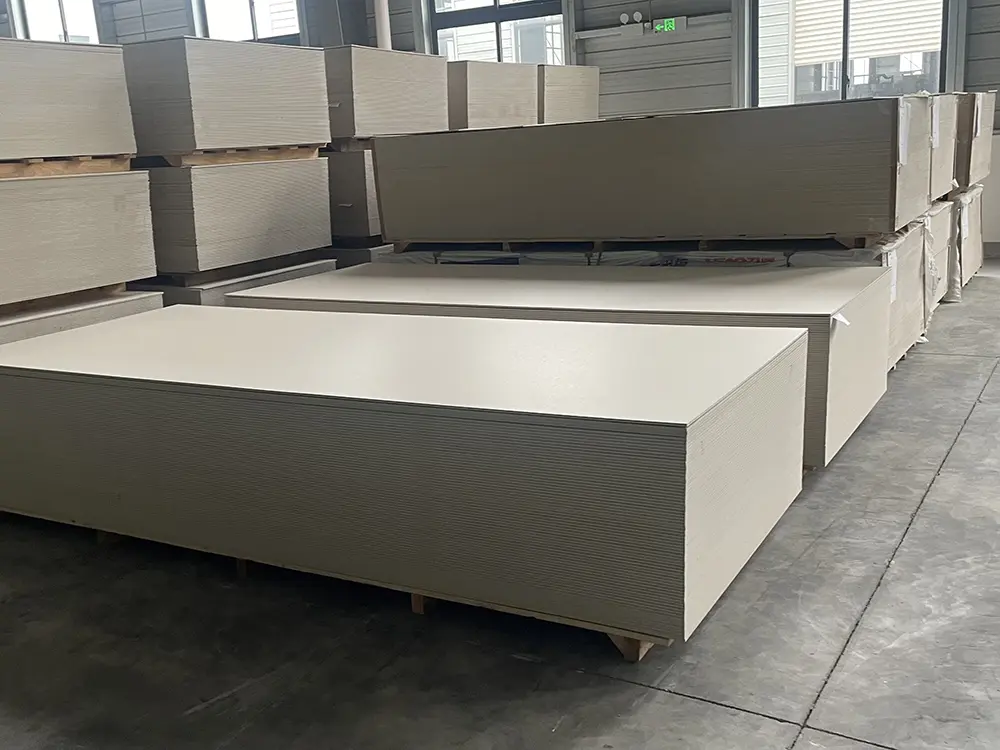 LEAO® Interior Board
 LEAO® Wood Grain Plank
 LEAO® Grooved Exterior Panel
 LEAO® Weatherboard
 LEAO® Access Floors
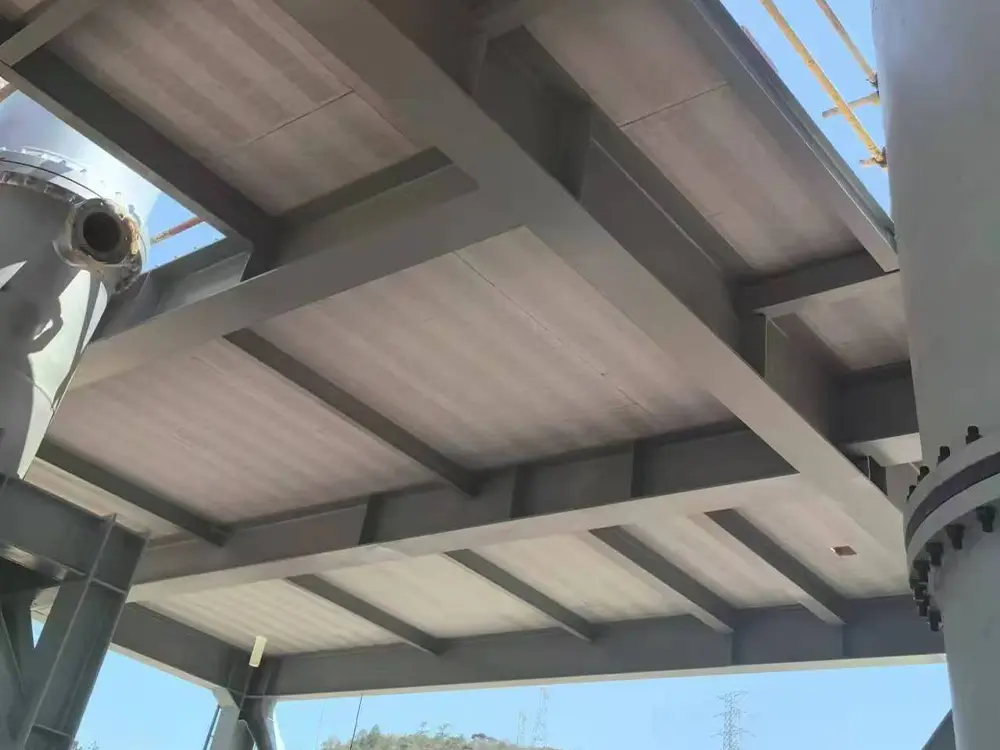 LEAO® Non-removable Formwork
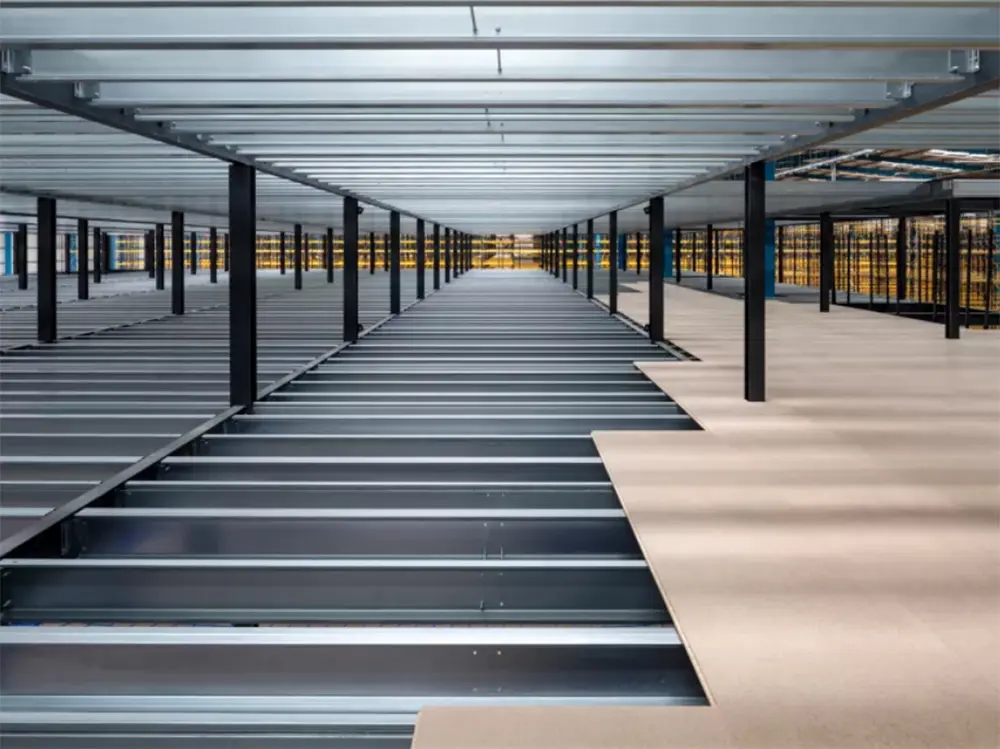 LEAO® Mezzanine Board
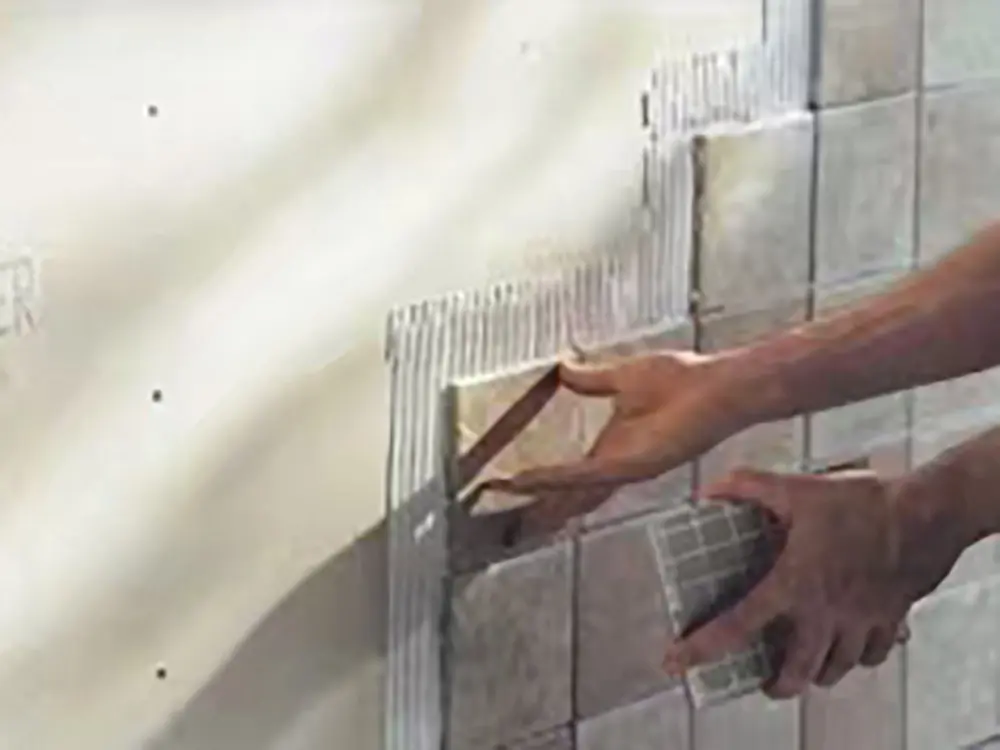 LEAO® Ceramic Tile Underlay
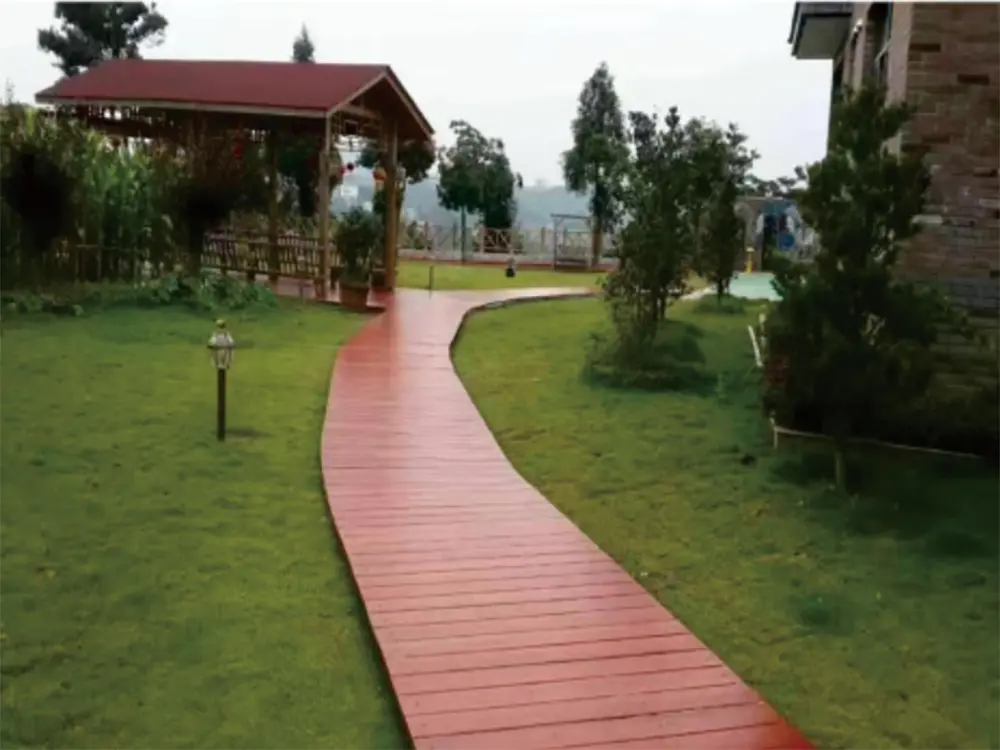 LEAO® Floor Plank
 LEAO® Flooring
 LEAO® Wood Style Decorative Panel
 LEAO® Stone Style Decorative Panel
 LEAO® Pure Style Decorative Panel