Choosing a Fiber Cement Panel supplier in 2026 requires more than comparing catalog prices. Global buyers must examine durability, testing, production consistency, and technical support. A panel may look flawless in a showroom. Its real performance appears after months of rain, heat, freezing temperatures, and repeated installation stress.
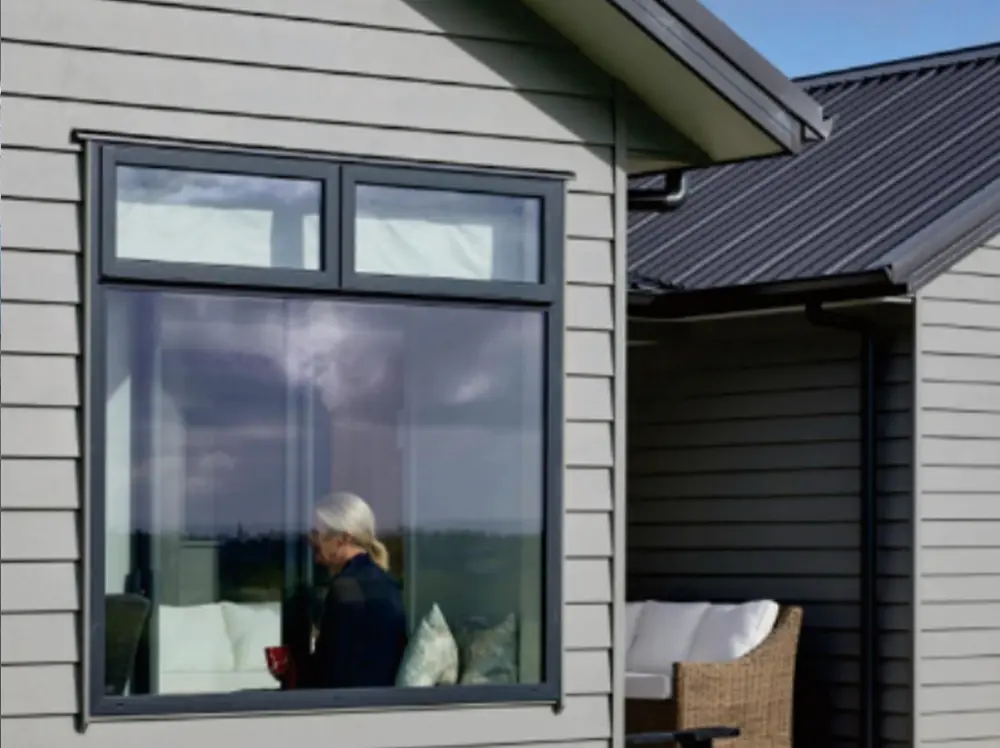
Building scientist Dr. Joseph Lstiburek offers a useful reminder: “The perfect wall is a wall that keeps water out.” His point applies directly to fiber cement cladding. Reliable suppliers should explain drainage cavities, joint detailing, fastener selection, edge protection, and compatible coatings. They should also provide current test reports, product data sheets, environmental information, and installation guidance. Clear documentation matters when projects cross languages, climates, and regulatory systems.
This guide reviews the 2026 top Fiber Cement Panel suppliers for global buyers. It considers manufacturing capacity, export experience, quality control, design range, lead times, packaging, and after-sales service. Some suppliers excel in large commercial orders. Others offer better support for custom colors or smaller developments. No ranking is flawless. Buyer priorities differ, and published claims still require verification.
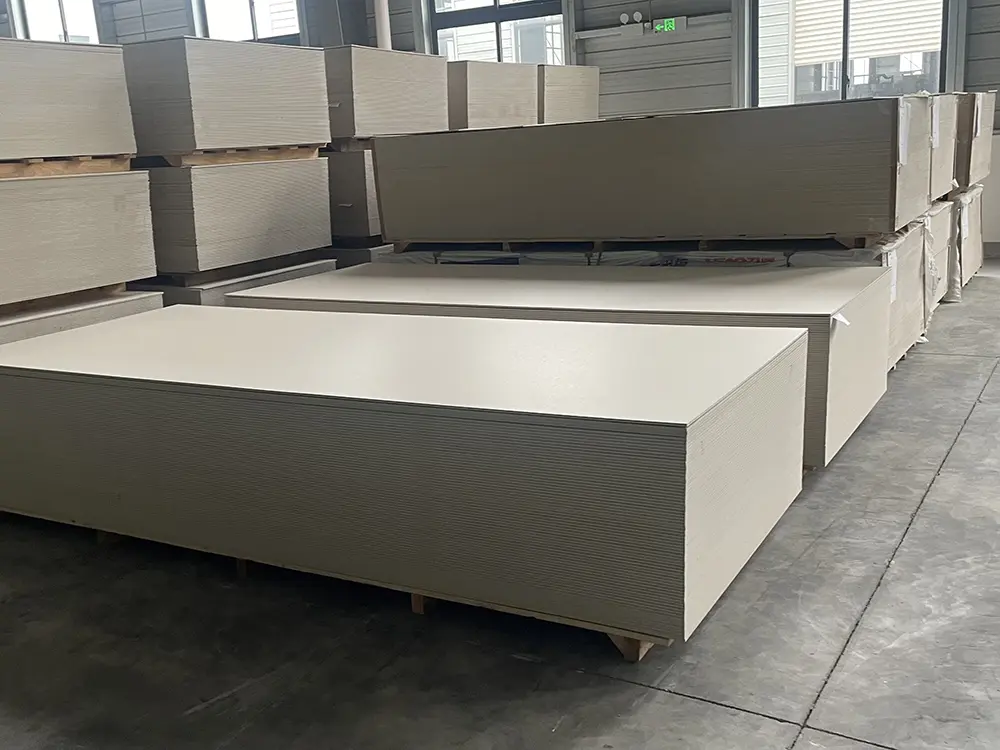
A practical evaluation should include factory audits, sample testing, warranty review, and reference projects. Look closely at panel corners, coating uniformity, pallet protection, and delivery records. Small details can become expensive failures. The strongest supplier is not always the cheapest. It is the partner that communicates clearly, documents performance honestly, and supports the panel after shipment.
Fiber cement panels combine cement, cellulose fibers, mineral fillers, and water. They contain no asbestos when manufactured to current requirements. A 2024 Grand View Research report estimated the global fiber cement market at about USD 17 billion in 2023, with continued growth through 2030. That expansion increases the need for comparable technical evidence.
ASTM C1186 covers flat, non-asbestos fiber-cement sheets for exterior and interior applications. It evaluates dimensions, density, water absorption, strength, and freeze-thaw performance.
Type A sheets
Type A sheets face exterior exposure.
Type B sheets
Type B sheets serve protected applications.
EN 12467 adds categories for weather exposure, strength classes, and durability levels. These details matter when panels meet rain, frost, or repeated temperature changes.
ISO 8336 ISO 8336 provides an international framework for fiber-cement flat sheets, including product classification and performance testing.
It supports clearer communication between suppliers, laboratories, and global buyers.
However, standards are not interchangeable automatically. A panel passing one test may still need separate verification for another market. Ask for dated laboratory reports, declared thickness, density, edge treatment, and water-performance results. Small details matter.
Procurement teams sometimes trust certificates too quickly. That is risky. A product label cannot replace project-specific review.
Test methods, sampling conditions, and installation design can change the final result. The 2024 Freedonia study on fiber cement products also links demand growth with renovation and resilient construction, but market forecasts remain estimates, not guarantees.
Global demand for fiber cement panels is strengthening, but growth is uneven across regions. Grand View Research estimated the global fiber cement market at approximately US$13 billion in 2023. Its outlook indicates steady growth through 2030, supported by residential construction and renovation activity. Mordor Intelligence also identifies Asia-Pacific as the largest consumption region. Urban housing programs and expanding manufacturing capacity remain important drivers.
Regional buying signals are becoming more practical. North American buyers increasingly request panels for remodeling, fire resistance, and moisture-prone exteriors. European projects focus on renovation, insulation coordination, and lower lifecycle emissions. In Southeast Asia, distributors often prioritize stable supply, lighter packaging, and shorter delivery routes. Capacity matters. A supplier may offer an attractive price but lack backup production during peak seasons. That weakness is easy to miss.
Tips: Request current production capacity, monthly output, and lead-time records. Ask for test reports covering moisture movement, fire performance, and freeze-thaw durability. Verify whether data comes from an accredited laboratory. Also compare pallet dimensions and container loading efficiency. Freight can quietly erase a low unit price. Regional forecasts are not perfectly aligned, either. Report definitions vary, and some combine boards with wider cement-based products. Buyers should treat forecasts as signals, not guarantees. A small pilot order can reveal surface consistency, edge damage, packaging quality, and communication speed before larger commitments.
For global buyers, supplier screening should begin with quality systems, not attractive catalog images. Fortune Business Insights estimated the global fiber cement market at about USD 17.1 billion in 2023. This growth increases supply options, but also complicates verification. Ask for ISO 9001 records, batch traceability, and recent third-party test reports. Confirm compliance with ASTM C1186 or EN 12467, depending on the destination market. Certificates alone are not enough.
Production scale requires physical evidence. Review annual capacity, kiln or autoclave configuration, warehouse stock, and rejected-panel rates. A large factory is not automatically reliable. Request samples from different production dates. Compare thickness, density, water absorption, and flexural strength. The numbers should remain consistent.
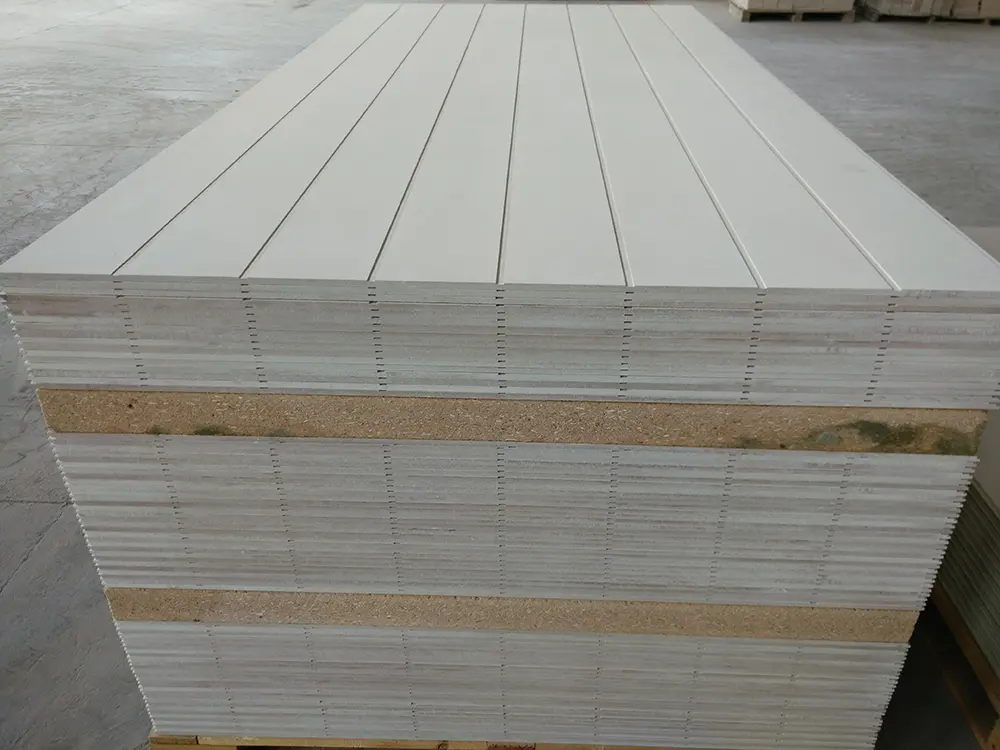
I would also inspect packaging, edge protection, pallet loading, and container photographs. Small details often reveal weak process control.
Export coverage should be measured by repeat performance, not a long country list. UN Comtrade data under HS 6811 can help buyers compare shipment activity and destination patterns. The World Bank’s 2023 Logistics Performance Index also shows why port access and customs reliability matter. Ask for redacted bills of lading, export references, and documented claims handling. Some suppliers report impressive capacity but provide limited evidence. That gap deserves attention. A careful screening process may feel slower, yet one failed shipment can cost more than several audits.
For 2026 global sourcing, fiber cement panels should be compared through verified test data, not catalog claims. ASTM C1185 measures density and water absorption, while ASTM C1186 defines performance requirements for flat sheets. Commercial panels commonly show densities from 1,200 to 1,600 kg/m³. Standard thicknesses often range from 4.5 to 18 mm. Higher density may improve impact resistance, but it can increase shipping weight and installation loads.
Thickness changes performance. Panels around 8 to 12 mm often balance rigidity and handling for exterior cladding. Thinner sheets need closer framing and careful edge protection. Fire results require separate review. EN 13501-1 classifies reaction to fire, while ASTM E136 evaluates noncombustibility. Mineral-based panels may achieve A1 or A2-s1,d0 classifications, but coatings, sealants, and fixing systems can change the final assembly rating. Ask for assembly-level reports.
Water absorption needs cautious reading. ASTM C1185 results may commonly fall near 8% to 30% by mass, depending on formulation and curing. EN 12467 focuses on water impermeability and durability categories, rather than one universal absorption limit. A passing test does not mean zero moisture movement. That distinction matters. Request test dates, conditioning methods, sample thickness, and independent laboratory accreditation. One weakness remains: suppliers sometimes compare different test methods as if they were identical. They are not. A careful buyer should record the method beside every number.
Representative industry reference values for global buyers. Values are midpoints of commonly published technical ranges and may vary by formulation, coating, test method, and panel system.
| Panel Class | Typical Density | Typical Thickness | Water Absorption | Typical Reaction to Fire |
|---|---|---|---|---|
| Low-density interior board | 900–1,100 kg/m³ | 4–12 mm | 20–30% | Usually A2-s1,d0 or equivalent |
| Standard exterior cladding board | 1,100–1,400 kg/m³ | 6–16 mm | 15–25% | Commonly A2-s1,d0; some formulations reach A1 |
| High-density façade board | 1,400–1,800 kg/m³ | 8–20 mm | 10–20% | Often A1 or A2-s1,d0, subject to testing |
Density generally increases stiffness and impact resistance, while lower water absorption is preferred for exposed façades. Fire classifications must be verified against the applicable standard, such as EN 13501-1, ASTM E84, or local code requirements, because the final rating can depend on coatings, fixings, insulation, and the complete wall assembly.
2026 Top Fiber Cement Panel Suppliers for Global Buyers
Global demand is becoming more specification-driven. Grand View Research valued the fiber cement market at about USD 12.2 billion in 2023 and forecasts a 4.7% CAGR through 2030. MarketsandMarkets projects the market to rise from roughly USD 15.1 billion in 2024 to USD 20.2 billion by 2029. These figures support careful supplier screening, not rushed purchasing.
Start with MOQ, Incoterms, and landed cost. Ask whether the MOQ applies per color, thickness, or container. Confirm whether the quotation uses FOB, CIF, or DDP terms. A low panel price can become expensive after port handling, inland delivery, and import duties. Request production samples, pallet photos, and packaging specifications. Small details matter.
Certifications need verification. Check fire performance, dimensional tolerance, water absorption, and formaldehyde statements against the destination market’s requirements. ISO 9001 supports process control, but it does not guarantee panel quality. Lead times should include production, inspection, booking, and customs clearance. A written warranty must define years, exclusions, installation conditions, and claim evidence. Some suppliers promise broadly, then argue narrowly. Buyers should test this before signing. A spreadsheet helps, but it can still hide risk. Ask for recent inspection records and independent laboratory reports.
| Regional Supplier Profile | Typical Product Scope | Typical MOQ | Common Incoterms | Typical Certifications and Compliance Documents | Typical Lead Time | Common Warranty Structure | Buyer Verification Checklist |
|---|---|---|---|---|---|---|---|
| Large-scale East Asian Exporter |
Flat fiber cement facade panels, siding boards, soffits, partition boards, and custom-cut formats. Common thicknesses: approximately 4–12 mm. |
Usually 1 x 20-foot container or approximately 500–2,000 m² for standard items. Custom colors and machining may require a higher MOQ. |
FOB CFR CIF FCA |
ISO 9001 may be available for quality management. EN 12467 test reports for fiber-cement flat sheets may be available for products sold to European specifications. ASTM C1186 test reports may be available for products targeting North American requirements. Request test reports for water absorption, dimensional movement, bending strength, freeze-thaw resistance, and reaction to fire. |
Approximately 20–45 days after approved artwork, color, and deposit. Add approximately 15–30 days for new colors, tooling, or special machining. |
Commonly a limited 10–15 year product warranty for manufacturing defects, subject to installation, storage, coating, and maintenance conditions. Finish warranties may be shorter or issued separately. |
Confirm panel density, tolerance, edge treatment, pallet dimensions, container loading plan, moisture protection, export packaging, and replacement procedure for damaged goods. |
| South Asian Project-Oriented Manufacturer |
Exterior cladding sheets, interior wall panels, ceiling boards, and fire-resistant building boards. Frequently offers project-based cutting, perforation, and color matching. |
Typically 300–1,500 m² for standard boards. Project orders may be consolidated across several thicknesses or finishes. |
EXW FOB CFR DAP |
ISO 9001 may be available. ASTM C1186 or EN 12467 reports should be requested according to the destination market. For fire claims, request the exact classification report and test assembly, not only a general product brochure. For green-building projects, ask whether an EPD or recycled-content declaration is available. |
Approximately 25–60 days after order confirmation. Samples and mock-ups commonly require an additional 7–20 days. |
Commonly a 5–10 year limited product warranty. Warranty validity normally depends on approved accessories, installation instructions, and evidence that the product was not exposed to prolonged improper storage. |
Check production capacity during peak construction seasons, color consistency between batches, surface coating system, local distributor support, and availability of installation manuals. |
| Southeast Asian Export Manufacturer |
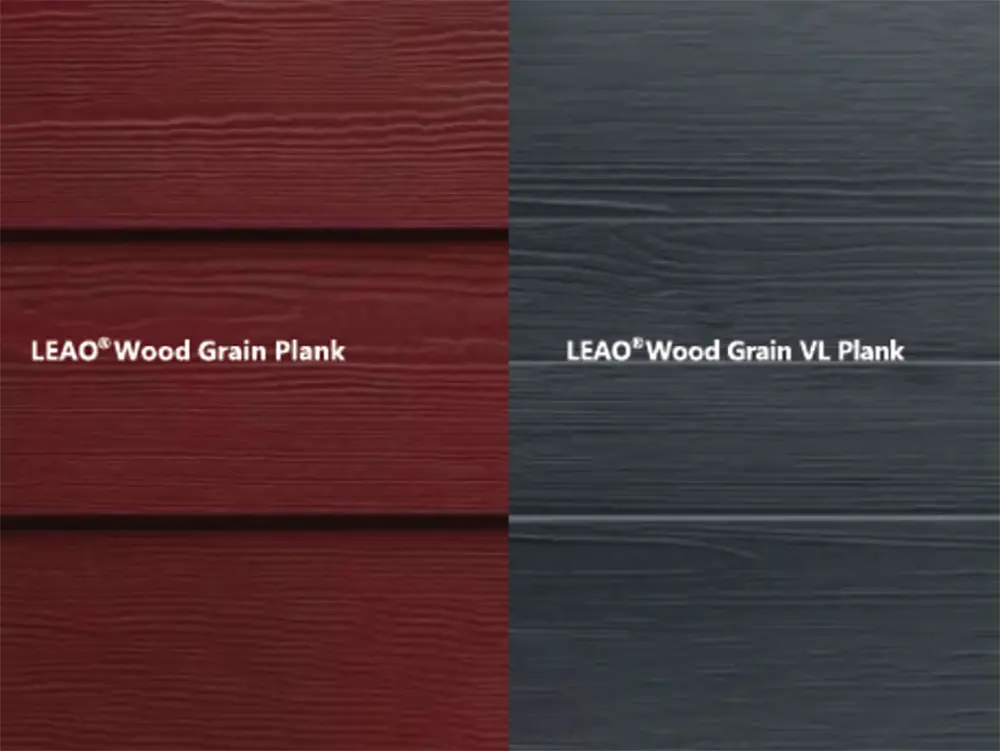
Exterior siding, ventilated-rainscreen panels, wood-texture boards, soffit panels, and pre-finished fiber cement products. Often suitable for tropical and humid-climate projects when correctly detailed. |
Usually 1 x 20-foot container or approximately 400–1,800 m². Small trial orders may be possible at a price premium. |
FOB CIF CFR DAP |
ISO 9001 may be available. Request EN 12467 or ASTM C1186 performance documentation where relevant. Ask for accelerated weathering, mold resistance, humidity exposure, and coating adhesion results for exterior finished products. FSC documentation applies to wood packaging or wood components only, not automatically to the fiber cement panel itself. |
Approximately 30–60 days for standard production. Special textures, low-volume colors, and private-label packaging can extend the schedule. |
Commonly a 10-year limited product warranty; premium factory finishes may have separate coating terms. Warranty may exclude damage caused by standing water, unsealed cut edges, or incorrect joint design. |
Verify drainage cavity requirements, joint widths, compatible fasteners, cut-edge sealing, salt-spray suitability for coastal projects, and packaging performance during ocean transport. |
| European Specification-Focused Supplier |
Architectural facade panels, rainscreen cladding boards, interior lining panels, and high-performance fire-oriented systems. Frequently provides coordinated accessories and detailed installation systems. |
Commonly 100–500 m² for standard stock items or one project batch. Custom colors, large formats, and engineered details may require project-specific minimums. |
EXW FCA DAP DDP |
EN 12467 classification and performance documentation may be available. CE marking and a Declaration of Performance may apply when the product is covered by the relevant harmonized European requirements. Request reaction-to-fire classification under EN 13501-1 where required by the project. EPD may be available for selected product ranges. |
Approximately 4–10 weeks for standard products. Engineered project systems may require 8–16 weeks, including technical approvals and mock-ups. |
Commonly a 10–15 year limited product warranty, with separate terms for coating, color retention, or system components. Installation by an approved or qualified contractor may be required. |
Confirm CE/DoP scope, fire classification for the complete wall build-up, wind-load calculations, substructure compatibility, maintenance requirements, and availability of replacement panels. |
| North American Specification-Focused Supplier |
Siding boards, architectural wall panels, soffits, trim boards, and non-combustible or fire-resistance-oriented panel systems. Product data is commonly organized around North American building-code requirements. |
Typically 1 truckload, 1 container, or approximately 500–2,500 m² depending on profile, finish, and stocking program. Distributor orders may be smaller than direct factory orders. |
FCA CPT DAP DDP |
ASTM C1186 test reports are commonly relevant for fiber-cement flat sheets. Ask for ASTM E84, CAN/ULC-S102, or other fire-test documentation only when applicable to the exact product and assembly. Request ICC-ES, CCMC, or equivalent evaluation documentation when required by the project authority. Confirm VOC, indoor-air, and sustainability documentation separately. |
Approximately 2–8 weeks for stocked products. Custom finishes and direct-import programs may require 8–16 weeks. |
Commonly a 30-year or longer limited product warranty for selected products, with shorter or separate finish warranties. Coverage usually excludes installation labor, impact damage, improper ventilation, and failure to follow published details. |
Check code jurisdiction, wind and seismic requirements, fastening schedule, flashing details, touch-up policy, regional stock availability, and claims documentation requirements. |
| Middle Eastern and Mediterranean Export Supplier |
Exterior facade boards, cement-based cladding panels, soffits, partition boards, and products intended for hot, dry, or high-solar-load environments. May offer large-format panels for commercial projects. |
Usually 1 x 20-foot container or approximately 500–2,000 m². Large projects may be negotiated by batch or phased delivery. |
EXW FOB CFR CIF DAP |
ISO 9001 may be available. Request EN 12467 or ASTM C1186 reports based on the destination market. For severe climates, request thermal movement, water penetration, UV exposure, and freeze-thaw data where relevant. Ask for country-specific conformity documents before shipment. |
Approximately 20–50 days for standard products. Technical submittals, color approvals, and project mock-ups may add 2–6 weeks. |
Commonly a 5–10 year limited warranty, with exclusions for extreme temperature cycling, chemical exposure, incorrect joint sealing, or non-approved installation methods. | Confirm solar-reflectance or color-retention data, thermal expansion allowances, salt exposure suitability, local stock, spare-panel policy, and after-sales technical support. |
| Latin American Regional Supplier |
Siding, exterior wall boards, interior partition panels, ceiling boards, and locally adapted cladding solutions. May combine domestic production with imported specialty finishes. |
Approximately 200–1,200 m² for standard products. Imported finishes and custom profiles may require container-level orders. |
EXW FCA CPT DAP |
Local standards may apply in addition to ISO 9001, ASTM C1186, or EN 12467 documentation. Request local fire, structural, and environmental declarations where required by the authority having jurisdiction. Verify whether test reports cover the supplied thickness, finish, and panel format. |
Approximately 15–45 days for locally stocked or standard products. Imported or custom-made products may require 45–90 days. |
Commonly a 5–10 year limited product warranty. Terms often require proof of purchase, installation records, and compliance with the supplier’s storage and installation instructions. |
Confirm local inventory, transport damage procedures, tax and customs responsibilities, technical support language, replacement lead time, and availability of compatible accessories. |