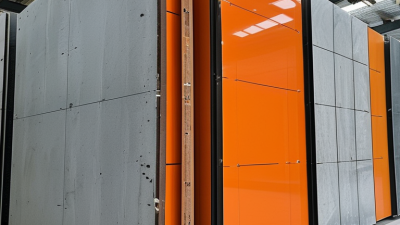
How to Choose the Best Fiber Cement Formwork Board for Your Needs?
Choosing the right Fiber Cement Formwork Board can be challenging. These boards play a crucial role in construction, impacting the overall quality of your project. Understanding their features helps you make informed decisions.
Various factors need consideration, such as durability, weight, and installation ease. The right board should withstand weather conditions and heavy loads. Many boards vary in thickness, which affects their applicability. Some may not fulfill specific project needs, leading to regrets later.
Consulting experts can provide valuable insights. Their experience can guide you to select a reliable product tailored to your requirements. By reviewing trusted sources, you can gauge quality and performance. Navigating this decision can be complex, but prioritizing your project's unique needs can lead to better outcomes.
Understanding Fiber Cement Formwork Boards and Their Applications
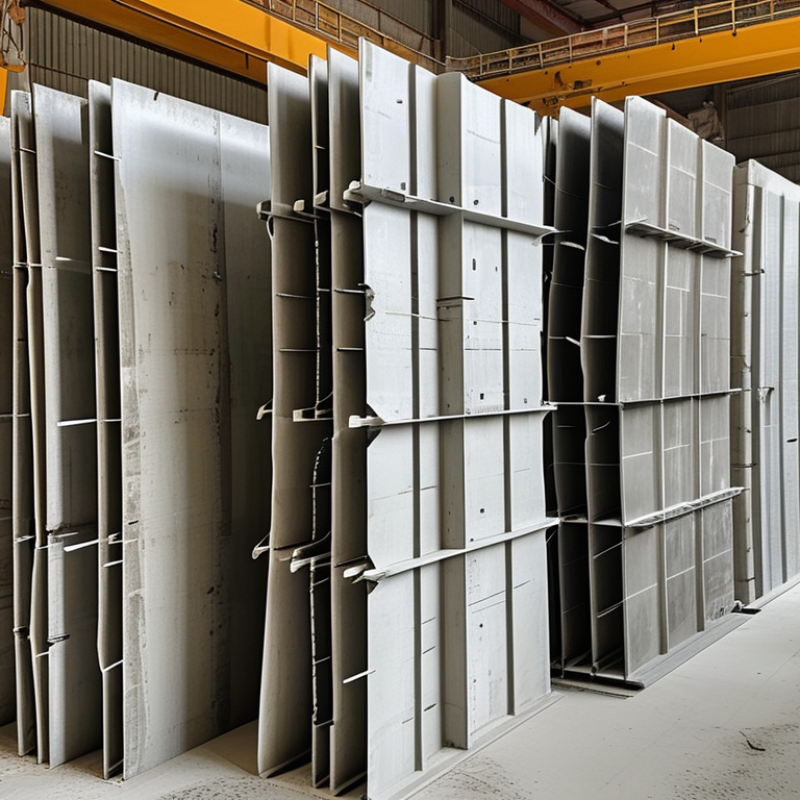
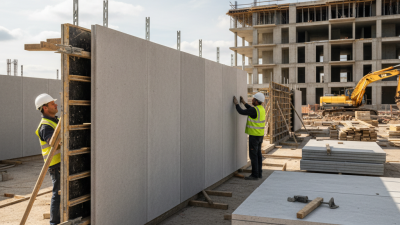
Fiber cement formwork boards are essential in the construction industry. They are made from a mix of cement, fibers, and additives. This combination provides strength and durability, ideal for a range of applications. These boards can be used for forming walls, flooring, and even roofing systems. Their resistance to moisture and fire makes them a preferred choice for many builders. However, understanding their specific applications is vital for success.
Tips for selecting the right board include checking the thickness and density. Thicker boards tend to be more durable. Pay attention to the finish as well. A smoother surface can lead to better results. It's also wise to consider environmental factors, such as humidity and exposure to sunlight. This choice can impact the board's performance over time.
Reflect on your specific needs. Are you working on a large-scale project or a smaller one? Each project may demand different types of boards. Testing samples before the final purchase can reveal potential issues. Don’t ignore the importance of compatibility with other materials too. Sometimes, the best option is not the most expensive one. Making an informed choice leads to better outcomes in your construction projects.
Key Factors to Consider When Selecting Fiber Cement Formwork Boards
When selecting fiber cement formwork boards, several key factors are essential for ensuring optimal performance. One crucial aspect is the board's density. According to industry reports, boards with a density exceeding 1,400 kg/m^3 offer greater durability and resistance to damage. This can significantly enhance the longevity of your formwork systems.
Another factor to consider is moisture resistance. Fiber cement boards with a high moisture resistance rating can withstand various weather conditions. Studies show that moisture-resistant boards reduce the risk of distortion and increase reusability. A lower water absorption rate leads to less warping and cracking over time, making your investment more reliable.
Tip: Always inspect the board's certifications. Look for compliance with ASTM standards. These certifications indicate quality and safety.
Additionally, ease of handling should be a priority. While thicker boards provide strength, they can also be cumbersome. Lightweight options can simplify transportation and installation, but they may compromise durability. It's vital to strike a balance between weight and strength for your specific application.
Tip: Evaluate the board's compatibility with your existing equipment. This ensures seamless integration and performance efficiency.
Choosing the right fiber cement formwork board requires careful consideration of these factors. The right choice can lead to improved project outcomes.
Comparing Different Types of Fiber Cement Formwork Boards Available
When selecting a fiber cement formwork board, it's crucial to understand the various types available. Fiber cement boards are generally classified into two categories: standard boards and premium boards. Standard boards are cost-effective options often used in residential projects. Premium boards, on the other hand, are designed for commercial projects, offering durability and moisture resistance. According to industry reports, premium boards can withstand harsh weather conditions, which increases their lifespan by up to 50%.
Another factor to consider is thickness. Boards typically range from 10mm to 20mm. Thicker boards provide better structural support but can be heavier and more challenging to handle. A study from a reputable construction institute indicates that using thicker boards can reduce installation time by approximately 20%. However, this can also cause strain during transportation, which should be factored into your decision.
Additionally, understanding the manufacturing process is essential. Some boards undergo a more rigorous curing process, leading to lower water absorption and higher strength. It's important to note that not all suppliers disclose their production methods. Hence, due diligence is required. This is where quality and reliability play a vital role in your selection process. An informed choice will impact not just your project but also the environment and costs involved.
Comparison of Different Types of Fiber Cement Formwork Boards
This bar chart compares the weights of different types of fiber cement formwork boards. The weight of the boards can influence ease of handling, transportation costs, and overall project costs. Selecting the right type based on these parameters is crucial for your needs.
Evaluating the Cost and Performance of Fiber Cement Formwork Boards
When evaluating fiber cement formwork boards, cost and performance are critical. Fiber cement boards offer durability and strength, making them ideal for various construction projects. However, choosing the right option can be overwhelming. Prices vary significantly between brands and specifications. A lower price might indicate reduced quality, which can lead to increased costs down the line. Always assess the cost in terms of long-term value, not just upfront expenses.
Performance factors include weight, moisture resistance, and load-bearing capacity. The weight of the boards impacts ease of handling and overall structural integrity. Boards that resist moisture will perform better under challenging conditions, which is essential for projects exposed to elements. Load-bearing capacity is also crucial; choose boards that can support the demands of your specific applications. While some options may excel in price, they may fall short in performance. Balancing these elements is vital. You may find a board that fits your budget but doesn't meet your project's needs effectively, leading to a future reevaluation.
Maintenance and Longevity of Fiber Cement Formwork Boards in Construction
When selecting fiber cement formwork boards, maintenance and longevity are crucial for ensuring durability and performance. These boards are known for their resistance to moisture, fire, and pests. However, they require specific care to maintain their integrity over time. Regular inspection is essential. Check for any signs of damage, such as cracks or delamination. Addressing issues early can prevent costly repairs in the future.
Proper cleaning can enhance the lifespan of fiber cement boards. Use a gentle detergent and soft brush to remove dirt or grime. Avoid abrasive tools that can scratch the surface. Furthermore, applying a protective sealant every few years can provide an extra layer of defense against environmental elements. While these boards are designed for durability, remember they can still wear down with constant exposure to harsh conditions.
It’s also crucial to store the boards correctly. Keep them in a dry location, away from direct sunlight. This simple step can mitigate warping or other forms of deterioration. While fiber cement boards are an excellent choice for construction projects, understanding their maintenance needs can significantly impact their longevity and overall performance. Regular attention to these details will lead to better outcomes and project satisfaction.

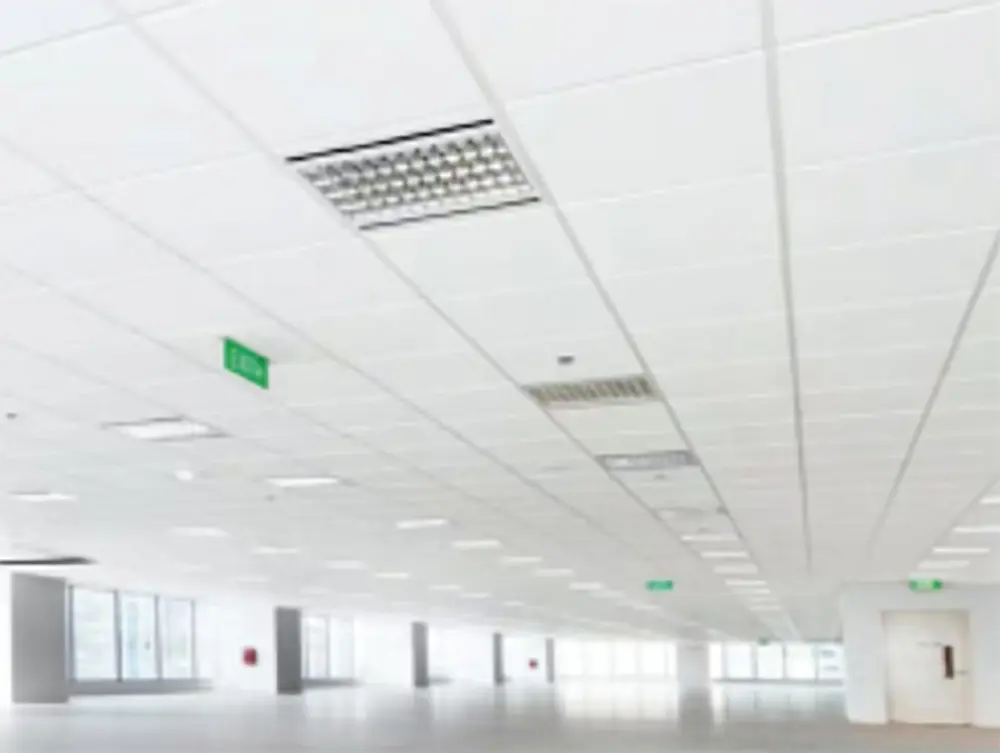 LEAO®Deco Ceiling
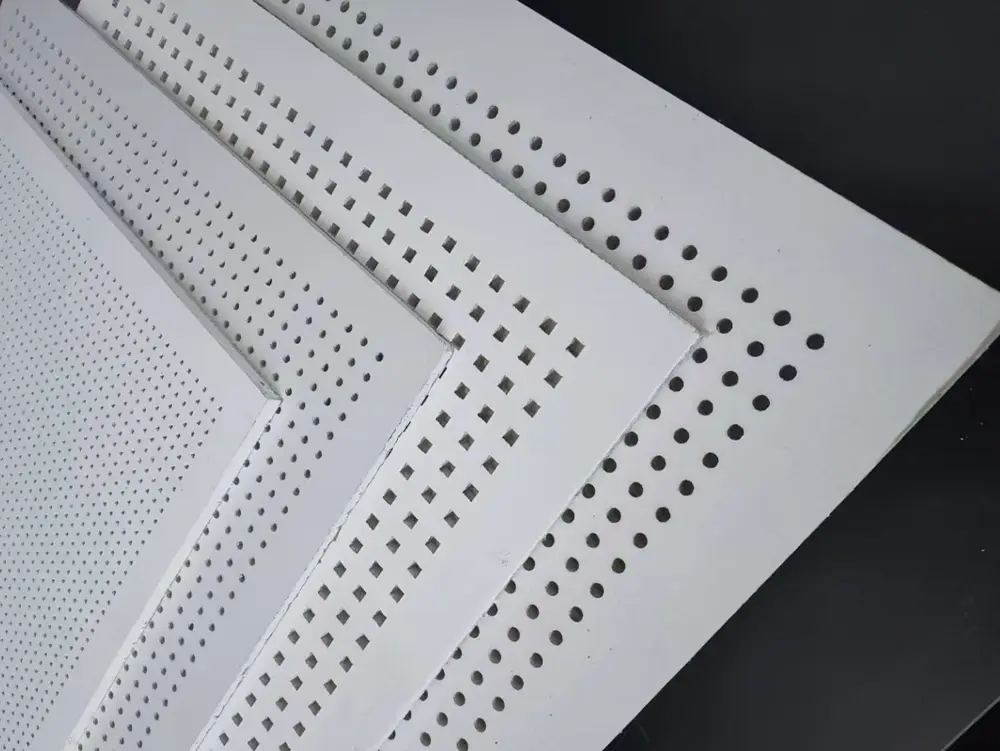 LEAO® Perforated Ceiling
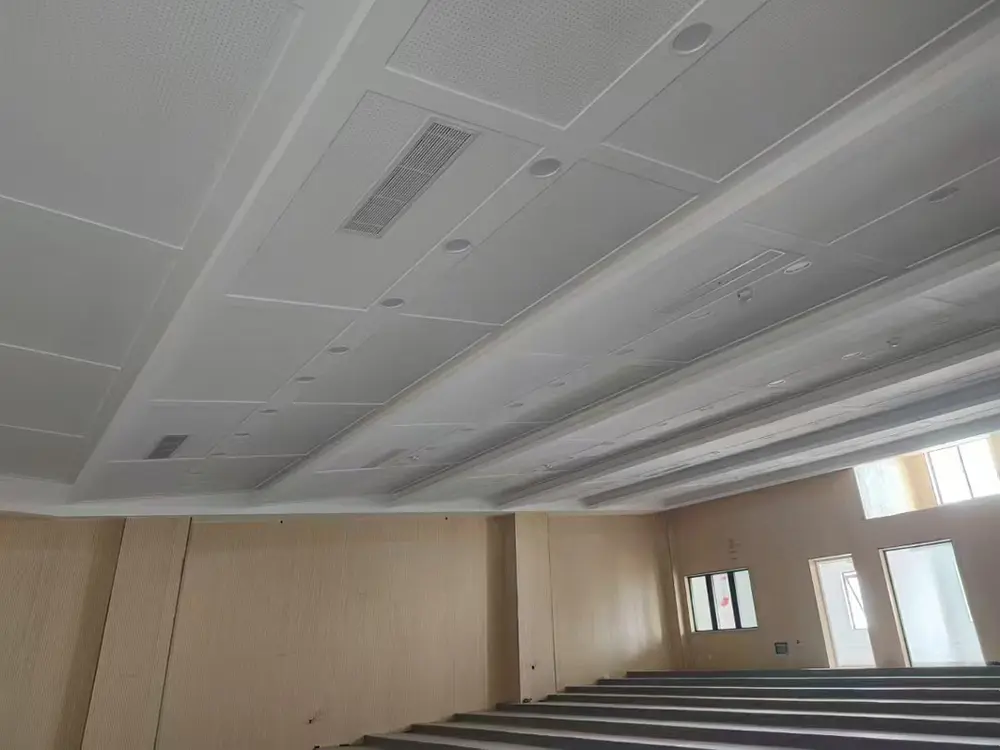 LEAO® Ceiling Board
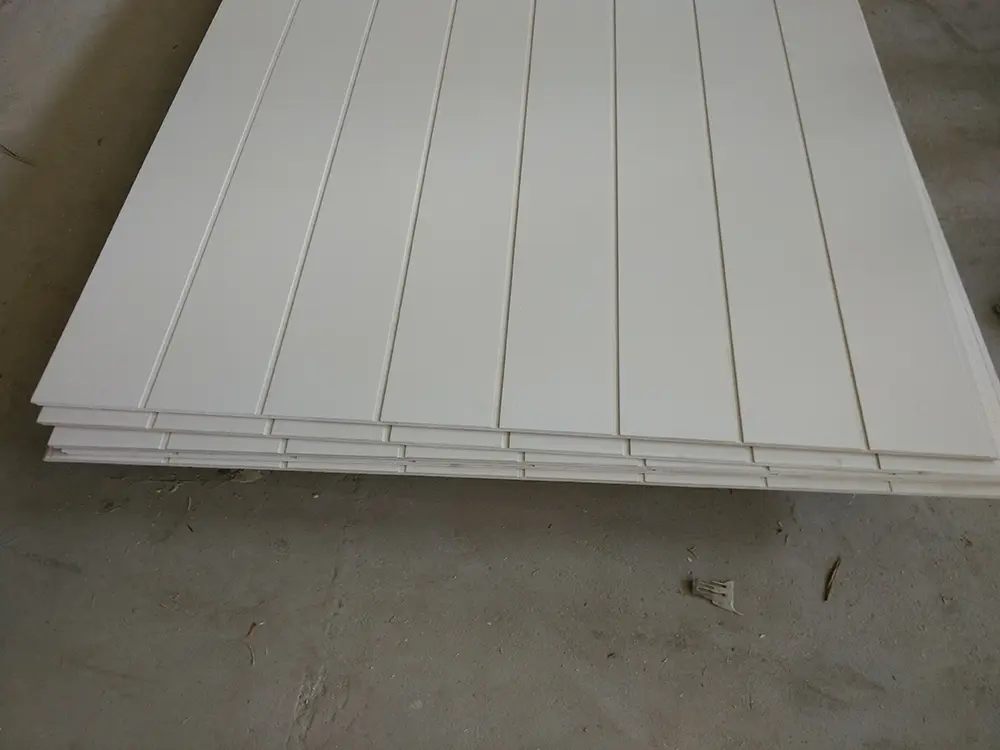 LEAO® Groove Interior Panel
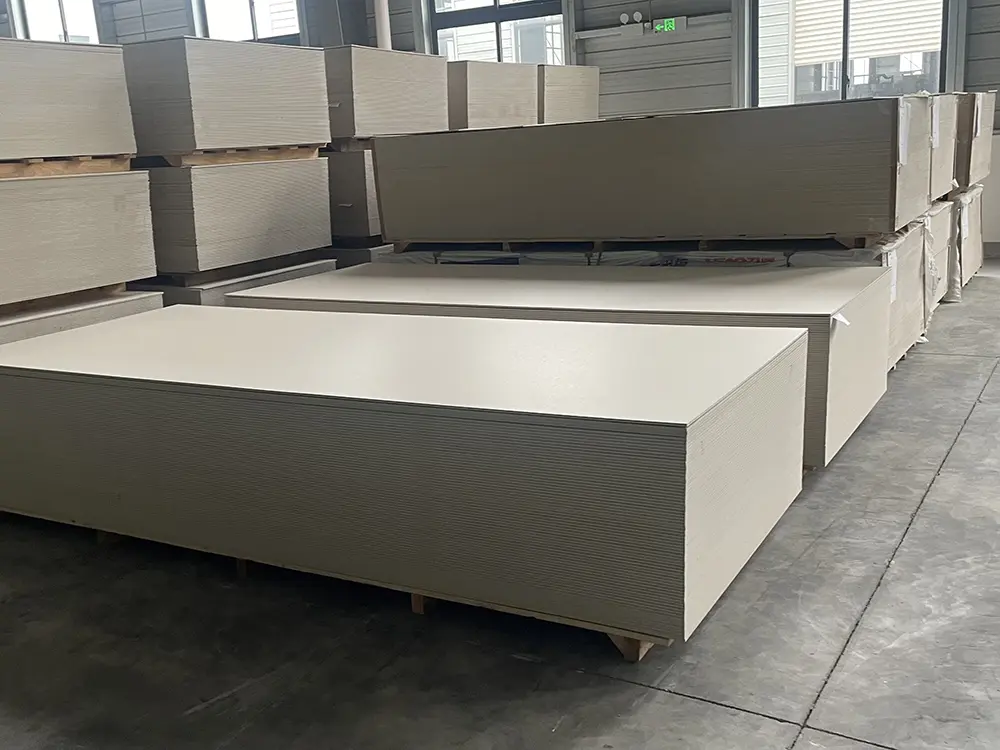 LEAO® Interior Board
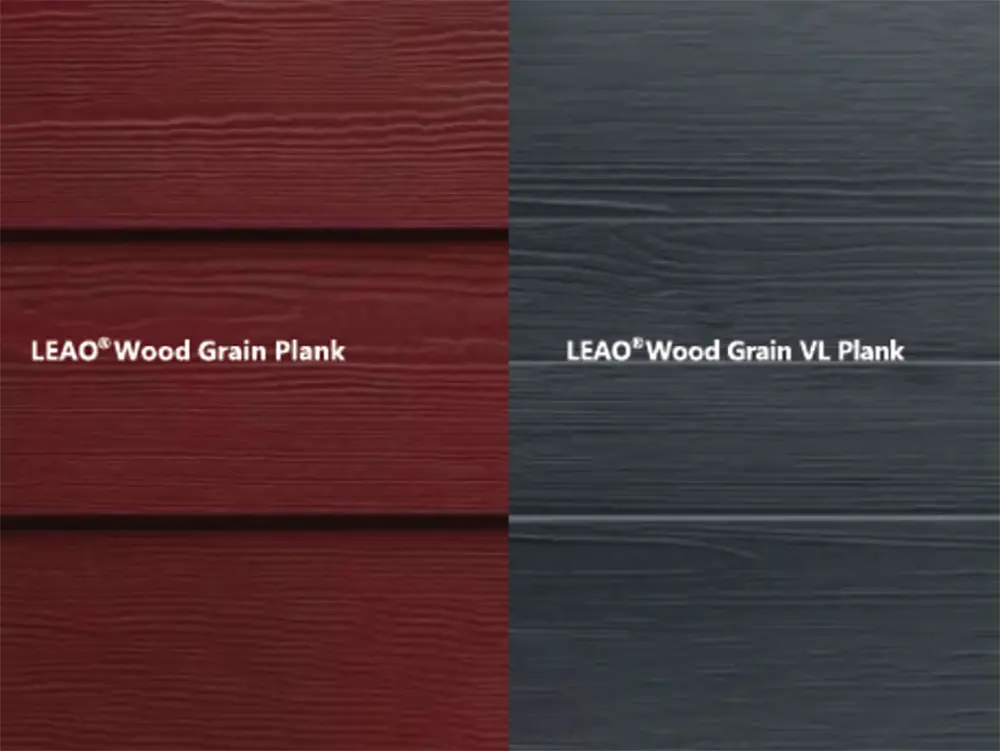 LEAO® Wood Grain Plank
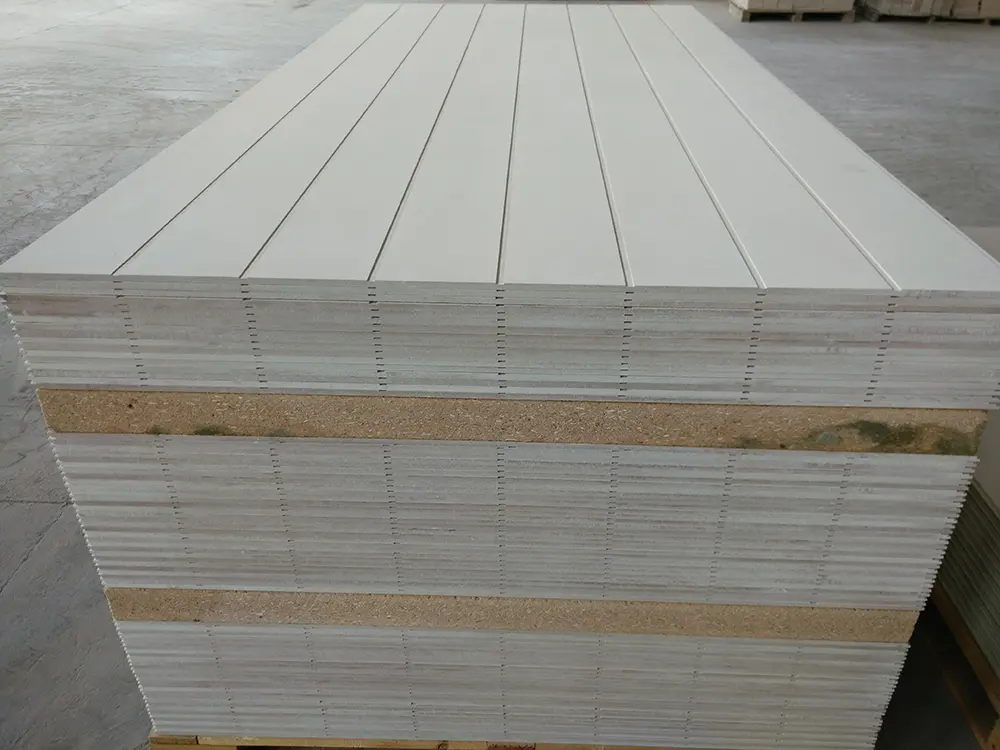 LEAO® Grooved Exterior Panel
 LEAO® Weatherboard
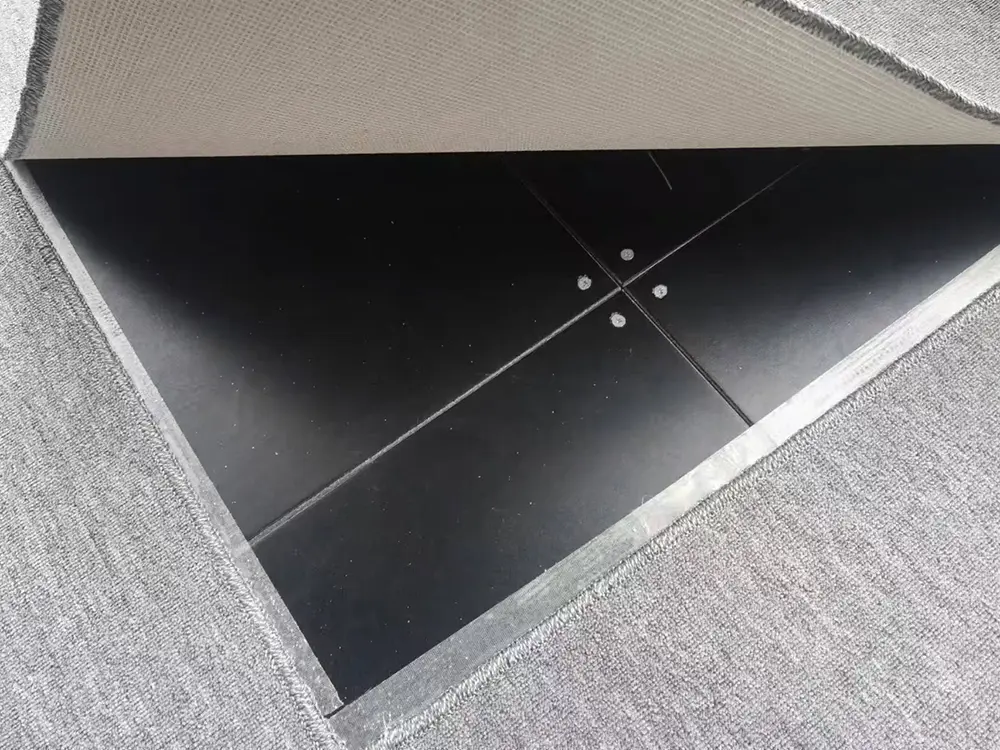 LEAO® Access Floors
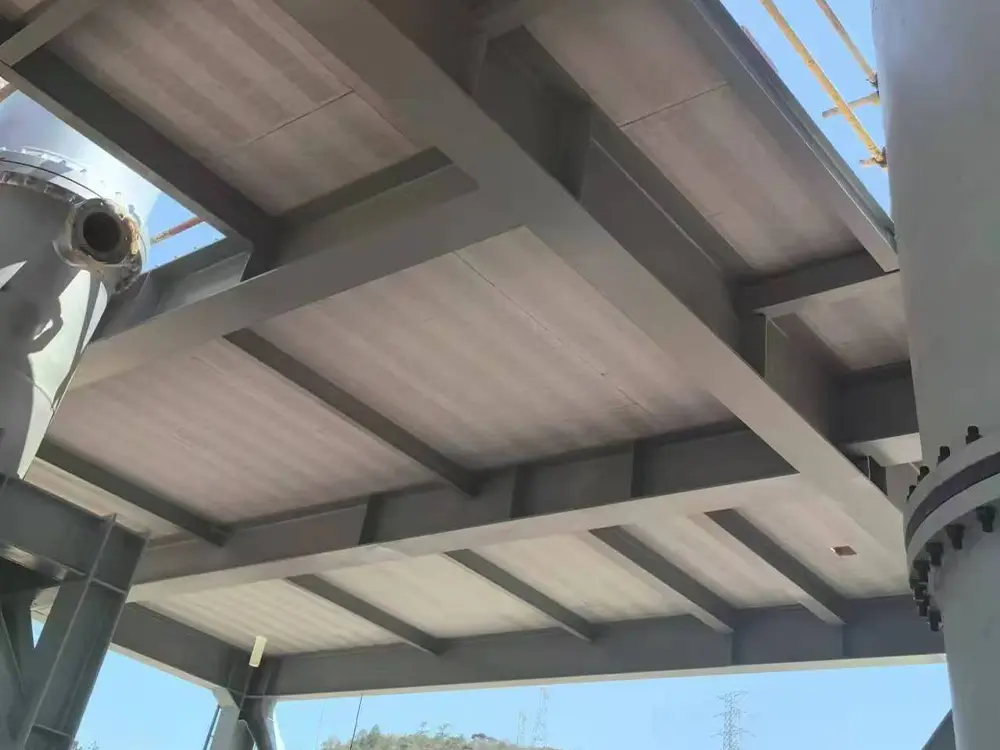 LEAO® Non-removable Formwork
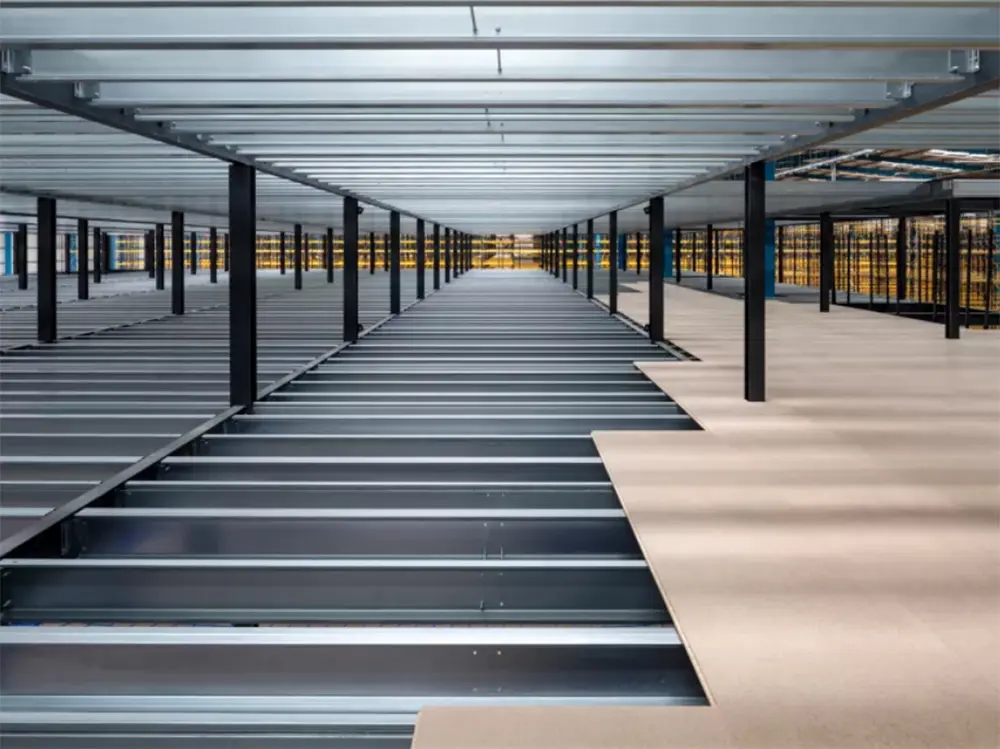 LEAO® Mezzanine Board
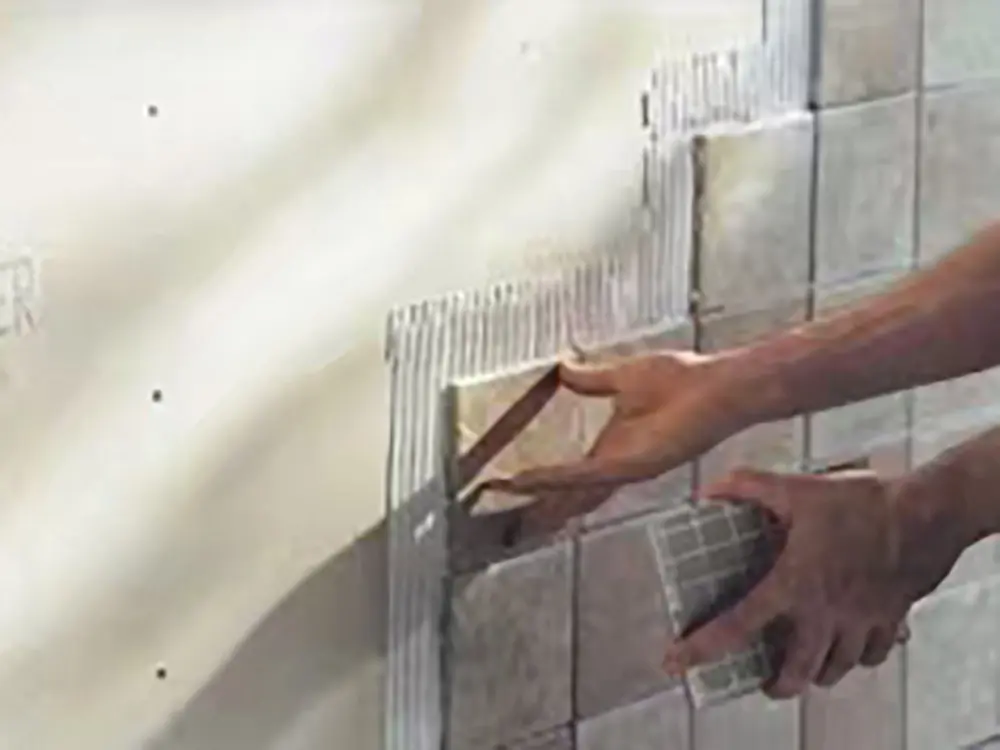 LEAO® Ceramic Tile Underlay
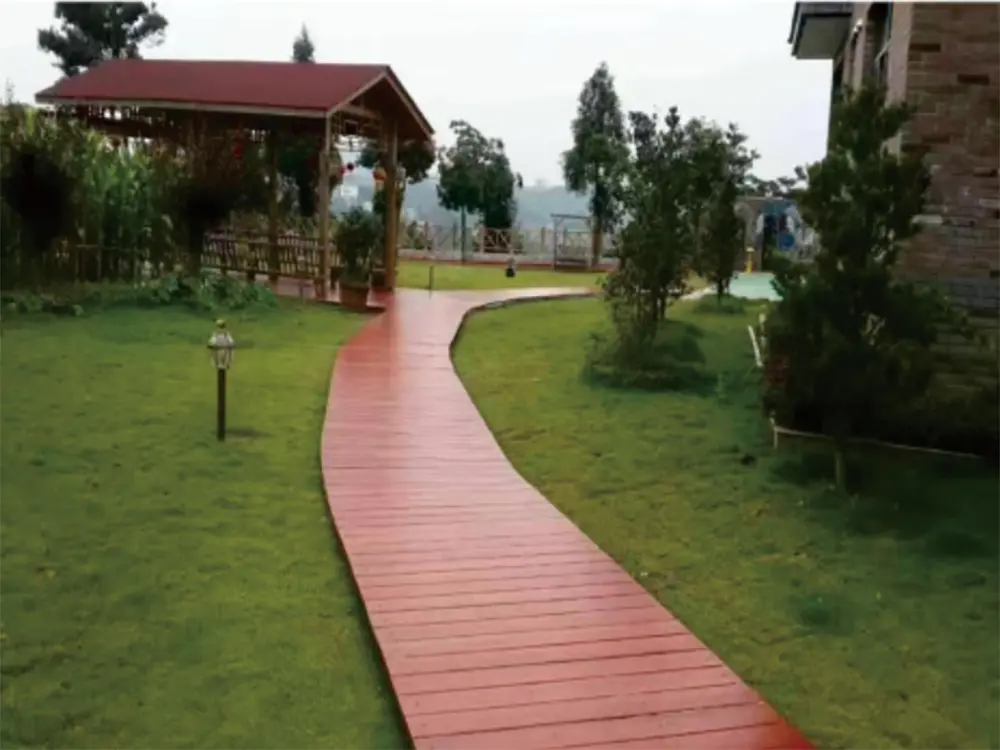 LEAO® Floor Plank
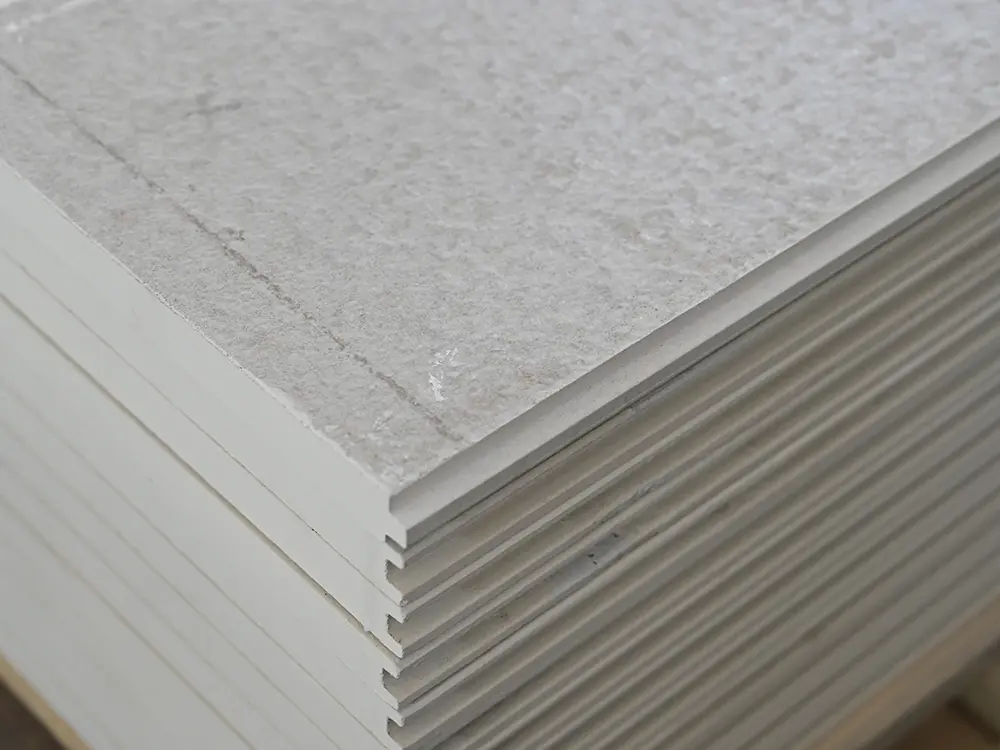 LEAO® Flooring
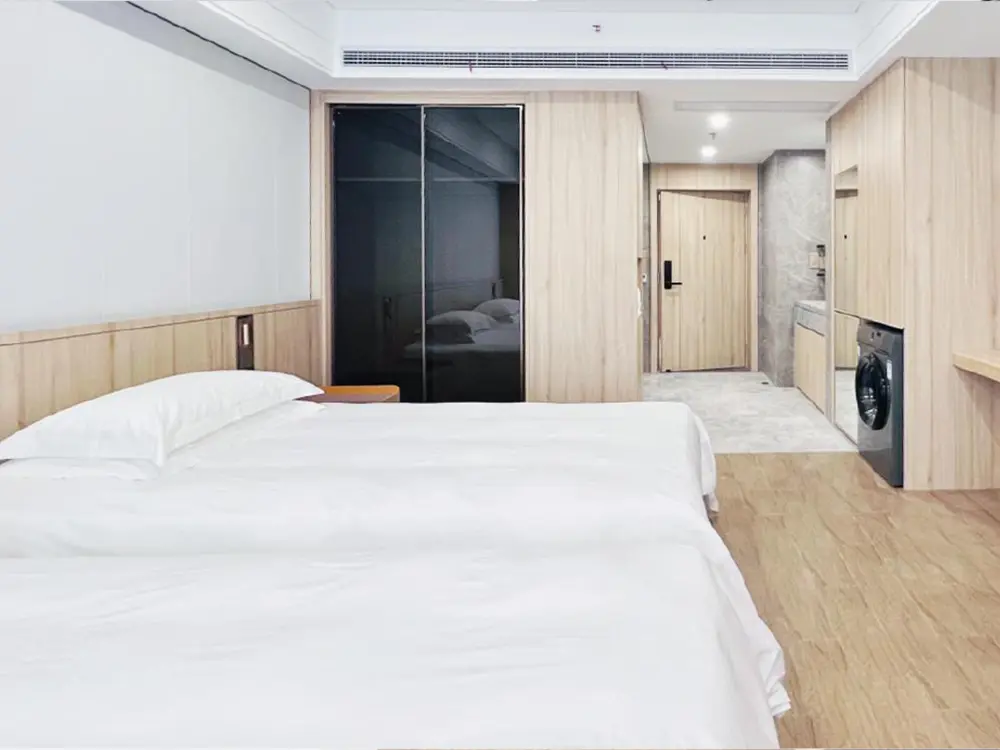 LEAO® Wood Style Decorative Panel
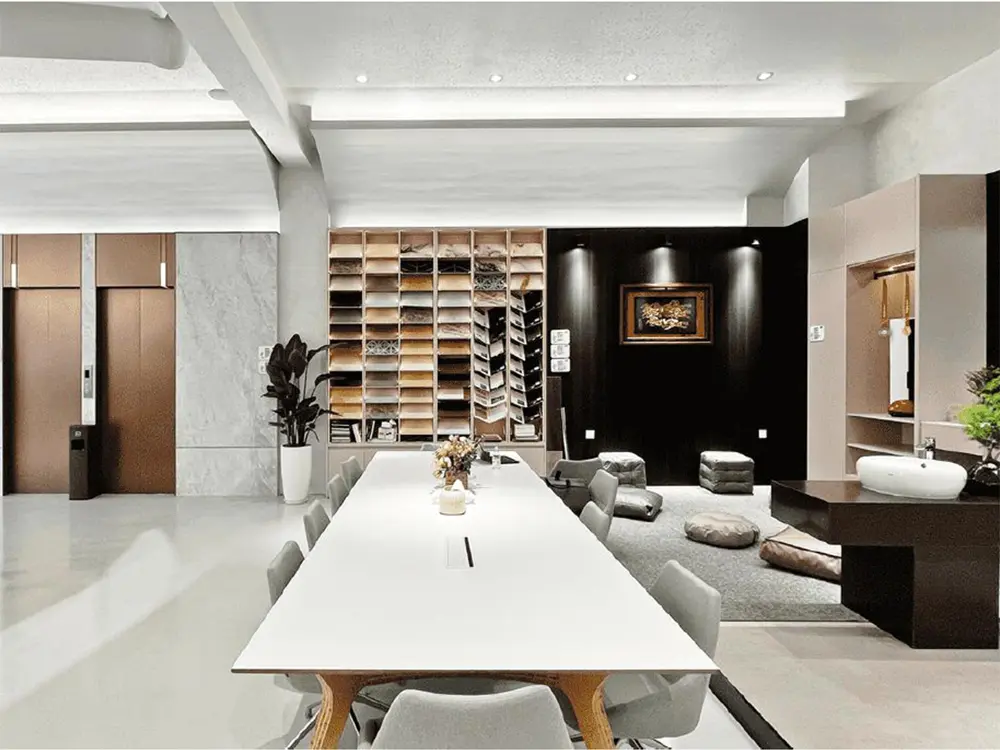 LEAO® Stone Style Decorative Panel
 LEAO® Pure Style Decorative Panel