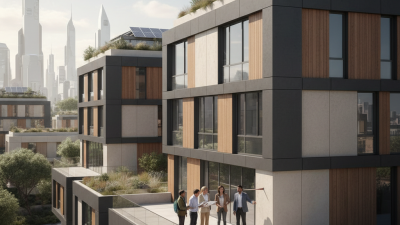
Discover the Best Fiber Cement Exterior Panels in China?
In recent years, the demand for Fiber Cement Exterior Panels in China has surged. Experts, like Dr. Alex Li, a leading authority in building materials, emphasize, "Fiber Cement Exterior Panels combine durability with aesthetic appeal." This sentiment highlights the growing need for innovative exterior solutions.
Fiber Cement Exterior Panels are gaining popularity due to their strength and versatility. Architects and builders value their resistance to weather and pests. However, not all products meet the same standards. The market is flooded with options, making it crucial to differentiate high-quality panels from inferior ones. Some consumers may feel overwhelmed, leading to regrets in choices.
While Fiber Cement Exterior Panels are a wise investment, selecting the right type requires careful consideration. Factors such as design compatibility, insulation properties, and price all come into play. Therefore, understanding the available options is essential for making informed decisions in this competitive market.
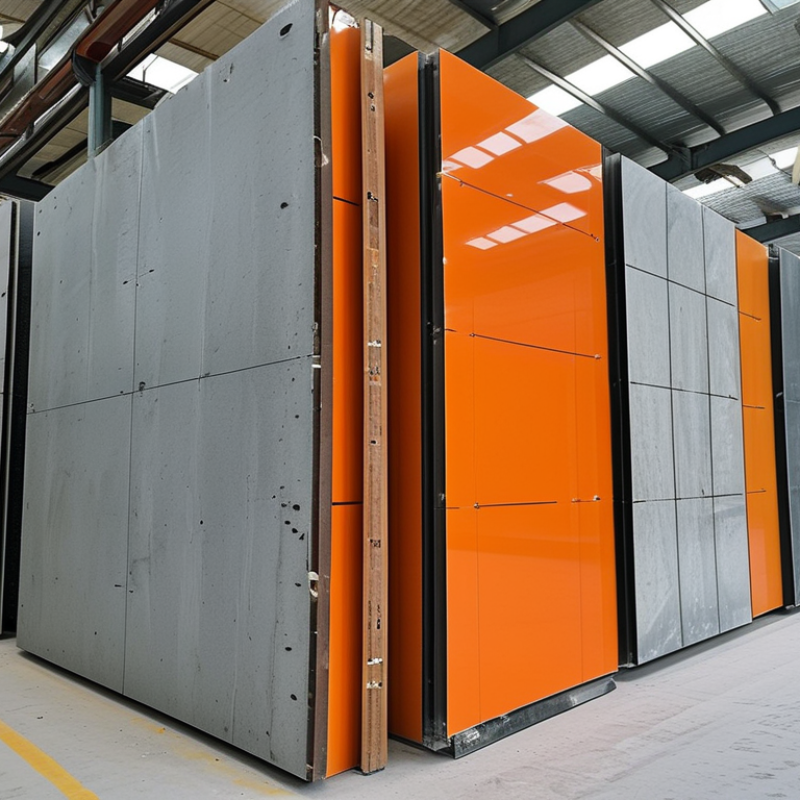
Understanding Fiber Cement Exterior Panels: A Comprehensive Overview
Fiber cement exterior panels are gaining popularity in construction. They offer durability and aesthetic appeal. Made from a blend of cement, sand, and cellulose fibers, these panels resist moisture, termites, and fire. They are a reliable choice for various climates.
When selecting the right panels, consider their thickness and texture. Thicker panels provide better insulation. Different textures can enhance the visual appeal of your building. Always check for certifications to ensure quality and performance standards are met.
Tips: Look for panels that match your architectural style. Color choices are essential too. Consider the long-term maintenance. Fiber cement panels can last decades with proper care, but some textures may require more attention. Regular inspections can prevent deterioration and costly repairs.
Key Benefits of Fiber Cement Panels for Exterior Applications
When considering exterior applications, fiber cement panels offer distinct advantages. These materials combine cement, cellulose fibers, and sand. They create a durable product that withstands harsh weather conditions. This resistance to moisture helps prevent mold and decay, making fiber cement ideal for various climates.
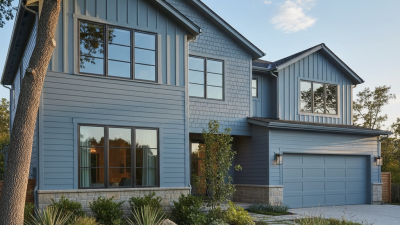
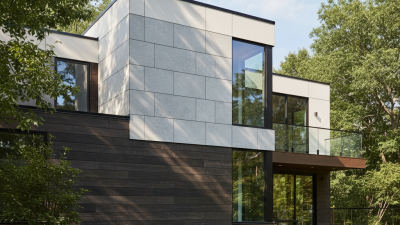
Another key benefit is the versatility of design. Fiber cement panels can mimic the appearance of wood, stone, or stucco. This means they suit modern and traditional architecture. Homeowners can choose from various colors and textures, ensuring aesthetic appeal. Additionally, these panels are lightweight, making installation faster and easier.
However, one aspect to consider is the initial cost. Fiber cement panels may be more expensive than traditional materials. Yet, the long lifespan and minimal maintenance can offset this cost over time. It’s important to balance budget with long-term benefits. This reflection can lead to more informed decisions in home design.
Discover the Best Fiber Cement Exterior Panels in China? - Key Benefits of Fiber Cement Panels for Exterior Applications
| Feature |
Benefit |
| Durability |
Resistant to termites, rot, and impact. |
| Weather Resistance |
Withstands extreme weather conditions including rain, sun, and snow. |
| Fire Resistance |
Non-combustible material, enhancing safety. |
| Aesthetic Versatility |
Available in various textures, colors, and finishes. |
| Low Maintenance |
Requires minimal upkeep compared to wood and vinyl. |
| Eco-Friendly |
Made from sustainable materials and is recyclable. |
| Cost-Effective |
Long lifespan reduces overall costs over time. |
Top Manufacturers of Fiber Cement Panels in China
Fiber cement panels have gained popularity in China for their durability and aesthetic appeal. This material is composed of cement, silica, and cellulose fibers. According to a recent industry report by Mordor Intelligence, the global fiber cement market is projected to grow significantly. This growth highlights the increasing demand for quality exterior materials.
China boasts several top manufacturers specializing in fiber cement panels. Many of them invest heavily in research and development. They focus on enhancing product quality while ensuring eco-friendliness. However, not all manufacturers adhere to stringent quality standards. Some panels may lack the required certifications, leading to performance discrepancies.
Moreover, the competitive landscape is evolving. New entrants may offer innovative designs but could compromise on reliability. Designers and builders should consider factors like installation ease, maintenance, and long-term durability. Engaging with reputable suppliers and checking certifications can help navigate these challenges. Manufacturers must consistently assess their production methods to meet market expectations and maintain quality standards.
Comparative Analysis of Popular Fiber Cement Panel Brands
When considering fiber cement exterior panels, several brands stand out in the Chinese market. These panels are renowned for their durability and resistance to various environmental elements. Their composition typically includes cement, cellulose, and other additives, creating a robust option for homeowners and builders. Many brands offer a variety of textures and colors, appealing to diverse architectural styles.
The differences among brands can be subtle yet significant. Some may focus on higher insulation values, while others prioritize aesthetic options. Installation methods can also vary, affecting labor costs and project timelines. Certain companies provide comprehensive warranties, signaling confidence in their product’s longevity. However, not all panels perform equally under stress. It's beneficial to consult reviews and seek expert opinions for practical insights.
The price range can be deceptive. Cheaper options might compromise quality, leading to frequent repairs or replacements. Evaluating long-term costs versus initial investments is crucial. Observing trends in customer feedback helps in identifying the best choices. Understanding these nuances can guide better purchasing decisions for anyone looking into fiber cement panels.
Installation and Maintenance Tips for Fiber Cement Exterior Panels
Installing fiber cement exterior panels can greatly enhance the durability and aesthetic of your home. When considering installation, proper surface preparation is crucial. Ensure the wall is clean and dry. Use a level to mark guidelines for alignment. This will help avoid a crooked appearance.
For maintenance, regular inspections are essential. Look for cracks or gaps. These can lead to moisture issues if not addressed promptly. Cleaning the panels with mild soap and water keeps them looking fresh. Avoid abrasive materials that can damage the surface.
DIY enthusiasts may find installation challenging. Precision is key, and minor mistakes can lead to poor results. It’s wise to consult experts for tricky regions like corners or seams. Sometimes, it’s better to ask for help. Fiber cement panels are long-lasting, but they still need care. Remember, prevention is cheaper than repair.

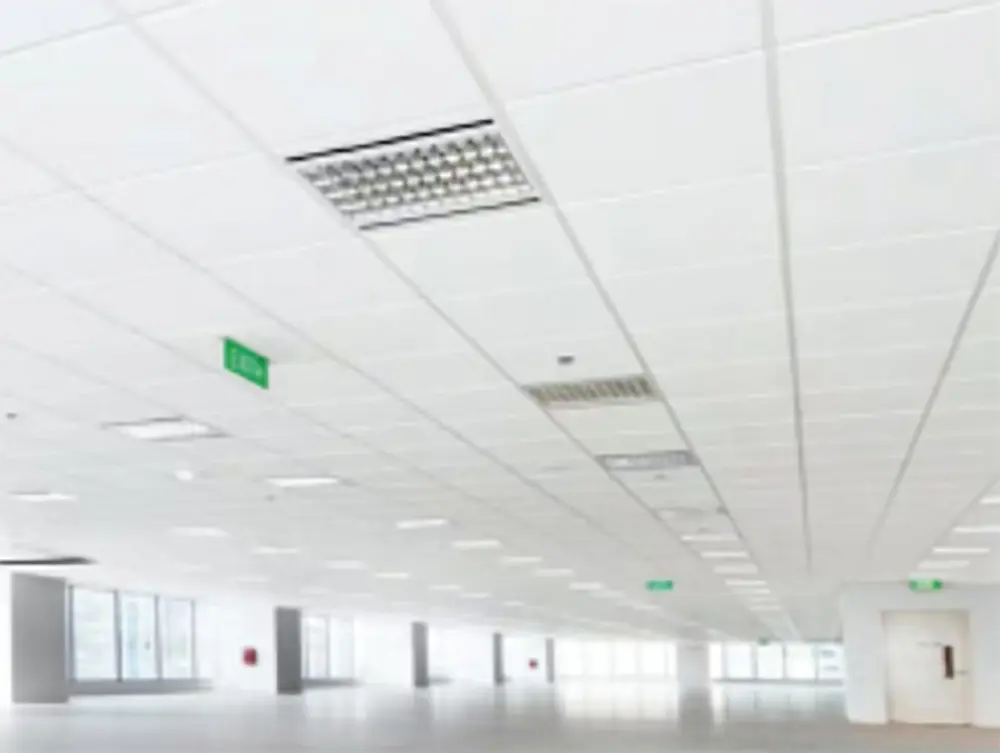 LEAO®Deco Ceiling
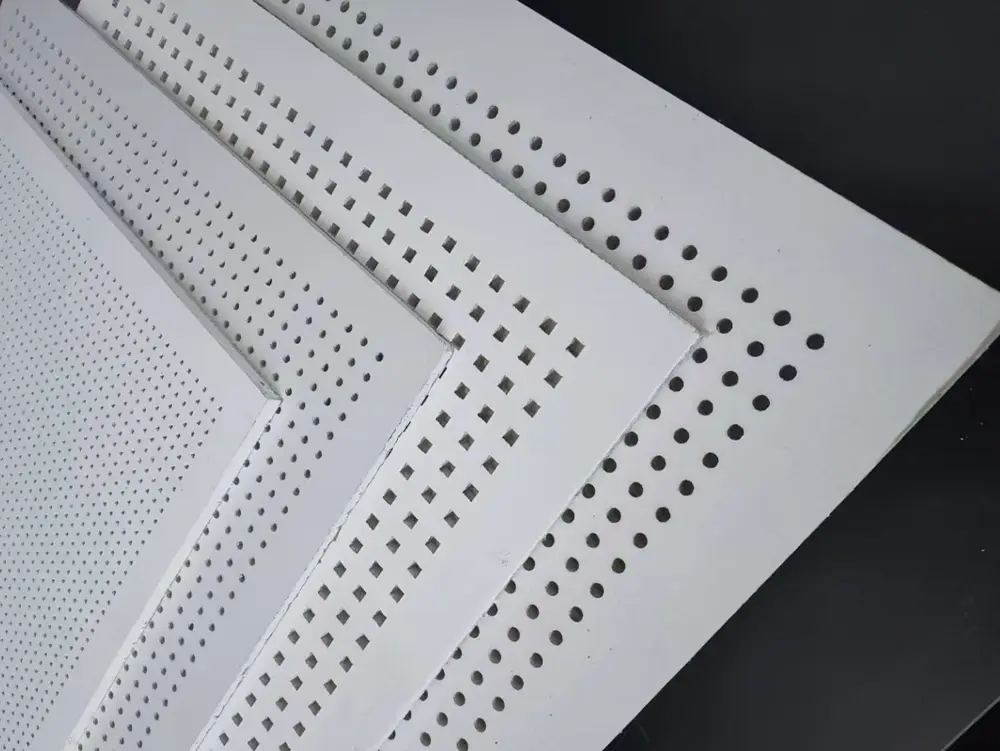 LEAO® Perforated Ceiling
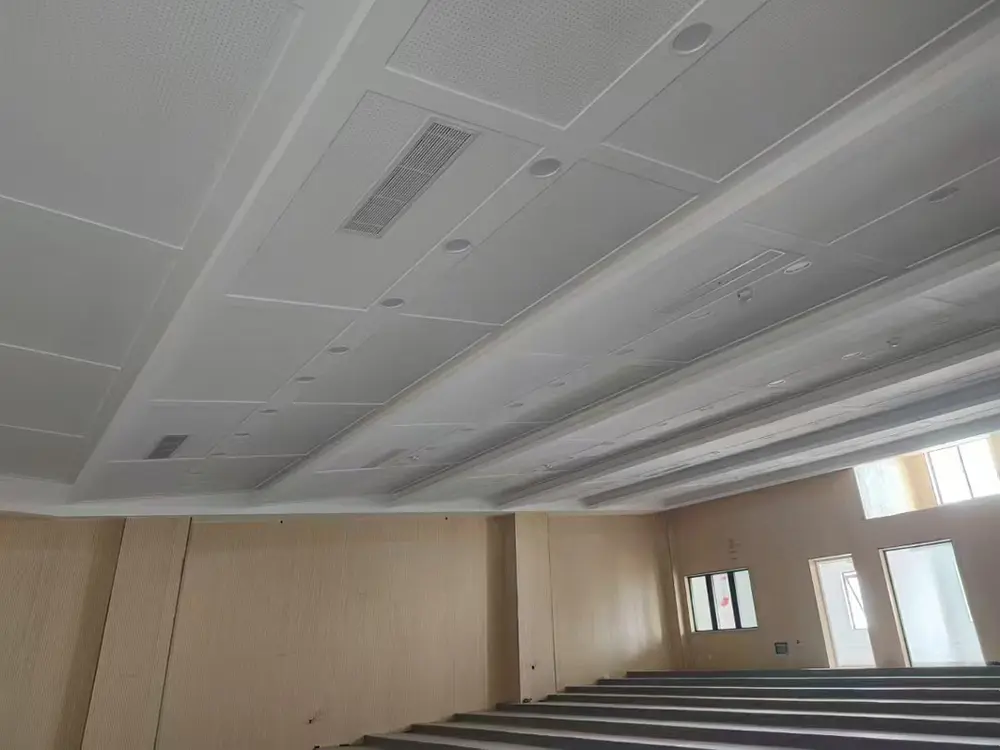 LEAO® Ceiling Board
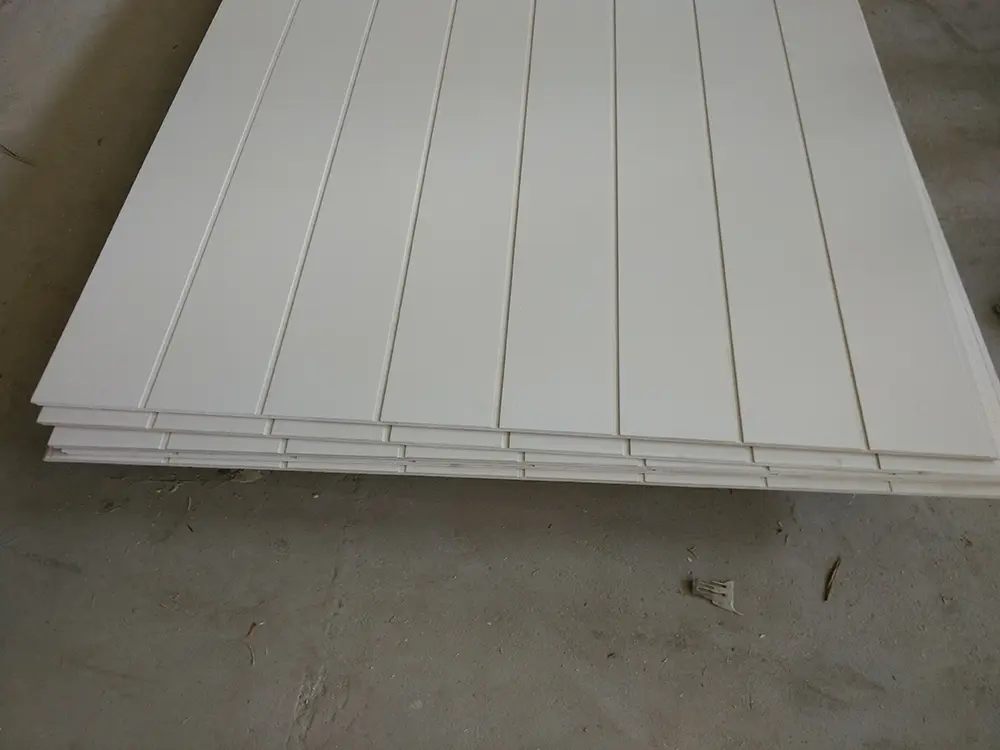 LEAO® Groove Interior Panel
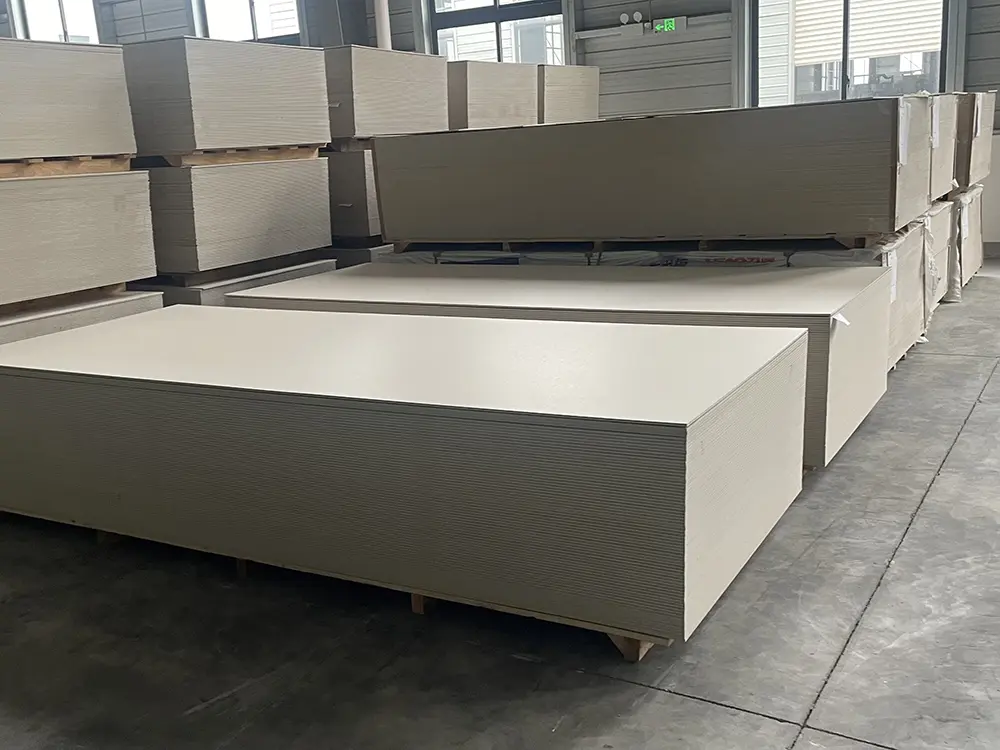 LEAO® Interior Board
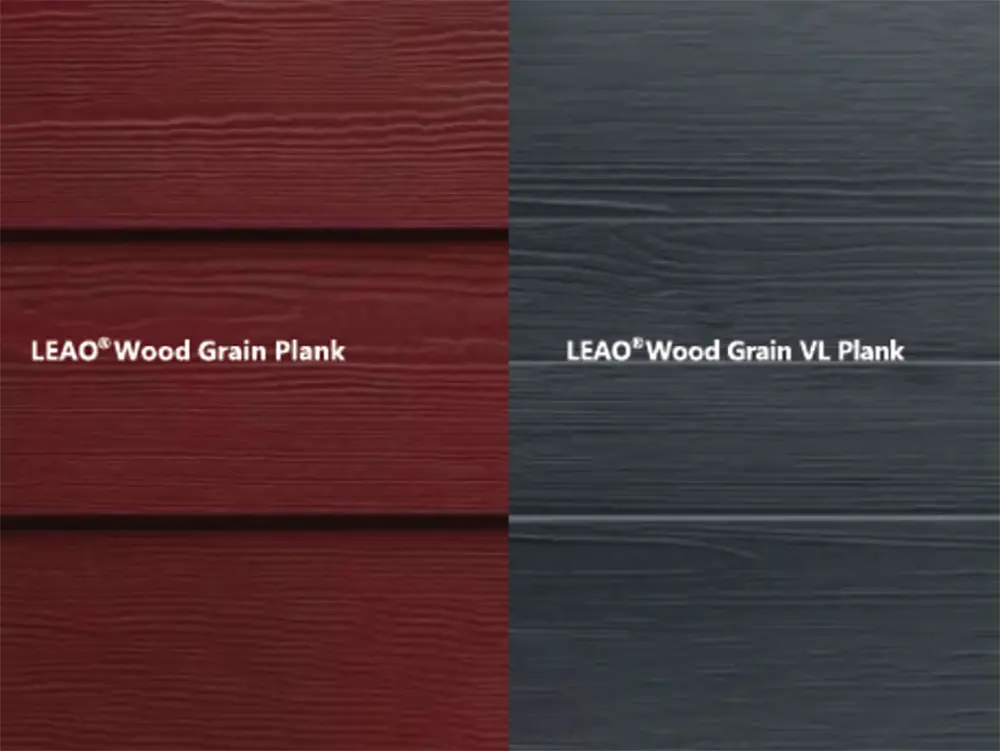 LEAO® Wood Grain Plank
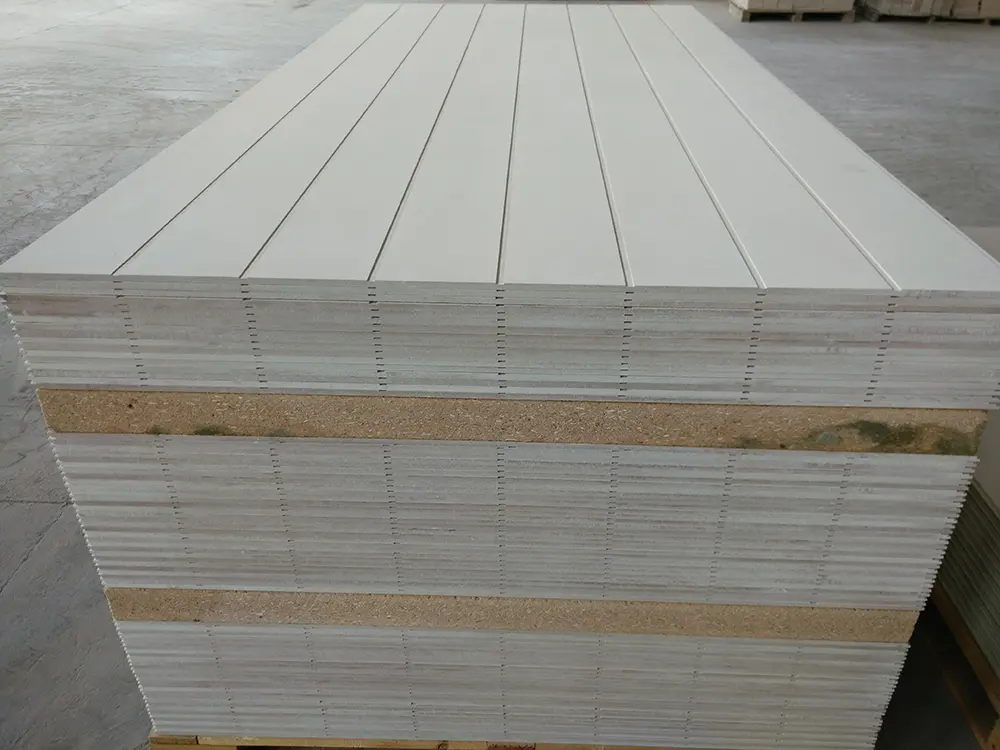 LEAO® Grooved Exterior Panel
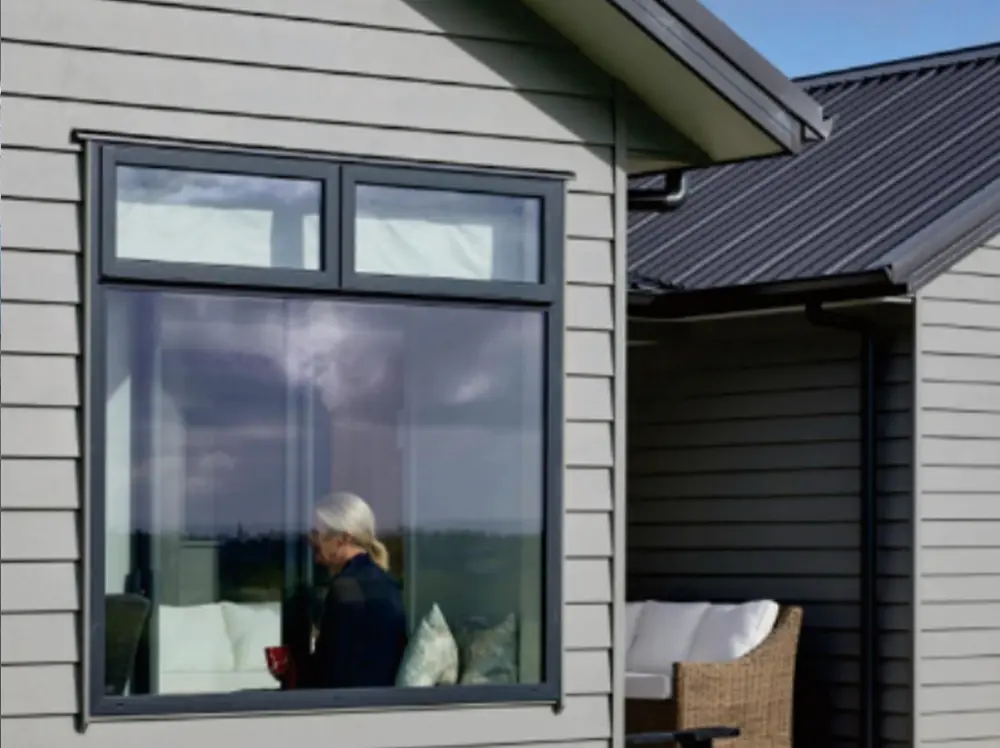 LEAO® Weatherboard
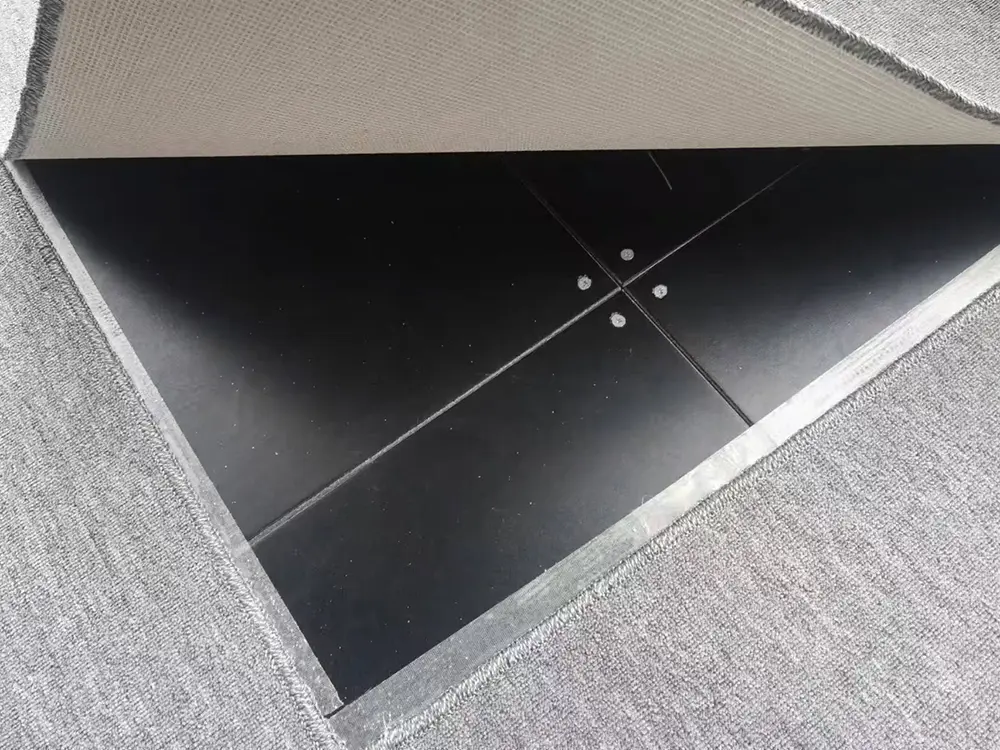 LEAO® Access Floors
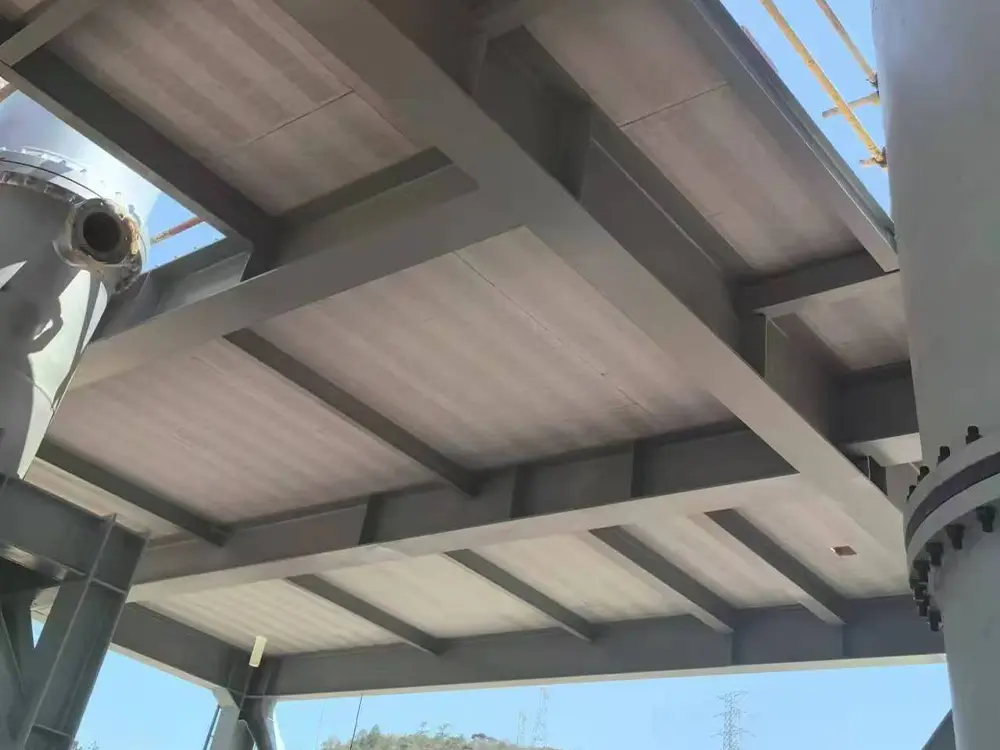 LEAO® Non-removable Formwork
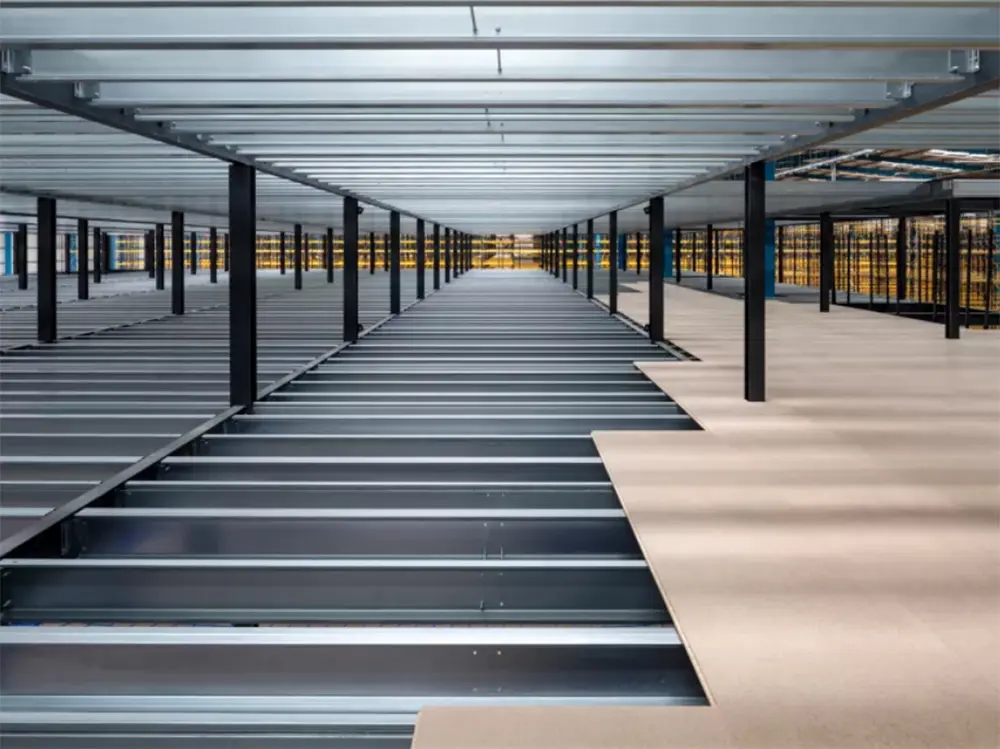 LEAO® Mezzanine Board
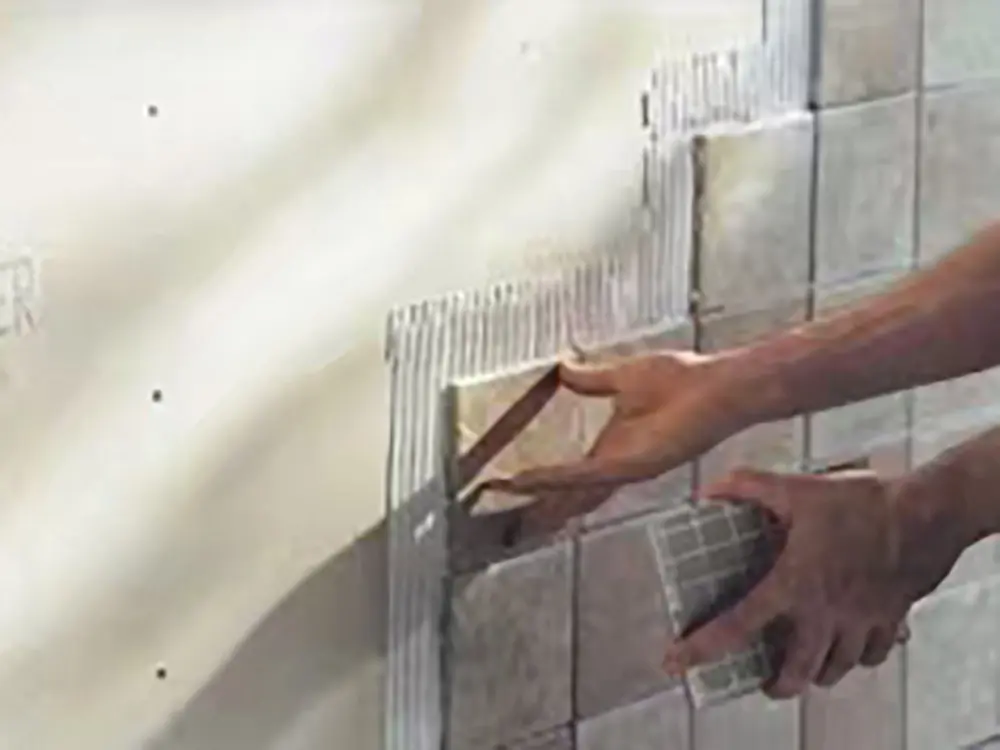 LEAO® Ceramic Tile Underlay
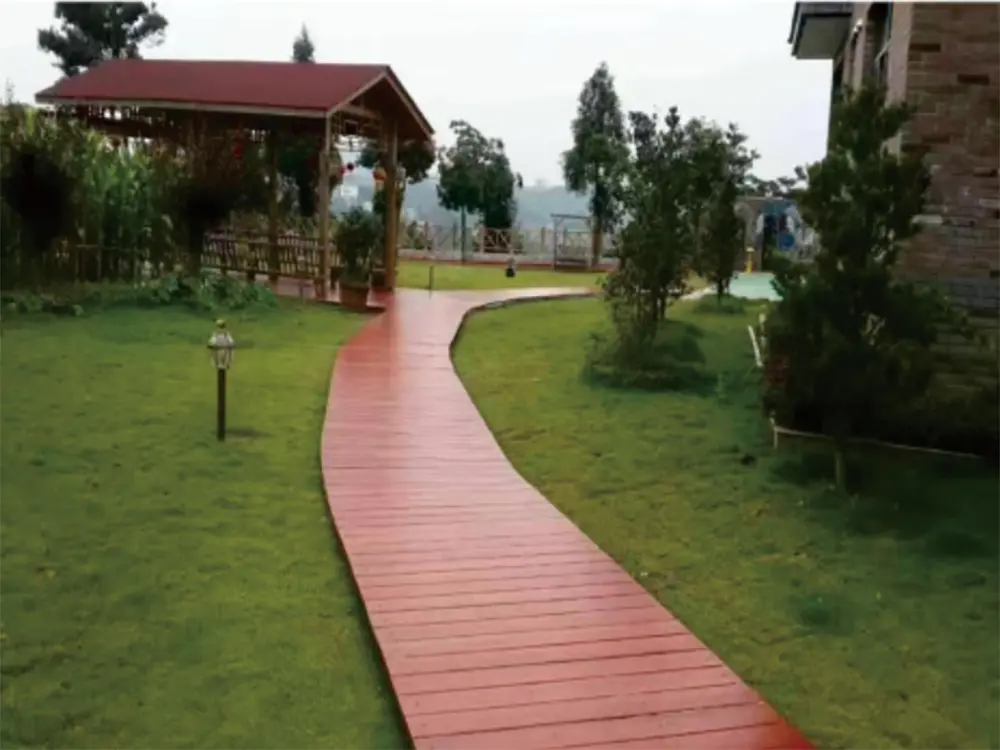 LEAO® Floor Plank
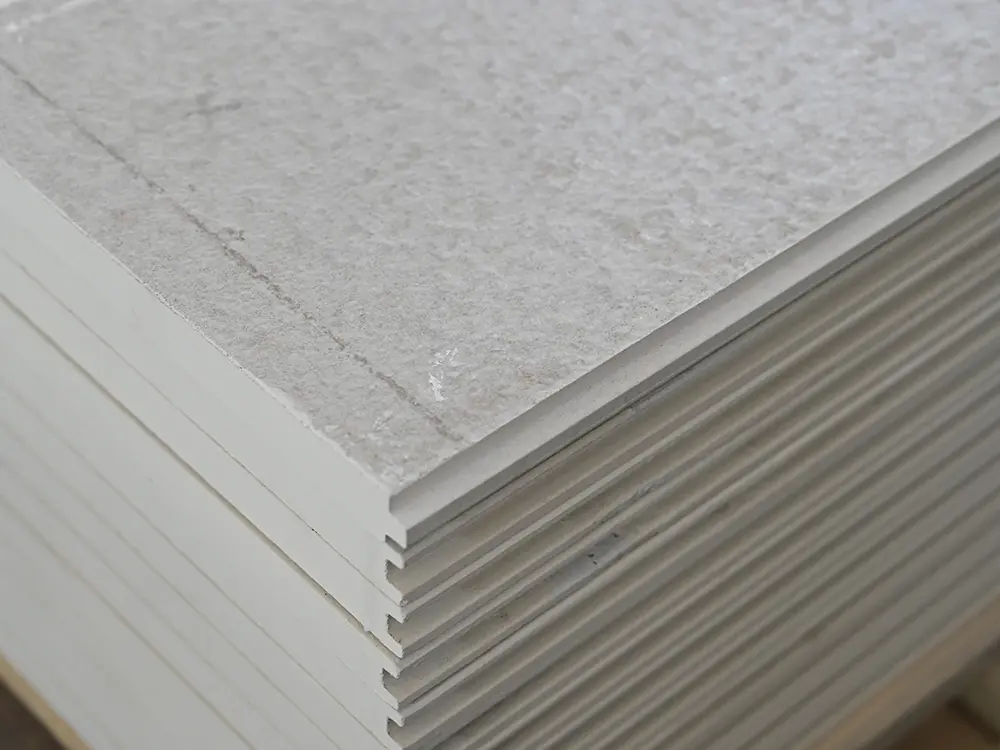 LEAO® Flooring
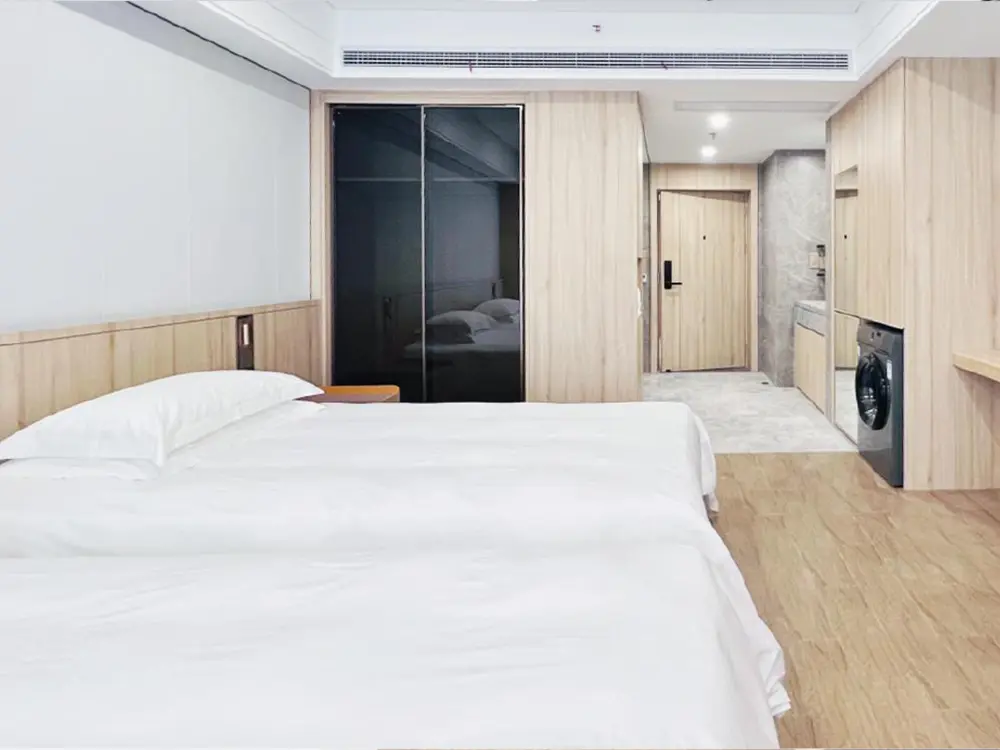 LEAO® Wood Style Decorative Panel
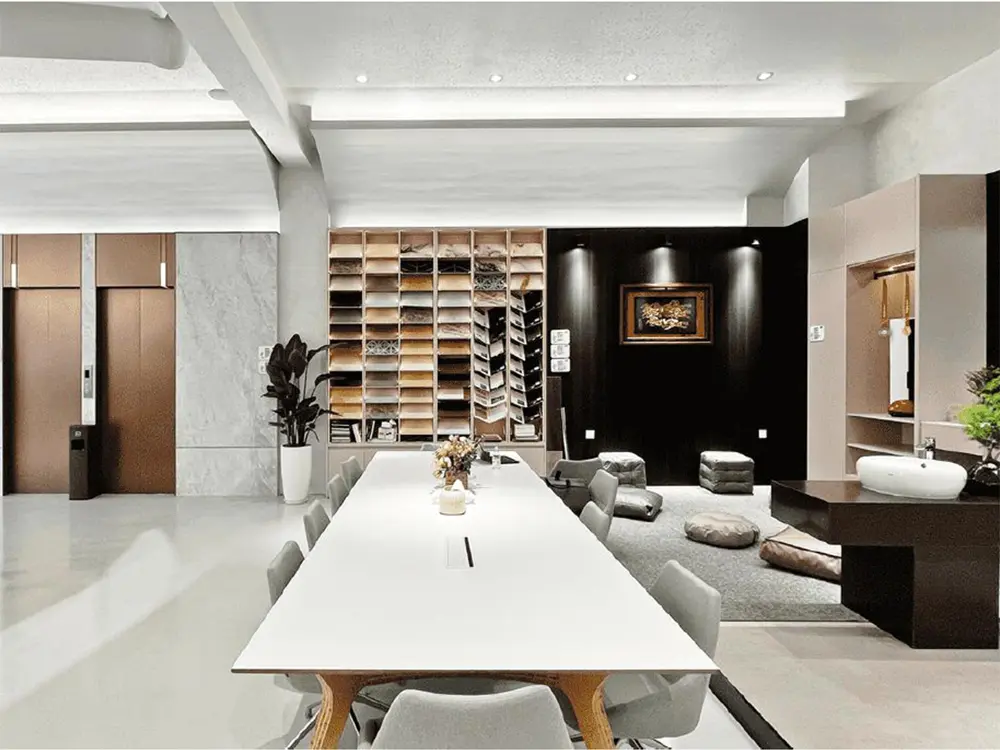 LEAO® Stone Style Decorative Panel
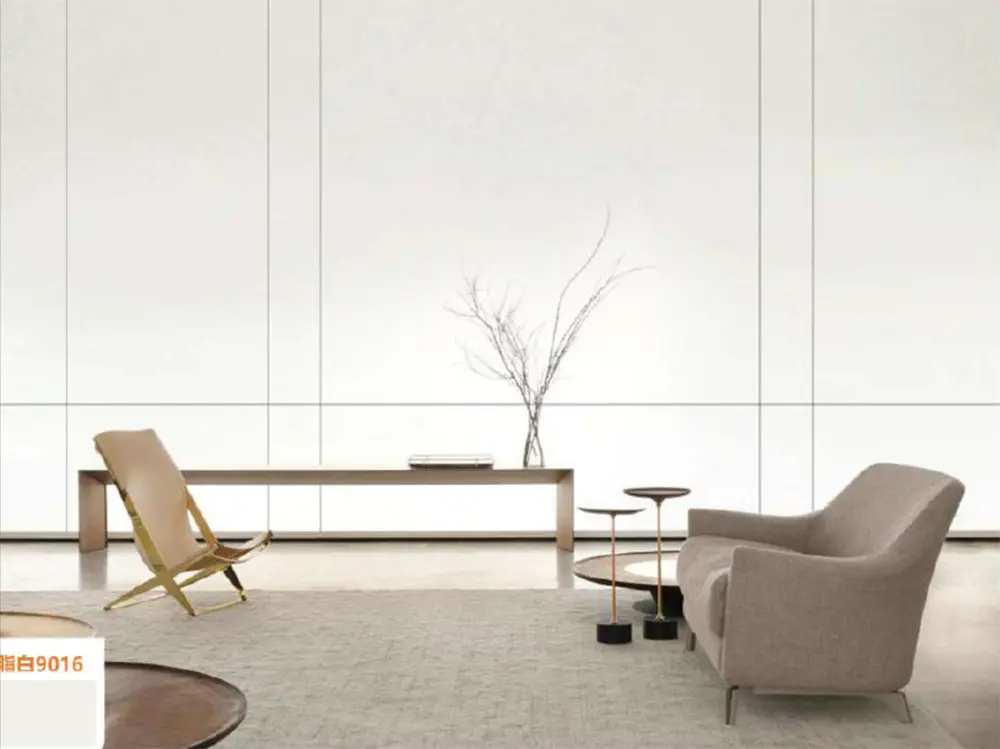 LEAO® Pure Style Decorative Panel