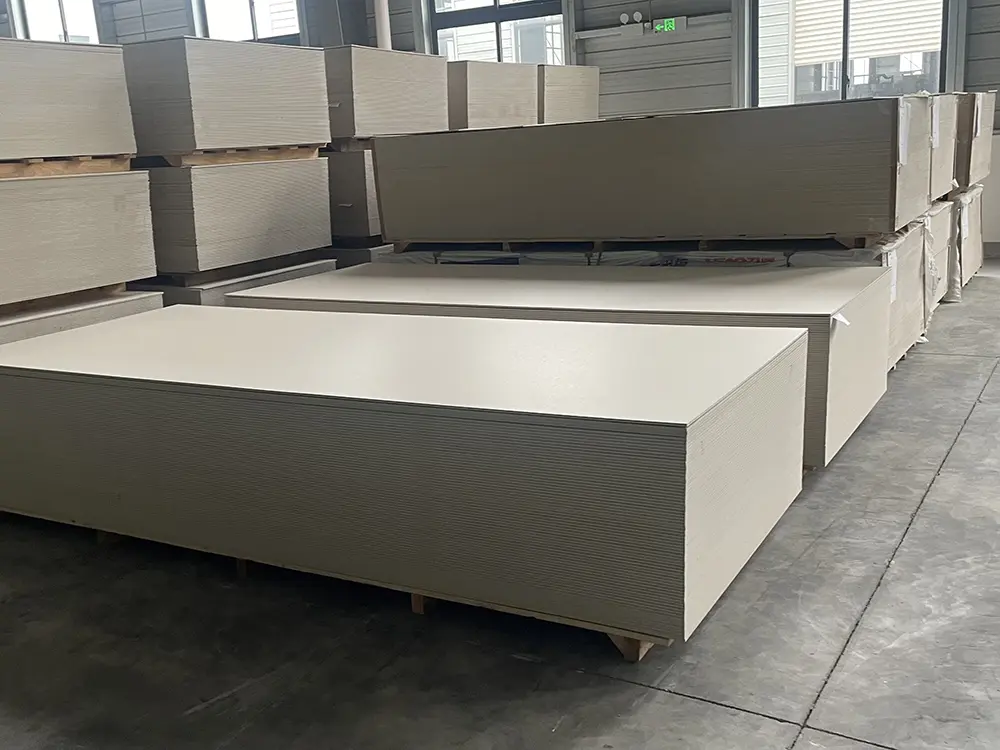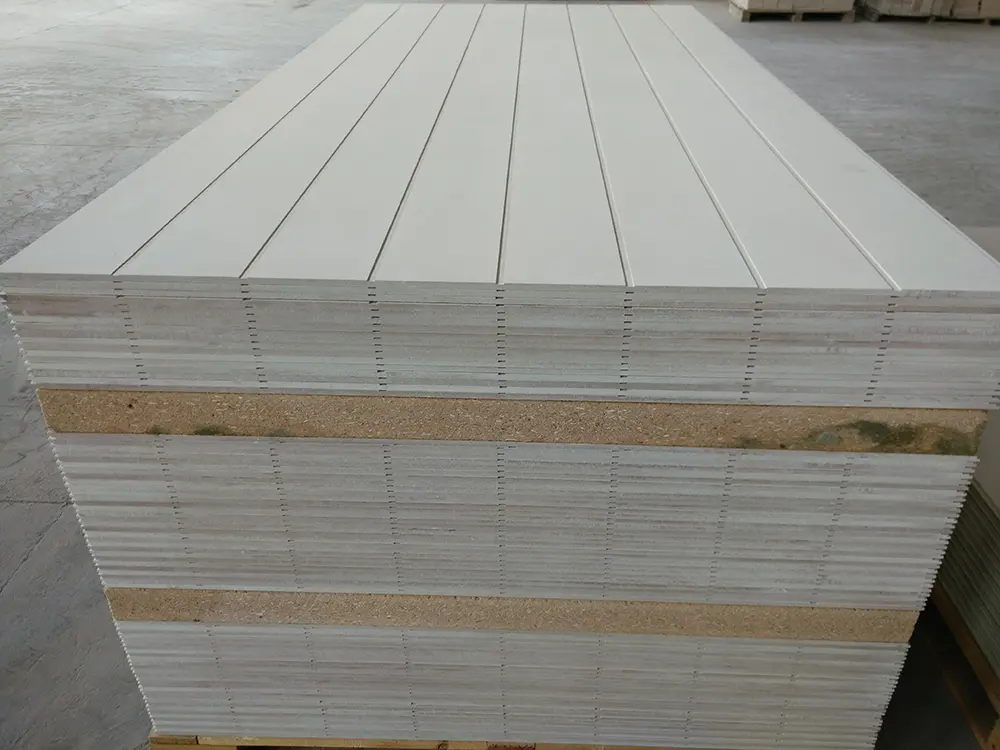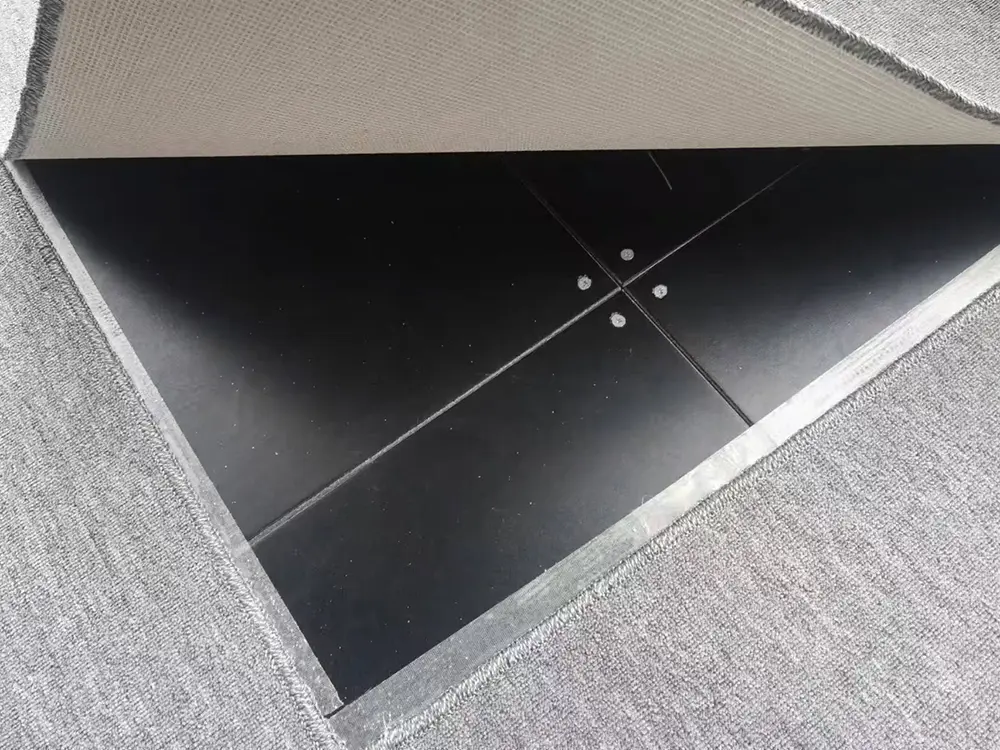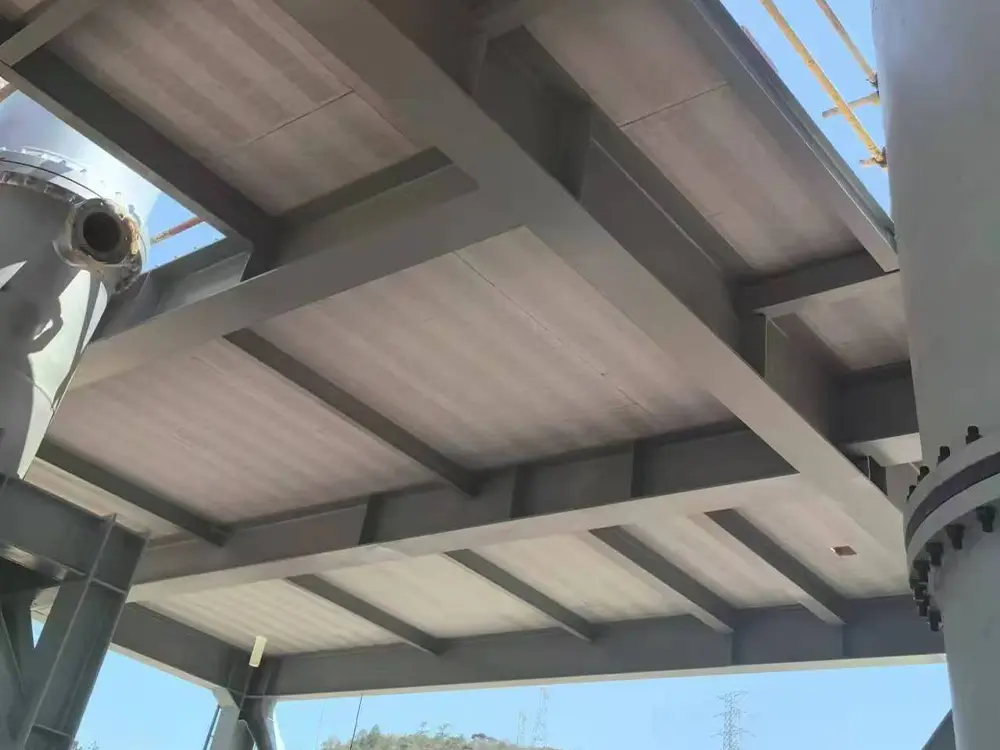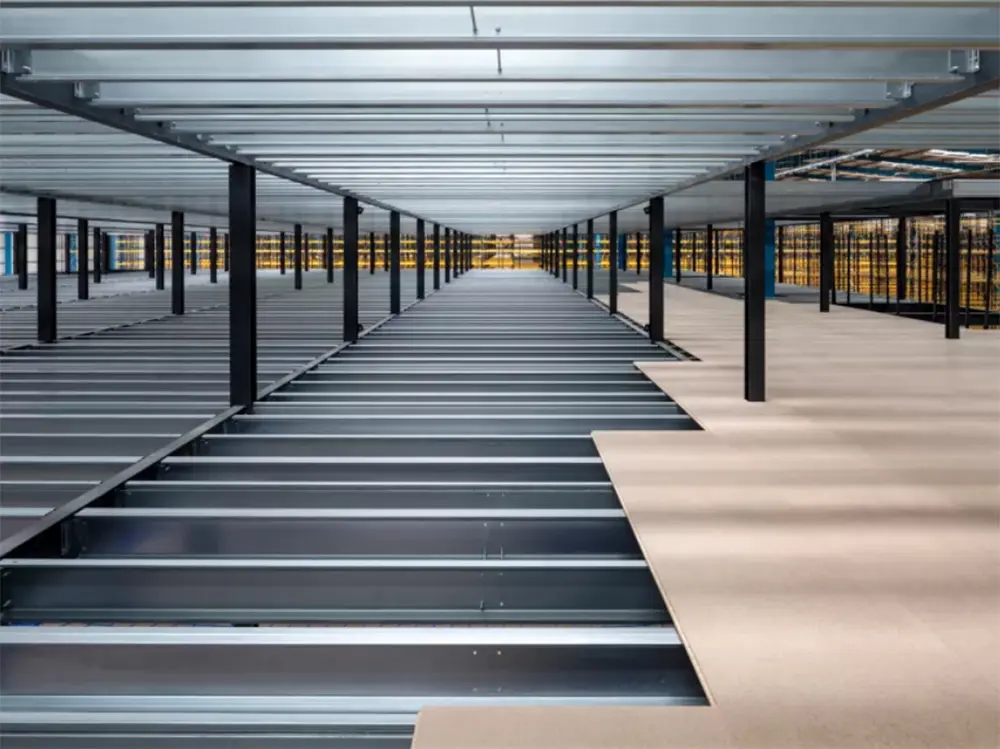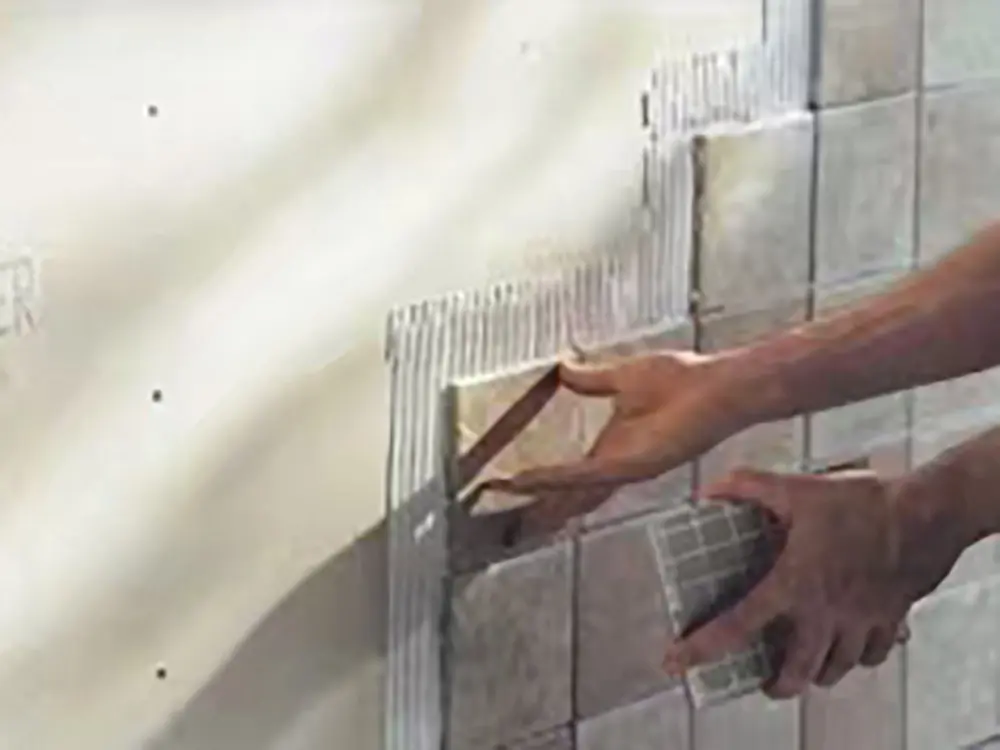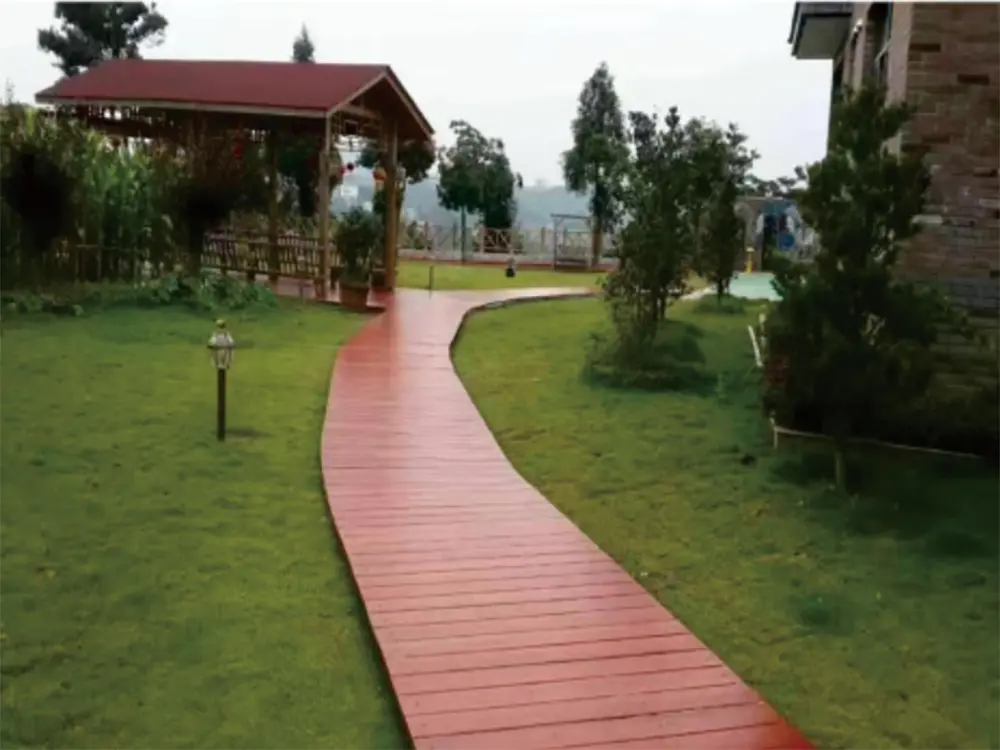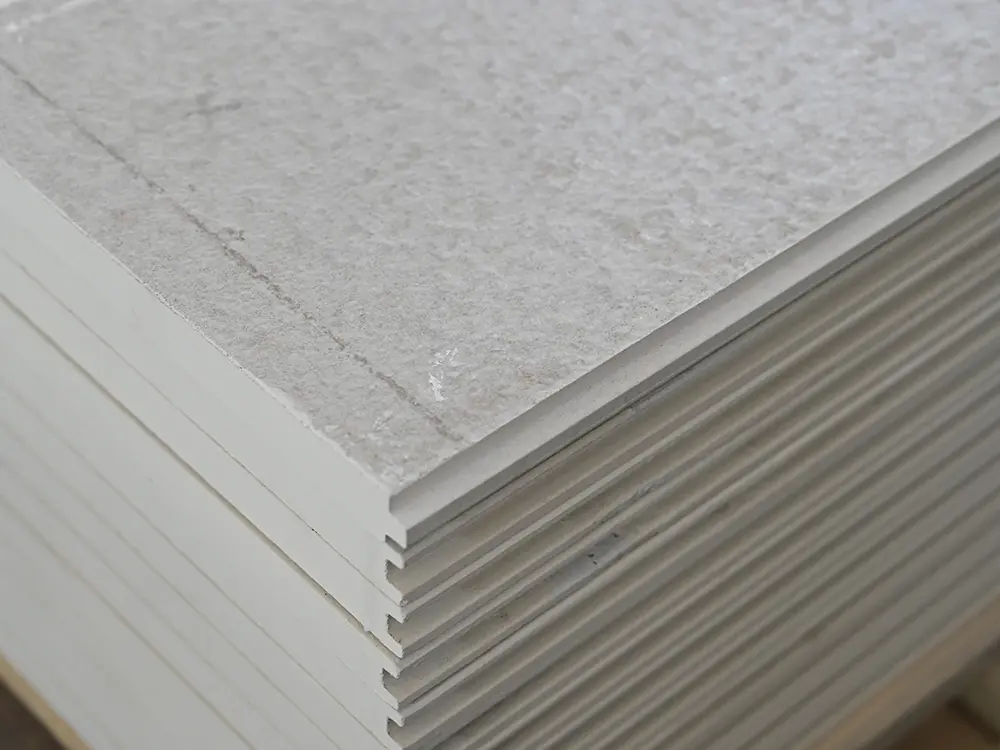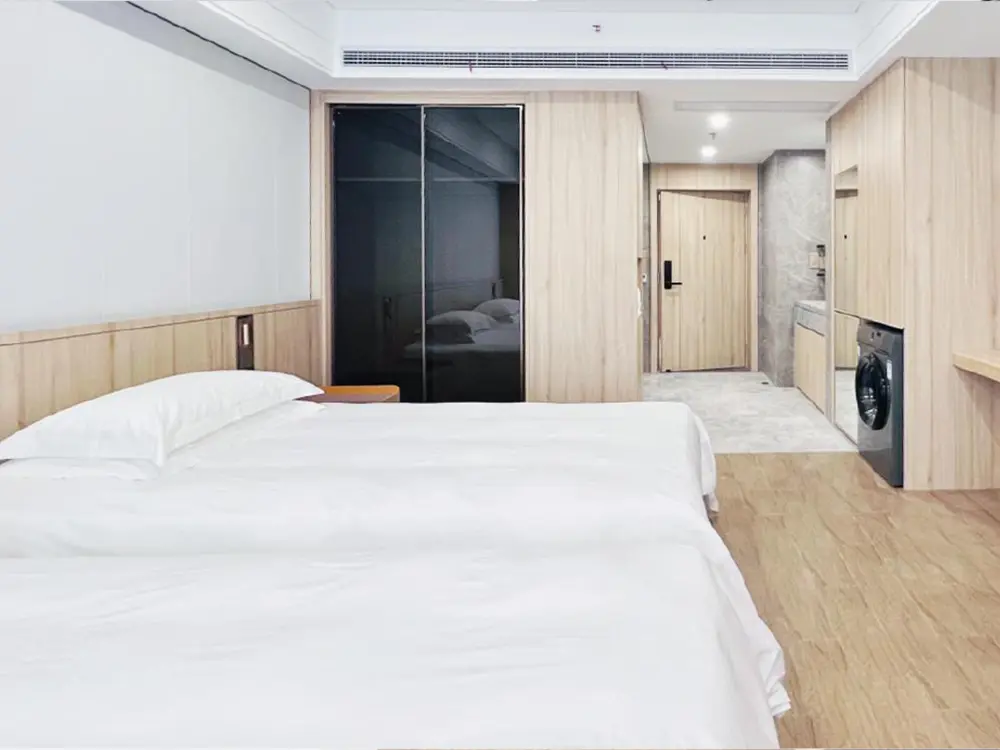
When considering flooring options, many overlook the importance of underlay materials. One standout choice is fiber cement floor underlay. This material offers numerous advantages that enhance both the functionality and longevity of your flooring.
Fiber cement floor underlay is known for its durability and moisture resistance. It withstands wear and tear, making it ideal for high-traffic areas. Additionally, it provides excellent sound insulation, creating a quieter environment. This is vital in homes and commercial spaces alike.
Incorporating fiber cement floor underlay can lead to improved energy efficiency, as it helps in temperature regulation. While it comes with a higher upfront cost, the long-term benefits are substantial. However, not every project may require such a robust solution. Reflecting on your specific needs will guide you in making the right choice for a lasting floor.
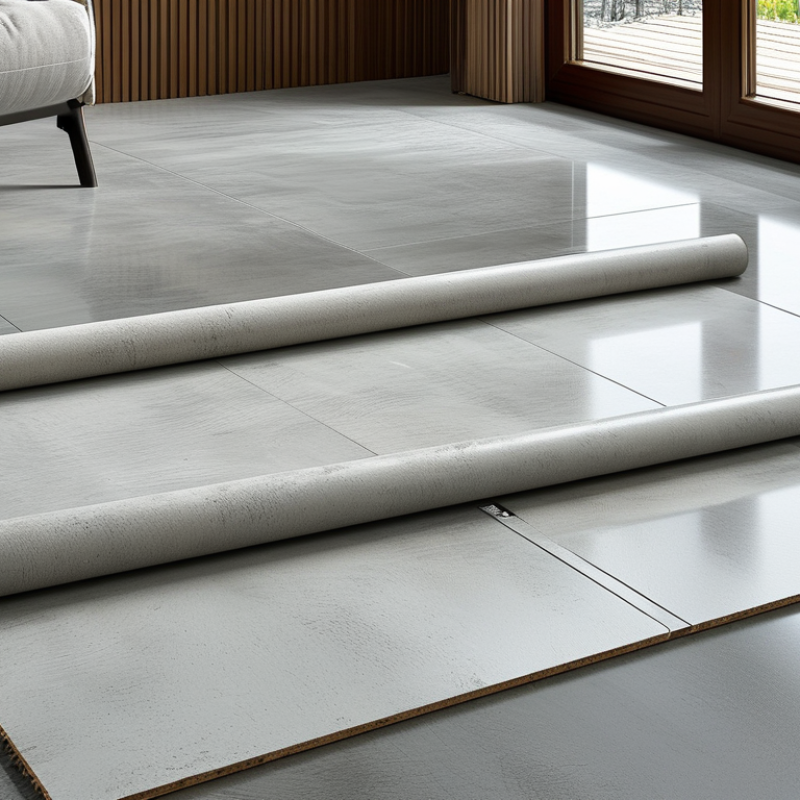
Fiber cement floor underlay is gaining traction for various projects due to its unique attributes. It stands out for its durability and resistance to moisture. This makes it an excellent choice for high-traffic areas. Its inherent strength helps prevent damage over time. Many users have reported fewer repairs compared to traditional underlays.
Another major advantage is its soundproofing capability. Fiber cement effectively reduces noise transfer between rooms. This can be crucial in multi-level buildings. The added insulation offers comfort underfoot. However, installation can be challenging and requires skilled labor. Improper installation might lead to issues later, like cracking.
Cost efficiency is worth mentioning, though it varies significantly. While the upfront expense may seem high, the long-term savings in repairs and replacements can be significant. It’s essential to weigh these factors carefully. Not everyone is familiar with fiber cement. So, researching and consulting experts can help ensure the best outcomes for your project.
Fiber cement floor underlay provides exceptional moisture resistance. This is crucial for areas prone to humidity, like bathrooms and kitchens. Traditional underlayment often fails in these conditions. Fiber cement does not warp or swell. It stands up to water exposure effectively.
This durability helps maintain the integrity of your flooring over time. If moisture seeps through, it can cause issues like mold and mildew. These problems are costly and time-consuming to fix. Fiber cement greatly reduces this risk, ensuring a safer environment. Homeowners can feel confident in their choice.
However, potential users should consider installation difficulties. While fiber cement is strong, it can be heavy. Proper handling and installation techniques are vital. Investing in skilled labor may be necessary, which can increase overall project costs. Reflecting on these challenges will lead to better decision-making for your flooring needs.
Fiber cement floor underlay is increasingly recognized for its ability to improve acoustic performance in buildings. Impact sound, often a nuisance in multi-story structures, can be significantly reduced through proper underlay choice. According to a study by the National Institute of Standards and Technology, sound transmission loss is enhanced when using fiber cement over standard materials. This is essential in residential and commercial projects, where quiet environments are critical.
Research indicates that acoustic insulation can be improved by up to 35% when fiber cement is utilized compared to traditional underlays. The material's dense structure effectively absorbs sound waves, minimizing disturbances from footsteps or furniture movement. Additionally, fiber cement underlay can offer a smoother surface, contributing to better sound dampening. However, achieving optimal results requires correct installation and pairing with suitable flooring options.
Despite its benefits, some professionals express concerns over installation complexity and weight. While the advantages are clear, the process can be labor-intensive. A reflection on the installation methods reveals that improper application may negate sound reduction benefits. Every project is unique, and careful planning remains essential to maximize acoustic performance.
Fiber cement floor underlay is gaining popularity due to its simple installation process. Many contractors appreciate how quickly it can be laid down. The lightweight nature of fiber cement makes handling more manageable. This is especially beneficial for larger projects, where time is crucial.
Workers can complete tasks faster, helping to streamline construction timelines. The interlocking design of the panels reduces the need for excessive glue or fasteners. This enhances both efficiency and cleanliness on the job site. However, careless handling can lead to chipping or damage. Proper training is essential for maintaining the integrity of the boards.
Incorporating fiber cement underlay might seem straightforward. Still, it requires attention to detail. Even minor misalignment can lead to issues later. Adjustments during the installation can be tedious, but they are necessary for long-lasting results. Overall, the ease of installation provides significant time savings, but it comes with its own challenges that need addressing.
| Benefit | Description | Impact on Project |
|---|---|---|
| Easy Installation | Fiber cement underlay is lightweight and easy to cut, which simplifies the installation process. | Reduces labor costs and speeds up project timelines. |
| Durability | Highly resistant to moisture, pests, and impacts, ensuring long-lasting performance. | Minimizes the need for repairs and replacements, saving money in the long run. |
| Sound Insulation | Provides excellent sound-dampening properties, making spaces quieter. | Enhances comfort for occupants, improving overall satisfaction. |
| Eco-Friendly | Made from sustainable materials and can be recycled at the end of its life. | Appeals to environmentally-conscious clients and projects. |
| Moisture Resistance | Impervious to water damage, preventing mold and mildew growth. | Ensures a healthier indoor environment and lowers maintenance costs. |
Fiber cement floor underlay offers impressive compatibility with various flooring types, enhancing its versatility in design. This feature allows homeowners and contractors to choose from a wide range of finish options, including hardwood, tile, and carpet. According to a report by Market Research Future, the global underlayment market is projected to grow at a CAGR of 8.2% through 2027. This growth highlights the increasing preference for adaptable yet durable materials in the construction industry.
Using fiber cement underlay can help in noise reduction, especially in multi-story buildings. It provides excellent sound insulation, creating a quieter living environment. Reports suggest that adding a high-density underlay can reduce sound transmission by up to 50%. This makes it ideal for residential projects and commercial properties where peace of mind is a priority.
Tip: Always check compatibility with your chosen flooring. Different types of flooring require specific underlays for optimal performance. Additionally, consider the moisture levels in your area. High moisture can damage some materials. Fiber cement is more resistance, but it’s essential to ensure suitability before installation.
Fiber Cement Floor Underlay offers numerous advantages that can significantly enhance construction and renovation projects. Its superior moisture resistance ensures long-term durability, protecting against water damage and mold growth. Additionally, this underlay effectively reduces impact sound, improving acoustic performance within buildings, which is crucial for maintaining a peaceful environment.
The easy installation process of Fiber Cement Floor Underlay streamlines construction timelines, allowing projects to progress more efficiently. Its versatility allows compatibility with various flooring types, providing designers with the flexibility to choose their desired aesthetics. Moreover, opting for this underlay can lead to cost-effectiveness, resulting in long-term savings on maintenance and repairs. Overall, Fiber Cement Floor Underlay is an excellent choice for those seeking durability, sound insulation, and design versatility in their flooring projects.