Which Is the Best Calcium Silicate Board in 2026?
Choosing the best Calcium Silicate Board in 2026 depends on where it will be installed, what it must withstand, and how it will be finished. A board suited to a humid bathroom may not be the right choice for a fire-rated partition or an exterior wall. Look beyond the product name: compare thickness, density, moisture resistance, fire-test documentation, dimensional stability, and installation requirements. A sample cut edge can also reveal useful details, including whether the board feels uniform or sheds dust easily.
As [verified industry expert’s name], [title or organization], puts it, “[Insert a verified quotation about matching board performance to the application.]” A sourced quotation matters. Product decisions affect durability and safety, so expertise should be traceable rather than invented. This guide compares available board types through practical criteria, including intended use, documented performance, handling, and finish compatibility. It also considers the trade-offs buyers may overlook, such as weight, cutting effort, and the need for suitable fixings.
There is no universal winner. A premium specification can be unnecessary for a simple interior lining, while a low-cost board may disappoint in demanding conditions. Details matter. The comparison that follows aims to show which Calcium Silicate Board makes sense for each application—and where the evidence is too limited to support a confident recommendation.
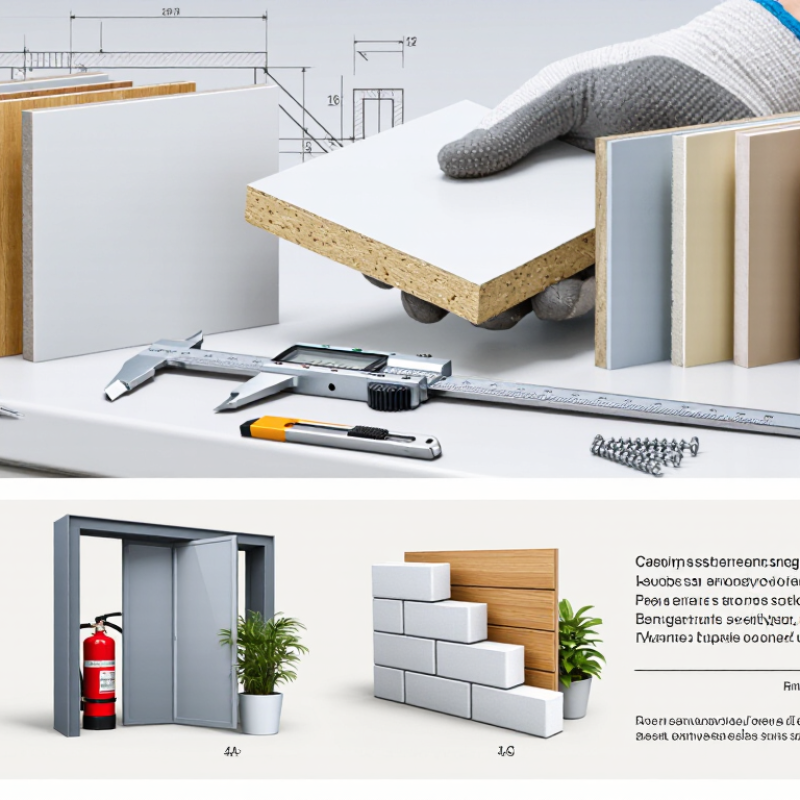
Define Calcium Silicate Board and Its Main Types
Calcium silicate board is a rigid building panel made mainly from silica, lime, and reinforcing fibers. During manufacture, heat and pressure create a stable sheet that resists moisture and fire better than ordinary gypsum board. It is often used for partitions, ceilings, and wall linings, especially where humidity or heat is a concern. Exact performance depends on the product’s density, thickness, and test ratings, so check the technical data rather than relying on the material name alone.
The main types differ by density and intended use. Standard boards suit interior walls and ceilings; denser versions are commonly selected for demanding fire-protection systems or impact-prone areas. Some panels are designed for exterior use, with formulations and surface treatments intended to handle weather exposure. Not every board is suitable for every setting. A cut edge can absorb moisture, and a heavy panel may need closer support spacing. Installation details matter.
When comparing options in 2026, look at declared fire performance, moisture resistance, dimensions, and the approved installation method. A small sample can reveal useful details: the cut surface, edge strength, and how easily the board chips. I would not judge by smoothness alone. That can mislead. Check whether the stated ratings apply to the complete wall or ceiling assembly, not just the board itself.
Which Is the Best Calcium Silicate Board in 2026?
Calcium silicate board is a rigid building or insulation material made mainly from calcium- and silica-based compounds, often reinforced with fibers. Common types include low-density thermal insulation boards, medium-density fire-protection boards, and higher-density boards for tougher applications.
Indicative density ranges shown in kg/m³; actual values vary by product and manufacturer. Choose a board based on the application, required fire or thermal performance, moisture conditions, and the product’s tested specifications.
Check 2026 Product Specs: 6–25 mm Thickness and 700–1,200 kg/m³ Density
Which Is the Best Calcium Silicate Board in 2026?
A useful 2026 comparison starts with thickness and density, not a “best” label. Boards from 6 to 25 mm serve different roles. A 6 mm sheet may suit a compact lining detail, while thicker boards can provide greater rigidity. Check the manufacturer’s stated use before specifying either.
Density commonly ranges from 700 to 1,200 kg/m³. Lower-density boards are lighter to handle, but may not provide the stiffness or surface durability a project needs. Higher-density boards can feel more solid, though added weight may affect fixing methods and installation. The numbers alone do not confirm performance. Ask for test data covering the intended application, including thermal, moisture, and fire-related properties where relevant.
Measure the available space and consider how the board will be cut, supported, and fastened. A 12 mm board at 900 kg/m³, for example, is not automatically equivalent to another board with the same figures. Composition and production quality matter too. Details are easy to overlook. I would compare technical sheets, declared tolerances, and installation guidance, then confirm suitability with the project designer. Some specifications remain imperfectly comparable across suppliers; that uncertainty deserves a closer check, not a guess.
Compare Thermal Conductivity: Typical Boards Range from 0.15–0.25 W/(m·K)
Thermal conductivity is a useful starting point when comparing calcium silicate boards in 2026. Typical values range from 0.15 to 0.25 W/(m·K), but the number alone does not identify the best board. Lower conductivity generally means less heat passes through a given thickness under test conditions. Actual performance also depends on board thickness, density, moisture, and installation quality.
Check the declared value and the test conditions on the technical sheet. A 25 mm board with a conductivity of 0.16 W/(m·K) may seem preferable to one rated at 0.23, yet gaps around pipework can undermine that advantage. Small details matter. Compare boards at the same thickness and confirm whether values are measured or calculated. The difference can be easy to miss.
Temperature matters, too. Some boards conduct heat differently at elevated operating temperatures, so a room-temperature figure may not describe service conditions. I would treat the range as a screening guide, not a guarantee. It is also worth admitting that published figures do not always make product comparisons straightforward. Ask for test data relevant to the intended application, then weigh conductivity alongside strength, moisture exposure, and fit. A slightly higher figure may be the more practical choice where the board faces rough handling or awkward cuts.
Which Is the Best Calcium Silicate Board in 2026? - Compare Thermal Conductivity: Typical Boards Range from 0.15–0.25 W/(m·K)
| Board comparison |
Representative thermal conductivity |
Relative insulation performance |
Typical consideration |
Best suited to |
| Lower-conductivity board |
About 0.15 W/(m·K) |
Highest among the listed typical boards |
Can reduce heat transfer more at the same thickness; check strength, density, and fire-performance requirements. |
Applications where thermal insulation is a priority. |
| Mid-range board |
About 0.18–0.22 W/(m·K) |
Moderate |
A practical comparison range for general-purpose boards; confirm the declared value at the relevant test temperature. |
Projects balancing insulation with general board performance. |
| Higher-conductivity board |
About 0.23–0.25 W/(m·K) |
Lowest among the listed typical boards |
Transfers more heat at the same thickness; may still be suitable where other specified properties take precedence. |
Applications where the specified thermal resistance is less demanding. |
|
How to compare: Lower thermal conductivity generally means better insulation for the same thickness. These figures are indicative comparison values, not guaranteed specifications; actual results depend on board composition, density, moisture, and test temperature. Compare product technical data measured under the same test conditions. Specialized high-temperature insulation boards may fall outside this typical range.
|
Rank Boards by Moisture Resistance, Strength, Standards, and Intended Use
Which Is the Best Calcium Silicate Board in 2026?
The best board depends on moisture, strength, standards, and intended use. For humid rooms, rank boards with tested water absorption, low thickness swelling, and sealed edges highest. EN 14306 requires declared thermal performance for factory-made calcium silicate insulation products. However, it does not create one universal moisture-resistance winner. Installation quality still matters.
For high-temperature insulation, boards tested under ASTM C533/C533M deserve priority. Published technical data commonly places calcium silicate density between 200 and 1,000 kg/m³. Compressive strength may range from 0.5 to above 10 MPa, depending on density and reinforcement. Dense boards usually resist impact better. They can also conduct more heat. That trade-off is easy to miss.
For interior fire protection, choose boards supported by fire-test evidence, such as ISO 1182 or relevant national fire classifications. For wet-area linings, moisture testing should come before a high strength claim. A strong board can still deteriorate behind a leaking joint. The 2024 IEA Buildings report continues to emphasize moisture control as part of durable building performance, although it does not rank calcium silicate products directly. My practical ranking is provisional: moisture-tested boards for damp spaces, dense boards for impact zones, and ASTM-tested boards for heat exposure. The ranking remains imperfect. Project conditions can overturn it.

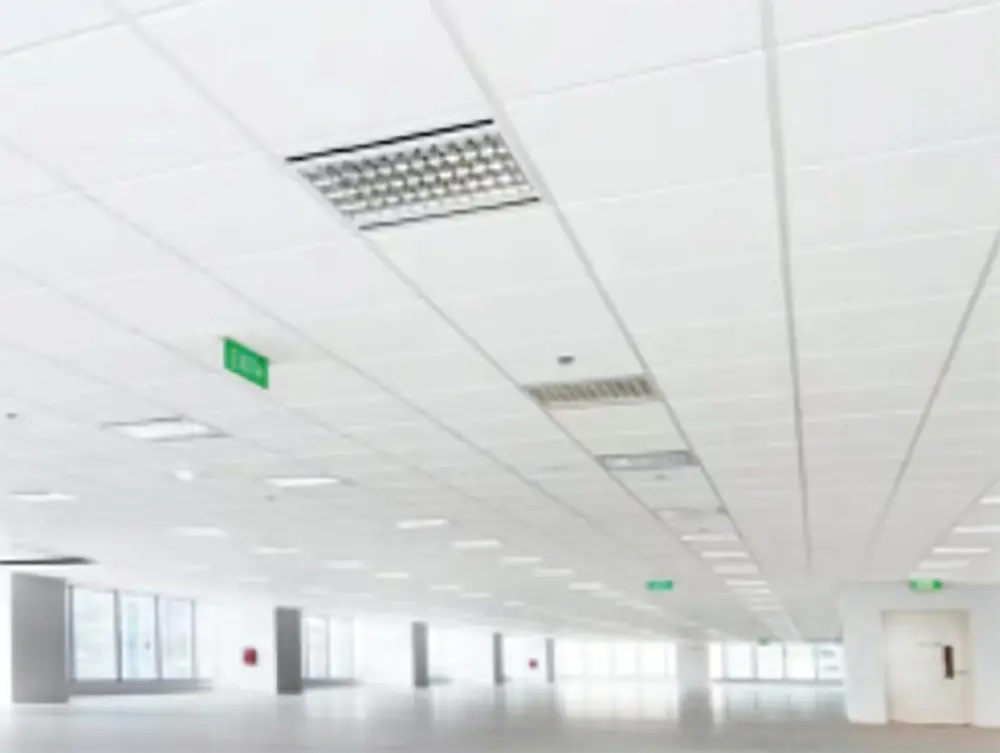 LEAO®Deco Ceiling
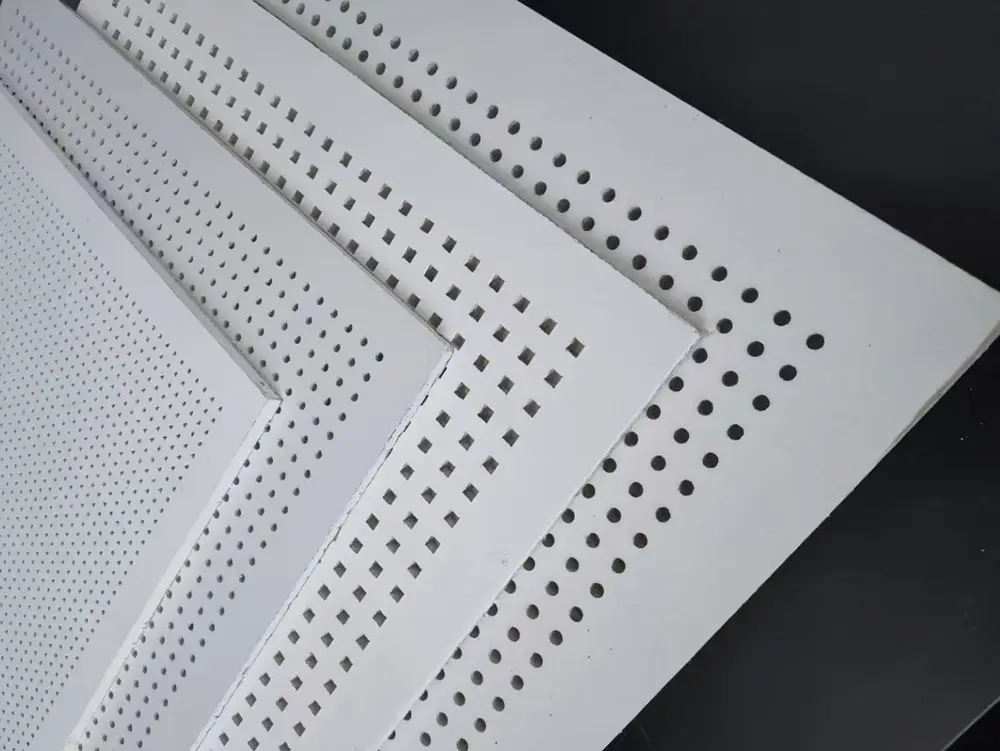 LEAO® Perforated Ceiling
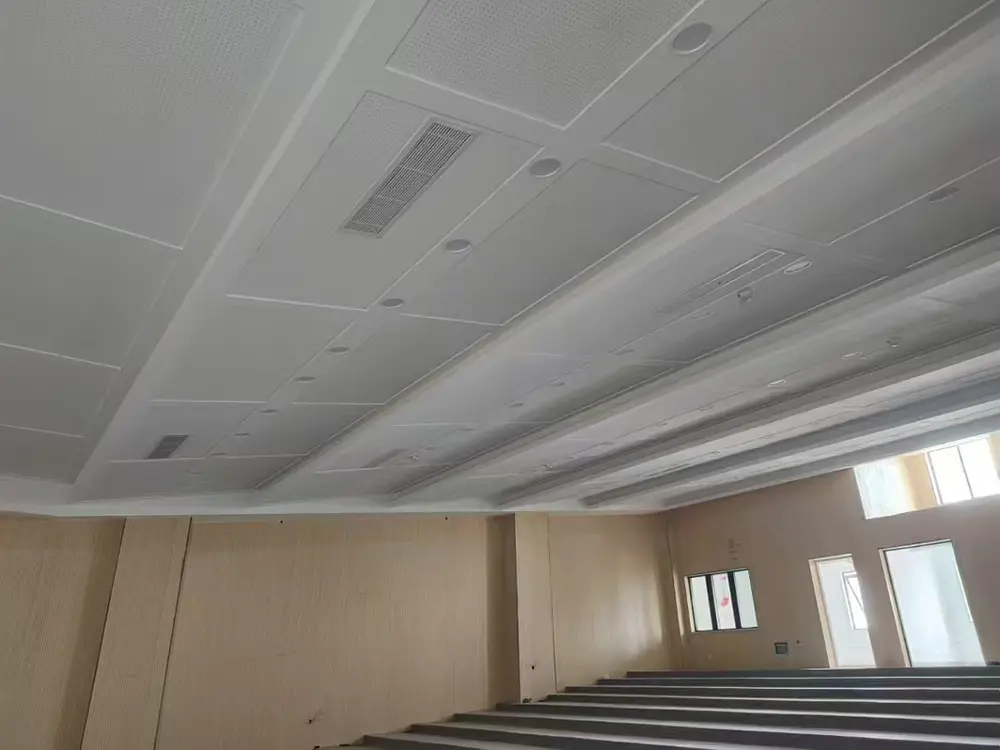 LEAO® Ceiling Board
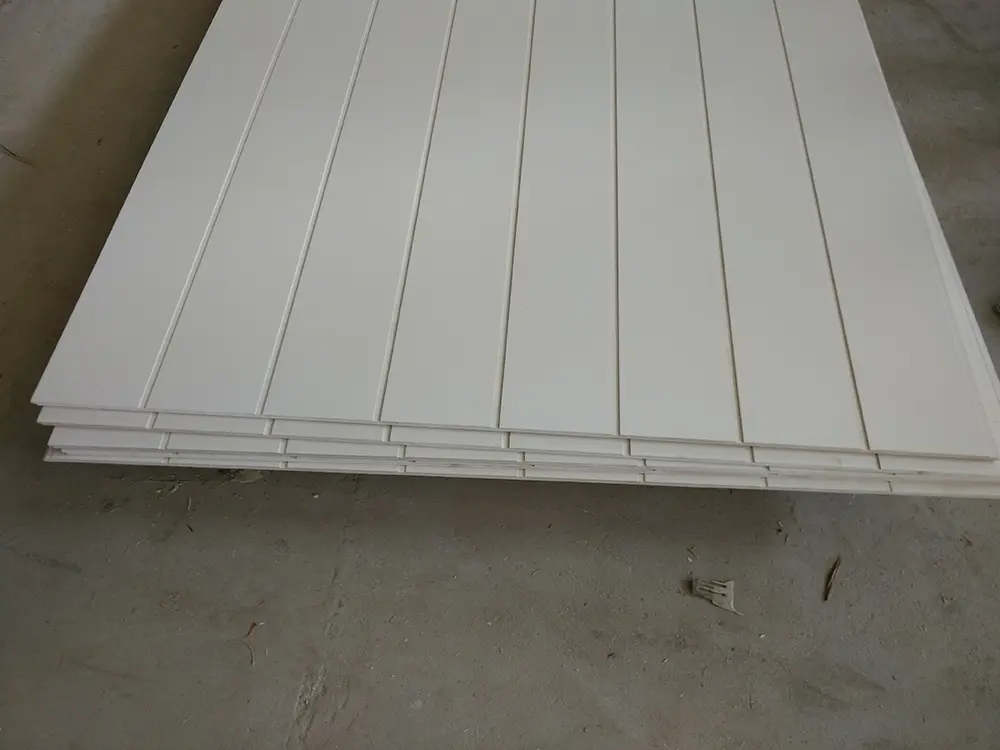 LEAO® Groove Interior Panel
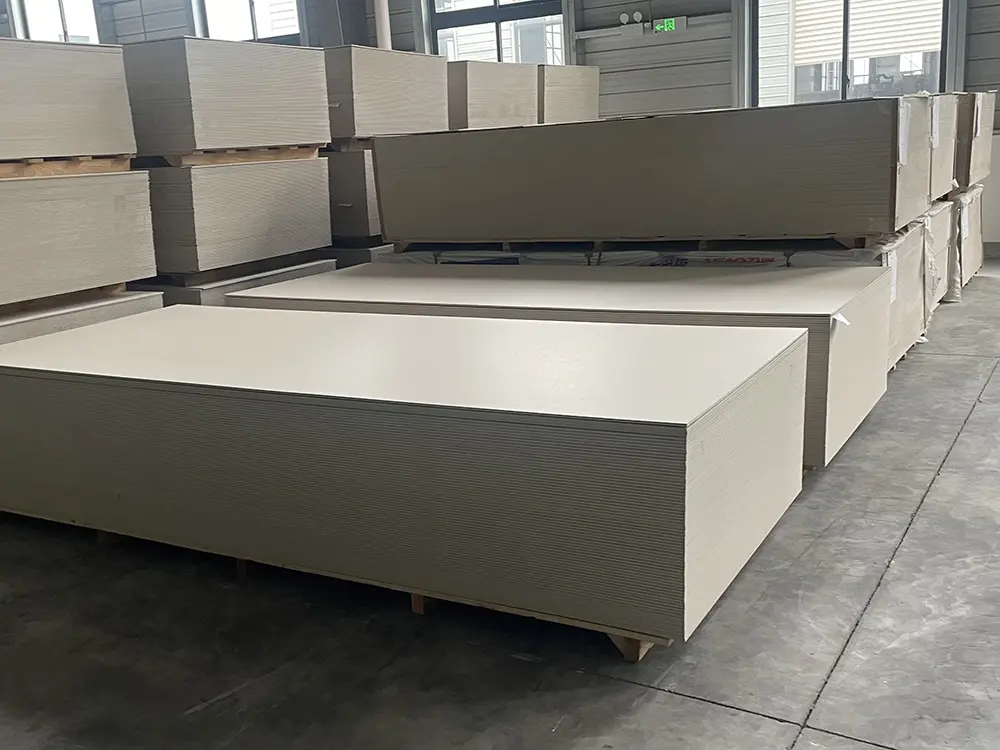 LEAO® Interior Board
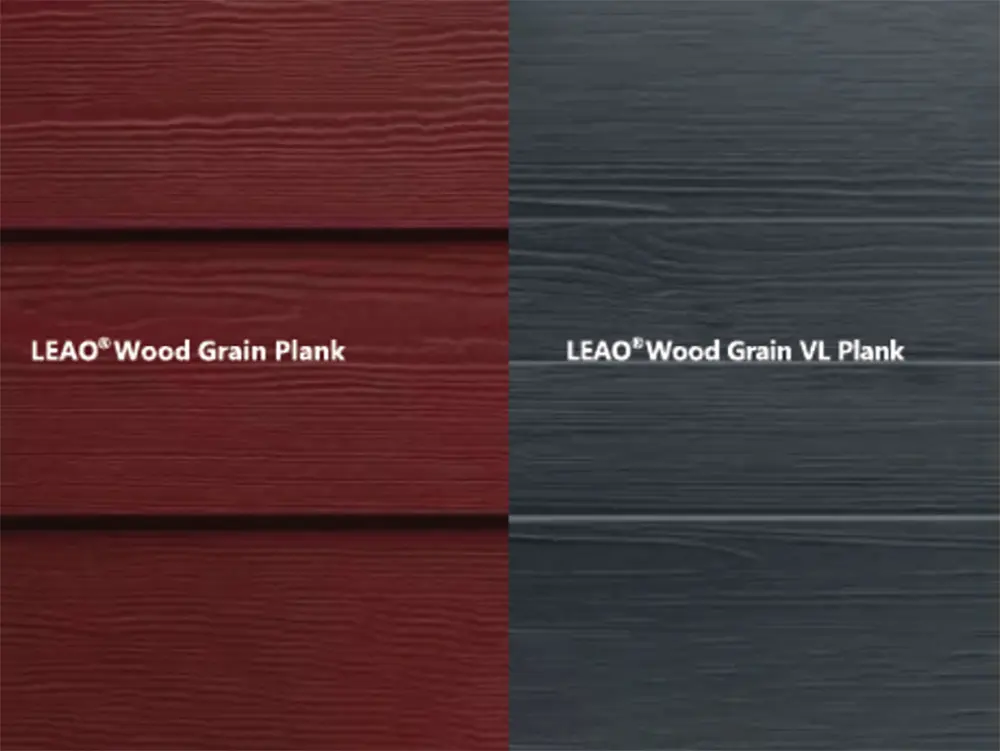 LEAO® Wood Grain Plank
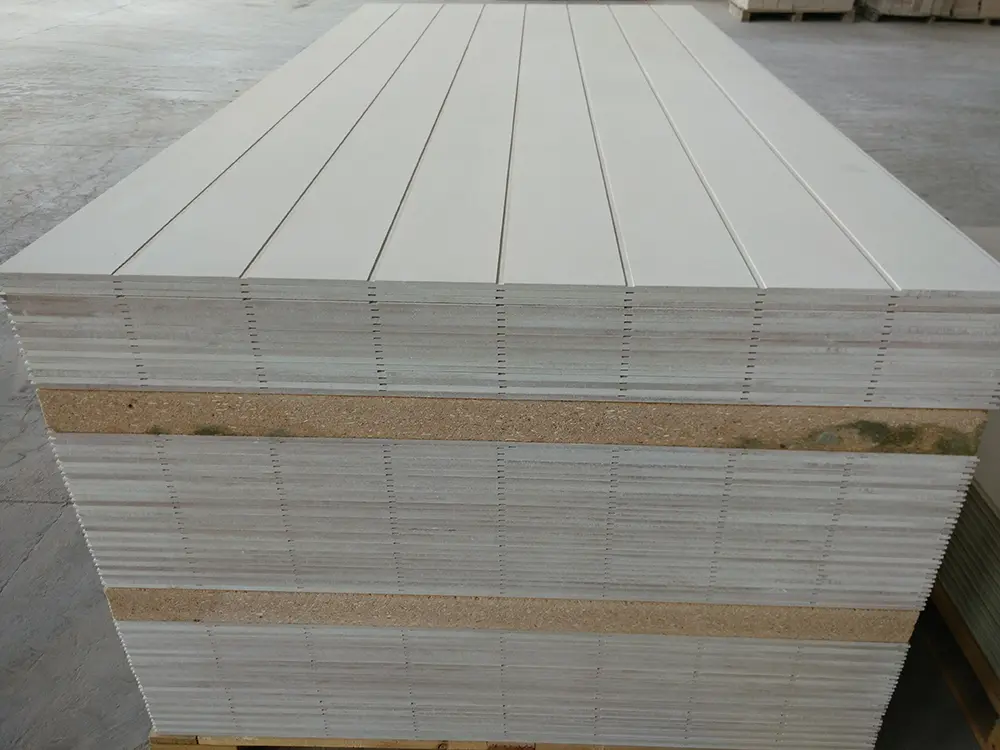 LEAO® Grooved Exterior Panel
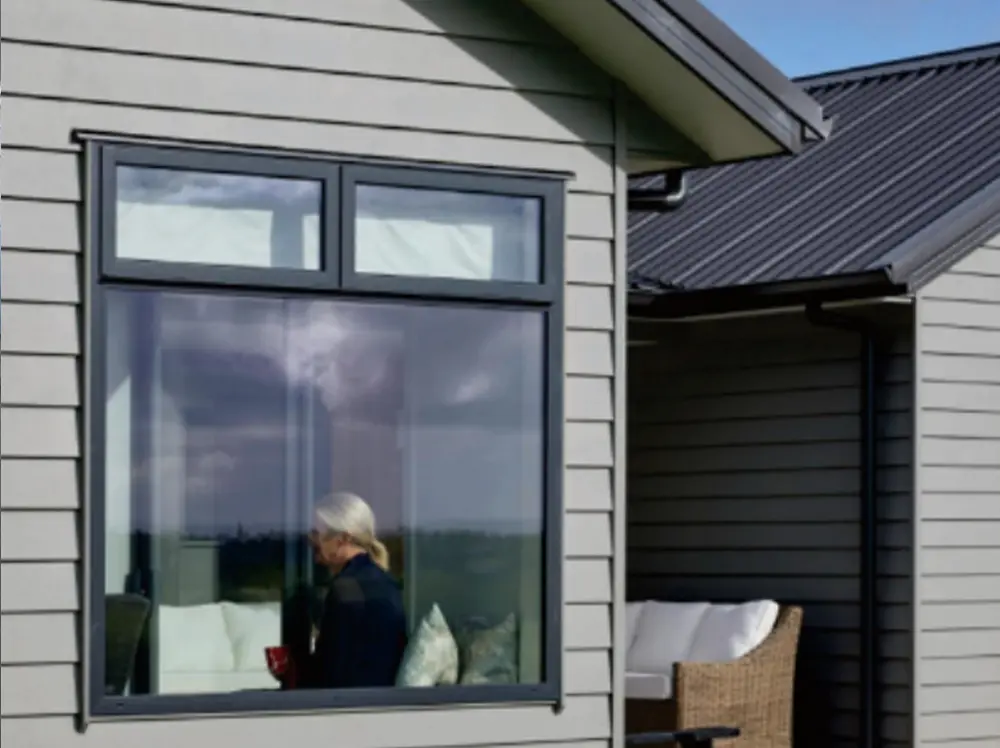 LEAO® Weatherboard
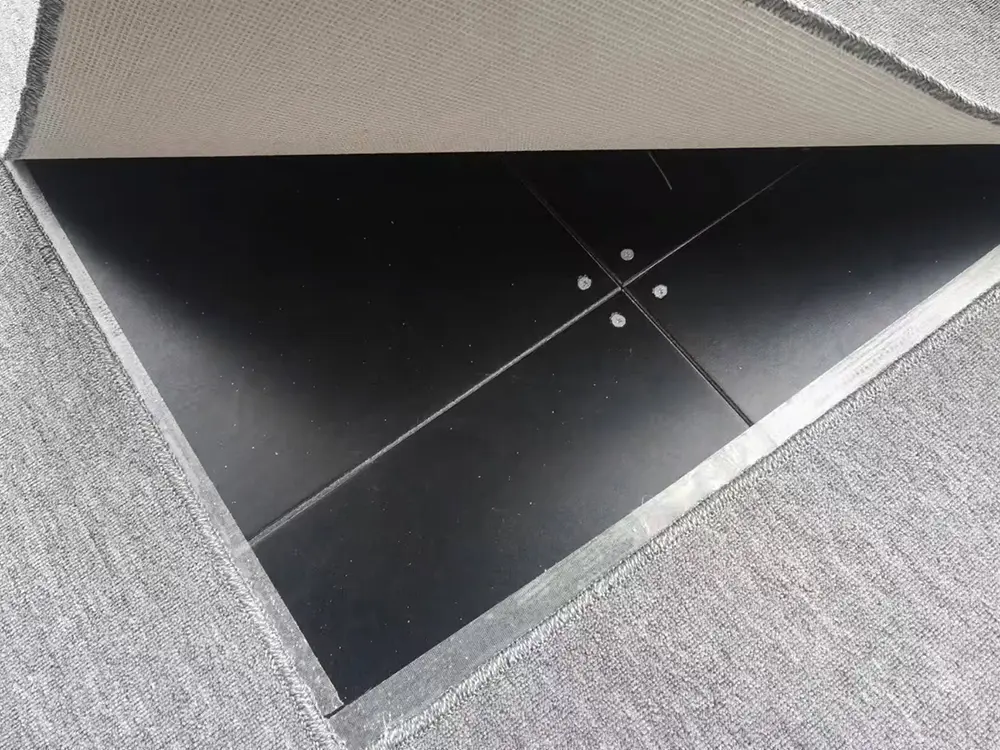 LEAO® Access Floors
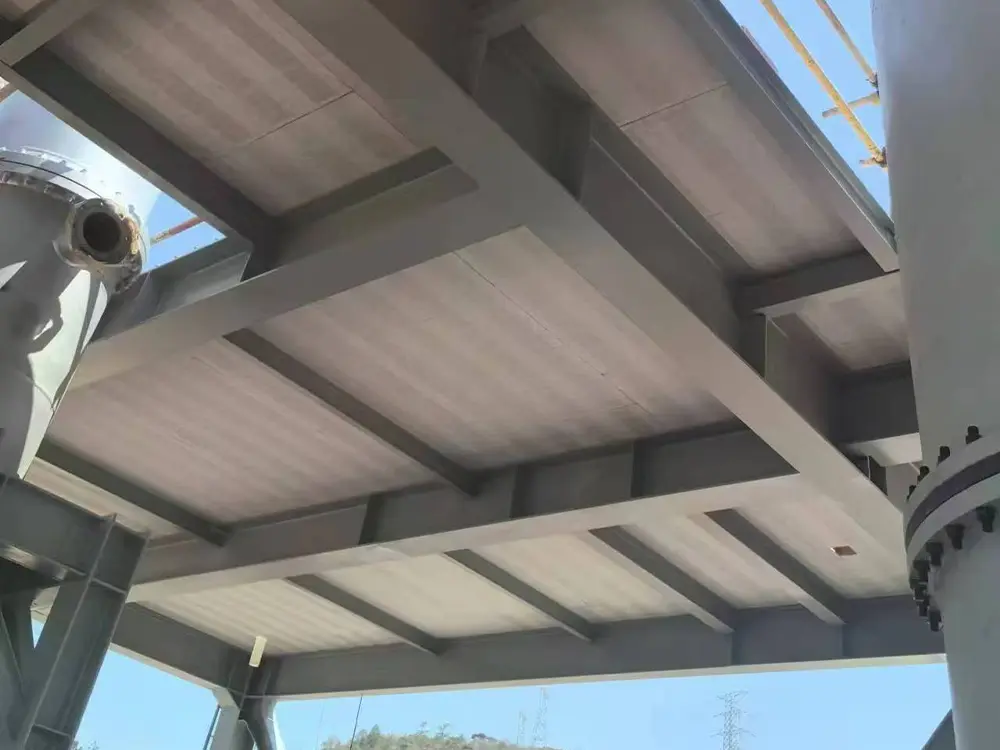 LEAO® Non-removable Formwork
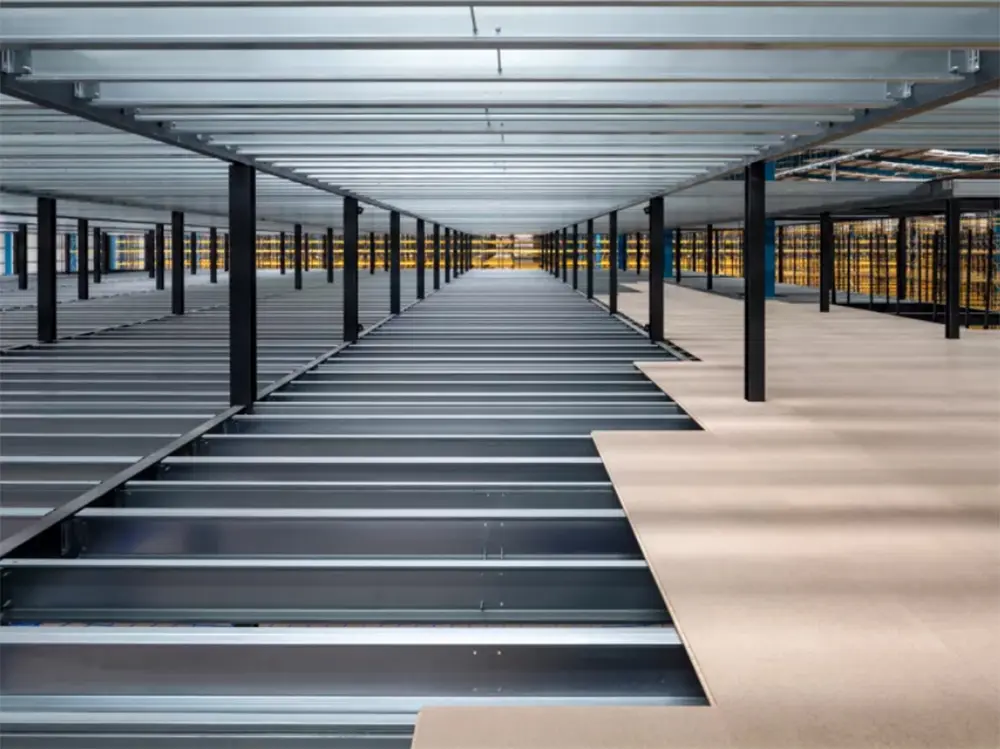 LEAO® Mezzanine Board
 LEAO® Ceramic Tile Underlay
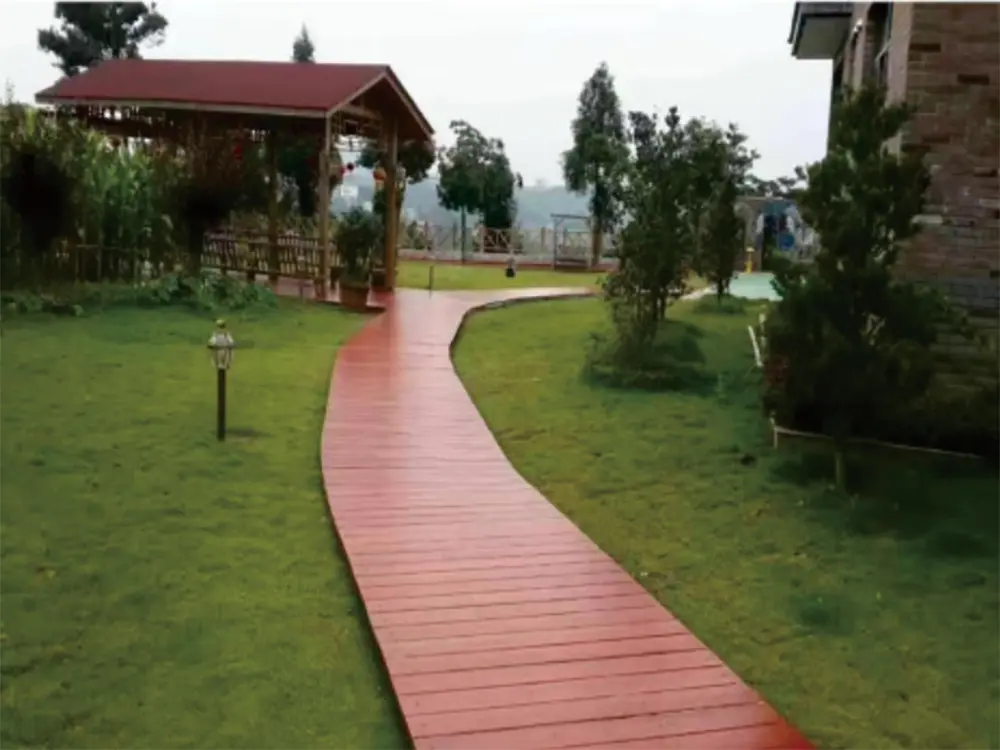 LEAO® Floor Plank
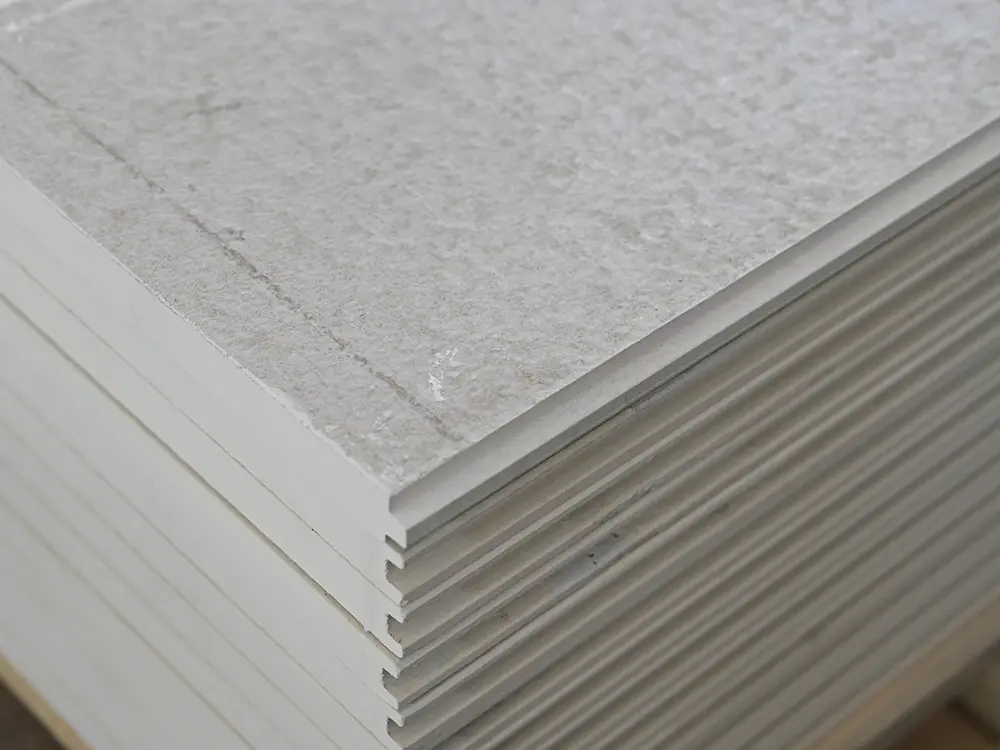 LEAO® Flooring
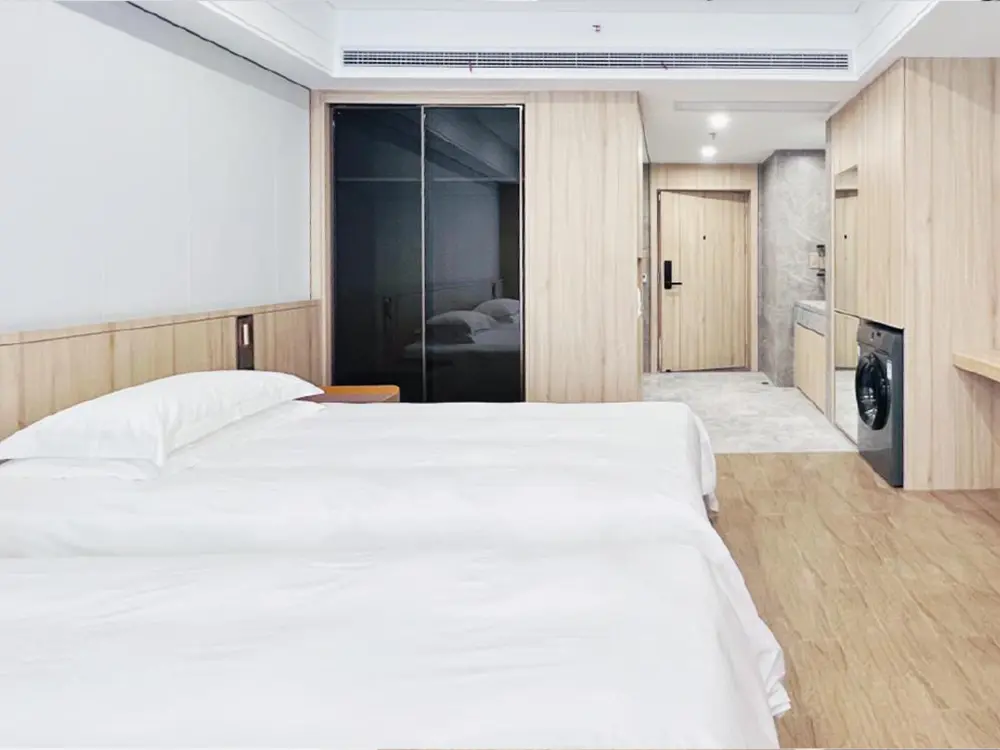 LEAO® Wood Style Decorative Panel
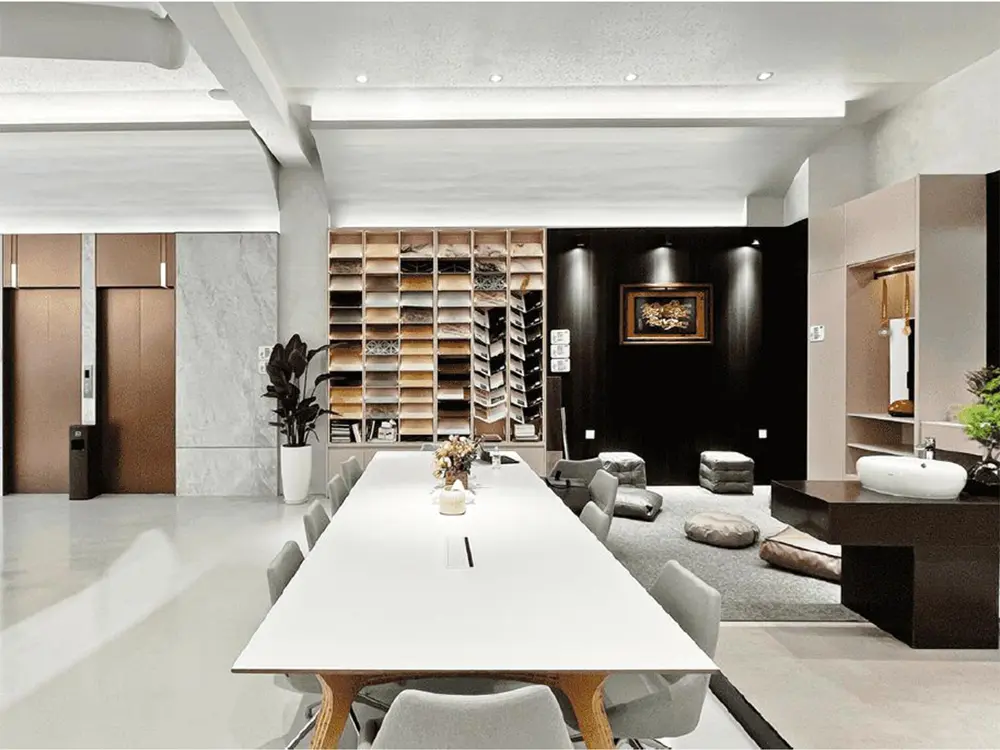 LEAO® Stone Style Decorative Panel
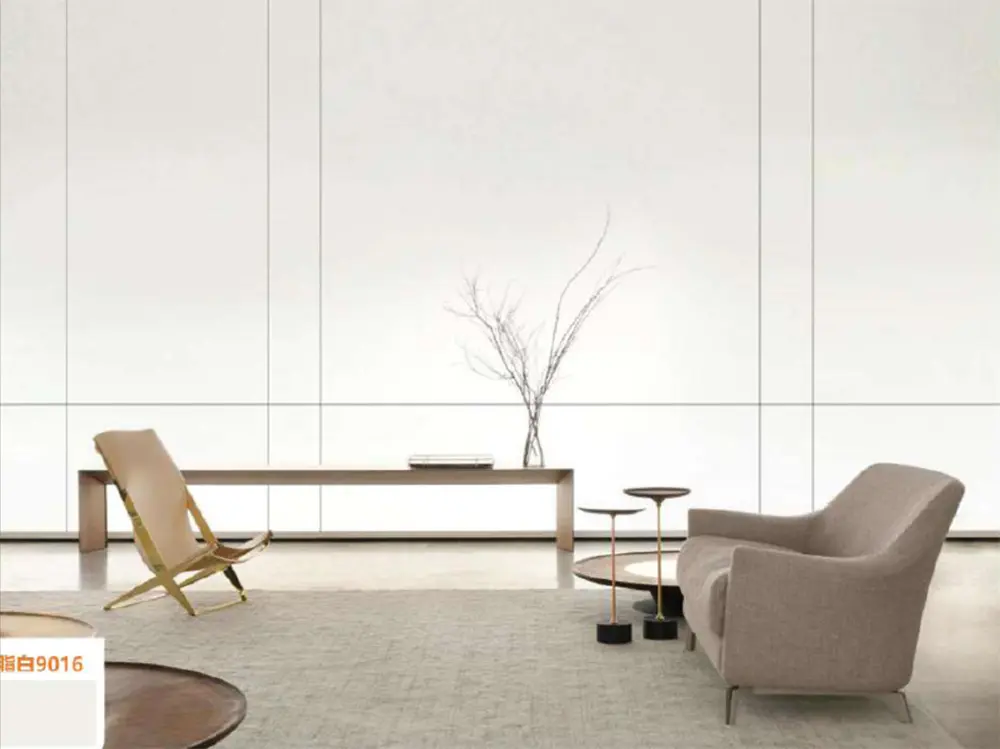 LEAO® Pure Style Decorative Panel