Inquiry
Form loading...

What Are China Top Calcium Silicate Board Manufacturers?

Choosing among China’s top Calcium Silicate Board manufacturers requires more than comparing factory prices. Product quality can vary with density, thickness, fiber composition, curing methods, and surface finishing. A board that looks smooth in a sample may perform differently after months of heat, humidity, cutting, and installation.

This guide introduces practical ways to evaluate reliable Chinese suppliers. It considers manufacturing experience, production capacity, laboratory testing, export records, and quality-control procedures. It also examines whether manufacturers provide clear technical data, including thermal conductivity, flexural strength, moisture resistance, dimensional tolerance, and fire-performance documentation. These details matter on real projects. A ceiling panel, pipe insulation section, and industrial wall lining may require different board properties.

Small details matter.

Factory visits, independent inspections, and sample testing can reveal more than polished brochures. Buyers should check whether samples match mass production and whether certificates remain valid for the intended market. Communication also deserves attention. Prompt replies are useful, but precise drawings, packing details, lead times, and after-sales commitments are more reliable indicators.

No ranking is perfect. A manufacturer considered suitable for one project may not fit another. Budget, climate, installation method, and compliance requirements can change the final choice. Some suppliers may also present limited information online, which deserves careful verification rather than immediate rejection. By comparing evidence instead of relying on bold claims, buyers can identify Calcium Silicate Board manufacturers with stronger technical capability and more dependable long-term support.
What Are China Top Calcium Silicate Board Manufacturers?

Calcium Silicate Board: Definition, Properties, and Main Uses

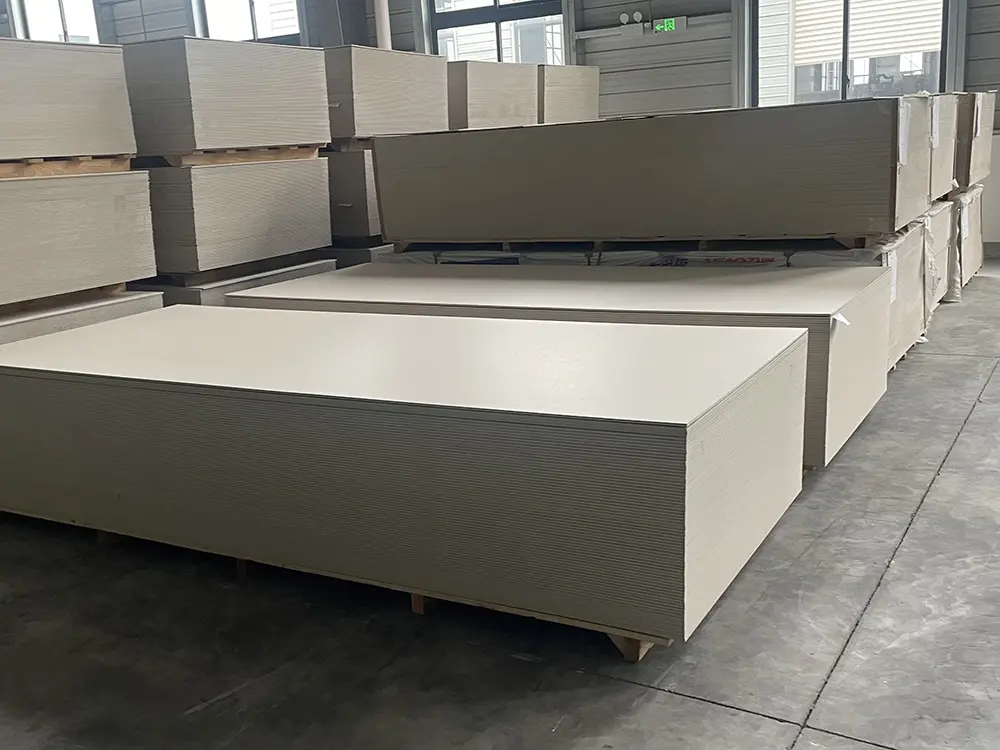
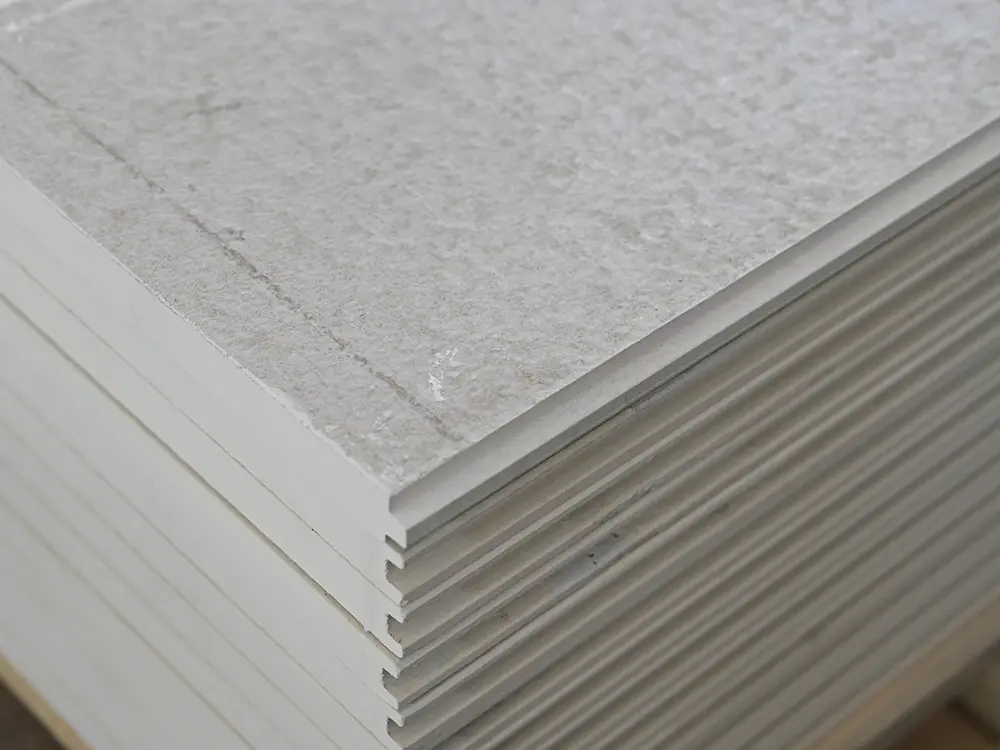
Calcium silicate board is a rigid building panel made from silica, lime, reinforcing fibers, and water. Manufacturers usually form the mixture under pressure, then cure it in an autoclave. This process creates a stable mineral structure. The board is lightweight compared with many masonry materials, yet it offers useful fire resistance and dimensional stability.

Its surface feels hard and slightly chalky after cutting. A fine dust appears, so installers should use suitable respiratory protection and dust control. The material does not rot, attract insects, or release smoke like combustible boards. It also tolerates humid conditions better than ordinary gypsum board. However, it is not completely waterproof. Poor edge protection or continuous water exposure can still cause damage. Acoustic performance depends heavily on wall design, joints, and insulation behind the panel.

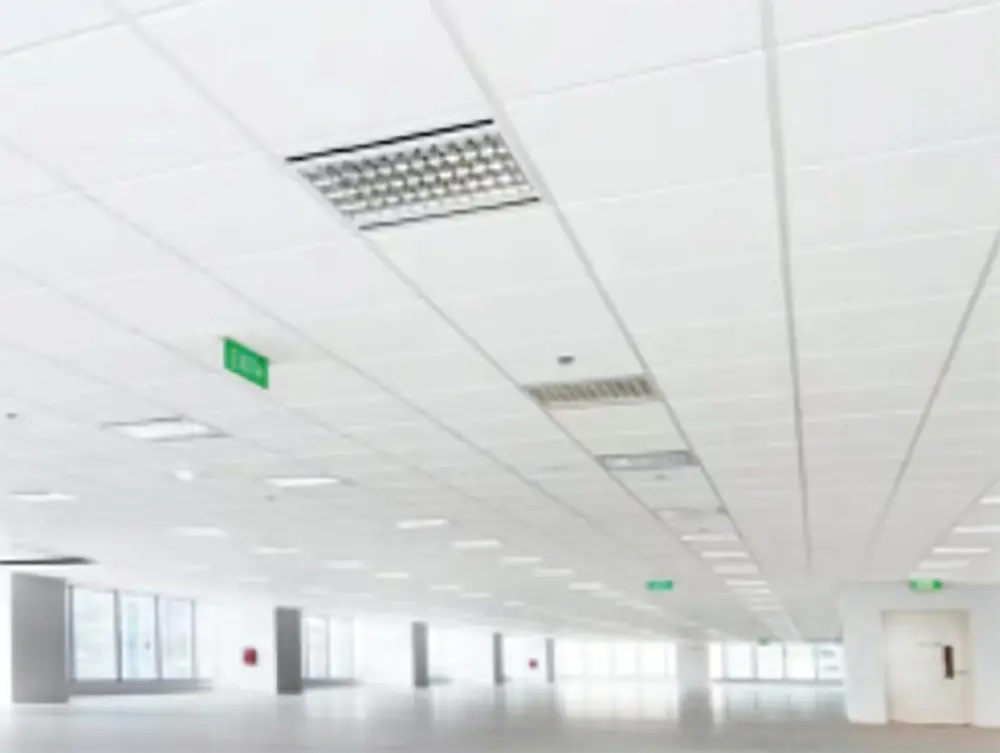
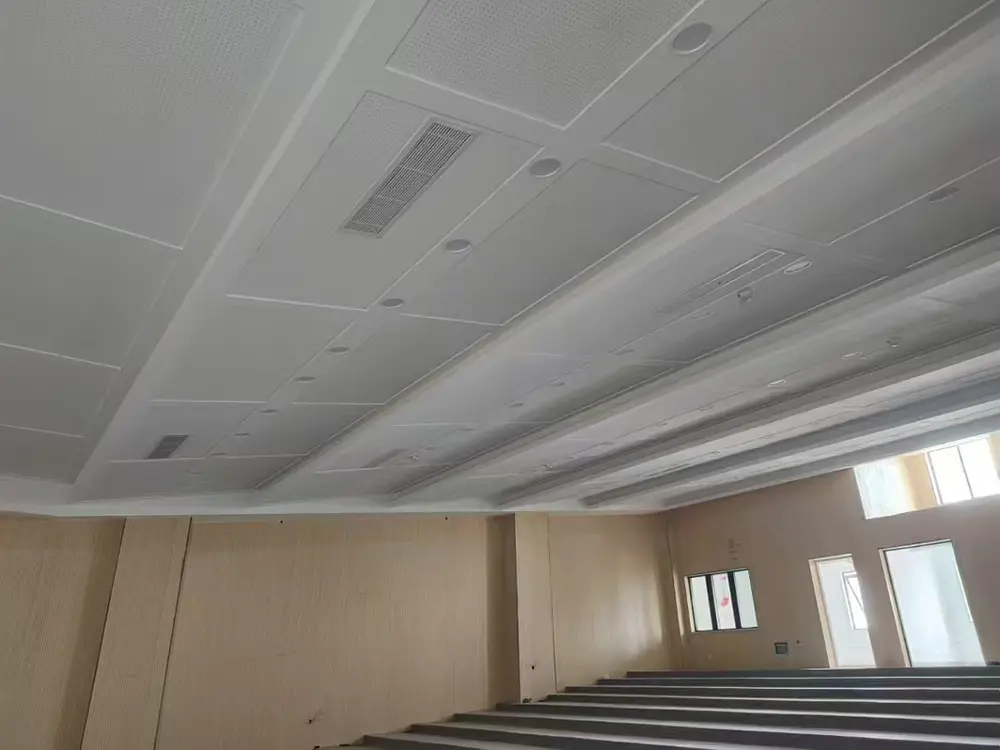
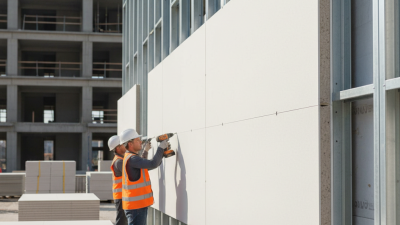
Common uses include fire-rated partitions, suspended ceilings, service shaft linings, furnace insulation, and protective cladding around structural steel. On a real project, board thickness, density, fixing method, and test certification must match the required application. Experienced manufacturers should provide technical data, installation guidance, and quality records rather than relying on broad marketing claims. Cutting can be slower than cutting gypsum board, and careless handling may break corners. That limitation matters. A careful installer also checks substrate movement, joint treatment, and local fire-test requirements before installation.
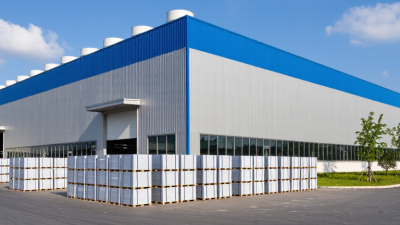

How to Evaluate China’s Top Calcium Silicate Board Manufacturers

Evaluating China’s top calcium silicate board manufacturers requires more than comparing online prices. Start with the board’s intended use: fire protection, insulation, ceiling systems, or industrial equipment. Ask for technical data showing density, flexural strength, thermal conductivity, moisture resistance, and dimensional tolerance. Numbers should match the actual product grade, not a general catalogue range.

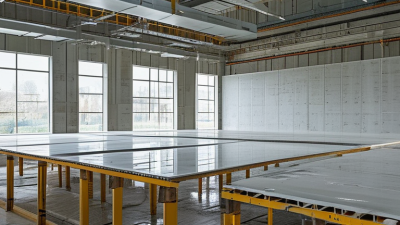
Request recent test reports from independent laboratories and verify the tested thickness, production batch, and applicable standards. A factory visit can reveal important details, including fiber preparation, pressing equipment, curing conditions, and storage practices. Check whether inspectors record board thickness at several points. Small variations can create installation gaps.

Samples matter. Cut them, handle them, and expose them to controlled moisture when possible. A clean surface may hide weak edges.

Reliable manufacturers also provide batch traceability, clear packaging specifications, and realistic delivery schedules. Ask how damaged boards are replaced and how complaints are documented. Export experience helps, but it does not guarantee consistent quality. I have seen attractive samples followed by uneven production batches. That is why a trial order deserves the same inspection discipline as a large contract. Price remains relevant, yet unusually low pricing may reflect lower density, weaker testing, or careless packing. A balanced evaluation connects laboratory evidence with factory behavior and the performance required at the job site.

Leading Chinese Manufacturers and Their Product Specialties

China’s leading calcium silicate board manufacturers serve construction, insulation, and industrial projects. Their strengths differ by product focus. Some specialize in standard boards for ceilings, partitions, and wall linings. Others develop high-density panels for fire-rated doors, tunnel systems, and equipment enclosures. Many factories operate automated forming lines, steam curing chambers, and cutting equipment. These processes help control thickness, density, and surface flatness.

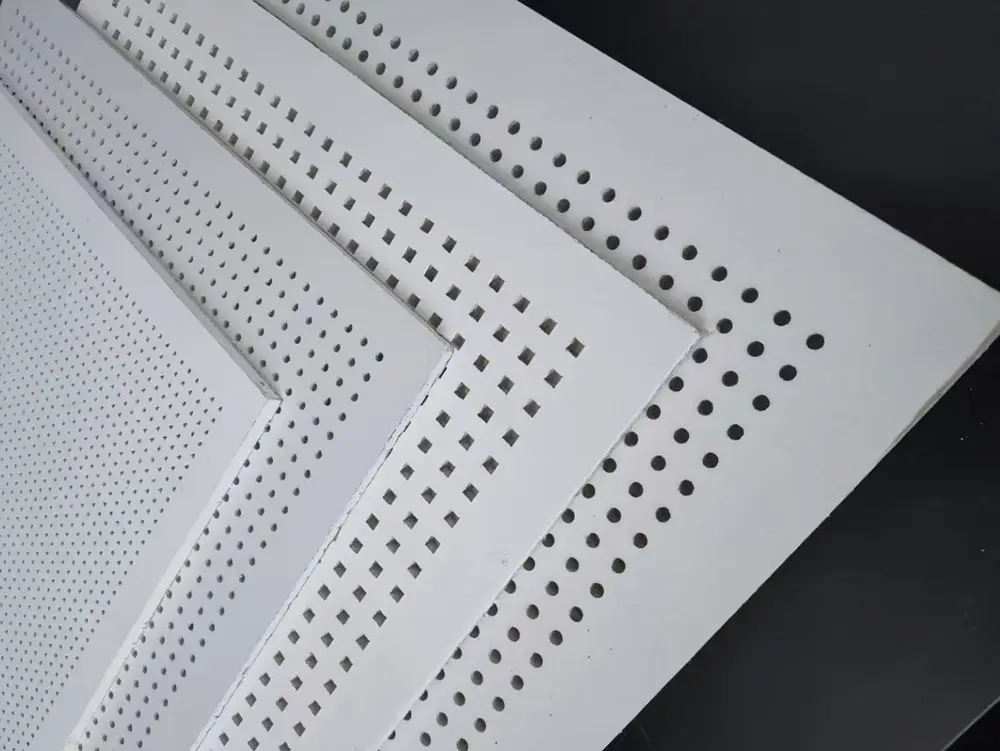
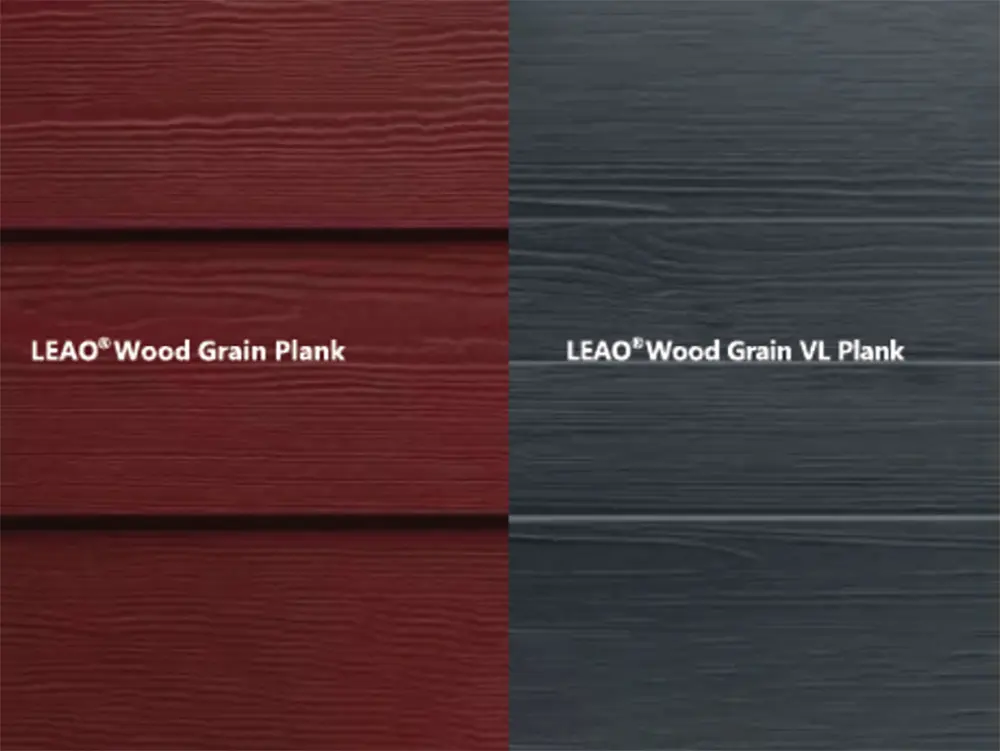
Material selection is another important specialty. Manufacturers commonly use quartz, cement, cellulose fiber, and mineral additives. Low-density boards are easier to cut and install. High-density boards usually offer better impact resistance and dimensional stability. Some producers also supply perforated, colored, or laminated surfaces for interior applications.

Export-oriented facilities often provide test reports for fire resistance, moisture behavior, bending strength, and thermal performance. Ask for recent reports, not only catalog claims.

Quality can still vary between production batches. No factory is perfect. A serious supplier should explain its raw material controls, curing cycles, and inspection records. Buyers should also check edge quality after cutting and board behavior in humid conditions. This practical step is often overlooked. Some manufacturers offer custom sizes, reinforced grades, or matching accessories. However, customization may affect lead time, minimum order quantities, and testing requirements. Clear technical drawings and sample approval reduce costly misunderstandings. The best choice depends on the building environment, installation method, and required service life.

Comparing Quality, Certifications, Capacity, and Customization Options

What Are China Top Calcium Silicate Board Manufacturers?

Reliable calcium silicate board manufacturers should prove quality through repeatable testing, not attractive samples. I examine density, flexural strength, thermal conductivity, water absorption, and dimensional stability. These values should remain consistent across different production batches. A practical check is simple. Request recent laboratory reports, inspection records, and sample boards from separate lots. A factory may perform well on one batch but struggle during peak demand.

Certifications also require careful reading. ISO 9001 shows process management, while fire classifications such as EN 13501-1 or ASTM-related reports support specific applications. However, certificates must match the actual board, thickness, and production site. A logo alone proves little. Capacity depends on more than stated annual output. Review curing equipment, warehouse space, shift patterns, and realistic lead times. A manufacturer with stable autoclave control usually offers better consistency. Still, larger capacity does not always mean better service.

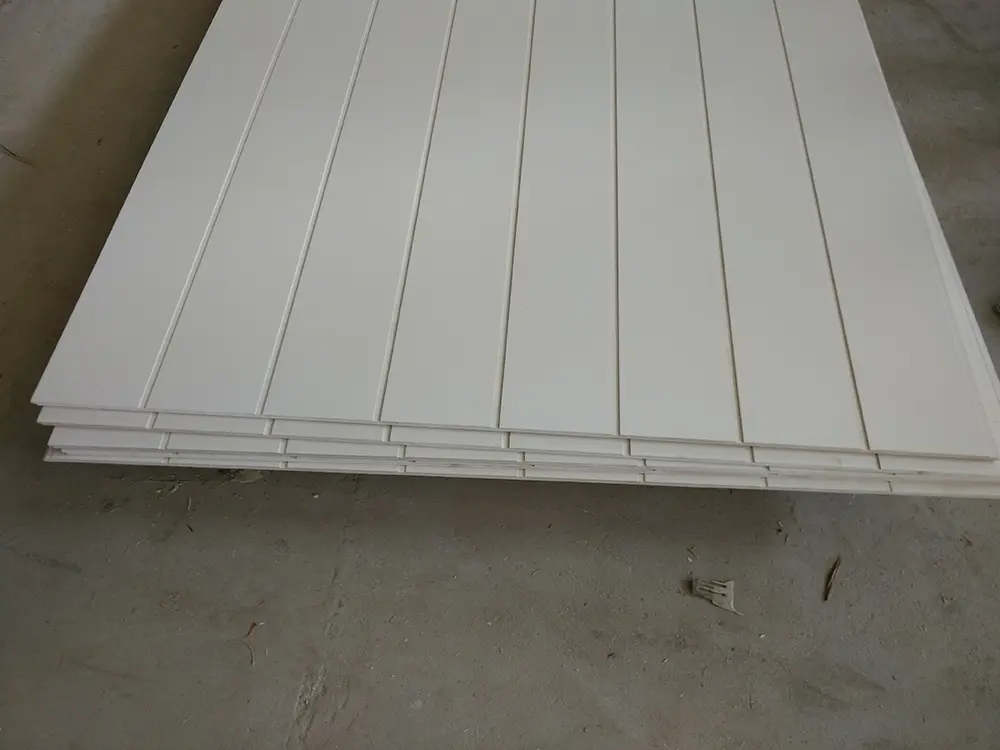
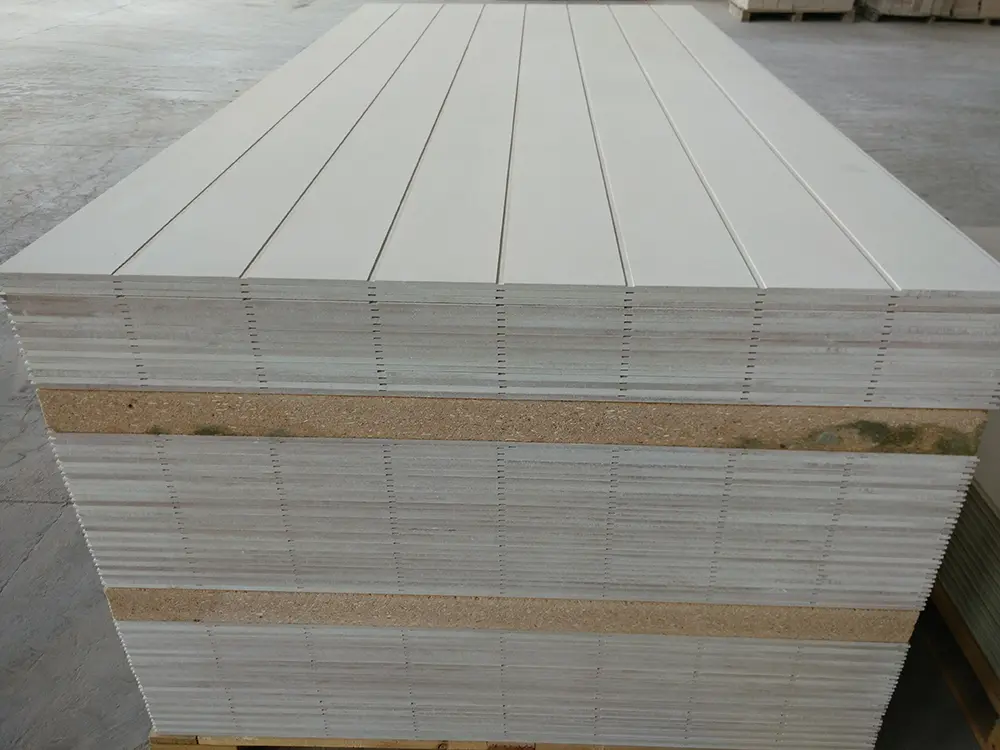
Customization can include thickness, density, dimensions, edge profiles, surface finishing, and packaging. Some suppliers can develop grooved boards for ceilings or reinforced panels for high-temperature areas. Confirm minimum order quantities and tooling charges early. I would also test cutting, drilling, and installation behavior before approving a large order. This step is often neglected. The best comparison combines documents, factory evidence, physical testing, and communication quality. Even then, technical assumptions deserve another review.

What Are China Top Calcium Silicate Board Manufacturers?

A practical comparison framework covering quality, certifications, production capacity, and customization options.

The chart uses a procurement-weighting model rather than brand-specific data. Quality and certification receive the highest priority because board performance, fire classification, dimensional stability, and documented quality systems directly affect project risk. Capacity and customization remain important for large-volume orders and application-specific requirements. Buyers should verify current test reports, applicable standards, factory capacity, lead times, and sample performance before selecting a supplier.

How to Select the Right Calcium Silicate Board Supplier in China

Choosing a calcium silicate board supplier in China requires more than comparing prices. A 2024 market assessment by Grand View Research projects steady global growth for calcium silicate products through 2030, driven by construction and industrial insulation demand. Growing demand also attracts inconsistent suppliers. Buyers should verify factory capacity, export experience, and production control before discussing long-term orders.

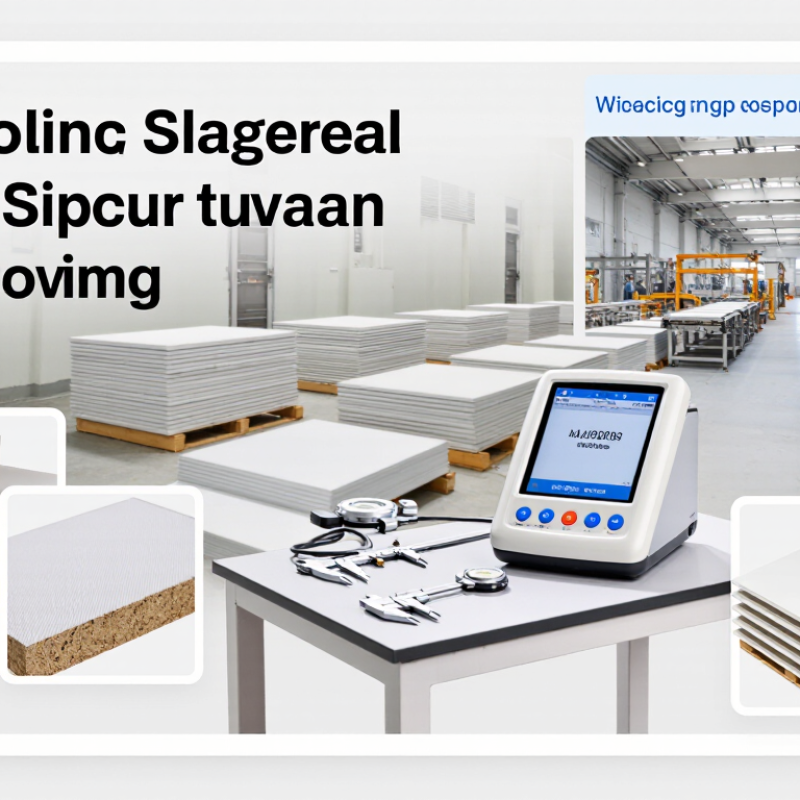
Request recent test reports for thermal conductivity, density, flexural strength, moisture resistance, and thickness tolerance. Compare those values with ASTM C533 or EN 14306 requirements, depending on the project location. The report should identify the tested product, batch number, laboratory, and test date. A certificate without traceability is weak evidence. Ask for samples from current production, not specially prepared pieces. Check the edges, surface flatness, cutting dust, and dimensional consistency by hand and caliper.

An on-site or video factory audit can reveal practical details. Review fiber preparation, autoclave records, curing temperatures, storage humidity, and packaging methods. The International Energy Agency reports that buildings remain a major source of global energy demand, making reliable insulation performance increasingly important. However, thermal data can change after moisture exposure. Request conditioning information and repeat testing when the application is demanding. A supplier may offer the lowest quotation, yet replacement costs can be higher. I would also question unusually perfect test results. Real production varies slightly, and honest suppliers explain that variation clearly.