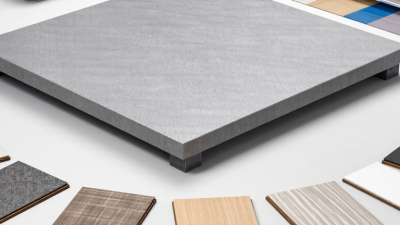
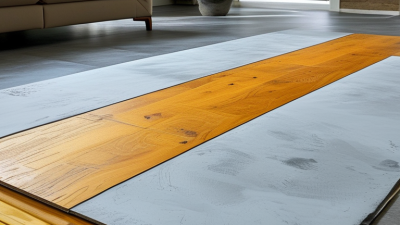
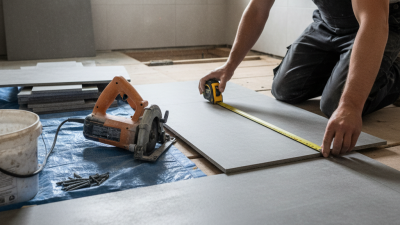
7 Best Fiber Cement Floor Underlay Products for Buyers
Fiber Cement Floor Underlay can look like a simple sheet beneath tile, yet it helps determine whether grout lines stay tight or cracks appear beside a doorway. Buyers should compare more than price. Board thickness, edge strength, fastener requirements, and approved subfloor conditions all affect installation. The right choice depends on the floor assembly, not just the product label.
The market context is broad, not underlay-specific. Grand View Research valued the global fiber-cement market at about $17.4 billion in 2022 and projected continued growth through 2030. That figure covers many building products; it should not be mistaken for floor-underlay sales. For installation criteria, buyers can consult the Tile Council of North America Handbook and relevant standards, including ASTM C1288, while checking each manufacturer’s current instructions. Details matter. A board approved for one substrate or tile format may not suit another.
Tile-installation educator Michael Byrne’s published guidance reinforces a practical point: durable tile work depends on a properly prepared, stable substrate. It is a useful reminder, not a substitute for product-specific instructions. This guide compares seven options by application, handling, and key specifications, so readers can narrow their shortlist before purchasing. Look closely at joist spacing, seam treatment, and moisture limitations; a wet room needs more than a cement-based panel. Even so, no checklist catches every site condition. That is worth remembering. The strongest choice is the one that fits the actual floor, installation plan, and tile—not simply the one with the most confident packaging.
Understanding Fiber Cement Floor Underlay and Its Role
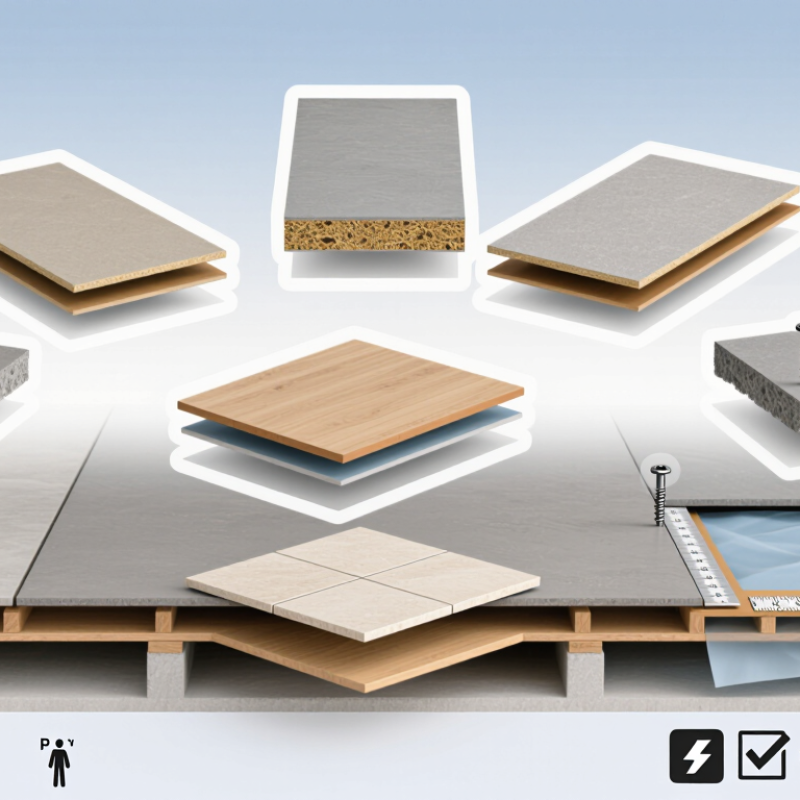
Fiber-cement floor underlay is a thin, cement-based sheet installed between a prepared subfloor and finish flooring. Its job is to provide a stable, compatible surface for tile, not to repair weak framing or replace sound subflooring. The Tile Council of North America’s Handbook identifies L/360 as the typical maximum floor-system deflection for ceramic tile and L/720 for natural stone. These ratios compare span length with allowable movement. That distinction matters. A stiff-looking panel cannot compensate for undersized joists or a bouncy floor.
Underlay helps create a more consistent bonding surface and can reduce movement-related stress at the tile layer when installed correctly. ASTM C1288-23 covers fiber-cement interior substrate sheets, giving buyers a useful specification reference. Still, a standard does not guarantee that every panel suits every assembly. Check the product’s thickness, approved fasteners, joint treatment, and compatibility with the chosen mortar. At the jobsite, I would also inspect for gaps, loose screws, and dusty surfaces before setting tile. Small details count. Moisture exposure and installation instructions vary by product, so verify both rather than assuming all fiber-cement sheets behave alike.
Criteria for Evaluating Fiber Cement Underlay Products
Criteria for Evaluating Fiber Cement Underlay Products
Evaluate more than thickness. Check panel flatness, edge strength, screw-holding performance, and compatibility with the finished floor. ASTM C1185 outlines test methods for fiber-cement products, including flexural strength, water absorption, and dimensional stability. Ask for current test data, not just a general claim of durability. Also confirm that the panel’s installation instructions match the subfloor, fastener spacing, and room conditions. A sturdy board can still fail if seams are poorly supported.
Tip: Check the floor’s weak spots. In a bathroom, inspect the doorway, pipe cutouts, and floor edges for places where water may collect. Confirm the manufacturer’s moisture guidance and use the recommended joint treatment. Small details matter.
Cost deserves a practical look. The 2024 Houzz & Home Study reported a median U.S. renovation spend of $24,000 in 2023, up from $22,000 in 2022. That is not an underlay price comparison, but it shows why buyers should compare installed cost, waste, and replacement risk—not board price alone. I would still avoid treating one lab result as a guarantee; actual performance depends on subfloor preparation and installation quality. Check the product data sheet and applicable tile-setting guidance before purchase.
Seven Fiber Cement Floor Underlay Products for Buyers
Seven Fiber Cement Floor Underlay Products for Buyers
Seven options worth comparing are standard quarter-inch boards, thicker structural panels, lightweight boards, mesh-reinforced sheets, moisture-resistant panels, large-format boards, and thin-profile underlay. They differ in weight, edge strength, and ease of cutting. A lighter panel is easier to carry upstairs, but may not suit every floor assembly. Check the product’s stated use before buying.
The Tile Council of North America’s 2024 Handbook uses L/360 as the deflection limit for ceramic tile floors and L/720 for natural stone. These figures describe the floor structure, not the underlay alone. ASTM C1185 provides test methods for assessing fiber-cement products, including physical properties. Still, no board fixes a weak or uneven subfloor. Compare thickness, fastening instructions, and approved tile applications, then confirm compatibility with the full assembly.
Tips: Measure joist spacing and check for movement before installation. Dry-fit panels around doorways and pipes; small cuts can expose weak edges. Follow the specified fastener pattern and leave required gaps. Details vary by product, so verify the current installation guide rather than relying on a familiar panel’s instructions.
Matching Underlay Products to Subfloors and Flooring Types
For plywood or OSB, choose a fiber cement underlay approved for wood subfloors and compatible with the planned tile. Check joist spacing, panel thickness, and floor movement before buying; a thicker board cannot correct a bouncy structure. Install the sheet in the specified mortar bed and fasten it with suitable screws, keeping joints staggered from the subfloor seams. Small details matter. On concrete, confirm the slab is flat, clean, and dry, then check the product instructions for direct installation. Fiber cement is moisture tolerant, not a cure for leaks or persistent dampness.
The flooring type narrows the choice further. Ceramic and porcelain tile generally pair well with cement-based underlay, while natural stone may require a stiffer overall floor assembly. Large tiles also expose uneven spots, so check flatness rather than relying on the board to hide them. For sheet vinyl or luxury vinyl, use only an underlay approved for that finish; board joints or surface texture can show through. That is an easy detail to underestimate. Laminate and many engineered wood floors usually call for different underlay systems, so verify compatibility with both flooring and subfloor instructions. If guidance conflicts, pause and confirm before installation.
Installation and Performance Factors to Consider
Installation and performance depend on the whole floor assembly, not the panel alone. The Tile Council of North America’s Handbook gives common deflection benchmarks of L/360 for ceramic tile and L/720 for natural stone. These limits describe how much the supporting floor may bend under load. Check joist spacing, subfloor thickness, and panel instructions before buying. A stiff-looking floor can still flex between joists.
ASTM C1325 covers fiber-cement underlayments, while product instructions specify fastening patterns, joint treatment, and approved setting materials. Follow those details closely; screws set too deep can weaken the board surface. Keep panels flat, stagger joints, and avoid aligning underlayment seams with subfloor seams. Moisture also matters. A damp subfloor can affect adhesive performance, so measure moisture using a method suited to the material. A small caveat: one reading may miss a wet spot near a doorway or plumbing line.
Tips: Measure twice. Check floor flatness with a long straightedge, then mark high and low areas. Confirm the required tile deflection rating and fastener spacing before installation. These checks take time, but skipping them can lead to cracked grout or loose tiles later.

 LEAO®Deco Ceiling
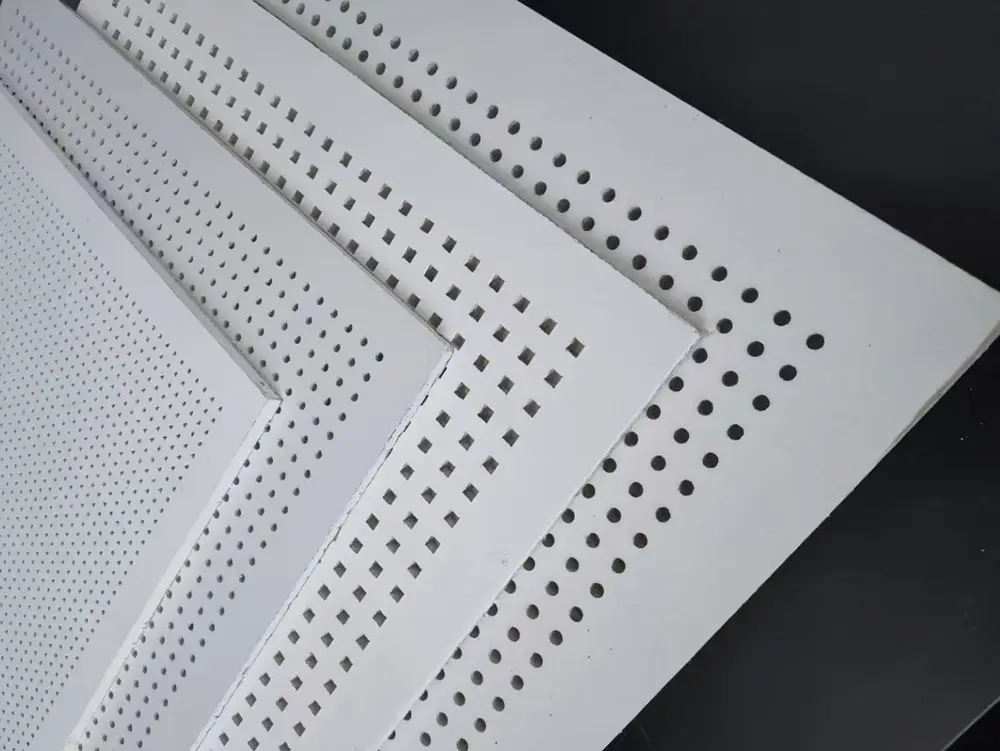 LEAO® Perforated Ceiling
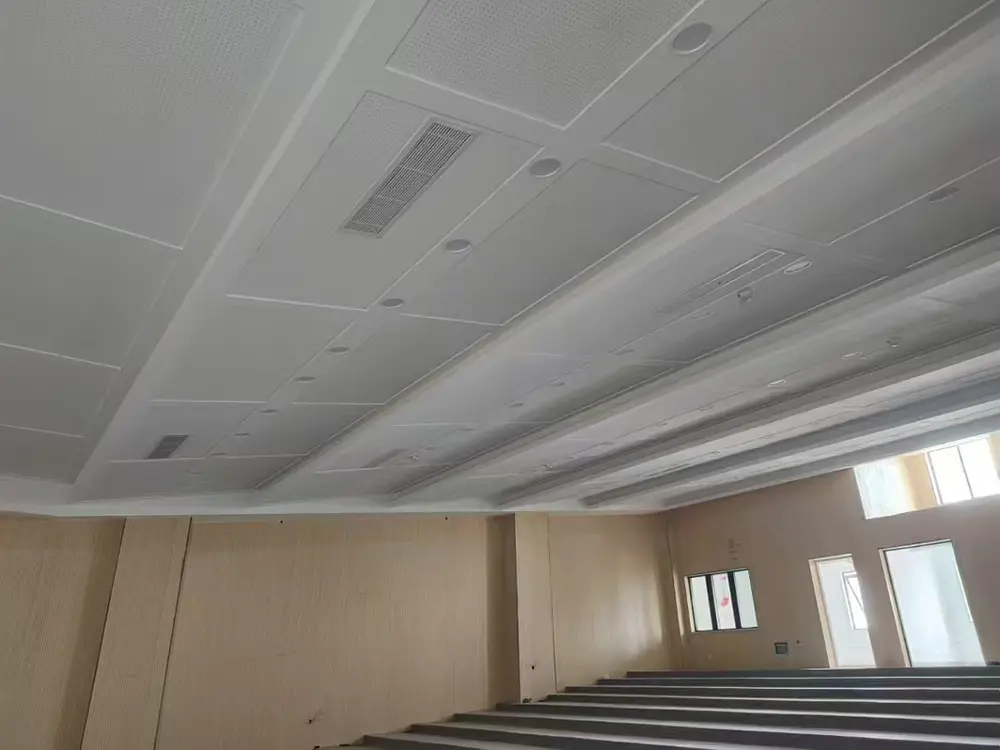 LEAO® Ceiling Board
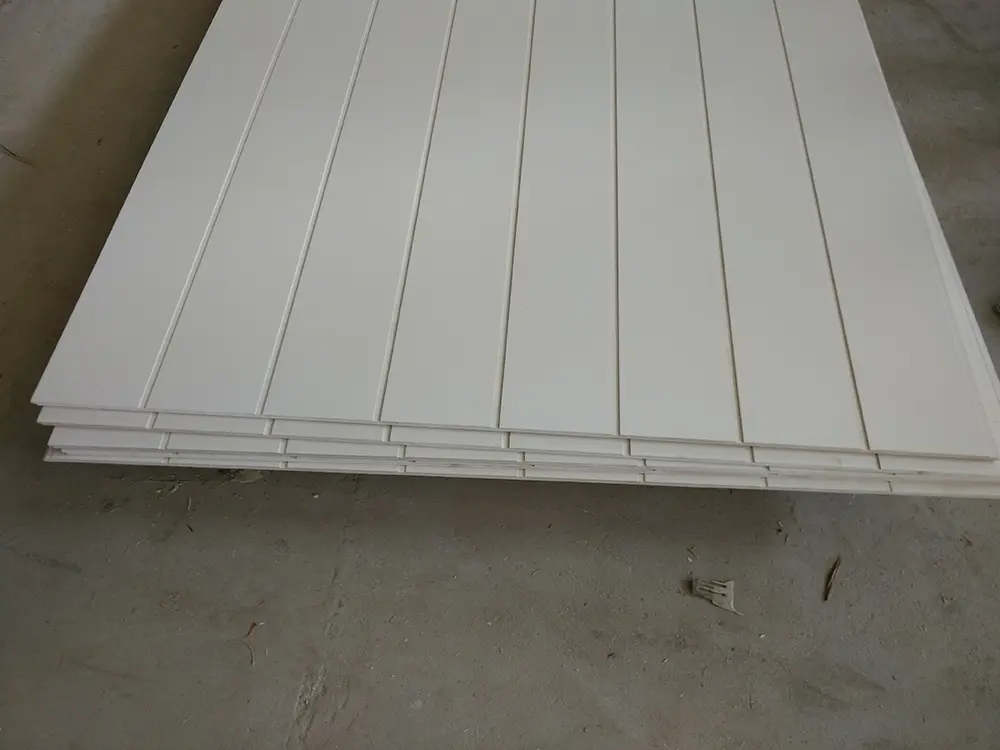 LEAO® Groove Interior Panel
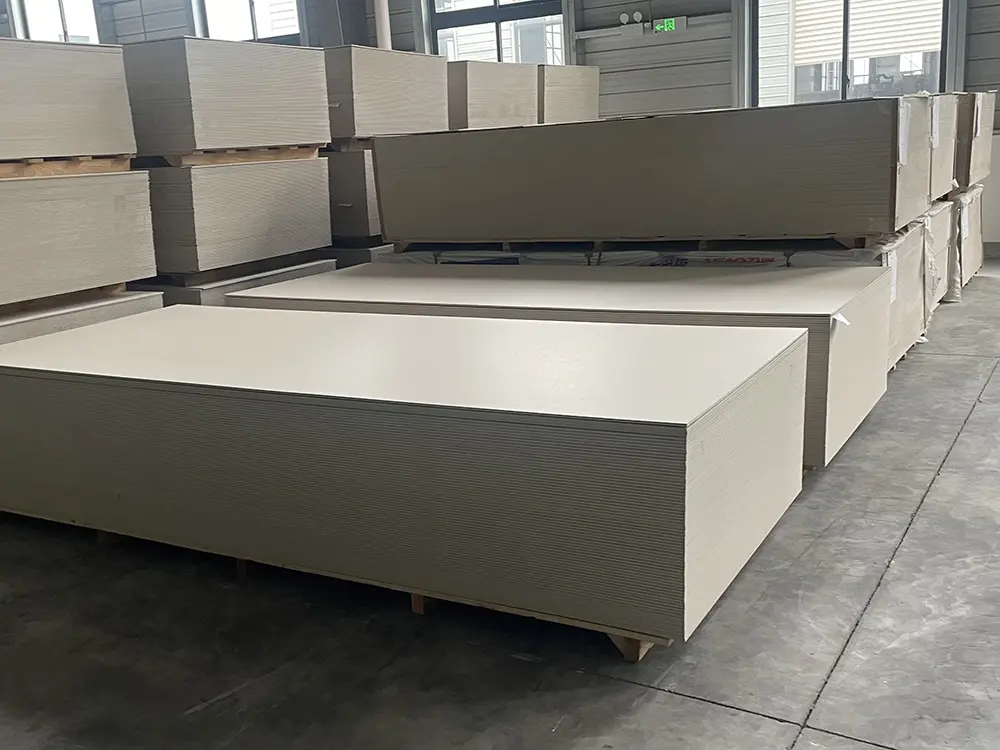 LEAO® Interior Board
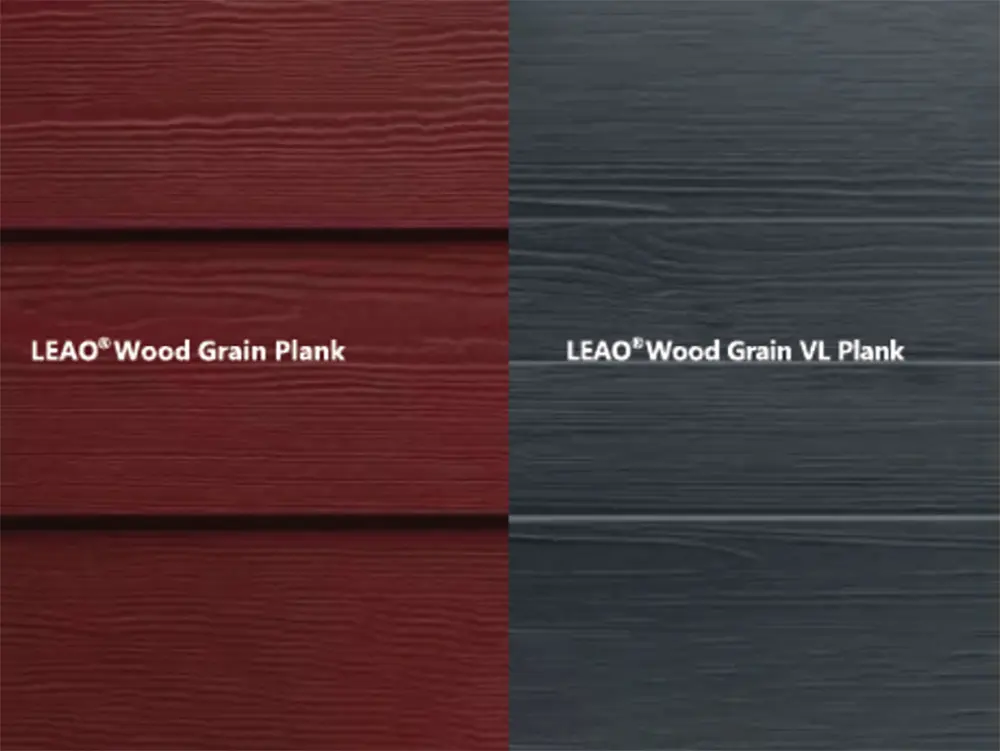 LEAO® Wood Grain Plank
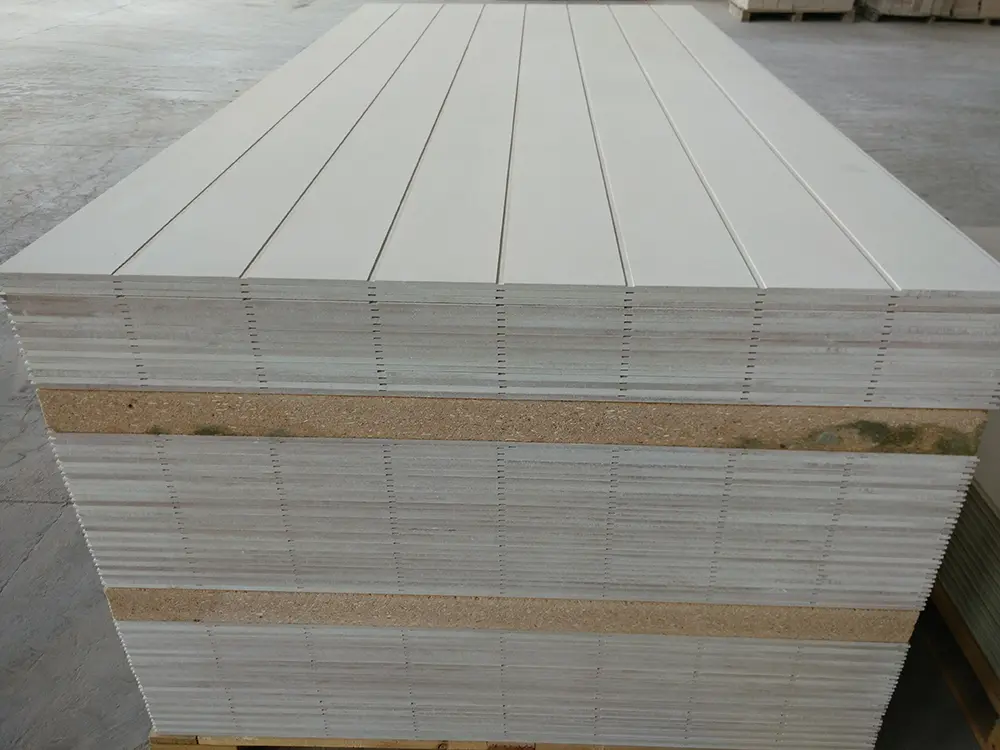 LEAO® Grooved Exterior Panel
 LEAO® Weatherboard
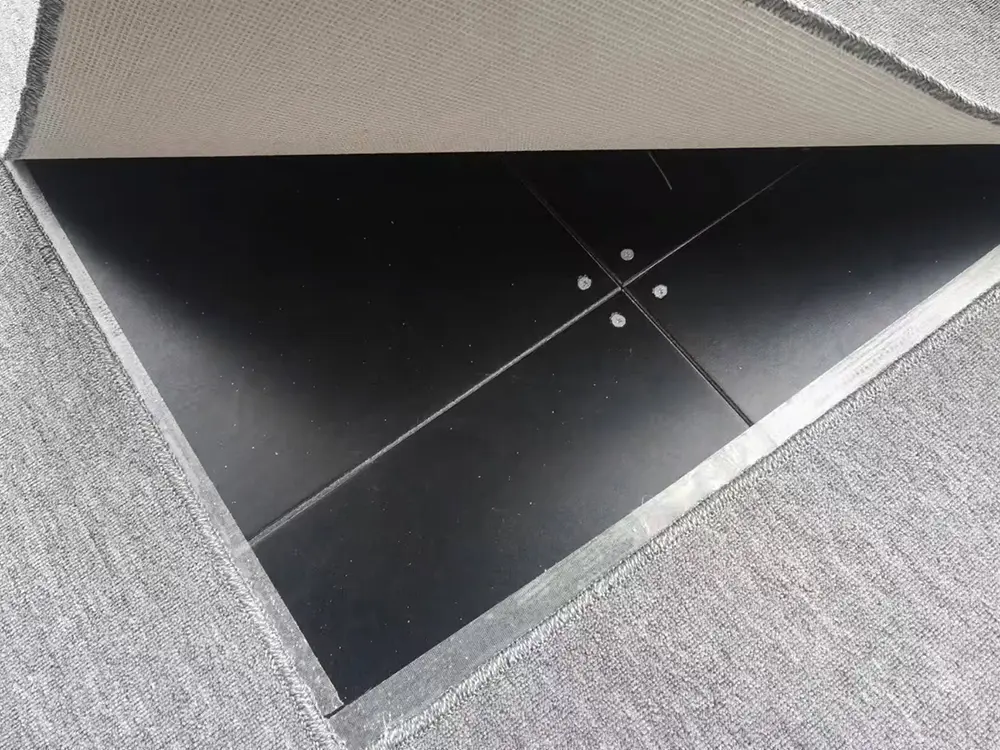 LEAO® Access Floors
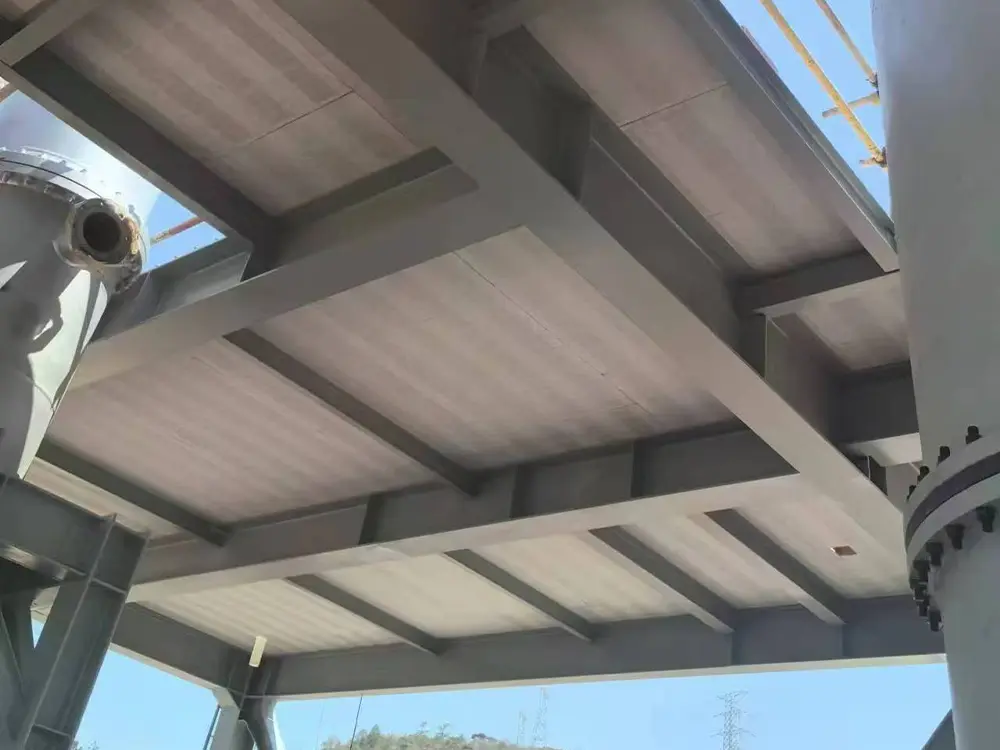 LEAO® Non-removable Formwork
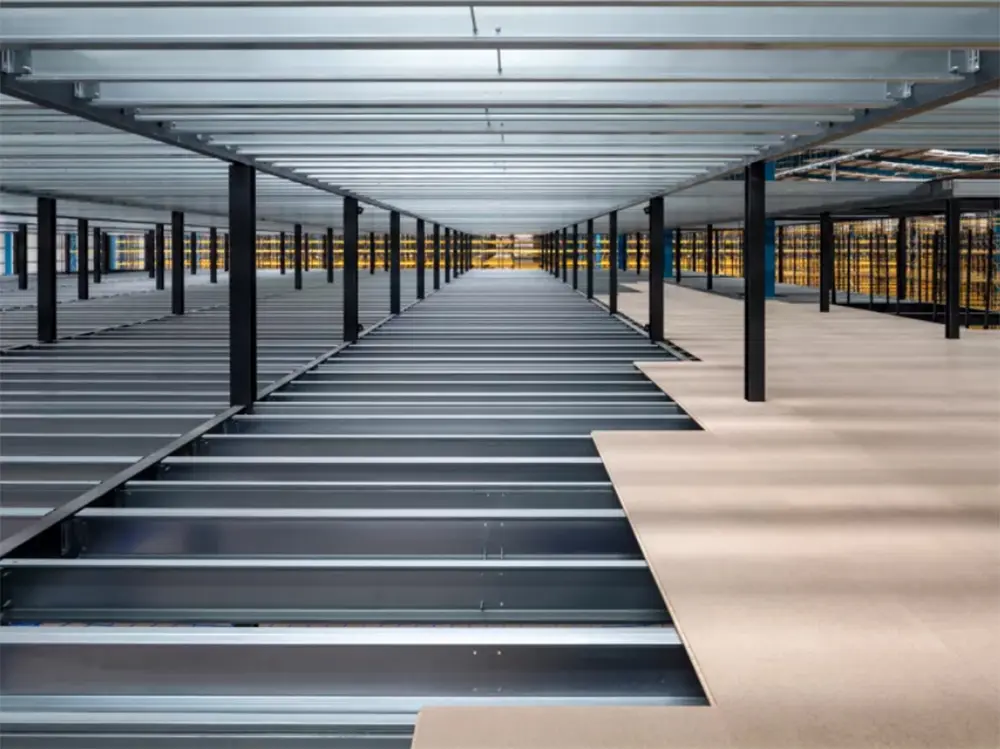 LEAO® Mezzanine Board
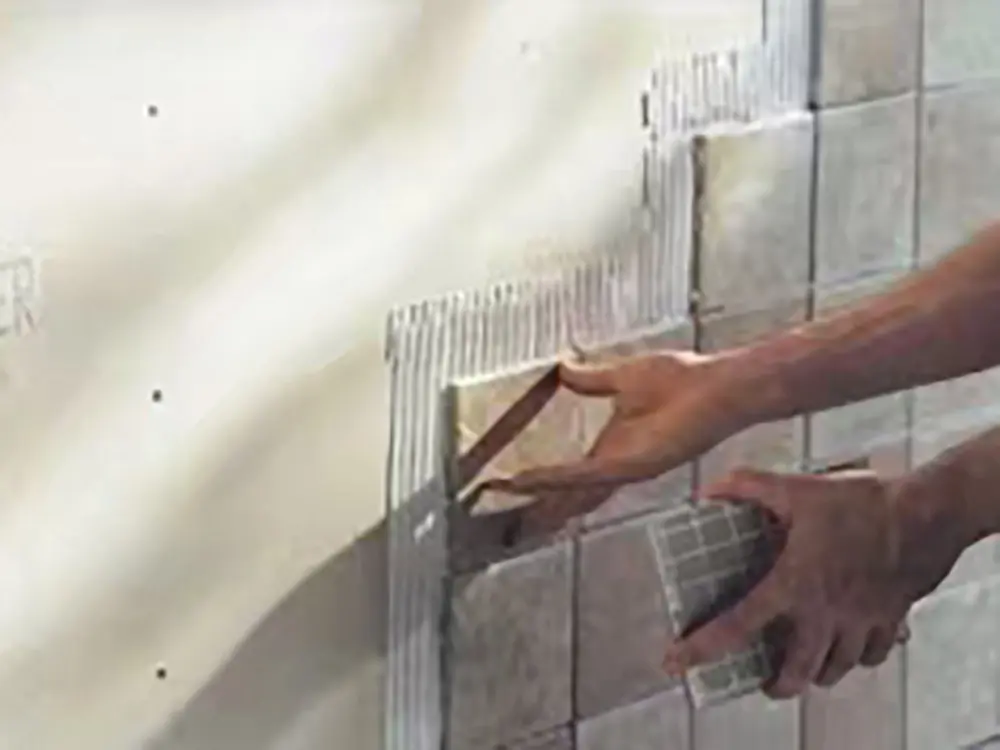 LEAO® Ceramic Tile Underlay
 LEAO® Floor Plank
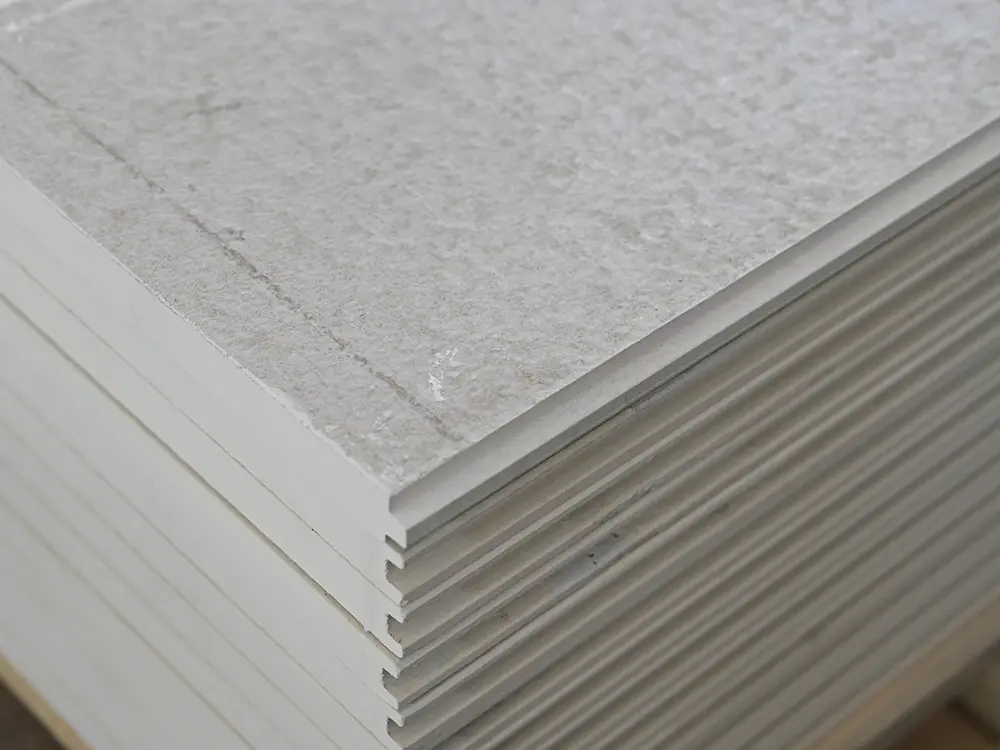 LEAO® Flooring
 LEAO® Wood Style Decorative Panel
 LEAO® Stone Style Decorative Panel
 LEAO® Pure Style Decorative Panel