Top 10 Fiber Cement Floor Underlay Manufacturers Worldwide
Choosing the right Fiber Cement Floor Underlay is rarely a simple price comparison. It affects floor stability, moisture control, acoustic comfort, fire performance, and installation quality. A weak underlay may crack around joints, telegraph unevenness, or fail when exposed to repeated humidity. Small details matter.
Dr. Joseph Lstiburek, a respected building-science expert, often emphasizes, “Water is the enemy.” That warning remains practical here. Fiber cement panels must be evaluated for moisture movement, substrate compatibility, fastening methods, and site conditions. Product data sheets are useful, but real installation experience reveals problems that laboratory figures may not show.
This guide examines ten manufacturers serving international markets. The comparison considers technical documentation, manufacturing consistency, product dimensions, edge design, regional availability, environmental information, and installer support. It also considers whether each company explains limitations clearly. That part is easy to overlook.
No ranking is perfect.
Markets differ. Standards differ. Contractors also work differently. A panel performing well on a dry residential project may require extra planning in a humid renovation. Some manufacturers offer impressive specifications but limited local distribution. Others provide practical support yet publish less detailed testing information. Those gaps deserve attention.
Readers should verify current certifications, warranty terms, installation instructions, and local building requirements before selecting a product. The strongest manufacturer is not always the most famous. It is the one whose Fiber Cement Floor Underlay matches the project’s substrate, climate, traffic level, and workmanship. That judgment requires evidence, caution, and a willingness to question attractive claims.
Fiber Cement Floor Underlay: Definition, Structure, and Key Functions
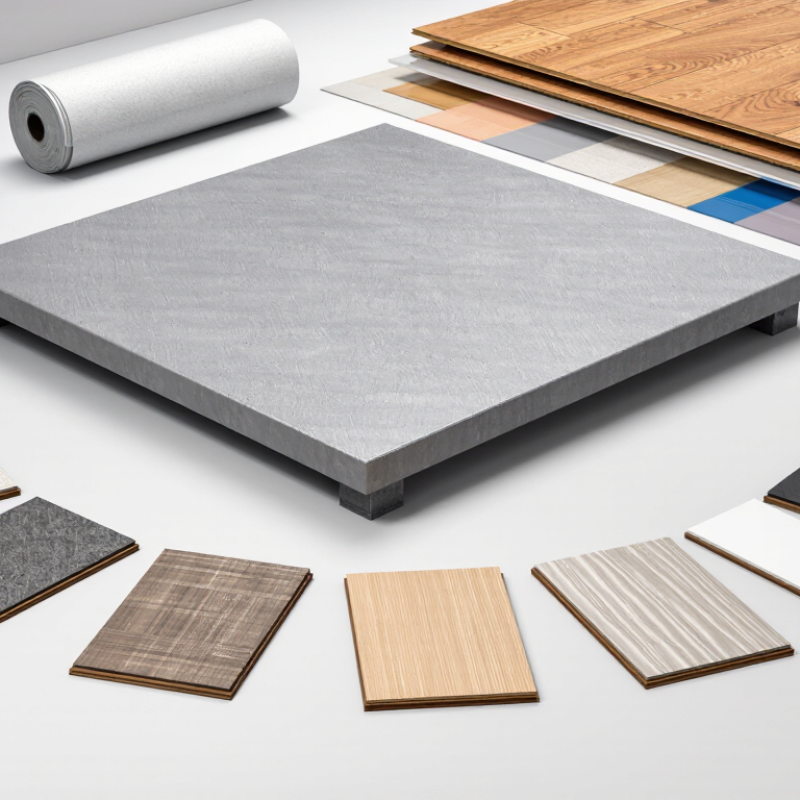
Fiber cement floor underlay is a rigid sheet installed between the subfloor and finished flooring. It usually combines Portland cement, cellulose or mineral fibers, silica, and performance additives. High-pressure forming creates a dense, stable panel. Typical sheets measure about 6–12 millimeters thick, depending on load and flooring requirements.
The structure performs several practical jobs. It spreads point loads from furniture and foot traffic across the subfloor. It also creates a flatter base for tile, vinyl, and other floor finishes. Compared with gypsum-based panels, fiber cement generally offers stronger moisture tolerance and better dimensional stability. ASTM C1288 and ISO 8336 provide useful benchmarks for fiber-cement sheet performance, although installation conditions still matter greatly.
Market data shows why this material remains relevant. Grand View Research estimated the global fiber-cement market at roughly US$17 billion in 2023, with continued growth expected through the decade. That figure covers more than floor underlay, but it reflects strong demand for durable cement-based panels. The weak point is often overlooked. Fiber cement is heavy, can crack when poorly supported, and does not automatically solve movement in timber floors. Careful joint spacing, screw placement, substrate checks, and manufacturer-approved adhesives are essential. No panel is universally ideal.
How Global Manufacturers Are Evaluated and Ranked
Top 10 Fiber Cement Floor Underlay Manufacturers Worldwide
Global manufacturers should be ranked by verified performance, not advertising visibility. A reliable evaluation begins with product testing, factory experience, and documented quality controls. Reviewers should examine flexural strength, moisture resistance, dimensional stability, fire behavior, and acoustic performance. These factors affect how underlay performs beneath tile, stone, or resilient flooring.
Independent laboratory reports provide stronger evidence than sales claims. Factory audits can reveal curing consistency, raw material controls, dust management, and batch traceability. Evaluators should also check compliance with relevant regional standards and installation guidance. Customer references matter, especially when projects face humidity, heavy traffic, or repeated temperature changes. Delivery reliability and technical support deserve weight too. A low price can hide costly failures.
Tips:
Use a transparent scoring system. Assign clear weights to testing, certification, production capacity, sustainability, service, and verified project history. Separate confirmed evidence from manufacturer statements. Visit production sites when practical. Ask for recent samples, not only polished brochures. No ranking is perfect. Market data changes, and some evidence remains difficult to compare across countries. Reviewers should disclose these limits and update results when new test records or field feedback become available. This approach produces a more balanced list of leading manufacturers.
Product Features, Certifications, and Regional Market Coverage
When comparing the top 10 fiber cement floor underlay manufacturers worldwide, product features should match local installation conditions. Dense panels resist compression beneath tile, stone, and floating floors. Moisture-resistant formulations suit bathrooms and humid coastal regions. Some panels also improve impact control and reduce minor subfloor movement. However, “water resistant” does not mean waterproof.
Certifications provide stronger evidence than marketing claims. Look for testing under ASTM C1288, EN 12467, or equivalent national standards. ISO 9001 supports process consistency, while ISO 14001 indicates structured environmental management. An independently verified EPD can disclose embodied impacts and manufacturing assumptions. The 2023 UNEP Global Status Report states that buildings and construction produce about 26% of global energy-related emissions. Therefore, recycled content, low-waste cutting, and regional production deserve attention. Yet an EPD is not automatically a low-impact result.
Tips: Check panel thickness, fastener spacing, moisture testing, and warranty terms together. Confirm that certificates cover the exact product, not a related series. Regional coverage also matters. A manufacturer serving North America may follow different fire and deflection requirements from one serving Europe or Asia-Pacific. Review technical sheets in the project’s language. Ask for recent laboratory reports. I would not rank suppliers by factory size alone; installation failures often begin with unclear substrate limits. A small oversight can become a costly repair.
Top 10 Fiber Cement Floor Underlay Manufacturers Worldwide
Product features, certification references, and regional market coverage based on publicly documented specifications commonly used for fiber cement underlay products.
The benchmark uses a 10-product reference set and reports the number of products whose technical literature explicitly documents each attribute. Typical references include ASTM C1288, EN 12467, AS/NZS 2908.2, ISO 8336, and ISO 9001-related quality systems. Regional coverage reflects documented availability through distribution or technical support channels across North America, Europe, Asia-Pacific, Latin America, and the Middle East & Africa. The figures are not company sales or market-share data.
How to Compare Manufacturers for Different Flooring Projects
Comparing the top ten fiber cement floor underlay manufacturers requires more than checking price. I start with the project’s flooring type, substrate moisture, traffic level, and installation method. For tile, dimensional stability and screw spacing matter. For vinyl or engineered wood, surface smoothness and moisture control become more important. ASTM C1288 and ISO 8336 provide useful benchmarks for fiber-cement sheet performance, but certification alone does not guarantee easy installation.
Technical evidence separates experienced manufacturers from capable marketers. Request test reports for water absorption, flexural strength, thickness tolerance, fire behavior, and fastener holding. Check whether data comes from independent laboratories. I also examine product traceability, installation instructions, regional compliance, and technical support response times. The UNEP and GlobalABC 2023 Global Status Report states that buildings and construction produced about 37% of global energy and process-related carbon emissions in 2022. Therefore, compare environmental product declarations, recycled content, factory energy sources, and transport distance. The cheapest board may create more waste.
Tips: Obtain samples before ordering. Place one sheet over a slightly uneven floor. Inspect edge damage, dust, warping, and screw seating. Ask manufacturers for project references with similar humidity and loading conditions. A polished brochure is not proof. I once underestimated delivery packaging, and damaged corners delayed installation. That mistake still affects my comparison checklist. For large projects, calculate total installed cost, including cutting waste, labor time, moisture protection, and replacement risk.

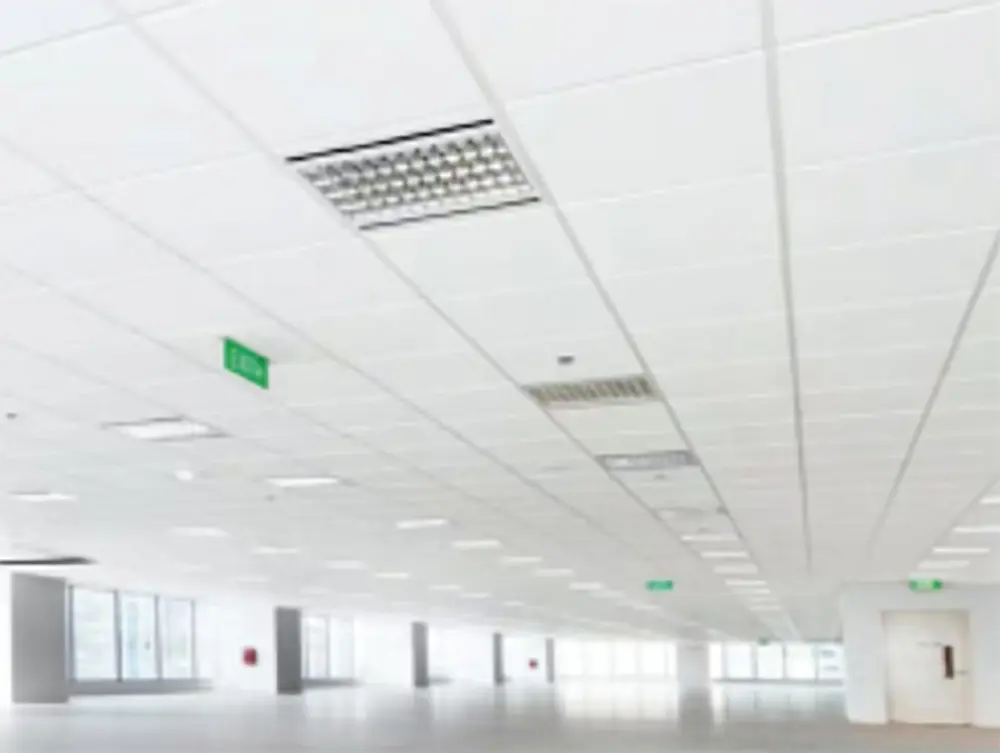 LEAO®Deco Ceiling
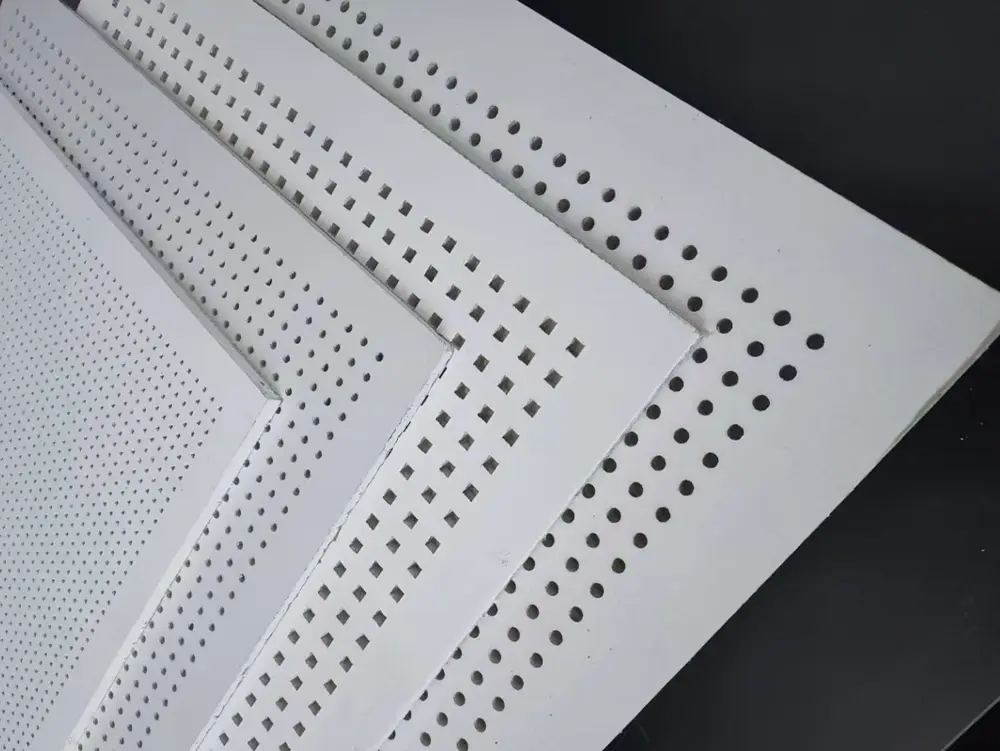 LEAO® Perforated Ceiling
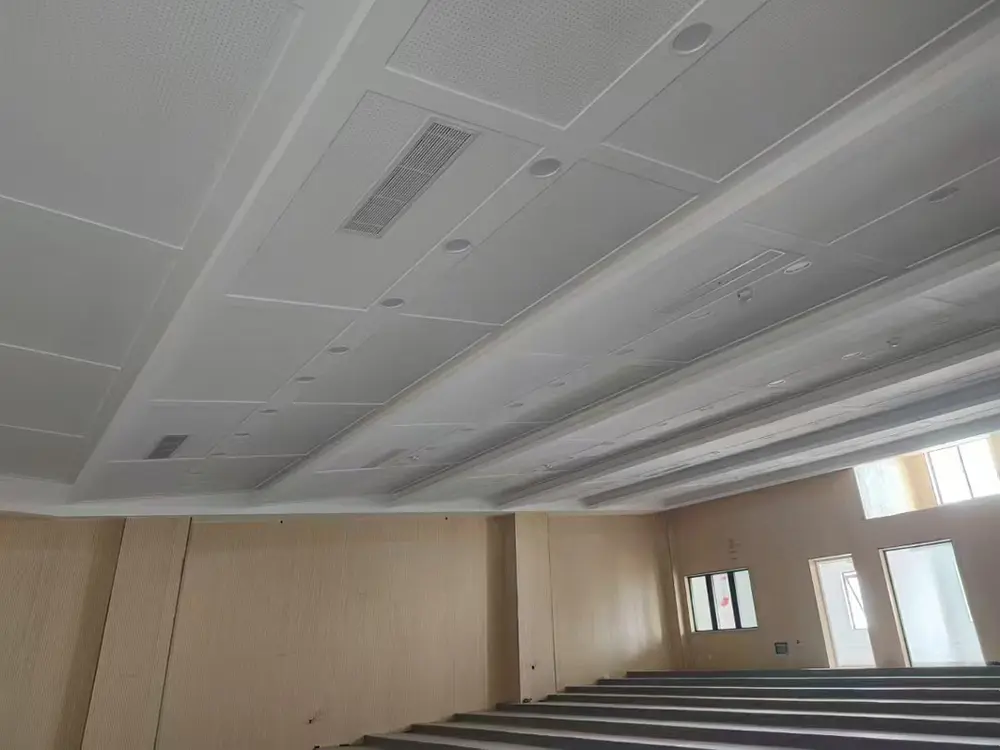 LEAO® Ceiling Board
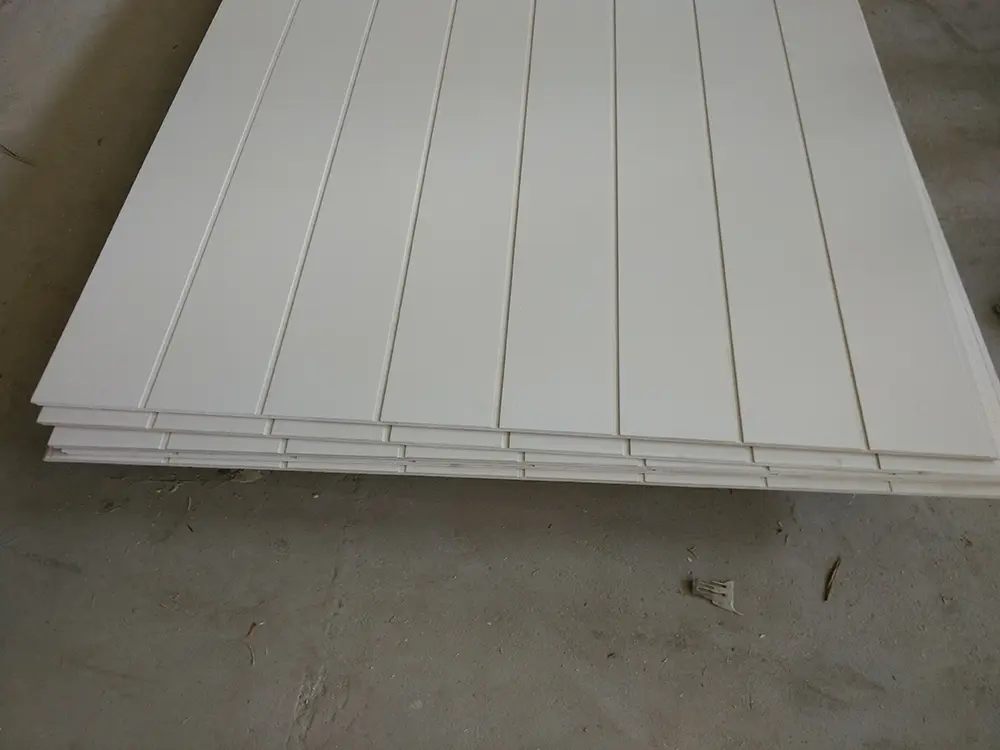 LEAO® Groove Interior Panel
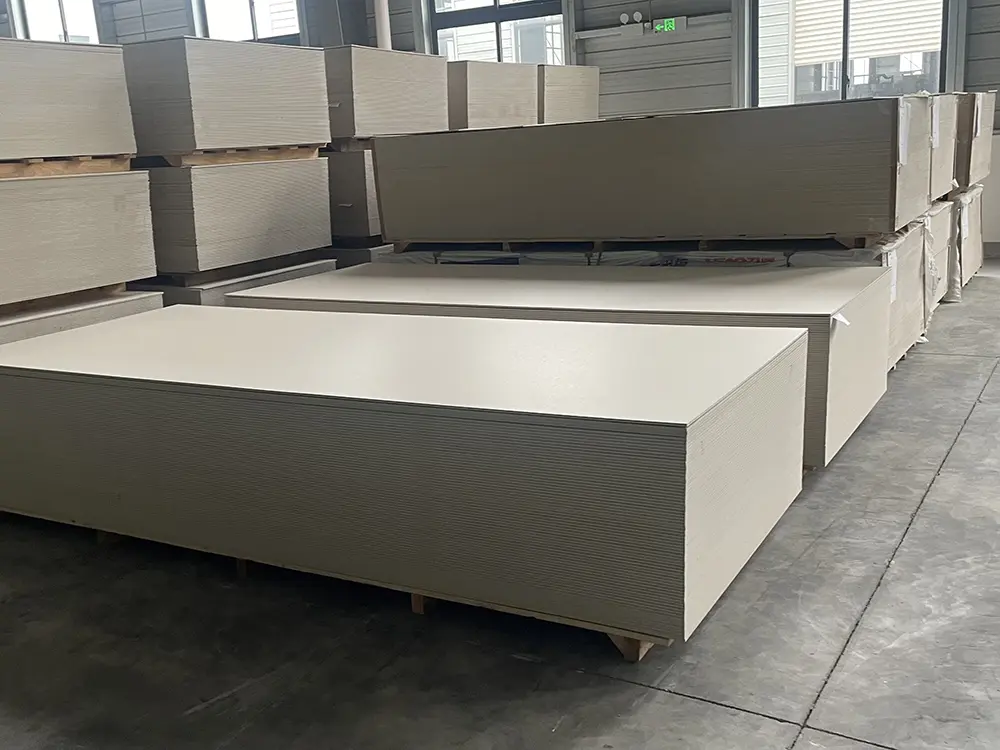 LEAO® Interior Board
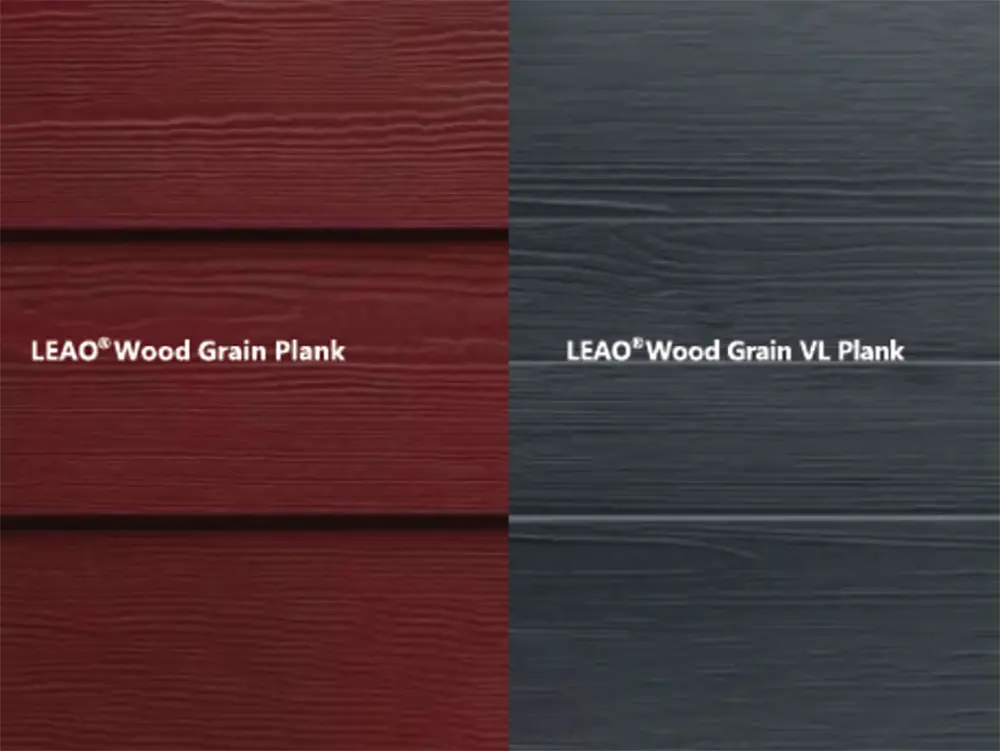 LEAO® Wood Grain Plank
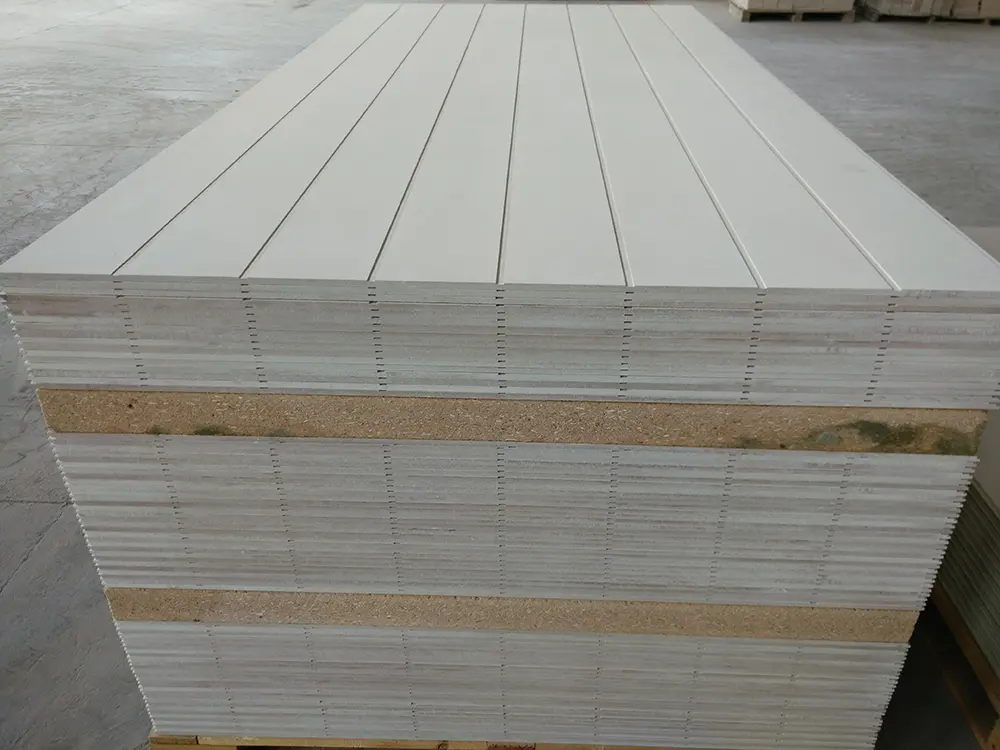 LEAO® Grooved Exterior Panel
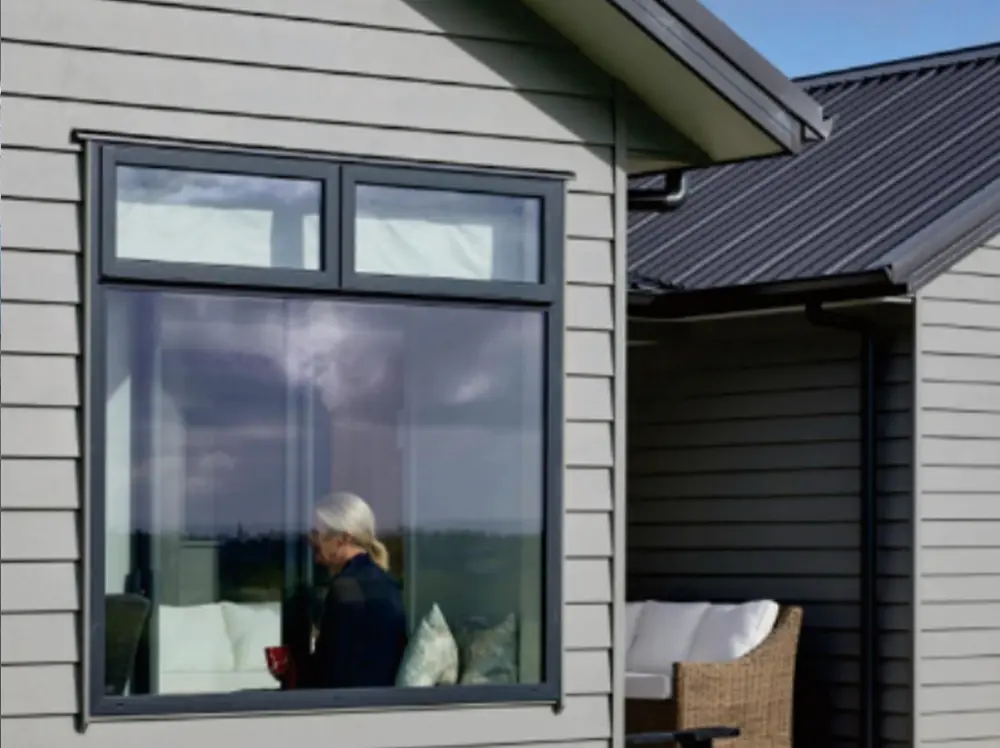 LEAO® Weatherboard
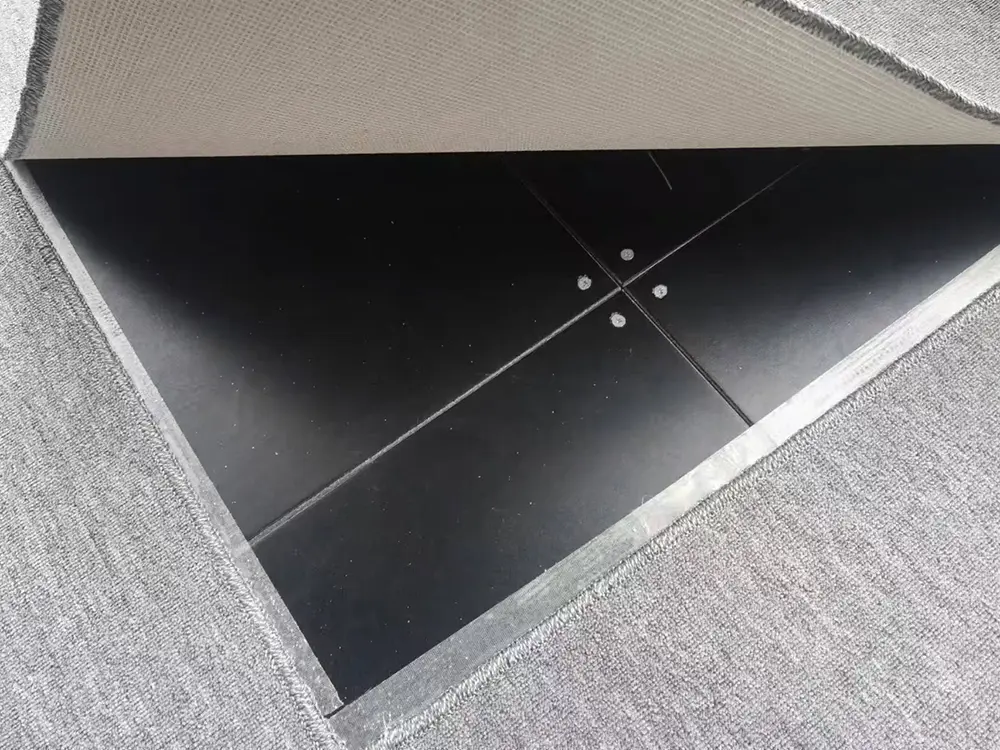 LEAO® Access Floors
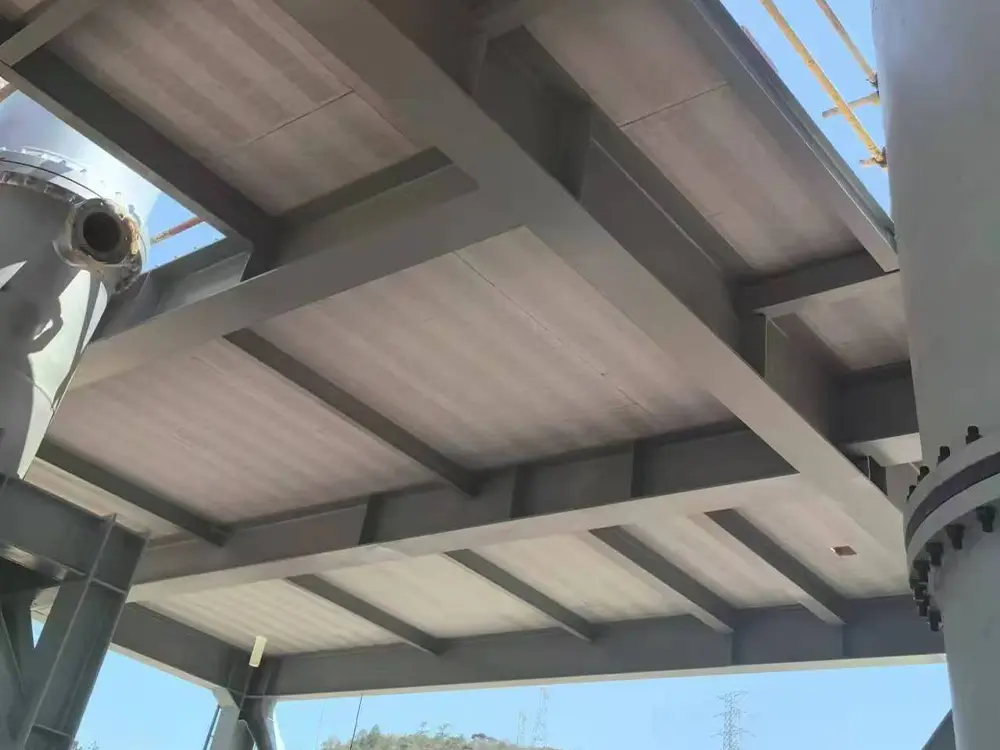 LEAO® Non-removable Formwork
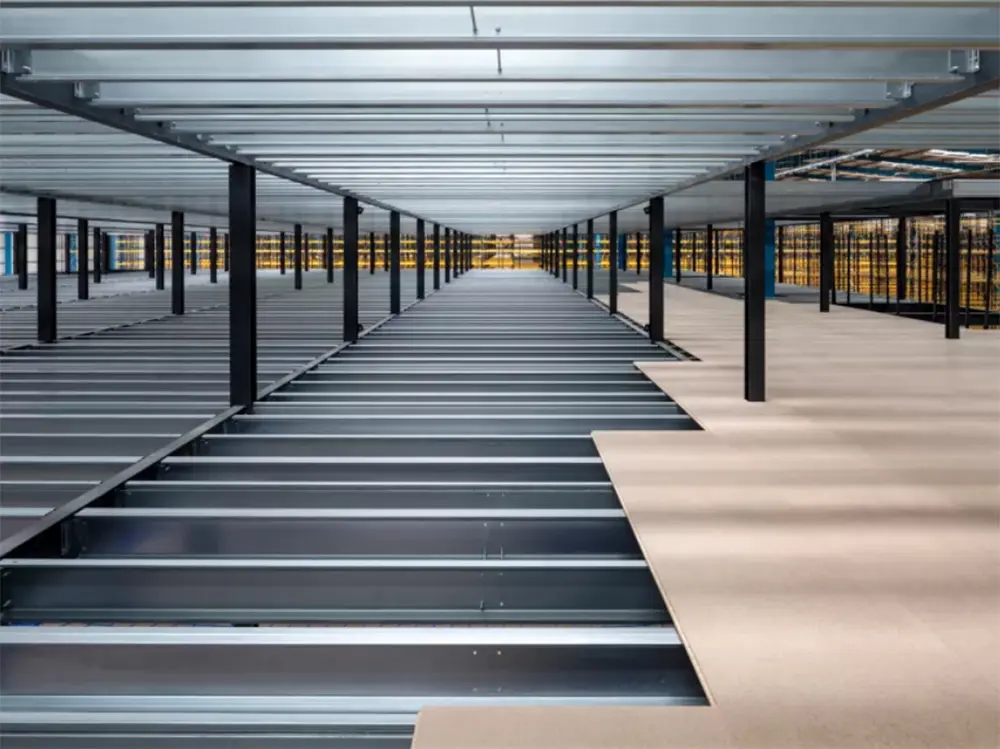 LEAO® Mezzanine Board
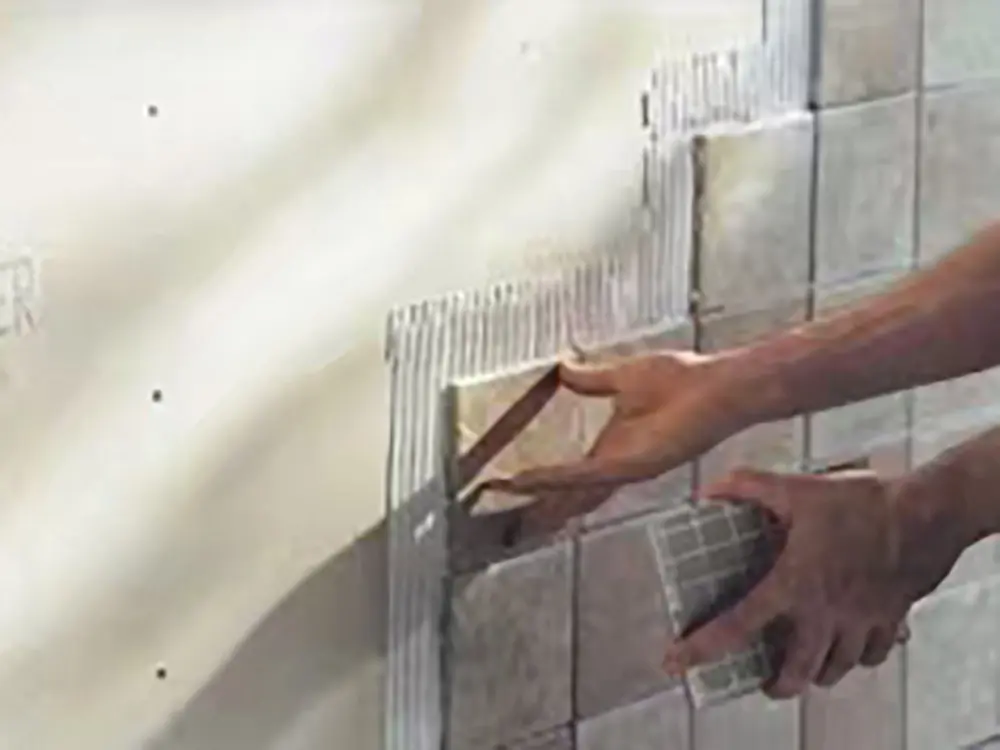 LEAO® Ceramic Tile Underlay
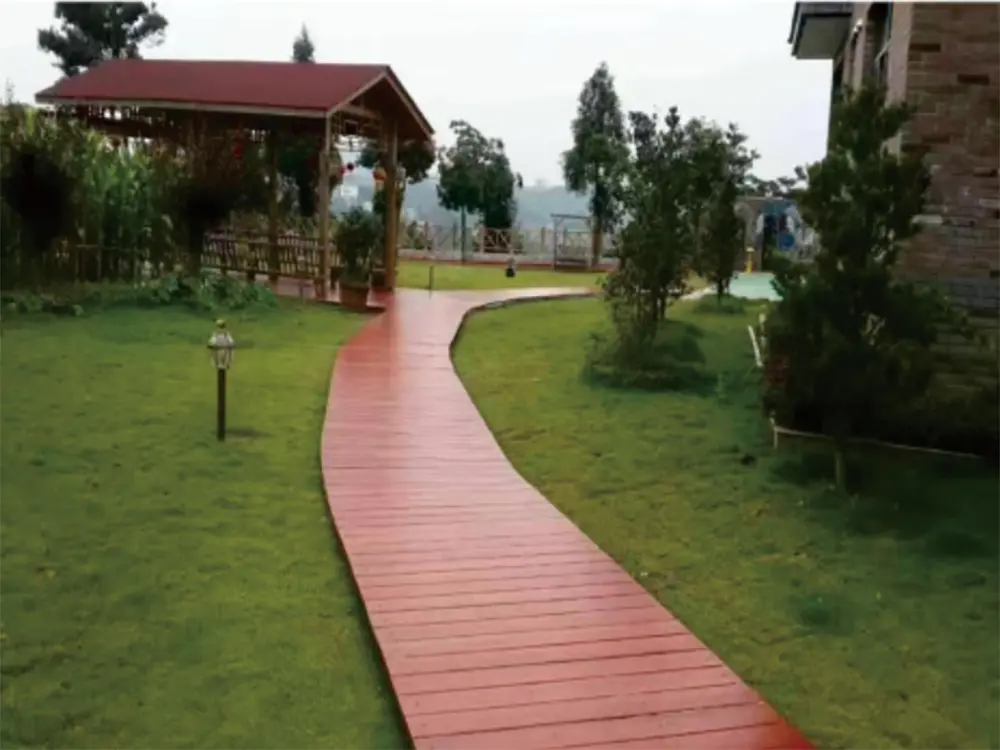 LEAO® Floor Plank
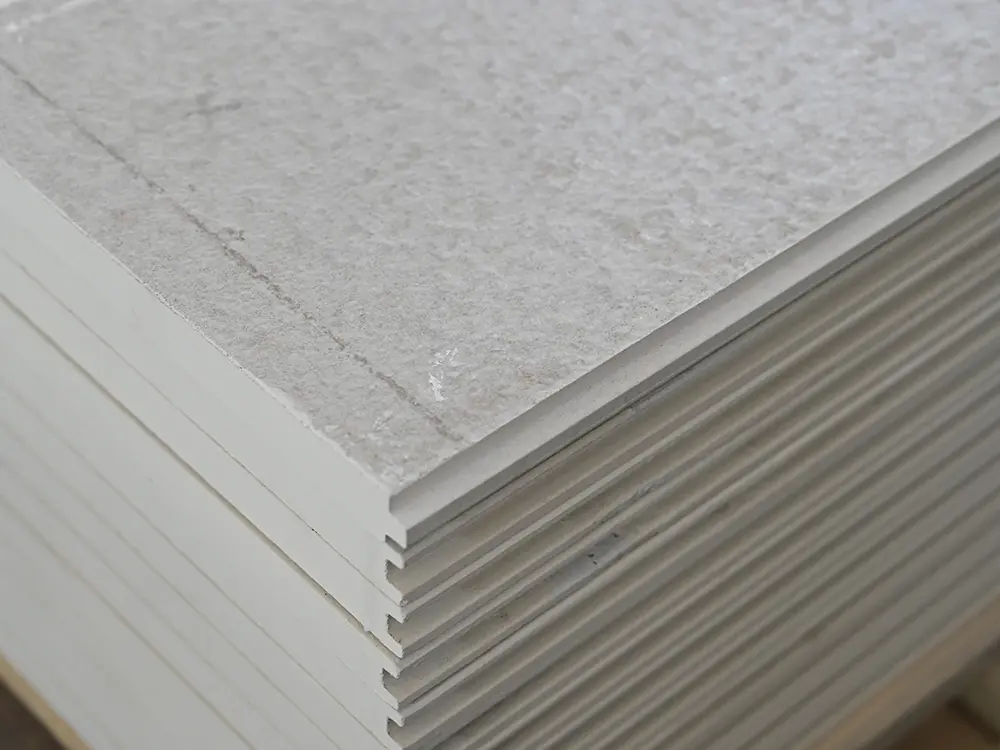 LEAO® Flooring
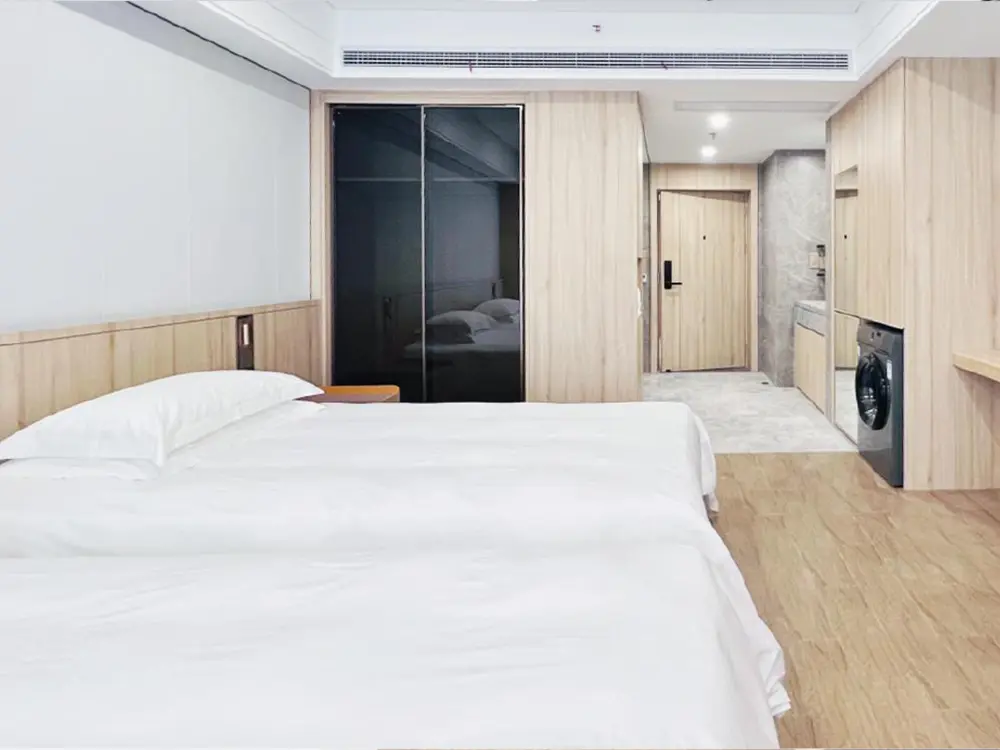 LEAO® Wood Style Decorative Panel
 LEAO® Stone Style Decorative Panel
 LEAO® Pure Style Decorative Panel