China Best Fiber Cement Fascia Board for Global Buyers?
In the competitive landscape of building materials, the importance of quality cannot be overstated. For global buyers, the Fiber Cement Fascia Board stands out as a reliable choice. Industry expert Dr. Emily Zhang states, "The Fiber Cement Fascia Board delivers durability and aesthetic appeal." This is crucial for buyers interested in both functionality and design in their projects.
Fiber Cement Fascia Boards are engineered for performance. They resist moisture, rot, and pests better than many alternatives. Buyers should consider the longevity these boards provide. A quality product can reduce maintenance costs over time, making it a wise investment. Yet, the market is filled with options, and not all are equal.
Choosing the right Fiber Cement Fascia Board requires careful consideration. Buyers must evaluate suppliers based on expertise and credibility. Some boards may fall short on quality or reliability, leading to regrets later. The decision is not just about cost; it's about value and trust in the product.
Overview of Fiber Cement Fascia Boards and Their Uses
Fiber cement fascia boards are becoming increasingly popular due to their versatility and durability. These boards offer both aesthetic appeal and functional benefits for various construction projects. According to a recent industry report, the global fiber cement market is projected to grow at a CAGR of 4.5% from 2021 to 2027. This growth is fueled by the increasing demand for sustainable materials in construction.
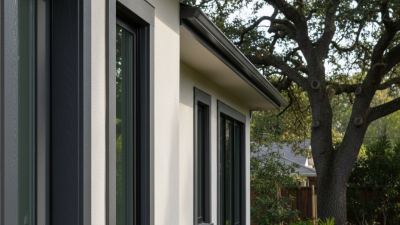
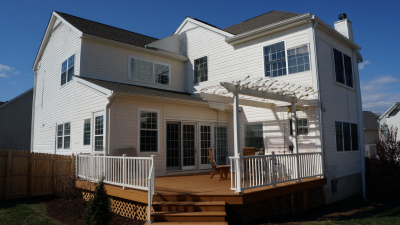
These boards are primarily used in building facades, eaves, and soffits. They provide a robust barrier against moisture while enhancing the home's exterior. The material is resistant to rot, termites, and harsh weather conditions. Studies show that fiber cement can last over 50 years when properly maintained. However, installation requires precision, as improper handling can lead to cracking or other issues.
While many builders appreciate fiber cement for its longevity, some express concerns about its weight compared to traditional materials. This can complicate handling and installation. Manufacturers must address these challenges to optimize ease of use. Additionally, ensuring seamless integration with other building elements remains a point for improvement. The evolving market dynamics underscore the need for ongoing education and innovation in this sector.
Key Advantages of Choosing Fiber Cement for Construction Projects
Fiber cement has shown remarkable advantages for construction projects. According to a report by the Portland Cement Association, fiber cement products have a lower environmental impact compared to traditional materials. They are made from natural resources and contain less harmful chemicals. This makes them safer for both the builders and the environment.
Durability is one of the key benefits of fiber cement. The material is resistant to moisture, which minimizes the risk of rot and warping. A study by the National Association of Home Builders found that fiber cement boards can last 50 years or more with minimal maintenance. This longevity can outweigh higher initial costs, making it a compelling choice for long-term projects.
Despite these benefits, some contractors might hesitate. Installation can be challenging and time-consuming compared to vinyl or wood. It requires skilled labor and appropriate tools. Understanding these challenges is crucial for project planning. Overall, the advantages of fiber cement in construction vastly outweigh its drawbacks when chosen thoughtfully.
Advantages of Fiber Cement Fascia Board
The chart above illustrates the key advantages of using fiber cement fascia boards in construction projects. Each advantage is scored on a scale from 1 to 10, highlighting their significance for global buyers. Fiber cement boards are known for their durability, fire resistance, low maintenance needs, minimal environmental impact, and aesthetic versatility, making them a top-choice material in modern construction.
Leading Manufacturers of Fiber Cement Fascia Boards in China
When it comes to fiber cement fascia boards, China stands out as a prominent manufacturing hub. This material is known for its durability and aesthetic appeal. As global demand increases, several leading manufacturers in China are stepping up to meet the needs of international buyers.
These manufacturers utilize advanced technology and raw materials to produce high-quality fascia boards. Many facilities have implemented strict quality control measures. However, variations in thickness and finish can still occur, which may affect end-user satisfaction. Potential buyers need to assess their specific requirements carefully.
Sourcing these products from China could be beneficial. Yet, it's crucial to choose manufacturers with proven track records. Communication challenges may arise, and language barriers can complicate negotiations. Buyers should ensure they conduct thorough due diligence. This involves reviewing certifications and gathering information on production practices.
Global Market Trends and Demand for Fiber Cement Products
The global market for fiber cement products is experiencing significant growth. Many builders and architects now favor these materials for their durability and versatility. Fiber cement fascia boards are particularly gaining attention for their aesthetic appeal and long-lasting performance.
Tips: Consider local climate conditions when choosing fiber cement products. Moisture levels can impact the material’s longevity.
The demand for sustainable building materials is also on the rise. Fiber cement products often use eco-friendly components, making them appealing in today’s market. However, sourcing quality products can be challenging. Some manufacturers may not use the best raw materials, which can affect performance.
Tips: Always check certifications and guidelines. This helps ensure product reliability.
Market trends indicate a shift towards customizable options. Many buyers seek unique designs to set their projects apart. Understanding these preferences can lead to better purchasing decisions. Nonetheless, balancing creativity with practicality remains a challenge for many in the industry.
Considerations for Selecting the Best Fiber Cement Fascia Board
When selecting the best fiber cement fascia board, several factors come into play. Consider durability, as this material should withstand various environmental stresses. Look for products that resist moisture, insects, and fire.
These boards should offer excellent longevity to reduce replacement costs over time.
Aesthetic appeal also matters. Choose a fascia board that complements your building's design. The color and texture can significantly impact the overall look. Manufacturers offer a variety of styles, ensuring you find a match for your vision.
Installation is another key consideration. Some fiber cement fascia boards require special tools or techniques. Ensure that your team is skilled in handling such materials. It’s crucial to verify that the installation process is straightforward to avoid future complications.
Each of these points requires thoughtful reflection. Balancing practicality with style can be challenging but essential.

 LEAO®Deco Ceiling
 LEAO® Perforated Ceiling
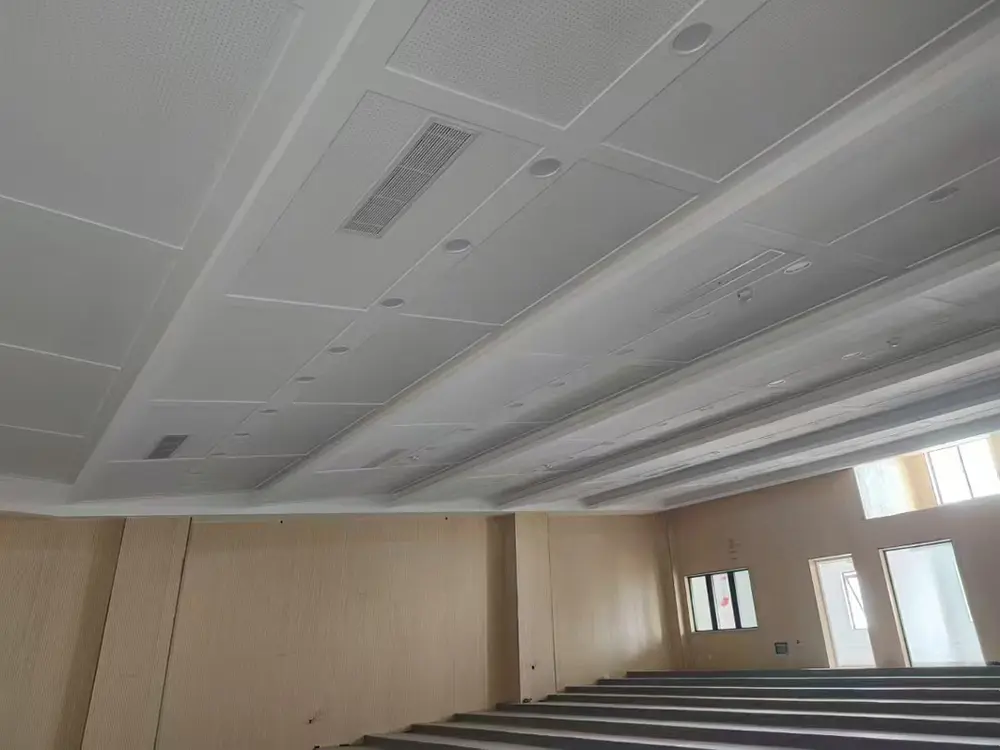 LEAO® Ceiling Board
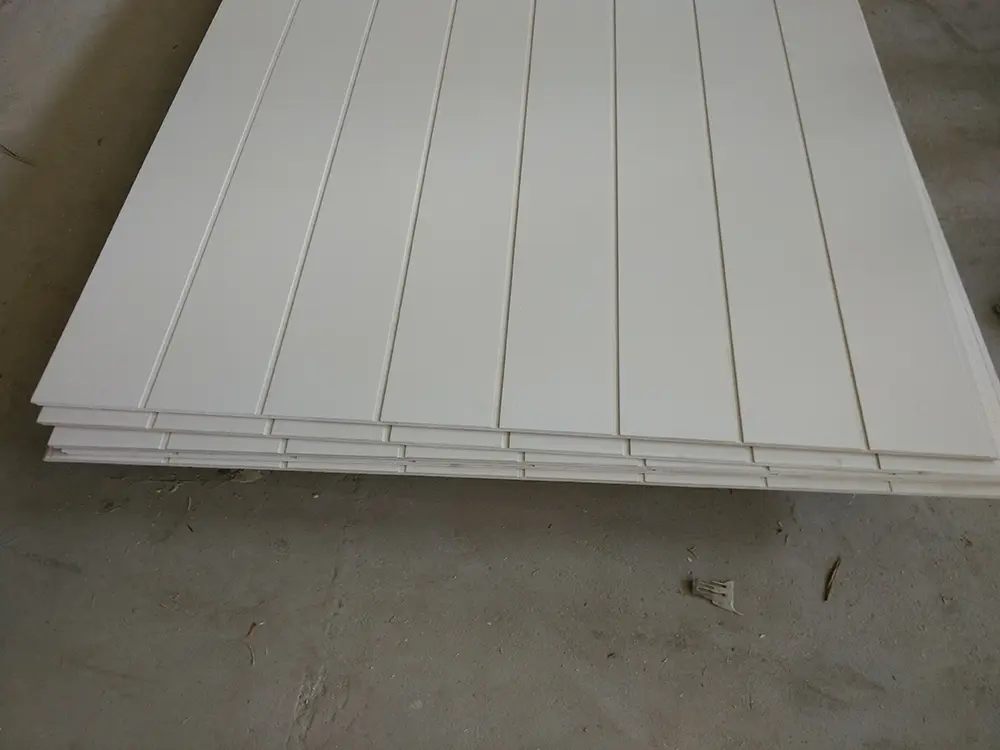 LEAO® Groove Interior Panel
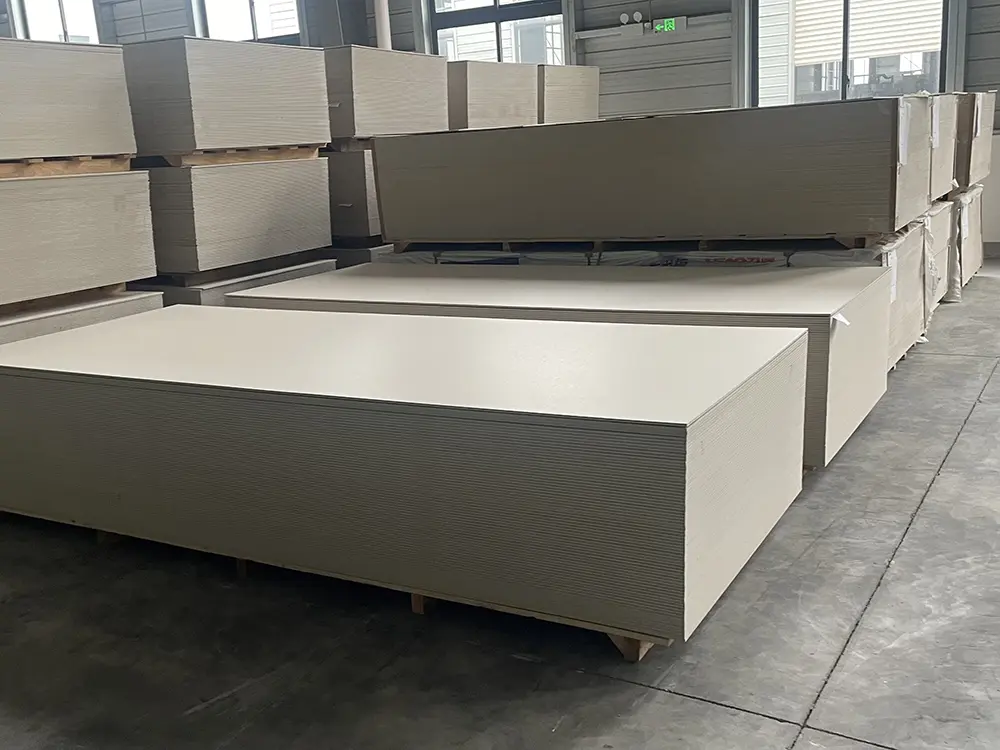 LEAO® Interior Board
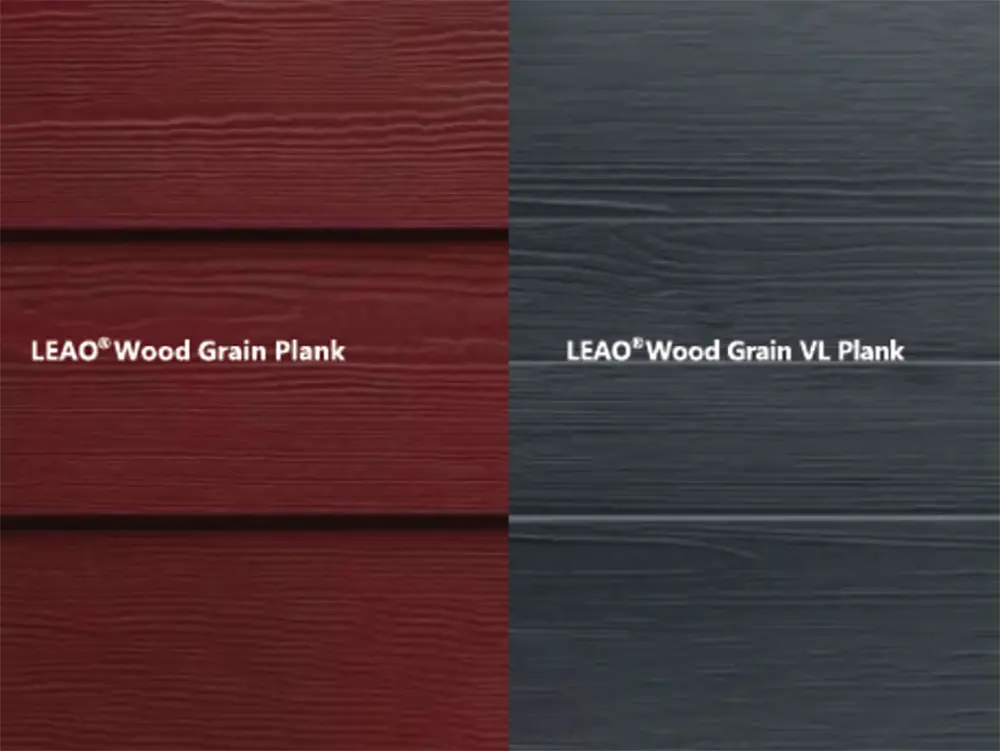 LEAO® Wood Grain Plank
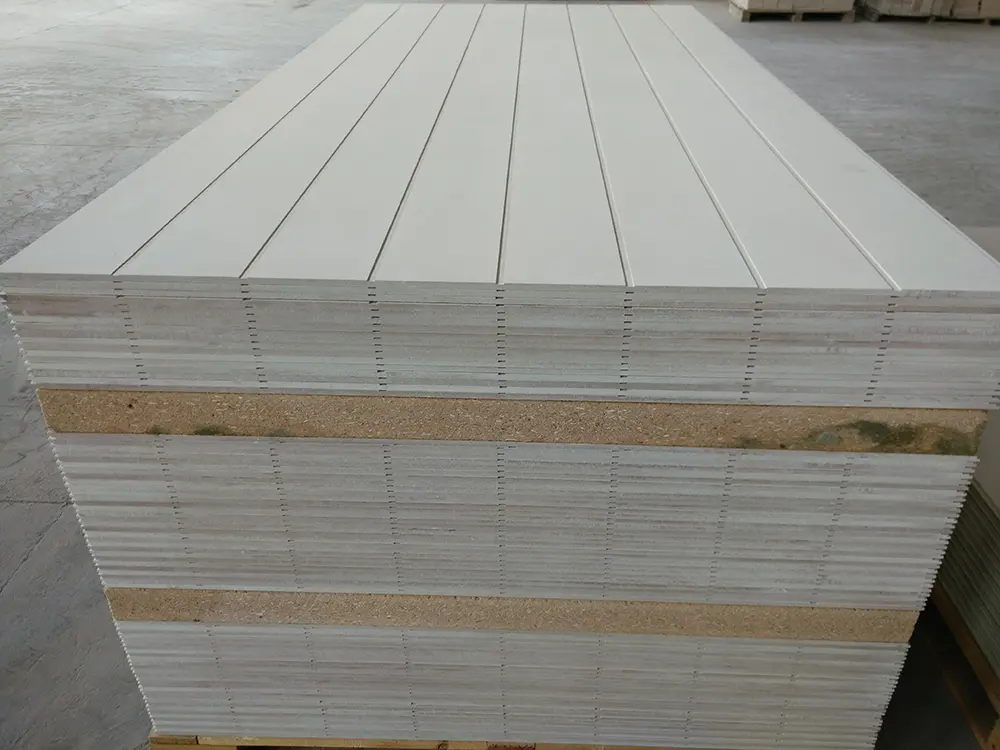 LEAO® Grooved Exterior Panel
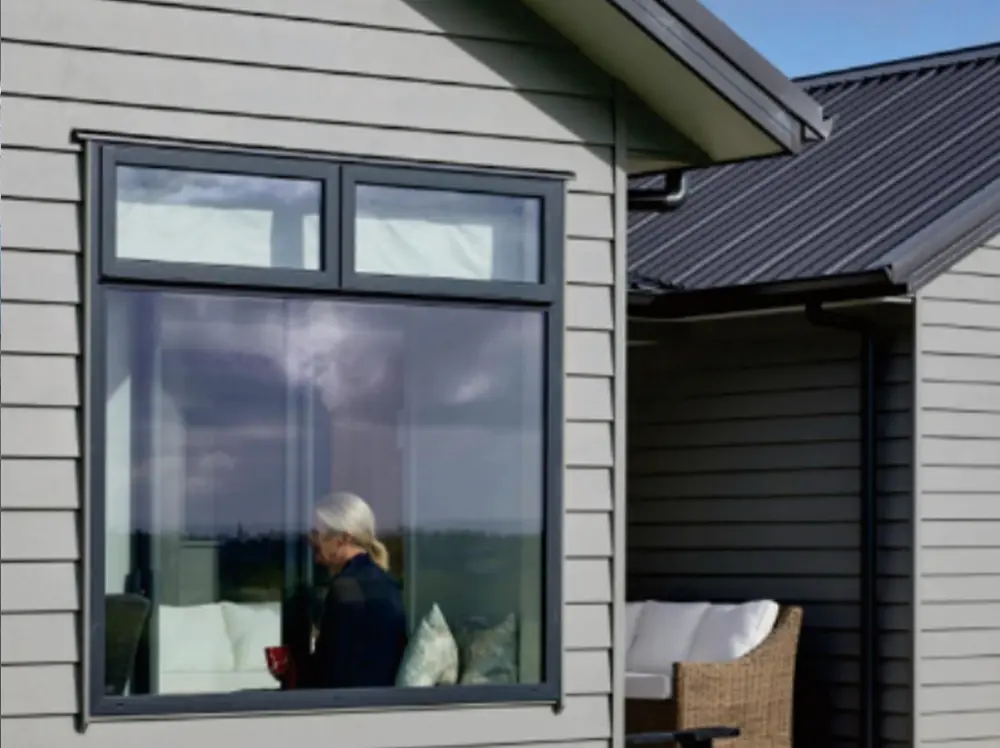 LEAO® Weatherboard
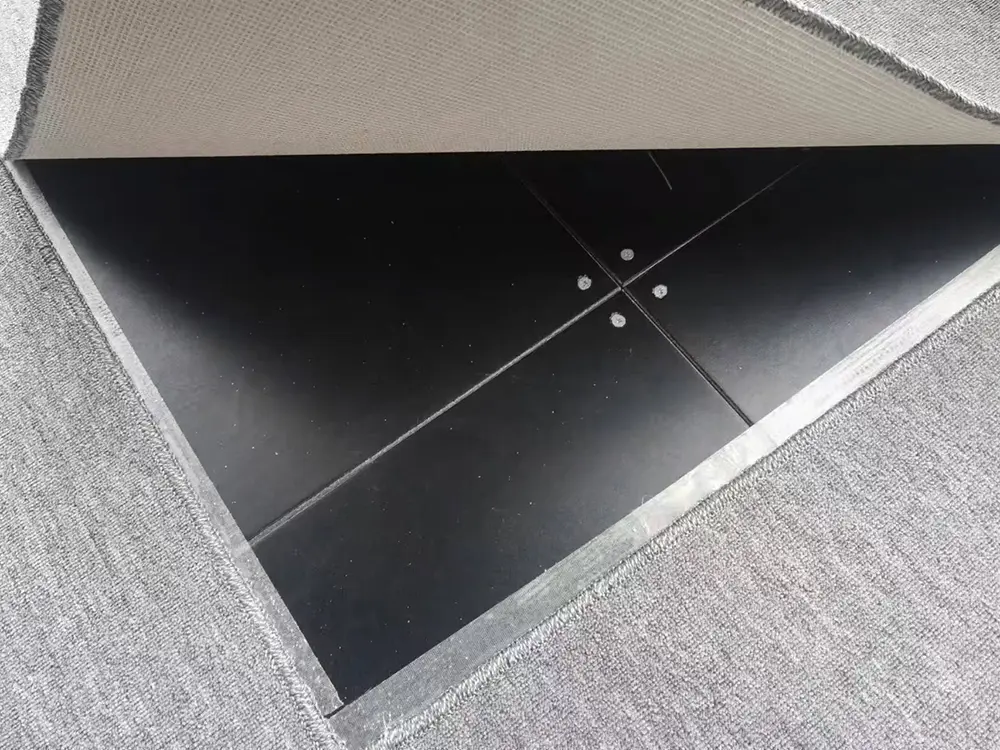 LEAO® Access Floors
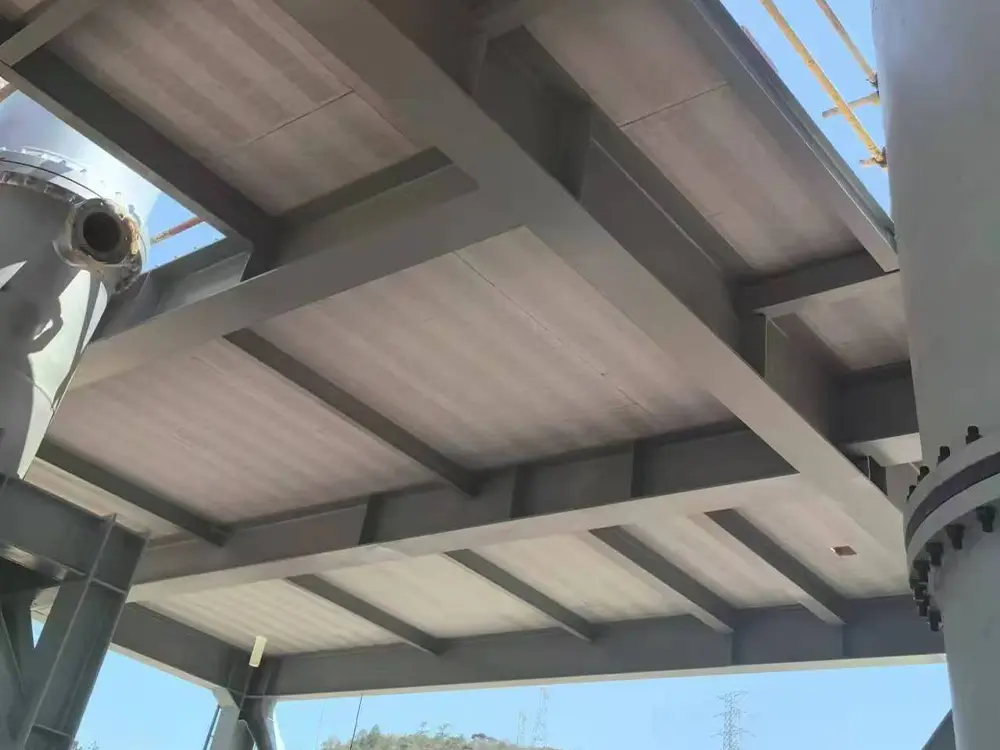 LEAO® Non-removable Formwork
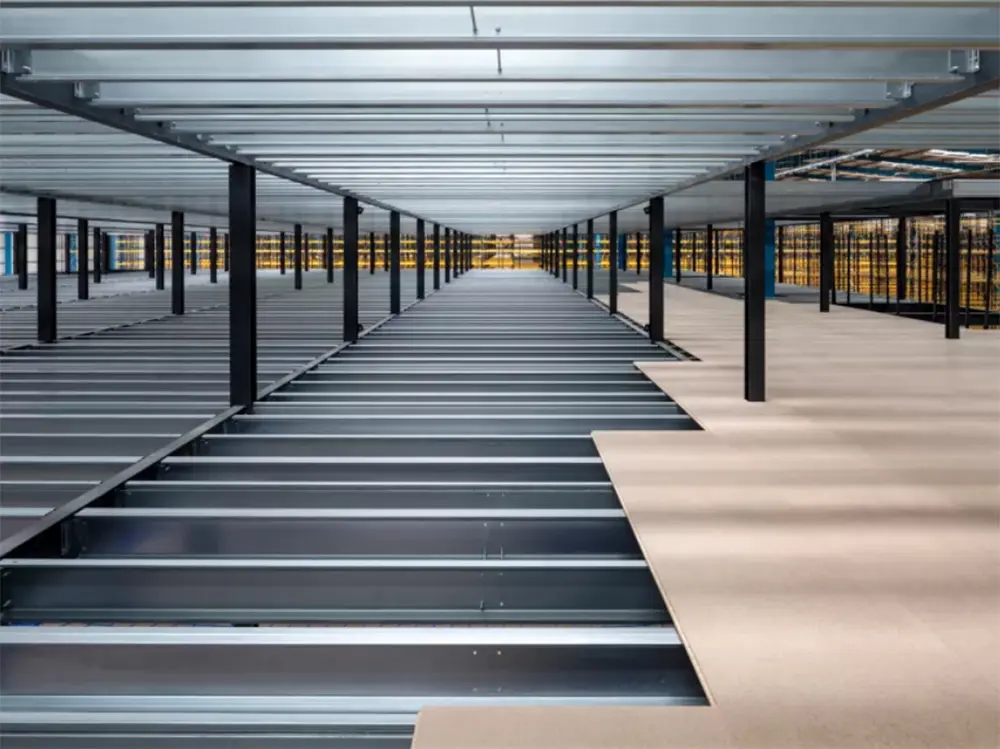 LEAO® Mezzanine Board
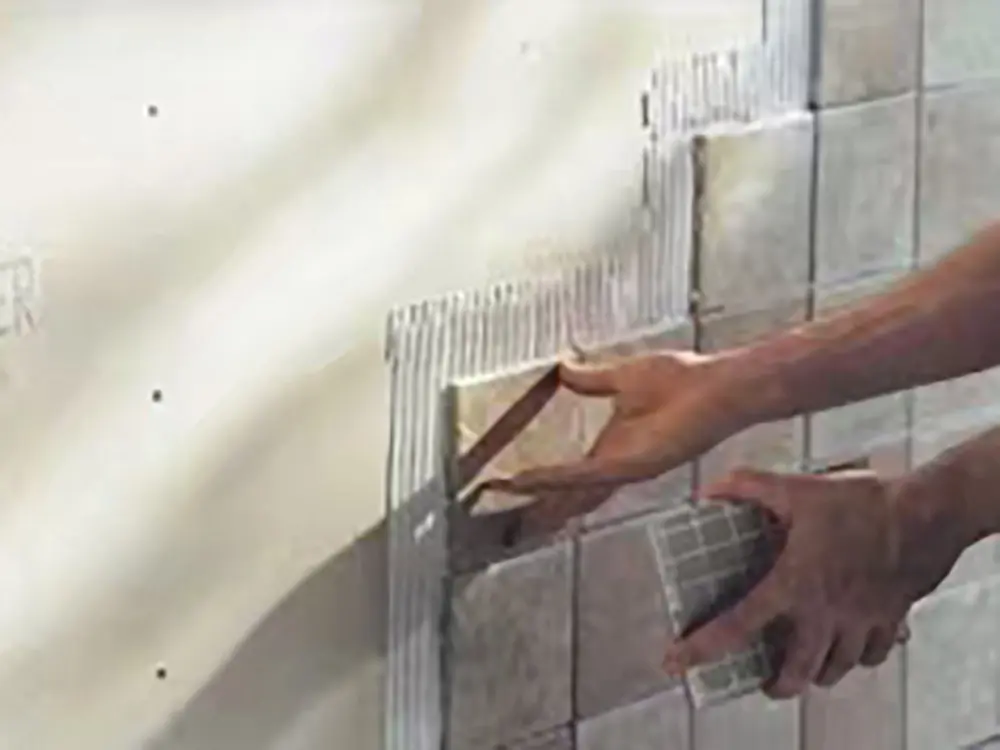 LEAO® Ceramic Tile Underlay
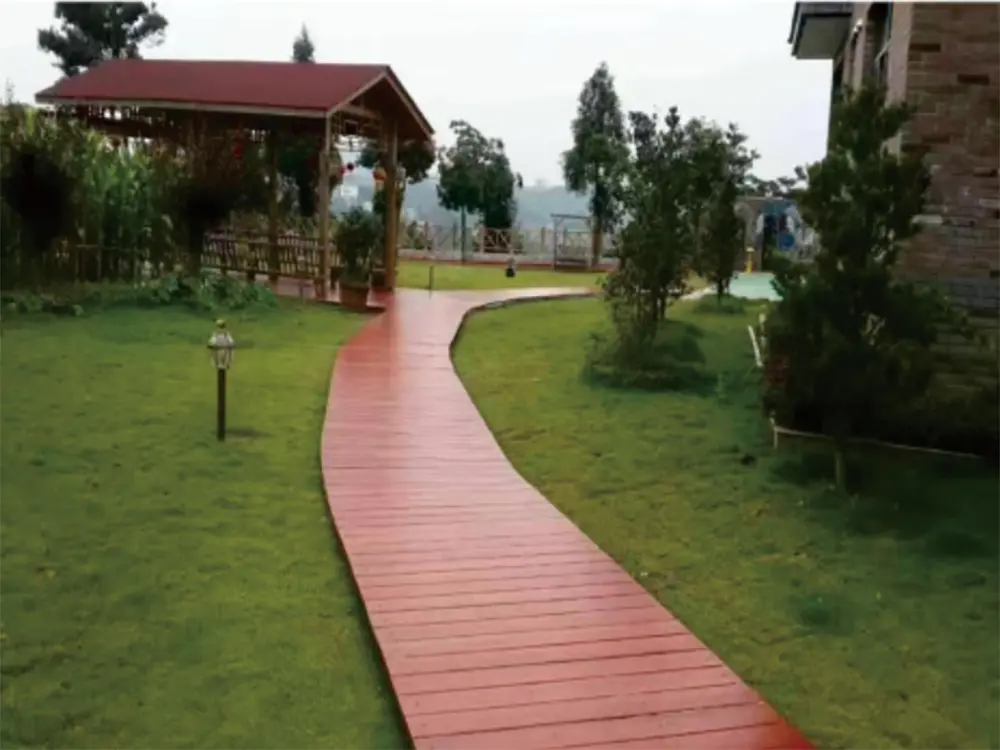 LEAO® Floor Plank
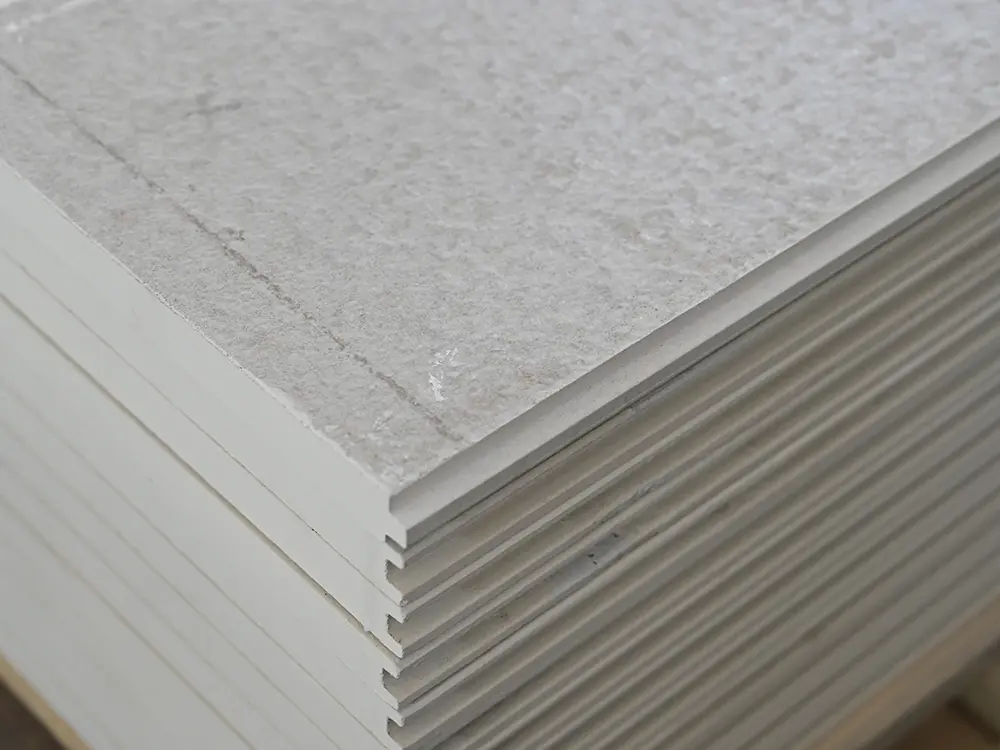 LEAO® Flooring
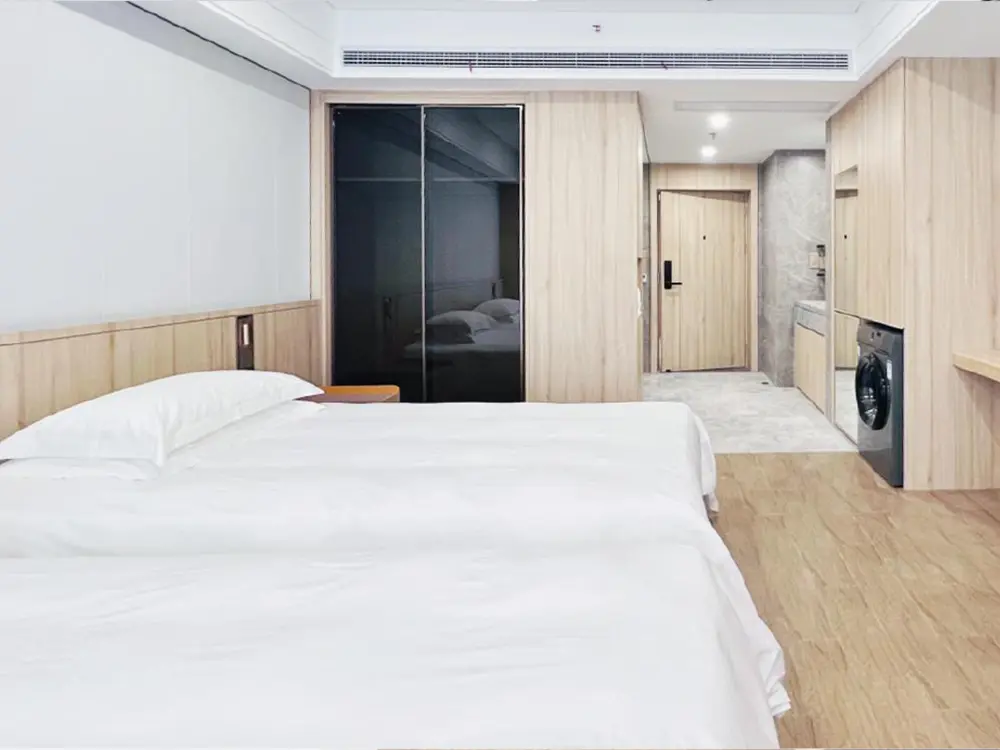 LEAO® Wood Style Decorative Panel
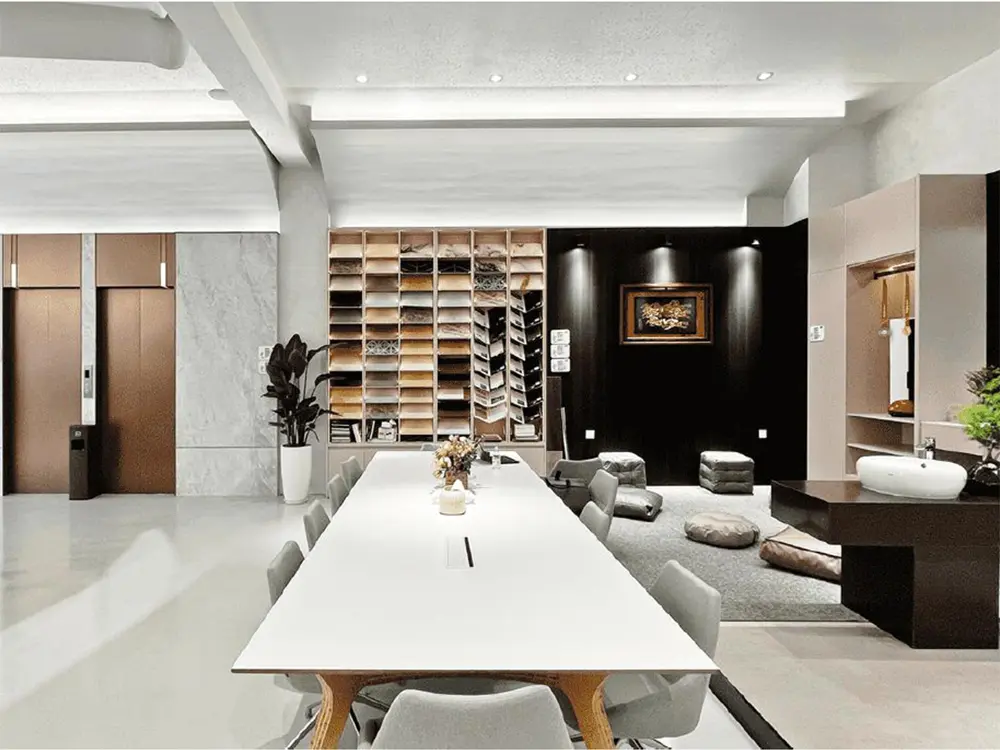 LEAO® Stone Style Decorative Panel
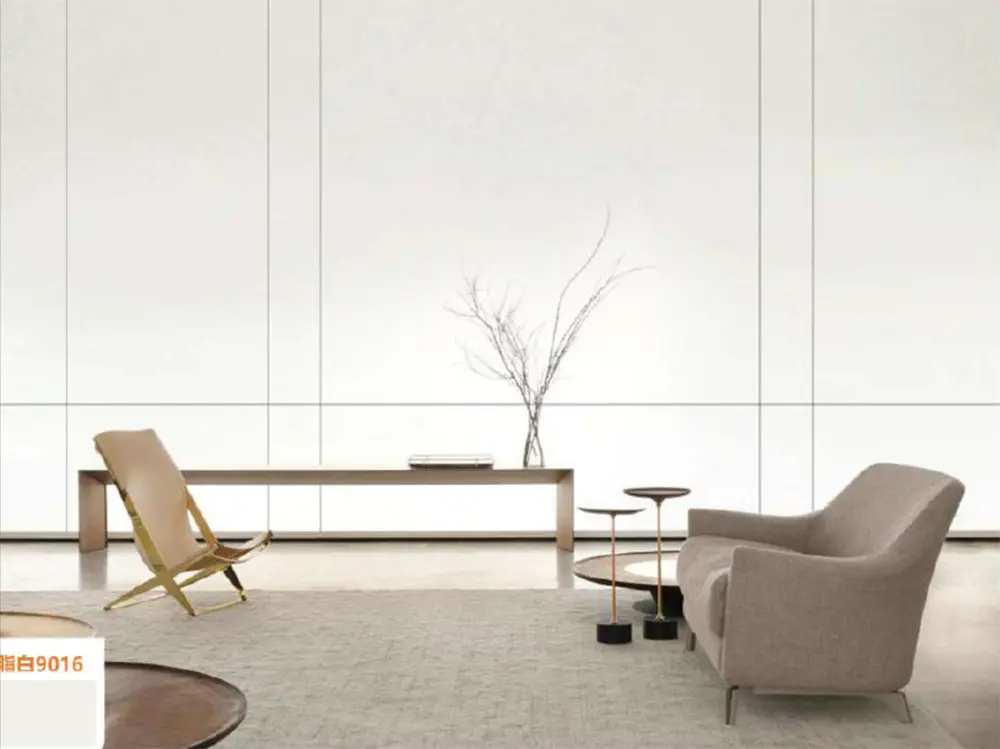 LEAO® Pure Style Decorative Panel