2026 How to Choose the Best Fiber Cement Soffit Board?
Choosing the right Fiber Cement Soffit Board is crucial for durability and aesthetics. John Smith, a leading expert in building materials, emphasizes, "Quality soffit boards can elevate any structure." With various options available, understanding the features is essential.
Fiber Cement Soffit Boards are popular for their long-lasting properties. They resist weather, insects, and decay. However, not all boards are created equal. Misleading claims can confuse buyers. It's vital to look for reliable brands with proven performance.
When selecting Fiber Cement Soffit Boards, consider your climate and home style. Explore texture, color, and installation methods. An informed decision can enhance your home's exterior. Seek advice from professionals if needed. Your choice will impact aesthetics and longevity.
Understanding Fiber Cement Soffit Board Materials
Fiber cement soffit boards are increasingly popular in the construction industry. Understanding the materials used in their production is essential for making informed choices. These boards are typically composed of a mixture of cement, cellulose fibers, and sand. This unique composition gives them strength and durability, appealing to builders and homeowners alike.
Research indicates that fiber cement soffit boards can last over 50 years when properly maintained. They are highly resistant to rot, insects, and extreme weather conditions. However, some reports suggest that improper installation can lead to moisture issues. It's crucial to ensure proper sealing and placement to maximize their benefits.
While fiber cement products are often viewed as low-maintenance, some drawbacks exist. Installation can be labor-intensive and requires skilled labor to avoid issues that arise from poor craftsmanship. Furthermore, while they offer a diverse range of colors and textures, the finish may fade over time, requiring periodic maintenance. Understanding these nuances can help ensure your investment in fiber cement soffit boards pays off in the long run.
Evaluating Durability and Weather Resistance of Soffit Boards
Choosing the right fiber cement soffit board requires careful evaluation of its durability and weather resistance.
According to the Fiber Cement Association, materials that can endure extreme weather conditions last longer.
Many fiber cement products can resist high winds, moisture, and even pests. This makes them ideal for various climates.
Durability is not just about strength; it’s also about maintaining appearance over time.
A study by the National Association of Home Builders indicates that fiber cement soffits can last over 50 years with proper maintenance.
These boards resist fading and warping better than traditional materials. However, some homeowners report discoloration after years in harsh sunlight.
This can be a concern for long-term aesthetics.
Weather resistance plays a critical role in preventing structural damage.
Fiber cement boards can withstand heavy rain and snow, reducing the risk of mold growth.
Yet, it's essential to ensure proper installation. Misalignment can lead to gaps, impacting water resistance.
Regular inspection is key to identifying any issues early. This proactive approach helps maintain the integrity of your soffit boards.
Comparing Aesthetics and Design Options for Soffit Boards
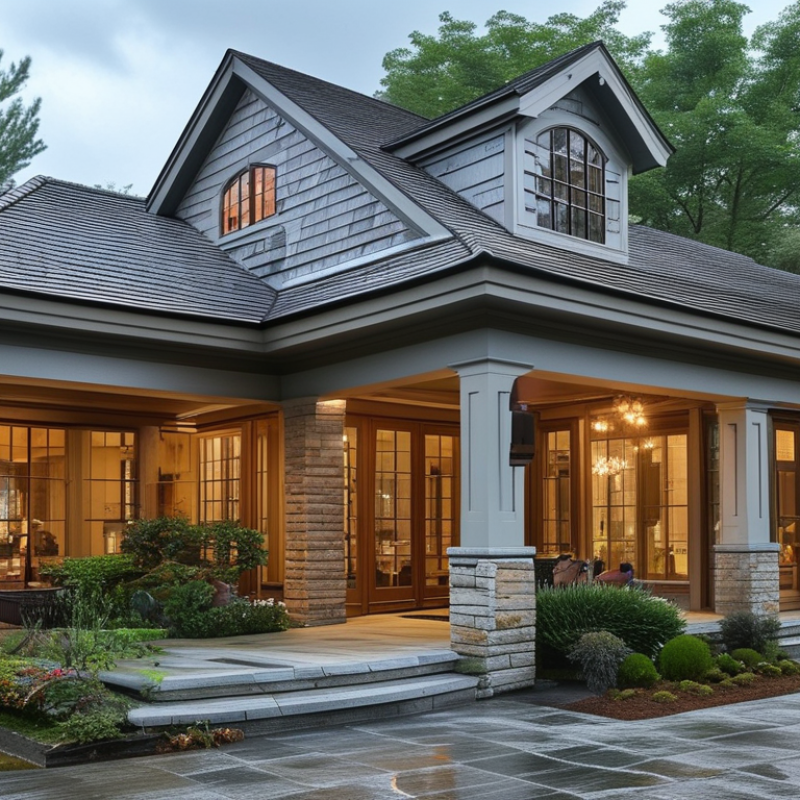
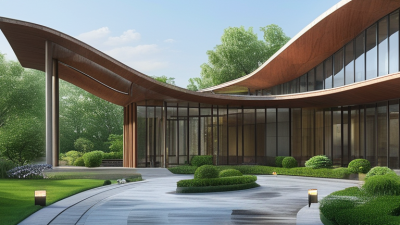
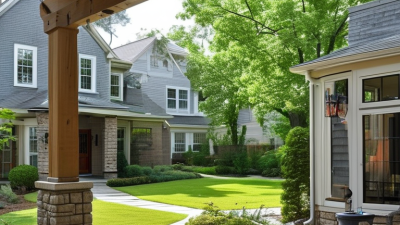
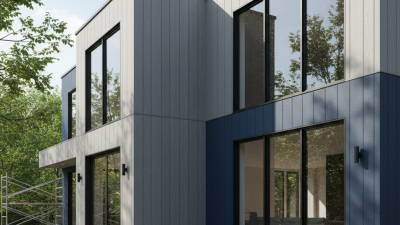
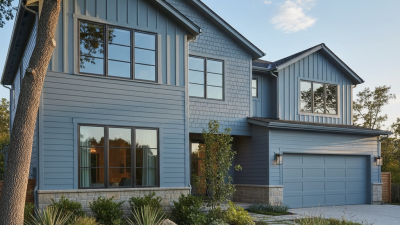
When selecting a fiber cement soffit board, aesthetics play a crucial role. The right design can enhance your home’s overall look. Fiber cement boards come in various styles, textures, and colors. From smooth finishes to wood-like appearances, you can find options that match your architectural style. Choose a design that complements your exterior features.
Consider the color palette. Lighter colors can make spaces feel larger and brighter. Darker shades can add a touch of elegance. Mixing and matching colors is also an option. Remember that colors can look different under various lighting conditions. It's wise to test samples in your setting before making a final decision.
Tips: Always consider how the soffit board materials will react to weather. Some finishes might fade in direct sunlight. Additionally, think about upkeep. Some designs may require more maintenance than others. It's essential to balance aesthetics with practicality. What looks good today may not be as appealing in a few years. Reflect on long-term satisfaction when making your choice.
2026 How to Choose the Best Fiber Cement Soffit Board? - Aesthetic and Design Options
Analyzing Cost Factors and Installation Considerations
Choosing the right fiber cement soffit board requires careful consideration of cost factors and installation nuances. Typically, prices for fiber cement boards vary based on their thickness and style. Budget-conscious homeowners might opt for thinner boards, while those wanting durability often choose thicker options. Installation costs can also differ significantly, depending on your region and the complexity of the project.
Installation is not just about nailing boards in place. It requires precise measurements and cutting to fit existing structures. Mistakes can lead to waste and increased expenses. Hiring experienced installers can mitigate these issues, but labor costs must be factored into your budget. Don't overlook the need for proper ventilation and moisture barriers. These components can add to the total cost but are crucial for long-term performance.
Many homeowners underestimate the importance of weather resistance and maintenance when selecting soffit boards. A cheaper option may seem attractive but could lead to higher repair costs later on. In some cases, prioritizing aesthetics may conflict with durability. Striking a balance between looks and practicality is essential. Remember that what looks good now may not hold up in harsh conditions.
Identifying Environmental Impact and Sustainability of Materials
Choosing fiber cement soffit boards involves understanding their environmental impact and sustainability. Many manufacturers emphasize the durability of these materials. However, critical aspects like raw material sourcing and production processes require scrutiny. According to a report by the Sustainable Building Council, about 35% of the carbon emissions in construction come from material production. This statistic raises concerns about using certain fiber cement products.
Recycled content plays a significant role in minimizing environmental effects. Research indicates that fiber cement boards, which incorporate recycled materials, can reduce greenhouse gas emissions by up to 30%. It's essential to consider life cycle assessments when evaluating these products. They reveal that sourcing locally is more sustainable than importing. Local sourcing can cut transportation emissions significantly.
Moreover, while fiber cement is touted for its longevity, the potential for off-gassing during production is often overlooked. Manufacturers may not always disclose the complete environmental footprint. Understanding these nuances helps consumers make informed decisions. Prioritizing boards made from sustainable materials can lead to better environmental outcomes, but awareness is vital. Sustainability is not just a marketing term; it demands genuine commitment.

 LEAO®Deco Ceiling
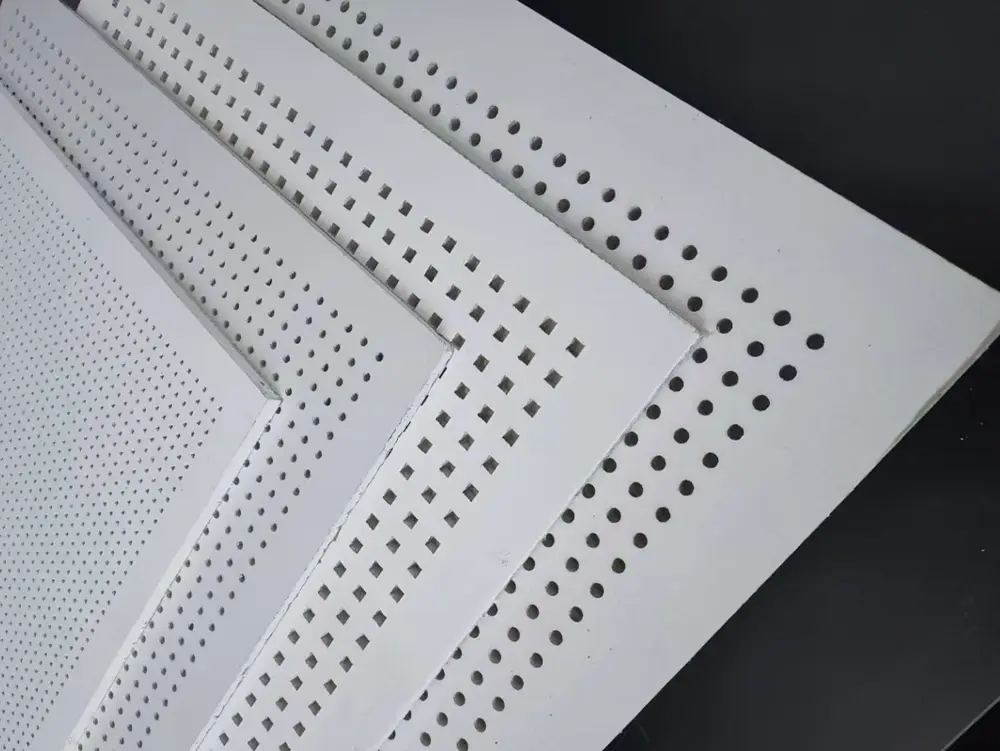 LEAO® Perforated Ceiling
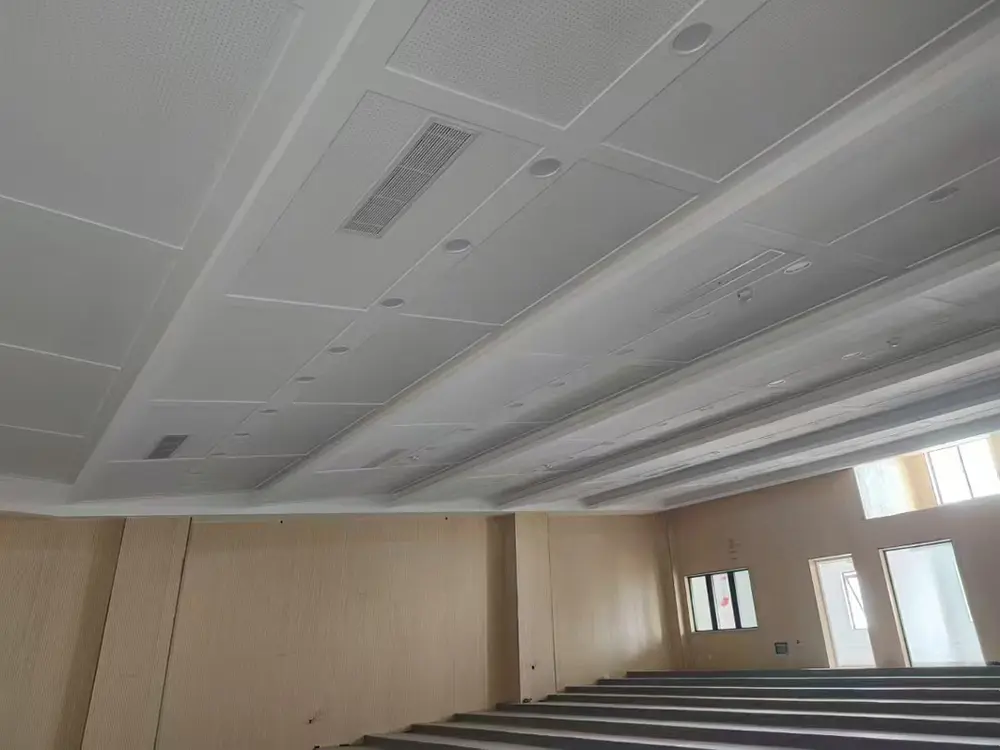 LEAO® Ceiling Board
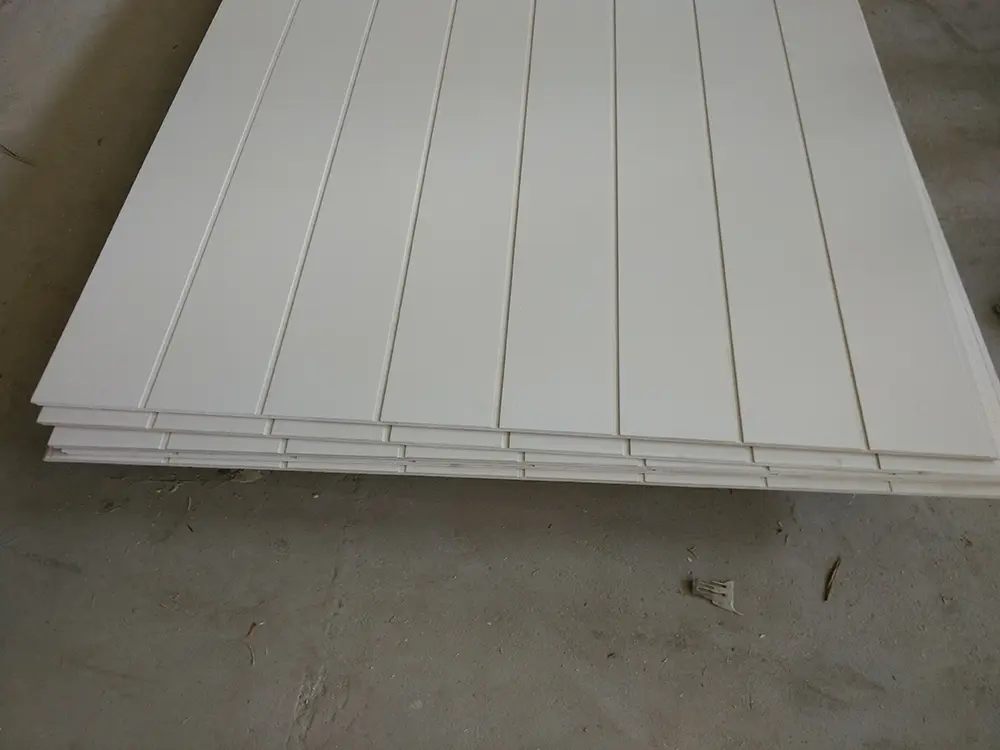 LEAO® Groove Interior Panel
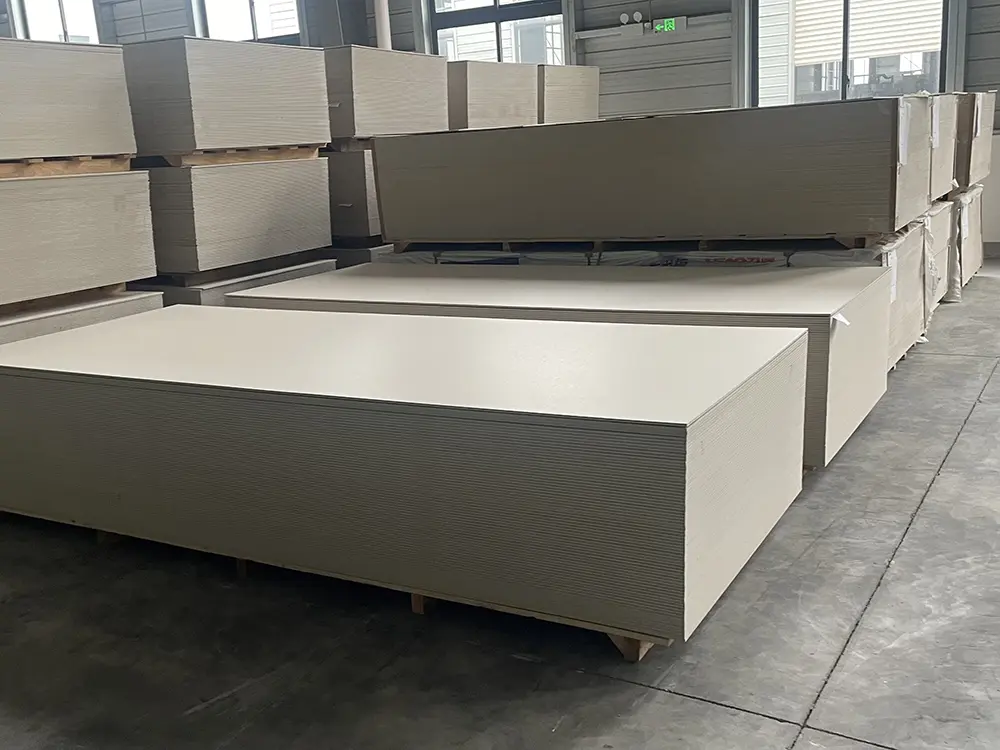 LEAO® Interior Board
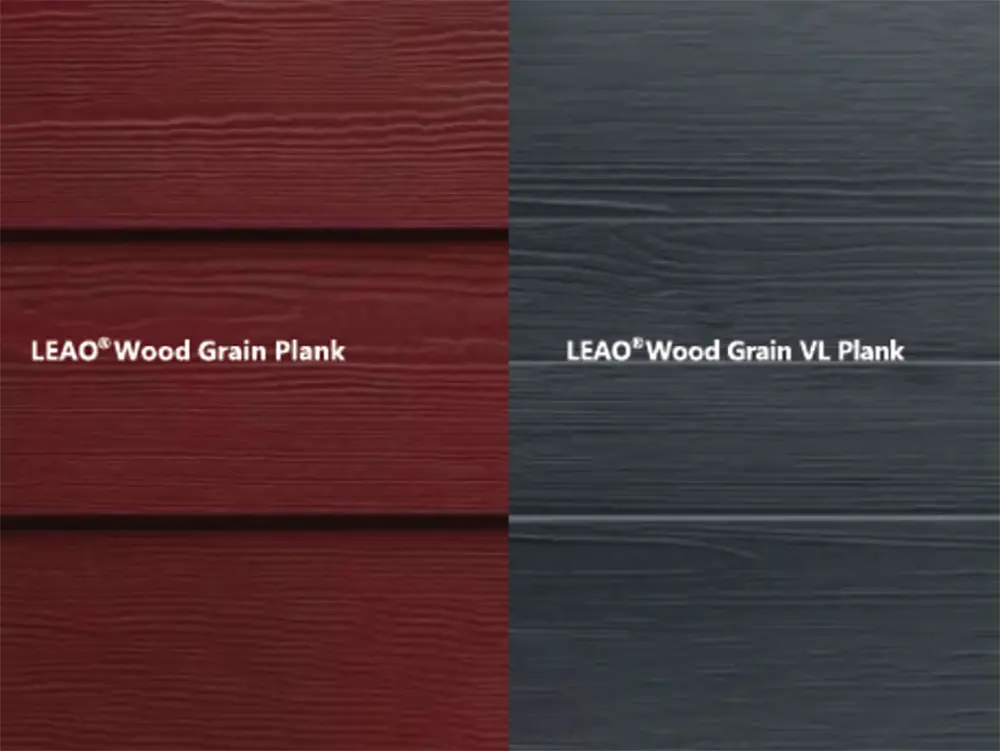 LEAO® Wood Grain Plank
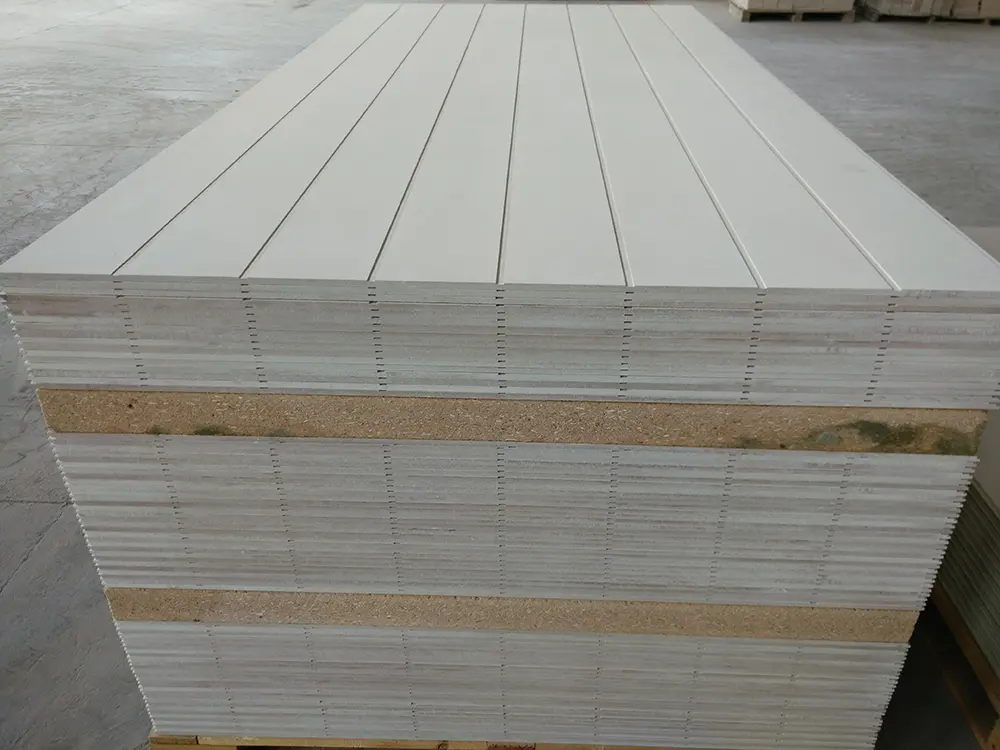 LEAO® Grooved Exterior Panel
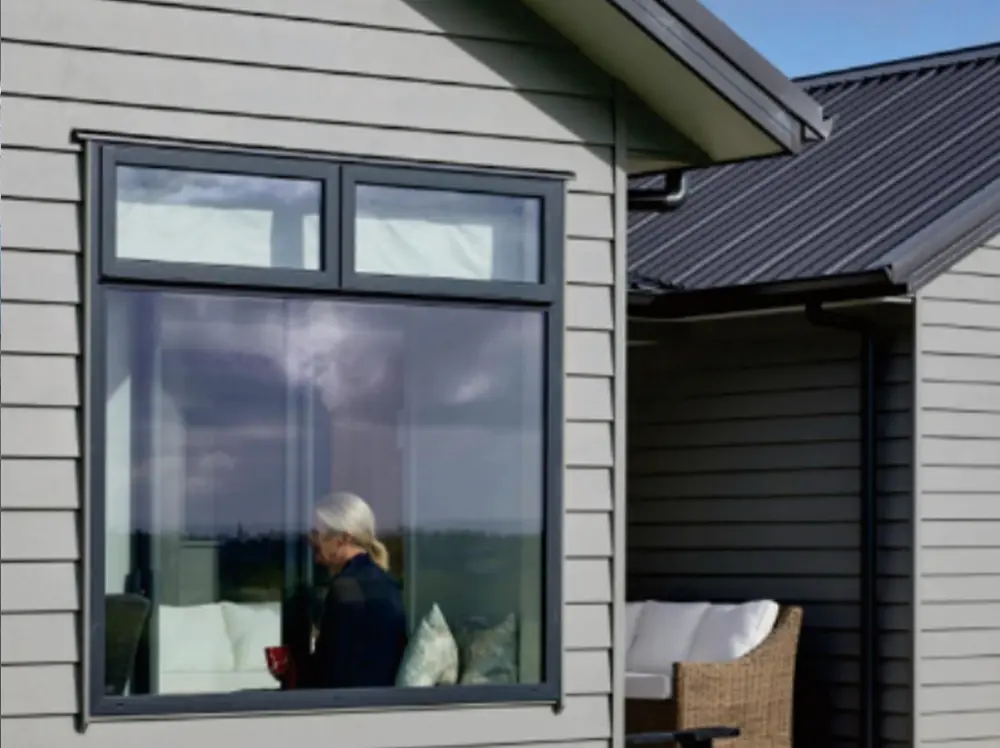 LEAO® Weatherboard
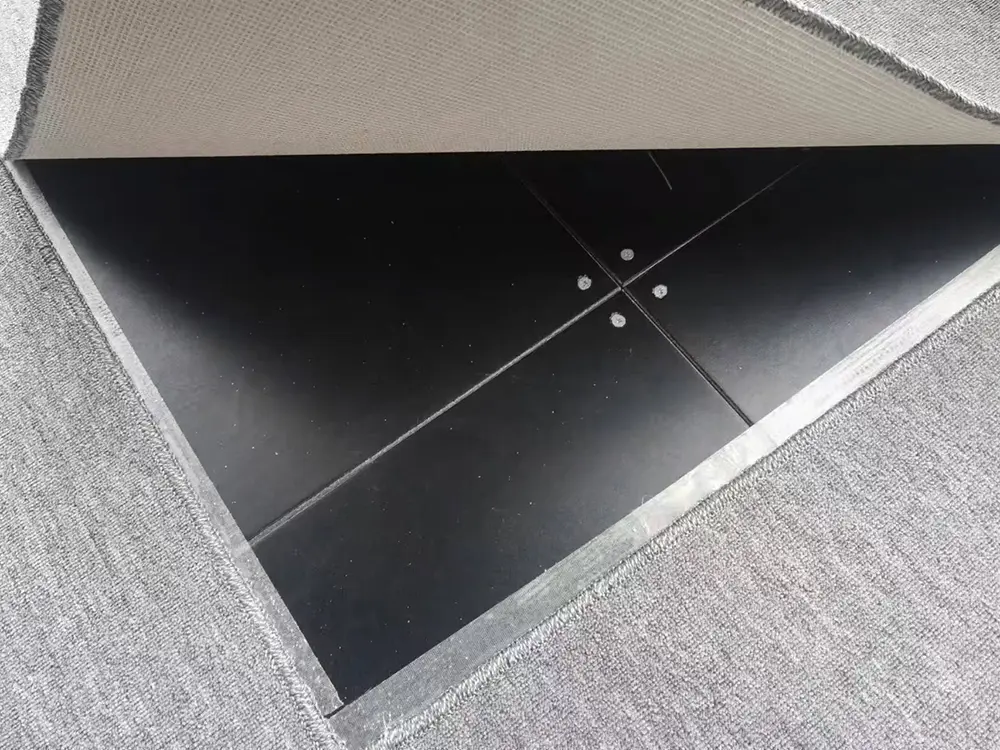 LEAO® Access Floors
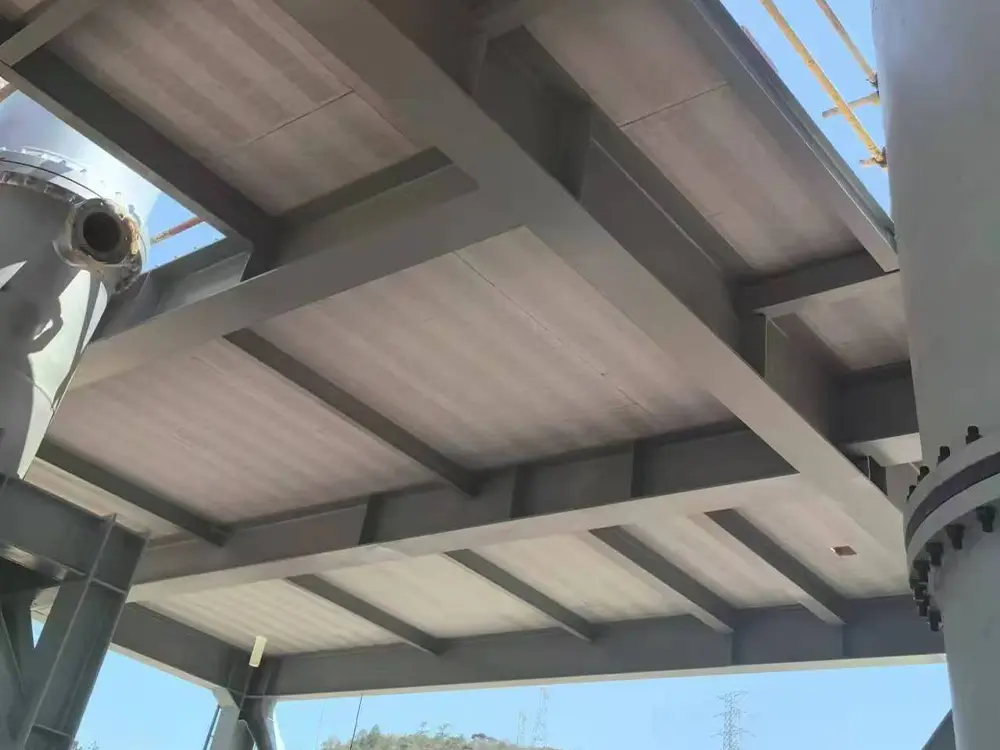 LEAO® Non-removable Formwork
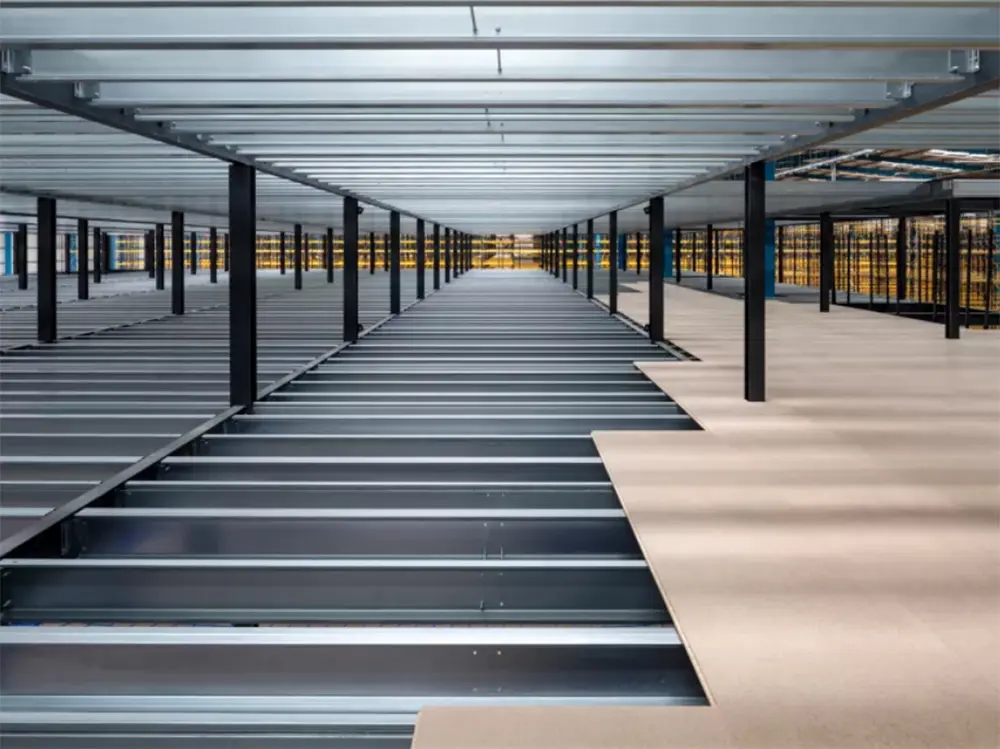 LEAO® Mezzanine Board
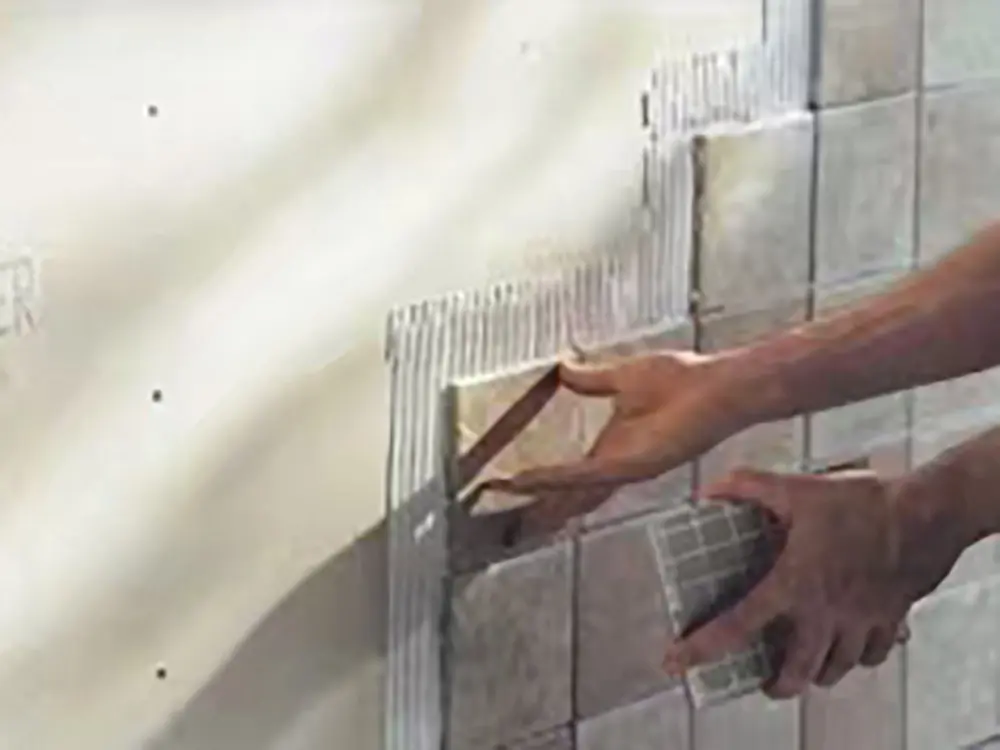 LEAO® Ceramic Tile Underlay
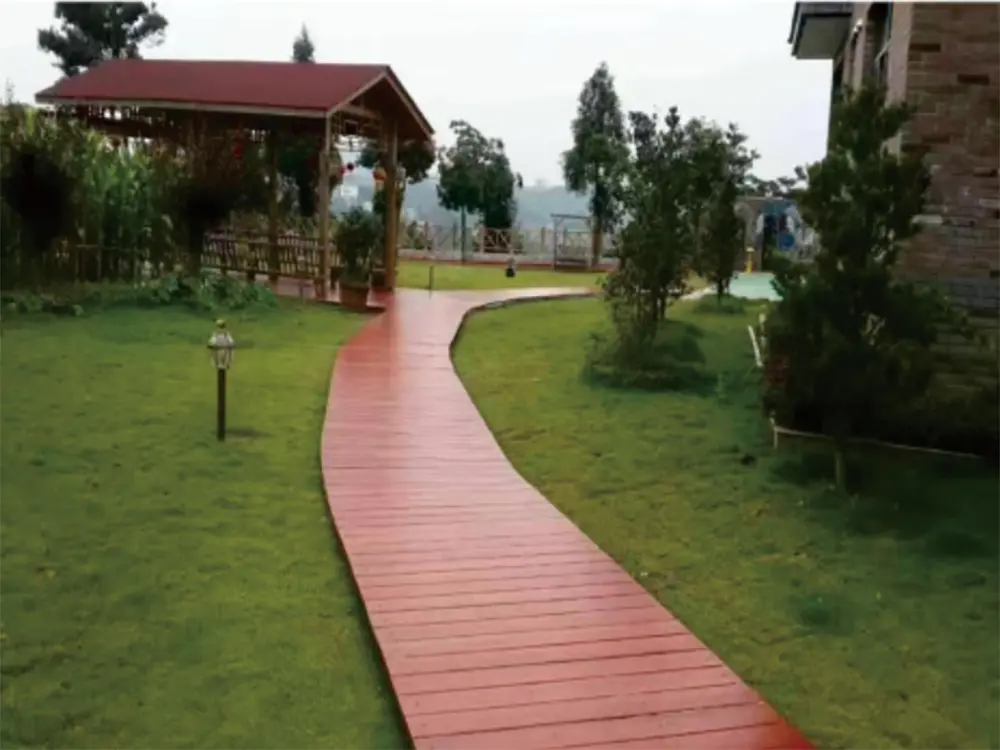 LEAO® Floor Plank
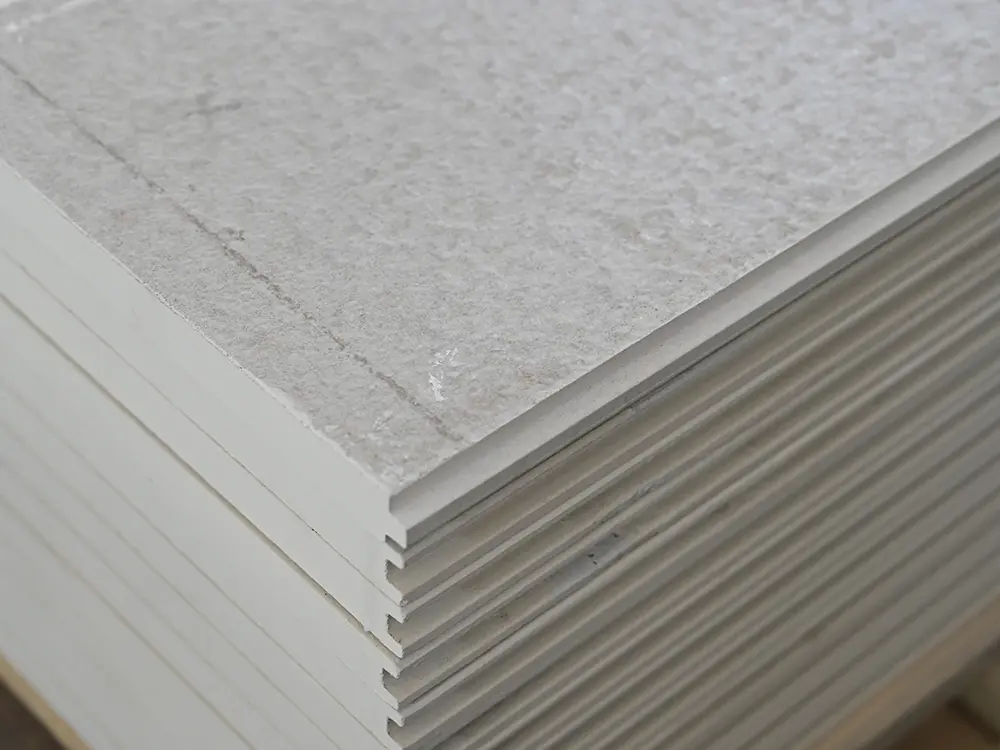 LEAO® Flooring
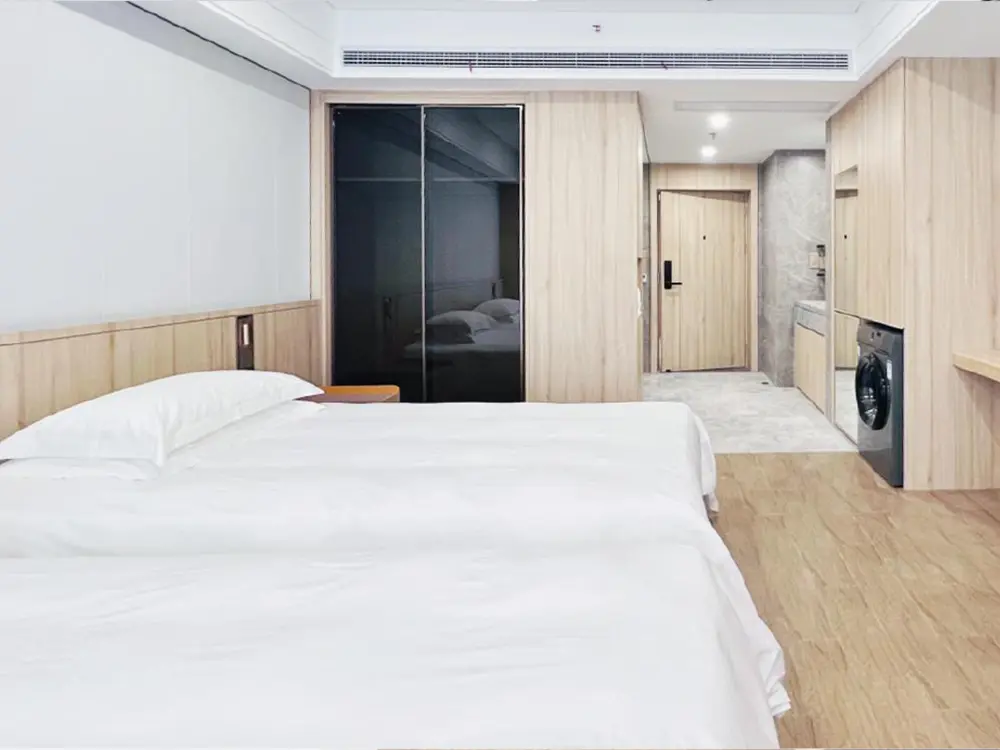 LEAO® Wood Style Decorative Panel
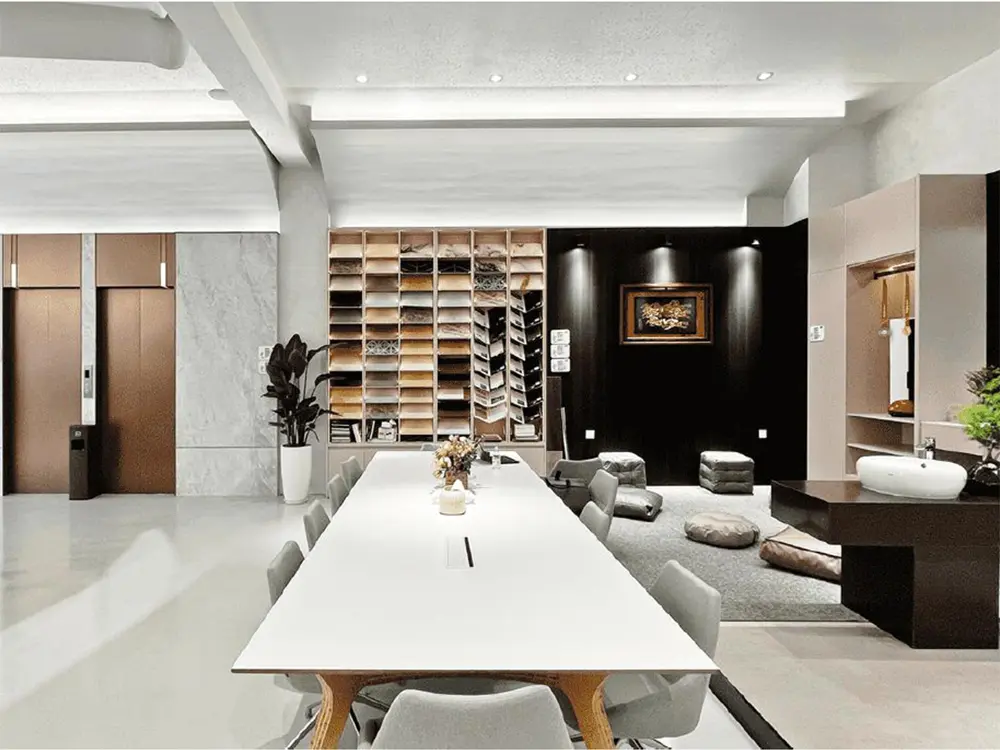 LEAO® Stone Style Decorative Panel
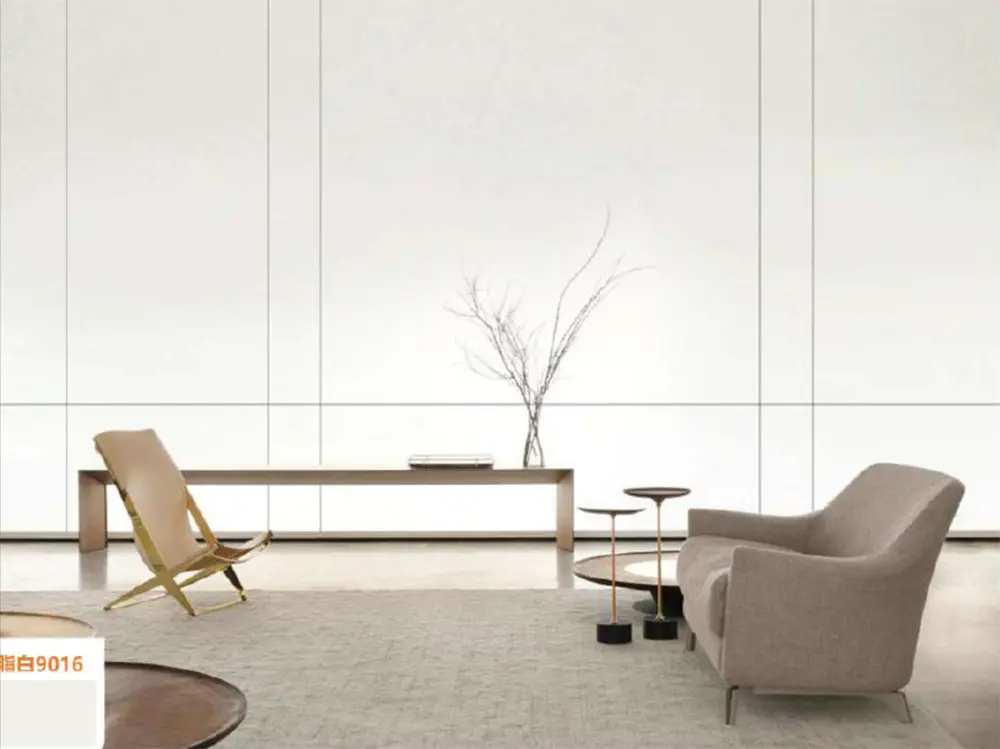 LEAO® Pure Style Decorative Panel