2026 How to Choose Fiber Cement Floor Board for Your Project?
Choosing the right flooring material is crucial for any project. Among the options available, the Fiber Cement Floor Board stands out. This versatile material combines durability and aesthetics. Whether for residential or commercial use, it offers significant benefits.
Fiber cement boards are resistant to moisture, fire, and pests. They can withstand various weather conditions, making them suitable for outdoor installations. However, finding the perfect fiber cement floor board requires careful consideration of several factors.
Budget, style, and installation methods all play a role. You might feel overwhelmed by the choices available. It's important to reflect on your project’s specific needs. Each decision can affect the overall outcome. Therefore, taking the time to evaluate your options is essential for a successful result.
Understanding Fiber Cement Floor Boards: A Comprehensive Overview
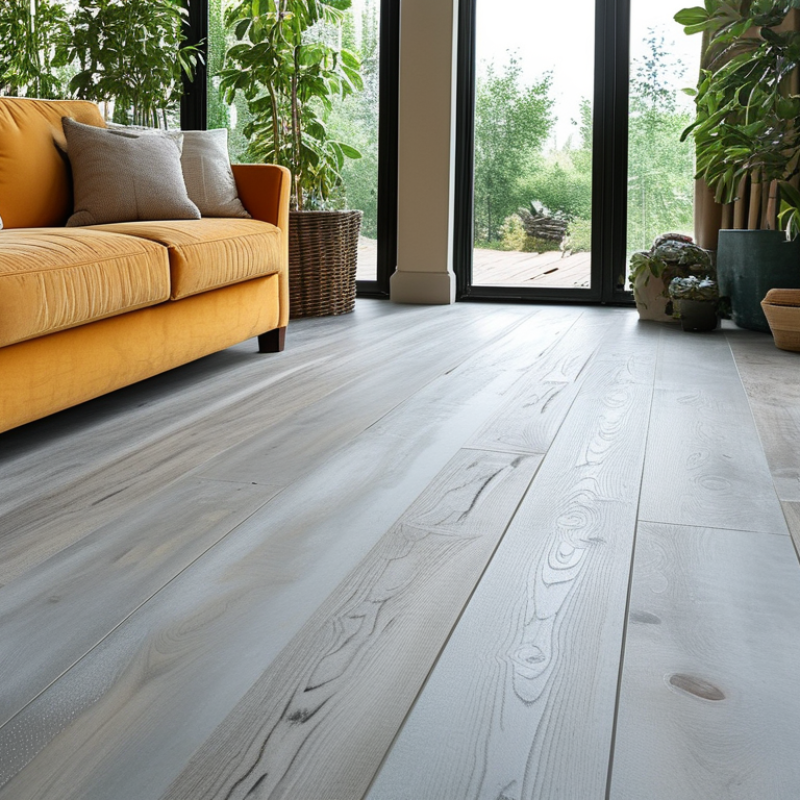
Fiber cement floor boards are gaining popularity for various construction projects. These materials combine cement, sand, and cellulose fibers to create a durable and versatile product. With a range of textures and finishes, fiber cement boards can mimic wood, stone, or even concrete, offering aesthetic flexibility. They are particularly suitable for both interior and outdoor applications, making them an attractive option for homeowners and builders alike.
When evaluating fiber cement floor boards, it's essential to consider their resistance to moisture, pests, and fire. Many boards feature a moisture-resistant core, making them ideal for areas prone to water exposure. The durability of these boards means they often last longer than traditional materials, saving costs in the long run. However, it's crucial to note that installation can be complex and may require professional expertise. Attention should be paid to proper sealing and maintenance to ensure longevity.
Despite their benefits, fiber cement boards are not without challenges. Variability in product quality can occur. It's wise to research and consult with experienced professionals before making a final decision. Understanding the specific requirements of your project will lead to better choices and more successful outcomes.
Identifying Key Factors in Selecting Fiber Cement Floor Boards
When selecting fiber cement floor boards, consider key factors that ensure both functionality and durability.
One crucial aspect is moisture resistance. Fiber cement boards are known for their ability to withstand damp conditions,
but the level of this resistance can vary. Testing your chosen materials under expected environmental conditions is wise.
Pay attention to installation methods, as improper application can lead to water damage.
Next, assess the aesthetic appeal. Fiber cement boards can mimic wood, stone, or even concrete, providing versatility in design.
However, not all boards offer the same finish. Researching product samples can help visualize the final look.
Additionally, consider the board's texture. A rough finish may be less slippery but harder to clean, while a smoother option
may require more maintenance.
Lastly, weight is a factor often overlooked. Heavier boards may provide added durability but can be challenging to handle.
Balancing weight with ease of installation is important. Don't forget to factor in the cost; quality materials often come
at a higher price, but cutting corners can lead to future repairs. Reflecting on these aspects will guide you in making
a knowledgeable choice.
Comparing Different Types of Fiber Cement Floor Boards for Durability
When choosing fiber cement floor boards, durability is key. There are several types to consider, each with unique features. Some boards offer high resistance to moisture and pests. Others excel in heavy traffic areas, maintaining their integrity under stress. Evaluating these aspects can help in making an informed decision.
Different manufacturing processes impact durability. Boards made with a dense composition often outperform lighter options. It's important to pay attention to thickness, as thicker boards generally resist wear better. However, not all thick boards are created equal. Some may lack compressive strength, leading to cracks over time.
Consider environmental factors too. In humid climates, moisture-resistant boards are crucial. In contrast, areas exposed to extreme sunlight may require UV-resistant products. This highlights the importance of understanding local conditions. A deeper analysis of these factors leads to better choices. Not every board may meet every need, so reflect on your project's specific requirements.
2026 How to Choose Fiber Cement Floor Board for Your Project? - Comparing Different Types of Fiber Cement Floor Boards for Durability
| Fiber Cement Board Type |
Thickness (mm) |
Weight (kg/m²) |
Moisture Resistance |
Fire Resistance Rating |
Average Lifespan (years) |
| Standard Fiber Cement Board |
12 |
20 |
Excellent |
Class 1 |
30 |
| Water-Resistant Fiber Cement Board |
10 |
22 |
Very Good |
Class 1 |
25 |
| Heavy-Duty Fiber Cement Board |
15 |
30 |
Good |
Class 0 |
40 |
| Lightweight Fiber Cement Board |
8 |
15 |
Good |
Class 1 |
20 |
Assessing Aesthetic Options: Colors and Textures of Fiber Cement Boards
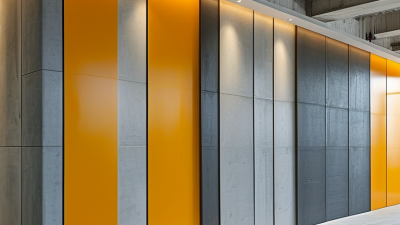
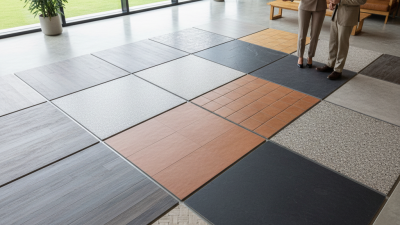
When selecting fiber cement floor boards, aesthetic options play a crucial role. Colors and textures can significantly influence the overall design of your space. With a wide variety of finishes available, it’s essential to explore different palettes. Soft neutrals create a serene atmosphere. Bold colors can add vibrancy and energy. Consider how these choices interact with the natural light in your space.
Textures also matter significantly. Smooth finishes can deliver a modern look, while textured options evoke warmth and character. Each surface brings a unique feel underfoot, which may affect comfort and maintenance. A matte finish may hide dirt better than a glossy one, but it might require more frequent cleaning to maintain its appearance. Think about your lifestyle. If local climate can lead to wear, a durable texture might be more suitable.
Evaluate samples in different lighting conditions. Visual appeal can vary, and what looks perfect in the store might lose its charm at home. Take time to reflect on your choices. Sometimes, the most appealing option might not align with practical needs or long-term goals. Balancing aesthetics with functionality is key in making a thoughtful decision.
Evaluating Cost-Effectiveness and Long-Term Value of Fiber Cement Flooring
When considering fiber cement flooring, cost-effectiveness and long-term value are crucial. Fiber cement boards offer durability, making them a wise investment for various projects. They resist rot, moisture, and insects. This longevity can significantly reduce replacement costs. It’s essential to compare prices and assess how long these boards will last in your specific environment.
Installation costs can vary, but fiber cement is generally more affordable than real wood or stone. Homeowners should also factor in maintenance costs. Although the boards may require periodic sealing or painting, they typically need less upkeep than other materials. The initial expense may seem significant, yet the materials often pay off over time.
However, not every project will benefit equally from fiber cement. Some may find it less visually appealing compared to traditional options. Reflecting on design and aesthetics is vital. Evaluating your specific needs and environment will help you make a more informed choice. Ultimately, striking a balance between cost, function, and style is essential for a successful flooring project.

 LEAO®Deco Ceiling
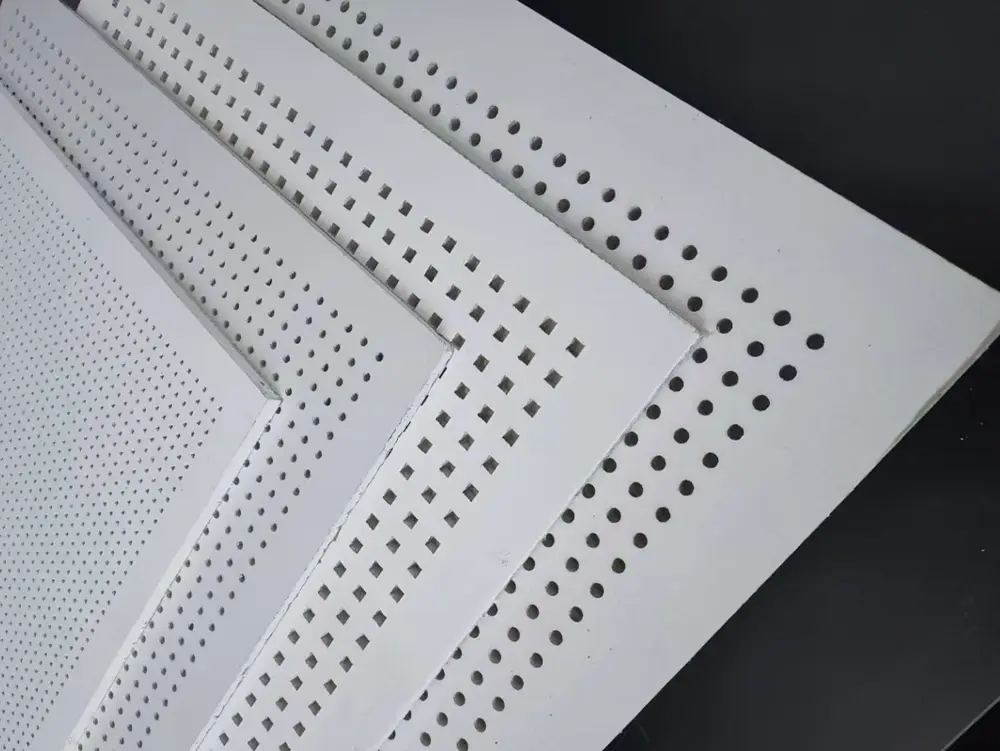 LEAO® Perforated Ceiling
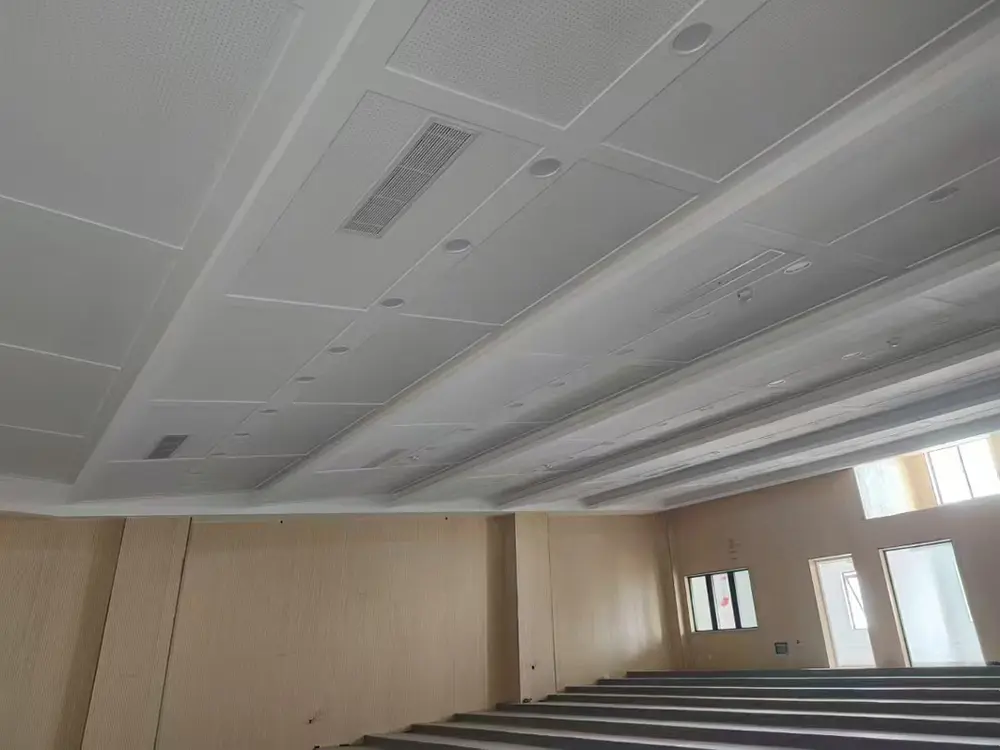 LEAO® Ceiling Board
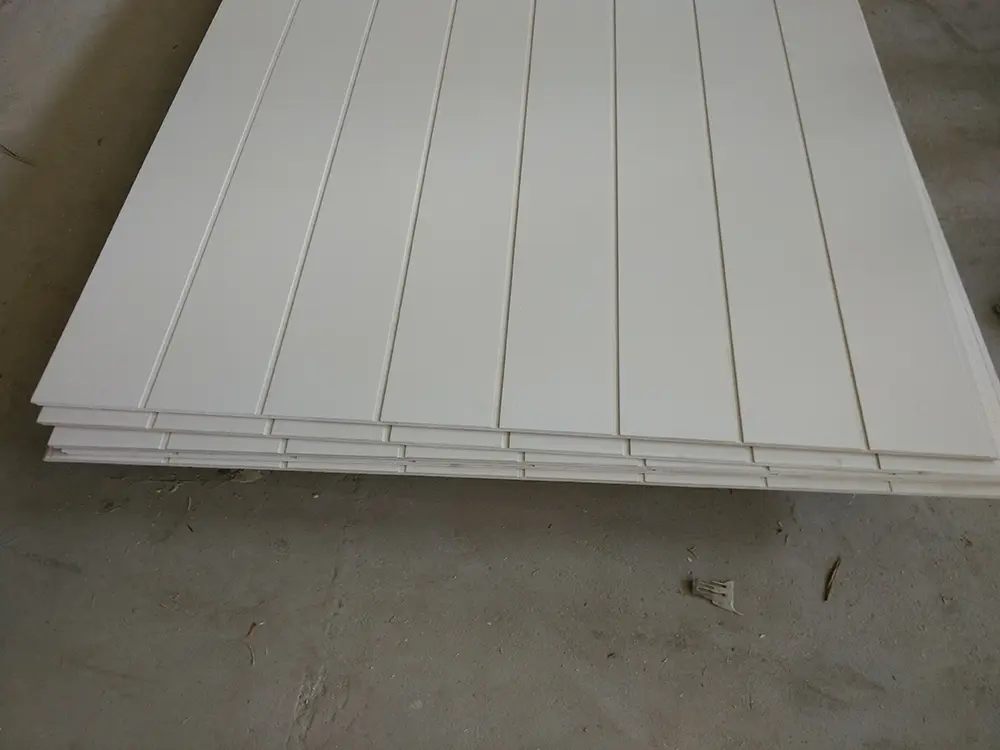 LEAO® Groove Interior Panel
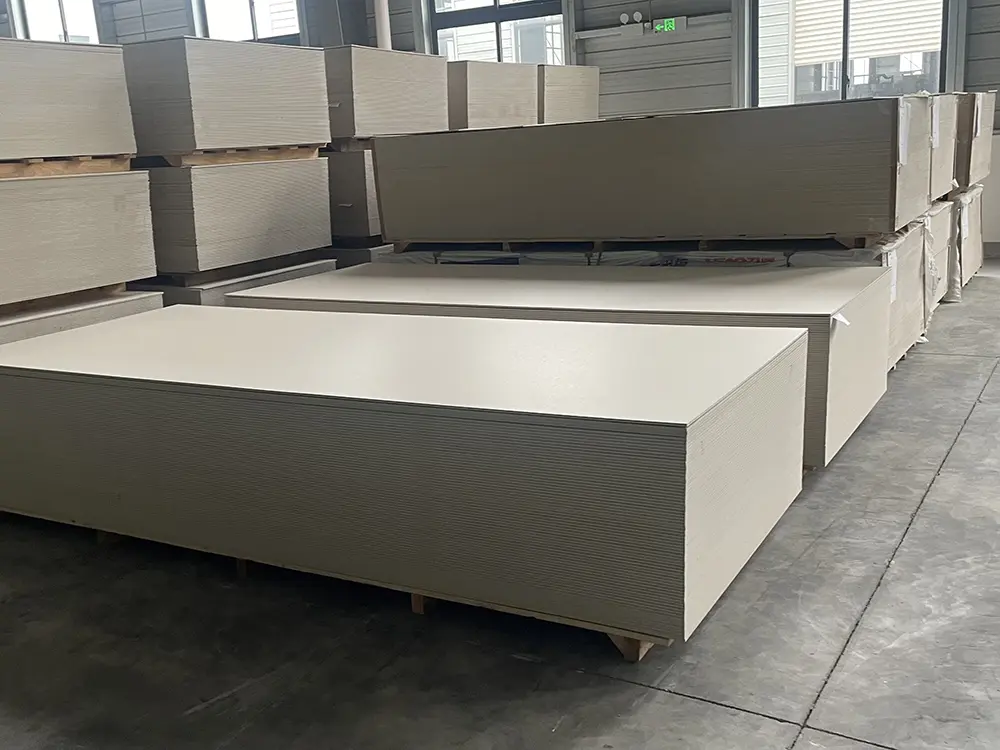 LEAO® Interior Board
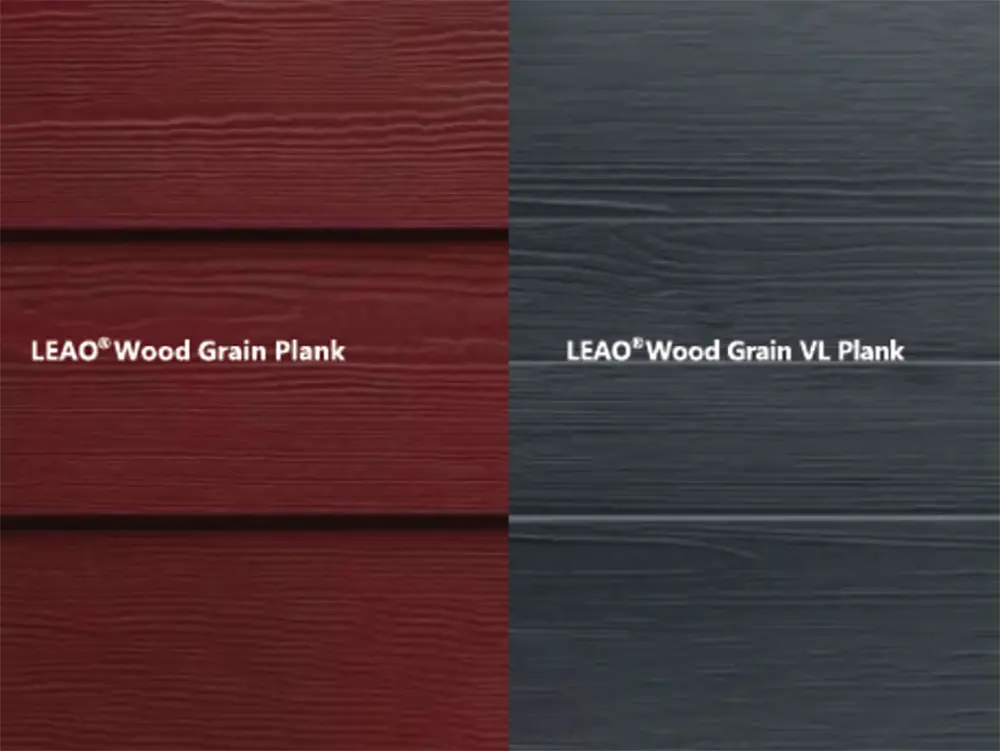 LEAO® Wood Grain Plank
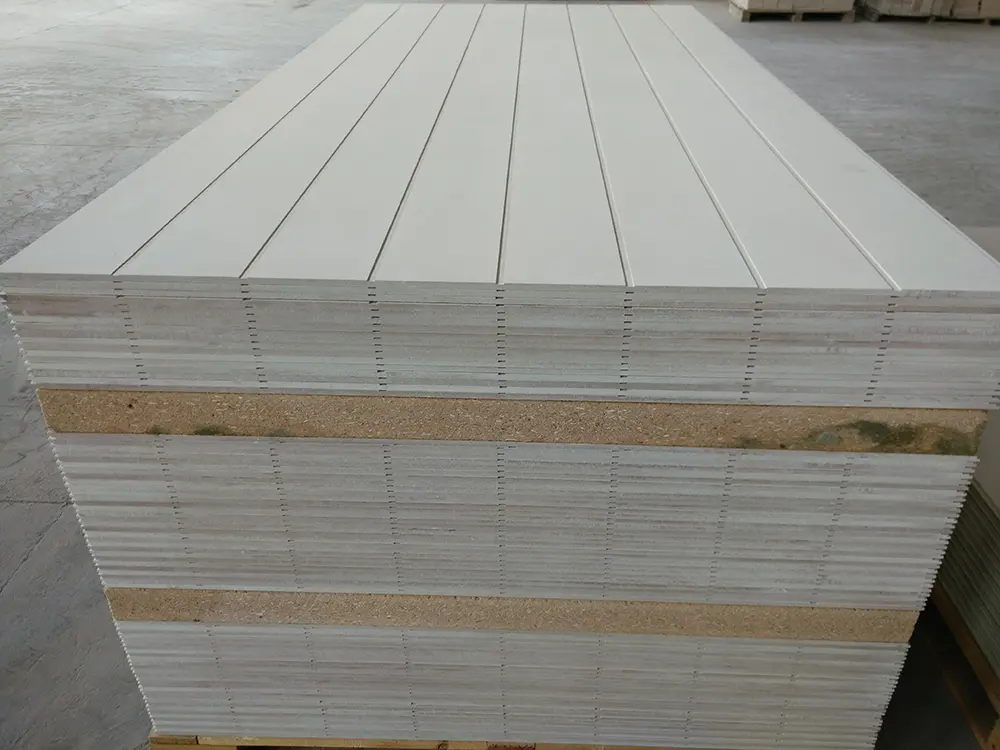 LEAO® Grooved Exterior Panel
 LEAO® Weatherboard
 LEAO® Access Floors
 LEAO® Non-removable Formwork
 LEAO® Mezzanine Board
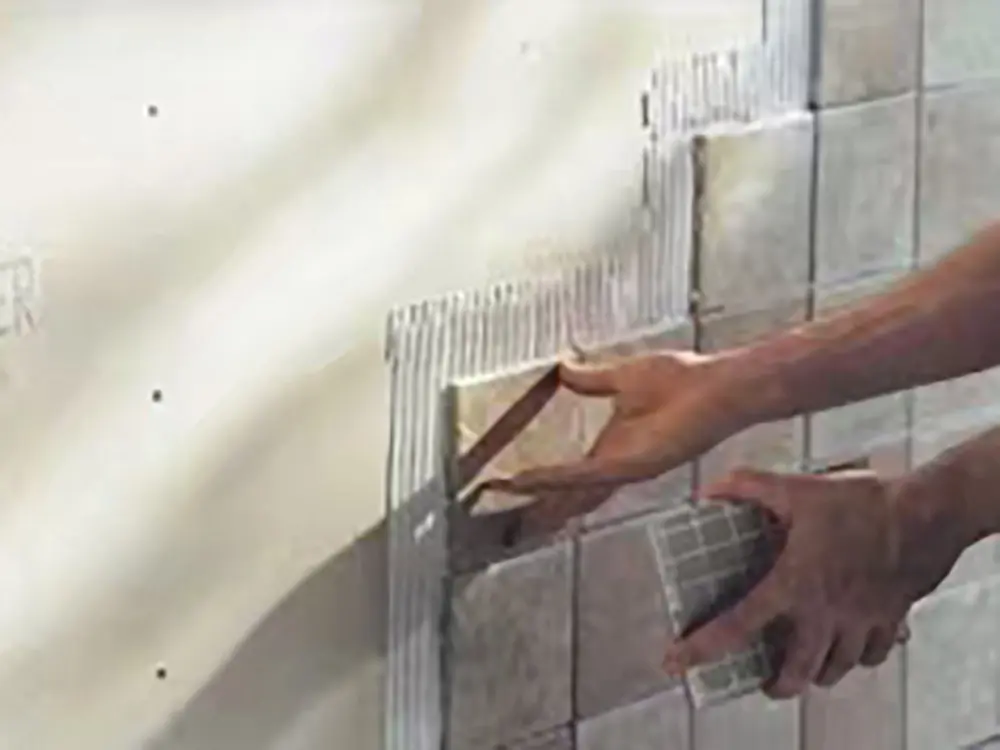 LEAO® Ceramic Tile Underlay
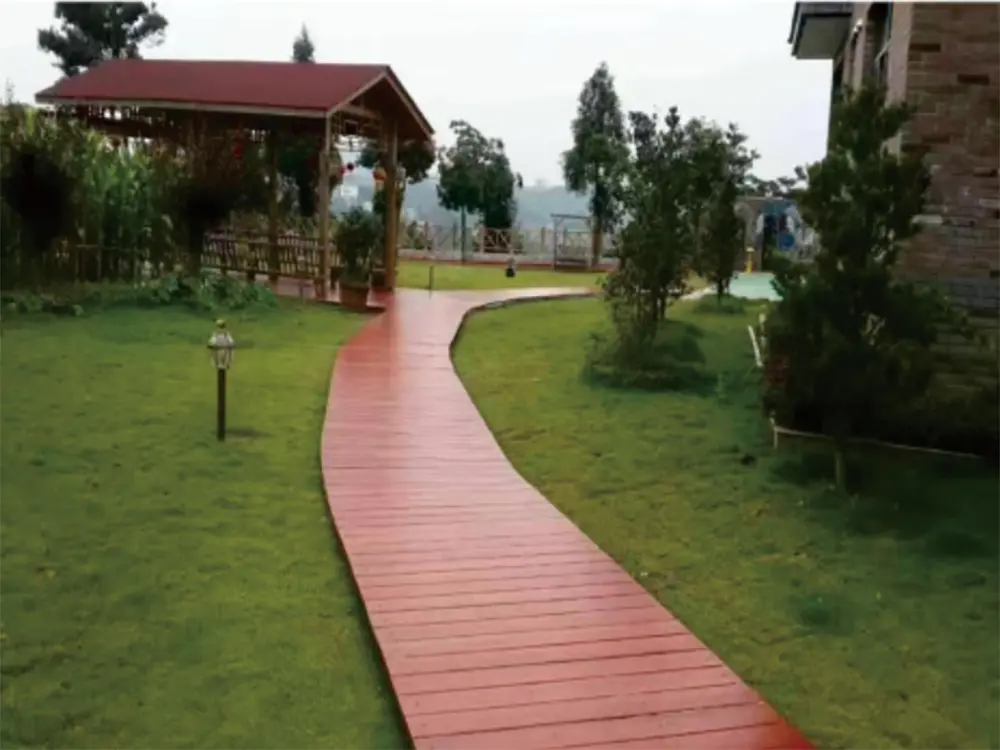 LEAO® Floor Plank
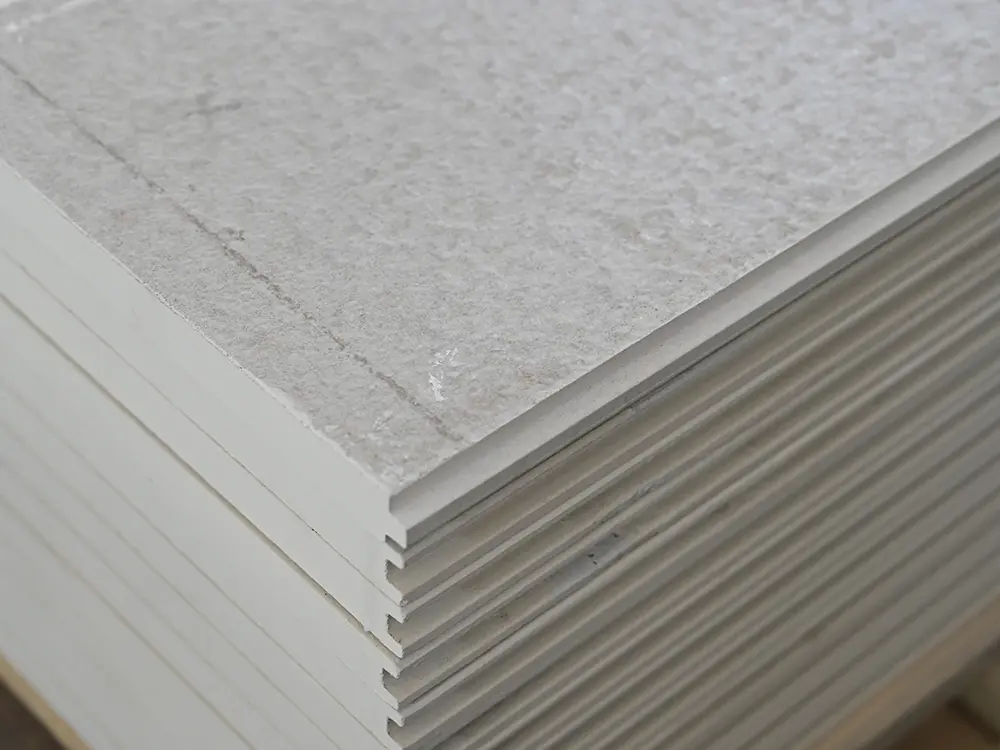 LEAO® Flooring
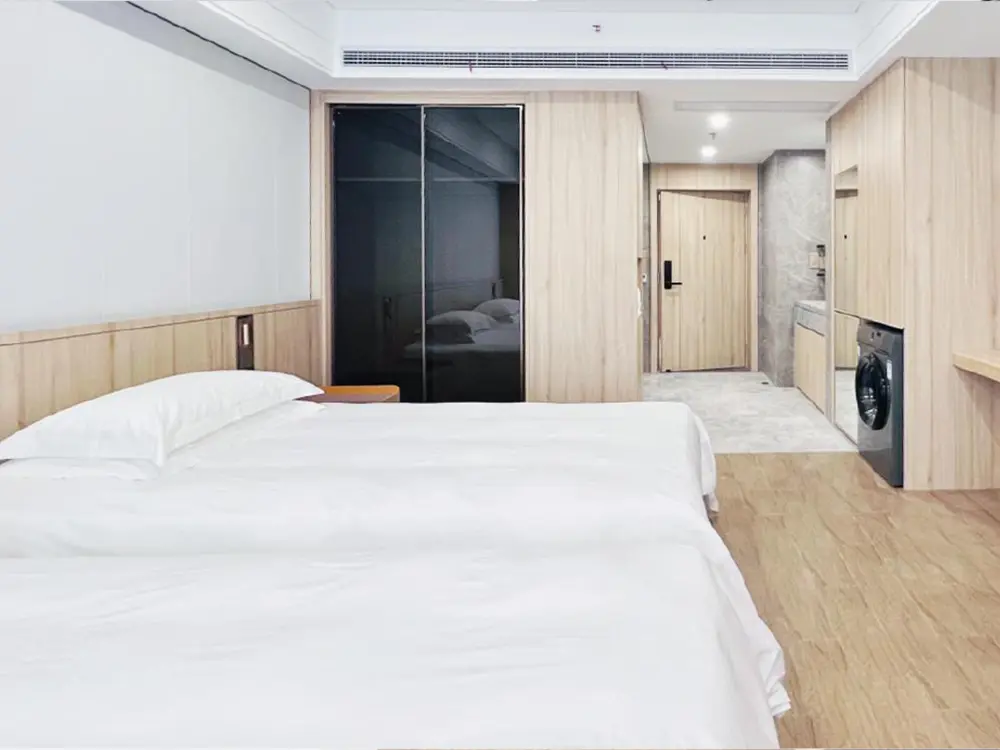 LEAO® Wood Style Decorative Panel
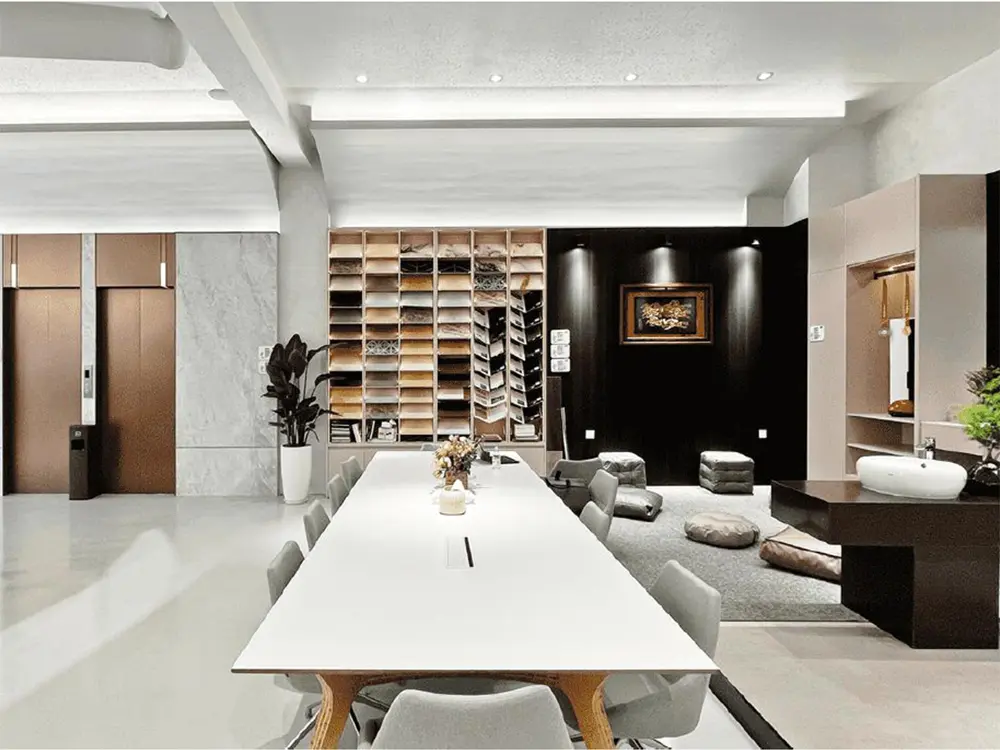 LEAO® Stone Style Decorative Panel
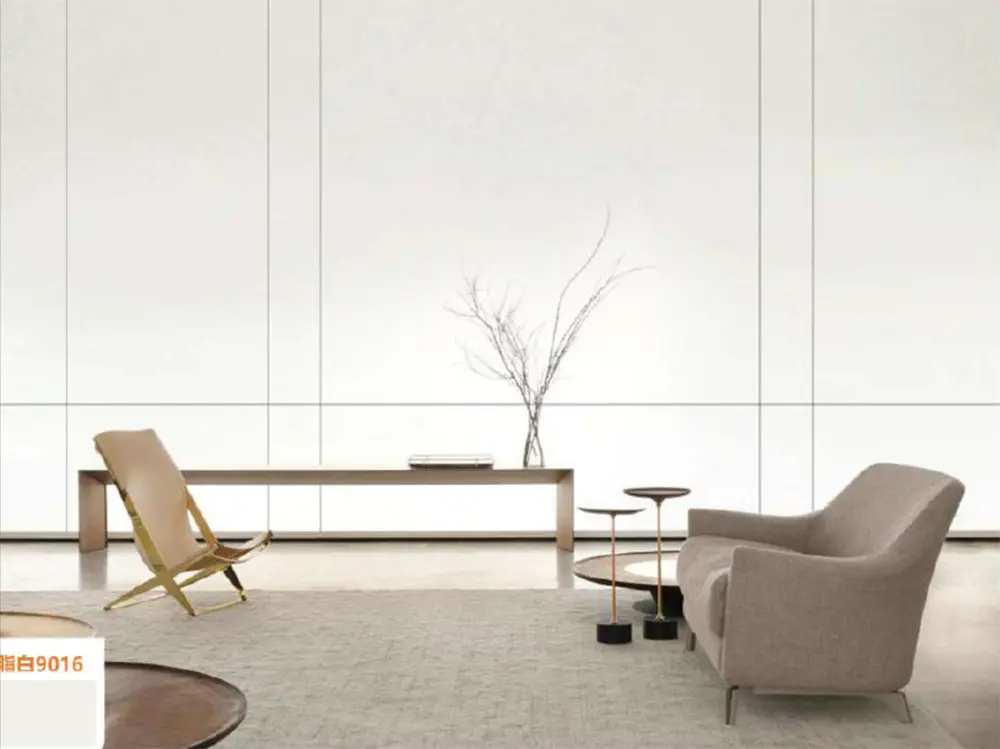 LEAO® Pure Style Decorative Panel