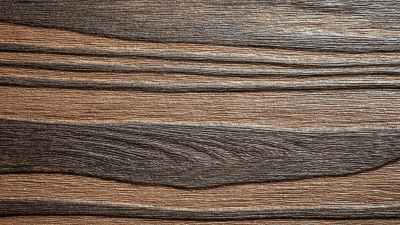
Why Choose Fiber Cement Exterior Panels for Your Building Needs?
When considering building materials, the choice of exterior panels is critical. Fiber Cement Exterior Panels have gained recognition for their durability and aesthetic appeal. James Anderson, a leading expert in sustainable construction, states, "Fiber Cement Exterior Panels provide an unmatched blend of performance and design."
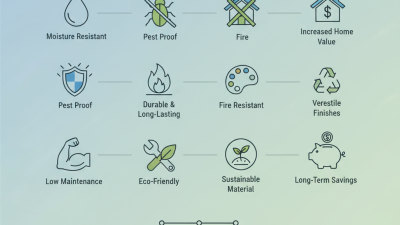
These panels resist moisture, pests, and fire, making them ideal for various climates. Their low maintenance requirements contribute to long-term savings. However, some may question the initial cost compared to traditional materials. Investing in Fiber Cement Exterior Panels requires a thoughtful evaluation of long-term benefits versus upfront expenses.
In an industry that is evolving, the versatility of these panels stands out. They can mimic wood, stone, and other textures while maintaining environmental integrity. Yet, homeowners and builders must ensure proper installation to fully leverage these benefits. Each project is unique, and challenges may arise during the planning stages. Careful consideration is essential for best results.
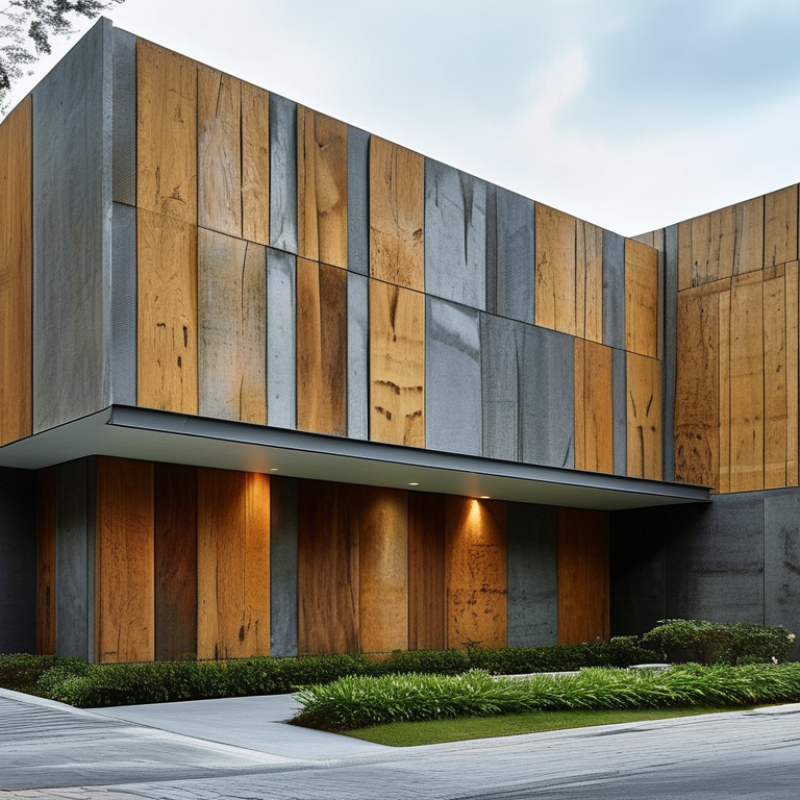
Understanding Fiber Cement Exterior Panels and Their Composition
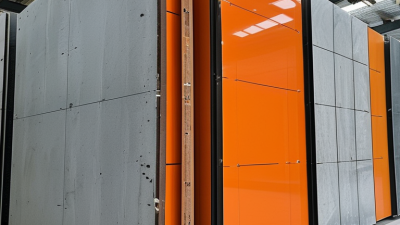
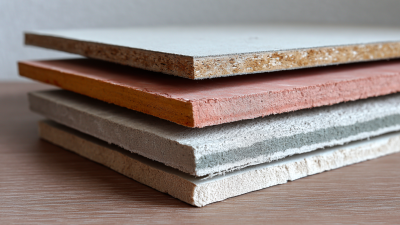
Fiber cement exterior panels have gained prominence in the construction industry due to their unique composition and benefits. These panels typically consist of cement, sand, and cellulose fibers, which provide durability and resistance to weather elements. According to the Portland Cement Association, the use of fiber cement can significantly reduce maintenance costs in the long run. Panels resist rot, insects, and fire, making them a reliable choice for various climates.
In recent years, data from the American Institute of Architects indicates that fiber cement siding has become one of the top choices among architects for both residential and commercial projects. The panels offer a variety of textures and finishes, allowing for versatile design options. Additionally, the National Association of Home Builders reports that fiber cement siding can enhance a home’s value by up to 79% upon resale. However, it is crucial to ensure proper installation, as inadequate application may lead to issues like moisture intrusion.
While fiber cement panels provide numerous benefits, it's essential to recognize their environmental impact. The manufacturing process can be energy-intensive, leading to a higher carbon footprint compared to other materials. Beyond construction, the challenge remains to responsibly source materials while minimizing ecological harm. Balancing these aspects requires ongoing reflection and innovation in building practices.
Advantages of Using Fiber Cement for Building Exteriors
Fiber cement exterior panels have gained popularity in the construction industry for their unique blend of durability and aesthetic appeal. According to the American Fiber Cement Manufacturers Association, fiber cement siding can last up to 50 years with minimal maintenance. This longevity makes it an economical choice for both residential and commercial buildings. The panels are highly resistant to fire, rot, and insect damage, ensuring a safe environment for occupants.
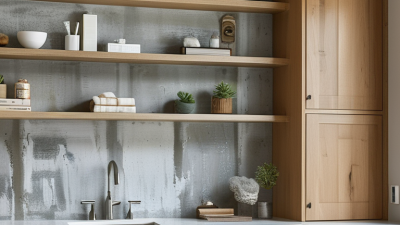
An interesting feature of fiber cement is its ability to mimic the appearance of wood, brick, or stucco. This versatility allows architects to create visually appealing designs while still benefiting from the durability of concrete materials. Reports from Building Green indicate that fiber cement also contributes to energy efficiency by providing better insulation compared to traditional materials. This efficiency could lead to reduced energy costs over time.
Tips for selecting fiber cement panels include checking for proper installation and maintenance guidelines. Regular inspections can help identify any wear or damage early. Consider the climate of your location when choosing the finish, as this can affect performance. Understanding these factors helps in making informed decisions about your building’s exterior.
Comparative Analysis: Fiber Cement vs. Traditional Exterior Materials
When considering exterior materials, fiber cement stands out for several reasons. A comparative analysis reveals substantial benefits over traditional materials such as wood or vinyl. For example, the Building Research Establishment found that fiber cement has a lifespan of over 50 years with minimal maintenance, while wood typically requires frequent painting and treatments. This longevity translates into cost savings over time, making fiber cement a practical investment.
Furthermore, fiber cement is resistant to weather extremes, rot, and insects. According to a report by the American Institute of Architects, buildings clad in fiber cement experience a 20% lower insurance premium. This is primarily due to its fire resistance and durability. On the other hand, traditional materials often succumb to issues like warping or cracking, leading to higher long-term costs. While fiber cement may have a higher initial cost, its resilience offers substantial savings.
However, some concerns exist around the installation process. Proper training is vital, as improper handling can lead to issues. It's essential to find skilled professionals for a flawless finish. This aspect cannot be overlooked. Selecting the right exterior material is not just about aesthetics; it’s a commitment to quality and sustainability.
Comparison of Fiber Cement vs. Traditional Exterior Materials
This chart compares the durability (in years) of fiber cement siding against traditional exterior materials like vinyl, wood, and brick. Fiber cement panels offer enhanced longevity, making them a wise choice for building exteriors.
Installation Techniques for Fiber Cement Panels
When considering fiber cement exterior panels, the installation techniques play a crucial role. Proper installation ensures durability and performance. Begin by preparing the structure, ensuring it is clean and dry. The framing must be level and square to support the panels effectively. Measure each panel carefully before cutting. Precision is key, as uneven edges can lead to problems later.
Next, use corrosion-resistant fasteners during the installation. Proper spacing between fasteners is critical. Panels should have a gap at the bottom to prevent water accumulation. Many installers overlook this step, leading to potential damage. Always follow the manufacturer’s guidelines for sealing joints. This will improve the panel’s resistance to moisture and weather elements.
Avoid rushing the process. Take time to inspect each panel after installation. Look for misalignments or gaps that could compromise the integrity of the exterior. Also, reflect on the impact of your choices. Each decision affects both aesthetics and longevity. The goal is a seamless finish that withstands the test of time. A thoughtful approach ensures the best outcome for your building project.
Maintenance and Longevity of Fiber Cement Exterior Solutions
Fiber cement exterior panels stand out for their impressive durability and minimal maintenance requirements. These panels are engineered to withstand harsh weather conditions, making them a reliable choice for many building projects. Unlike traditional materials, fiber cement does not warp or rot, ensuring that the façade retains its aesthetic appeal over time. Many property owners appreciate that these panels can last for decades with little intervention.
Another advantage of fiber cement is its resistance to pests. Insects like termites cannot damage it, which adds to the longevity of the building. However, some might find that while the initial investment is higher, the overall cost can be lower due to decreased repairs and replacements. This requires careful budgeting and planning. While fiber cement needs occasional cleaning to preserve its appearance, it generally requires less frequent attention compared to wood or vinyl materials.
Some might worry about the environmental impact, as the manufacturing process can involve significant resources. However, when installed properly, these panels can improve the energy efficiency of a building. This aspect often requires a thoughtful approach during design and construction phases. Balancing longevity and eco-friendliness remains a crucial consideration for sustainability-minded builders.

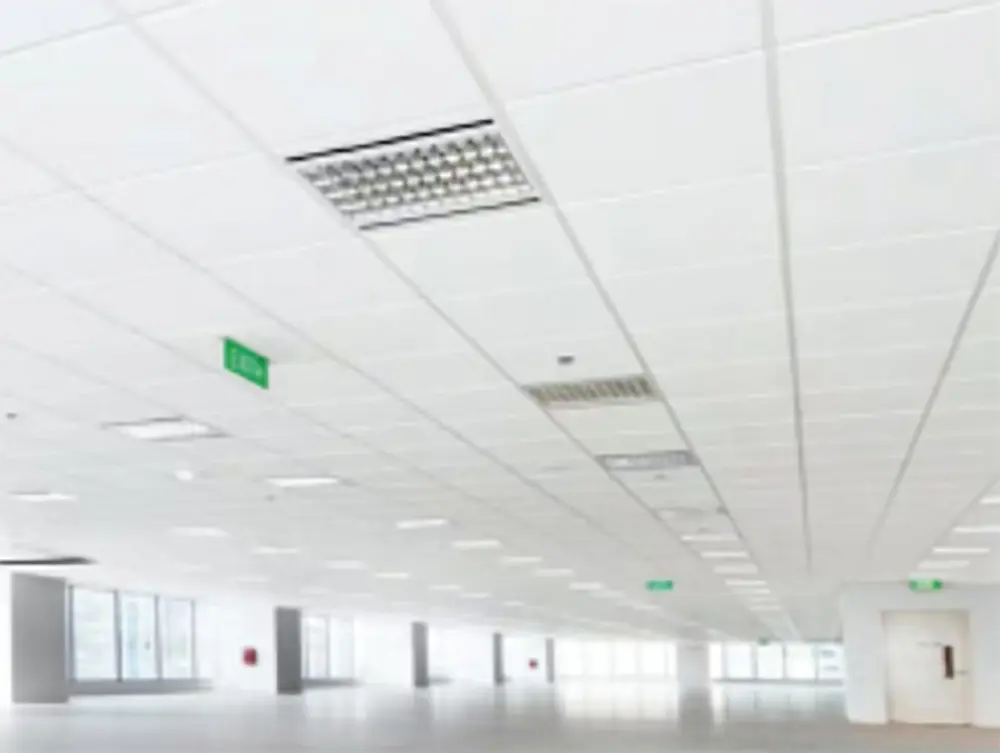 LEAO®Deco Ceiling
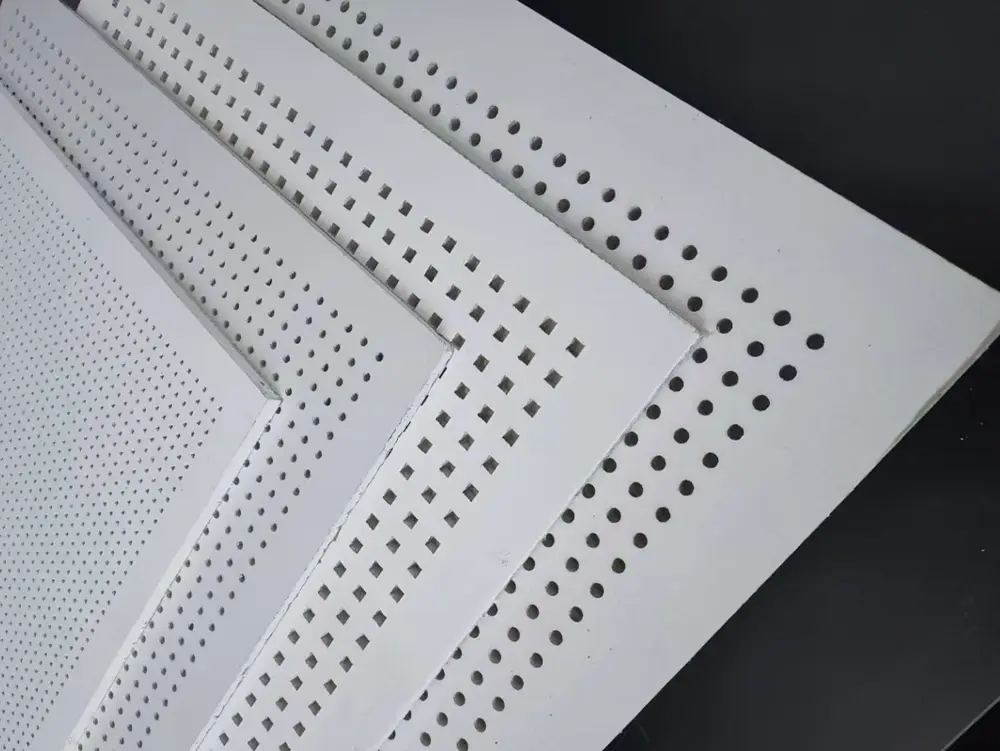 LEAO® Perforated Ceiling
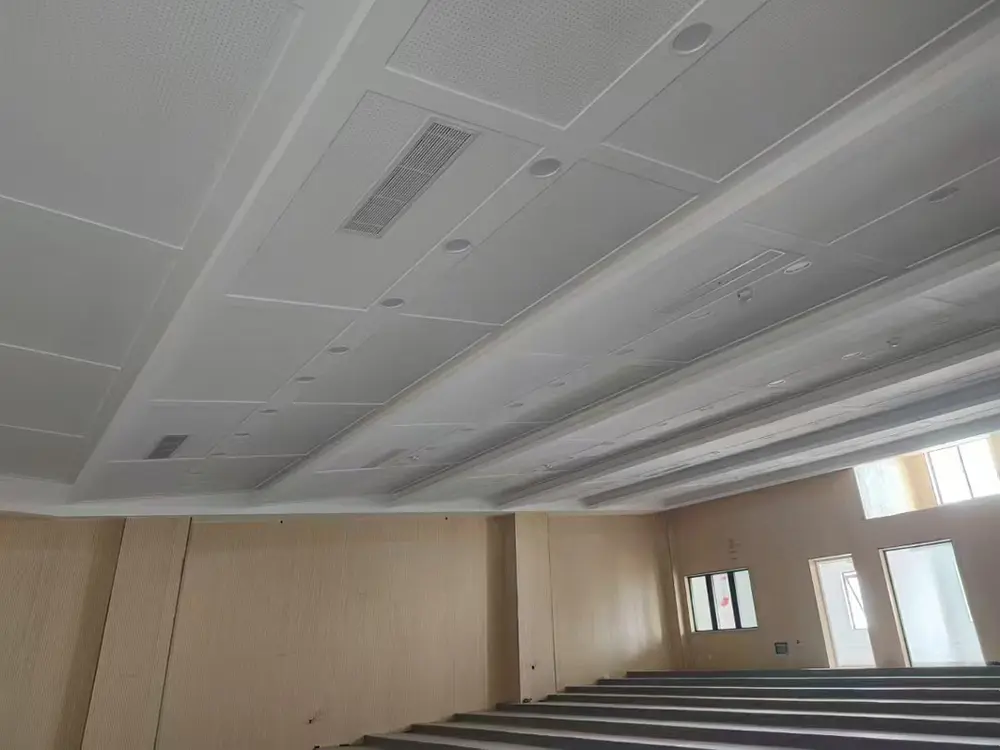 LEAO® Ceiling Board
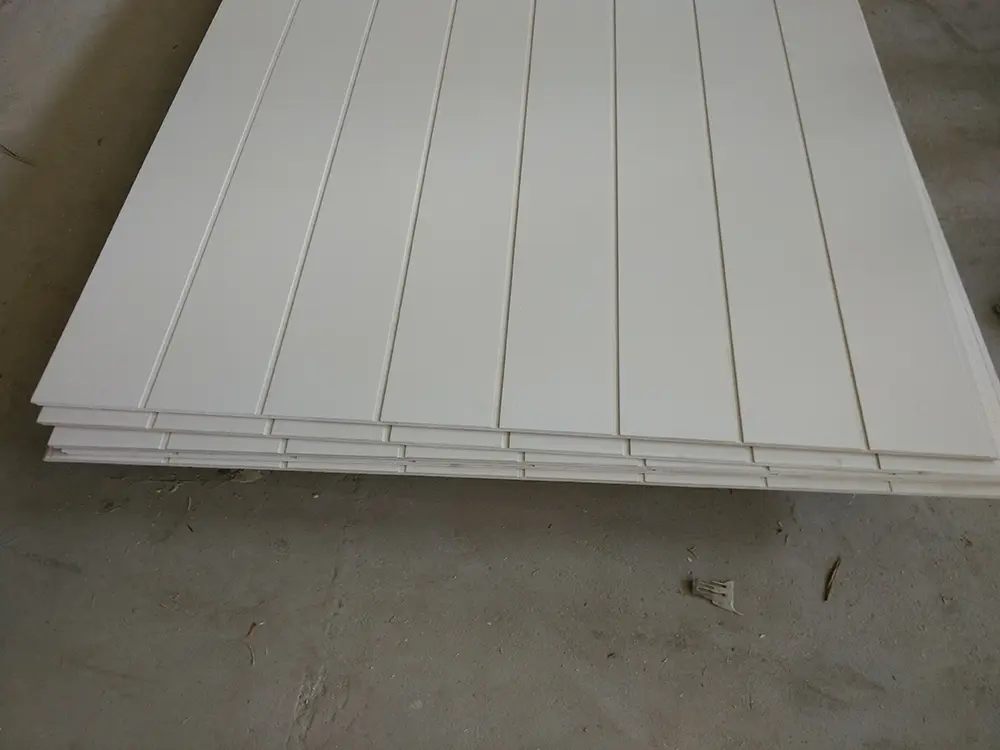 LEAO® Groove Interior Panel
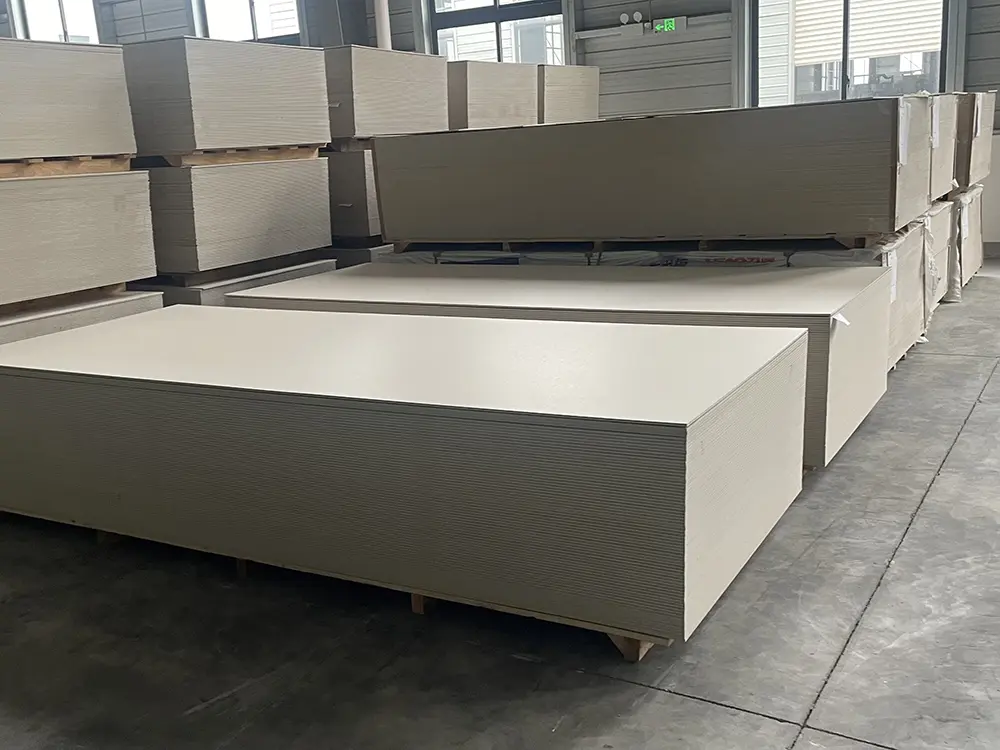 LEAO® Interior Board
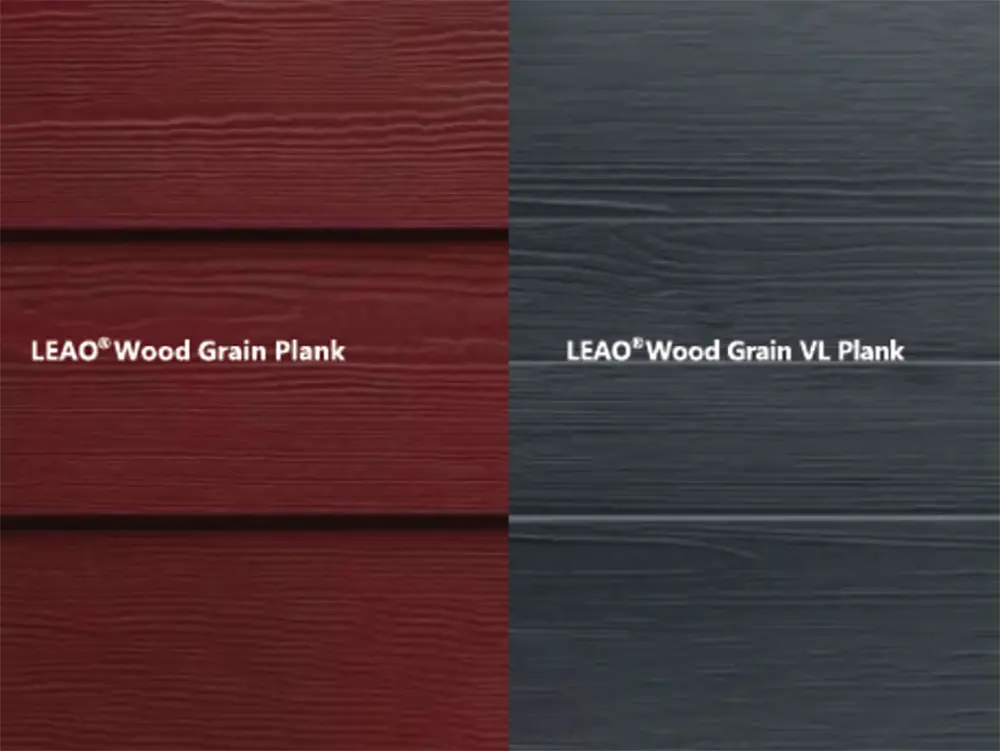 LEAO® Wood Grain Plank
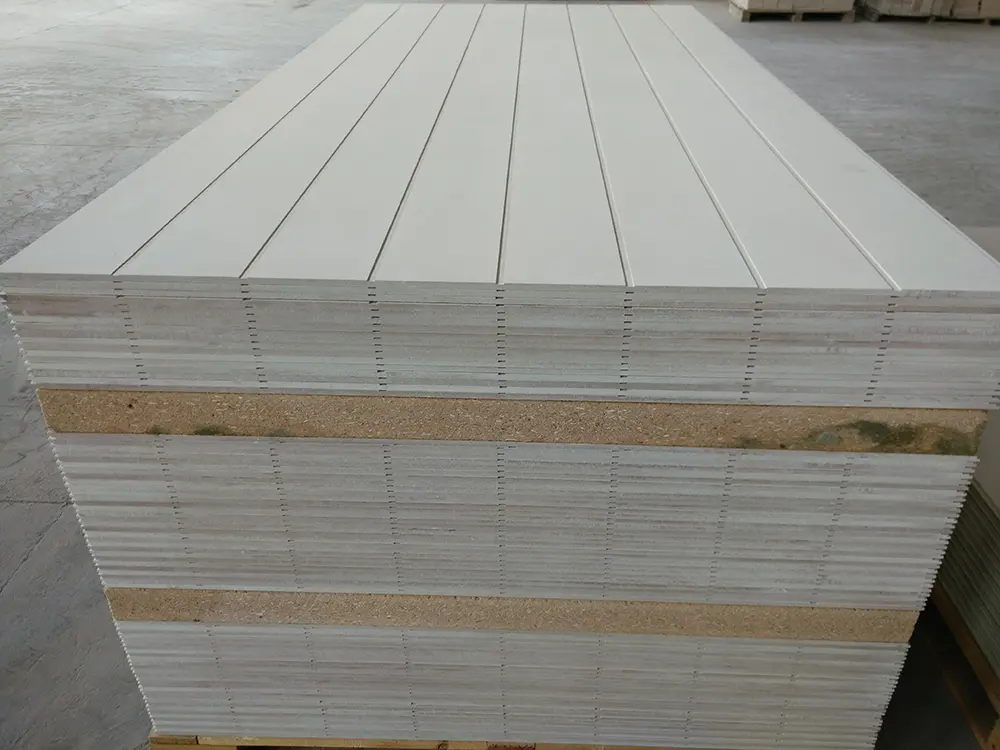 LEAO® Grooved Exterior Panel
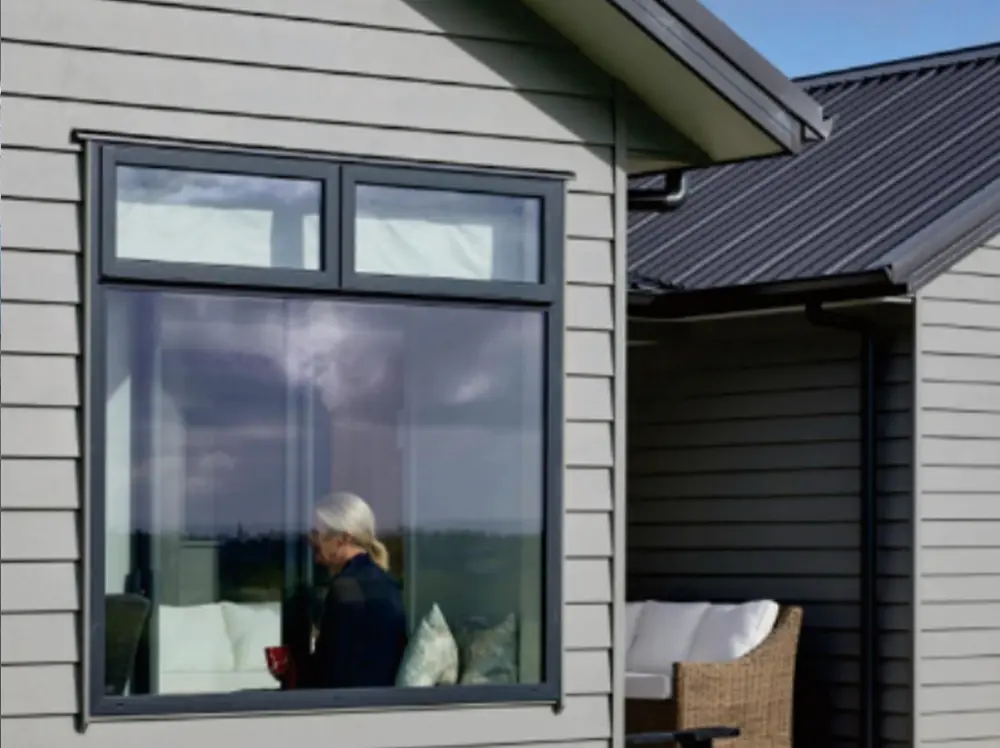 LEAO® Weatherboard
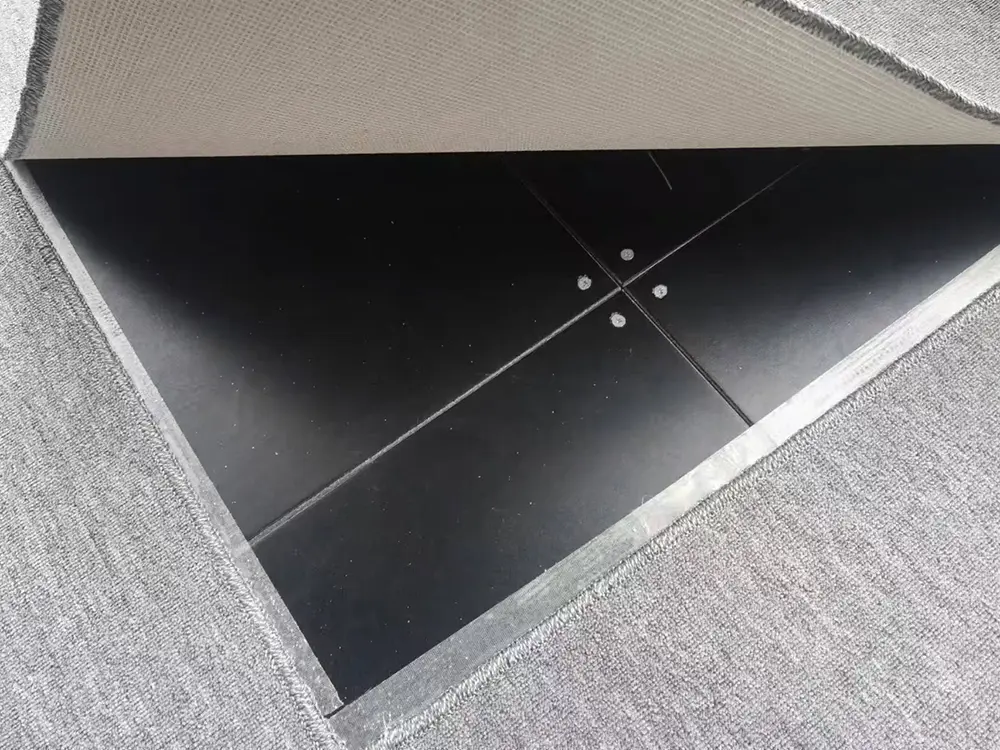 LEAO® Access Floors
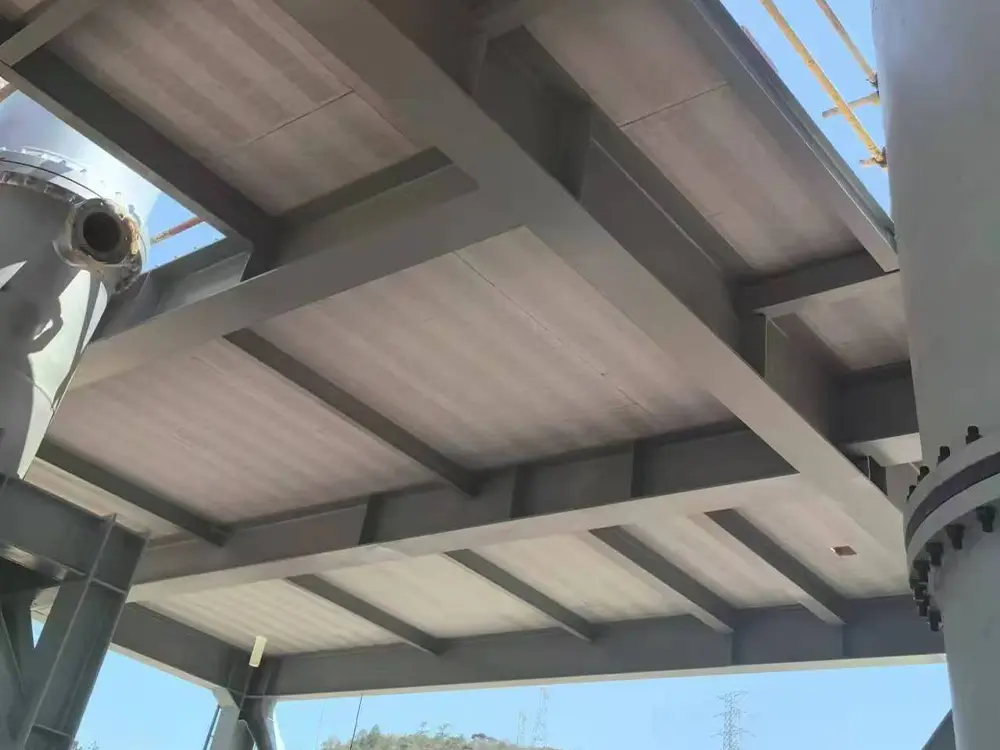 LEAO® Non-removable Formwork
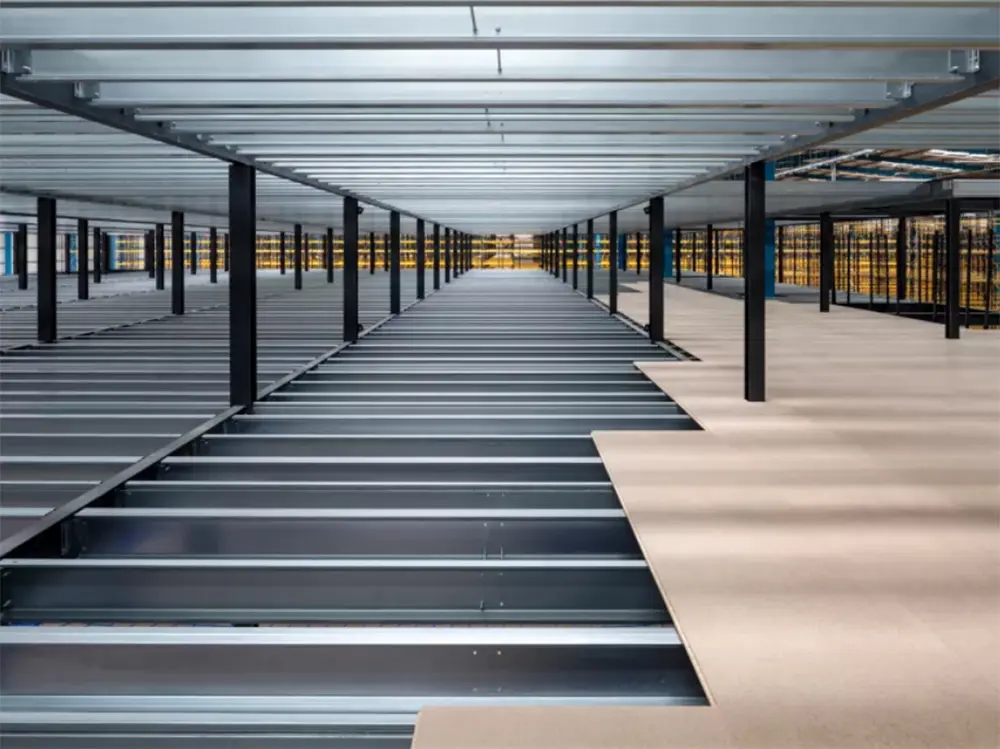 LEAO® Mezzanine Board
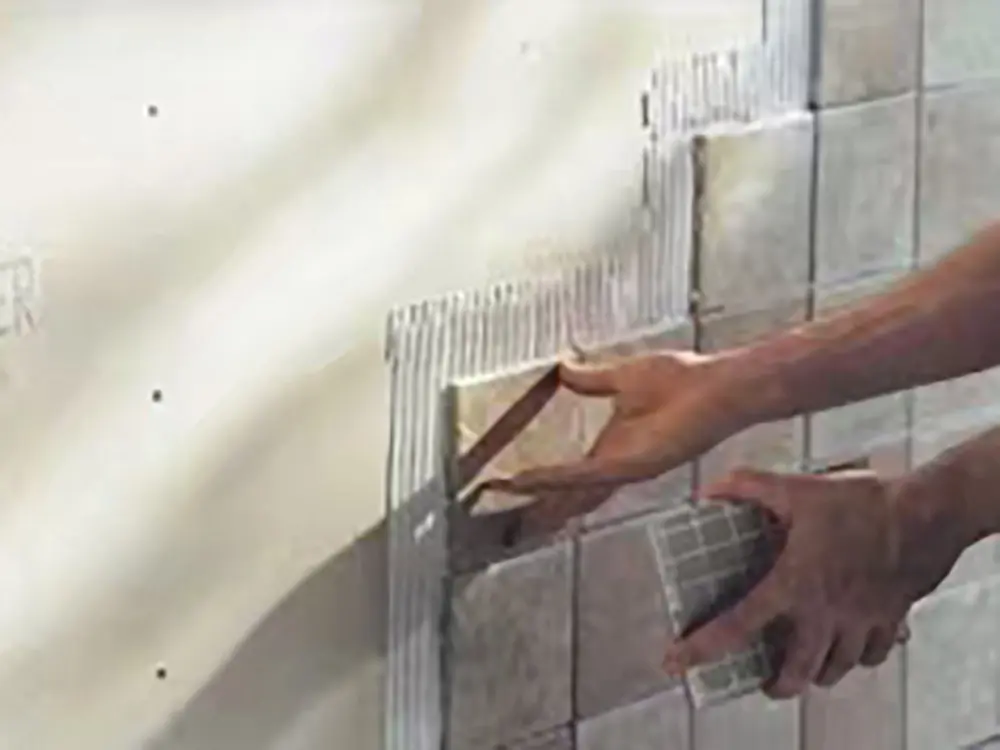 LEAO® Ceramic Tile Underlay
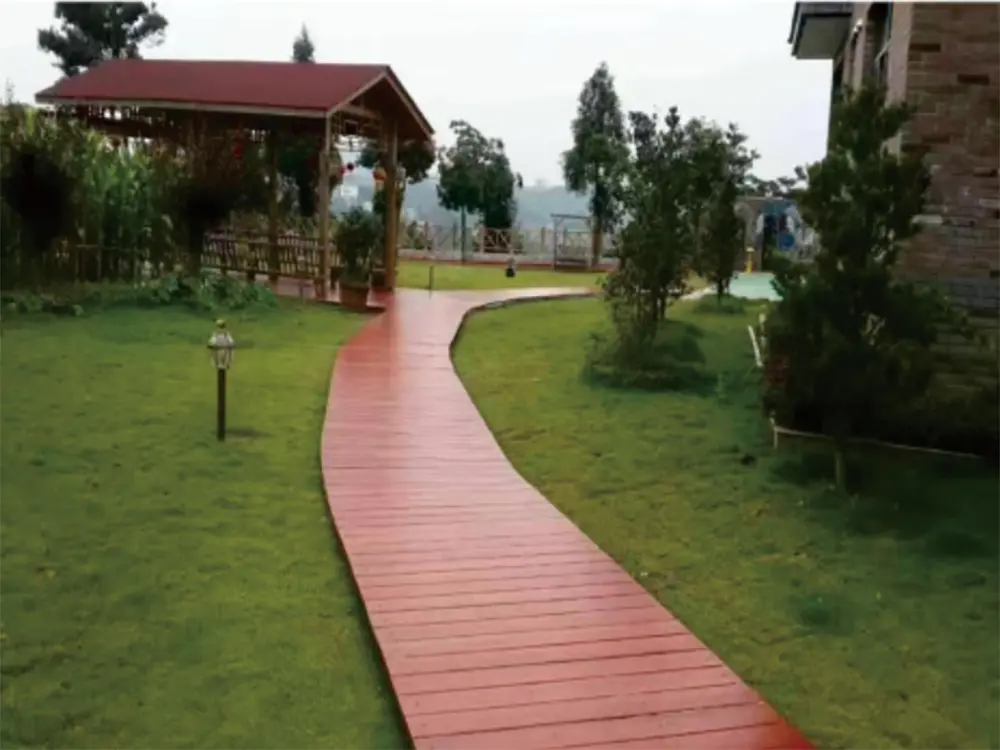 LEAO® Floor Plank
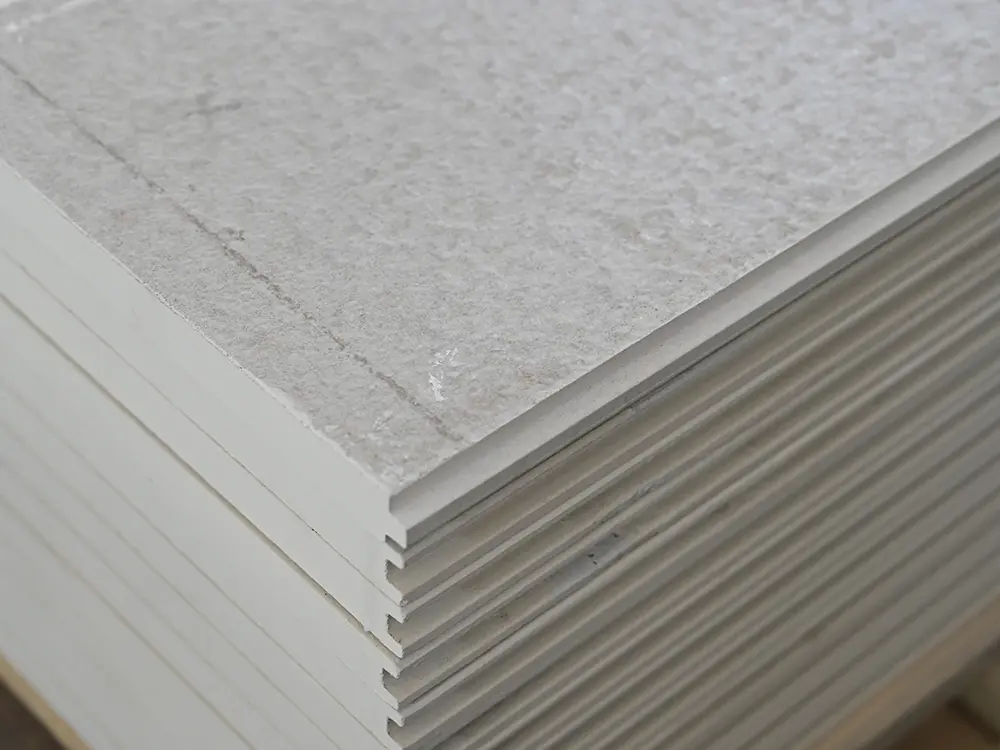 LEAO® Flooring
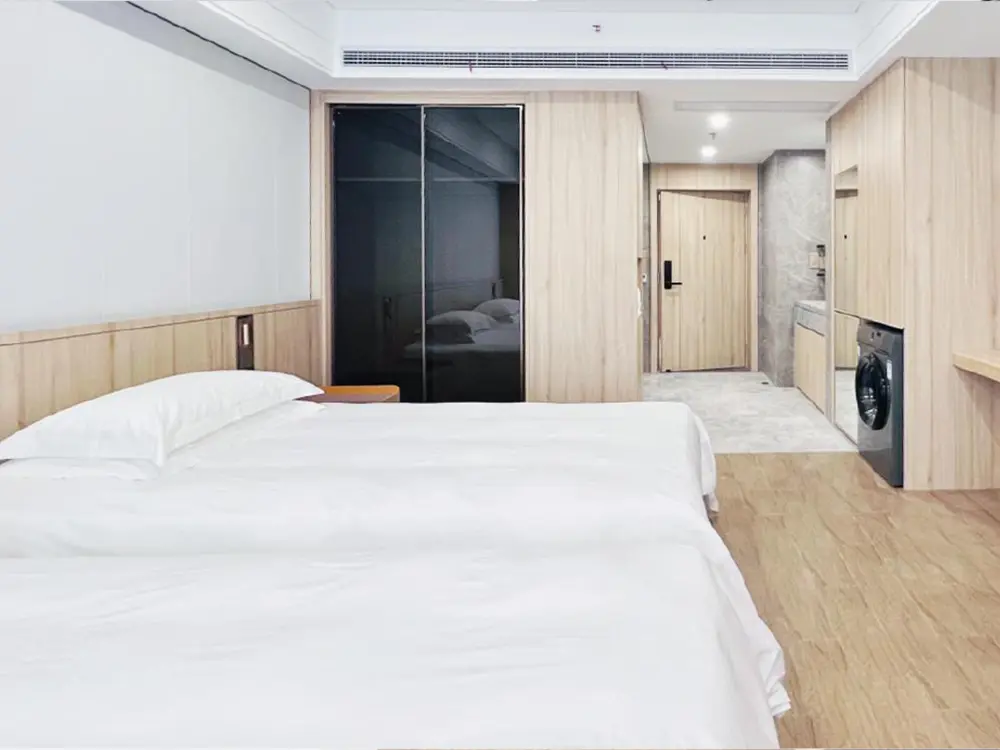 LEAO® Wood Style Decorative Panel
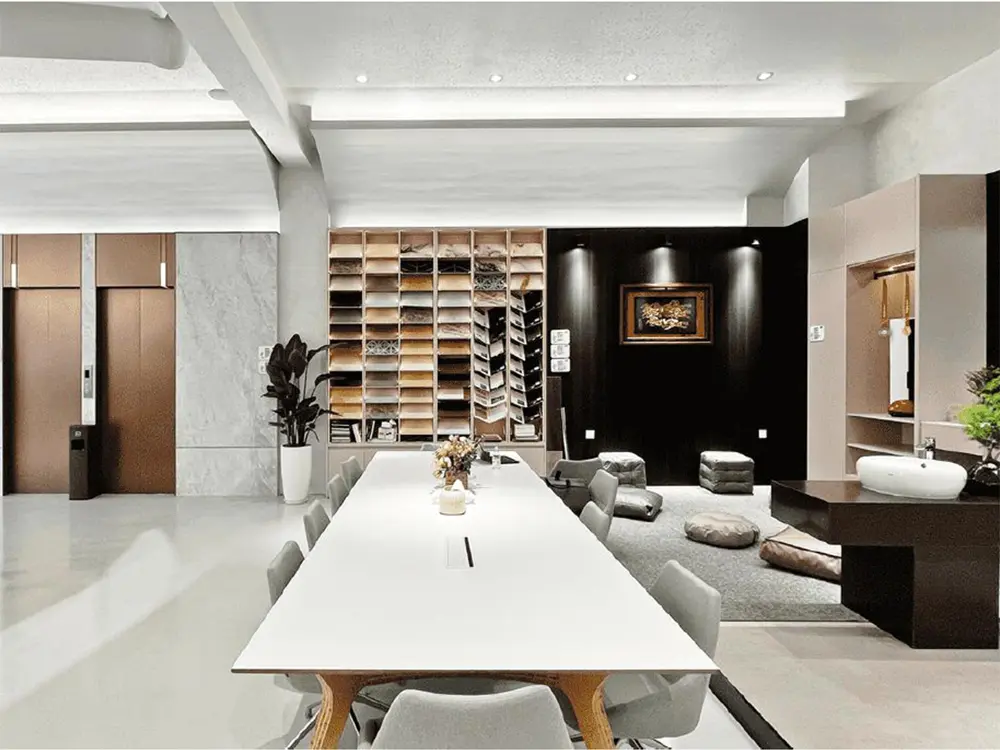 LEAO® Stone Style Decorative Panel
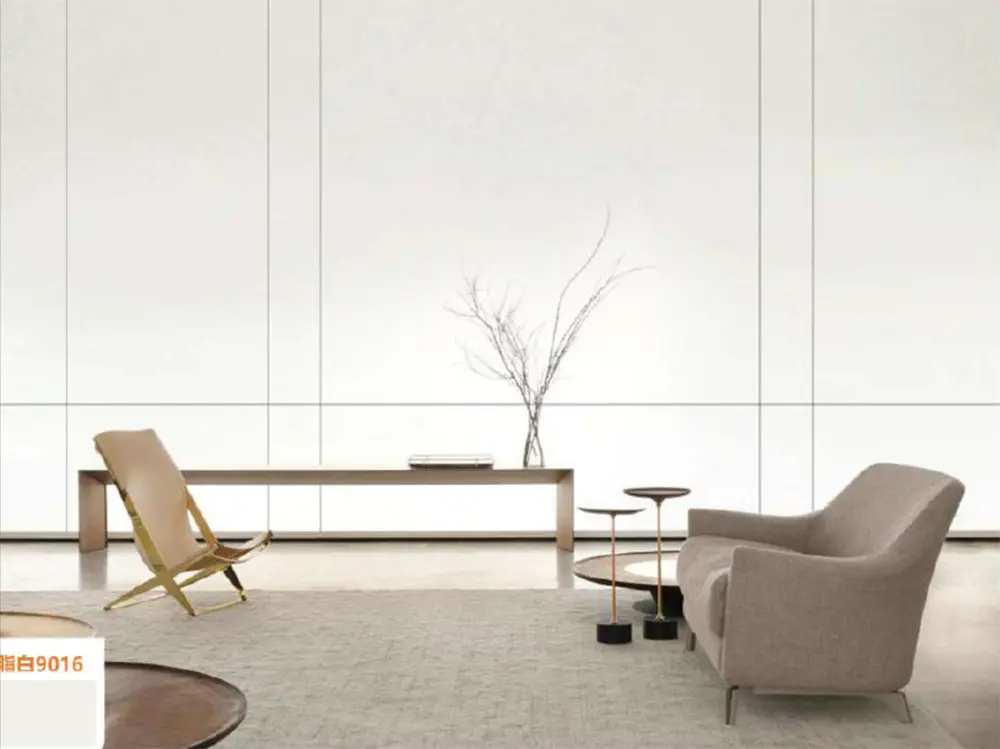 LEAO® Pure Style Decorative Panel