China Best Fiber Cement Board Siding for Global Buyers?
When considering home exterior options, "Fiber Cement Board Siding" stands out as a top choice. This siding material offers durability, aesthetic appeal, and weather resistance. Homeowners searching for reliable options might find themselves looking toward China for the best fiber cement board products available.
China’s manufacturers excel in producing high-quality fiber cement board siding. They combine traditional craftsmanship with modern technology. Clients globally are increasingly attracted to these siding solutions for their longevity and affordability. Yet, challenges remain. Ensuring quality control can be a concern, and not all products meet the highest standards.
As buyers explore their options, understanding the material and its applications becomes crucial. Fiber cement siding provides practical benefits, but potential buyers should conduct thorough research. Personal reviews and certifications can provide valuable insights into the reliability of products. While there are many appealing choices, it’s essential to reflect on the best fit for specific needs and preferences.
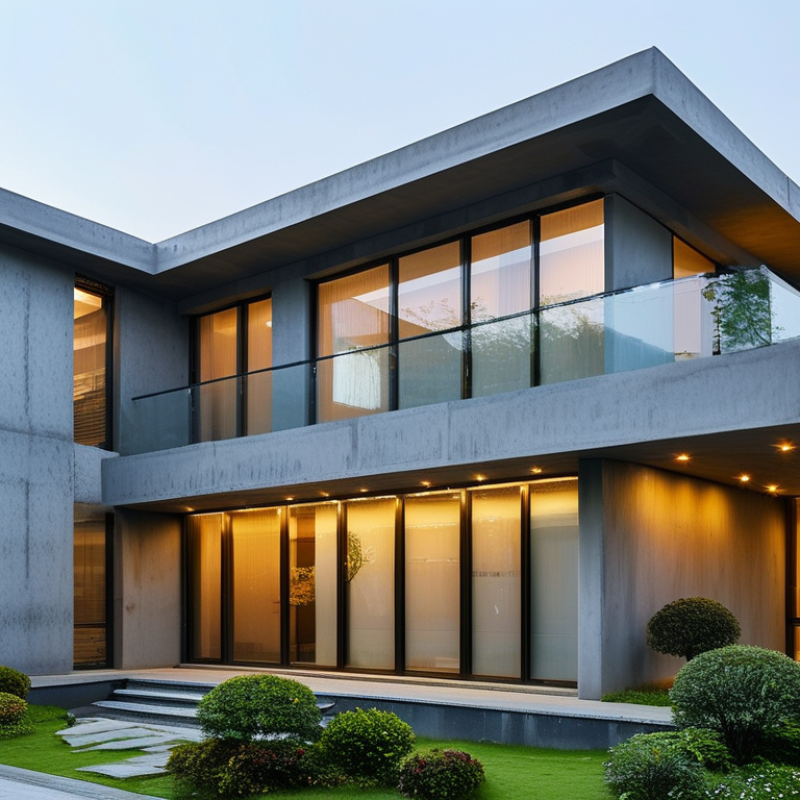
China's Leading Manufacturers of Fiber Cement Board Siding
China has emerged as a significant player in the fiber cement board siding market. Leading manufacturers in the country are known for their innovative approaches and high-quality products. These companies utilize advanced technology to produce durable and weather-resistant fiber cement boards, catering to both domestic and international buyers. With a focus on eco-friendly materials, Chinese manufacturers appeal to a growing demand for sustainable construction materials.
When selecting fiber cement boards, buyers should consider some key tips. Look for certifications that ensure product quality and compliance with international standards. It's also vital to evaluate the manufacturer’s experience and reputation in the industry. Understanding their production techniques can provide insights into the durability and lifespan of the siding. Always request samples before committing to bulk orders to assess the product firsthand.
Competition among Chinese manufacturers can lead to varied pricing. However, cheaper options might compromise quality. Be cautious of too-good-to-be-true deals. Engage with multiple suppliers to compare offerings. This approach not only aids in securing competitive pricing but also highlights the diverse options available in the market. Keep an open line of communication with manufacturers to clarify any doubts regarding the product specifications and installation processes.
Key Advantages of Using Fiber Cement Board Siding
Fiber cement board siding has gained popularity among homeowners around the globe. This material offers various advantages that make it a smart choice. It is durable, resilient, and resistant to moisture, pests, and fire. This resilience leads to reduced maintenance costs over time.
Another key advantage is its versatility in design. Fiber cement boards can mimic the appearance of wood, brick, or stone. Homeowners enjoy a wide array of textures and colors, allowing for unique architectural expressions. Choosing fiber cement means investing in the aesthetics of your home without compromising durability.
Tip: When selecting fiber cement board siding, consider the climate in your area. Some products perform better in certain weather conditions. This can help ensure longevity and better performance.
Additionally, fiber cement boards are eco-friendly. Many manufacturers use recycled materials in their production. This means less waste and a lower carbon footprint. Being conscientious about material choices can contribute to environmental sustainability.
Tip: Always look for sustainability certifications. This can guide you toward environmentally friendly options. Be aware of misleading labels; not all products are created equal.
Exploring these advantages highlights why fiber cement board siding remains a trusted choice for many global buyers. It combines functionality with design, making it a smart investment for any homeowner.
Global Market Trends for Fiber Cement Products
The global market for fiber cement products has been growing steadily. In 2022, the market was valued at approximately $20 billion. It is projected to exceed $27 billion by 2030. This increase is driven by the rise in demand for sustainable building materials worldwide.
Fiber cement boards, known for their durability and resistance to weather conditions, are becoming popular. According to a recent industry report, over 40% of construction professionals prefer fiber cement siding due to its low maintenance requirements. A significant factor in this trend is the ongoing push for eco-friendly building solutions. Fiber cement products can reduce carbon footprints significantly. Yet, the production processes of these boards can still be improved. Manufacturers need to invest in cleaner technologies.
Consumer preferences are shifting too. Many buyers are looking for energy-efficient products that contribute to lower utility costs. This is evident in the rising popularity of insulated fiber cement boards. However, some manufacturers face challenges in sourcing sustainable materials. Balancing cost and sustainability remains a key concern. The industry must navigate these complexities to thrive in a competitive market.
China Best Fiber Cement Board Siding for Global Buyers
| Country |
Market Share (%) |
Growth Rate (2020-2025) (%) |
Import Value (Million USD) |
Key Application Sectors |
| USA |
25 |
5.5 |
150 |
Residential, Commercial |
| Canada |
15 |
4.2 |
80 |
Residential |
| Australia |
10 |
6.0 |
60 |
Commercial, Industrial |
| UK |
20 |
3.8 |
100 |
Residential, Renovation |
| Germany |
18 |
4.5 |
90 |
Industrial, Commercial |
Comparative Analysis: Fiber Cement vs. Traditional Siding Materials
When comparing fiber cement siding to traditional materials, several key factors emerge. Fiber cement boards are praised for their durability and resistance to weather extremes. They are less prone to rot, warping, or insect damage compared to wood siding. This longevity can save homeowners significant maintenance costs over time.
On the flip side, traditional materials like vinyl and wood may provide a more classic aesthetic appeal. Homeowners often find it easier to paint or customize wood siding. However, frequent upkeep is essential to preserve its appearance. Fiber cement, while requiring less maintenance, may lack the warmth of natural wood.
Cost is another important aspect to consider. The initial investment for fiber cement can be higher than vinyl options. But, when accounting for long-term durability, fiber cement may offer a better return. Ultimately, potential buyers should weigh their options carefully, considering both immediate costs and future needs. Each material has its ups and downs. Reflecting on personal preferences is vital when making a choice.
Comparative Analysis of Siding Materials
Sourcing Strategies for International Buyers of Fiber Cement Siding
When considering fiber cement siding, international buyers must adopt effective sourcing strategies. Fiber cement board is valued for its durability and aesthetic appeal. However, navigating the market can be challenging. Buyers should prioritize transparency and communication with suppliers. Establishing trust is vital.
Tips: Always ask for samples before making a bulk purchase. Samples provide insight into quality and appearance. Check for certifications and standards compliance. This reduces risks of receiving subpar products.
Researching manufacturers is crucial. Focus on companies with a good reputation. Use online platforms to read reviews. Engage with forums to gather experiences from other buyers. This helps in making informed decisions. Remember, not all suppliers have the same reliability. Some may offer lower prices but compromise on quality. Choose wisely.
Negotiation is part of the process. Don’t hesitate to ask for better terms. Discuss delivery times, payment options, and after-sales service. A supplier who is willing to negotiate shows confidence in their product. Ultimately, your goal is to ensure a smooth transaction and high-quality siding.

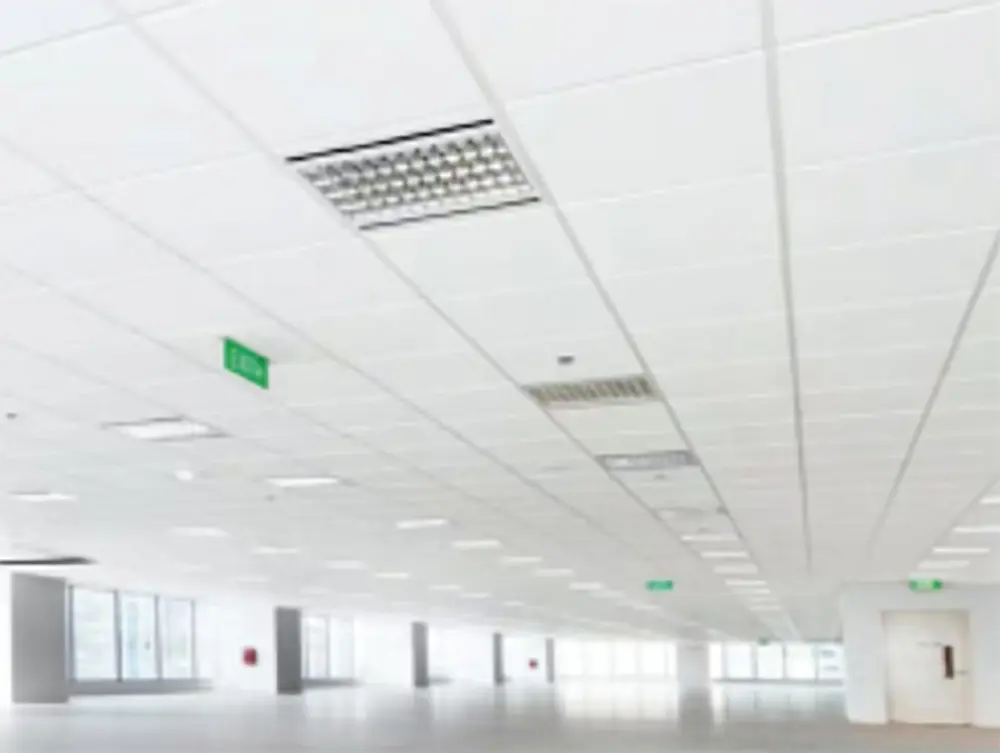 LEAO®Deco Ceiling
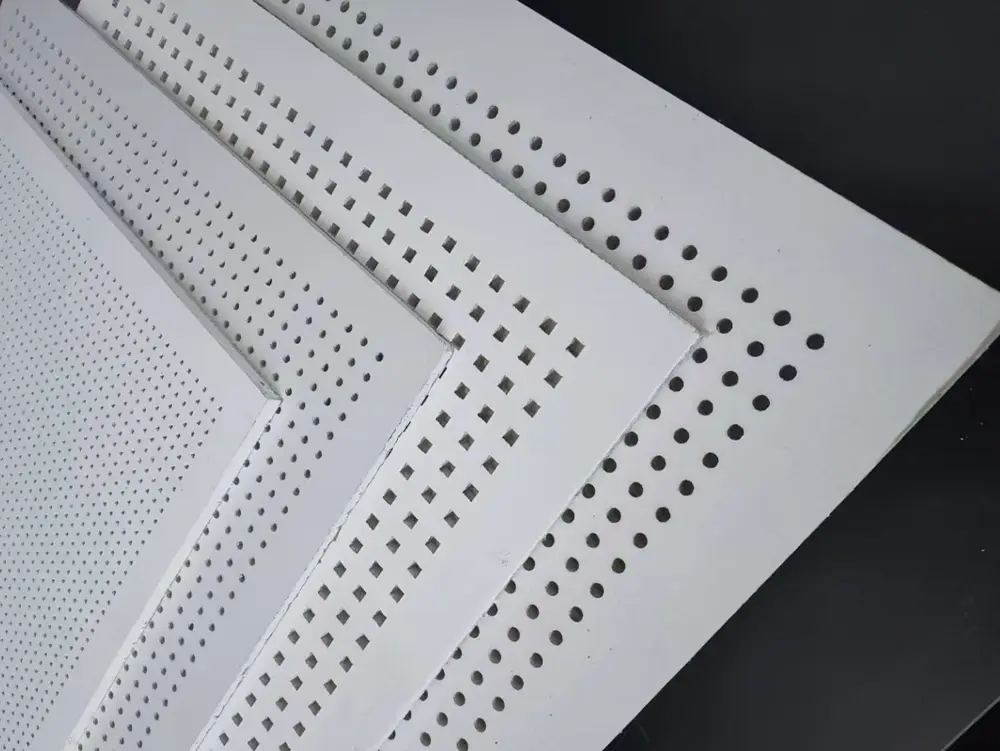 LEAO® Perforated Ceiling
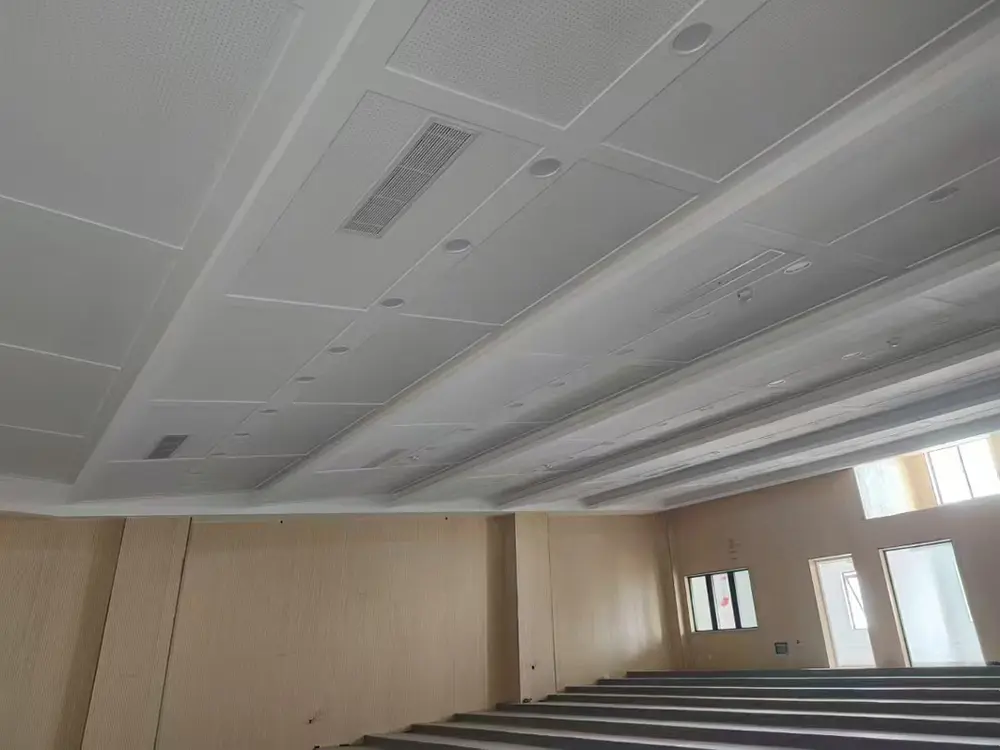 LEAO® Ceiling Board
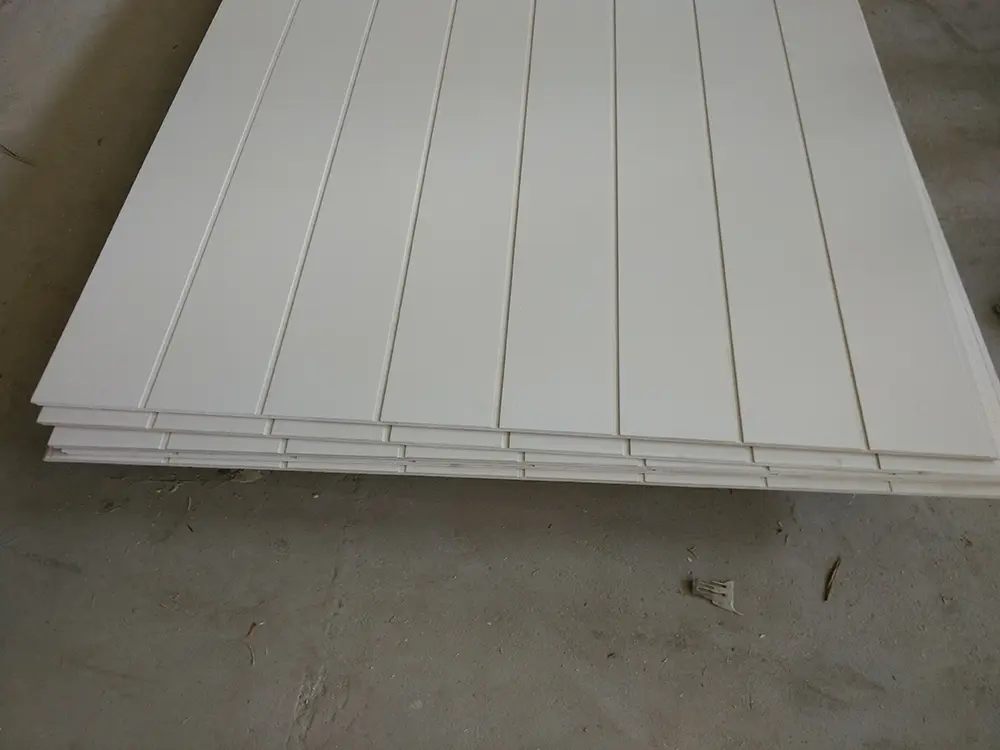 LEAO® Groove Interior Panel
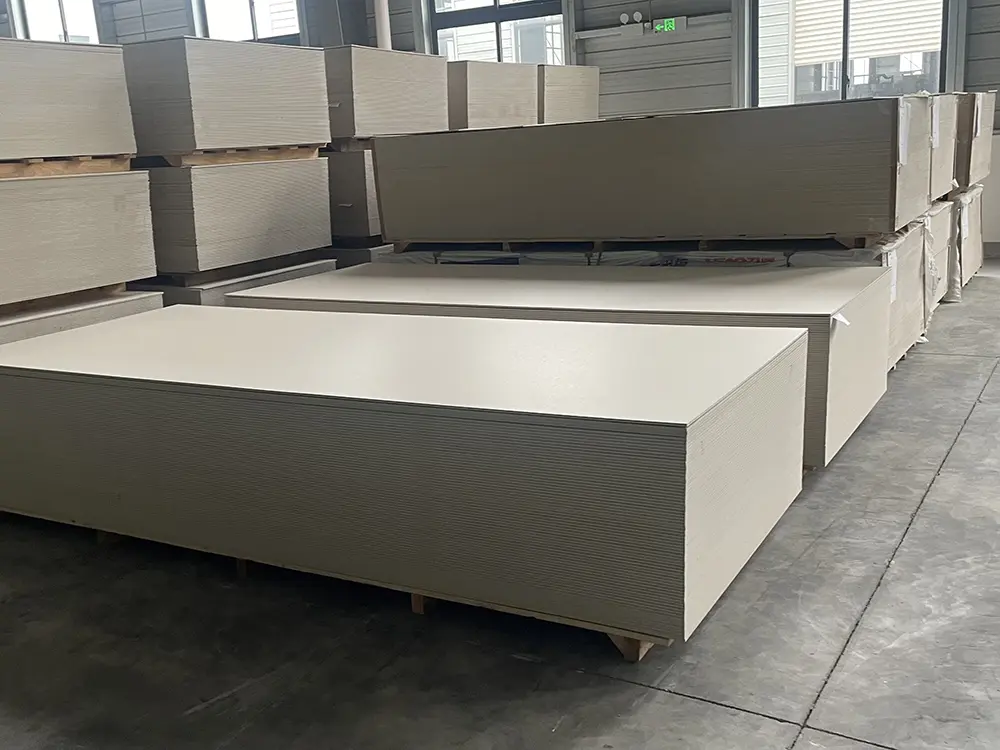 LEAO® Interior Board
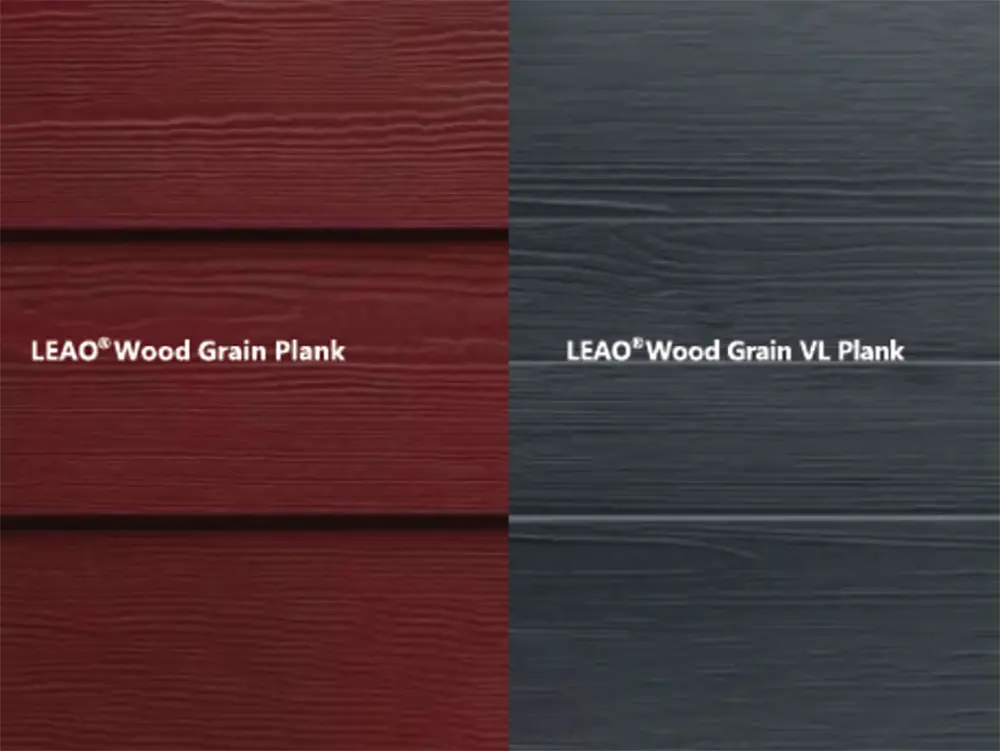 LEAO® Wood Grain Plank
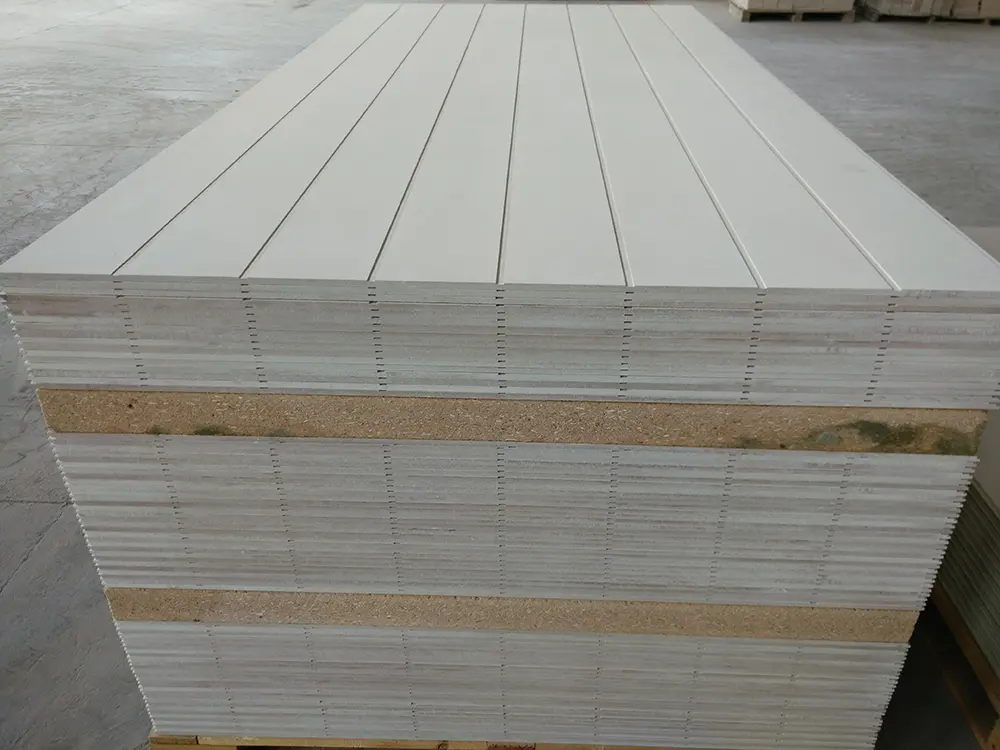 LEAO® Grooved Exterior Panel
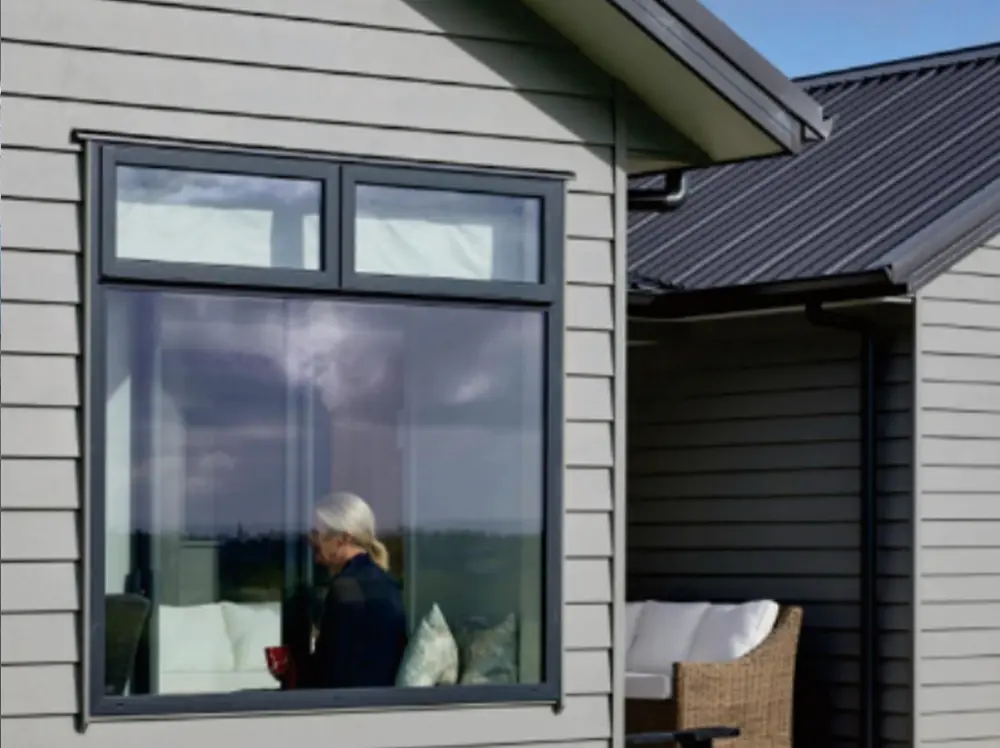 LEAO® Weatherboard
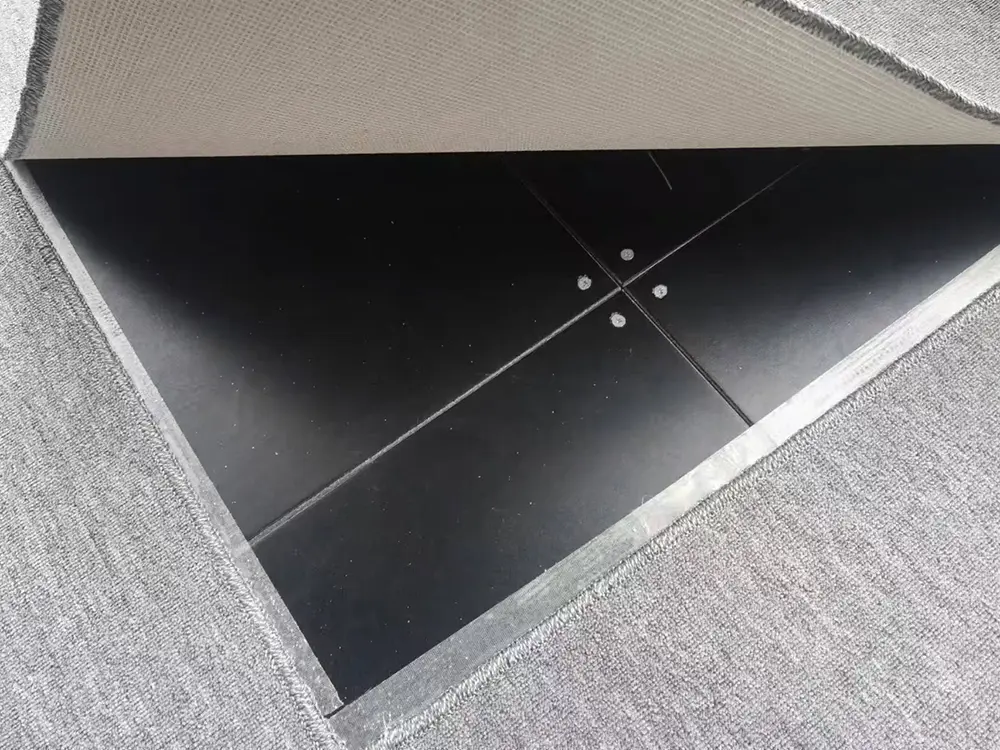 LEAO® Access Floors
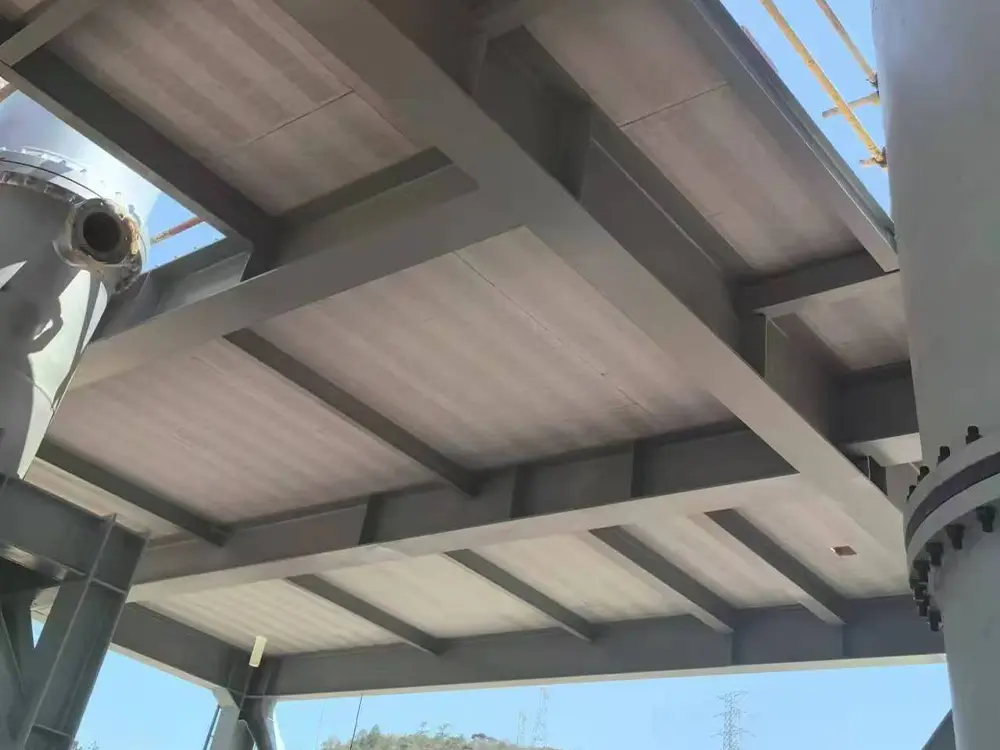 LEAO® Non-removable Formwork
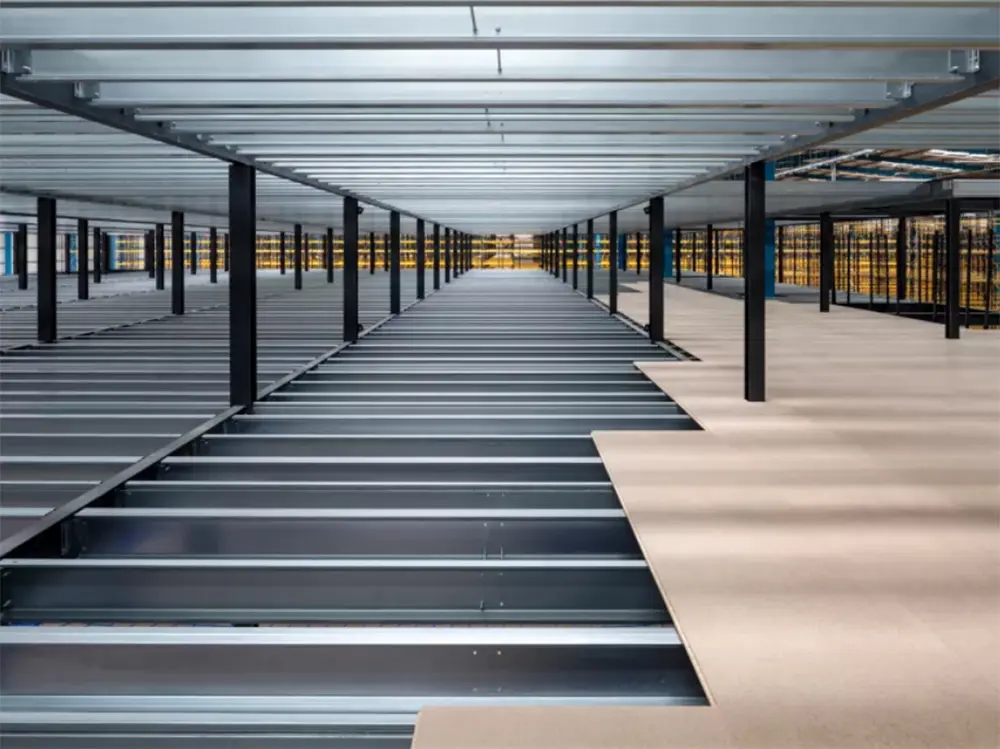 LEAO® Mezzanine Board
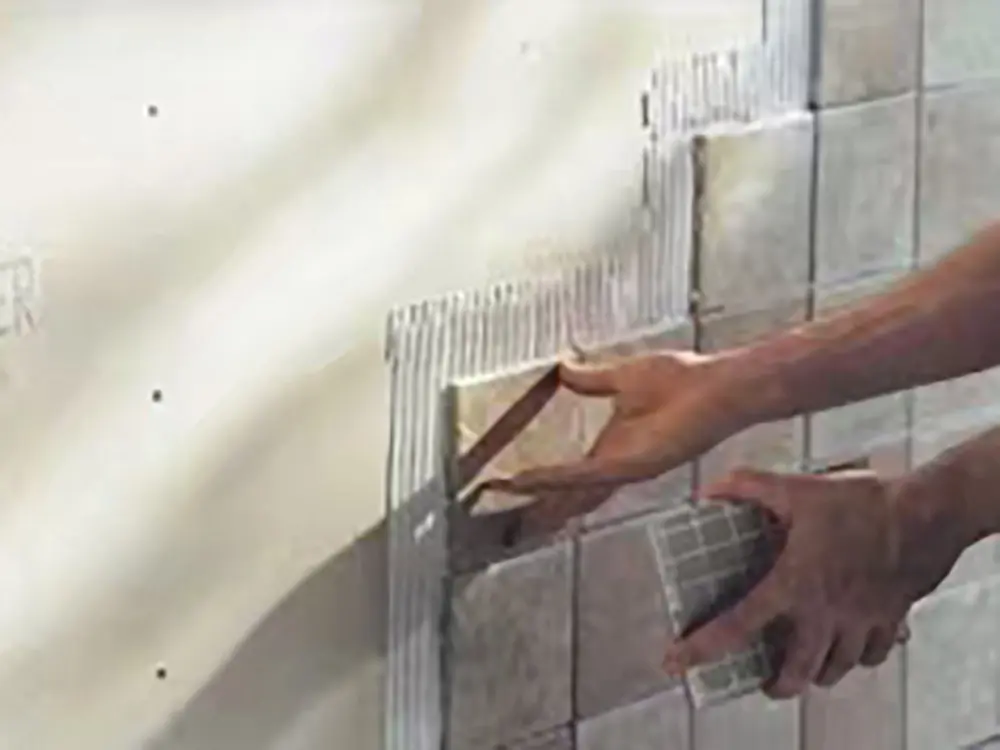 LEAO® Ceramic Tile Underlay
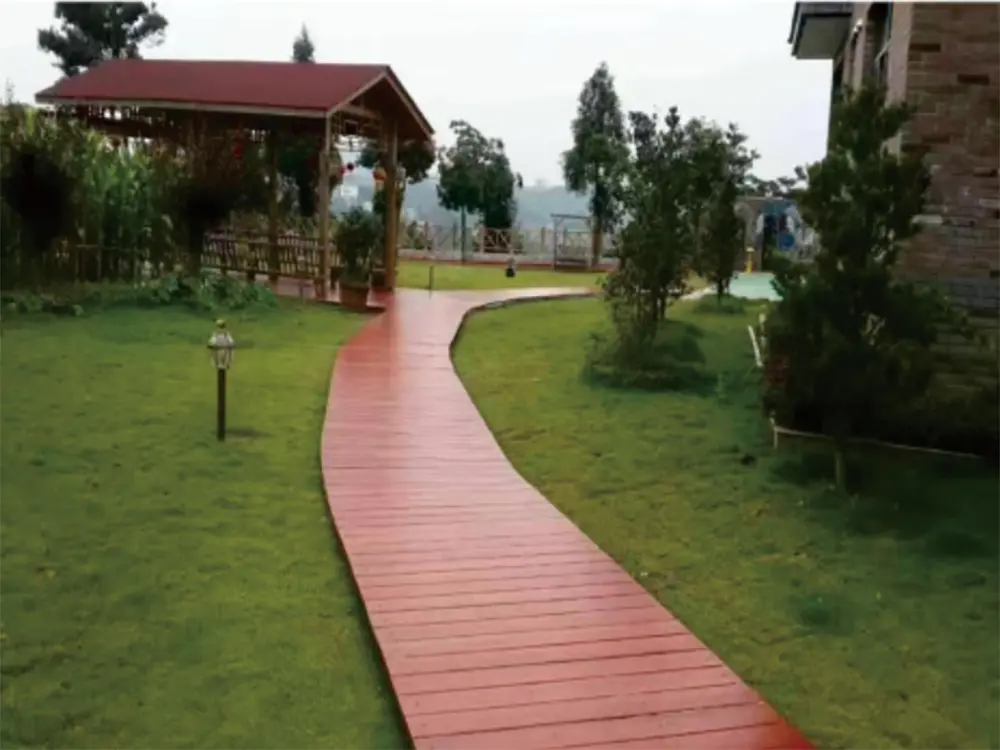 LEAO® Floor Plank
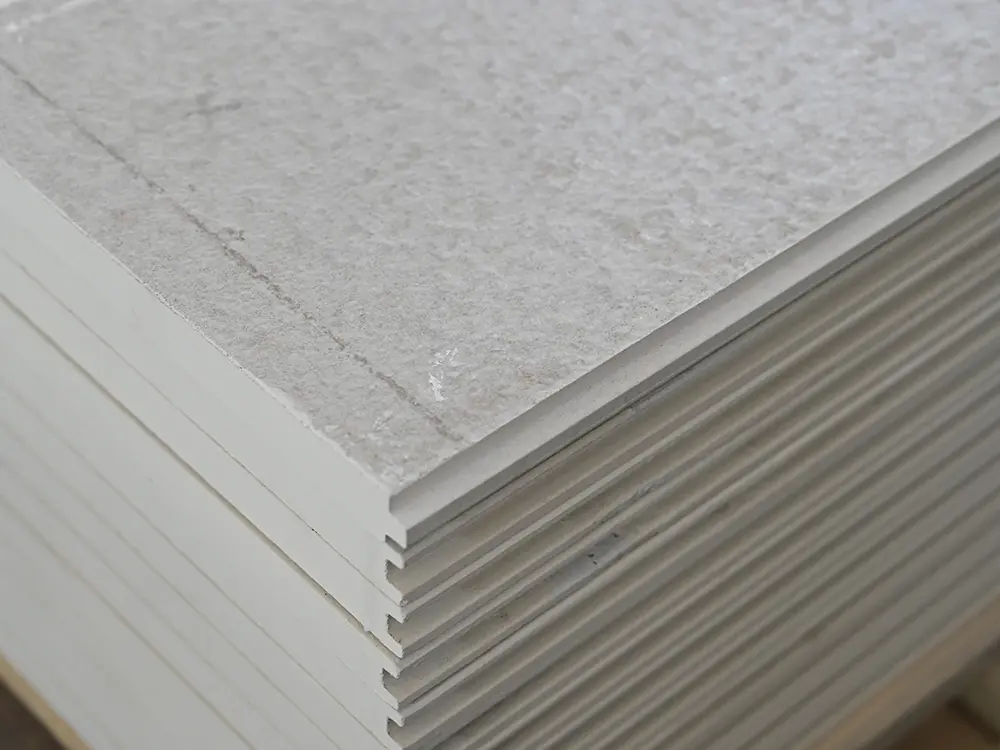 LEAO® Flooring
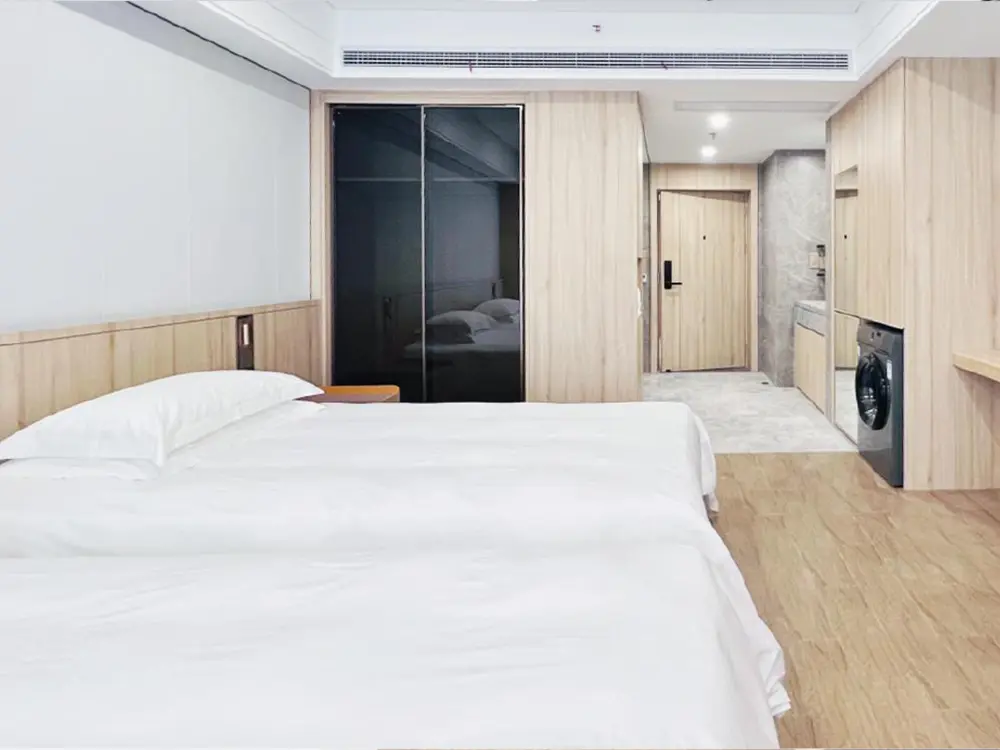 LEAO® Wood Style Decorative Panel
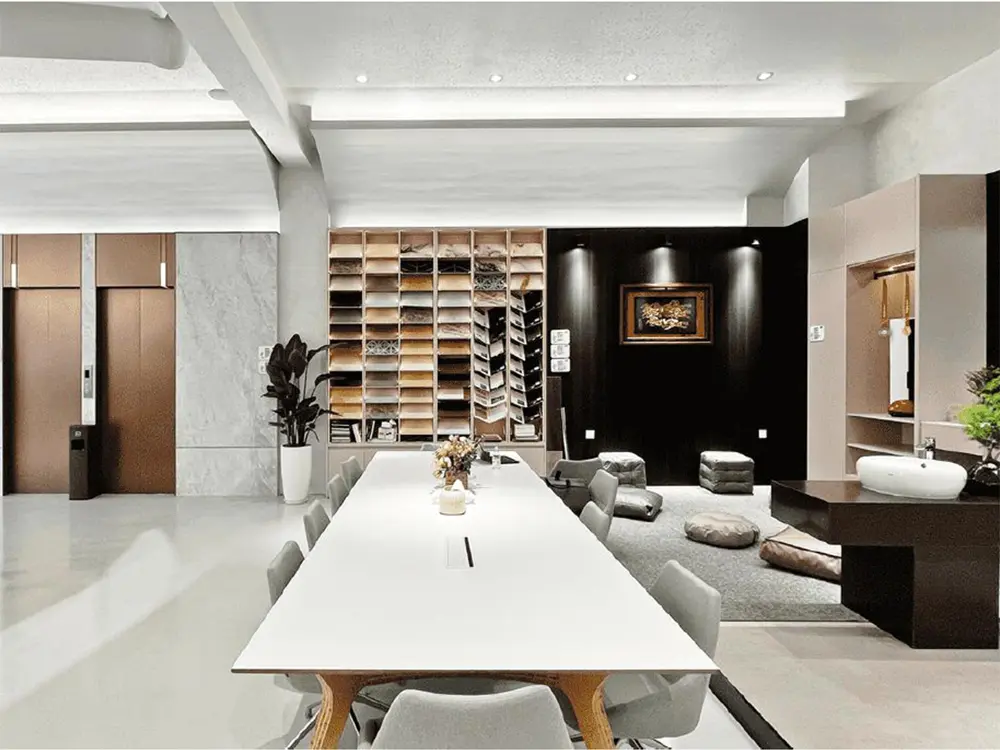 LEAO® Stone Style Decorative Panel
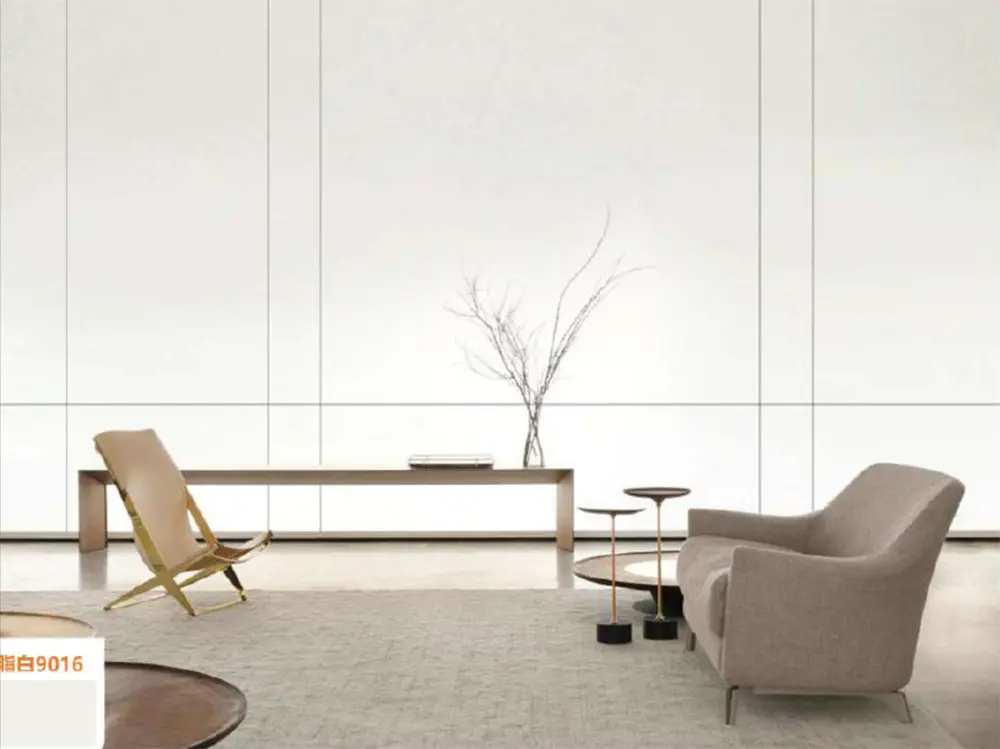 LEAO® Pure Style Decorative Panel